Some countries are so remote that simply reaching them requires multiple flights, infrequent ferries, or days of travel across vast oceans. Geographic isolation has shaped their cultures, economies, wildlife, and way of life, making them fascinating destinations for adventurous travelers.
While modern aviation has made the world feel smaller, these nations remain among the planet’s most secluded. Get ready to explore places where the nearest neighbor might be hundreds of miles of open water away.
New Zealand
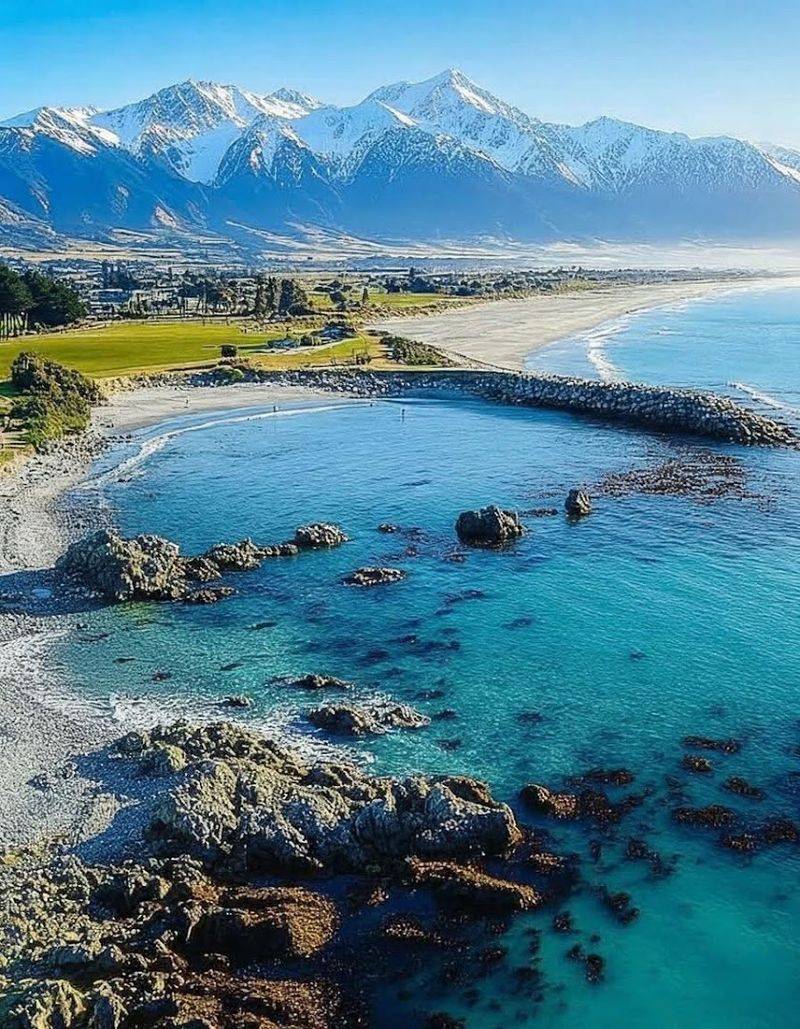
Researchers who study global remoteness consistently crown New Zealand the most geographically isolated country on Earth. Sitting far below the equator in the South Pacific, it lies thousands of miles from major population centers in Europe, Asia, and the Americas.
Even Australia, its closest large neighbor, is about 1,500 miles away across the Tasman Sea.
What makes this isolation so remarkable is how well New Zealand thrives despite it. World-class cities like Auckland and Wellington buzz with culture, cuisine, and creativity.
Fiber-optic internet, modern highways, and efficient airports connect its nearly five million residents to the rest of the world.
Nature lovers find the isolation a gift rather than a drawback. The country evolved separately for millions of years, producing wildlife found nowhere else, including the kiwi bird, which cannot fly and has no natural predators.
Towering fjords, volcanic peaks, and glittering beaches make every corner feel like a movie set. Fittingly, it literally was one for the Lord of the Rings trilogy.
New Zealand proves that being far from everything does not mean missing out on anything.
Australia
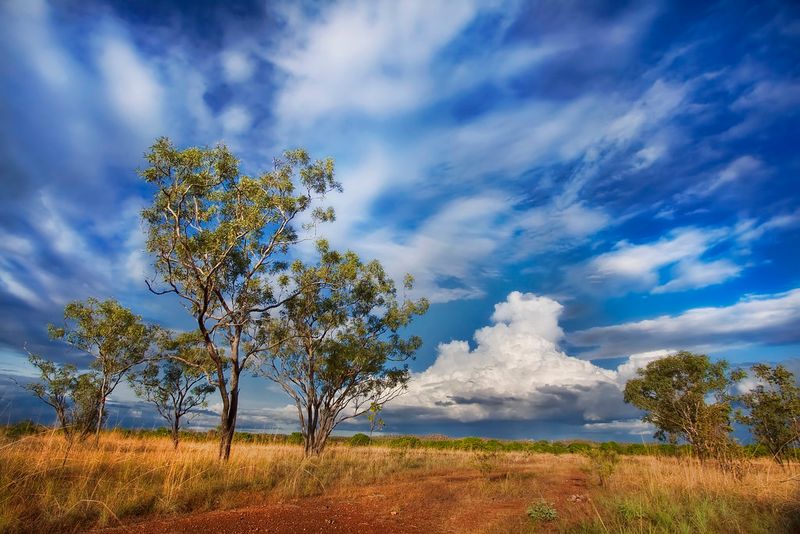
Covering nearly three million square miles, Australia is so big it qualifies as its own continent, yet it still ranks among the world’s most geographically isolated nations. The Indian Ocean stretches to the west, the Pacific to the east, and Antarctica sits far below.
Its nearest major landmass, Southeast Asia, is still a significant stretch of open water away.
That isolation shaped everything. Australia’s wildlife reads like a fantasy novel: kangaroos, platypuses, wombats, and some of the world’s most venomous snakes all evolved here in relative seclusion.
With no land bridge connecting it to other continents for millions of years, nature went its own wild direction.
Even within the country, isolation is a daily reality for many. The Outback, Australia’s vast interior, is one of the most sparsely populated regions on the planet.
Some cattle stations, the Australian term for ranches, are larger than entire European countries. Children in remote areas historically received school lessons via radio.
Despite all this, Australia’s cities rank among the world’s most livable, blending laid-back coastal culture with serious economic muscle. Distance never stopped Australians from building something extraordinary.
Tonga
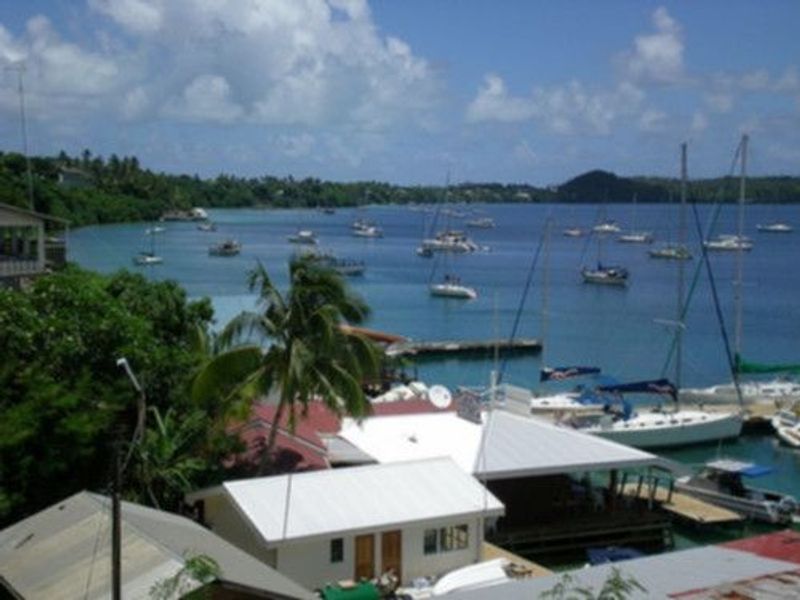
Scattered like confetti across the South Pacific, Tonga’s 170-plus islands form a Polynesian kingdom that has remained remarkably independent and culturally intact for centuries. It is the only Pacific nation never formally colonized by a foreign power, a point of enormous national pride.
That independence is partly a product of its remoteness.
Getting to Tonga is not exactly a quick trip. Most international visitors fly through Fiji or New Zealand, and reaching the outer islands often means hopping on small propeller planes or slow ferries.
The infrequent transport links keep visitor numbers modest compared to more accessible tropical destinations.
Life here moves at a pace dictated by tides, seasons, and tradition rather than airline schedules. Fishing remains central to daily life, and Sunday is treated as a strict day of rest, with most businesses closed and church attendance near-universal.
Humpback whales migrate through Tongan waters each year, making it one of the few places on Earth where you can legally swim alongside them. The kingdom may be small and distant, but its cultural richness and natural beauty make every mile of the journey feel completely worth the effort.
Fiji
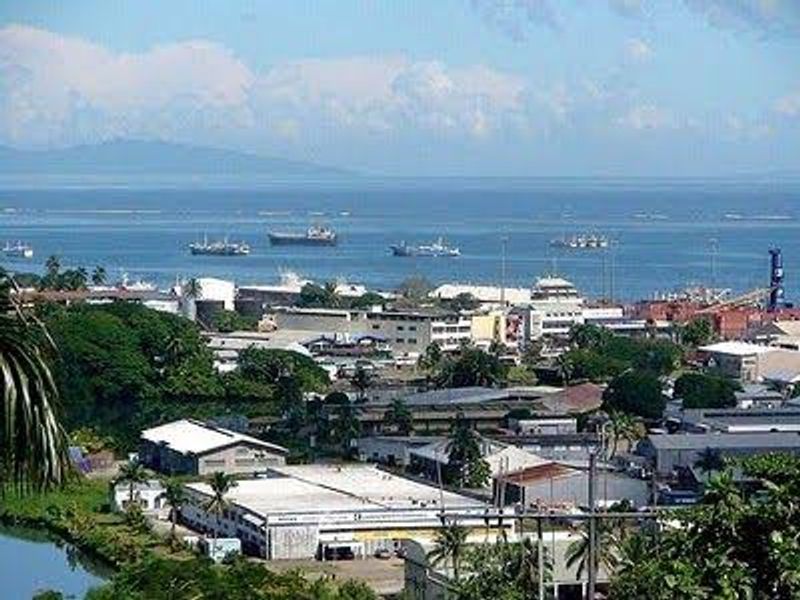
Ask most people to picture paradise and they will describe Fiji without realizing it. Crystal lagoons, coral reefs bursting with color, and villages where strangers greet you with a cheerful “Bula!” make this archipelago feel almost too good to be real.
But beneath the postcard beauty lies genuine geographic remoteness.
Fiji sits roughly in the center of the South Pacific, about 1,100 miles north of New Zealand and over 3,000 miles from Australia’s east coast. Its 330 islands are spread across a large swath of ocean, and reaching the outer islands requires small boats or charter flights that run on their own unpredictable schedules.
The isolation has preserved something precious: a culture that genuinely prioritizes community, generosity, and joy. Fijians consistently rank among the happiest people on global surveys, and spending even a short time there makes it easy to understand why.
The economy leans heavily on tourism and sugar production, with limited industrial development keeping the environment unusually clean. Coral reefs here support extraordinary biodiversity, attracting marine biologists and scuba enthusiasts from around the world.
Being far from everywhere turns out to be Fiji’s greatest competitive advantage.
Vanuatu
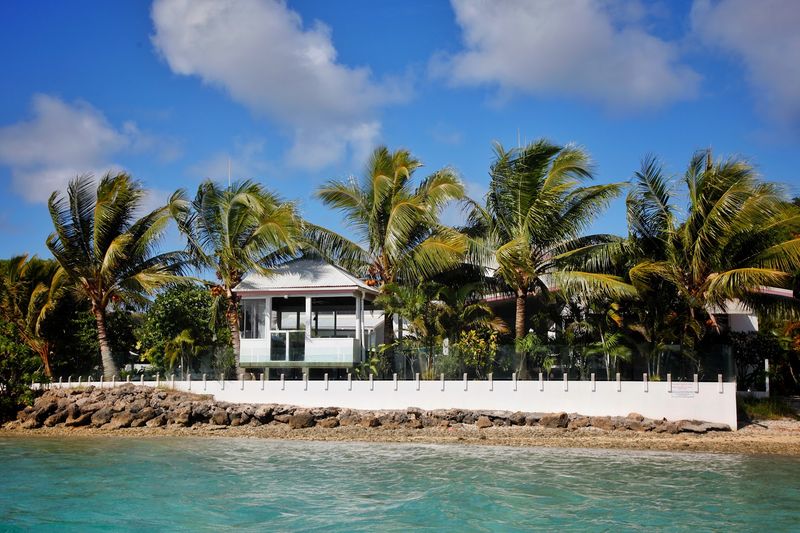
Vanuatu is the kind of place where you can watch lava bubble inside an active volcano, then swim in a cool blue hole an hour later. This chain of 80-plus volcanic islands stretches across the South Pacific, sitting roughly between Australia and Fiji but feeling worlds apart from both.
Formed entirely by volcanic activity, the islands are geologically young and dramatically beautiful.
Reaching Vanuatu’s outer islands is genuinely adventurous. While the capital, Port Vila, has an international airport, many smaller islands are served only by tiny prop planes or weekly boats.
Some communities remain largely self-sufficient, growing their own food and maintaining traditions that outsiders rarely witness.
Over 100 distinct languages are spoken across Vanuatu’s islands, making it one of the highest concentrations of linguistic diversity anywhere on Earth relative to its population. That variety reflects centuries of isolated development on individual islands, where communities evolved separately even within the same country.
Traditional ceremonies, called kastom, remain central to village life. Vanuatu was also one of the first nations to declare a climate emergency, as rising seas threaten its low-lying islands.
Remote it may be, but its voice on global issues carries real weight.
Samoa
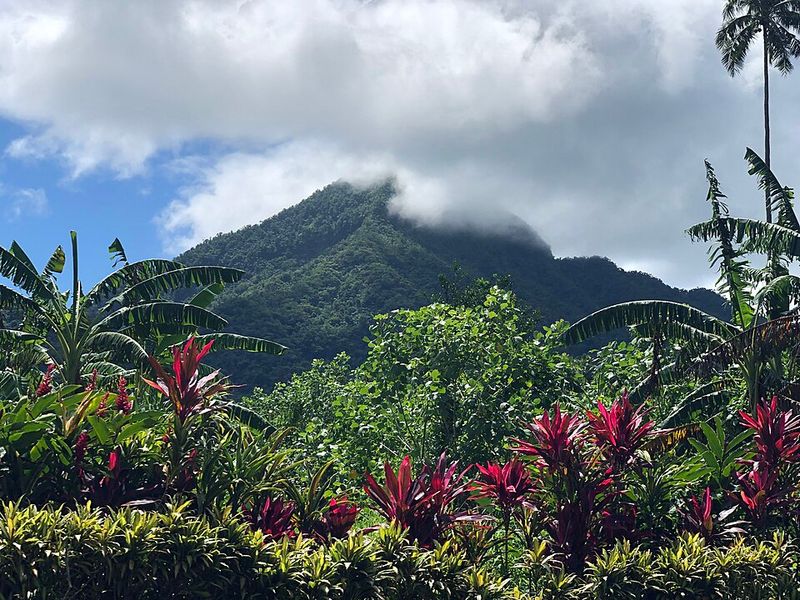
Samoa smells like rain on volcanic rock, coconut oil, and frangipani flowers all at once. This Polynesian nation, not to be confused with American Samoa next door, occupies two main islands and several smaller ones in the central South Pacific.
Its lush rainforests and sharp volcanic ridges look like something from a geography textbook’s most dramatic chapter.
The isolation here has acted as a cultural preservative. The fa’a Samoa, or Samoan way, remains a living framework for daily life, governing everything from family obligations to how villages make collective decisions.
Extended family groups called aiga function as social safety nets, ensuring that no one faces hardship alone. This tight community structure is partly a product of living far from outside influences.
Economically, the distance from major markets creates real challenges. Samoa relies on remittances sent home by Samoans living abroad, tourism, and agricultural exports like coconut products and cocoa.
In 2011, the country even shifted which side of the international date line it sits on, jumping forward a full day to better align its business calendar with Australia and New Zealand. That kind of bold, practical thinking reflects a nation that has always found clever ways to bridge the gap between isolation and opportunity.
Tuvalu
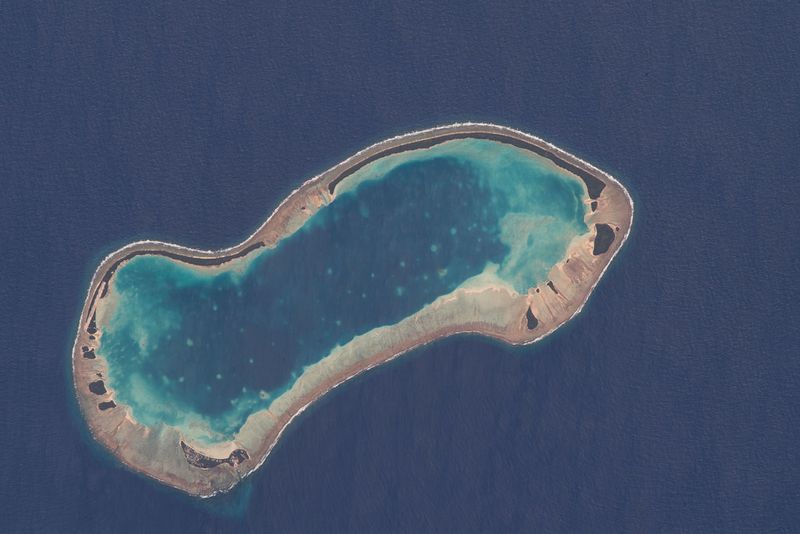
Tuvalu holds the quiet distinction of being one of the most endangered countries on the planet. With a population of around 11,000 people spread across nine coral atolls, it is both tiny and extraordinarily remote.
The highest point in the entire nation barely rises 15 feet above sea level, making rising oceans an existential concern rather than a distant worry.
Flights to Tuvalu arrive only a few times per week, all routing through Fiji. There are no luxury resorts, no cruise ship terminals, and very little tourist infrastructure.
Visitors who do make the journey find an almost surreal quietness, where the loudest sounds are often waves and wind.
The government of Tuvalu has been remarkably vocal on the world stage despite its tiny size. Its leaders regularly appear at international climate conferences, pleading for faster action on emissions while literally standing knee-deep in floodwater for dramatic effect.
In a groundbreaking legal move, Tuvalu signed an agreement with Australia granting its citizens residency rights as sea levels rise, essentially planning for the possibility of becoming a nation without physical territory. Few countries anywhere face their future with such a striking combination of vulnerability and fierce, determined dignity.
Nauru
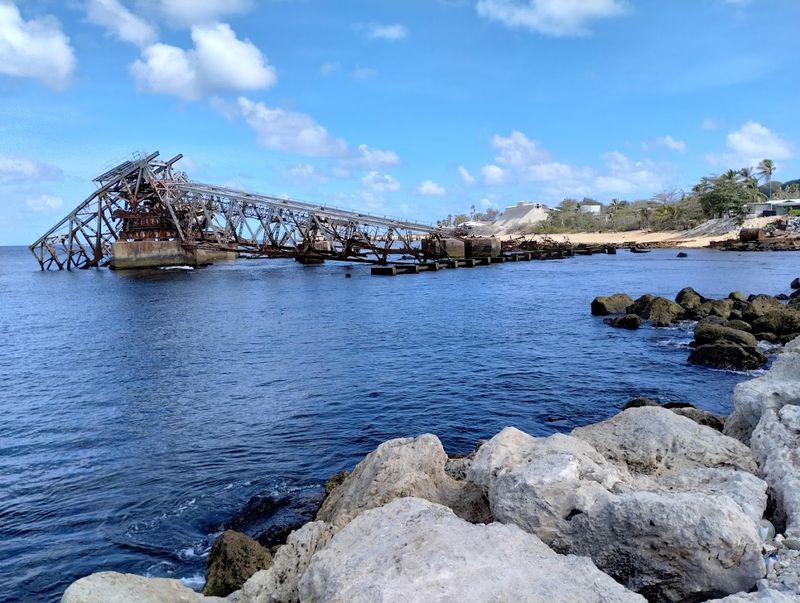
Nauru is the kind of place most people cannot find on a map without help, and that is entirely understandable given how small it is. Covering just eight square miles, this single coral island in Micronesia is the world’s third-smallest country by land area.
Its population of roughly 12,000 people live on a narrow coastal strip surrounding a mined-out plateau in the center.
That plateau tells a dramatic story. Nauru was once fabulously wealthy thanks to massive phosphate deposits formed from ancient seabird droppings.
During the 1970s and 1980s, the government handed out cash to citizens and invested in bizarre ventures, including a West End musical about Leonardo da Vinci that flopped spectacularly. When the phosphate ran out, the money vanished with it.
Today, Nauru operates with limited international flights, no tourism industry to speak of, and an economy heavily dependent on foreign aid. It has served as an offshore immigration processing center for Australia, a controversial arrangement that brought revenue but also criticism.
Getting there requires flying to Fiji or the Marshall Islands first, then catching one of the few weekly connections. Despite its troubled recent history, Nauru remains a fascinating case study in the strange, unpredictable consequences of extreme geographic isolation.
Kiribati
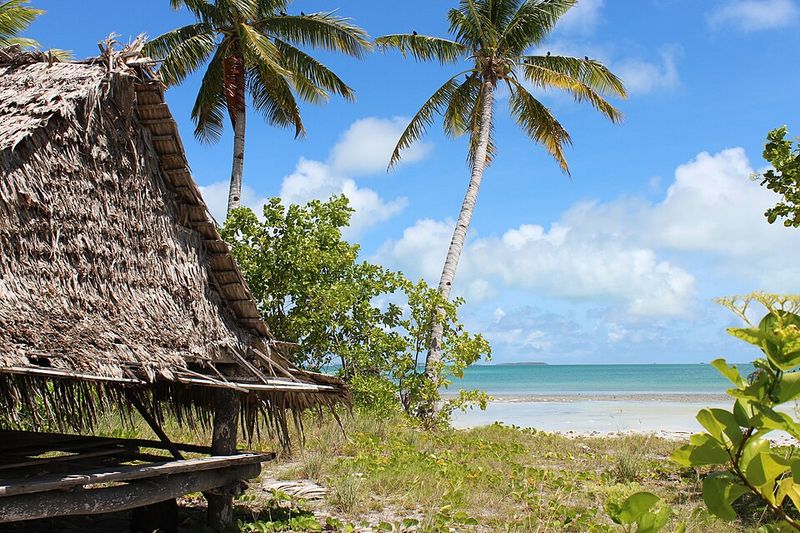
Kiribati, pronounced Kiribas, holds a geographic record that sounds almost impossible: its 33 atolls and reef islands are scattered across more than three million square kilometers of the central Pacific Ocean. The country straddles the equator and touches all four hemispheres, meaning the sun rises in one part of Kiribati a full day before it rises in another.
Time zones here are genuinely confusing.
Traveling between islands is not a casual afternoon trip. Inter-island ferries can take days, and flights between atolls are infrequent and expensive relative to local incomes.
The capital, South Tarawa, is one of the most densely populated places in the Pacific despite being a narrow sliver of coral barely above sea level.
Like Tuvalu, Kiribati faces a climate crisis with devastating clarity. President Anote Tong famously purchased land in Fiji years ago as a potential refuge for the population if the atolls become uninhabitable.
The government has explored the concept of a nation without territory, maintaining sovereignty even after physical land disappears. Kiribati’s fishing waters, among the richest in the Pacific, provide the country’s most valuable economic resource.
Its remoteness protects those waters while simultaneously making everything else about daily life significantly harder.
Palau
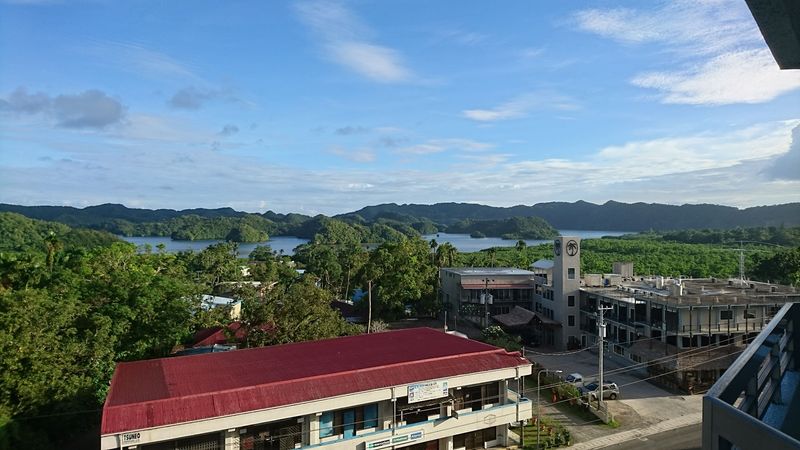
Palau’s Rock Islands look like giant green mushrooms floating in a turquoise lagoon, and seeing them from a boat for the first time genuinely stops conversation. This western Pacific archipelago of roughly 340 islands sits northeast of the Philippines and has built a global reputation among scuba divers for its extraordinary underwater biodiversity.
Sharks, manta rays, and ancient shipwrecks share the same crystalline waters.
Despite its fame in diving circles, Palau remains genuinely isolated. Its population sits around 18,000 people, making it one of the Pacific’s smallest nations.
International flights connect through Guam, Tokyo, and Manila, but options are limited and schedules can shift. Once outside the main island of Babeldaob, boat travel becomes the primary way to get anywhere.
Palau takes environmental protection unusually seriously. It was the first country in the world to establish a marine sanctuary covering its entire exclusive economic zone, banning commercial fishing across 500,000 square kilometers of ocean.
Visitors must sign a pledge in their passports promising to respect the environment before they can enter. That combination of ecological commitment and genuine remoteness creates something rare: a place where nature still clearly runs the show, and humans are guests who are expected to behave accordingly.
Share this story