 Unearth The Voyage
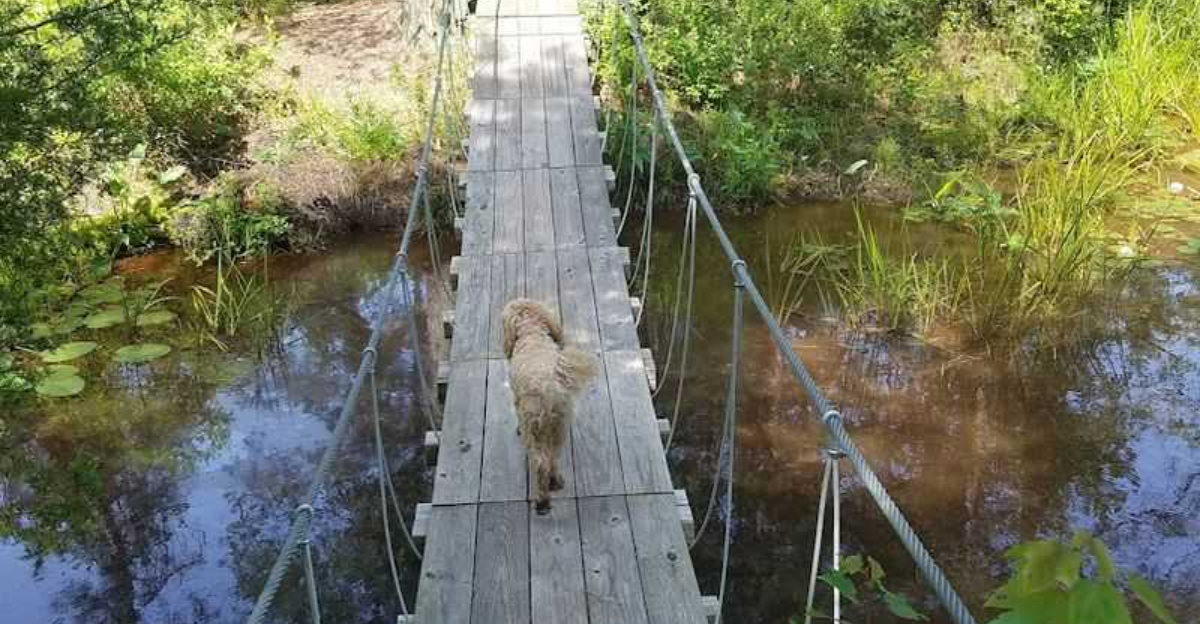
New Jersey has a wild side that most people completely overlook. Between the crowded beaches and busy highways, the Garden State is hiding some seriously stunning trails that wind through gorges, glacial lakes, and deep pine forests.
I stumbled onto my first secret trail by accident years ago, and I have been chasing that feeling ever since. Whether you are a seasoned hiker or just someone who needs a break from the noise, these ten trails will lead you somewhere worth finding.
Ken Lockwood Gorge Trail (Ken Lockwood Gorge WMA)
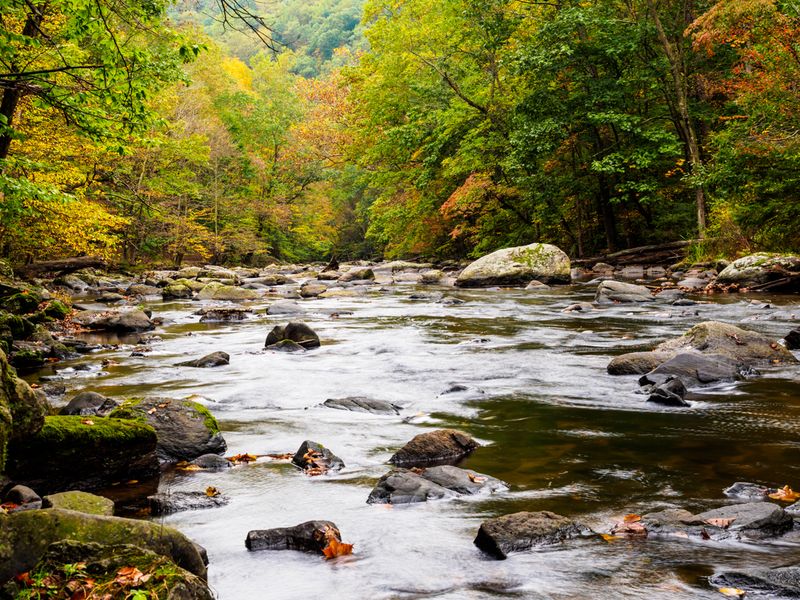
Most people drive past Ken Lockwood Gorge without knowing it exists, and honestly, that is their loss and your gain. This mostly flat trail follows the South Branch of the Raritan River through a narrow gorge corridor that feels nothing like suburban New Jersey.
The water is clear, the banks are rocky, and the woods press in close on both sides.
Managed as a Wildlife Management Area, this spot draws anglers and a handful of hikers who clearly know something others do not. Weekdays are golden here.
You might share the trail with a great blue heron and nobody else.
The flat terrain makes it accessible without being boring. The gorge walls and river noise create a natural sound barrier from the outside world.
Pack a lunch, find a flat rock near the water, and let the river do the talking. This trail earns its quiet reputation every single time.
Tillman Ravine Trail (Stokes State Forest)
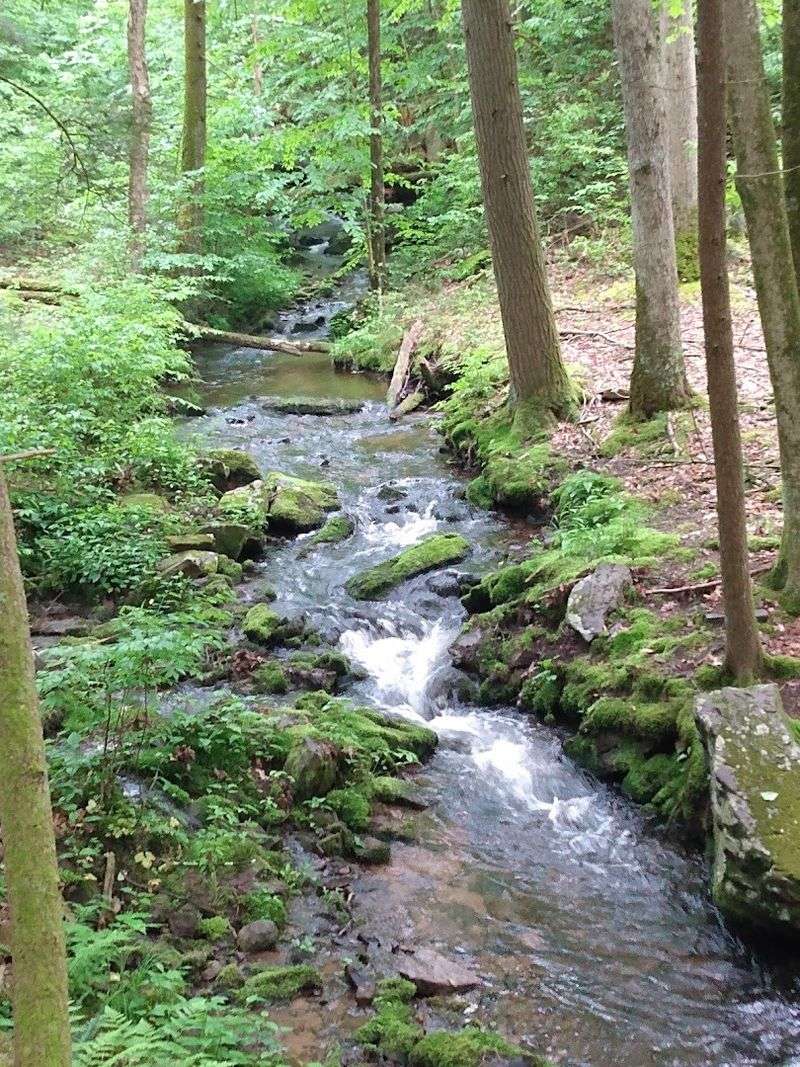
Tillman Ravine is the trail that makes you feel like you accidentally walked into a fairy tale. Located inside Stokes State Forest, this short scenic route follows a stream through a cool, mossy ravine that stays shaded even on the hottest summer days.
Footbridges cross the water at just the right moments.
The cascades are small but genuinely beautiful. Unlike the big overlook hikes that pack in weekend crowds, Tillman stays quiet because it does not offer a dramatic summit view.
What it offers instead is atmosphere, and that is worth more on a stressful week.
Stokes State Forest officially lists Tillman’s Ravine as one of its featured destinations, so the trail is well-maintained and easy to navigate. The round trip is short enough to feel like a reward rather than a workout.
Go on a Tuesday, wear good shoes, and prepare to wonder why you ever drove to the Poconos.
Sunfish Pond via Dunnfield Creek (Delaware Water Gap NRA)
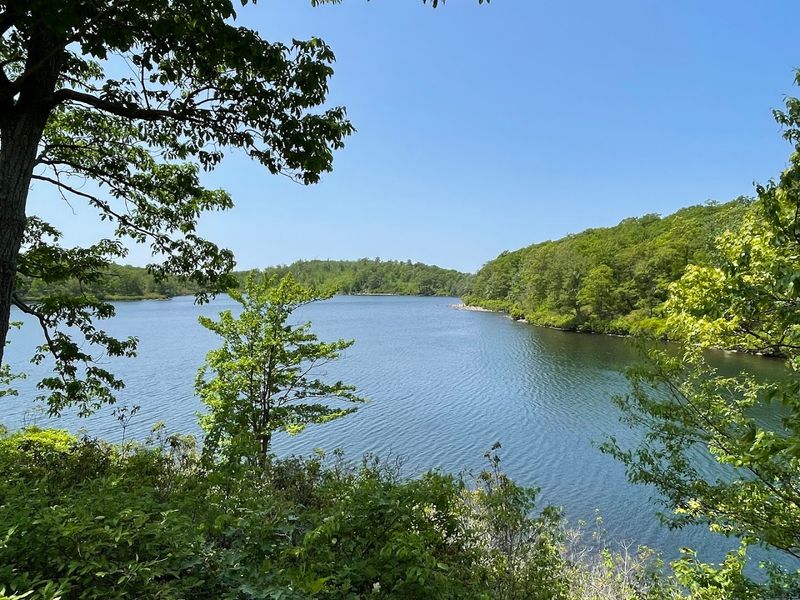
Dunnfield Creek does not mess around. From the trailhead, you follow the creek uphill through a ravine full of cascades and stream crossings until the forest opens up and drops you at Sunfish Pond, a glacial lake that looks like it belongs in Vermont.
The contrast is genuinely stunning.
The National Park Service describes the Dunnfield Creek Trail as ending at Sunfish Pond, and they are not underselling it. The creekside section keeps things interesting with moving water and natural rock hops the whole way up.
By the time you reach the pond, the crowds from the parking lot have thinned considerably.
Sunfish Pond’s shoreline has a remote, untouched quality that surprises first-timers every time. The water is cold, the boulders are perfect for sitting, and the silence is the loudest thing out there.
This is a water-to-water hike worth every uphill step, no question about it.
Batsto Lake Trail (Wharton State Forest / Batsto Village)
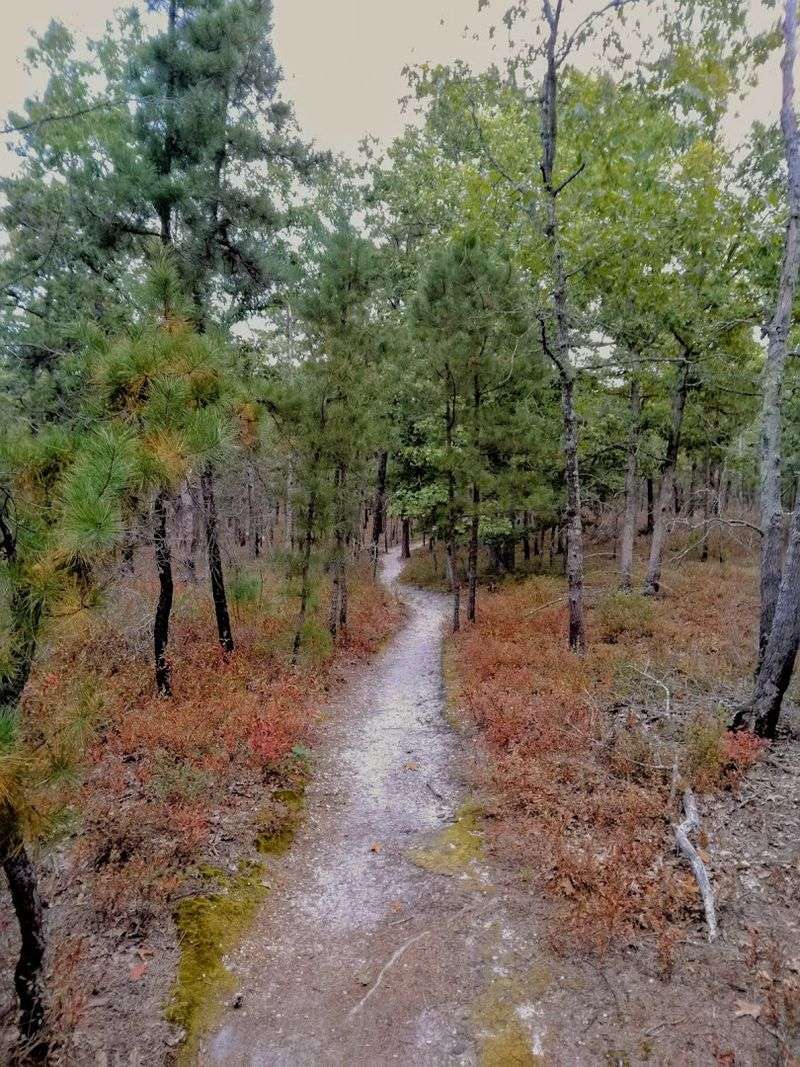
The Pine Barrens operate on their own timeline, and Batsto Lake Trail is proof. This relaxed loop near historic Batsto Village winds through sandy paths lined with pitch pines, offering lake views and that signature Pinelands stillness that is genuinely hard to find anywhere else on the East Coast.
The water in this area is naturally tea-colored from tannins, which sounds strange but looks absolutely beautiful against white sand and green pines. Batsto Village itself is a preserved 18th-century iron-making community, so the history around you is as layered as the ecosystem.
Long stretches of this trail give you nothing but wind, birds, and the occasional rustling in the scrub. No cell service.
No background traffic hum. I once stood still for five full minutes here and heard absolutely nothing man-made.
Wharton State Forest includes official trail maps, so navigation is straightforward even for first-time Pine Barrens visitors.
Stairway to Heaven to Pinwheel Vista (Appalachian Trail, Vernon)
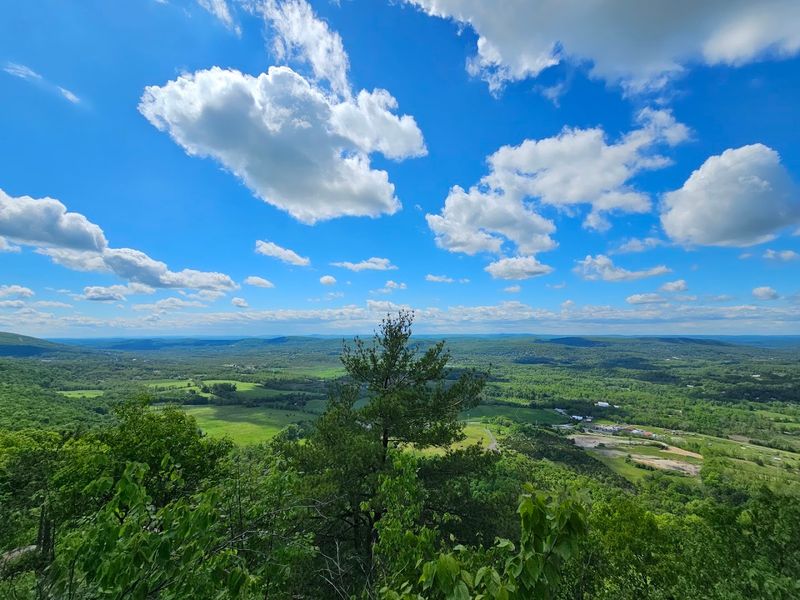
The name alone should tell you this trail means business. The Stairway to Heaven section of the Appalachian Trail in Vernon combines a long boardwalk through open marshland with a steep climb to Pinwheel Vista, a panoramic overlook that earns its dramatic nickname without apology.
The boardwalk through Pochuck Valley is genuinely one of the most underrated trail experiences in the entire state. It stretches across wetlands and open meadows, making you feel like New Jersey is actually enormous.
Then the climb kicks in, and by the time you reach the top, the view makes the burn worth it.
Standing at Pinwheel Vista on a clear day, you exhale in a way that only happens when a landscape genuinely earns it. The AT designation means the trail is well-marked and maintained.
Weekday mornings offer the most solitude up top. Bring water, wear layers, and plan to stay longer than you think you will.
Franklin Parker Preserve – White Trail (Pine Barrens)
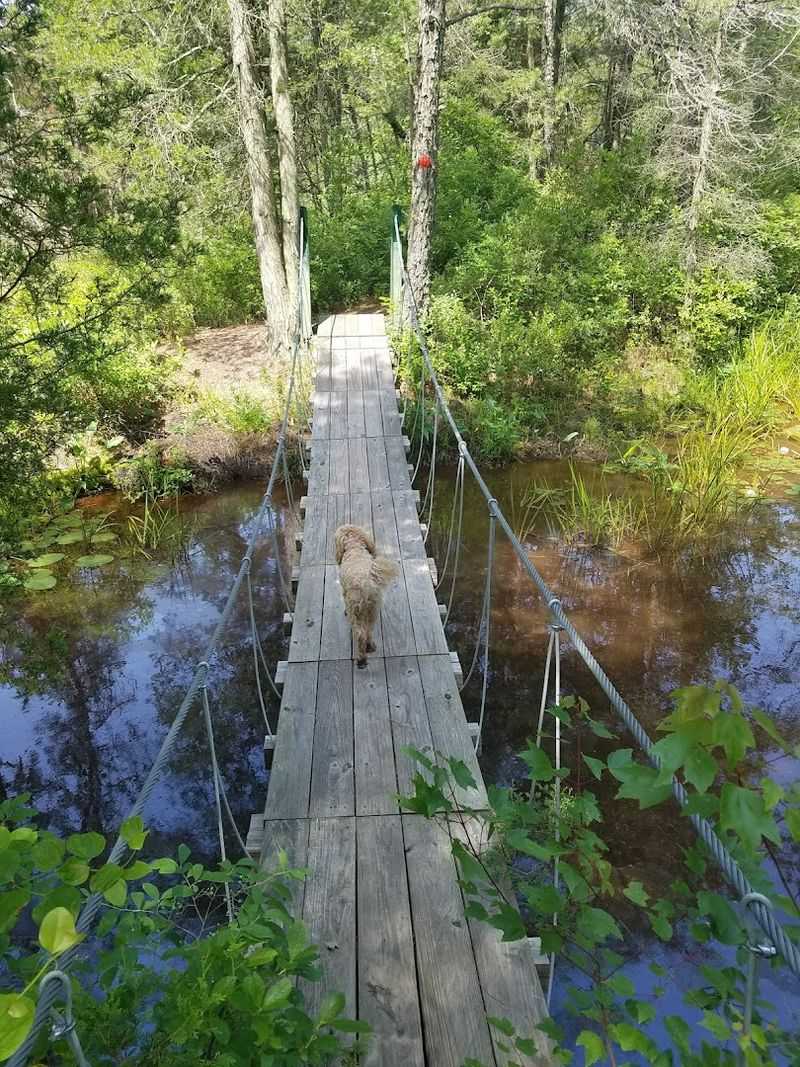
Franklin Parker Preserve used to be cranberry farmland, and that history gives it a character unlike any other Pine Barrens destination. The New Jersey Conservation Foundation transformed this former agricultural site into a thriving wetlands and woodland preserve, and the White Trail is the best way to explore it.
Big-sky Pinelands openness is the defining feature here. The landscape feels almost prairie-like in sections, with low scrub and wide views that stretch further than you expect.
Wildlife sightings are common when the trail is quiet, which is most of the time outside of fall weekends.
Published trail maps make navigation easy, and the terrain is mostly flat. This is a great spot for birdwatchers, photographers, or anyone who wants to walk slowly without feeling like they are blocking faster hikers.
The wetland sections add variety to the route. Franklin Parker Preserve is one of those places locals protect like a secret, and it deserves every bit of that loyalty.
Buttermilk Falls to Hemlock Pond Loop (Delaware Water Gap NRA)
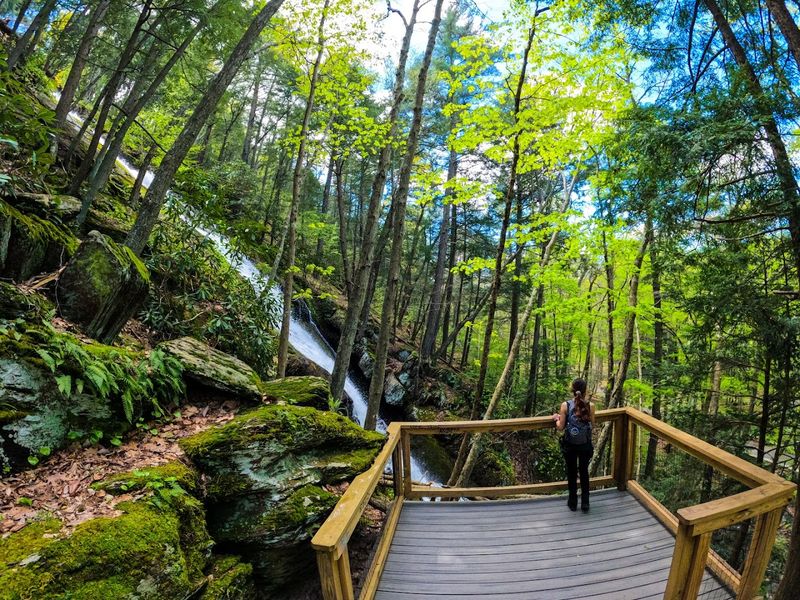
Buttermilk Falls is one of those waterfalls that stops people mid-sentence. Located in the Delaware Water Gap National Recreation Area, it is a genuinely impressive drop that draws a crowd, which is exactly why continuing to Hemlock Pond is the smarter move.
The pond is where the real solitude lives.
Most visitors stop at the falls, snap their photos, and head back. The hikers who push on to Hemlock Pond find something quieter and arguably more rewarding.
The forest around the pond has a hushed, enclosed quality that the waterfall area simply does not offer.
One important heads-up before you go: Mountain Road currently has vehicle closures beyond the bridge and from the south end at Haneys Mill due to repairs. The National Park Service has an alternate access route posted on their Current Conditions page.
Always check DEWA conditions before planning your approach. The logistics are worth sorting out because this loop genuinely delivers on both ends.
Terrace Pond Loop (Wawayanda State Park / Abram S. Hewitt)
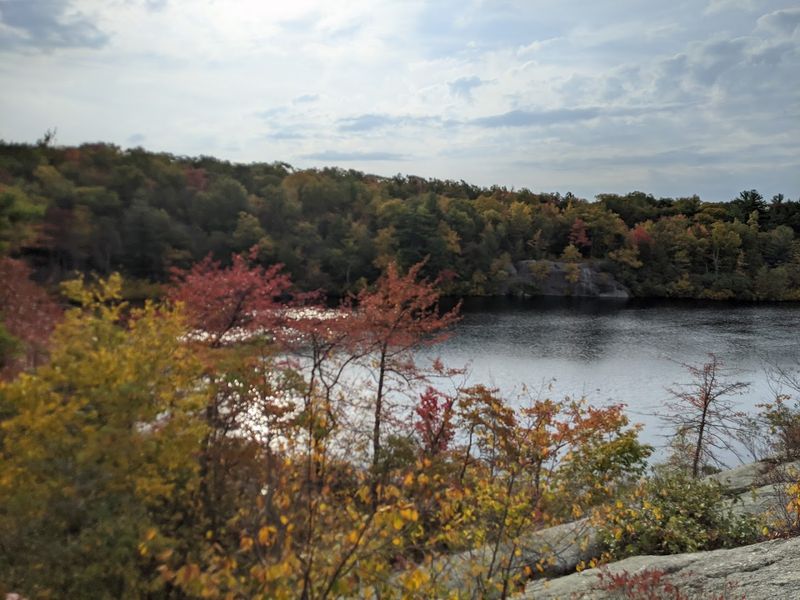
Glacial ponds have a personality all their own, and Terrace Pond is one of the best examples New Jersey has to offer. Tucked into the highlands near Wawayanda State Park and Abram S.
Hewitt State Forest, this loop hike earns its reputation through rugged terrain and a payoff that feels genuinely earned.
The trail network leading to the pond involves some boulder scrambling and elevation change, which keeps the casual crowd away. By the time you arrive at the pond, the hikers who made it there tend to spread out naturally along the rocky shoreline.
It never feels like a traffic jam.
The water sits quietly among the boulders and hemlocks with a tucked-away quality that is hard to manufacture and impossible to fake. Official Abram S.
Hewitt materials map the broader trail system well. Wear sturdy footwear, bring more water than you think you need, and give yourself extra time to just sit at the pond and do absolutely nothing productive.
Hacklebarney State Park River Gorge Trails (Black River Gorge)
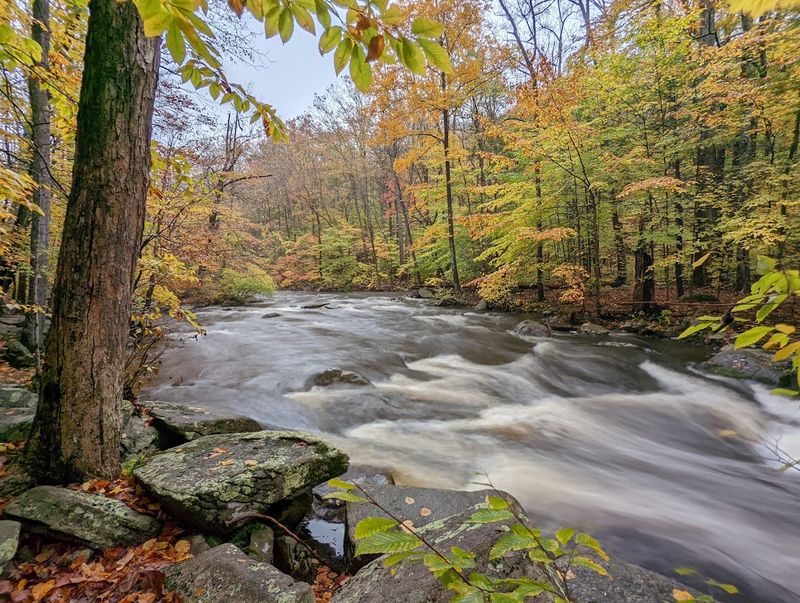
Hacklebarney State Park has a name that sounds like a cartoon but delivers a trail experience that is completely serious. The Black River cuts through a rocky gorge lined with hemlocks and boulders, creating a landscape that feels more like a mini mountain range than a state park in Morris County.
The NJDEP park description highlights the gorge’s cascades and ravine scenery, and they are not exaggerating for tourism brochures. Step past the main picnic areas and the trail drops you into the gorge almost immediately.
The sound of the river bouncing off rock walls takes over, and the rest of the world gets very small very fast.
Footing can be tricky in spots, especially near the water, so trekking poles are a solid call here. The gorge trails are not long, but the terrain keeps you engaged the entire time.
This is the kind of park that rewards people who actually leave the parking lot. Go find the river.
Ghost Lake Trail (Jenny Jump State Forest)
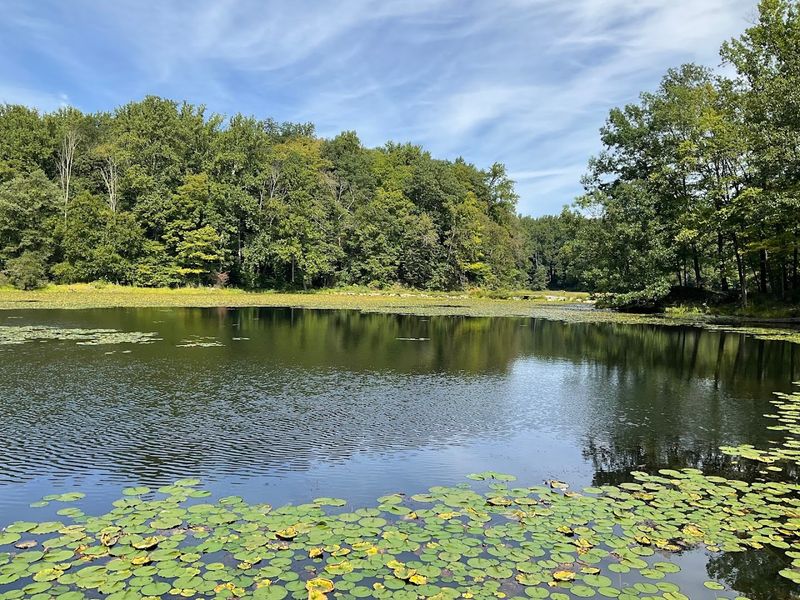
The name Ghost Lake is doing a lot of heavy lifting, and the trail absolutely backs it up. Located in Jenny Jump State Forest, this hike has a wilder, less-polished character than most NJ state park trails, which is a feature rather than a flaw.
The terrain is rugged and the destination feels genuinely tucked away.
Jenny Jump is not the first forest most hikers think of when planning a New Jersey trip, and that is exactly what makes Ghost Lake special. The trail gets light traffic outside of peak weekend hours, and reaching the lake on a quiet morning feels like finding something that was not meant to be found.
The round trip distance is manageable, but the rugged character means you should not rush it. The lake itself sits in a small forest hollow with a stillness that earns the spooky name.
No ghosts spotted on my visit, but the silence was eerie enough to count. Wear real hiking shoes and arrive early.



