 Unearth The Voyage
France has a way of making you forget the rest of the world exists. Beyond the Eiffel Tower and the busy boulevards of Paris, there are small towns so beautiful they barely seem real — cobblestone streets, flower-draped balconies, and skies that seem painted just for you.
From hilltop villages glowing in golden light to coastal gems where the sea sparkles like a mirror, these ten French towns are the kind of places that stay with you long after you’ve left.
Gordes, Provence
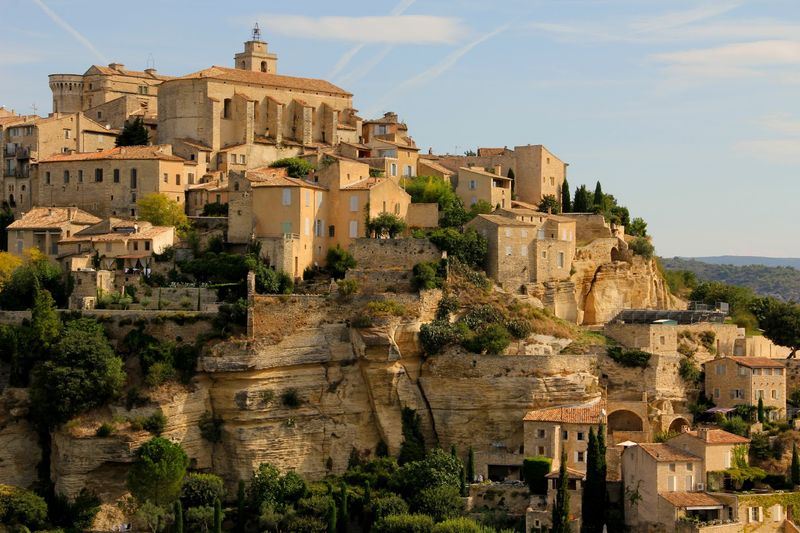
Clinging to a rocky hilltop like it has no intention of ever coming down, Gordes is the kind of village that stops you mid-sentence when you first spot it from the valley below. The Luberon region of Provence frames it perfectly — endless lavender fields, olive groves, and sun-bleached stone create a backdrop that photographers genuinely lose sleep over.
The village itself is a tightly packed maze of golden limestone buildings, narrow lanes, and arched doorways that lead to unexpected courtyards. Every turn reveals another postcard-worthy scene, especially in June and July when the lavender below the village is in full, fragrant bloom.
Sunrise and sunset light here is almost unfairly beautiful.
Local markets are worth waking up early for. Stalls overflow with Provencal herbs, artisan soaps, lavender sachets, and wheels of cheese that demand immediate tasting.
The weekly market is a lively social event as much as a shopping trip. If you fancy a quieter afternoon, the nearby Abbaye de Senanque — a medieval monastery surrounded by lavender rows — is just a short drive away and absolutely worth every minute of the detour.
Rocamadour, Occitanie
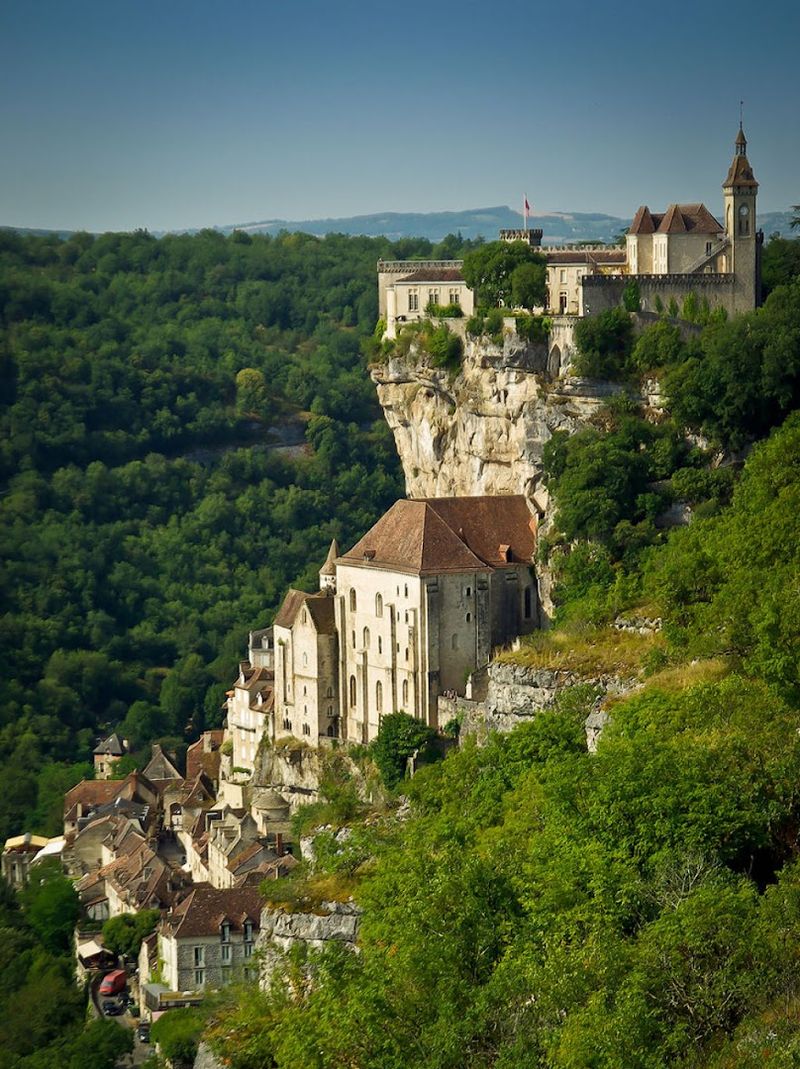
Gravity seems optional in Rocamadour. Built directly into a sheer limestone cliff face above the Alzou canyon in southwestern France, this town looks like something an ambitious architect dreamed up after a very good meal.
It is not just visually jaw-dropping — it is one of France’s most important pilgrimage sites, drawing visitors for over a thousand years.
The town is stacked in layers: the canyon floor at the bottom, the medieval village in the middle, and sacred sanctuaries perched at the very top. Climbing the Grand Escalier — a steep staircase of 216 steps — is a rite of passage.
Pilgrims once made the climb on their knees; today, most visitors are happy to manage it upright.
Spring breathes new life into Rocamadour’s rugged cliffside. Wildflowers appear between ancient stones, green vines soften the rocky landscape, and the warmer air makes the long walks between levels far more enjoyable.
The views from the top — looking out over the canyon and surrounding countryside — are the kind that make you stand very still and just take it all in. Pack comfortable shoes and bring your camera fully charged.
Concarneau, Brittany
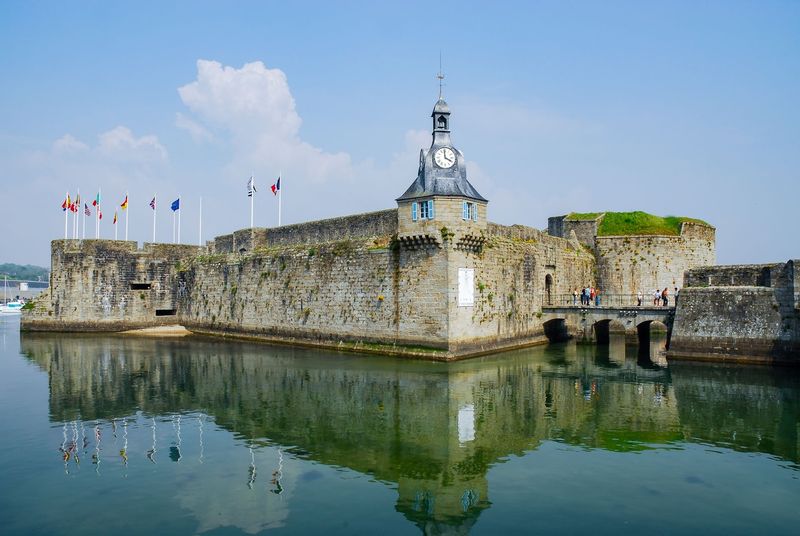
Surrounded almost entirely by the Atlantic Ocean, Concarneau’s ancient walled city — the Ville Close — sits on a small island connected to the mainland by a narrow bridge, looking every bit as dramatic as it sounds. Brittany’s rugged coastline is legendary for its wild beauty, and Concarneau fits right into that story with salt-sprayed charm and serious seafood credentials.
Walking the ramparts of the Ville Close is one of the best free experiences in all of Brittany. The views sweep across the harbour, where brightly painted fishing boats bob alongside sleek sailing yachts.
Inside the walls, cobblestone streets wind past crêperies, art galleries, and tiny shops selling striped marinière tops that practically beg to be worn on a boat.
When spring arrives and the nearby parks and promenades fill with blooms, Concarneau softens its rugged edges into something genuinely lovely. The town is also one of France’s most active fishing ports, so fresh fish and shellfish are always on the menu — and always exceptional.
Sunset from the ramparts, with the sky turning orange over the Atlantic, is the kind of moment you will describe to people for years afterward.
Colmar, Alsace
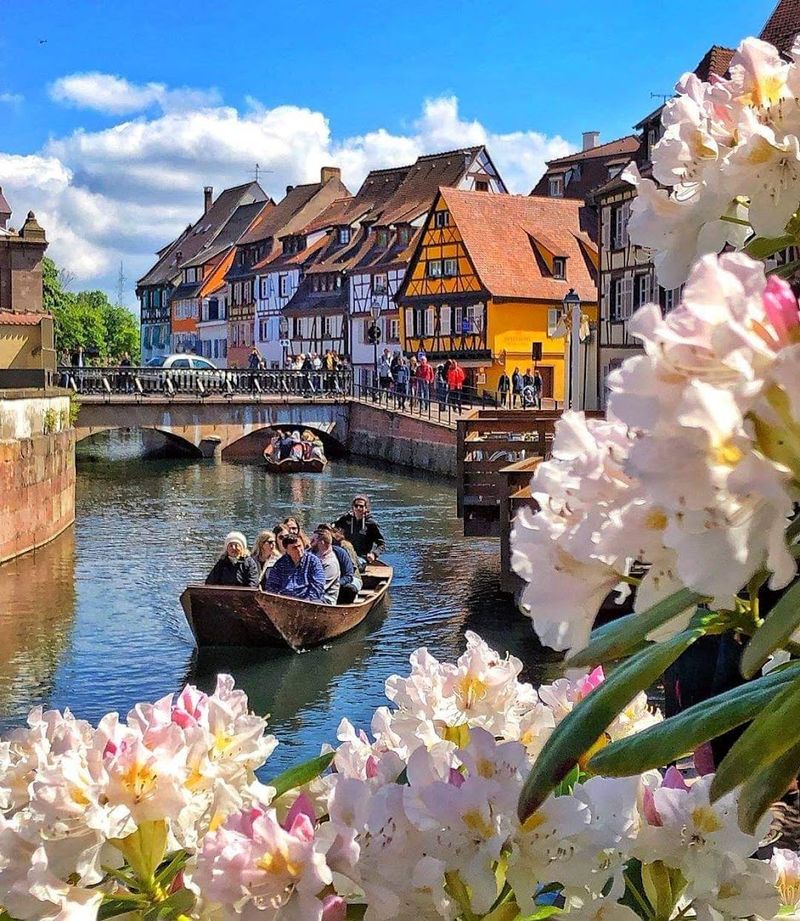
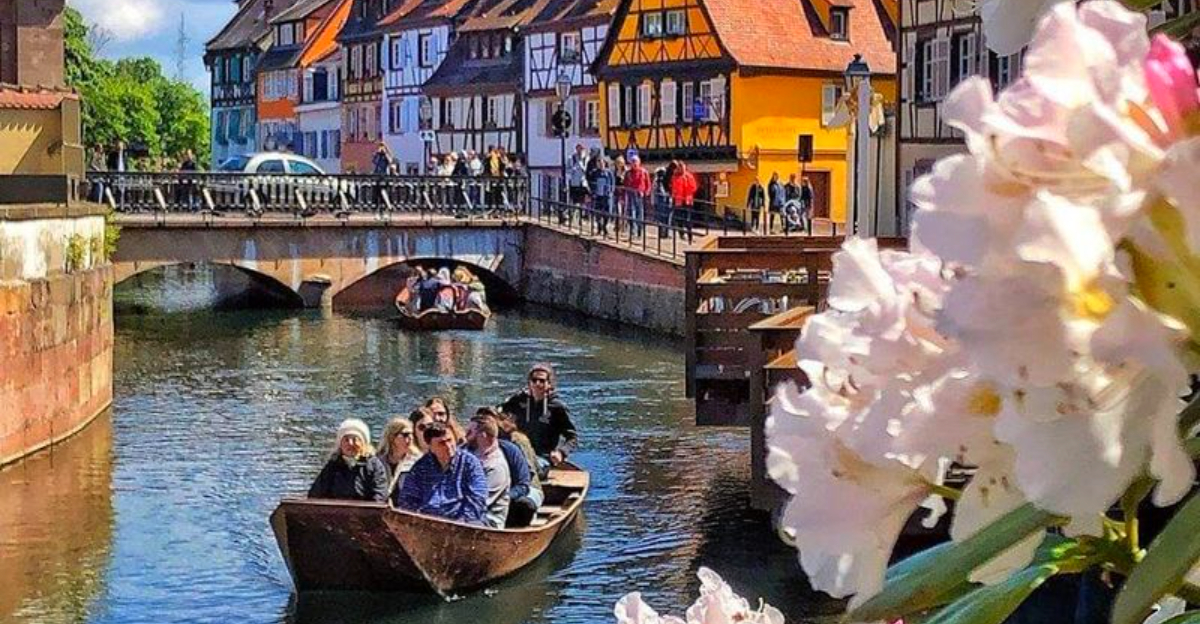
Half-timbered houses in shades of mustard, rose, and sky blue lean cheerfully over canals so calm they look like mirrors — welcome to Colmar. This Alsatian gem in northeastern France is one of those places that makes you question whether you’ve accidentally walked into a painting.
The “Little Venice” quarter is the town’s crown jewel, where flower-draped footbridges arch over still waterways and gondola-style boats drift beneath them.
Spring is when Colmar truly earns its reputation for magic. Window boxes explode with geraniums, wisteria climbs ancient stone walls, and the whole town smells faintly of blossoms and fresh bread from nearby boulangeries.
The pedestrian-only streets make exploring on foot a genuine pleasure rather than a chore.
Foodies will find plenty to celebrate here too. Local Alsatian cuisine — think tarte flambée, choucroute garnie, and rich Riesling wines — fills cozy restaurants tucked into historic buildings.
The Christmas market is legendary, but honestly, any season in Colmar feels festive. It is the kind of town that makes you want to slow down, sip something warm, and simply stay a little longer than planned.
Bormes-les-Mimosas, Provence-Alpes-Côte d’Azur
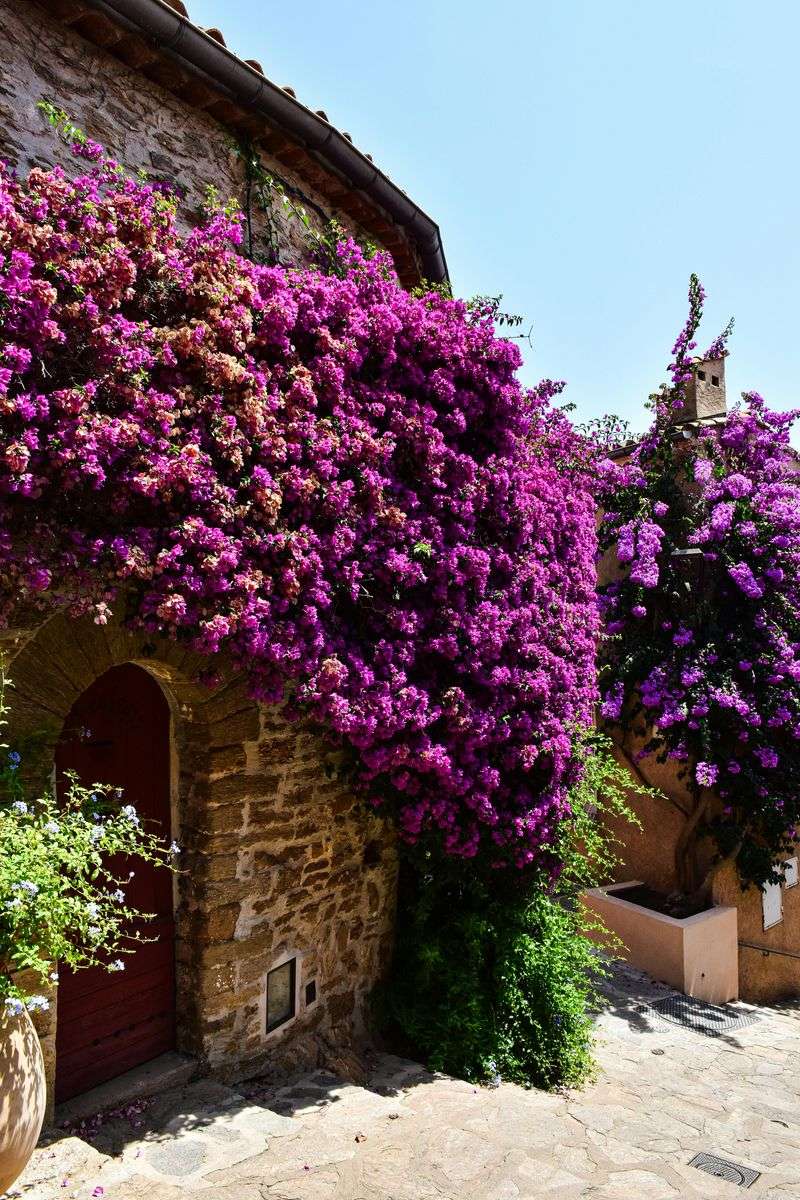
Every February, this hilltop village on the French Riviera turns a shade of yellow so vivid it looks like the sun decided to move in permanently. Bormes-les-Mimosas takes its floral identity seriously — the town actually holds an annual mimosa festival that draws visitors from across Europe, complete with parades, flower-covered floats, and enough golden blossoms to make any winter feel instantly warmer.
The village itself is a beautifully preserved medieval gem, with ochre-toned rooftops, steep winding lanes, and lookout points that offer sweeping views of the Mediterranean coast. Bougainvillea, roses, and hibiscus join the mimosas throughout spring, turning every wall and archway into an impromptu garden display that feels effortlessly stylish.
Beyond the flowers, Bormes-les-Mimosas has plenty to keep visitors busy. The nearby Domaine du Rayol botanical garden is a coastal treasure, and the beaches below the village are some of the most beautiful on the Cote d’Azur.
Local restaurants serve fresh seafood with Provencal flair, and the evening light over the Mediterranean is genuinely hard to beat. It is a small town that punches well above its weight in beauty, charm, and sheer sensory joy.
Ainhoa, Pyrénées-Atlantiques
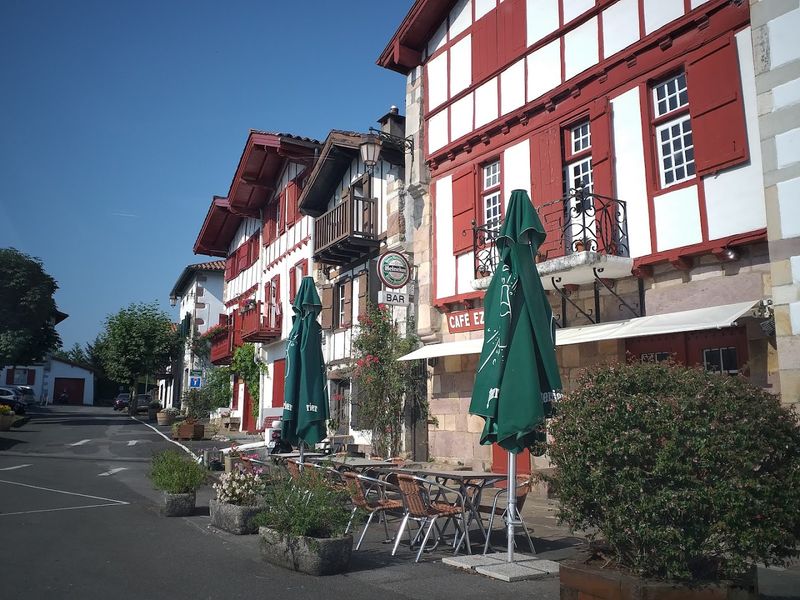
You know a village is something special when it earns a spot on France’s official list of most beautiful villages — and Ainhoa, tucked into the foothills of the Pyrenees near the Spanish border, absolutely deserves every syllable of that title. Its main street is lined with traditional Basque houses: white-washed walls, dark red or green timber frames, and flower boxes that burst into colour each spring.
The village has a quiet, unhurried energy that feels increasingly rare. A grand 17th-century church anchors the town square, and the surrounding countryside rolls into green hills that are genuinely good for the soul.
Basque culture runs deep here — you can feel it in the food, the architecture, the festivals, and even the way locals greet you in the street.
Foodies visiting Ainhoa are in for a treat. The Basque region is one of France’s most celebrated culinary zones, and even a small village like this has restaurants serving exceptional piperade, axoa, and locally cured meats.
The weekly market is a relaxed affair that reflects the community’s pride in local produce. Ainhoa is not trying to impress anyone — it simply is impressive, quietly and completely.
Saint-Jean-Pied-de-Port, Basque Country
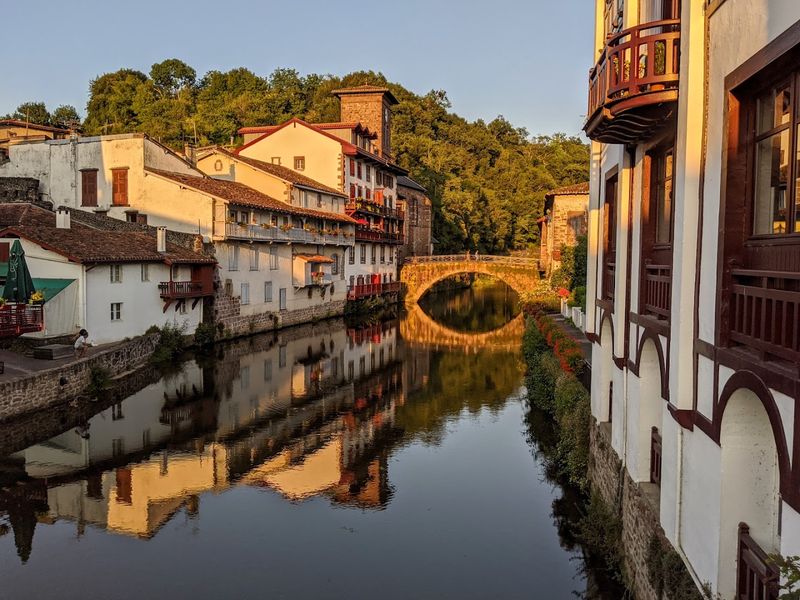
For centuries, pilgrims have gathered in this small Basque town at the foot of the Pyrenees before setting off on the famous Camino de Santiago. Saint-Jean-Pied-de-Port carries that energy still — there is something quietly electric about a place where so many journeys begin.
The cobblestone Rue de la Citadelle, lined with ancient stone houses, is one of the most atmospheric streets in all of France.
The Nive River runs through the heart of town, reflecting the old stone bridge and the citadel above in its clear, cool waters. In spring, the surrounding hills turn a lush, vivid green, and wildflowers appear along the riverbanks and hiking paths that fan out in every direction.
It is the kind of scenery that makes even non-hikers consider lacing up their boots.
The town’s dual French and Basque identity gives it a wonderfully layered character. Markets offer local Basque cheeses, Espelette pepper products, and cured hams that are genuinely world-class.
The evening atmosphere — pilgrims swapping stories over local cider, locals chatting outside cafes — has a warmth that is hard to manufacture and impossible to fake. Saint-Jean-Pied-de-Port earns its beauty honestly.
Cordes-sur-Ciel, Occitanie
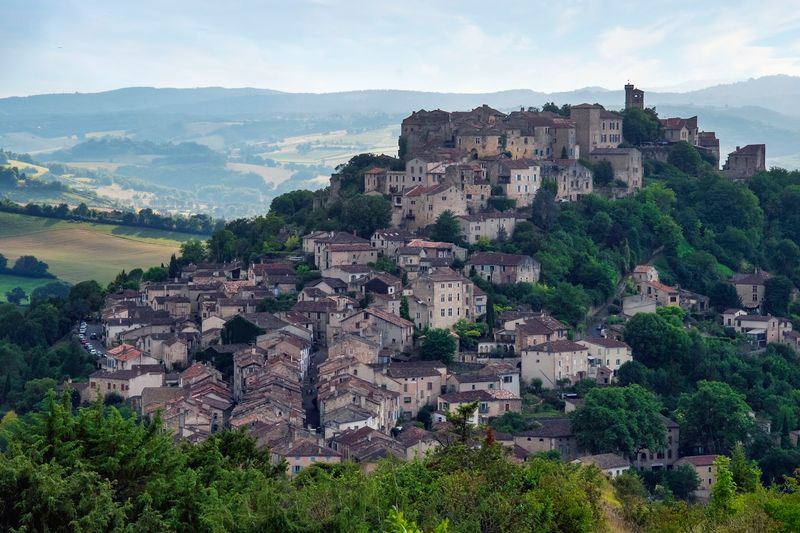
On misty mornings, Cordes-sur-Ciel appears to float above the clouds — which is precisely how it earned the name meaning “Cordes above the sky.” Founded in 1222 by Count Raymond VII of Toulouse, this perfectly preserved medieval town sits on a rocky peak in the Tarn region, looking down at the surrounding countryside with quiet, centuries-old confidence.
The Gothic architecture here is genuinely exceptional. Stone facades carved with intricate hunting scenes, arched windows, and grand doorways line the main street, creating a gallery of medieval craftsmanship that is free to admire any time.
During golden hour, the warm stone glows amber and the whole town takes on an almost otherworldly quality.
Summer brings the town to life with artisan markets, open-air concerts, and a celebrated medieval festival that fills the streets with costumed performers and the smell of roasting meats. Gardens and terraces bloom with colour during spring, softening the town’s dramatic stone edges with something gentle and pretty.
Boutique shops run by local artists and craftspeople line the lanes — handmade jewellery, ceramics, and textiles make for genuinely special souvenirs. Cordes-sur-Ciel rewards slow exploration and absolutely punishes any plan to rush through it.
Sainte-Agnès, Alpes-Maritimes
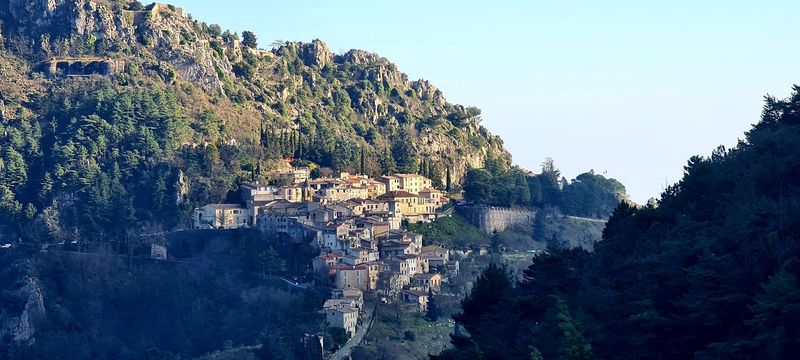
At 671 metres above sea level, Sainte-Agnes holds the title of the highest coastal village in Europe — and it wears that distinction with effortless grace. Perched above Menton on the French Riviera, it offers one of the most spectacular views on the entire Mediterranean coast: a wide blue sweep of sea that stretches all the way to the Italian border on a clear day.
The village is tiny, intimate, and wonderfully unspoiled. Steep, narrow lanes wind between stone houses draped in bougainvillea, roses, and cascading geraniums that peak beautifully in late spring and early summer.
There are no crowds and no rush here — just the sound of birds, the distant shimmer of the sea, and the occasional cat claiming the best sunny spot on a doorstep.
A ruined medieval castle at the very top of the village adds a dramatic finishing touch to the skyline. From its remains, the panoramic views are genuinely breathtaking — the kind that make you stand very still and forget whatever you were worried about before arriving.
A handful of charming restaurants serve fresh local dishes with terraces overlooking the coast. Sainte-Agnes is proof that the best things in France are sometimes found at the very top.
Saintes, Charente-Maritime
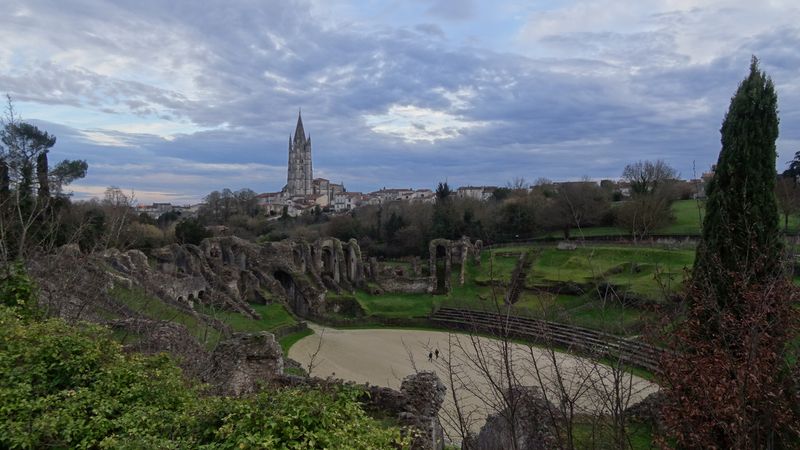
Not many towns can casually drop a Roman amphitheatre into their city centre and act like it is perfectly normal — but Saintes does exactly that, and with considerable style. This elegant town in the Charente-Maritime department of southwestern France has been important since ancient times, and its streets carry that long history with genuine grace rather than stuffy formality.
The Charente River flows through the heart of Saintes, its banks lined with weeping willows and flowering gardens that come alive each spring. Stone bridges reflect in the slow-moving water, and the warm, honey-coloured buildings along the riverfront create a scene that is quietly, persistently beautiful.
It is the kind of town where you keep stopping to take photos of things you cannot quite explain.
Beyond the Roman ruins, Saintes offers a wonderful abbey, a lively arts scene, and a calendar packed with cultural events including a celebrated international folklore festival each July. Local markets sell the region’s famous Cognac, Pineau des Charentes, and some excellent cheeses.
The pace of life here is unhurried and genuinely pleasant — no one is rushing anywhere, and after an afternoon in Saintes, you will completely understand why. History, beauty, and good food in one relaxed package.



