 Unearth The Voyage
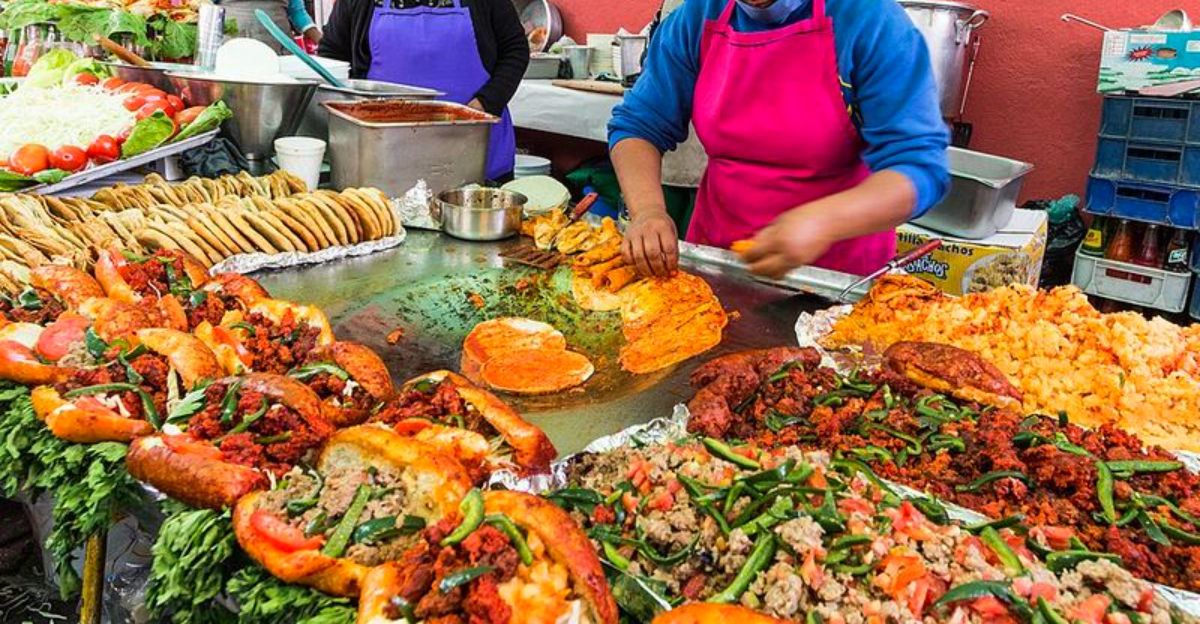
Every bite has a backstory, and some cities serve it hot with centuries of memory. This guide maps places where recipes carry empires, migrations, and revolutions into the present. Follow the trail from ancient markets to modern kitchens as flavors reveal how people lived, worked, traded, and dreamed.
Keep an open palate and the past will speak through spice, smoke, and simmer.
Naples, Italy — The Birthplace of Pizza
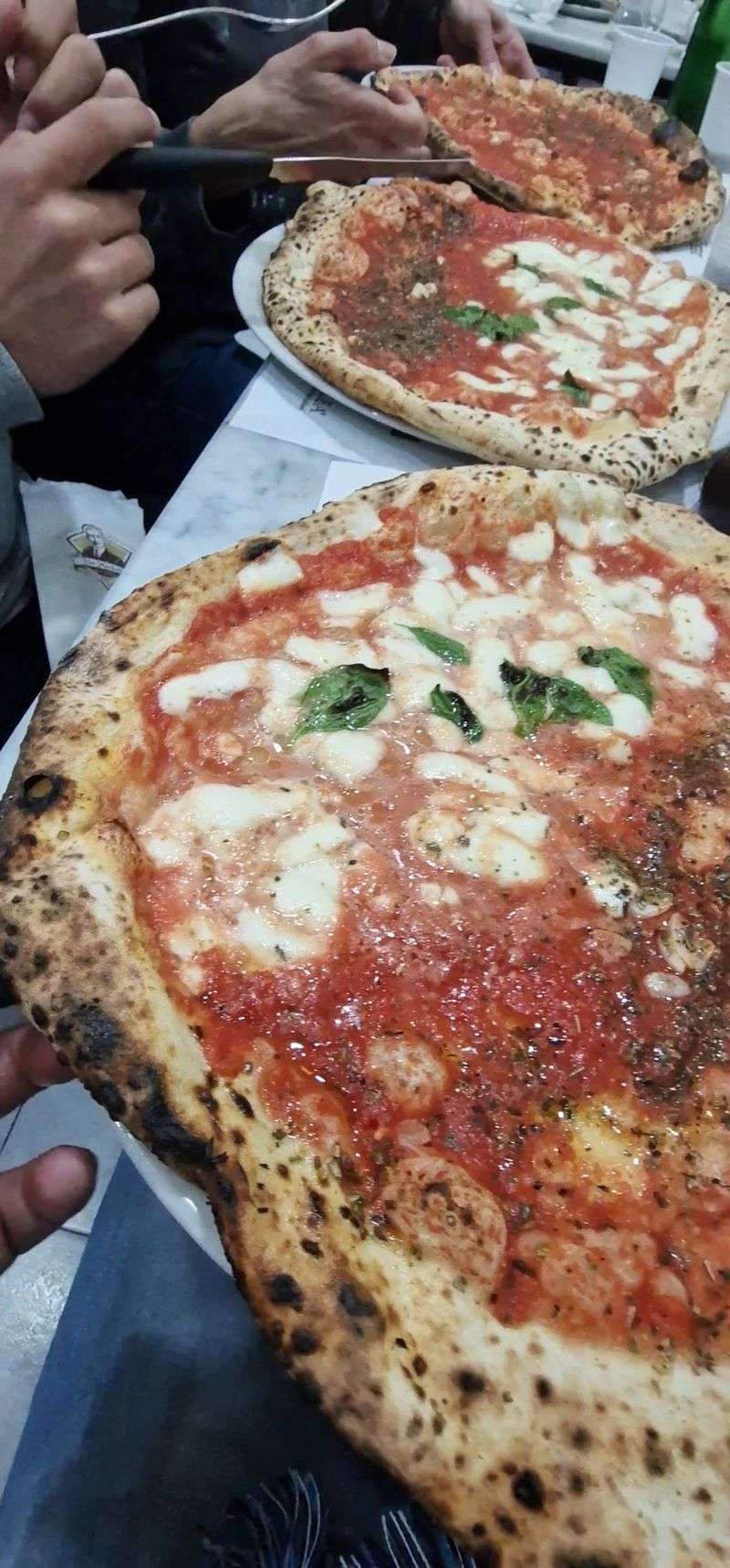
Naples feels like a library where every shelf is a market stall and every book is a pizza crust blistered by flame. Greek foundations, Spanish rule, and French tastes all left fingerprints on humble ingredients that became canonical. Margherita’s colors trace a national story, yet the dough’s slow rise whispers about time, labor, and patience.
In back alleys, strict standards guard the craft like a guild, measuring hydration, fermentation, and a 90 second kiss of heat. Fryers crackle with cuoppo, while sfogliatella flakes map routes of pastry technique across Europe. Winter brings struffoli and citrus peels, while summer lemons promise limoncello brightness after twilight.
Pignasecca market hums like a chorus, anchovies glinting beside tomatoes born from volcanic soils. Trattorie serve ragù that spent Sundays simmering, telling domestic histories as potent as dynastic ones. Street corners turn into classrooms where a fold of pizza portafoglio teaches portability, thrift, and pride in craft.
Ovens here are monuments as meaningful as palaces, recording the people’s persistence during hardship and celebration. Fried pizza narrates postwar ingenuity, stretching meager rations into joy. Seafood fritto speaks of sailors, tides, and ancient trade.
Even sweets carry stories, cart wheels of rum baba rolling from distant pâtisserie lineages. A bite of mozzarella di bufala connects pastures to palates, water buffalo to Bourbon era estates. The city moves fast, yet the best flavors insist on slowness, reminding that history rises, rests, and returns to the fire.
Lyon, France — Gastronomy Rooted in Tradition and Innovation
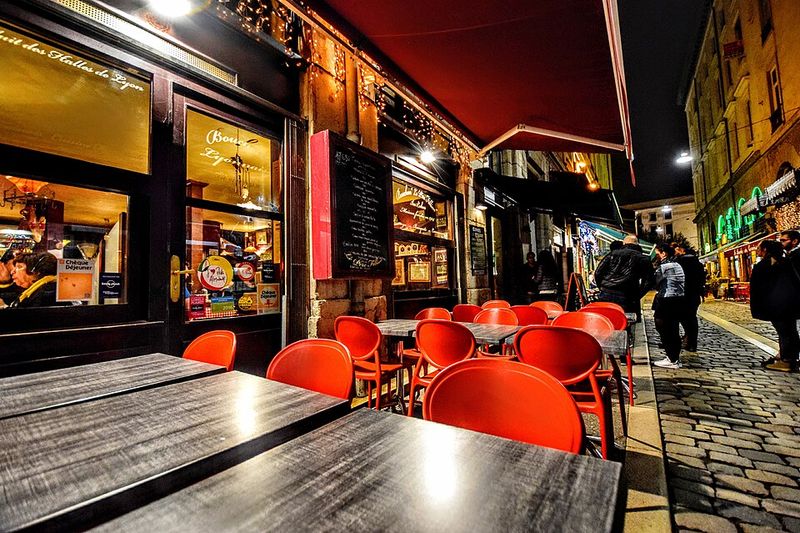
Lyon tells its story in silk threads and sausage links, where workers once paused mid morning for sturdy mâchons. In bouchons, copper pans recall thrifty mothers and market queens who transformed scraps into comfort. Plates arrive generous, speaking of labor, seasonality, and neighborhoods stitched by appetite.
Coq au vin carries vineyard shadows, while andouillette and cervelle de canut narrate craft in every texture. Quenelles glide like riverboats on Nantua sauce, evoking waterways fueling commerce and exchange. Markets brim with pralines roses and cheeses that archive pastures, valleys, and careful hands.
Beaujolais in the glass frames conversations about terroir, migration, and feast day calendars. The halles bustle like civic theaters where butchers, bakers, and cheesemongers co author daily scripts. Heritage techniques persist, not as museum pieces, but as living verbs learned by repetition.
Innovation hums softly, folding modern lightness into enduring forms without severing roots. Young chefs quote tradition like poets, then edit the line with precise heat and bright acids. Desserts such as marron glacé shimmer with patience, each glossy facet a season distilled.
Walk past traboules and kitchens exhaling stock, and history feels edible, tangible, warm. Recipes guard memory of scarcity and celebration with equal devotion. By nightfall, tables fill again, and the city’s palate reaffirms that continuity can be delicious, generous, and bravely new.
Kyoto, Japan — Culinary Rituals Rooted in Time
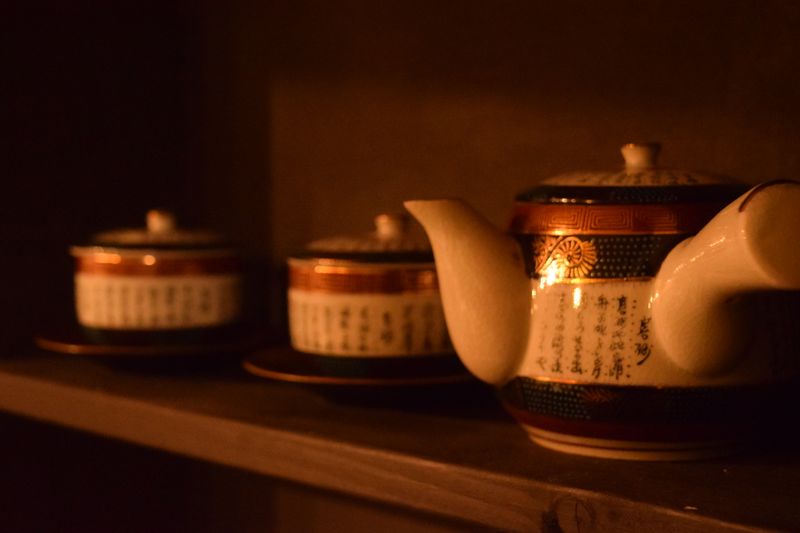
Kyoto treats meals like poetry, composed in seasonal syllables and whispered restraint. Kaiseki balances fleeting blossoms with enduring craft, turning temperature and texture into quiet instruction. Shojin ryori, born in temple kitchens, pares desire to gratitude, transforming vegetables into parables of attention.
Nishiki Market reads like a catalog of micro histories, pickles inked in brine and tofu pressed with centuries of practice. Wagashi gleam beside cedar skewers, each sweet calibrated to festivals and weather. Tea rooms discipline the senses, matcha froth aligning breath, bowl, and gaze.
Hanami and moon viewing link appetite to sky cycles, letting harvests converse with celestial timing. Rice tells of terraces carved into hills, water guided by hands, and patience measured in rains. Broths are quiet archives where kombu and katsuobushi argue gently until harmony arrives.
Imperial kitchens once shaped etiquette now echoed in neighborhood counters and alley eateries. Bamboo shoots and yuba capture landscapes, while fermented notes preserve memory past a single season. Minimalism does not mean lack, but intention sharpened until essence remains.
Craft here resists haste, insisting that precision is a kind of kindness. Platters become scrolls where color, vessel, and steam narrate context as clearly as flavor. Step out into dusk and bells, and the aftertaste suggests a lineage held carefully, then offered without spectacle.
Marrakech, Morocco — Spice, History, and Communal Tradition
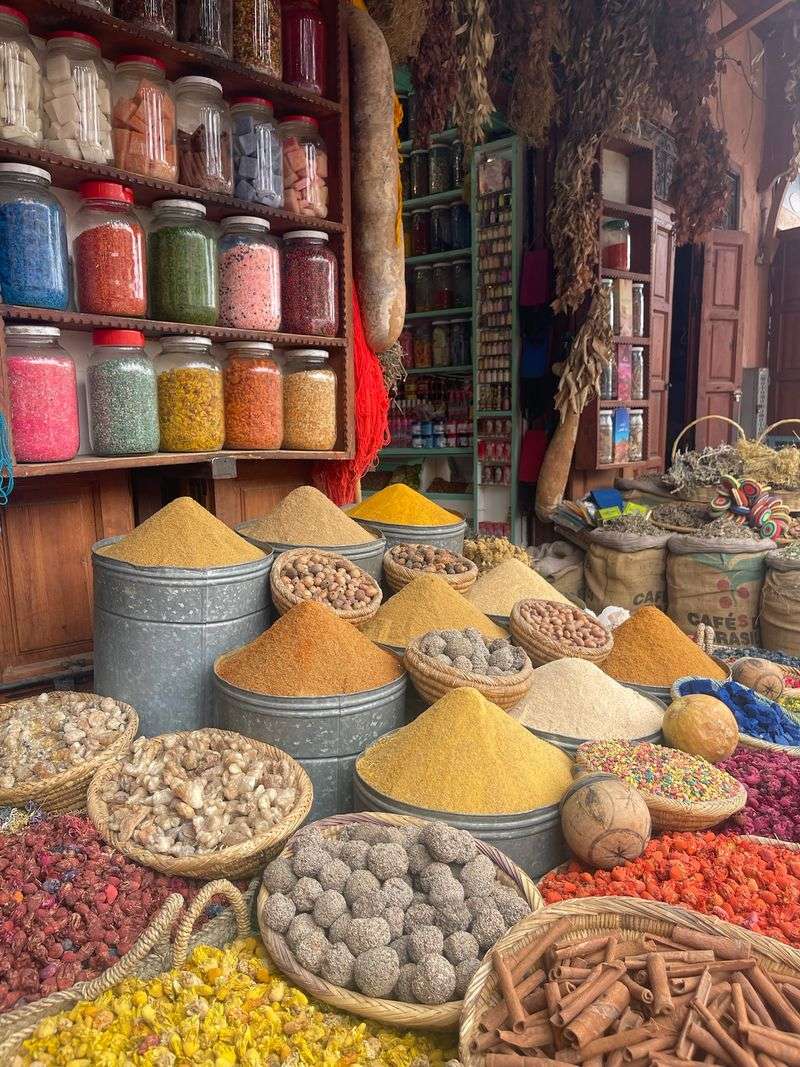
Marrakech cooks with the memory of caravans, where spices carried desert light into city courts. Tagines tell time slowly, lids lifting like stories to reveal prunes, almonds, and saffron. Bastila layers flaky logic, weaving sweet and savory into royal narratives still echoing today.
In Jemaa el Fna, smoke writes calligraphy above braziers, and drums keep time for grills and storytellers. Mellah lanes recall trade, exile, and return, marked by olives and preserved lemons. Mint tea pours in arcs that measure welcome, patience, and polite refusal.
Communal platters assert that abundance is best shared, fingers and bread negotiating boundaries of kinship. Harira warms dusk in Ramadan, bridging hunger to gratitude in thick, spiced syllables. Spice sellers recite blends like genealogies, coriander meeting cumin in remembered proportions.
Bread ovens anchor alleys, steady as prayer, while sesame sweets bracket weddings and market days. Lamb yields to fruit with tenderness learned from gardens against red walls. The city synthesizes Berber roots, Arab scholarship, and Andalusian echoes into present tense flavor.
Modern kitchens riff gently, citrus brightening classics without severing thread. Clay, brass, and cedar hold heat like memory holds names. When the last ember dims, taste remains, carrying caravans forward into the quiet of home.
Mexico City, Mexico — Layers of Indigenous and Colonial Influences
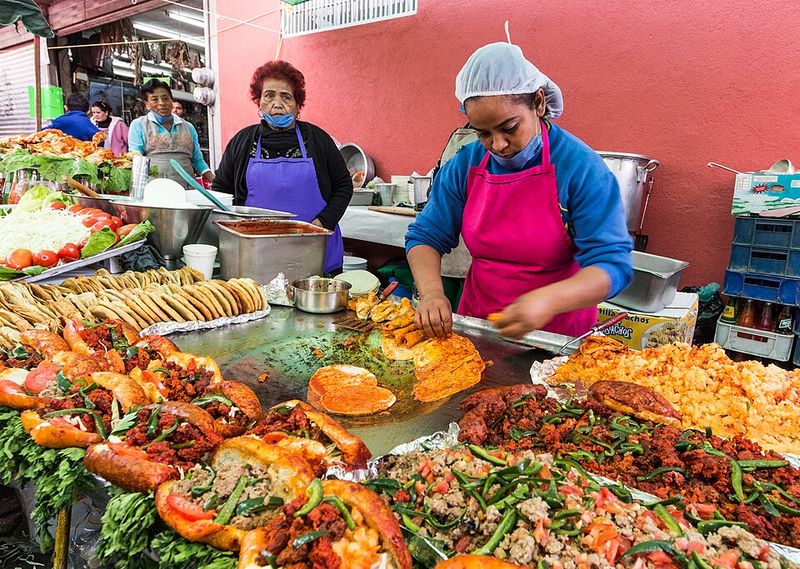
Mexico City layers civilizations in tortillas, each fold cradling maize that predates empire. Nixtamalized corn unlocks nutrition and ancestry, while Spanish arrivals brought pigs, rice, and dairy. Cacao shifts from sacred beverage to sweet comfort, still humming with ceremony’s residue.
Tacos al pastor spin on a trompo that remembers Lebanese shawarma, pineapple crowning a migration tale. Mole stirs dozens of ingredients into one voice, cinnamon and chilies arguing until harmony. At La Merced and San Juan, stalls map trade routes in piles of herbs and insects.
Street corners become lecture halls where comals hiss about technique and repetition. Tamales pack festivals into handheld parcels, flavors tied to saints’ days and family calendars. Pulque and mezcal tell agave’s biography, from milky fields to smoky hearths.
Chiles en nogada dress independence in tricolor, tying politics to palate with lush precision. Urban palates chase birria and carnitas at dawn, acknowledging labor’s clock. Salsas adjust like weather, each mortar a forecast of heat, acid, and salt.
Contemporary chefs archive grandmothers’ notes while plating with city speed and glitter. Blue corn and quelites reclaim fields inside concrete, rooting the megalopolis in soil. History tastes immediate here, carried by hands, shared on sidewalks, and remembered long after the last bite.
Hanoi, Vietnam — Culinary Echoes of Colonial and Local Life
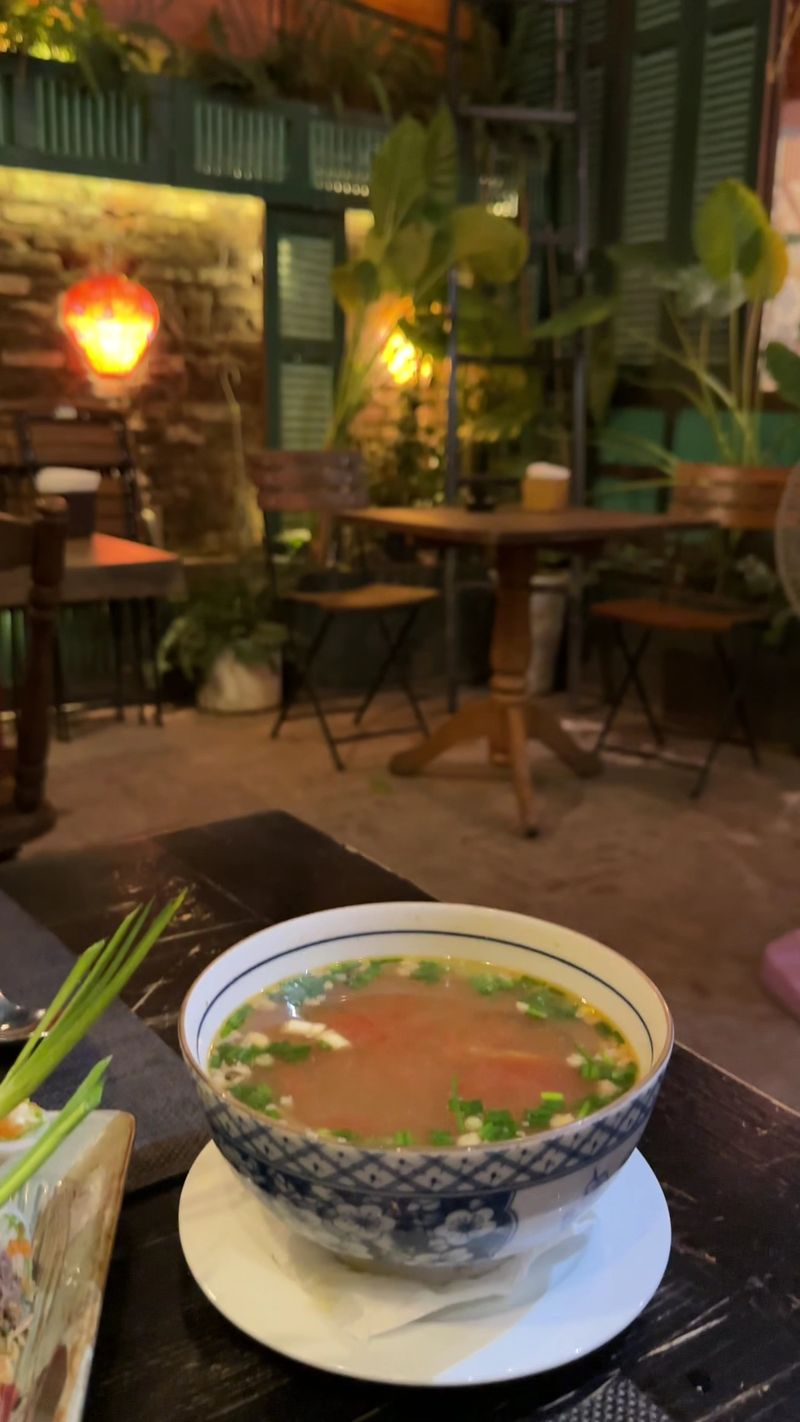
Hanoi cooks in narrow lanes where history sits on low stools and eats early. Pho broth simmers with bones and patience, a technique nudged by French habits of stock. Baguettes became bánh mì, crossing languages until crisp crust met pickles and pate.
Bún chả smoke clings to alleys, caramelized pork translating charcoal’s grammar. Egg coffee crowns cups like silk, whisked thick during shortages that demanded invention. Morning markets display herbs that script the bowl with fragrance and restraint.
Colonial facades shadow soup pots, yet the city’s cadence remains distinctly local. Fish sauce conducts the orchestra, balancing lime and chili with practiced calm. Rice noodles flow through the day’s rhythm, from dawn’s steam to midnight’s solace.
Trays of snail, crab, and herbs recall rivers guiding trade and settlement. Northern seasons push broths toward warmth, while crisp greens keep brightness alive. Street vendors narrate lineage through ladles, each stall a family archive.
Modern cafes echo old salons, conversation rising with clinks and gentle laughter. Motorbikes weave past as bowls empty, pace matching chopsticks. History here is edible, aromatic, and quick to invite a second sip.
Fes, Morocco — Medieval Markets and Millennia of Flavor
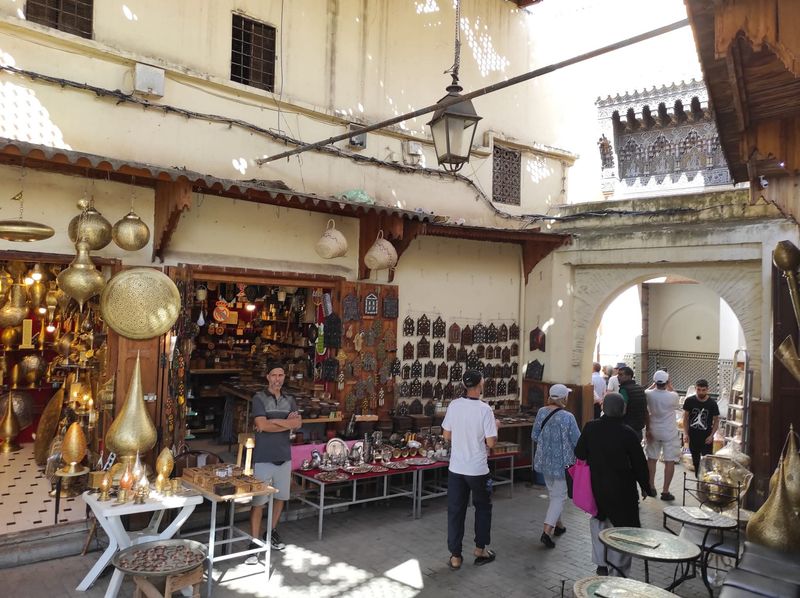
Fes teaches history through aroma, its medina breathing stories from cedar doors and tiled courtyards. Traders once crossed dunes with saffron and dates, setting flavors that still season daily life. Communal ovens glow, swallowing flatbreads and returning them marked with neighborhood warmth.
Harira thickens twilight with lentils, tomatoes, and memory, soothing fasts and seasons alike. Slow cooked meats surrender under domed lids, spices threading sweetness through savory calm. Mint and orange flower water soften edges, reminding that hospitality is architecture too.
Artisans hammer copper beside stalls where olives glisten in sunlit brine. Past and present negotiate in every ladle, measuring spice by feel rather than spoon. Sweets dusted with almond and honey bracket rites of passage with flaky certainty.
The old city’s labyrinth organizes itself around hunger and prayer, steady as call to prayer. Preserved lemon brightens stews like a well placed proverb. Tagines align patient technique with market pragmatism, turning time into tenderness.
Students, pilgrims, and neighbors meet over bowls that respect budget and dignity. Recipes traveled with caravans, then anchored in courtyards, evolving without losing name. Taste here confirms that continuity can be generous, fragrant, and resilient.
Iloilo City, Philippines — Port History on a Plate
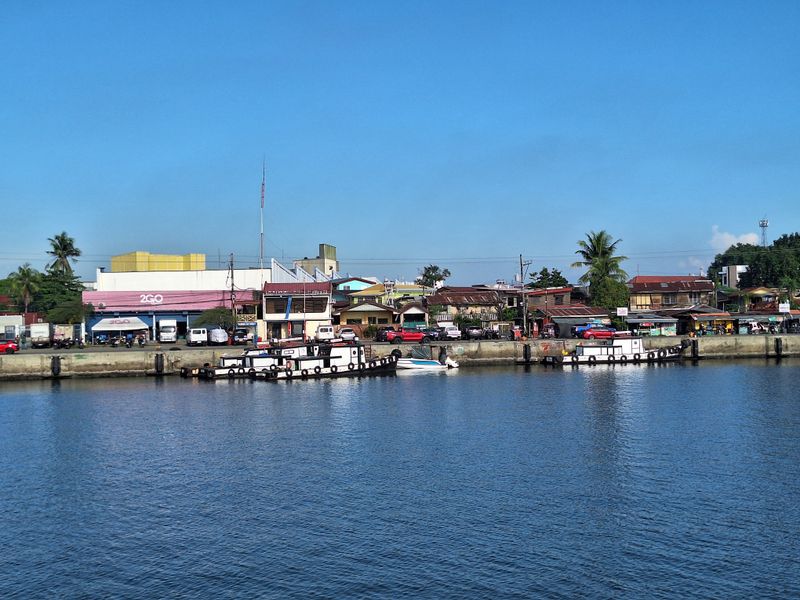
Iloilo plates its harbor past in bowls that steam like morning fog. La Paz batchoy swirls pork, offal, and chicharrón into broth that remembers market chatter. Pancit Molo wraps ground meat in delicate skins, a soup tracing Chinese lines through Spanish streets.
Centuries of galleons stitched this city to Asia and the Americas, bringing sugar, rice, and technique. Spanish stews met island kitchens, becoming menudo and afritada with local brightness. Bakeries gild panaderia shelves where ensaymada rises like soft archipelago clouds.
Neighborhood carinderias translate family budgets into comfort, ladling generosity beside rice. Vinegar speaks loudly here, calibrating balance while cutting through tropical heat. Seafood markets glitter with parols and ice, tides translating into breakfast.
Festivals thread trumpets through menus, lechon skin snapping in applause. KBL and kansi announce provincial kinship, sour fruit and bone marrow negotiating harmony. Saging, coconut, and muscovado sweeten merienda, anchoring plantation histories in small pleasures.
UNESCO recognition affirms craft long practiced in backyard kitchens and busy piers. Contemporary cooks honor elders while plating with ship shape clarity. The city’s flavors keep the port open, not to ships, but to memory and welcome.
Cusco, Peru — Andean Roots and Colonial Flavor Fusion
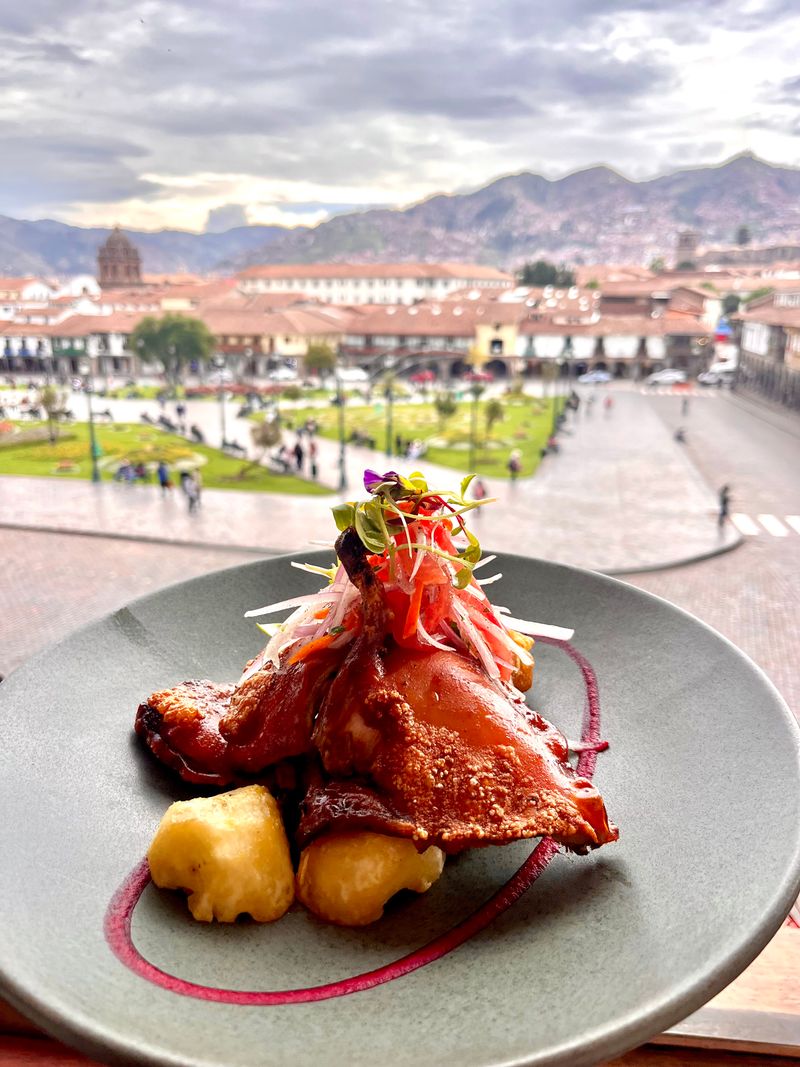
Cusco cooks at altitude, where breath slows and flavors deepen into steady warmth. Potatoes parade in countless shapes, a taxonomy cultivated long before conquistadors. Quinoa shares the table with maize, resilient grains mapping terraces across mountainside geometry.
Spanish arrivals brought stewed meats, garlic, and sweet spices that found new homes. Aji peppers tune everything, from soups to anticuchos sizzling at dusk. Chicha tells maize’s other life, fermented for ritual and simple company.
Markets burst with huacatay and broad beans, vendors narrating farms by color and scent. Pachamanca buries heat and trust in earth, unearthing meats and tubers smoked by stone. Lush sauces pair with grilled trout, river and ridge meeting on a plate.
Colonial arches cast shade over doorways where clay pots murmur slowly. Cuy and hearty soups speak to celebration and careful resourcefulness. Textiles mirror plates, weaving contrast and balance into pattern and taste.
Chefs today translate altitude into technique, adjusting simmer and sear with respect. Old and new share the table, neither claiming the last word. The result is sustenance that remembers empire and empire before it.
Yerevan, Armenia — Ancient Bread and Cultural Survival
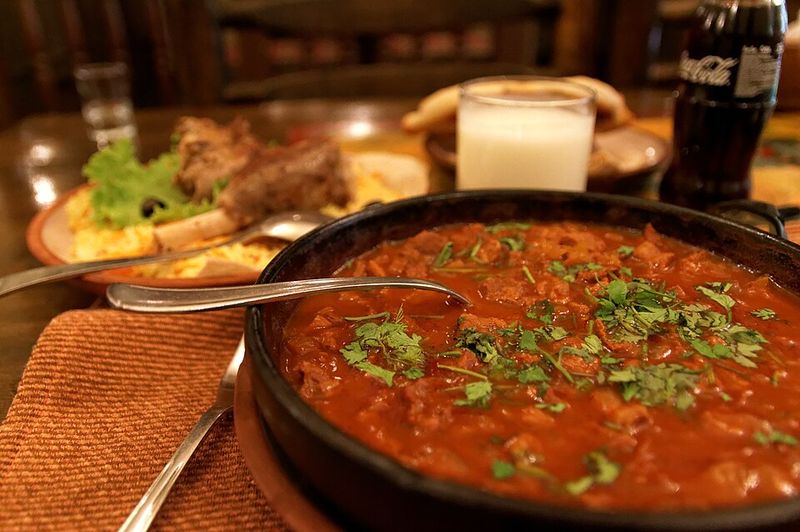
Yerevan bakes identity into lavash, pulled thin and quick against hot stone walls. The tonir breathes like an ancestor, warming rooms where stories keep pace with dough. Pomegranates crack open like small suns, scattering brightness across grilled meats and herbs.
Dolma wraps vine leaves around migrations, carrying gardens across borders. Spices trace routes to Persia and the Levant, braiding regional kinship into daily meals. Tangy matsun cools kebabs, while herbs lift the table toward mountain air.
After diaspora, recipes returned like letters, creased but legible, unfolding at family gatherings. Bakeries press patterns into gata, sugar crunching like celebratory footsteps. Apricot jams hold summers intact, sealed for winters that expect endurance.
Markets chatter in Armenian and Russian, copper and clay reflecting long craftsmanship. Toasts rise with oghi, honoring absence and presence with equal clarity. Grills perfume streets where sunflower seeds crack under conversation.
Modern cafes plate tradition with nimble ease, updating garnish without breaking thread. Museums tell political history, while kitchens preserve domestic chapters. The bread on the table proves survival can also taste tender, warm, and shared.



