 Unearth The Voyage
Some of the world’s most powerful places don’t shout for attention. Tucked away on remote islands, hidden in misty mountains, or sprawled across endless salt flats, these landmarks offer something rare: genuine peace and quiet.
When you visit them during the right season or time of day, they reveal a beauty that stays with you long after you’ve left, proving that silence can speak louder than any crowd.
Skellig Michael — Monastic Peaks Off Ireland’s Coast
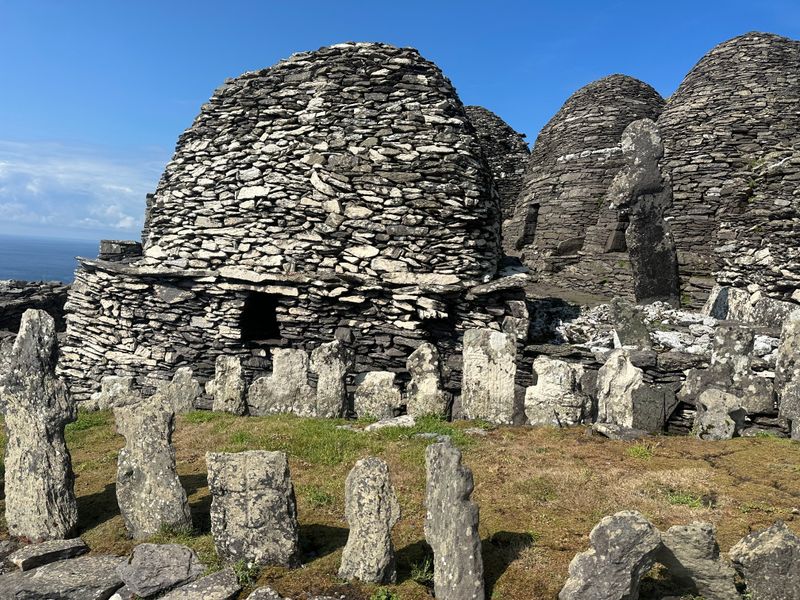
Waves crash against jagged rocks as you approach this windswept island, where monks once chose isolation over comfort. Skellig Michael rises from the Atlantic like a natural fortress, its steep sides carved by centuries of storms and salt spray.
The journey here isn’t easy—boats depend on calm seas, and the climb demands careful footing—but that’s precisely what keeps the crowds thin.
Stone steps wind upward, each one placed by hands that sought solitude and spiritual focus over a thousand years ago. The beehive huts at the summit, built without mortar, still stand as testament to human determination and craftsmanship.
Perched on these heights, you’re surrounded by nothing but ocean, sky, and the whisper of wind through ancient stonework.
What strikes visitors most is the profound quiet that settles over the island during shoulder seasons. Birds wheel overhead, and distant waves provide the only soundtrack to your exploration.
Standing where monks once prayed and worked, you can’t help but feel the weight of history and the lightness of being so far removed from modern noise and rush.
Machu Picchu — Dawn at the Ancient Cloud Citadel
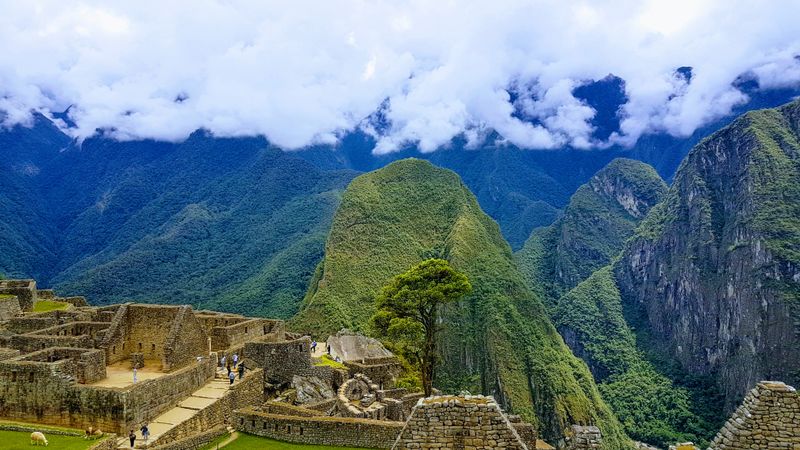
Darkness still clings to the mountains when you begin your ascent, but the effort pays off when first light touches those legendary stone walls. Machu Picchu transforms at dawn from a shadowy outline into a masterpiece of engineering and artistry.
The terraces seem to float above clouds that fill the valleys below, creating an almost dreamlike atmosphere.
Most tourists arrive later, which means early risers get something precious: time alone with history. You can walk the empty plazas and imagine the Inca people who once filled these spaces with daily life.
The precision of the stonework—blocks fitted so tightly that not even a blade can slip between them—becomes even more impressive when you’re not jostling for viewing space.
Temperature shifts as the sun climbs higher, burning off mist and revealing the full scope of the site’s mountain setting. The Sun Gate frames the citadel perfectly, offering a view that has moved travelers to tears for generations.
This isn’t just another archaeological site; it’s a place where silence and grandeur combine to create genuine emotional impact that lingers for years.
Angkor Wat at Sunrise — Sacred Silence in Cambodia
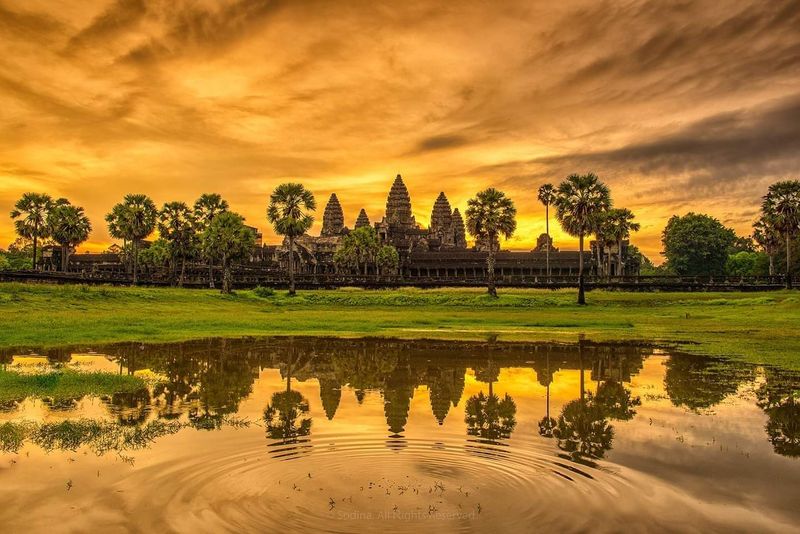
Sandstone glows amber and gold as dawn breaks over Cambodia’s most sacred temple complex. Angkor Wat’s reflection shimmers in still pools while birds begin their morning songs, creating a moment that feels almost sacred in its perfection.
The air smells of jasmine and damp earth, and the temperature remains pleasantly cool before tropical heat takes over.
Thousands of intricate carvings cover every surface, depicting ancient stories and spiritual beliefs. When you arrive before the tour buses, you can actually study these details without feeling rushed or crowded.
The galleries and courtyards stretch in all directions, offering countless opportunities for quiet contemplation and discovery.
Local monks sometimes pass through during these early hours, their orange robes bright against gray stone. Their presence reminds you that Angkor Wat isn’t just a tourist attraction—it remains a living spiritual site.
The combination of architectural genius, natural beauty, and continuing religious significance creates an experience that goes beyond simple sightseeing, touching something deeper in the human spirit that responds to places of genuine historical and cultural weight.
Hoh Rain Forest — The Stillness of Ancient Moss
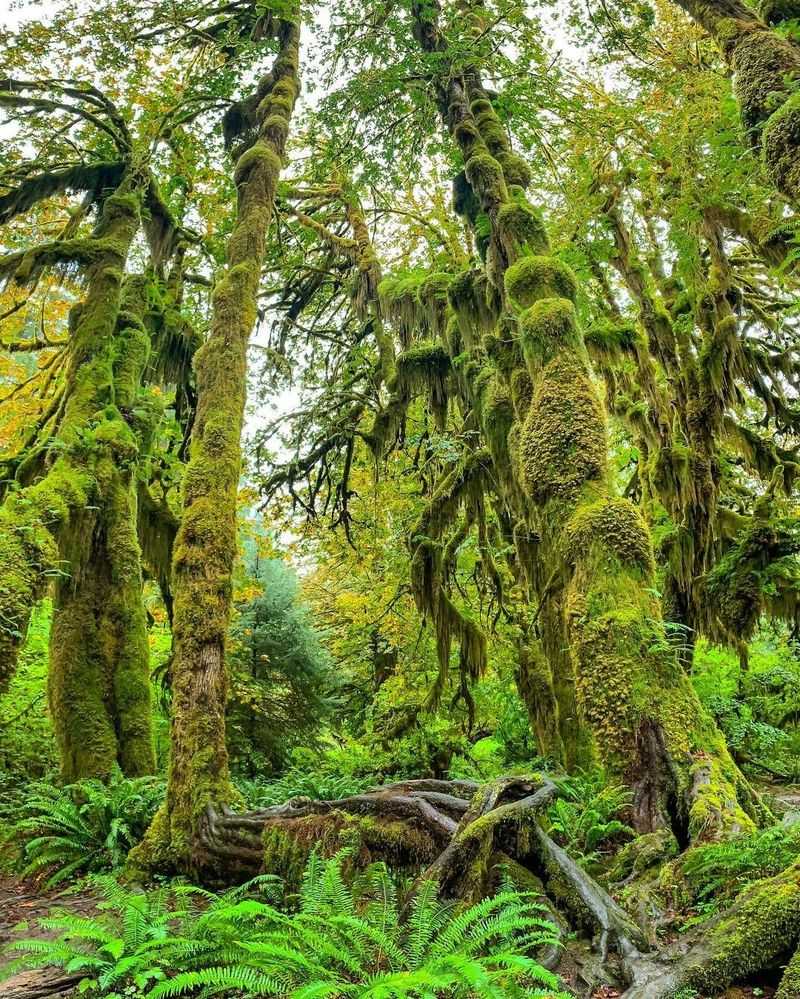
Moss hangs like living curtains from branches that have witnessed centuries pass beneath their shade. Hoh Rain Forest earned recognition as one of Earth’s quietest places, and within minutes of entering, you understand why.
The forest floor cushions every footstep, and the dense canopy absorbs sound in ways that urban environments never can.
Scientists have actually measured the silence here, protecting a specific spot called One Square Inch of Silence from noise pollution. Walking these trails, you notice sounds you’d normally miss—a beetle crawling over bark, water droplets falling from leaves, your own heartbeat.
The experience can feel almost meditative, forcing you to slow down and pay attention.
Giant Sitka spruces and western hemlocks tower overhead, some over 300 feet tall and draped in club moss and ferns. The green here isn’t just one shade but dozens, from deep emerald to bright lime, all thriving in the perpetual dampness.
Visiting this forest reminds you that nature’s rhythms operate on timescales far longer than human concerns, offering perspective that’s increasingly rare in our rushed modern world.
Vatnajökull National Park — Iceland’s Majestic Ice Wilderness
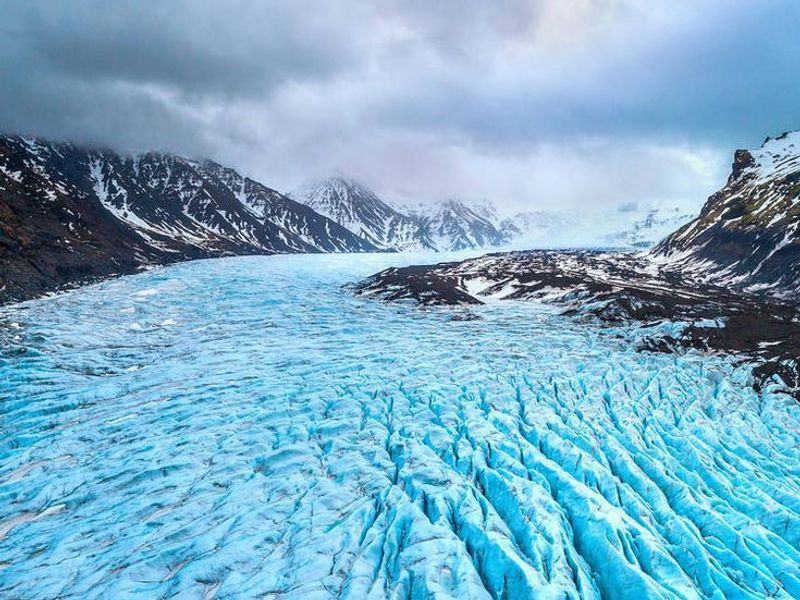
Ice stretches to the horizon in shades of blue you didn’t know existed until you stood here. Vatnajökull National Park covers roughly 14 percent of Iceland, making it Europe’s largest national park and home to the continent’s biggest glacier.
The scale alone overwhelms the senses, but it’s the quality of silence that truly impresses—a quiet so complete it feels almost physical.
Glacial rivers carve through black volcanic sand, creating patterns that look like abstract art from above. Ice caves glow with ethereal blue light, their walls sculpted by meltwater into smooth, flowing forms.
Each season transforms the landscape, with winter bringing deep snow and summer revealing hidden waterfalls and geothermal areas.
Few places on Earth let you feel so small and so connected to natural forces simultaneously. Standing on ancient ice or walking across lava fields, you’re touching geology that’s still actively shaping itself.
The park’s remoteness means you can hike for hours without seeing another soul, experiencing the kind of solitude that clears the mind and resets your relationship with both nature and modern life’s constant noise.
Lake Bled — Alpine Serenity in Slovenia
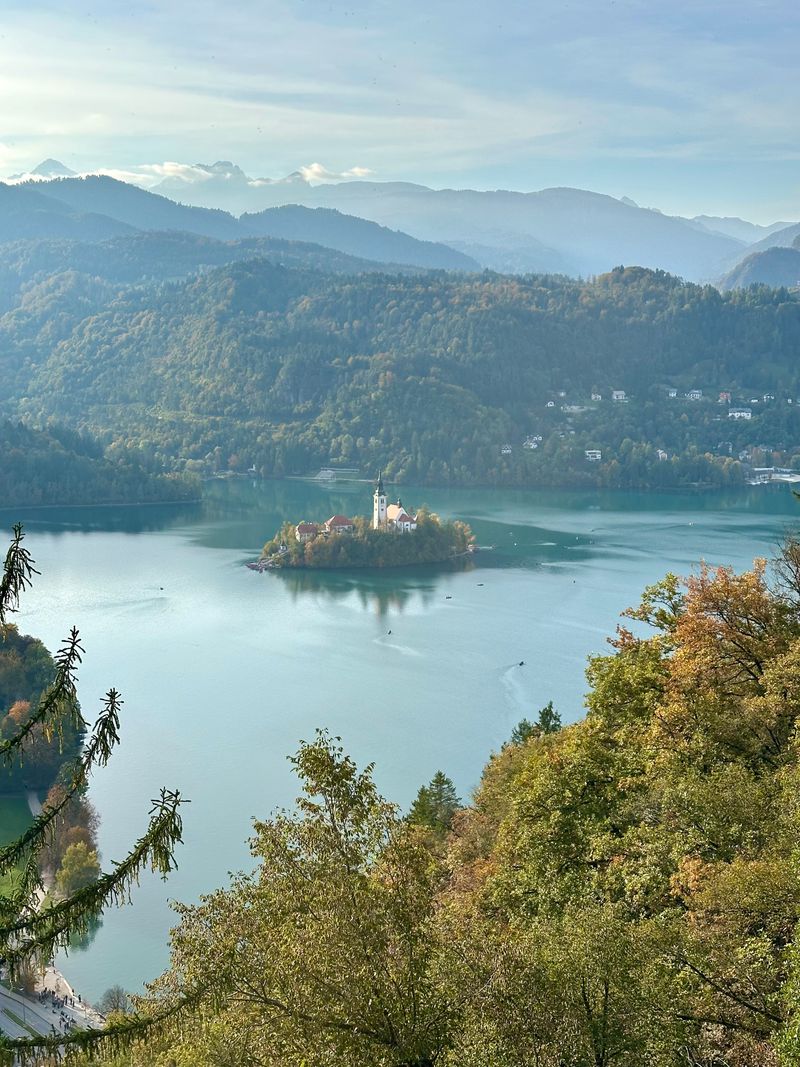
A tiny island crowned with a church sits perfectly centered in waters so clear you can see fish swimming far below. Lake Bled looks like something from a storybook, and the reality somehow exceeds even the prettiest photographs.
Early morning fog often wraps the scene in mystery, with the island appearing and disappearing like something from a dream.
Traditional wooden boats called pletnas glide silently across the glassy surface, rowed by locals whose families have held this job for generations. The only sounds are oars dipping into water and perhaps a church bell ringing from the island.
Hiking the trail around the lake takes about two hours and offers constantly changing views of the surrounding Julian Alps.
Bled Castle perches on a cliff above the lake, its white walls and red roofs providing a perfect contrast to the blue-green water below. Unlike many European beauty spots that feel overrun, Lake Bled retains a peaceful atmosphere even during tourist season, especially if you visit at dawn or dusk.
The combination of natural beauty, human-scale architecture, and accessible tranquility makes this a place that calms rather than excites, leaving visitors refreshed rather than exhausted.
Salar de Uyuni — Silent Salt Flats of Bolivia
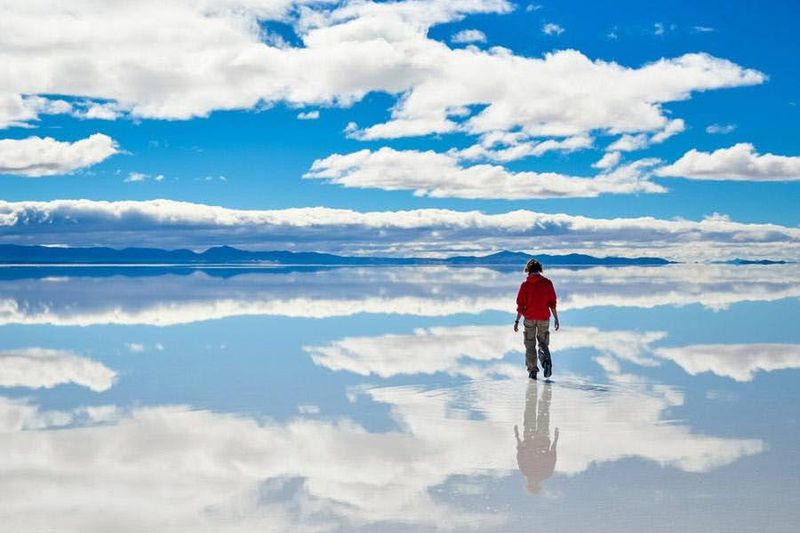
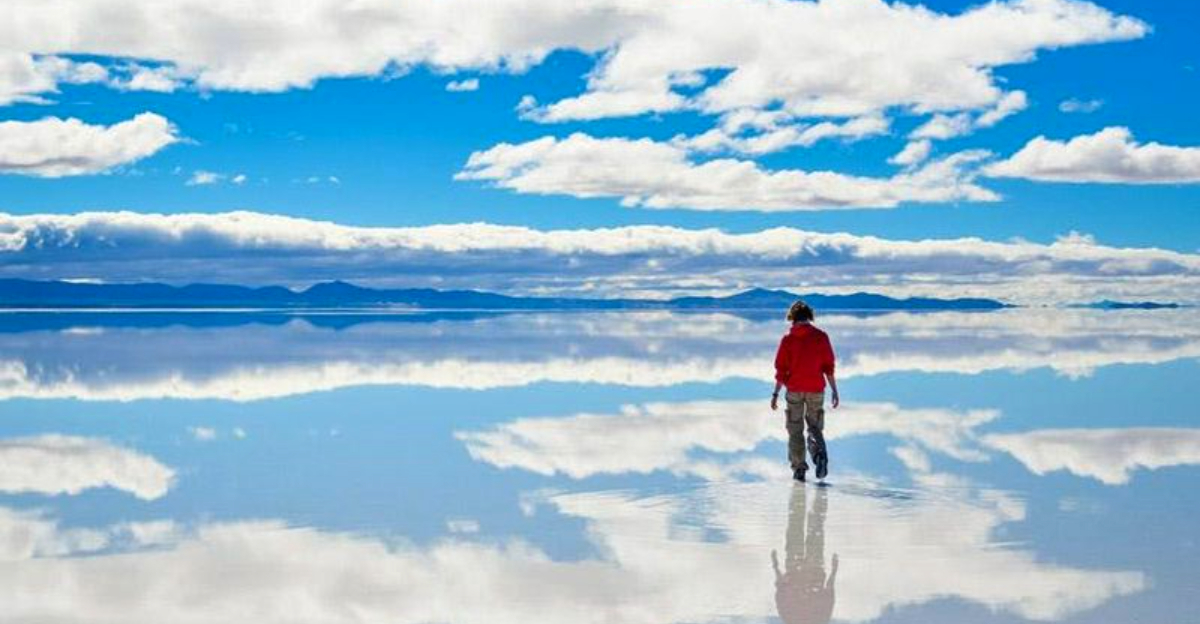
White extends in every direction until earth and sky blur into a single infinite space. Salar de Uyuni spans over 4,000 square miles of crystallized salt, creating the largest salt flat on Earth and one of the most surreal landscapes imaginable.
During rainy season, a thin layer of water transforms the flats into the world’s largest natural mirror, reflecting clouds and sky with perfect clarity.
The silence here feels different from forest quiet or mountain stillness—it’s the silence of vast emptiness, of being so far from civilization that human sounds simply don’t exist. Your voice carries strangely across the flats, and the crunch of salt crystals under boots becomes almost musical.
Nights bring stars so bright and numerous they cast shadows.
Photographers love this place for its perspective-playing opportunities, but the real magic lies in the meditative quality of such extreme minimalism. Standing on the flats at sunrise or sunset, when pink and orange paint both ground and sky, you experience a kind of sensory reset.
The geometric perfection of salt polygons, the absolute flatness, and the crushing sense of scale combine to create memories that persist long after you’ve returned to normal landscapes.
Skógafoss at Dusk — Serenity by Waterfall in Iceland
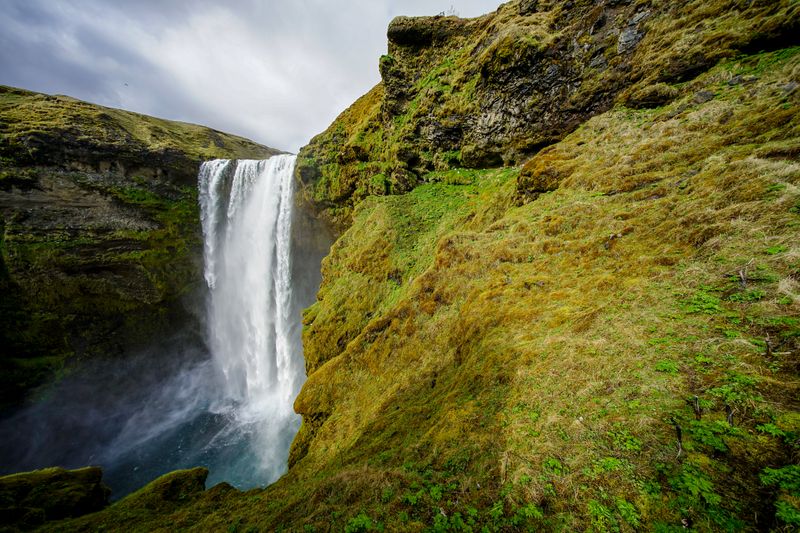
Water plunges 200 feet from black basalt cliffs, creating a roar that should be deafening but somehow feels peaceful. Skógafoss ranks among Iceland’s most photographed waterfalls, yet visiting during evening hours or off-season reveals a quieter side to this natural spectacle.
The constant mist creates rainbows on sunny days and adds an ethereal quality to gray ones.
A staircase climbs to the top of the falls, offering views across coastal plains to the Atlantic Ocean beyond. The climb rewards you with perspectives that shift your understanding of the waterfall’s power and the landscape’s scale.
Below, the wide plunge pool remains relatively shallow despite the falling water’s force, creating a space where you can stand surprisingly close to the cascade.
What makes Skógafoss particularly memorable is the contrast between its thundering energy and the surrounding calm. Birds nest in the cliffs, seemingly unbothered by the constant noise.
The air tastes clean and cold, carrying the scent of glacial meltwater. As dusk settles, the changing light transforms the falling water from white to silver to gold, creating a show that requires no audience beyond yourself and perhaps a handful of other quiet observers.
Borobudur at Golden Hour — Ancient Reliefs in Soft Light
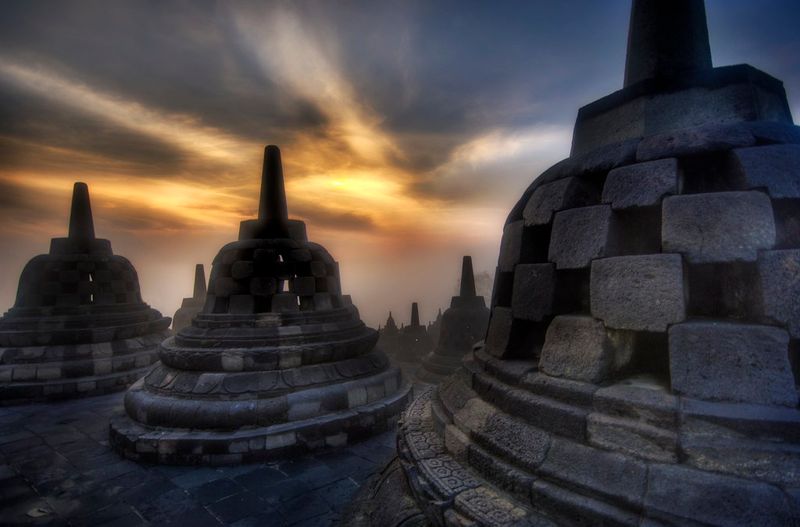
Stone tiers rise like a mountain built by human hands, each level adorned with thousands of carved panels telling ancient stories. Borobudur stands as the world’s largest Buddhist monument, constructed in the 9th century from over two million stone blocks.
Visiting at sunrise or sunset bathes the gray volcanic stone in warm light that brings the intricate reliefs to vivid life.
The temple’s design represents Buddhist cosmology, with visitors walking a path that symbolizes the journey from earthly concerns to spiritual enlightenment. Each ascending level features different carvings and architectural elements, rewarding those who take time to study the details.
Bell-shaped stupas crown the upper terraces, framing views of Java’s volcanic peaks in the distance.
During golden hour, when most day-trippers have departed, the monument takes on an almost mystical quality. Light and shadow play across the carved stone, and the silence feels appropriate to the site’s spiritual purpose.
Local guides sometimes share stories about the temple’s construction and rediscovery, adding layers of meaning to what you’re seeing. The combination of massive scale, intricate artistry, and peaceful atmosphere creates an experience that transcends simple tourism, offering genuine connection to history and human achievement.
Plitvice Lakes — Tranquil Cascades in Croatia
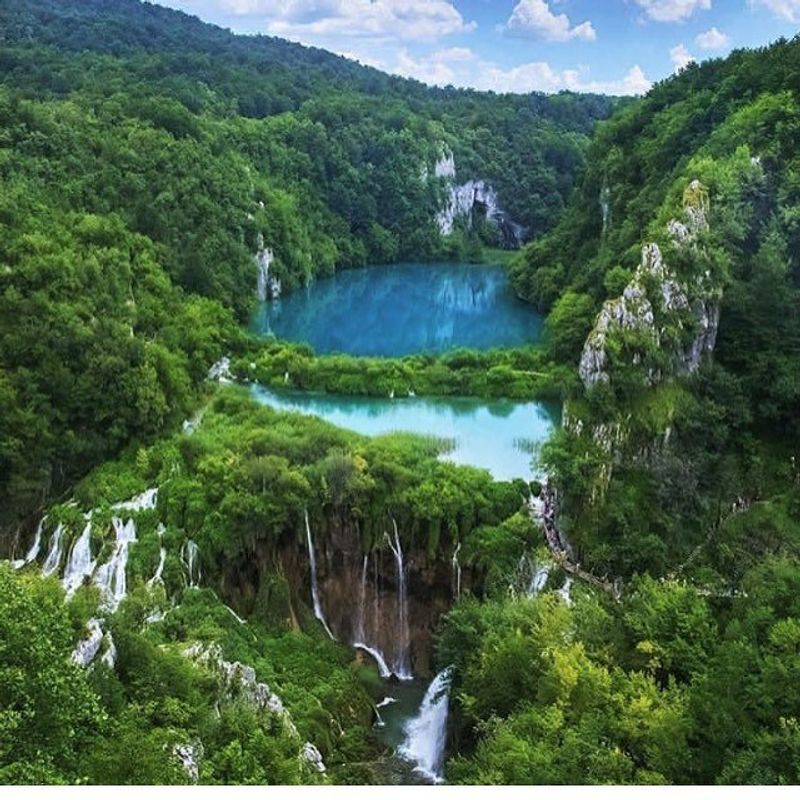
Sixteen lakes cascade into each other through a series of waterfalls that seem too perfect to be natural. Plitvice Lakes National Park protects this chain of turquoise pools connected by travertine barriers that grow slowly over centuries.
The water’s color shifts from emerald to azure depending on mineral content and light angle, creating a constantly changing palette that photographers dream about.
Wooden boardwalks wind through the park, bringing you within arm’s reach of rushing water without disturbing the delicate ecosystem. Early morning visits, especially during spring or autumn, offer the best chance of experiencing the park’s trails without crowds.
The sound of water becomes your constant companion—sometimes a whisper, sometimes a rush, but always soothing.
Ancient beech and fir forests surround the lakes, home to brown bears, wolves, and rare bird species. The park’s biodiversity matches its visual beauty, making it a place where natural systems thrive with minimal human interference.
Walking these trails, you’re surrounded by evidence that nature, given protection and time, creates wonders no designer could match. The gentle sound of water flowing over limestone, the dappled forest light, and the pristine clarity of the lakes combine to leave visitors with a renewed appreciation for wild places.



