 Unearth The Voyage
Some places in the United States are so wild and untouched that you simply cannot drive there. No highway, no bridge, no road trip playlist will get you to these spots.
Whether you hop on a seaplane, board a ferry, or charter a small bush plane, the journey itself becomes part of the adventure. Get ready to discover ten jaw-dropping American destinations where the only way in is up in the air or out on the water.
Juneau, Alaska
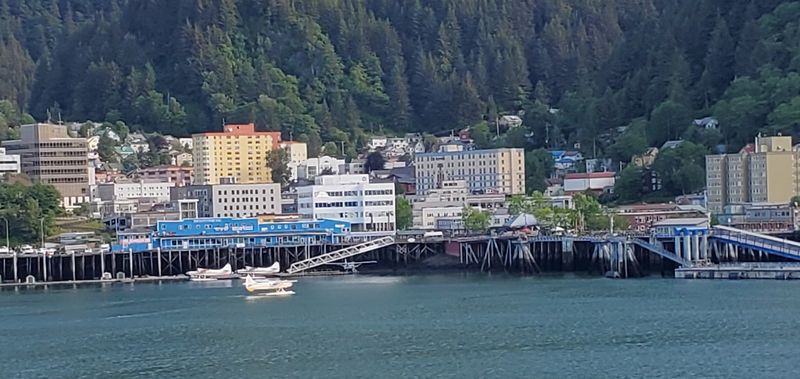
Juneau holds a title no other U.S. state capital can claim: it is completely cut off from the rest of the road system. No highway connects it to anywhere.
You fly in or you sail in, and that is the only deal on the table. For a capital city, that is a pretty wild situation.
Once you land, the scenery hits immediately. Mountains rise sharply behind the downtown streets, and the Mendenhall Glacier sits just 12 miles from the city center.
You can literally walk up to a glacier after grabbing coffee downtown. Whale-watching tours operate regularly from the harbor, and humpback sightings are common from late spring through fall.
Juneau also has a surprisingly lively food and arts scene for such an isolated place. Fresh Alaskan seafood is everywhere, and local breweries have mastered the art of glacier-fed water in their craft beers.
The surrounding wilderness offers hiking trails for every skill level. Brown bears occasionally wander into the outskirts of town, which keeps life interesting.
Juneau proves that being hard to reach does not mean being hard to love.
Isle Royale National Park, Michigan
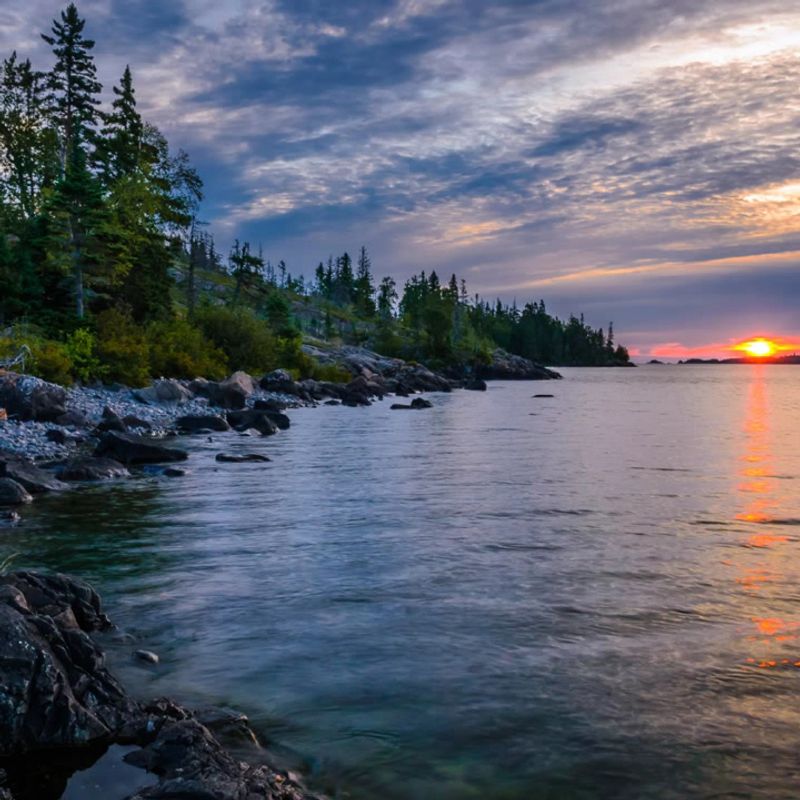
Forget everything you think you know about crowded national parks. Isle Royale, sitting in the cold depths of Lake Superior, welcomes fewer visitors per year than Yellowstone gets in a single day.
That is not a complaint from the people who make it here. That is actually the whole point.
Getting there requires a ferry ride or seaplane trip from either Michigan or Minnesota, and the journey can take several hours depending on where you depart. But arriving on an island with no cars, no roads connecting it to the mainland, and wolves roaming the forest makes every minute of travel worthwhile.
Moose sightings are practically guaranteed if you spend a few days hiking the interior trails.
Kayaking around the island’s rugged coastline is one of the best ways to experience its raw beauty up close. Shipwrecks beneath the clear lake water draw scuba divers from across the country.
The park closes entirely in winter, making summer and early fall the prime window for a visit. Isle Royale is the kind of place that changes the way you think about what wilderness actually means.
Gates of the Arctic National Park, Alaska
No trails. No roads.
No ranger stations you can casually stop by for a map. Gates of the Arctic is not messing around when it comes to raw, unfiltered wilderness.
It sits entirely above the Arctic Circle, making it one of the most extreme national parks in the entire country.
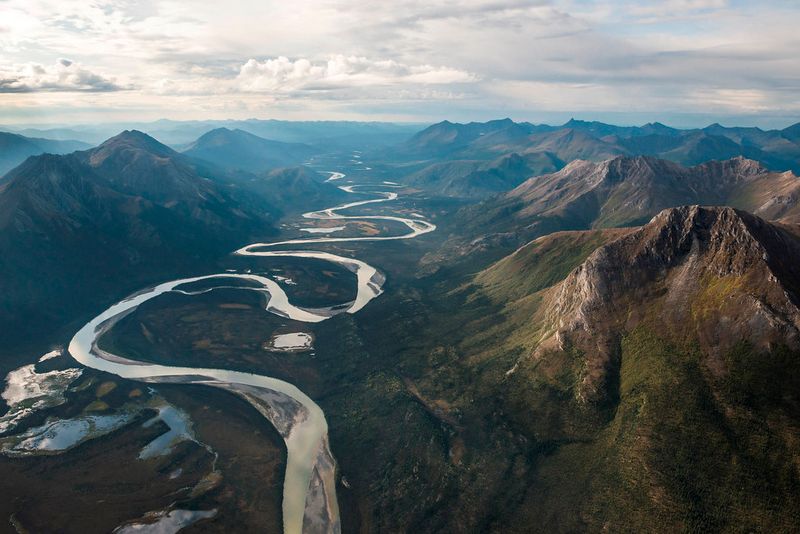
The only way in is by small bush plane, typically departing from the village of Bettles or Coldfoot. Pilots drop visitors off on gravel bars along rivers or flat tundra stretches, and from that point forward, you are entirely on your own.
Navigation skills, bear safety knowledge, and serious gear are non-negotiable requirements before setting foot here.
Summer brings nearly 24 hours of daylight, which is both exhilarating and disorienting. The Brooks Range mountains provide a dramatic backdrop that photographers dream about.
Rivers teem with Arctic grayling, and caribou herds pass through in massive numbers during migration season. Wolves, grizzlies, and wolverines all share this land.
Gates of the Arctic draws experienced adventurers who want something beyond the typical park experience. If you crave true solitude, this is as real as it gets.
Dry Tortugas National Park, Florida
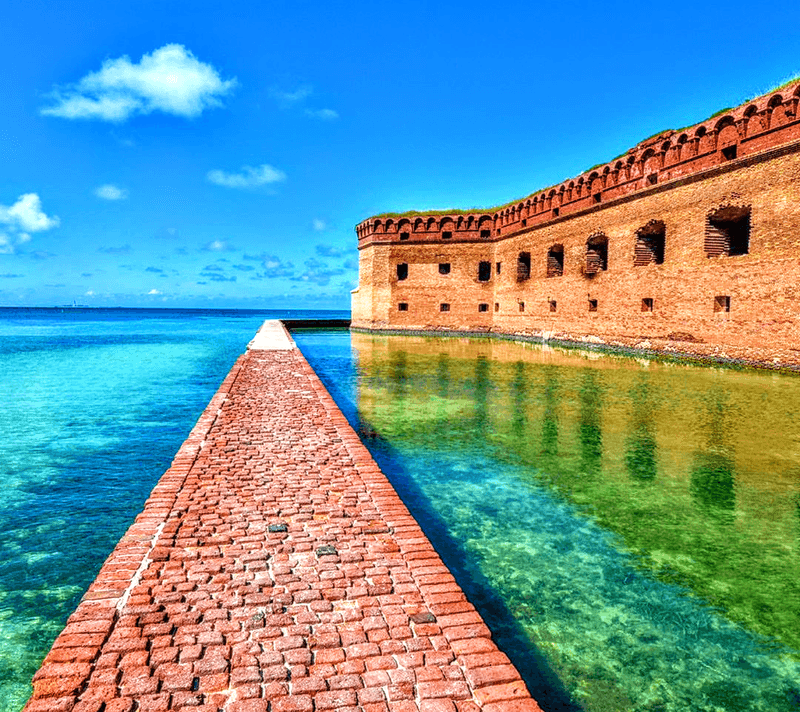
Sitting 70 miles west of Key West, Dry Tortugas is basically the secret the Florida Keys never fully advertised. There are no roads leading here, no convenience stores, and absolutely no cell service.
You arrive by seaplane or ferry, and the moment you step off, the modern world disappears.
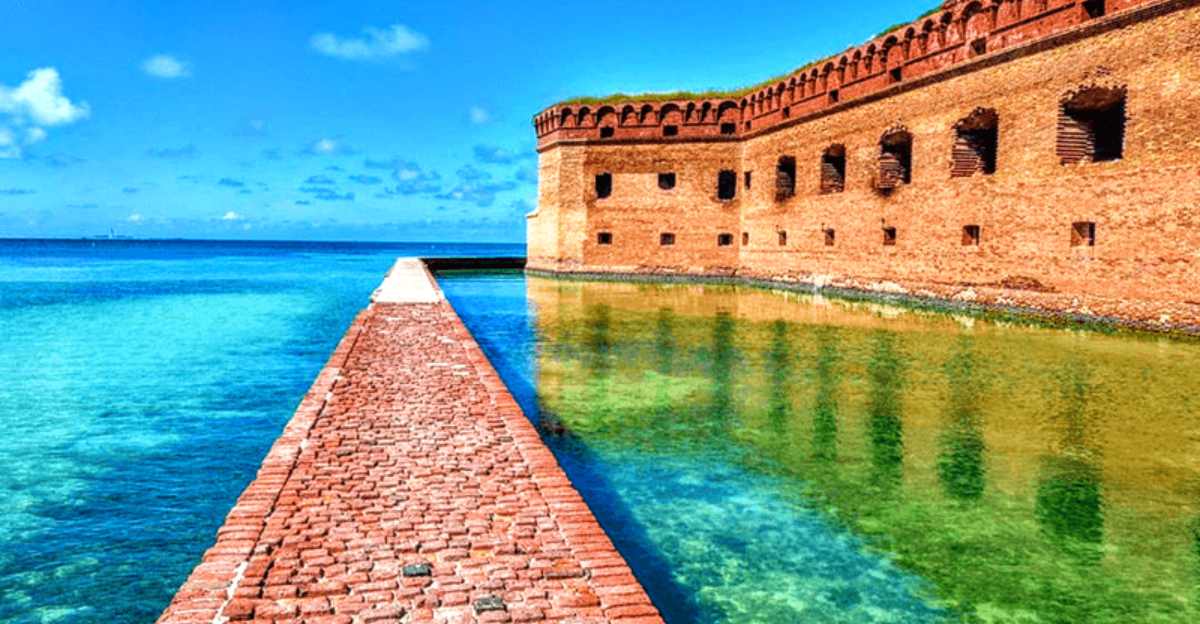
Fort Jefferson, a massive 19th-century brick fortress, dominates the tiny island like something out of a history book. It was once used as a military prison, and its sheer size is staggering when you realize it was built almost entirely without machinery.
History and architecture fans will find plenty to stare at.
But the real magic happens underwater. Snorkeling here puts you face-to-face with sea turtles, nurse sharks, and schools of tropical fish darting through coral gardens.
The water clarity is almost unreal. Camping overnight on the island lets you experience a sky full of stars with zero light pollution.
Dry Tortugas rewards curious travelers who are willing to make the effort to get there.
Channel Islands National Park, California
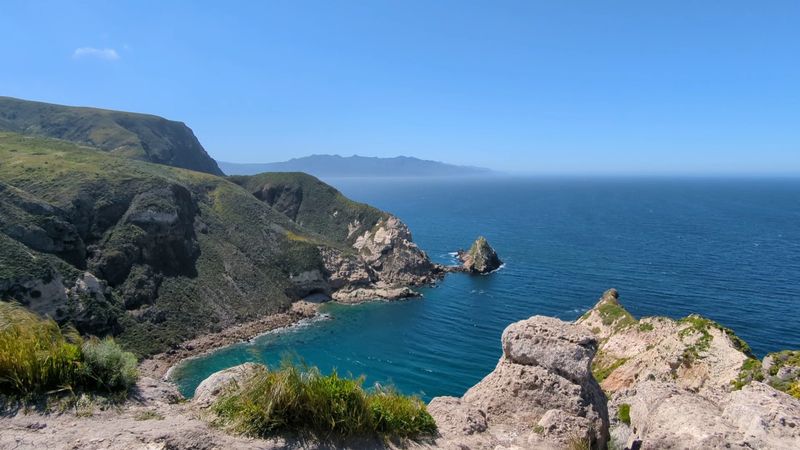
Just off the coast of Southern California, five islands sit largely forgotten by the millions of people living nearby on the mainland. The Channel Islands are sometimes called the Galapagos of North America, and that nickname is not an exaggeration.
The wildlife here evolved in near-complete isolation, producing species found absolutely nowhere else on the planet.
Island foxes, which are tiny and fearless, will trot right up to your campsite without a care in the world. Sea caves carved into the sandstone cliffs are large enough to kayak through, and the kelp forests offshore create underwater cathedrals that divers rave about.
Getting here requires a boat or small plane, and crossing the Santa Barbara Channel can get choppy, so pack accordingly.
Santa Cruz Island is the largest and most visited, offering hiking trails with sweeping ocean views and reliable wildlife encounters. Anacapa Island features a dramatic lighthouse and nesting seabird colonies that are genuinely loud and chaotic during breeding season.
The lack of roads and development means the islands feel frozen in time. Channel Islands rewards anyone willing to make the crossing with scenery that mainland California simply cannot compete with.
Cumberland Island, Georgia
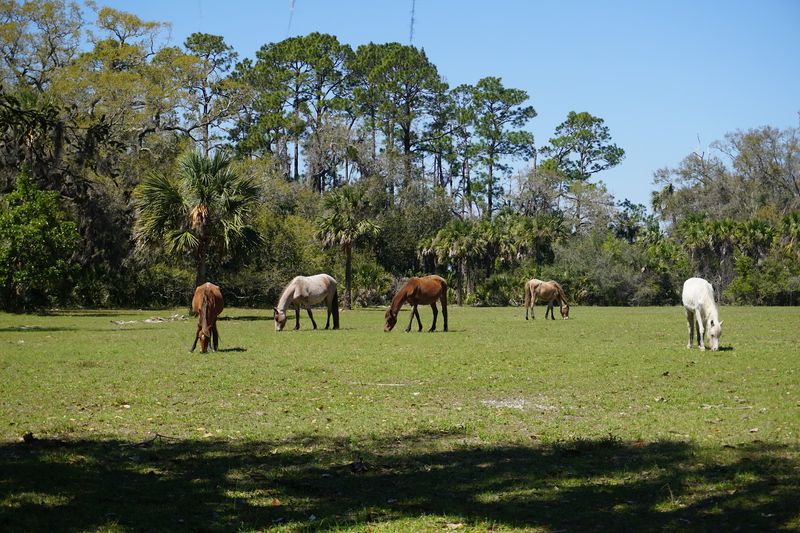
Wild horses have been roaming Cumberland Island since the 1700s, and they have zero interest in your schedule or your personal space. These feral horses wander the beaches, forests, and marshes of Georgia’s largest and most southerly barrier island as if they own the place, which, honestly, they kind of do.
The only way to reach Cumberland Island is by ferry from the small town of St. Marys, Georgia. The National Park Service limits the number of daily visitors to protect the island’s fragile ecosystem, which means you will never feel like you are fighting crowds for a good view.
That low-key atmosphere is a huge part of the appeal.
Dungeness Ruins, the crumbling remains of a Carnegie family mansion, stand hauntingly beautiful among the twisted live oak trees draped in Spanish moss. Hiking trails wind through maritime forests thick with wildlife, including armadillos, bobcats, and painted buntings.
The beaches on the Atlantic side stretch for miles with almost no human footprints in sight. Camping under the oaks while listening to the horses move through the dark is one of those experiences that stays with you long after you leave.
Molokai (Remote Areas), Hawaii
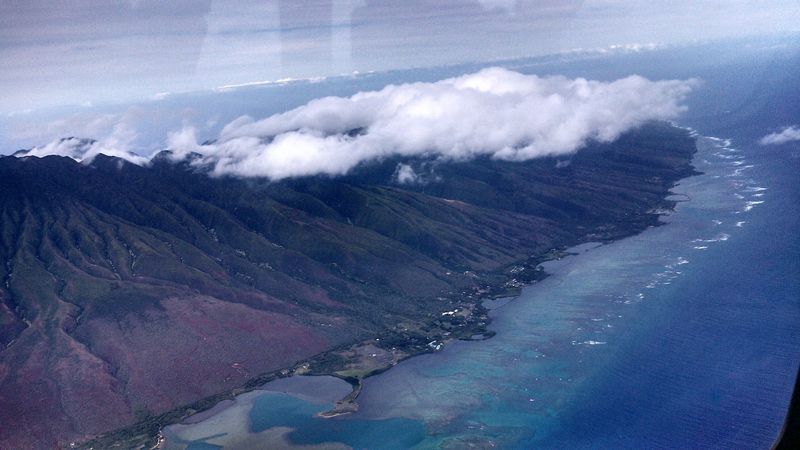
Hawaii gets millions of tourists every year, but Molokai seems to have missed that memo entirely. The island’s remote regions, especially the Kalaupapa peninsula tucked beneath the world’s tallest sea cliffs, operate on a completely different frequency from the luau-and-resort version of Hawaii most visitors know.
Kalaupapa was once a leprosy settlement where patients were exiled beginning in the 1860s, and that history gives the place a quiet, deeply moving weight. Access requires either a small plane or a mule ride down a switchback trail with 26 turns carved into a 1,700-foot cliff face.
The settlement is still home to a small number of residents, and visits are limited and require permits.
Beyond Kalaupapa, the rest of Molokai moves slowly and intentionally. The north shore sea cliffs, some reaching 3,000 feet, are among the most dramatic coastal landscapes anywhere in the Pacific.
Halawa Valley on the east end offers waterfalls, ancient Hawaiian fish ponds, and a cultural richness that feels genuine rather than performed. Molokai is the Hawaii that exists for people who want to actually feel something, not just photograph it.
Lake Clark National Park (Port Alsworth), Alaska
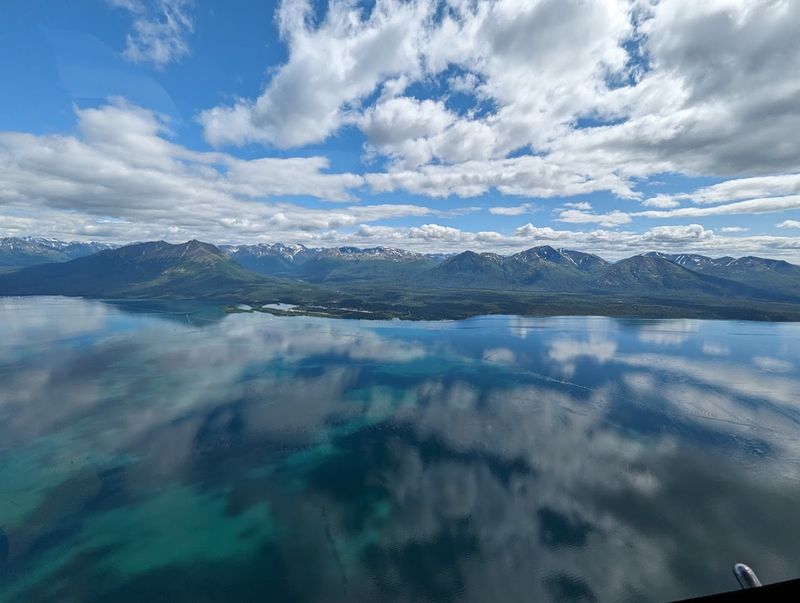
Port Alsworth has a population of roughly 150 people, no paved roads connecting it to anywhere, and some of the most spectacular scenery Alaska has to offer. That combination is either your dream vacation or your idea of a nightmare, and there is really no middle ground.
Lake Clark National Park surrounds this tiny community with a landscape that looks almost too dramatic to be real.
Small charter planes are the standard way in, departing from Anchorage for the one-hour flight that crosses Cook Inlet and delivers you into a world of volcanoes, glaciers, and turquoise lakes. Two active volcanoes, Mount Redoubt and Mount Iliamna, loom over the park and occasionally remind everyone who is actually in charge around here.
Brown bears gather along the rivers during salmon runs, making Lake Clark one of the best bear-viewing destinations in Alaska without the heavy crowds of better-known spots. Hiking here is route-finding rather than trail-following, which demands solid outdoor skills.
Fishing for sockeye salmon draws anglers from around the world every summer. The park sees fewer than 20,000 visitors annually, which means the wildlife and wilderness remain genuinely undisturbed.
That kind of quiet is increasingly rare.
Grindall Island, Alaska
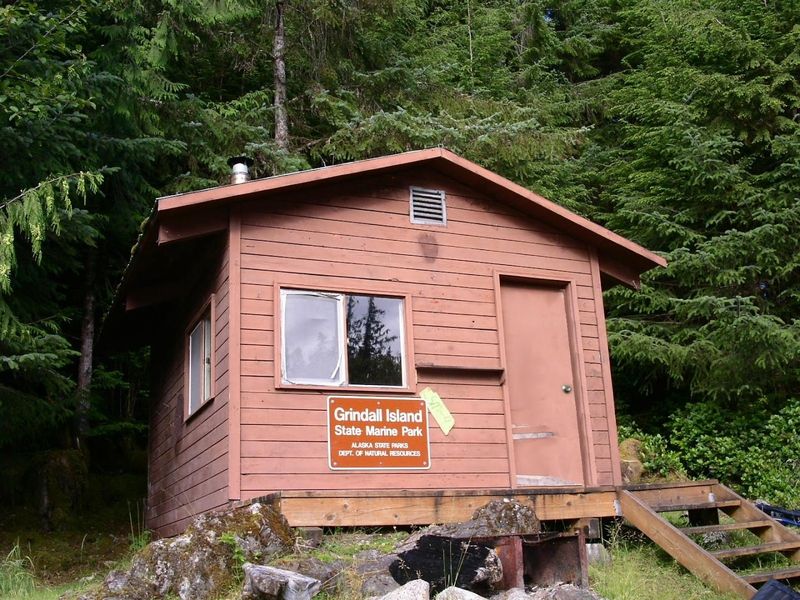
Tucked into the maze of islands and waterways that make up Southeast Alaska, Grindall Island is the kind of place that does not show up on most travel lists. That is exactly what makes it worth knowing about.
The state marine park sits in a quiet corner of Prince of Wales Island’s surrounding waters, reachable only by boat or floatplane.
Kayakers love Grindall for its sheltered coves, calm inlets, and the sense of complete seclusion that washes over you the moment the engine cuts out. Harbor seals haul out on rocky outcroppings, bald eagles circle overhead with an almost theatrical frequency, and the forest presses right down to the waterline in every direction.
It feels like the world forgot to develop this place, and that oversight is a gift.
Fishing is excellent in the surrounding waters, with halibut, rockfish, and Dungeness crab all within reach for those with the right gear and permits. The park has basic facilities, but the experience is fundamentally about raw nature rather than comfort.
Stargazing on a clear night, far from any city lights, is extraordinary. Grindall Island rewards the curious traveler who is willing to look past the famous names on the map.
Palmyra Atoll (U.S. Territory)
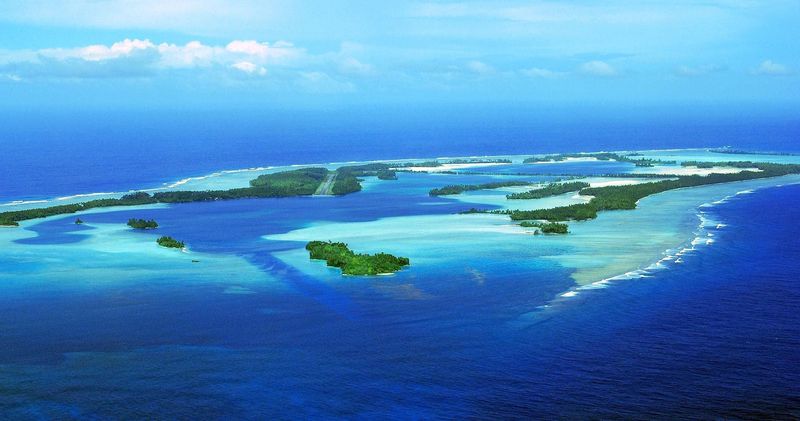
About 1,000 miles south of Hawaii, Palmyra Atoll sits in the middle of the Pacific like a secret the ocean has been keeping. It is a U.S. territory, but visiting requires advance permission and either a private vessel or a rare chartered flight.
Most people will never set foot here, and the ecosystem is thriving because of it.
The Nature Conservancy manages much of the atoll alongside the U.S. Fish and Wildlife Service, and scientific researchers make up the majority of visitors in any given year.
The coral reefs surrounding Palmyra are considered among the healthiest on the planet, largely because human impact has been kept to an absolute minimum for decades. Sharks patrol the outer reef in numbers that would alarm most swimmers but delight marine biologists.
Giant coconut crabs, some with a leg span exceeding three feet, wander the forested islets at night in a scene that feels prehistoric. Seabirds nest by the thousands, and the lagoon waters are so clear that coral formations are visible from the surface in stunning detail.
Palmyra is not a tourist destination in any conventional sense. It is a living laboratory, a conservation triumph, and one of the last truly wild corners of American territory left on Earth.



