Europe has always been a dream destination, but these days travelers are choosing their stops more carefully than ever. Safety has become just as important as scenery, and luckily, Europe delivers both in abundance.
From volcanic islands in the North Atlantic to sun-drenched Adriatic coastlines, the continent is packed with destinations where you can explore freely, eat well, and sleep soundly. Here are ten European cities that are topping booking charts right now for all the right reasons.
Reykjavik, Iceland
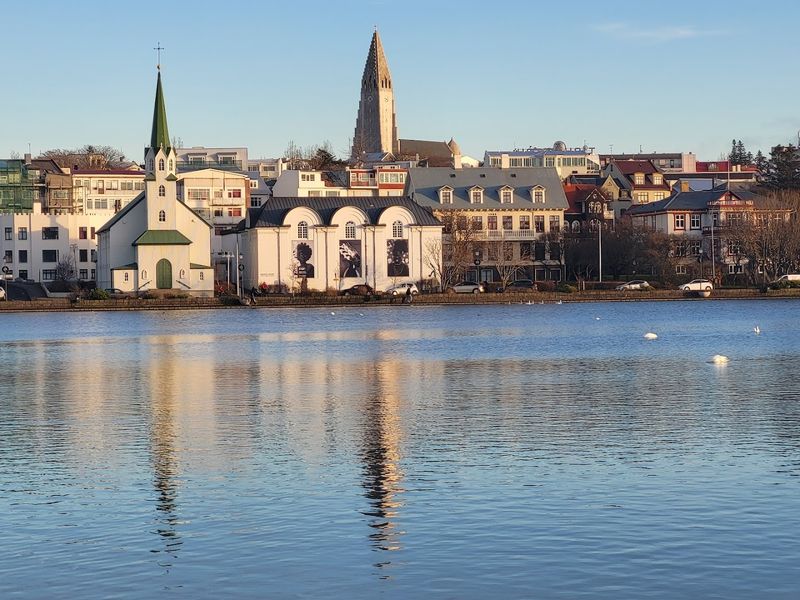
Iceland has held the title of the world’s most peaceful country for over a decade straight, and Reykjavik is where that reputation comes to life. The capital city feels like nowhere else on Earth.
Streets are spotless, locals are friendly, and the surrounding landscape looks like it was designed by someone who took fantasy novels a little too seriously.
Visitors can walk alone at midnight without a second thought, which is a luxury not every city can offer. Beyond the safety factor, Reykjavik is a fantastic base for exploring geysers, glaciers, and the Northern Lights.
Day trips are easy to organize, and the tourism infrastructure is impressively smooth.
Food lovers will be pleasantly surprised by the city’s restaurant scene, which punches well above its weight for a capital of just 130,000 people. Seafood is fresh, coffee culture is strong, and the harbor area buzzes with energy year-round.
Iceland is not the cheapest destination in Europe, but the experience more than justifies the cost. Reykjavik is not just safe; it is genuinely unforgettable.
Copenhagen, Denmark
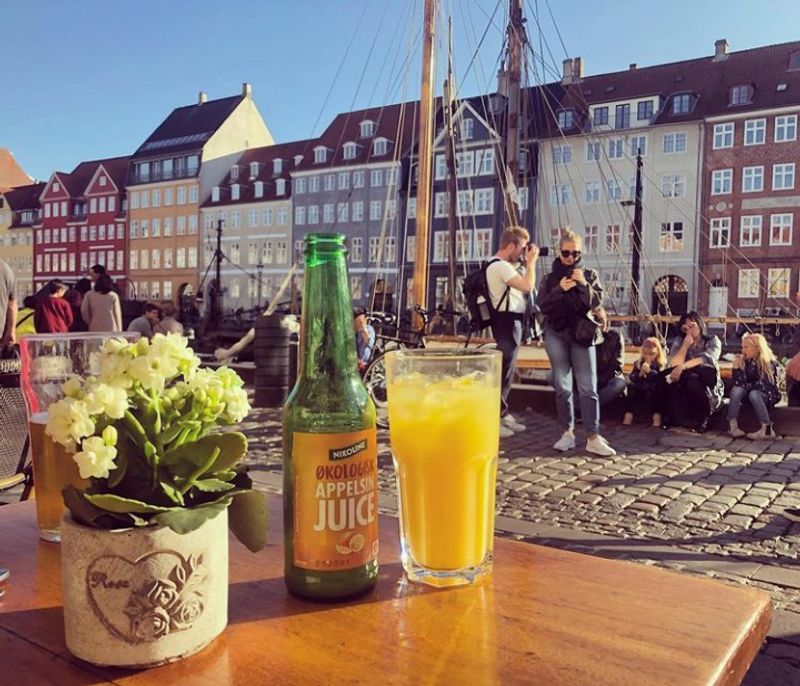
Nyhavn’s candy-colored buildings have been luring travelers to Copenhagen for centuries, and the city shows absolutely no signs of losing its charm. Denmark’s capital consistently ranks among Europe’s safest and happiest cities, which is a combination that travel agents practically dream about.
Solo travelers, couples, and families all feel equally at home here.
The city is built for cycling, and renting a bike is genuinely the best way to explore it. Wide dedicated lanes crisscross the entire city, making it easy to glide from the waterfront to the Tivoli Gardens without breaking a sweat.
Public transport is equally reliable if pedaling is not your thing.
Copenhagen’s food scene has become world-famous, with New Nordic cuisine putting the city firmly on the culinary map. Even casual eateries maintain impressively high standards.
Beyond eating and sightseeing, the city carries a calm, unhurried energy that makes you want to stay longer than planned. Crime rates are low, English is spoken almost universally, and the locals genuinely seem happy to have you around.
Copenhagen rewards curious travelers with layers of history, design, and culture around every corner.
Zurich, Switzerland
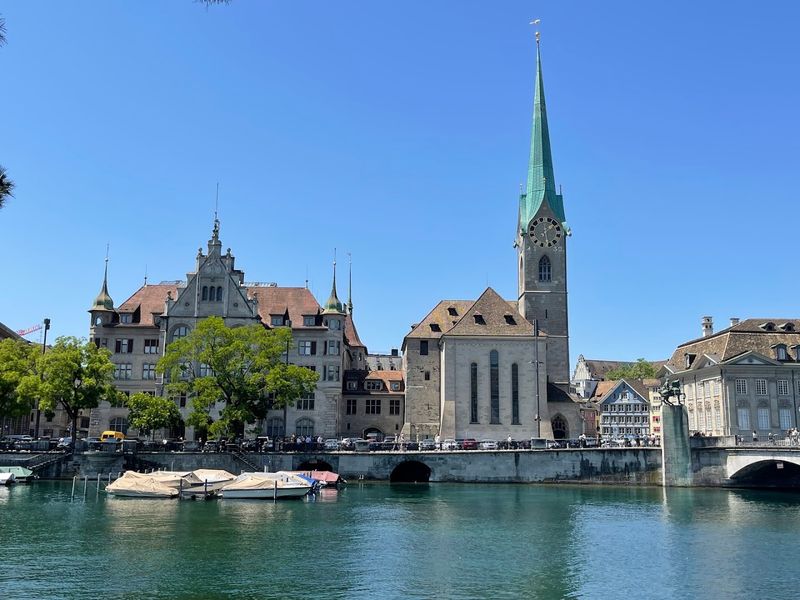
Zurich runs like clockwork, and that is not just a tired Swiss stereotype. Trains arrive exactly on time, streets stay immaculately clean, and the city manages to feel both efficiently modern and deeply historic all at once.
Sitting beside a glittering lake with the Alps visible on clear days, it is the kind of city that makes you wonder why you ever worried about travel logistics.
Safety here is almost taken for granted by locals, which speaks volumes. Violent crime is extremely rare, neighborhoods feel welcoming at all hours, and the well-maintained infrastructure means visitors rarely encounter the kind of urban chaos found in larger European capitals.
Everything just works.
The old town, known as Altstadt, is a genuinely beautiful maze of cobblestone lanes, guild houses, and hidden courtyards. Shopping along Bahnhofstrasse satisfies even the most committed retail enthusiasts, while the city’s museum scene covers everything from fine art to football.
Day trips to Lucerne, Bern, or the mountain resorts are effortless by train. Yes, Zurich is expensive, but savvy travelers know that quality and value are not always the same thing.
This city delivers quality in abundance.
Ljubljana, Slovenia
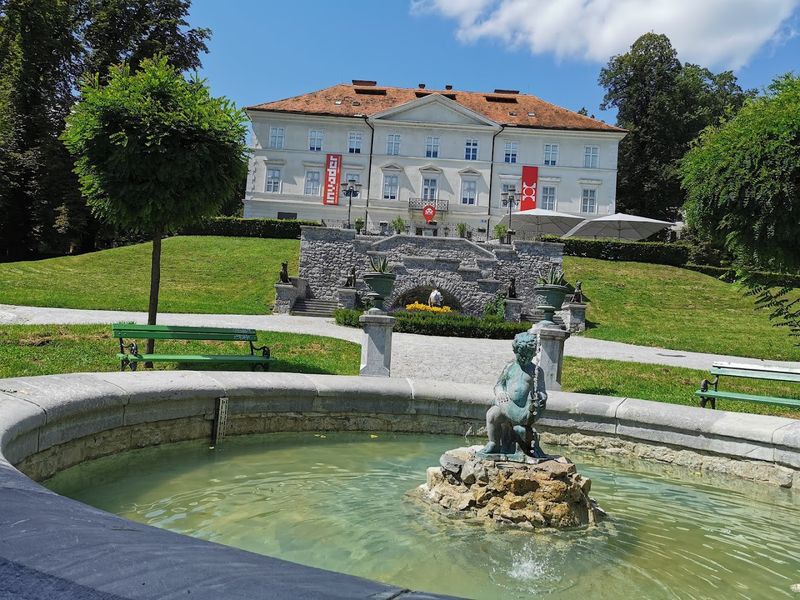
Not every city needs to shout to get attention. Ljubljana has spent years quietly becoming one of Europe’s most beloved capitals, winning over travelers with its relaxed charm, pedestrian-friendly center, and a castle perched dramatically above the rooftops.
Slovenia’s little gem has officially arrived on the must-visit list.
The city center is almost entirely car-free, which transforms the experience of wandering through it. Riverside cafes spill onto cobblestone paths, street musicians set the mood, and the general vibe is somewhere between a lazy Sunday and a permanent festival.
It feels lived-in and authentic in a way that more heavily-touristed cities sometimes lose.
Safety is another strong selling point. Ljubljana consistently scores well in European safety indices, and the relatively small population means crowds are manageable even during peak season.
Budget travelers especially appreciate the city’s affordability compared to Western European alternatives. Accommodation, food, and activities all cost noticeably less without sacrificing quality.
Day trips to Lake Bled, one of Europe’s most photogenic spots, are just 45 minutes away by bus. Ljubljana rewards travelers who stumble upon it almost accidentally, and many end up staying far longer than originally planned.
Dubrovnik, Croatia
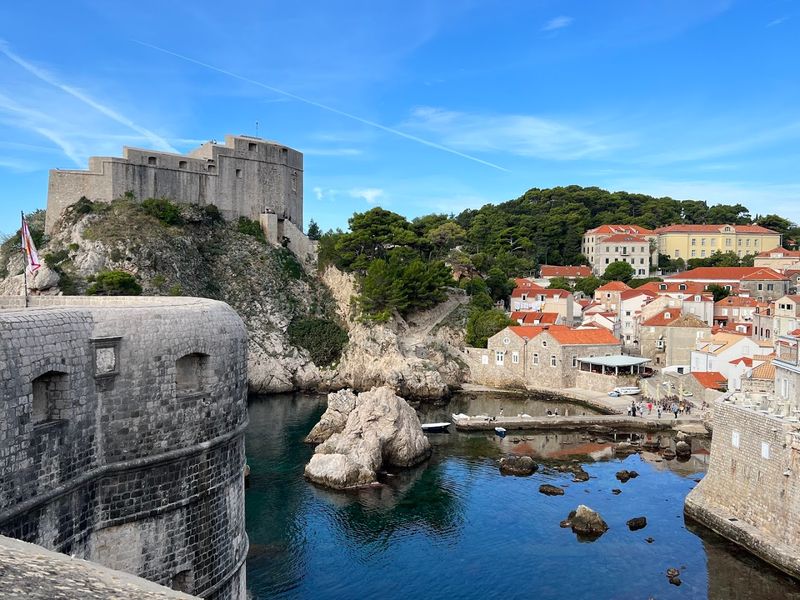
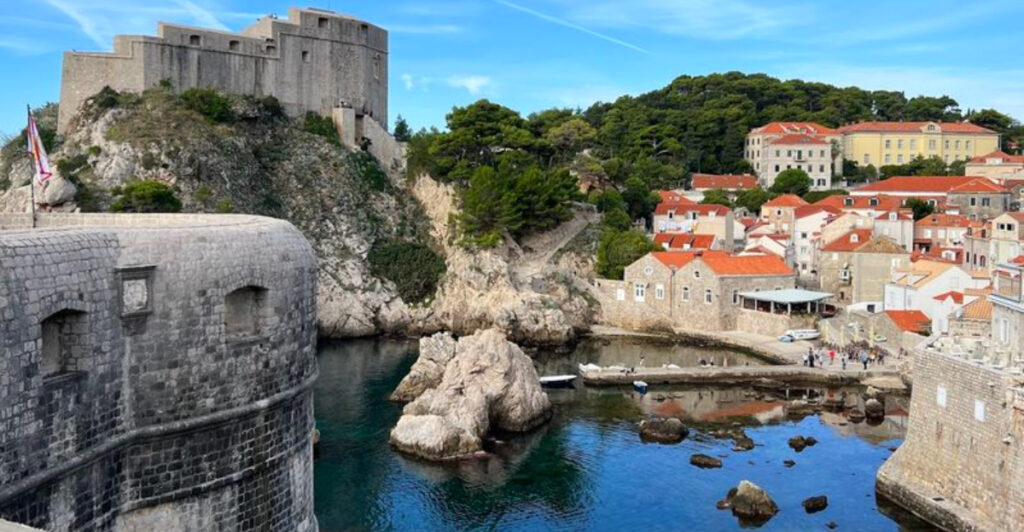
Standing on Dubrovnik’s ancient city walls with the Adriatic stretching out in every direction is one of those travel moments that genuinely lives up to the hype. The Pearl of the Adriatic earned its nickname honestly, and recent safety rankings have confirmed what regular visitors have always known: this city is as welcoming as it is beautiful.
The old town is a UNESCO World Heritage Site, and walking its marble-paved streets feels like stepping into a living history lesson. Medieval churches, baroque fountains, and centuries-old limestone buildings line every path.
Game of Thrones fans will recognize quite a few filming locations, which adds a fun layer of recognition to the sightseeing.
Croatia has worked hard to improve visitor experience in recent years, and Dubrovnik benefits from that investment with excellent infrastructure, clear signage, and a well-organized tourism network. Crowd management has improved since the city introduced visitor caps on the old town walls.
The surrounding coastline offers stunning boat trips to nearby islands like Lokrum and Korcula. Seafood restaurants along the harbor serve some of the freshest catches in the Mediterranean.
Dubrovnik is compact, walkable, and genuinely safe, making it a near-perfect short-break destination.
Helsinki, Finland
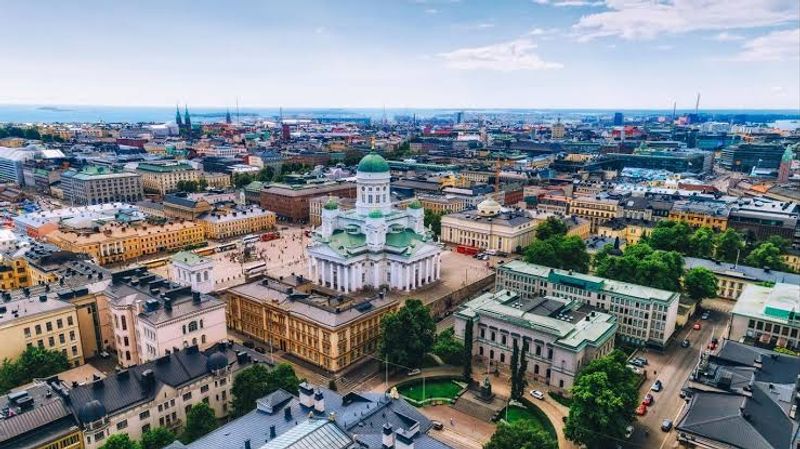
Finland has a well-earned reputation for honesty, and Helsinki is basically the physical embodiment of that national quality. Lost wallets get returned.
Public spaces are treated with genuine respect. And the city’s low crime rate is not just a statistic; it is something you feel the moment you arrive at the harbor market square.
Helsinki blends Nordic minimalism with unexpected warmth in a way that surprises many first-time visitors. The architecture swings between grand neoclassical landmarks and bold modern design, sometimes within the same city block.
The waterfront area is particularly lively during summer, when the long daylight hours keep the city buzzing well into the evening.
Finnish sauna culture is practically mandatory to experience here, with public saunas dotted across the city offering a genuinely local ritual that visitors quickly adopt. The food scene has evolved dramatically over the past decade, with innovative restaurants putting Finnish ingredients like reindeer, cloudberries, and rye bread into a modern context.
Day trips to the island fortress of Suomenlinna are easy and worthwhile. Helsinki is not the loudest city on this list, but it rewards curious travelers with quiet confidence, exceptional public services, and a sense of calm that is increasingly rare in European capitals.
Tallinn, Estonia
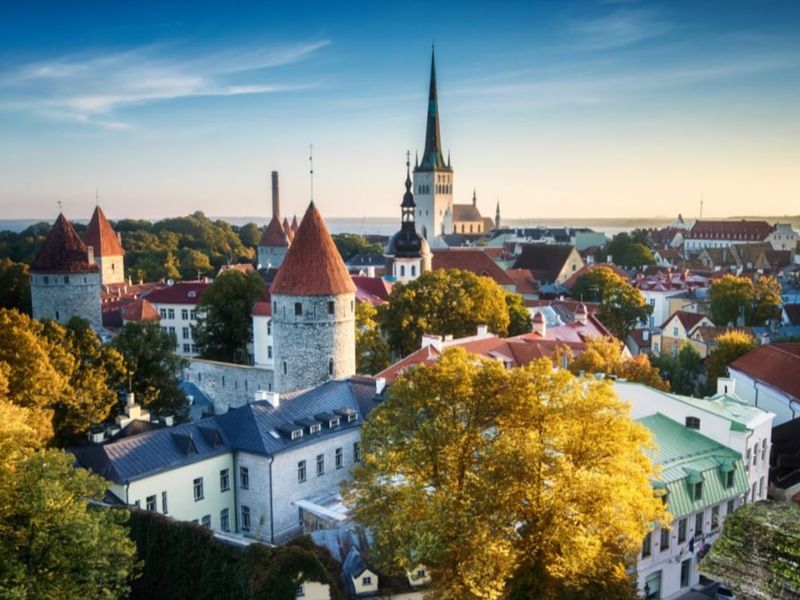
Tallinn’s old town looks like someone preserved a medieval fairy tale in amber and forgot to tell the rest of Europe about it. The cobblestone streets, Gothic spires, and intact city walls form one of the best-preserved medieval centers on the entire continent, and the crowds here are still a fraction of what you would find in Prague or Bruges.
Estonia punches well above its weight in the tech world, which means the country’s infrastructure is sharp, modern, and genuinely impressive. Free public WiFi covers the entire city, public transport runs smoothly, and the digital services available to visitors are ahead of most European counterparts.
Estonia was the first country to offer e-residency, so innovation is basically baked into the national identity.
The safety record is strong, with Tallinn consistently ranking among Europe’s more secure capitals. Prices remain refreshingly affordable by Western European standards, making it an attractive option for travelers watching their budget without wanting to sacrifice quality.
The food scene has improved enormously in recent years, with creative restaurants serving modern Estonian cuisine alongside excellent craft beer bars. The old town’s compact size means everything worth seeing is within comfortable walking distance.
Tallinn is the kind of place that quietly becomes a favorite.
Vienna, Austria
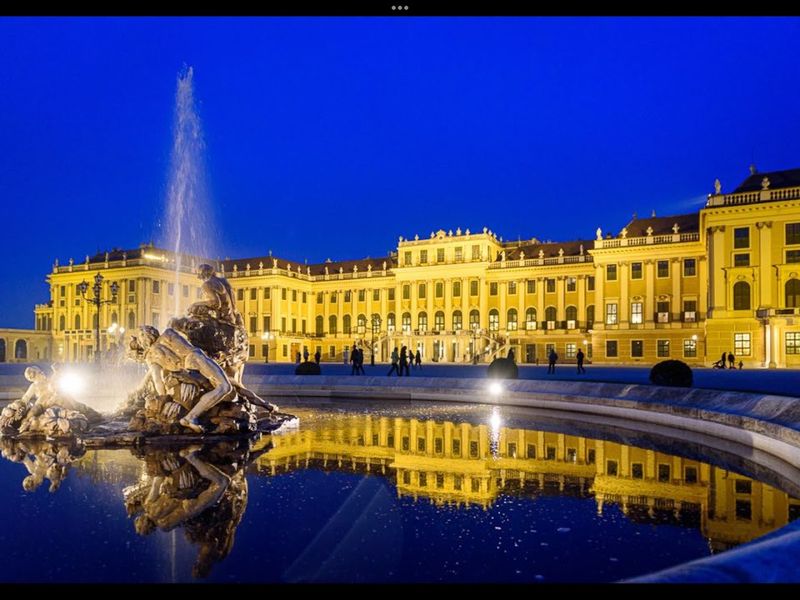
Vienna operates at a level of cultural richness that genuinely takes a few days to fully absorb. Imperial palaces, world-class opera houses, grand museums, and coffee houses with menus longer than most novels all exist within walking distance of each other.
Austria’s capital has been doing elegance for centuries and shows no intention of stopping.
The city ranks near the top of nearly every global livability index, and safety is a core part of that equation. Public transport is punctual, well-lit, and covers the entire city comprehensively.
Even late at night, the U-Bahn feels completely comfortable, which matters enormously for solo travelers navigating an unfamiliar city after dark.
Vienna’s coffee house culture deserves special mention. These are not just cafes; they are institutions where locals spend hours reading, debating, and watching the world pass by.
The tradition dates back centuries and has been recognized by UNESCO as an Intangible Cultural Heritage. Street food markets like the Naschmarkt add a lively, sensory dimension to the city’s typically refined atmosphere.
Classical music performances happen almost every night at various venues across the city. Vienna rewards slow travel, the kind where you linger over a Melange coffee and let the grandeur of the place slowly sink in.
Porto, Portugal
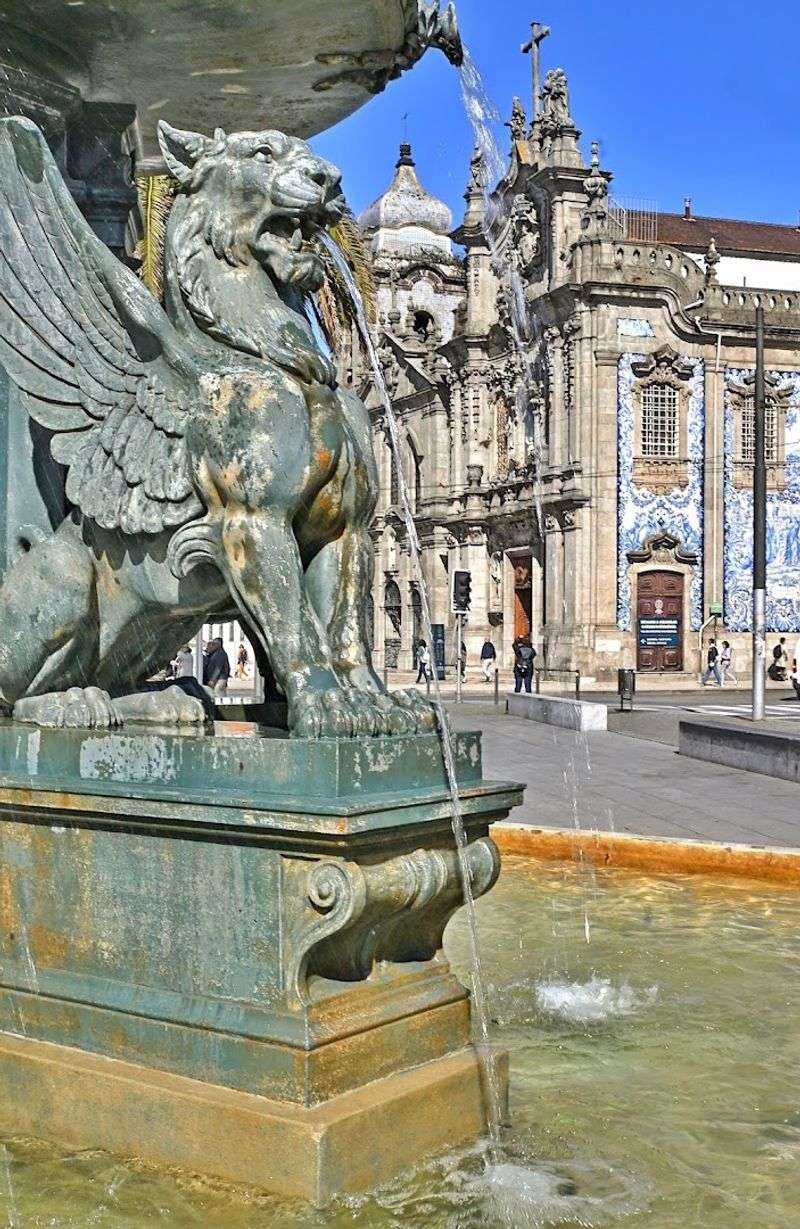
Porto smells faintly of grilled sardines, river water, and centuries of history, and somehow that combination is completely irresistible. Portugal’s second city has exploded in popularity over the past few years, and the reasons are obvious the moment you step onto the banks of the Douro River.
Colorful tiled facades, ancient bridges, and a genuinely warm local culture make it one of Europe’s most photogenic cities.
Portugal consistently earns high marks on global peace and safety indices, and Porto specifically benefits from low crime rates and a welcoming attitude toward international visitors. The city’s compact layout makes it easy to navigate on foot, and the famous tram lines add a charming, old-fashioned way to tackle the steeper hills.
Port wine is practically a civic institution here, and the wine cellars of Vila Nova de Gaia across the river offer tours and tastings that range from casual to deeply educational. The food scene is outstanding, with petiscos, Portugal’s answer to tapas, available at almost every corner restaurant at prices that feel almost too good to be true.
Fado music drifts from open doors in the evenings, adding an emotional soundtrack to the whole experience. Porto rewards visitors who take their time and resist the urge to rush.
Prague, Czech Republic
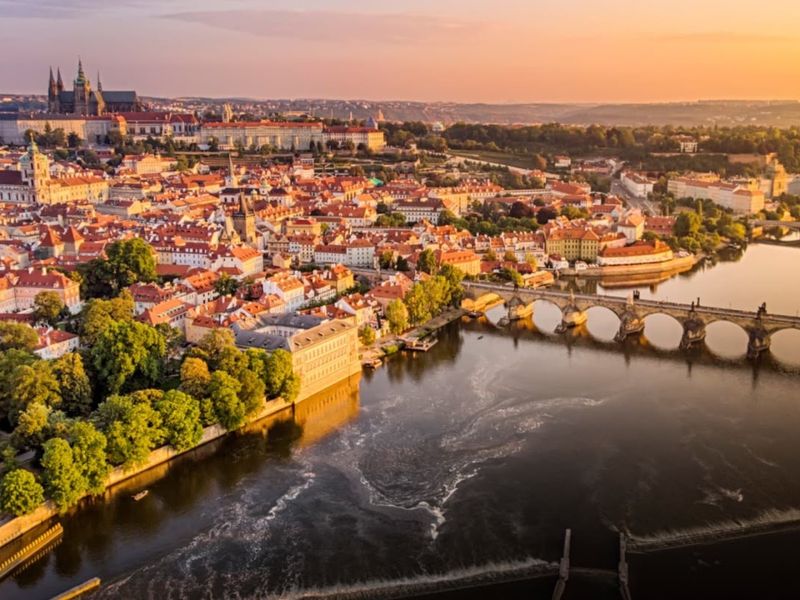
Crossing Prague’s Charles Bridge at sunrise, with mist rising off the Vltava River and Gothic towers framing the skyline, is the kind of moment that makes you question every travel decision you made before discovering this city. Prague has been winning over visitors for generations, and its combination of fairytale architecture and genuine urban energy keeps it firmly on the must-visit list.
The Czech capital scores well in European safety rankings, particularly within the historic center where tourism infrastructure is robust and well-managed. Pickpocketing in crowded tourist spots is the main thing to stay alert about, which is true of virtually every popular European destination.
Basic awareness goes a long way, and overall the city feels very safe for independent travelers.
The sheer density of historic landmarks within a walkable area is almost overwhelming in the best possible way. The Old Town Square, Prague Castle, the Astronomical Clock, and countless hidden courtyards all sit within easy reach of each other.
Czech cuisine is hearty and satisfying, with svickova and goulash starring on menus across the city. The craft beer scene has become genuinely world-class, which locals take considerable pride in.
Prague is affordable, visually stunning, and culturally rich, making it one of Europe’s most compelling all-around destinations.
Share this story