 Unearth The Voyage
America’s national parks showcase some of the most beautiful landscapes on Earth, and the good news is that many of them welcome older visitors with open arms. Whether you prefer coastal views, desert wonders, or mountain majesty, there’s a park designed with accessibility and comfort in mind.
Exploring these natural treasures doesn’t require strenuous hikes or rugged adventures—just a sense of wonder and appreciation for the beauty around us.
Acadia National Park — Maine’s Coastal Gem
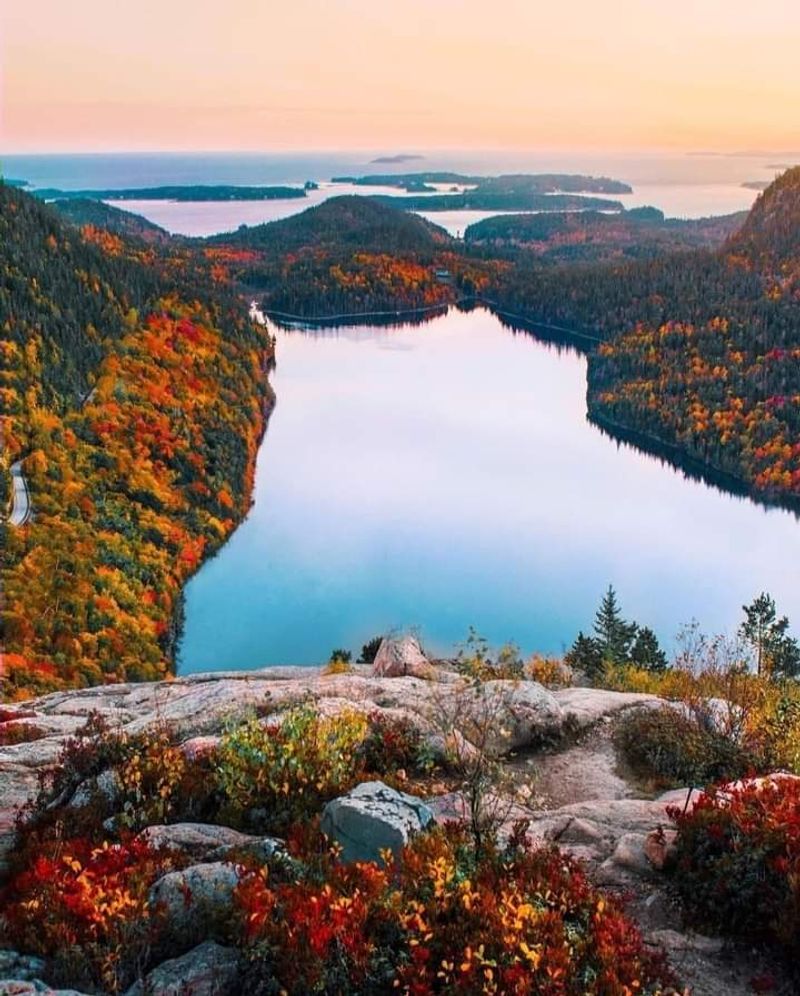
Acadia National Park stands out as one of the most senior-friendly parks in the entire United States, offering breathtaking coastal scenery paired with exceptionally gentle access options. The famous 27-mile Park Loop Road allows visitors to soak in stunning ocean vistas, forested hills, and dramatic shoreline overlooks—all from the comfort of their vehicle or through short, manageable walks.
What truly sets Acadia apart is the Island Explorer shuttle system, which provides convenient, free transportation to visitor centers, picnic areas, and scenic viewpoints throughout the park. This means you can experience the park’s highlights without worrying about long hikes or challenging terrain.
Acadia’s unique blend of maritime views, mountain panoramas, and spectacular fall foliage creates an ideal destination for older adults seeking nature’s beauty with minimal physical demands. The park’s infrastructure thoughtfully accommodates those with mobility concerns while never compromising on the quality of natural splendor.
From watching sunrise at Cadillac Mountain (accessible by car) to enjoying lobster rolls in nearby Bar Harbor, Acadia offers a complete coastal experience. Rangers also lead accessible programs designed specifically for visitors who prefer easier exploration options, making this Maine treasure truly welcoming for everyone.
Grand Canyon National Park — Arizona’s Timeless Wonder
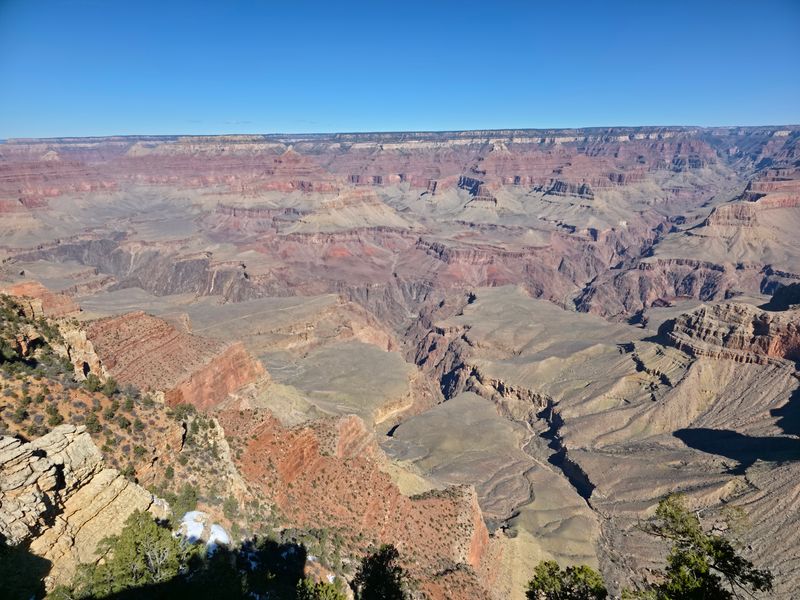
Few natural wonders inspire awe quite like the Grand Canyon, and fortunately, its most breathtaking views remain accessible even for visitors who prefer minimal walking. The South Rim—the park’s most popular section—features numerous paved overlooks and easy pathways along the canyon’s edge that deliver outstanding vistas into those famous, colorful depths.
Many viewpoints sit within just a short distance of designated parking areas, eliminating the need for exhausting treks. Scenic drives like Desert View Road showcase spectacular canyon scenery from the comfort of your vehicle, with pull-offs strategically placed at the most photogenic spots.
While the inner-canyon trails certainly present steep challenges better suited for experienced hikers, the rim area alone provides enough awe-inspiring sights to fill a lifetime of memories. Sunrise and sunset transform the canyon’s colors dramatically, and you can witness these magical moments from wheelchair-accessible viewing platforms.
The park’s visitor centers offer informative exhibits, ranger talks, and comfortable rest areas. Shuttle services run along the rim during peak seasons, further reducing the need for extensive walking.
Whether you’re a first-time visitor or returning after years away, the Grand Canyon’s timeless majesty remains wonderfully within reach for older adults seeking natural splendor.
Yellowstone National Park — Geysers, Wildlife & Easy Views
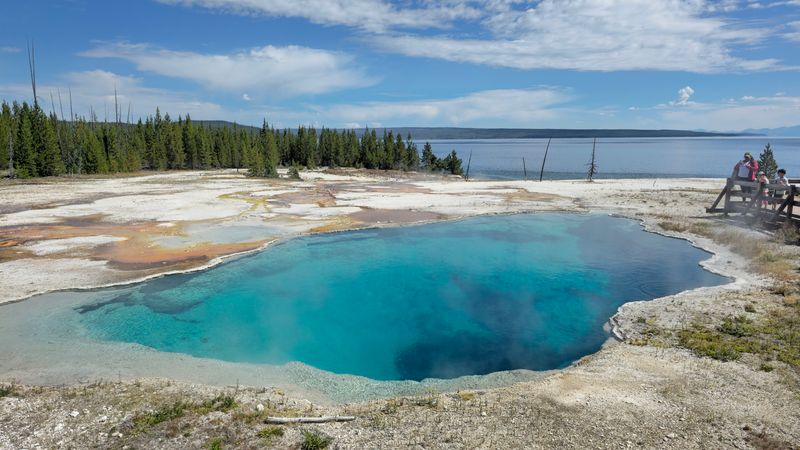
As America’s original national park, Yellowstone has perfected the art of making natural wonders accessible to visitors of all abilities. The park’s most famous geothermal features—including Old Faithful and the mesmerizing Grand Prismatic Spring—can be enjoyed via well-maintained boardwalks and paved paths that require no strenuous hiking whatsoever.
Watching Old Faithful erupt from comfortable benches represents the perfect Yellowstone experience: dramatic, memorable, and completely accessible. The Upper Geyser Basin’s boardwalk system winds through an otherworldly landscape of steaming vents, bubbling mud pots, and colorful thermal pools, all safely viewable without difficult terrain.
Yellowstone’s extensive road network connects major attractions throughout the park, allowing for a flexible, leisurely exploration approach. Wildlife viewing often happens right from your vehicle—bison herds frequently cause “bear jams” when they wander across roads, and elk graze peacefully in meadows visible from numerous pull-offs.
The park spans over two million acres, so planning becomes essential. Focus on one or two areas per day rather than rushing through everything.
Visitor centers provide helpful orientation, and ranger-led programs cater to various mobility levels. Spring through fall offers the most comfortable weather, though each season brings its own unique beauty to this geothermal wonderland.
Yosemite National Park — Valley Views & Accessible Spots
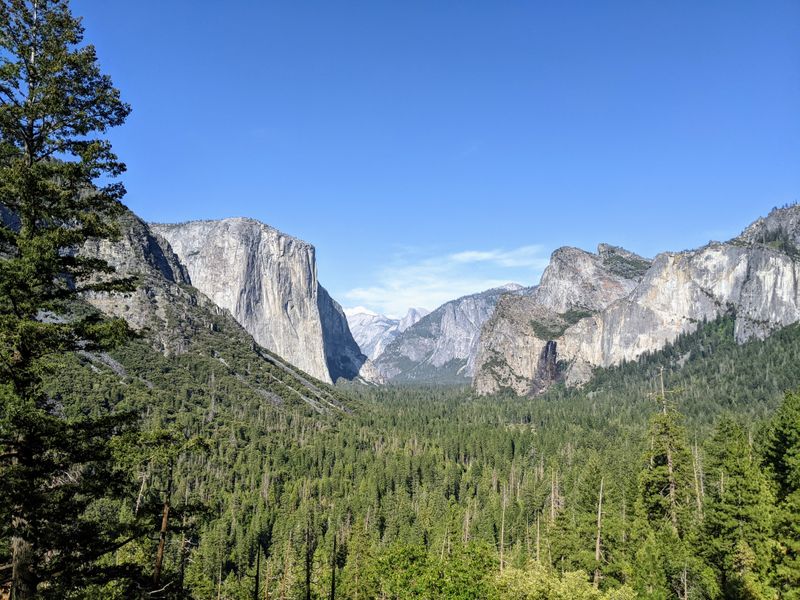
Yosemite’s iconic granite cliffs, thundering waterfalls, and ancient giant sequoias have captivated visitors for generations, and experiencing this beauty doesn’t require athletic ability. Scenic overlooks like Tunnel View—arguably the park’s most photographed spot—offer jaw-dropping panoramas of El Capitan, Half Dome, and Bridalveil Fall, all accessible via a short walk from the parking area.
The Yosemite Valley Visitor Center serves as an excellent starting point, providing educational exhibits, helpful staff, and easy access to valley floor views. From here, paved paths lead to various points of interest without demanding steep climbs or lengthy distances.
Lower Yosemite Fall features a gentle, paved loop trail that brings visitors remarkably close to the waterfall’s base—especially impressive during spring snowmelt when the falls roar with power. This trail accommodates wheelchairs and walkers, making it perfect for older adults seeking nature immersion without physical strain.
Yosemite’s free shuttle system operates throughout the valley, stopping at all major attractions and trailheads. This eliminates parking hassles and reduces walking distances significantly.
The Mariposa Grove of Giant Sequoias also offers accessible options, including a tram service during busy seasons. Visiting during shoulder seasons (late spring or early fall) means fewer crowds and more peaceful contemplation of Yosemite’s timeless beauty.
Great Smoky Mountains National Park — Gentle Scenery in the East
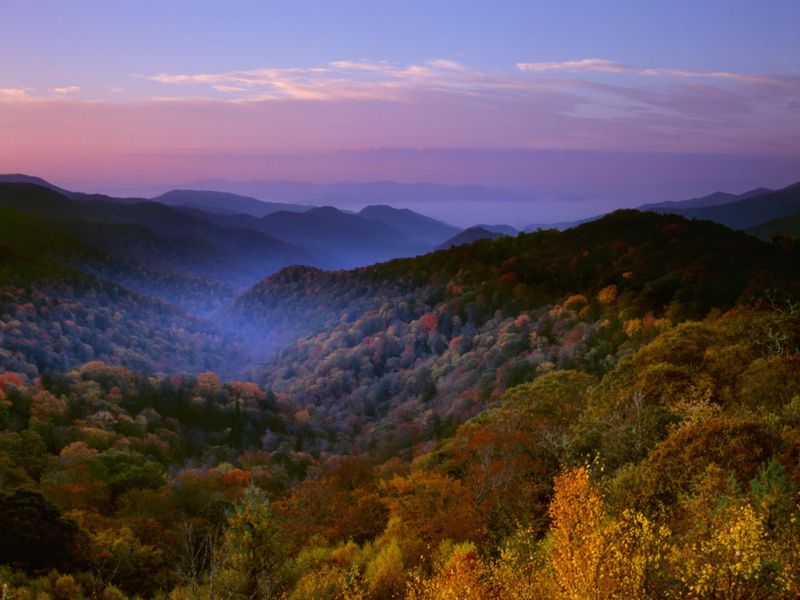
Straddling the Tennessee-North Carolina border, Great Smoky Mountains National Park earns its reputation as America’s most visited national park through sheer beauty and remarkable accessibility. Misty mountain ridges, wildflower-filled meadows, and dense forests create a landscape that feels both ancient and welcoming, easily savored from scenic drives and thoughtfully placed overlooks.
The Roaring Fork Motor Trail provides an intimate forest experience, winding past historic cabins, rushing streams, and moss-covered boulders—all viewable from your vehicle. This one-way loop road moves slowly, allowing passengers to photograph and appreciate details without leaving the car.
Cades Cove represents another highlight, offering an 11-mile loop road through a broad valley where wildlife sightings happen regularly. Black bears, white-tailed deer, and wild turkeys often appear near the road, while historic homesteads and churches tell stories of early Appalachian settlers.
Short, easy walks from parking areas lead to additional historic structures and peaceful creek overlooks.
The park’s extensive road system connects mountain communities like Gatlinburg and Cherokee, with numerous pull-offs providing mountain vistas and picnic opportunities. Spring brings wildflowers, summer offers lush greenery, fall delivers spectacular foliage, and winter provides peaceful solitude.
Whatever season you choose, the Smokies welcome older visitors with gentle terrain and endless natural beauty.
Zion National Park — Dramatic Cliffs With Shuttle Access
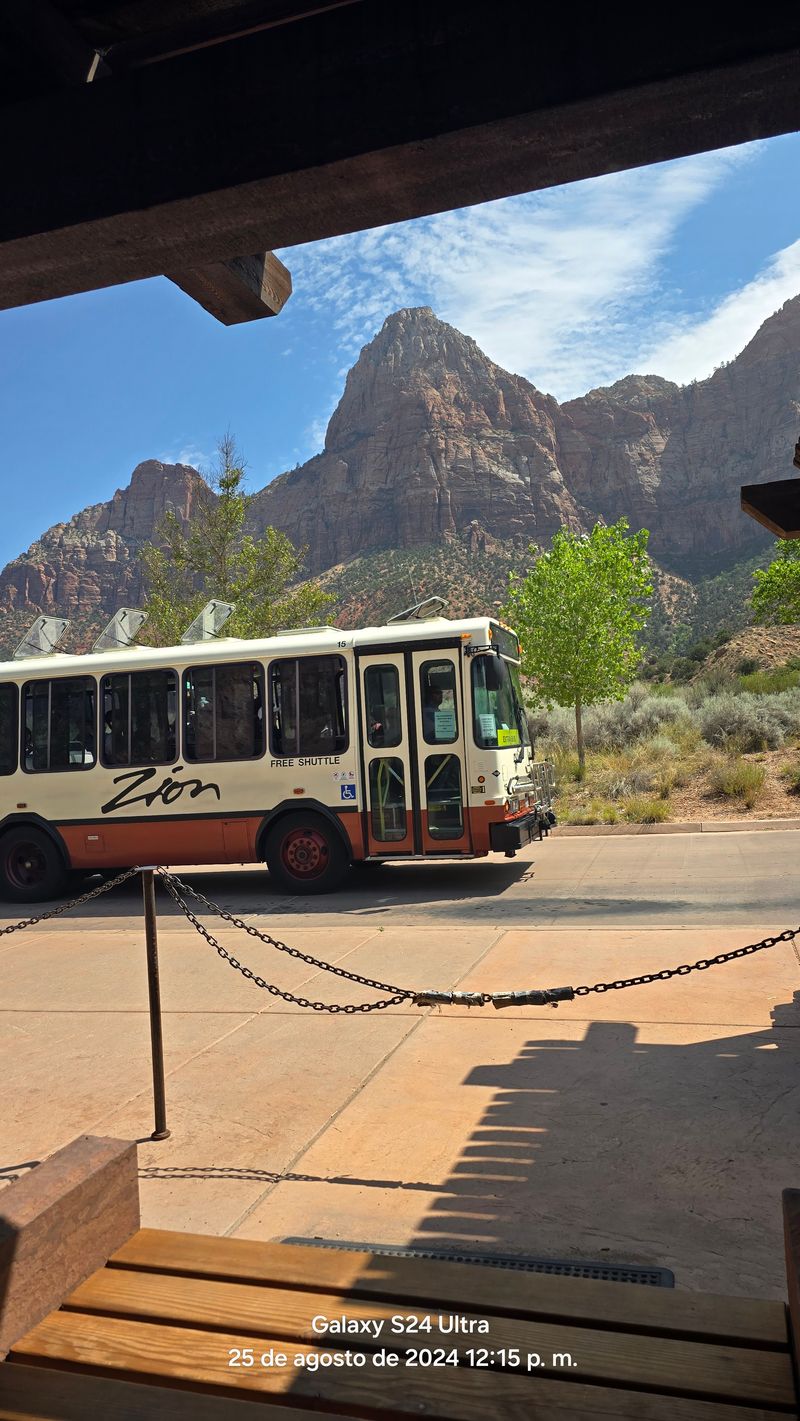
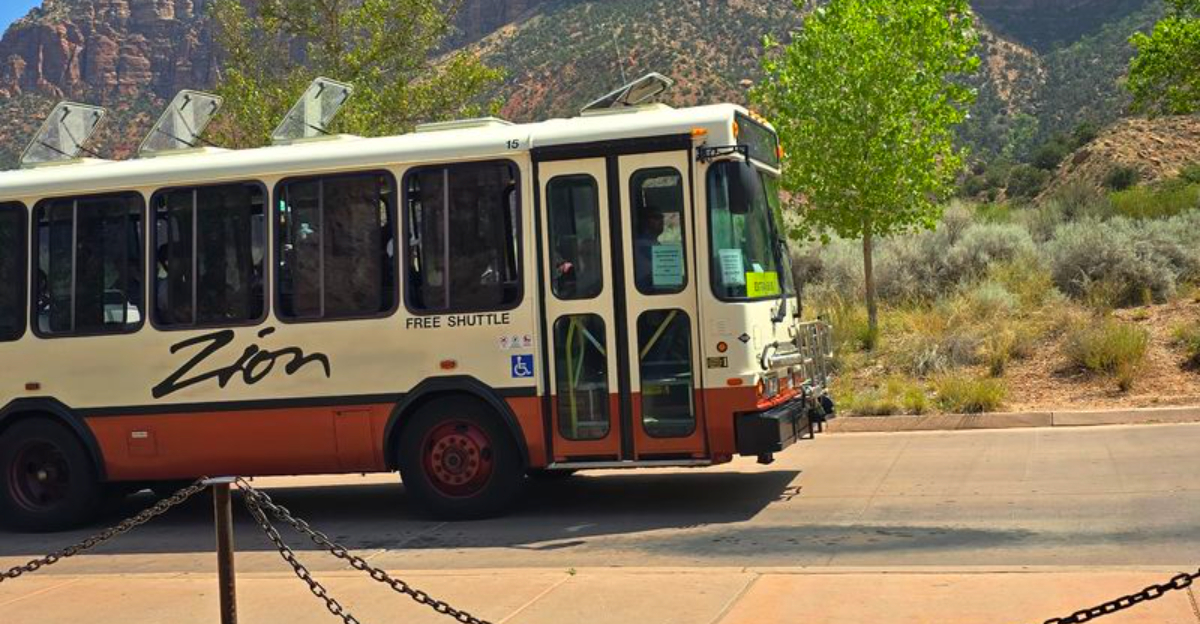
Zion National Park’s towering sandstone cliffs glow in shades of cream, pink, and red, creating one of the American Southwest’s most dramatic landscapes. What makes Zion particularly appealing for older visitors is its efficient shuttle system, which becomes mandatory during busy seasons and eliminates the stress of parking while providing comfortable transportation to all major viewpoints.
The Zion Canyon Scenic Drive shuttle stops at nine designated points, each offering access to stunning rock formations, riverside walks, and canyon overlooks. Many of these stops require only short, manageable walks to reach spectacular views—no strenuous hiking necessary to appreciate Zion’s grandeur.
While signature hikes like Angels Landing attract adventurous souls, plenty of easier options exist for those preferring gentler exploration. The Riverside Walk, a paved trail following the Virgin River, provides a peaceful stroll through towering canyon walls.
Pa’rus Trail offers another paved, accessible option perfect for wheelchairs, strollers, and walkers.
Visiting during spring or fall brings milder temperatures—crucial in this desert environment where summer heat can become intense. Early morning shuttle rides often provide cooler conditions and better lighting for photography.
The park’s visitor center offers informative exhibits and helpful rangers who can suggest appropriate activities based on your mobility level and interests, ensuring everyone experiences Zion’s magnificent beauty comfortably.
Everglades National Park — Unique Wetland Views
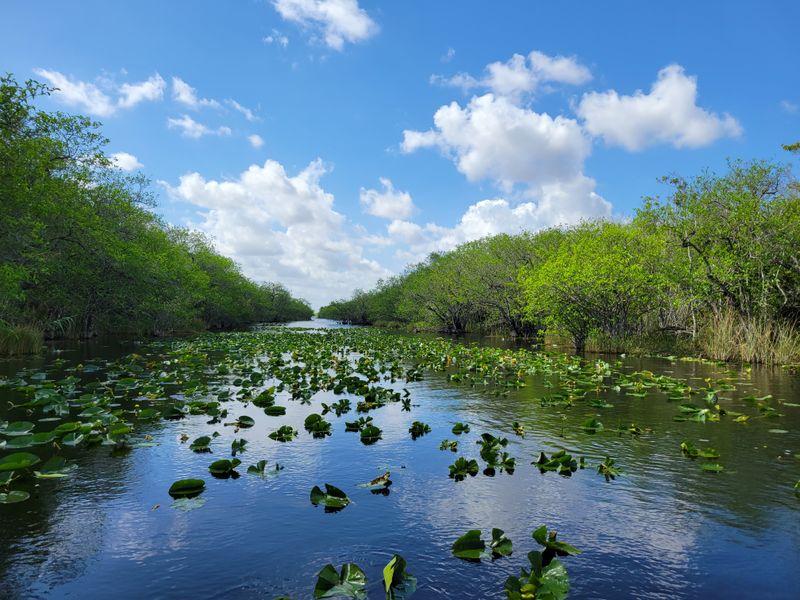
Everglades National Park offers something completely different from mountain or canyon landscapes: a vast subtropical wilderness where water, grass, and sky seem to merge endlessly. This unique ecosystem becomes surprisingly accessible through well-designed boardwalks and easy trails that bring visitors into the heart of the famous “River of Grass” without muddy boots or difficult terrain.
The Anhinga Trail stands out as a premier wildlife-viewing destination, featuring an elevated boardwalk and paved path that loops through sawgrass marshes and open water. Alligators sun themselves just feet away, while herons, egrets, and anhingas hunt for fish in the shallow water—all visible without leaving the trail.
Other accessible trails like the Gumbo Limbo Trail wind through hardwood hammocks on raised boardwalks, providing shade and opportunities to spot tropical birds and butterflies. These short loops typically take 30 minutes or less, perfect for older adults who prefer frequent rest opportunities.
Boat tours and tram rides offer additional ways to experience the Everglades without physical exertion. The Shark Valley tram tour, in particular, provides a two-hour narrated journey into the park’s interior, with a stop at an observation tower offering panoramic wetland views.
Winter months (December through April) bring the most comfortable weather and concentrated wildlife viewing, making this season ideal for visiting this one-of-a-kind national treasure.
Cuyahoga Valley National Park — Ohio’s Gentle Wilderness
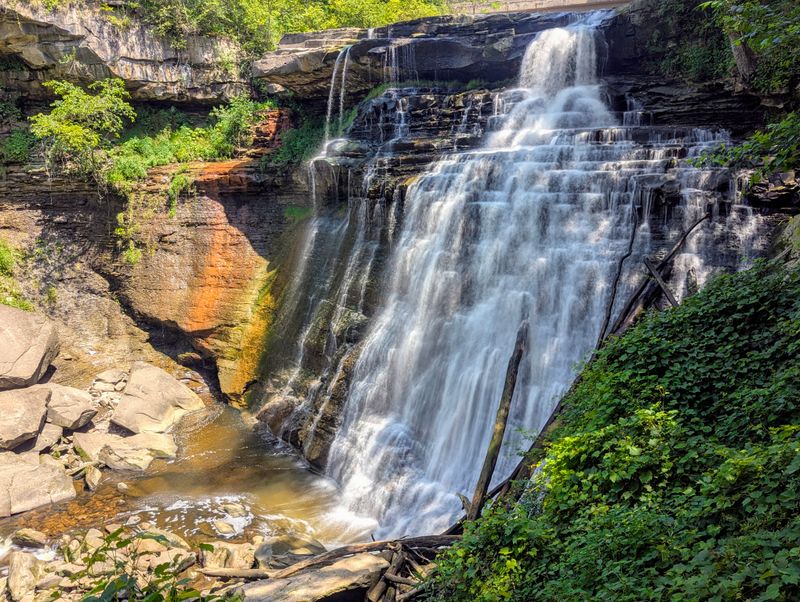
Nestled between Cleveland and Akron, Cuyahoga Valley National Park proves that you don’t need to travel west for spectacular national park experiences. This Ohio gem combines pastoral landscapes, wooded hills, cascading waterfalls, and historic sites into a package perfectly suited for relaxed, accessible exploration.
The Ohio & Erie Canal Towpath Trail follows the historic canal route for 20 miles through the park, offering flat, easy walking or biking with rhythmic views of the Cuyahoga River and surrounding forests. The crushed limestone surface accommodates wheelchairs and walkers comfortably, while frequent trailheads allow visitors to choose shorter segments matching their ability level.
Brandywine Falls, the park’s most famous waterfall, can be reached via a short boardwalk from the parking area. The 65-foot cascade tumbles over layers of sandstone, creating a peaceful scene enhanced by the surrounding forest canopy.
Multiple viewing platforms ensure everyone gets a good view regardless of mobility limitations.
The Cuyahoga Valley Scenic Railroad offers a unique way to experience the park, with vintage train cars traveling through the valley while narrators share local history and natural features. The train stops at various points, allowing passengers to explore briefly before reboarding.
This national park feels more intimate than its western counterparts, offering a low-stress, scenic choice perfect for older travelers seeking beauty close to urban conveniences.
Bryce Canyon National Park — Hoodoos Easy to See
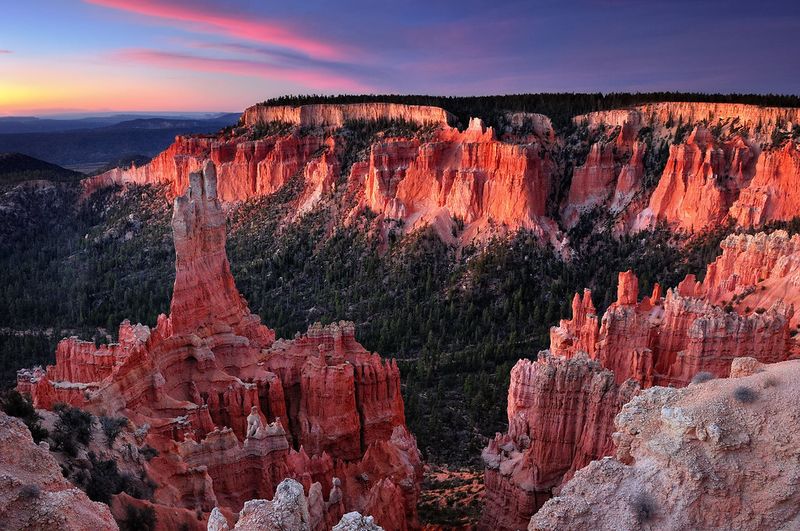
Bryce Canyon’s otherworldly landscape of hoodoos—tall, thin spires of orange and red rock sculpted by erosion—creates one of the Southwest’s most distinctive and photographable scenes. What makes Bryce particularly appealing for older visitors is how easily these dramatic formations can be viewed, with minimal walking required to witness maximum beauty.
The park’s 38-mile scenic drive connects 13 viewpoints, most positioned immediately adjacent to parking areas. Sunrise Point, Sunset Point, Inspiration Point, and Bryce Point each offer unique perspectives on the hoodoo-filled amphitheater below, and you can experience all of them with just short walks from your vehicle—many just steps away.
The Rim Trail connects several viewpoints along a relatively flat, paved path, allowing those who enjoy short walks to experience multiple perspectives without descending into the canyon itself. Benches positioned along the rim provide rest spots and contemplation opportunities while gazing at the incredible geological formations.
Visiting during shoulder seasons (May or September) brings comfortable temperatures and fewer crowds than peak summer months. The high elevation (8,000-9,000 feet) keeps summer temperatures pleasant but can make winter visits challenging due to snow.
Sunrise and sunset transform the hoodoos’ colors dramatically, and photographers of all ages gather at viewpoints during these magical hours. Bryce Canyon proves that sometimes nature’s most spectacular displays require the least effort to appreciate.
Carlsbad Caverns National Park — Below-Ground Wonder for Quiet Exploration
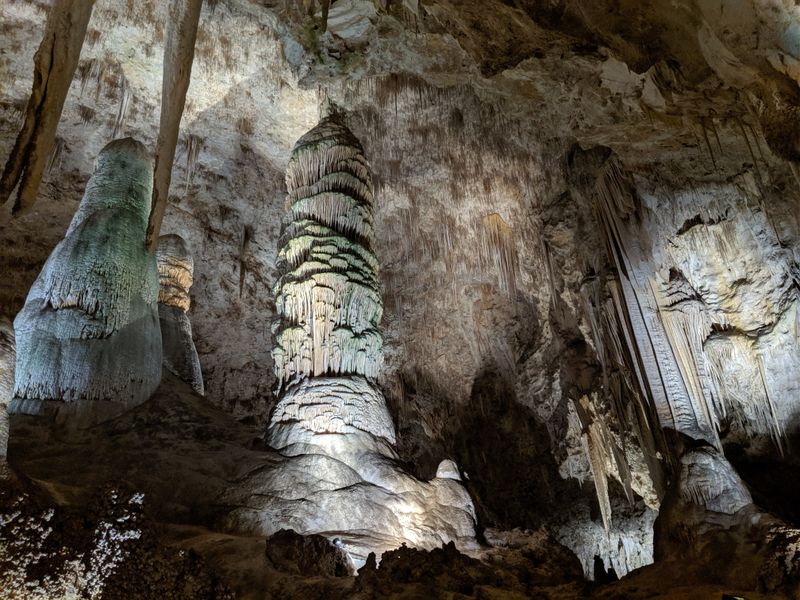
Carlsbad Caverns offers something completely unique among national parks: the chance to explore a massive underground world of limestone formations without the typical challenges of outdoor terrain. Located in southeastern New Mexico, this subterranean wonderland provides a climate-controlled environment perfect for visitors seeking respite from desert heat while experiencing natural beauty.
The Big Room—one of North America’s largest cave chambers—stretches more than 600 feet underground and can be reached two ways. Adventurous visitors can descend via the Natural Entrance, a steep, winding path that takes about an hour.
However, older adults typically prefer the elevator option, which descends 750 feet in less than a minute from the visitor center, delivering guests directly to the Big Room’s entrance.
Once inside, a well-maintained, mostly flat trail loops through the chamber for approximately 1.25 miles, showcasing incredible stalactites, stalagmites, and other formations with descriptive signs explaining their geology. The constant 56-degree temperature feels refreshing, though bringing a light jacket is advisable.
The cave’s accessibility, combined with its unique environment, makes Carlsbad Caverns ideal for older visitors seeking something different from typical national park experiences. Restrooms and rest areas exist underground, and the pace remains entirely self-directed.
Rangers lead special tours for those wanting deeper exploration, but the self-guided Big Room route provides plenty of wonder without additional physical demands.



