 Unearth The Voyage
Spring is the perfect time to escape crowded cities and discover small towns where nature, culture, and local life take center stage. Across Europe and beyond, these lesser-known destinations offer flower-filled landscapes, mild weather, and a slower pace of travel—often without the heavy tourist crowds.
Travel experts consistently highlight small towns as the best way to experience authentic culture, with cobblestone streets, local markets, and scenic surroundings creating a more personal journey. If you’re looking for a peaceful seasonal escape, these hidden gems deliver unforgettable spring getaways.
Colmar, France
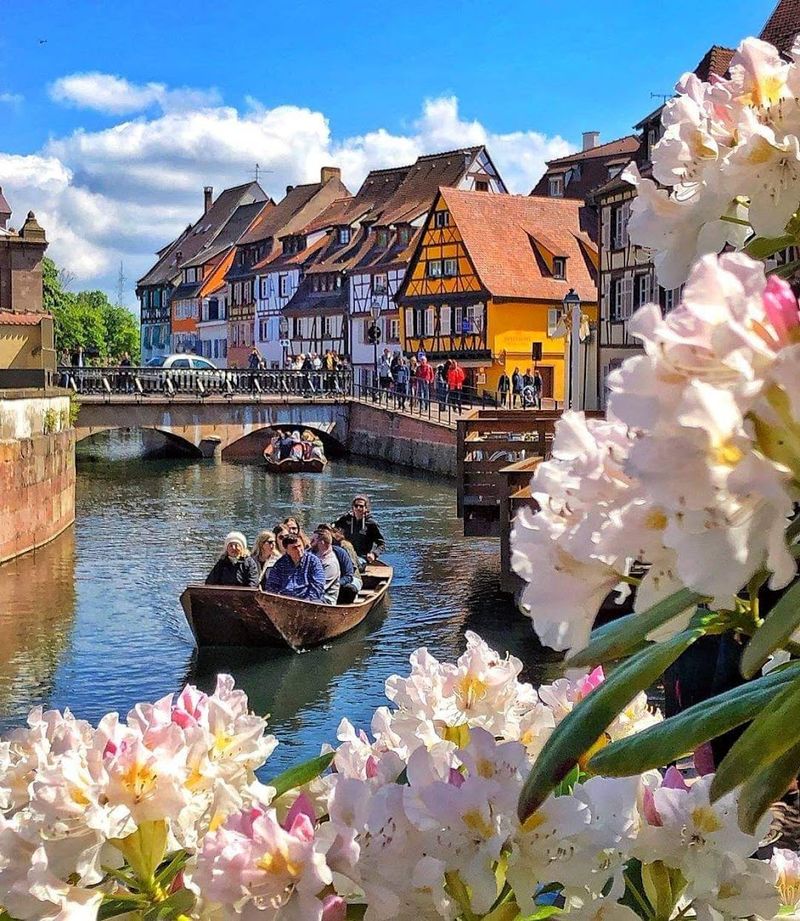
Forget Paris for a moment—Colmar might just be the most charming town in all of France. Tucked into the Alsace region near the German border, this storybook destination is bursting with candy-colored half-timbered houses that look almost too pretty to be real.
Spring is when it truly shines.
From April onward, window boxes overflow with geraniums and petunias, and the canals of Little Venice reflect pastel facades in the water below. The streets are quiet enough to hear your own footsteps, which is a welcome change from busier tourist hotspots.
Temperatures hover comfortably in the mid-teens Celsius—ideal for walking.
Local markets sell Alsatian wines, pretzels, and handmade crafts that make excellent souvenirs. The town is also a short drive from the famous Alsace Wine Route, where vineyards are just beginning to wake up.
History lovers will enjoy the Unterlinden Museum, which houses impressive medieval and Renaissance art. Colmar rewards slow travelers who enjoy getting lost in narrow streets, stopping at a boulangerie, and watching life unfold at a relaxed, unhurried pace.
Hallstatt, Austria
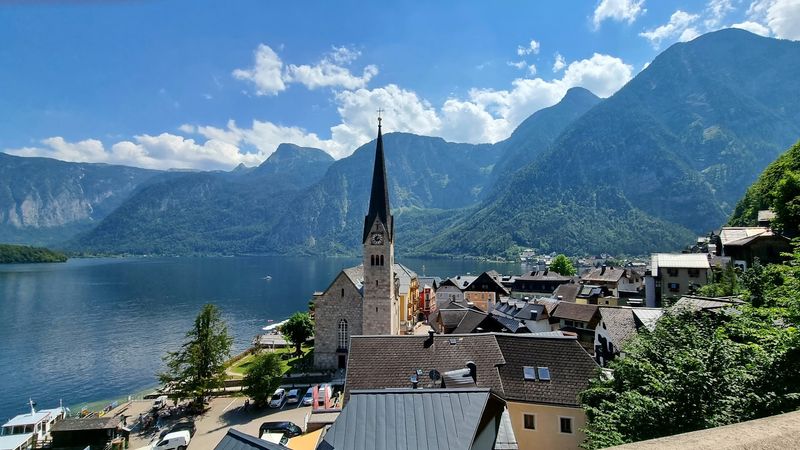
There is a moment in Hallstatt when the morning mist lifts off the lake and the alpine peaks appear behind the village like a scene from a painting—and every visitor stops walking just to stare. This tiny Austrian town, home to fewer than 800 residents, regularly tops lists of the world’s most beautiful villages.
Spring makes it even more magical.
As winter retreats, the surrounding mountains turn from white to vivid green, and wildflowers begin dotting the hillside paths. Boat rides on Lake Hallstatt offer some of the most spectacular reflections in all of Europe.
Visitor numbers are significantly lower in spring than in peak summer, so you can actually enjoy the streets without bumping into tour groups.
The town also has surprising depth for its size. The Hallstatt Salt Mine is one of the oldest in the world, and a tour through it is genuinely fascinating.
The charnel house near the local church displays intricately painted skulls—a quirky but historically significant tradition. Whether you are hiking the trails above town or simply sipping coffee by the lakeside, Hallstatt in spring feels like a well-kept secret you are lucky to have found.
Počitelj, Bosnia & Herzegovina
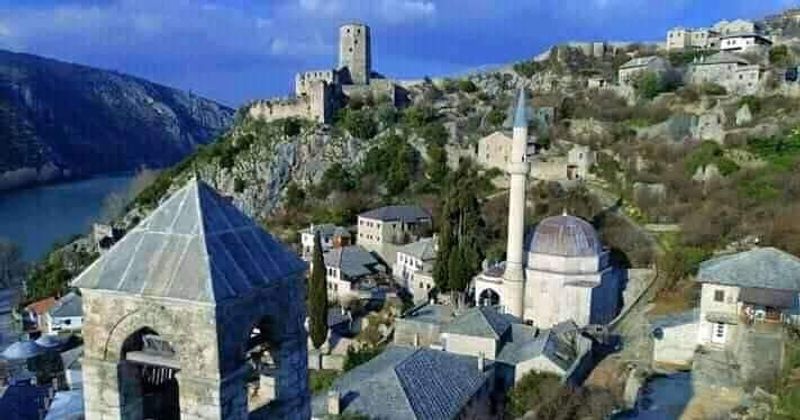
Most travelers rush between Mostar and Dubrovnik without realizing they are driving right past one of Bosnia’s most atmospheric villages. Počitelj sits quietly on a hillside above the Neretva River, its stone houses and Ottoman-era tower watching the world go by with total indifference.
It is exactly the kind of place that rewards curiosity.
Built primarily in the 15th and 16th centuries, the town features a striking mosque, a fortified tower, and a hammam—all remarkably well-preserved. Walking up the steep cobblestone paths feels like stepping back several centuries, especially when the spring light hits the warm stone walls in the late afternoon.
Pomegranate trees and wildflowers add pops of color against the grey stone.
Because Počitelj remains off the main tourist radar, crowds are rarely a concern. You might share the hilltop with a handful of other visitors and a few local artists who set up studios in the old stone buildings.
Nearby, the Neretva River offers a beautiful backdrop for photos. Spring temperatures are pleasant, ranging from cool mornings to warm afternoons.
A visit here pairs wonderfully with a day trip to Mostar, making it easy to combine both without extra effort.
Portree, Scotland
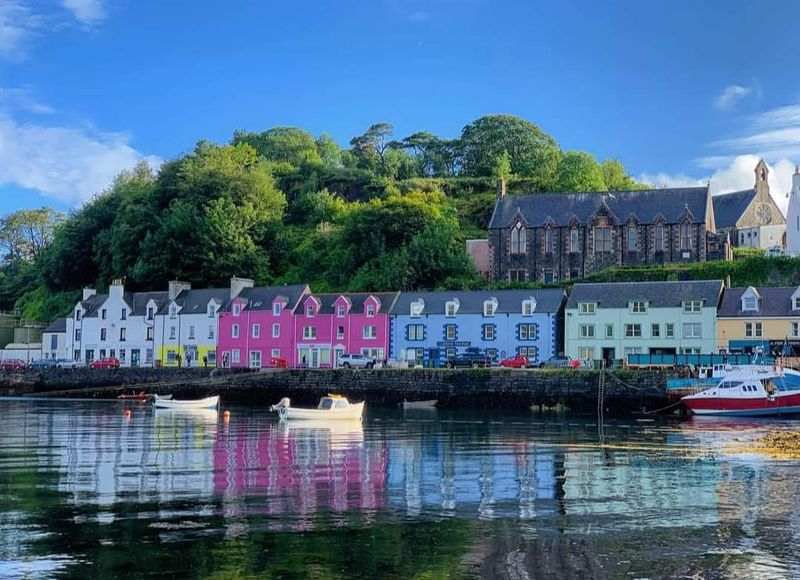
Portree does not try to impress you—it just does, effortlessly. The capital of the Isle of Skye is a small harbor town where brightly painted buildings line the waterfront and fishing boats bob gently in the bay.
It is the kind of place where you arrive for a night and end up staying for three.
Spring on Skye is dramatic in the best possible way. The heather-covered hills turn vivid shades of green, waterfalls run full from snowmelt, and the famous Old Man of Storr rock formation looks especially striking against moody spring skies.
Daylight extends well into the evening by May, giving you more time to explore without rushing.
Wildlife lovers are in for a treat—spring brings puffins, red deer, and even the occasional sea eagle soaring above the cliffs. The town itself has excellent seafood restaurants, cozy pubs, and independent shops selling local knitwear and whisky.
Portree is also a convenient base for exploring the rest of Skye, including the Fairy Pools and the Quiraing. Compared to the crowded summer months, spring visits feel genuinely personal, with locals happy to chat and share recommendations.
Portree, quite simply, gets under your skin.
Marsaxlokk, Malta
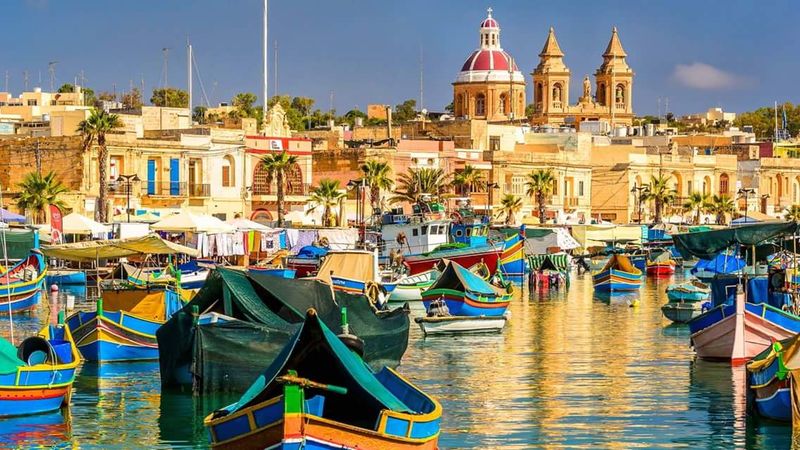
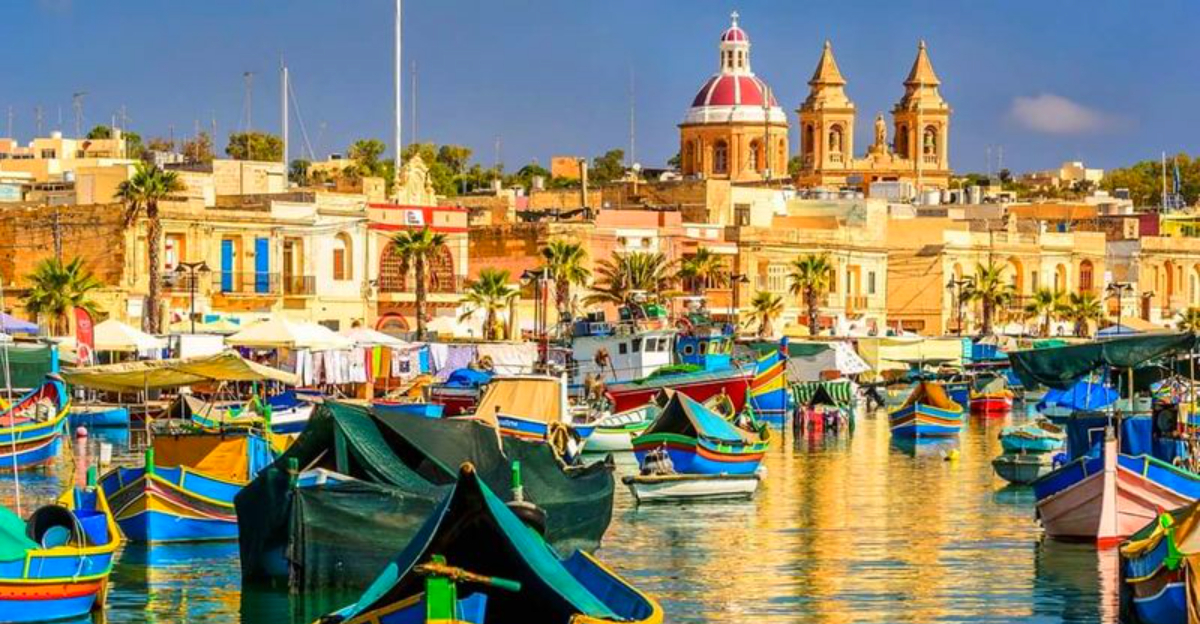
Sunday mornings in Marsaxlokk smell like fresh fish, sea salt, and strong coffee—a combination that somehow works perfectly. This traditional fishing village on Malta’s southeastern coast is best known for its fleet of luzzu boats, painted in bold reds, yellows, and blues, each one bearing the eye of Osiris on the bow for good luck.
It is a centuries-old tradition that is still very much alive.
Spring is the sweet spot for visiting. Temperatures sit comfortably around 18 to 22 degrees Celsius, the sea breeze keeps things fresh, and the famous Sunday fish market is in full swing.
Local vendors sell swordfish, octopus, and sea bream straight off the boats, and waterfront restaurants turn those catches into incredible meals by lunchtime.
The village moves at a pace that feels almost rebellious in a fast-moving world. Cats nap on stone walls, fishermen mend nets, and elderly residents sit outside chatting in Maltese.
There is no major museum or famous monument here—the village itself is the attraction. Visitors often describe Marsaxlokk as the most authentically Maltese experience on the island, and it is hard to disagree.
Pack your appetite, your camera, and absolutely no agenda.
Arles, France
Vincent van Gogh moved to Arles in 1888 and painted over 300 works in just 15 months—so clearly, the light here is something special. This compact Provencal town in southern France sits where the Rhone River meets the Camargue, and it carries centuries of history in every cobblestone.
Spring turns the surrounding countryside into a painter’s dream.
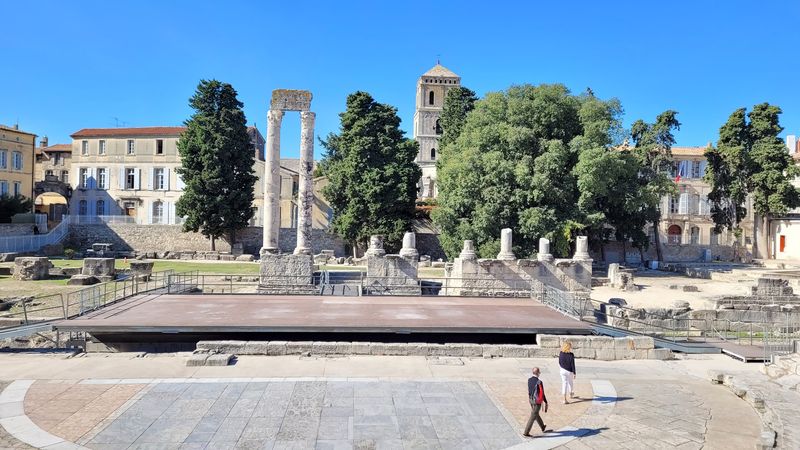
The Roman amphitheater, still used for bullfights and concerts, dates back to the first century and is remarkably well-preserved. Wandering through the old town, you will pass ancient arenas, medieval churches, and sunny plazas where locals linger over rosé and olives.
Early spring also brings the first blooms to nearby fields, a preview of the lavender season that peaks in summer.
Arles hosts the Rencontres de la Photographie festival in July, but spring is when the town belongs more to locals than tourists. The Saturday market along Boulevard des Lices is one of the best in Provence, overflowing with local cheeses, herbs, and handmade goods.
Day trips to Les Baux-de-Provence and the Camargue wetlands—home to flamingos and wild horses—are easy from here. Arles is the kind of place that makes you want to slow down and stay longer.
Reine, Norway
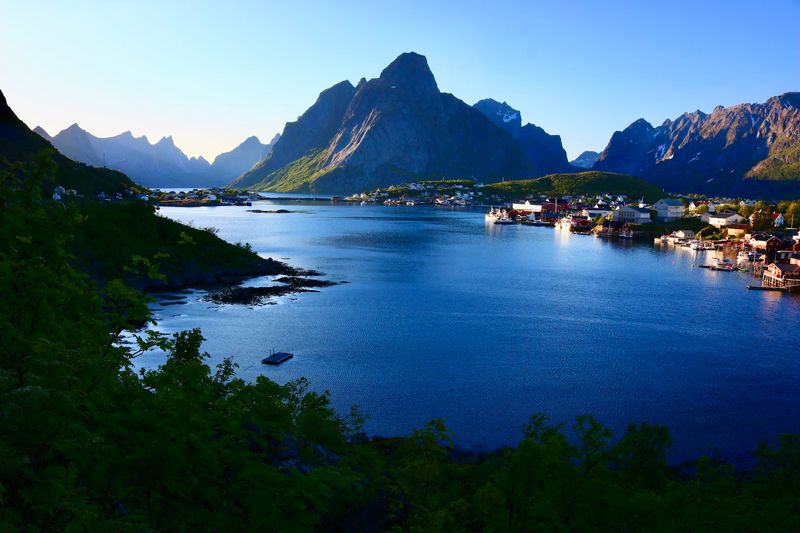
Getting to Reine requires effort—a flight to Bodo, then a drive across some of the most jaw-dropping scenery in Europe—but every kilometer of that journey is worth it. This remote fishing village in Norway’s Lofoten Islands sits at the edge of a glassy fjord, with jagged peaks rising almost vertically from the water.
It regularly ranks among the most beautiful villages on the planet.
Spring brings a special kind of magic to the Lofoten Islands. The midnight sun begins to return, bathing the landscape in golden light well into the evening hours.
Snow still caps the highest peaks while the lower hillsides turn green, creating a dramatic contrast that photographers absolutely love. Temperatures are cool but manageable, typically between 5 and 12 degrees Celsius.
The village itself is tiny—just around 300 residents—but it offers traditional red fishing cabins called rorbu that have been converted into cozy accommodation. Fresh cod is the local specialty, and you will find it served simply and brilliantly in the few local eateries.
Hiking trails lead to panoramic viewpoints above the village, and kayaking through the fjords is a genuinely unforgettable experience. Reine rewards those willing to travel far for something truly extraordinary.
Eguisheim, France
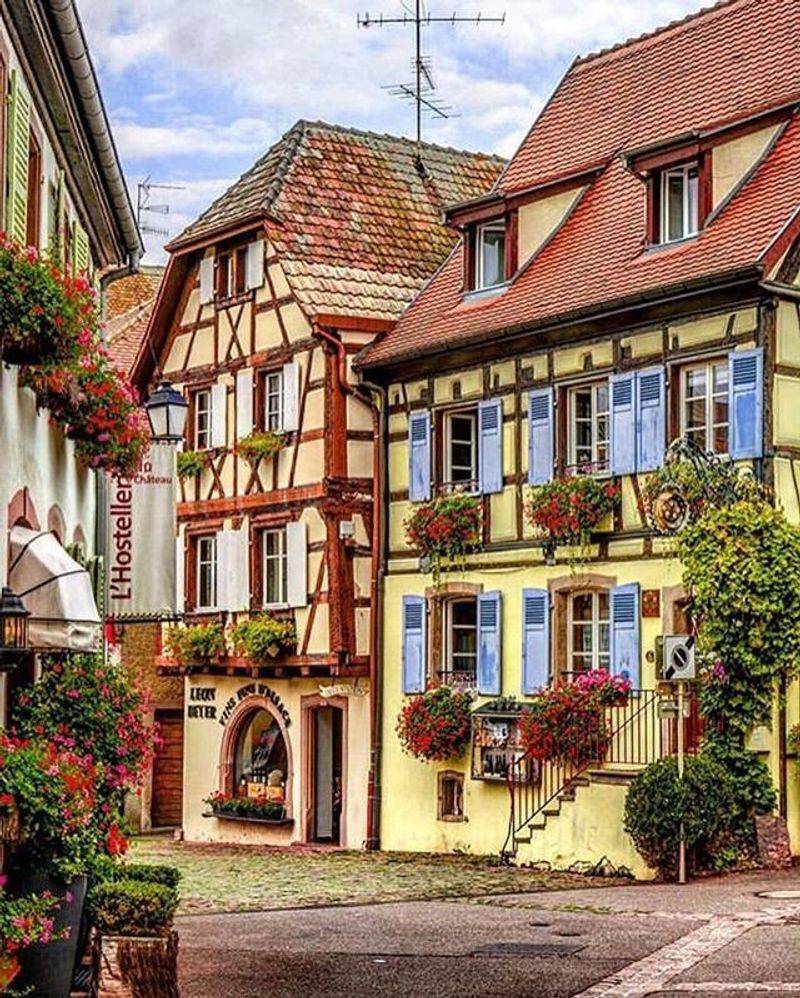
Eguisheim was voted France’s favorite village in 2013, and one look at its perfectly circular layout explains why. Built around a medieval castle, this Alsatian gem is essentially a ring of colorful, flower-draped houses connected by winding cobblestone lanes—like a carousel that forgot to spin.
In spring, the whole thing bursts into bloom.
Window boxes overflow with tulips and hyacinths, and the village’s famous ramparts are lined with flowering vines just beginning to wake up. The scent of wisteria drifts through the alleyways on warm afternoons, and the pace of life here is so unhurried that even a short visit feels restorative.
Eguisheim is also the birthplace of Pope Leo IX, a fun historical footnote for trivia fans.
The village sits at the heart of the Alsace Wine Route, meaning excellent Riesling and Gewurztraminer are never far away. Several small wine producers offer tastings right in the village, and the local restaurants serve hearty Alsatian dishes like tarte flambee and choucroute.
Because the village is compact, you can walk the full circle in about 20 minutes—though most visitors take considerably longer, stopping constantly to photograph the impossibly photogenic streets. Eguisheim is small, but it delivers big on charm.
Trogir, Croatia
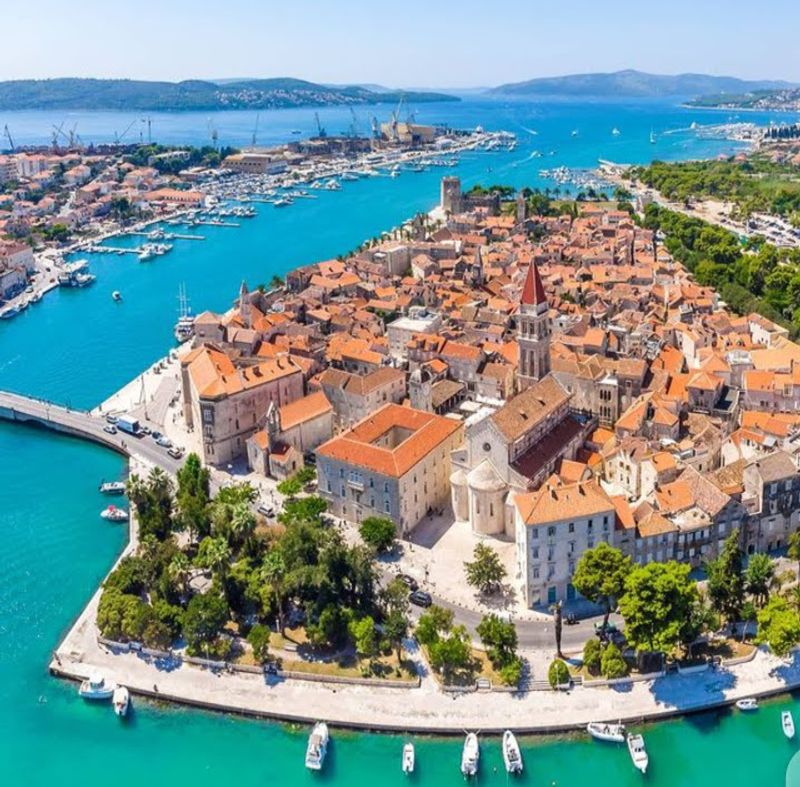
Trogir is the kind of place where you wander into a narrow alley expecting nothing and stumble upon a 13th-century cathedral portal carved with breathtaking detail. This small Croatian town on a tiny island connected by bridges is a UNESCO World Heritage Site, and its old town is one of the best-preserved medieval settlements in the entire Mediterranean region.
Spring is when it breathes most freely.
By April, the Adriatic is warming up, the outdoor cafes are open, and the waterfront promenade—known as the Riva—is the place to be in the early evening. Locals and visitors alike stroll, eat grilled fish, and watch the boats drift in from the harbor.
The summer crowds that pack this town in July and August are nowhere to be seen, which makes exploring genuinely enjoyable.
Beyond the cathedral, Trogir offers a Venetian loggia, a medieval fortress, and a clock tower all within a few minutes’ walk. The surrounding area includes beautiful beaches and the nearby Krka National Park, famous for its waterfall swimming areas.
Island-hopping day trips are easy to arrange from the harbor. Trogir manages to pack an enormous amount of history, beauty, and coastal pleasure into a very small, very walkable space.
Arosa, Switzerland
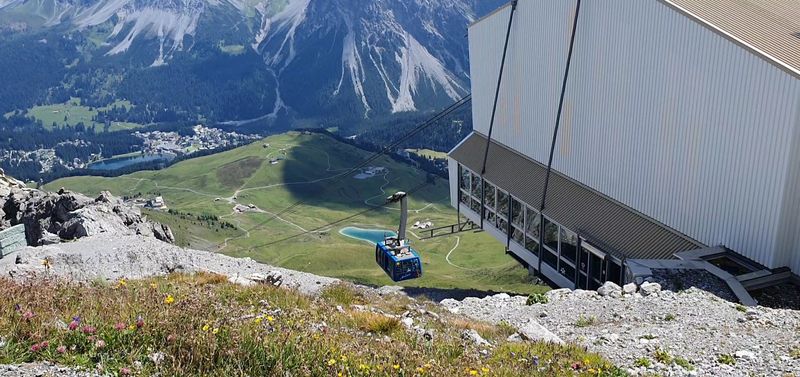
Most people know Arosa as a ski destination, but the version of this Swiss alpine town that emerges in spring is arguably more interesting. As the last of the snow melts away, the meadows turn a shade of green so vivid it looks almost digital.
Wildflowers appear on the hillsides, hiking trails reopen, and the town settles into a calm, unhurried rhythm that feels like a reward for those who show up between seasons.
Sitting at 1,800 meters above sea level in the Graubunden canton, Arosa offers crisp mountain air and spectacular views without the high-season price tags. The famous Arosa Weisshorn cable car runs in spring, lifting visitors to panoramic viewpoints where the Alps stretch in every direction.
Lake Obersee and Lake Untersee, frozen in winter, thaw and sparkle in the spring sunshine.
The town has a thoughtful, low-key character—wooden chalets, family-run restaurants serving rosti and fondue, and streets free of the frantic energy found in larger resorts. The Arosa Bear Sanctuary, home to rescued bears from entertainment industries, is a surprisingly moving and worthwhile visit.
Spring in Arosa is proof that Switzerland does not need to be loud or flashy to be completely, quietly wonderful.



