 Unearth The Voyage
Not every breathtaking outdoor adventure has to cost a fortune. Across the United States, state parks are hiding some of the most jaw-dropping scenery you’ll ever see — and most charge just a few dollars to get in.
From towering waterfalls to ancient canyons, these parks punch way above their weight when it comes to natural beauty. Whether you’re a weekend hiker, a road trip planner, or just someone who loves fresh air and good views, this list was made for you.
Falling Waters State Park — Florida
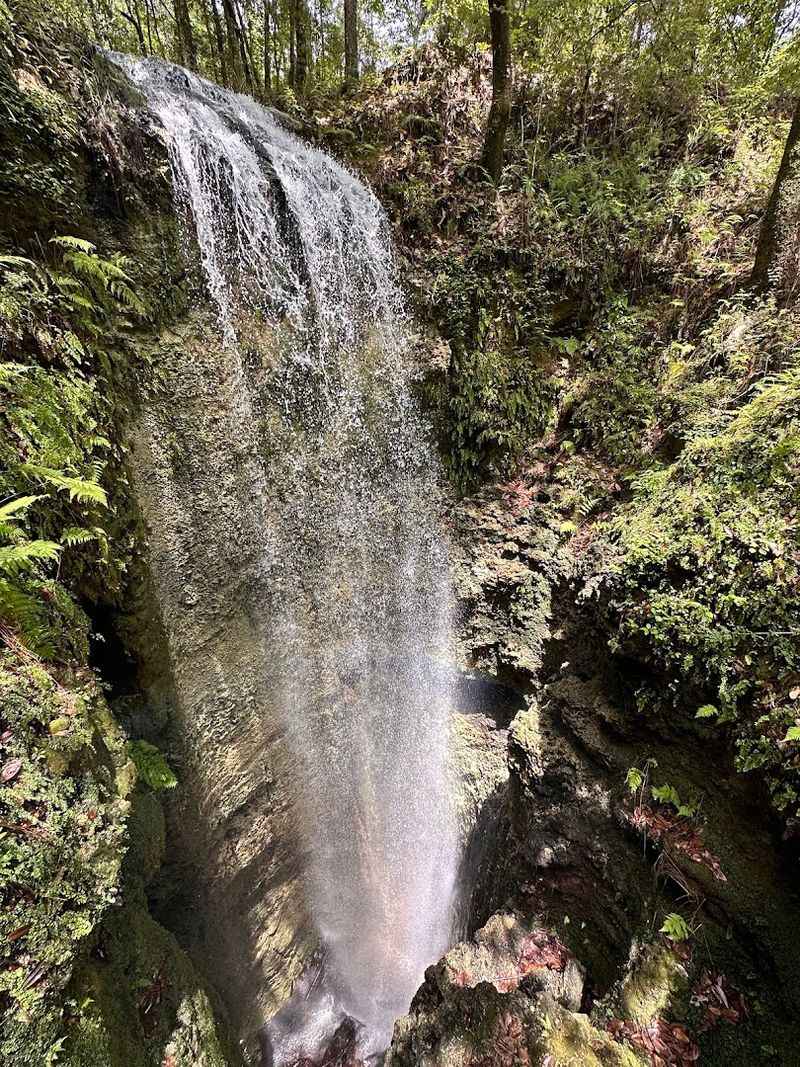
Florida keeps a secret tucked in the Panhandle, and most tourists drive right past it. Falling Waters State Park near Chipley is home to the tallest waterfall in the entire state — a dramatic 74-foot plunge into a mysterious sinkhole.
It looks like something out of a fantasy novel, not a place you’d expect to find in the Sunshine State.
The trails here wind through cool pine forests, past wildflowers, and alongside remnants of an 1860s gristmill that once kept the local community fed. History and nature share the same trail, which makes every step feel like a little discovery.
Birders absolutely love this spot too, since the forest canopy attracts a wide variety of species.
Day-use vehicle entry costs around $5, which is honestly a steal for what you get. Pack a picnic, wear comfortable shoes, and bring a camera — that waterfall deserves more than a phone screenshot.
Few places in Florida deliver this kind of wow factor for less than the price of a fast-food combo meal.
Letchworth State Park — New York
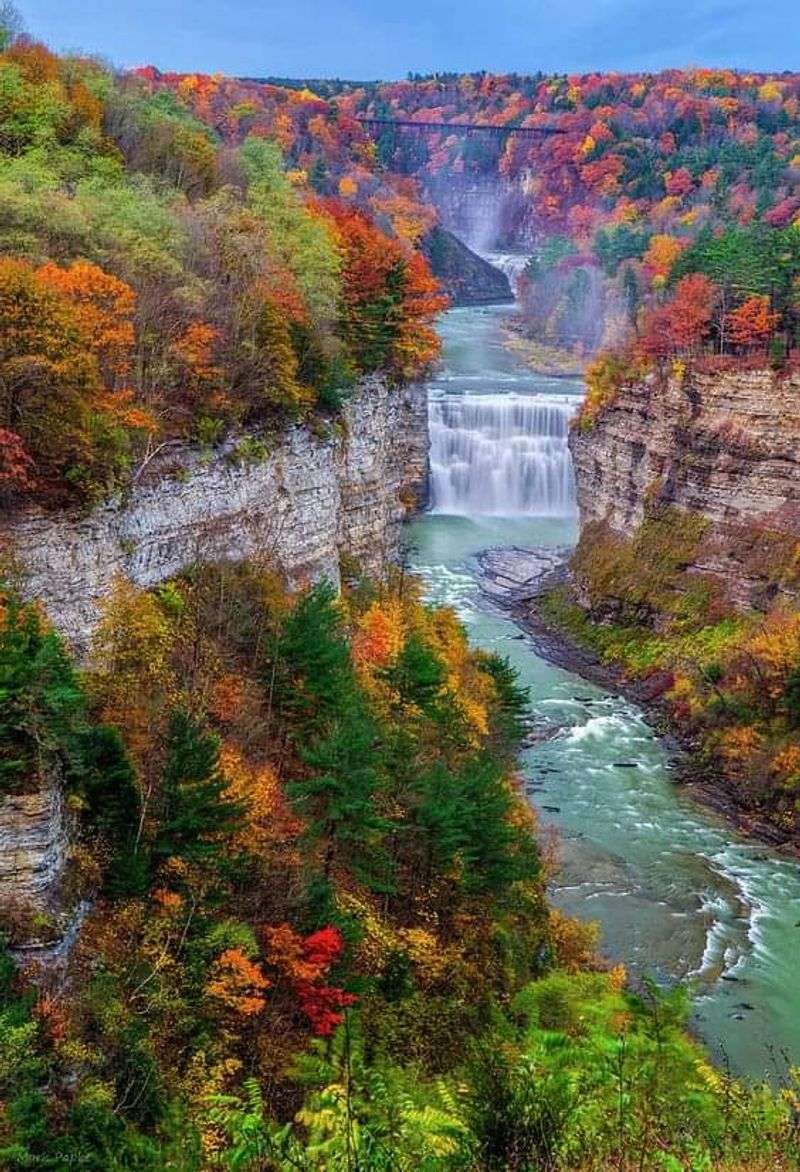
Somewhere between Buffalo and Rochester, the earth simply splits open — and the result is Letchworth State Park. Nicknamed the “Grand Canyon of the East,” this park features a deep gorge carved by the Genesee River, with walls that tower up to 550 feet on either side.
Standing at one of the rim overlooks feels genuinely humbling.
Three major waterfalls thunder through the gorge, and the forested trails along the rim offer views that change with every season. Fall is absolutely legendary here — the mix of red, orange, and gold leaves against the grey canyon walls is the kind of scene that makes people pull over and just stare.
Summer and winter visits are equally rewarding, just in different ways.
New York state park day-use fees are modest, making Letchworth one of the best-value natural wonders in the entire Northeast. Over 66 miles of trails give hikers plenty of options, from easy strolls to longer ridge walks.
If you only visit one park in upstate New York, make it this one — it earns that nickname every single visit.
Emerald Bay State Park — California
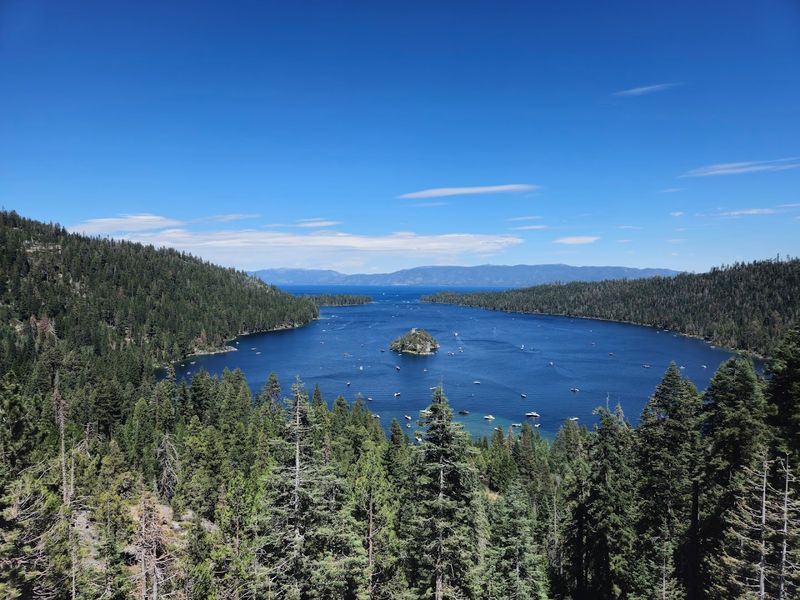
That color is not a filter. Emerald Bay on Lake Tahoe really does glow with an almost unreal shade of blue-green, especially on sunny mornings when the light hits the water just right.
Emerald Bay State Park wraps around this iconic inlet, offering one of the most photographed views in all of California without the theme-park price tag.
Beyond the postcard-perfect water, the park is packed with things to do. Hike down to Vikingsholm, a remarkable 1929 Scandinavian-style mansion sitting right at the water’s edge — it’s a fascinating piece of architecture in a completely unexpected setting.
Kayakers love paddling the calm bay waters, and the small island in the center of the bay is a fun destination for a short paddle.
Entry fees here are significantly lower than most Lake Tahoe area attractions, which tend to charge premium prices for everything. Parking fills up fast in summer, so arriving early is a smart move.
The combination of mountain scenery, crystal water, and rich history makes Emerald Bay one of those rare parks that genuinely delivers more than it promises on paper.
Watkins Glen State Park — New York
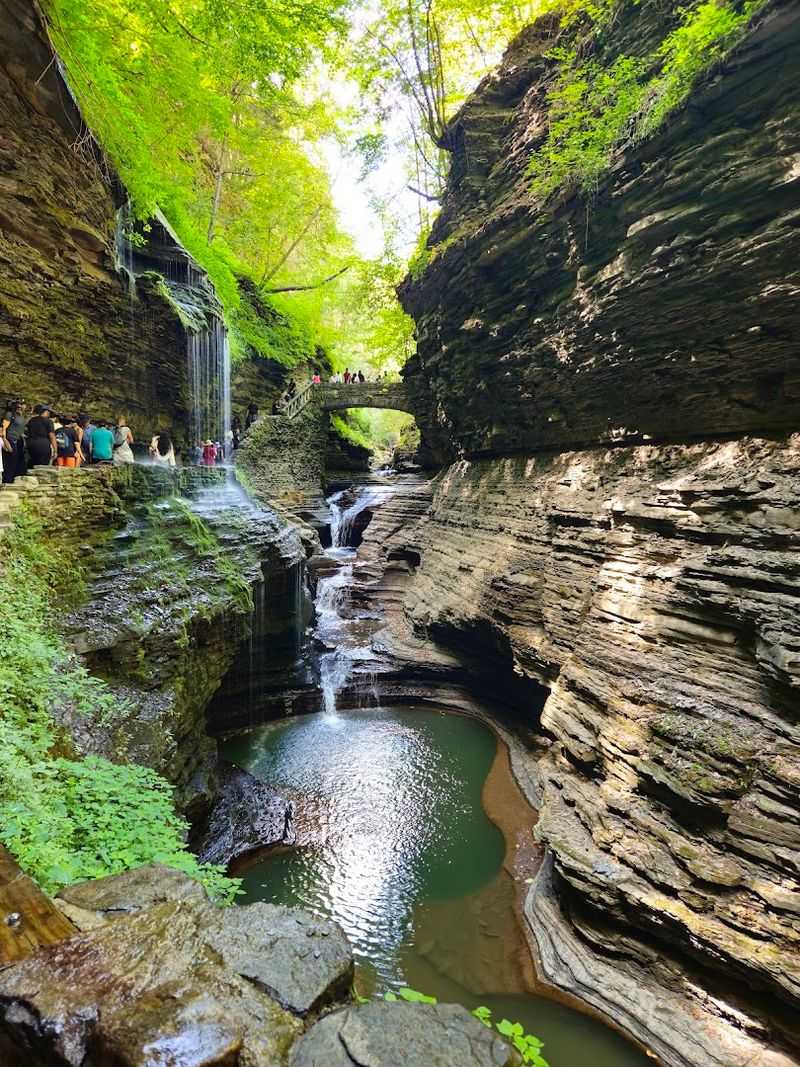
Nineteen waterfalls in under two miles — Watkins Glen State Park does not believe in doing things halfway. Located in the heart of New York’s Finger Lakes wine country, this gorge trail is one of the most visually packed hikes in the entire country.
Every turn reveals another cascade, another stone bridge, another reason to stop and stare.
The carved sandstone walls rise up to 200 feet on either side of the trail, and the pathway weaves between them at water level. It genuinely feels like walking through a canyon that was designed by someone who wanted to show off.
Moss covers everything in soft green, and the sound of rushing water follows you the whole way through.
Budget travelers will appreciate that Watkins Glen keeps entry fees very reasonable, especially given what’s on offer. The park sits just minutes from downtown Watkins Glen, so combining a gorge hike with a local restaurant lunch is an easy plan.
Visiting on a weekday avoids the weekend crowds that tend to bottleneck the narrower sections of the trail. Come early, bring layers, and enjoy one of the Northeast’s most underrated natural treasures.
Beavers Bend State Park — Oklahoma
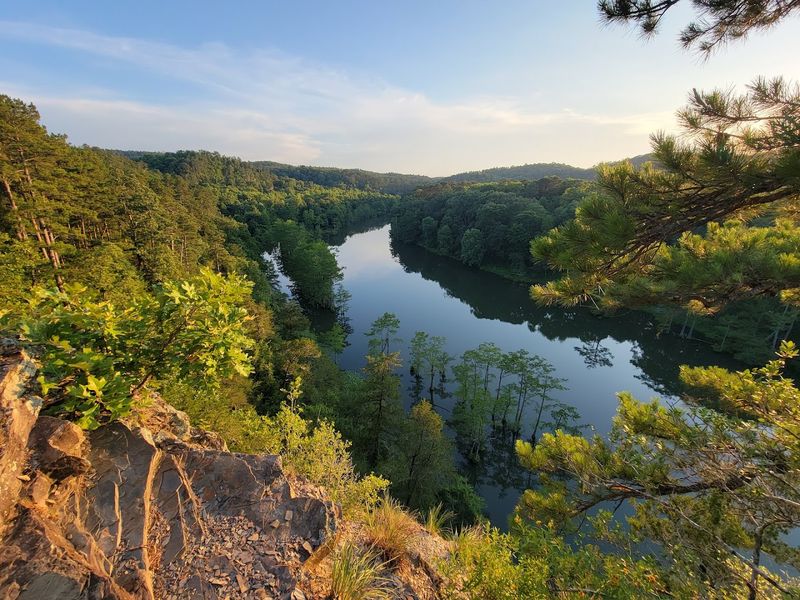
Oklahoma rarely tops anyone’s outdoor bucket list, and that’s exactly why Beavers Bend State Park stays so refreshingly uncrowded. Tucked into the southeast corner of the state near Broken Bow Lake, this park sits inside the Ouachita Mountains and feels more like Colorado than the southern plains.
Towering pines, clear rivers, and misty ridgelines give it a personality all its own.
The Mountain Fork River runs right through the park, offering some of the best trout fishing in the region. Kayaking, canoeing, and paddleboarding are popular on the calm stretches of the river, while hikers can tackle forested trails that wind through some genuinely beautiful terrain.
Fall color season here is massively underrated — the mix of hardwoods and pines creates a stunning patchwork of color.
A modest vehicle entry fee of around $10 covers access to a wide range of activities, making this one of the better outdoor values in the South-Central United States. The nearby town of Broken Bow has grown into a popular cabin getaway destination, but the park itself remains peaceful and crowd-friendly.
For an outdoor adventure that surprises almost everyone who shows up, Beavers Bend quietly delivers.
Fall Creek Falls State Park — Tennessee
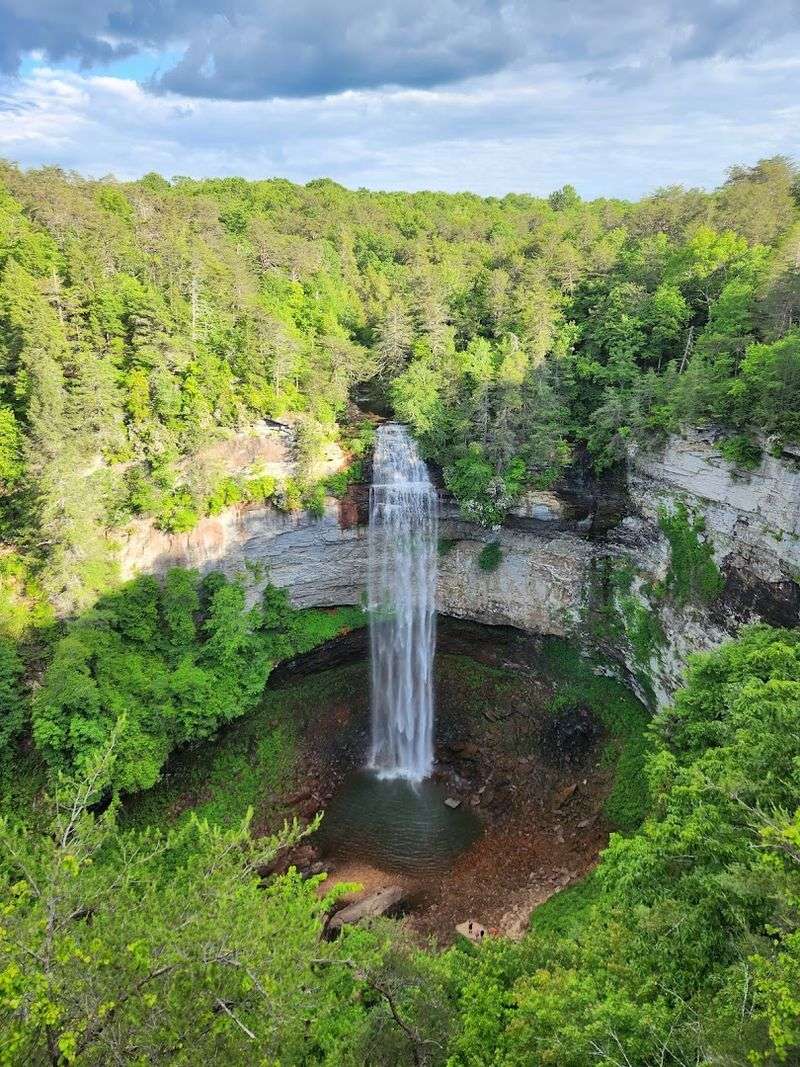
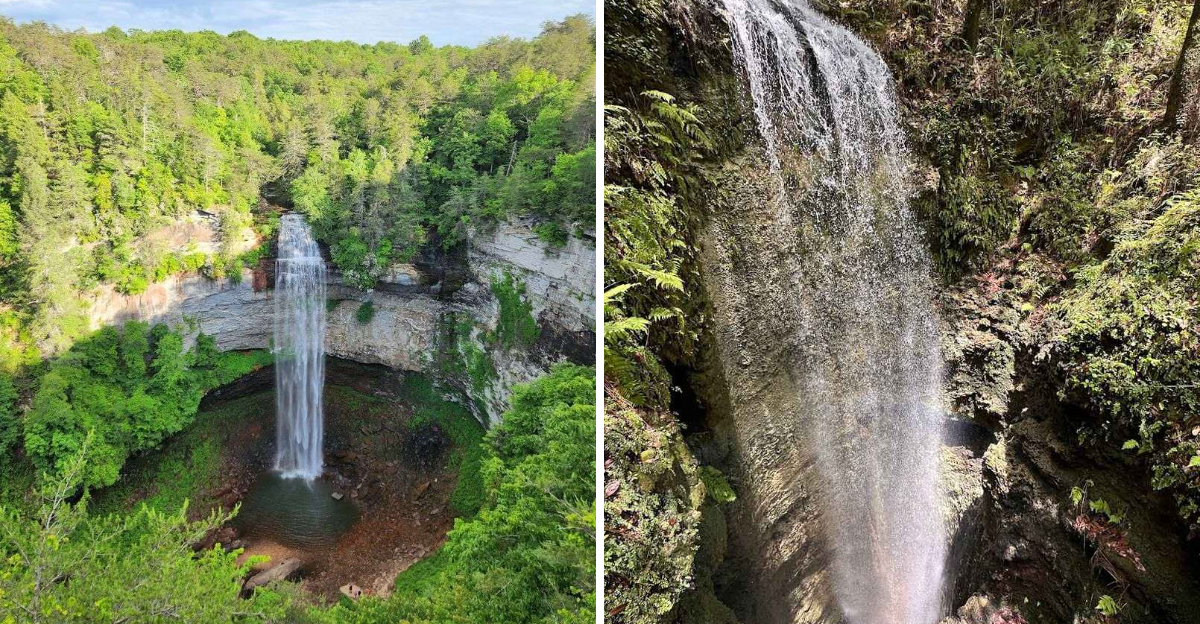
At 256 feet, the main waterfall at Fall Creek Falls State Park holds the title of one of the highest waterfalls east of the Mississippi River — and seeing it in person is one of those moments that makes your jaw genuinely drop. The roar you hear before you even see it is a solid preview of what’s coming.
Tennessee knew exactly what it was doing when it turned this land into a park.
Beyond the headline waterfall, the park is loaded with additional cascades, gorges, and overlooks spread across more than 20,000 acres of forested terrain. Trails range from flat, easy walks to steep gorge descents, so hikers of every skill level can find something that suits them.
Birdwatching, cycling, and swimming at the park’s lake round out a full day of outdoor options.
Day-use fees are low, and the park even has a lodge and cabins for overnight stays if you want to stretch your visit into a weekend. Families especially love the mix of dramatic scenery and easy access to facilities.
Fall Creek Falls is the kind of Tennessee classic that people visit once as kids and then bring their own children back to decades later.
Hacklebarney State Park — New Jersey
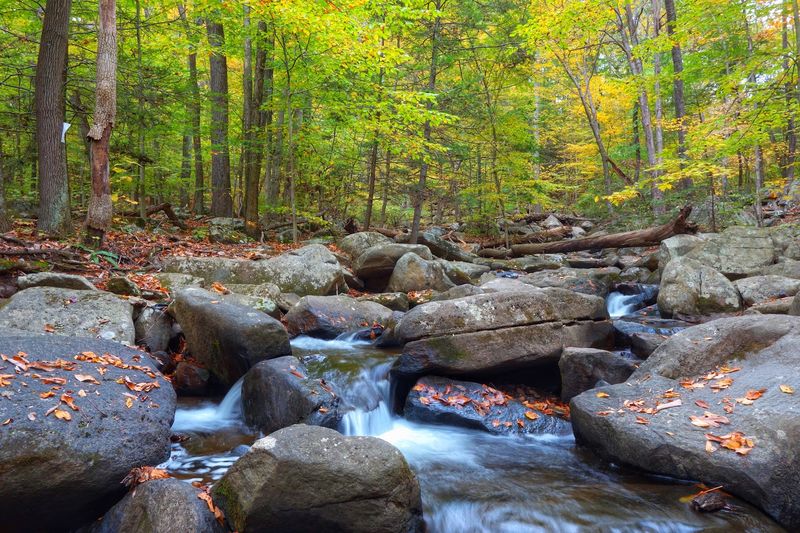
New Jersey gets teased a lot, but Hacklebarney State Park is the kind of place that quietly ends that conversation. Tucked away in Morris County, this small but mighty park follows the Black River through a rugged little gorge packed with dramatic boulders, churning riffles, and deep forest canopy.
It feels far wilder than its location suggests.
The trails here are not long — most visitors complete the main loop in about two hours — but the scenery is dense and rewarding the entire way. Massive glacially deposited boulders line the riverbanks, and the sound of moving water is a constant companion.
Photography enthusiasts find endless compositions around every bend, especially in fall when the foliage turns brilliant shades of amber and red.
Entry fees are minimal, keeping this a go-to spot for locals who want a peaceful forest escape without a long drive. Weekdays are noticeably quieter, which means better trail access and more wildlife sightings.
Hacklebarney won’t appear on most national travel lists, and that’s honestly part of its charm. Sometimes the best outdoor experiences are the ones that feel like your own personal discovery, and this park fits that description perfectly.
Palo Duro Canyon State Park — Texas
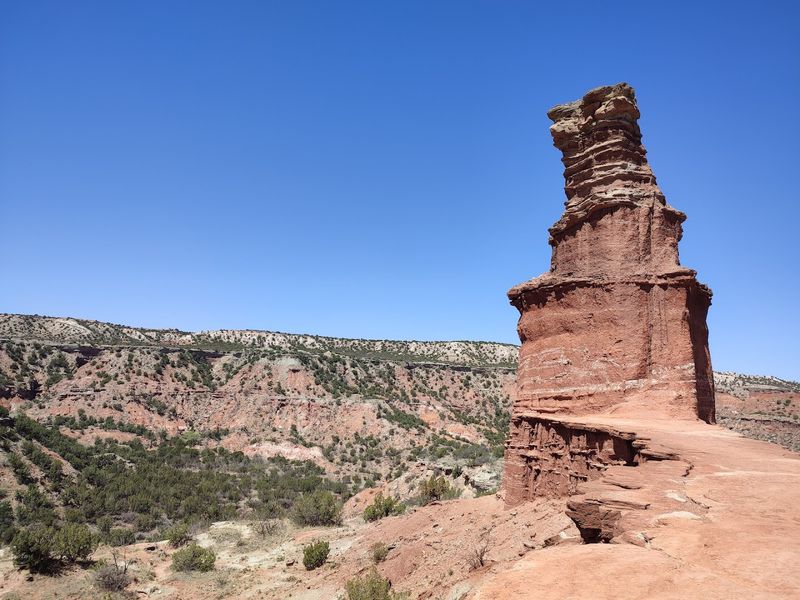
Standing at the rim of Palo Duro Canyon for the first time, most visitors say the same thing: they had no idea Texas was hiding something like this. Stretching 120 miles long and dropping 800 feet deep in places, the so-called “Grand Canyon of Texas” is the second-largest canyon in the United States — and it is absolutely wild looking.
Red, orange, purple, and white rock layers stack up like a geological layer cake.
Hiking trails wind through the canyon floor past hoodoos, juniper trees, and ancient rock formations with names like the Lighthouse, which has become one of the most iconic hiking destinations in the entire state. Mountain bikers, horseback riders, and jeep tour enthusiasts also have dedicated options for exploring the canyon’s vast terrain.
Sunsets here are the stuff of screensaver legends.
Texas state parks charge a modest daily entry fee, and Palo Duro is absolutely worth every cent of it. Camping inside the canyon is an unforgettable experience — waking up surrounded by those canyon walls with a cup of coffee in hand is genuinely hard to beat.
If you’re planning a Texas road trip, this park deserves a full day, minimum.
Starved Rock State Park — Illinois
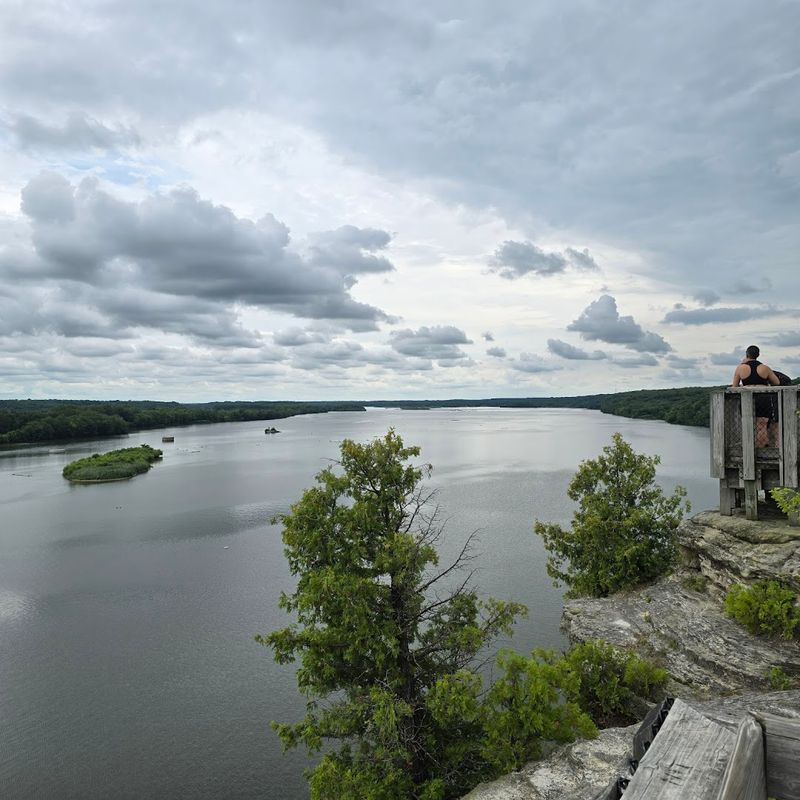
Just 90 minutes southwest of Chicago, Starved Rock State Park has been pulling Midwest nature lovers off the highway for over a century — and it still earns every visit. Eighteen canyons carved by glacial meltwater cut through the park’s sandstone bluffs, and waterfalls appear throughout the trail system, especially after rainfall or spring snowmelt.
For a state best known for flat cornfields, this park is a genuine geographical plot twist.
The park sits along the Illinois River, and the blufftop views of the water below are worth the hike up on their own. Eagles gather here in large numbers during winter months, making January and February surprisingly popular for wildlife watching.
Autumn is equally spectacular, when the hardwood forests surrounding the canyons go full color and the light turns golden in the late afternoon.
Free day-use access makes Starved Rock one of the most accessible outdoor destinations in the Midwest. The park has a historic lodge that’s been operating since the 1930s, and stopping for a meal or hot drink there after a long trail day is a beloved local tradition.
Families, solo hikers, and photography enthusiasts all find exactly what they came for here.
Elephant Rocks State Park — Missouri
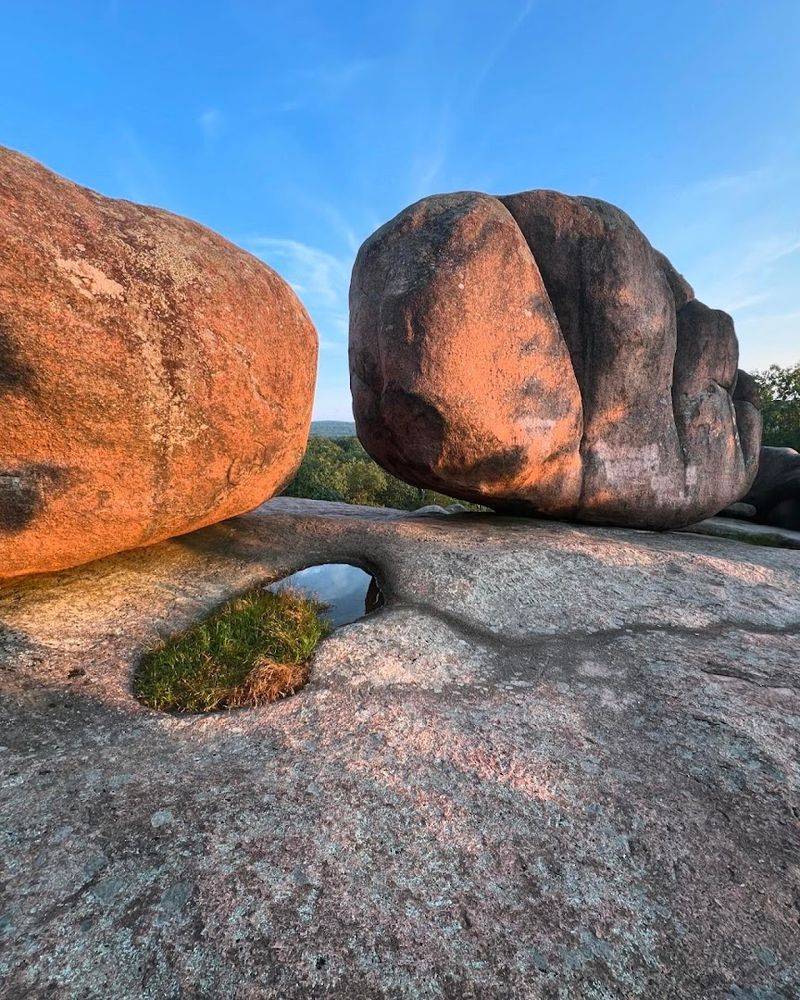
Picture a field full of boulders the size of elephants — because that is literally what Elephant Rocks State Park looks like, and the name requires zero imagination to understand. These rounded pink and red granite boulders are over a billion years old, which makes them some of the oldest exposed rock in the entire state of Missouri.
Walking among them feels genuinely prehistoric.
The main Braille Trail loops around the largest boulder field and is paved and accessible for visitors of all mobility levels, which is a thoughtful touch that makes this park especially family-friendly. Gaps between the boulders create natural tunnels and climbing challenges that kids absolutely love — it’s basically a giant natural playground with a geology lesson built in.
Geology enthusiasts can spot evidence of ancient quarry work from the 1800s when these stones were cut for railroad bridges and buildings.
Entry fees are very low or sometimes free depending on current Missouri state park policies, making this one of the easiest budget outdoor stops in the Midwest. It’s quirky, it’s educational, and it’s surprisingly photogenic.
Elephant Rocks proves that you don’t need towering mountains or dramatic waterfalls to create a landscape that stops people in their tracks.



