
Marriage rates across the United States have been quietly dropping for decades, and some states are leading that trend more than others. Whether it’s sky-high living costs, career ambitions, or simply changing attitudes about relationships, fewer adults are walking down the aisle.
Recent Census data highlights specific states where single life is increasingly the norm.
From the bayous of Louisiana to the beaches of Hawaii, here are the states where fewer Americans are saying “I do.”
New Mexico

Something quiet is happening in the Land of Enchantment, and it has nothing to do with green chile. New Mexico currently holds one of the nation’s lowest marriage rates, with only about 42.7% of adults married, according to recent state rankings.
That number places it firmly among the least-married states in the country.
Economic pressure plays a huge role here. Many New Mexico residents face financial instability, making the leap into marriage feel risky or premature.
Younger adults especially tend to delay major life commitments when money is tight.
Cultural shifts are also reshaping how people view relationships statewide. A growing number of New Mexicans are choosing long-term partnerships without legal marriage, reflecting broader national trends.
Urban areas like Albuquerque have seen particularly sharp increases in never-married adult populations. Researchers also point to delayed marriage ages as a factor, with many adults waiting until their 30s to even consider tying the knot.
For now, New Mexico seems comfortable keeping things casual.
Louisiana
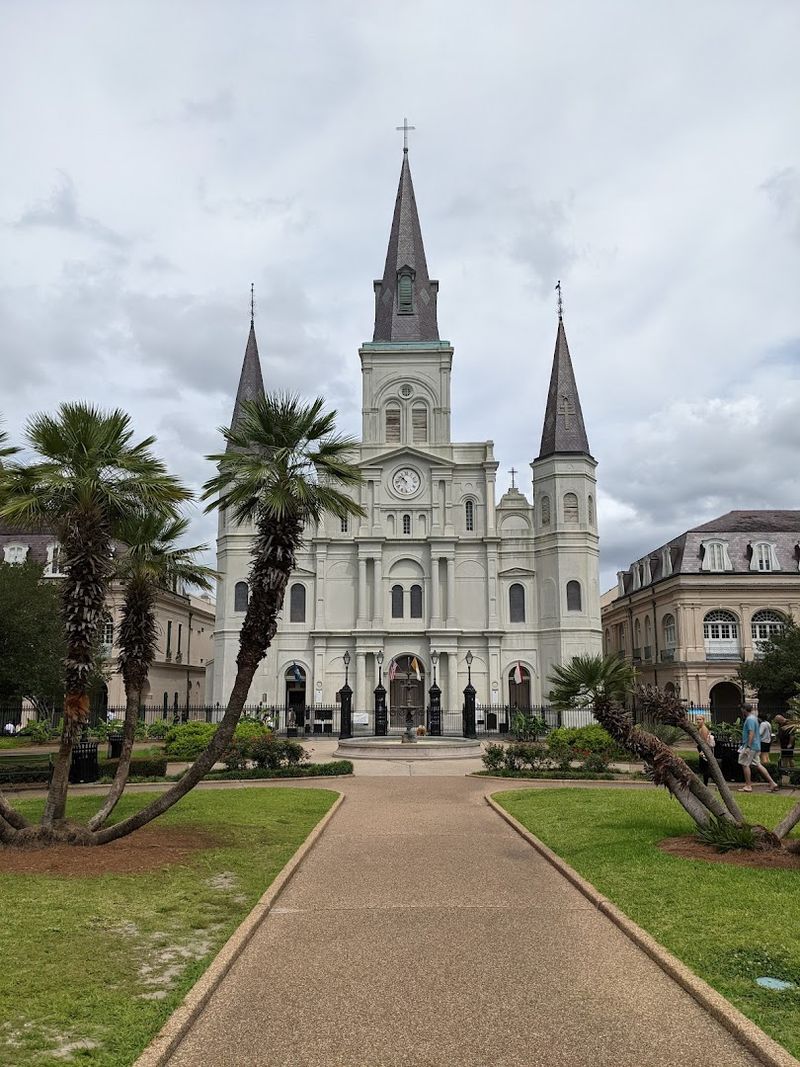
New Orleans has always done things its own way, and apparently that includes skipping the wedding reception. Louisiana ranks near the bottom nationally for married adults, with roughly 43.4% currently married.
The Pelican State has long had a complicated relationship with traditional marriage statistics.
New Orleans itself deserves a spotlight here. The city maintains one of America’s largest populations of never-married adults, particularly among younger urban residents who prioritize experiences over milestones.
The city’s culture celebrates independence, community, and living boldly, which may contribute to its uniquely high single-adult population.
Beyond New Orleans, rural Louisiana also shows declining marriage rates tied to economic hardship and limited access to stable employment. Financial insecurity tends to delay marriage, and many younger Louisianans are simply not in a rush.
Interestingly, the state also has relatively high divorce rates, which further drag down the percentage of currently married adults. Whether it’s the jazz, the gumbo, or just a fierce sense of personal freedom, Louisiana seems perfectly content letting love develop on its own timeline.
New York

If you have ever tried dating in New York City, you already understand why marriage rates are low here. New York has one of the country’s highest percentages of never-married adults, particularly concentrated in the five boroughs.
Census-based analyses show more than one-third of midlife New York City residents have never married, a striking figure by any measure.
The cost of living alone is enough to make any romantic feel dizzy. Renting a one-bedroom apartment in Manhattan can easily cost more than a mortgage in most other states.
When financial survival requires full attention, planning a wedding understandably falls to the bottom of the priority list.
Career culture also plays a massive role statewide. New Yorkers are famously ambitious, and many younger professionals spend their 20s and 30s building careers rather than families.
The city’s fast-paced dating scene, while exciting, often makes long-term commitment feel complicated. Outside the city, upstate New York tells a slightly different story, but the sheer population weight of NYC pulls statewide marriage numbers significantly downward.
New York keeps grinding, married or not.
Rhode Island
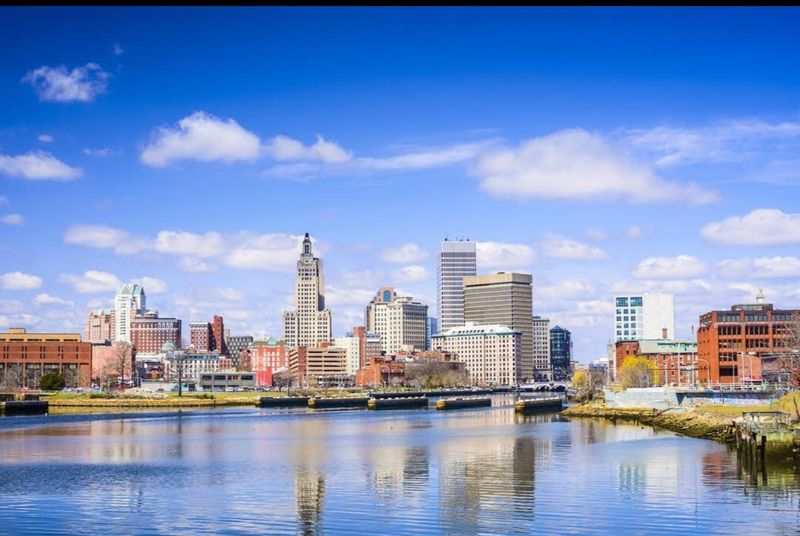
Do not let the small size fool you. Rhode Island packs a surprisingly large share of unmarried adults into its compact borders.
The state consistently ranks among those with the lowest marriage rates in America, sitting comfortably in the company of much larger and more urban states.
Providence, the state capital, drives much of this trend. As a college-heavy city with a young, educated population, Providence naturally skews toward later marriage ages.
Students and recent graduates tend to prioritize finishing degrees and launching careers before even thinking about wedding rings.
Rhode Island also fits neatly into broader Northeastern social patterns, where marriage tends to happen later and less frequently than in Southern or Midwestern states. Researchers note that urbanization itself is a strong predictor of lower marriage rates, and Rhode Island is one of the most densely urbanized states in the nation.
The state also benefits from relatively high education levels, and more education consistently correlates with delayed marriage. Rhode Island may be tiny, but its demographic story is surprisingly complex and worth paying attention to as national marriage trends continue shifting.
Mississippi

Here is a twist nobody expected: Mississippi, long associated with conservative family values and strong marriage culture, is seeing its wedding numbers drop. Younger generations across the state are increasingly marrying later or skipping the altar altogether, breaking with traditions that defined previous generations.
Economic challenges are central to the story. Mississippi consistently ranks among the poorest states in the nation, and financial instability is one of the strongest predictors of delayed or forgone marriage.
When basic financial stability feels out of reach, long-term commitments become harder to make.
Adding another layer to the picture, Mississippi also experiences relatively high divorce rates. That means even among adults who do marry, a significant share return to single status, further reducing the percentage of currently married residents.
Younger Mississippians are watching this pattern and sometimes choosing to avoid marriage entirely rather than risk a painful split. Rural communities that once celebrated early marriage are now seeing young adults move to cities and adopt very different timelines.
Mississippi’s marriage culture is not disappearing, but it is clearly and unmistakably changing in ways researchers are watching closely.
Nevada

Las Vegas will marry you to a stranger in a sequined jumpsuit at midnight, yet Nevada residents themselves are among the least likely in the country to actually be married. The irony is almost too perfect.
Despite its global reputation as the wedding capital of America, Nevada maintains one of the lowest resident marriage rates in the nation.
Transient populations are a big piece of the puzzle. Nevada attracts workers in hospitality, entertainment, and tourism who often move frequently and delay settling down.
When your lifestyle revolves around a city that never sleeps, traditional relationship timelines tend to get shuffled around.
Las Vegas also draws a young, mobile workforce that prioritizes flexibility over long-term commitments. Many residents are transplants who moved for opportunity rather than roots, making marriage feel less urgent.
Analysts also point to delayed family formation as Nevada’s younger adults focus on financial stability in one of the country’s most unpredictable job markets. Destination weddings bring millions of visitors to Nevada each year, boosting the economy beautifully.
But when it comes to the people who actually live there, marriage is apparently not the main event on the schedule.
Massachusetts

Massachusetts is home to some of the most educated people in the entire country, and that distinction comes with a very specific side effect: people wait a long time before getting married. Research consistently shows that higher education levels correlate with later marriage ages, and Massachusetts has the degree counts to prove it.
Boston is the heartbeat of this trend. Surrounded by world-class universities like Harvard and MIT, the city attracts ambitious young adults from around the globe who spend years in school before even considering relationships.
By the time they finish graduate programs and establish careers, their 20s are mostly gone.
The state’s marriage rate sits noticeably below the national average, driven heavily by Boston’s massive never-married adult population. Surrounding suburbs and smaller cities follow similar patterns, with residents marrying later and in smaller numbers than previous generations.
High housing costs in the Greater Boston area also discourage early household formation. Interestingly, Massachusetts was the first state to legalize same-sex marriage in 2004, showing it has always approached marriage on its own terms.
Smart, independent, and doing things differently, Massachusetts keeps rewriting its own rules about when and whether to wed.
California

Rent prices in California are enough to make even the most romantic person reconsider their life choices. The Golden State’s massive urban population and eye-watering housing costs have created a perfect storm for delayed marriage, with millions of younger adults simply unable to afford the financial foundation that marriage traditionally requires.
Los Angeles and San Francisco set much of the tone here. Both cities attract ambitious professionals who pour their energy into careers, side hustles, and survival rather than wedding planning.
Social norms in these metros also skew heavily toward independence and self-expression, which does not always align with traditional marriage timelines.
California’s sheer size means the statewide numbers reflect enormous demographic variety. Northern California tech workers, Southern California creatives, and Central Valley agricultural communities all contribute to a complex picture.
Still, the overall trend is clear: fewer Californians are marrying compared to previous generations, and the gap keeps growing. High student loan debt, competitive job markets, and expensive real estate all compound the issue.
California is not anti-marriage, it is just a place where the practical barriers to getting there are unusually steep, and many adults are choosing to wait or skip it entirely.
Florida
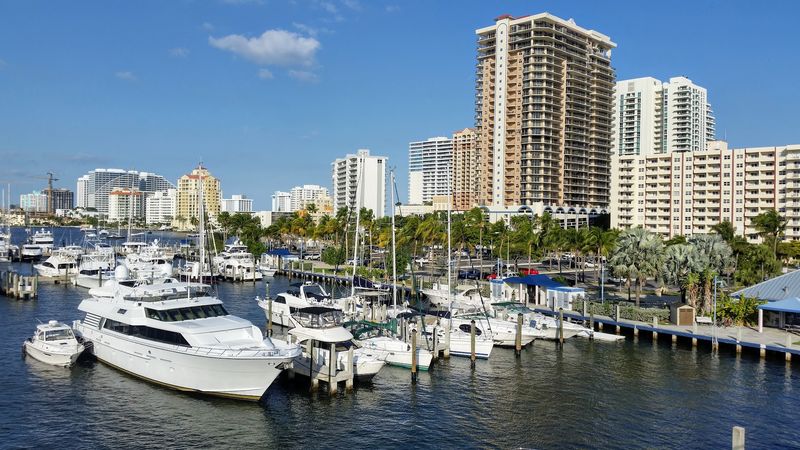
Florida is one of the fastest-growing states in the country, but all that population growth is not translating into more marriages. The Sunshine State’s marriage rate remains stubbornly below the national average, and the reasons are as diverse as Florida itself.
It is a state of contradictions, beach retirement communities sitting right next to buzzing young professional hubs.
Large retiree populations skew the numbers in an interesting way. Many older Floridians are widowed or divorced and living independently, reducing the share of currently married adults.
Meanwhile, younger transplants flooding into Miami, Tampa, and Orlando bring big career ambitions and little urgency to settle down.
Transient residents also play a role. Florida attracts seasonal workers, snowbirds, and people simply trying something new, creating a population that moves frequently and commits to little.
Some regions show strong increases in delayed first marriages, with adults in their 30s only beginning to consider the possibility. Florida’s dating scene, particularly in South Florida, is famously competitive and fast-moving, which sometimes works against long-term commitment.
The state is full of sun, opportunity, and adventure, but wedding bells are apparently not the soundtrack most Floridians are dancing to these days.
Hawaii

Romantic sunsets, tropical breezes, and stunning ocean views make Hawaii sound like the ultimate place to fall in love and get married. Surprise: the residents who actually live there are increasingly choosing to stay single.
Hawaii ranks surprisingly high for never-married adult populations, a fact that catches most people completely off guard.
The cost of living in Hawaii is brutally high, even by American standards. Housing prices, grocery bills, and everyday expenses put enormous financial strain on residents, making marriage and family formation feel like luxuries rather than natural next steps.
Many young locals simply cannot afford the lifestyle that traditionally accompanies starting a family.
Tourism-based employment adds another wrinkle. Many Hawaii residents work in hospitality and service industries that offer irregular hours, seasonal income, and limited financial stability.
That kind of unpredictability makes long-term planning difficult. Younger residents also reflect broader Pacific cultural influences and modern attitudes about relationships that do not always align with traditional marriage structures.
Some are choosing cohabitation over legal marriage, while others focus on personal goals first. Hawaii may be the world’s honeymoon destination, but for those who call it home, marriage is increasingly something they are in absolutely no hurry to arrange.
Share this story