Most Americans pack their bags for the same handful of countries year after year, missing out on some of the world’s most breathtaking places. Hidden between well-known destinations are countries overflowing with history, natural beauty, and unforgettable experiences.
These ten countries deserve a spot on every traveler’s bucket list, and once you visit, you’ll wonder why you waited so long.
Slovenia
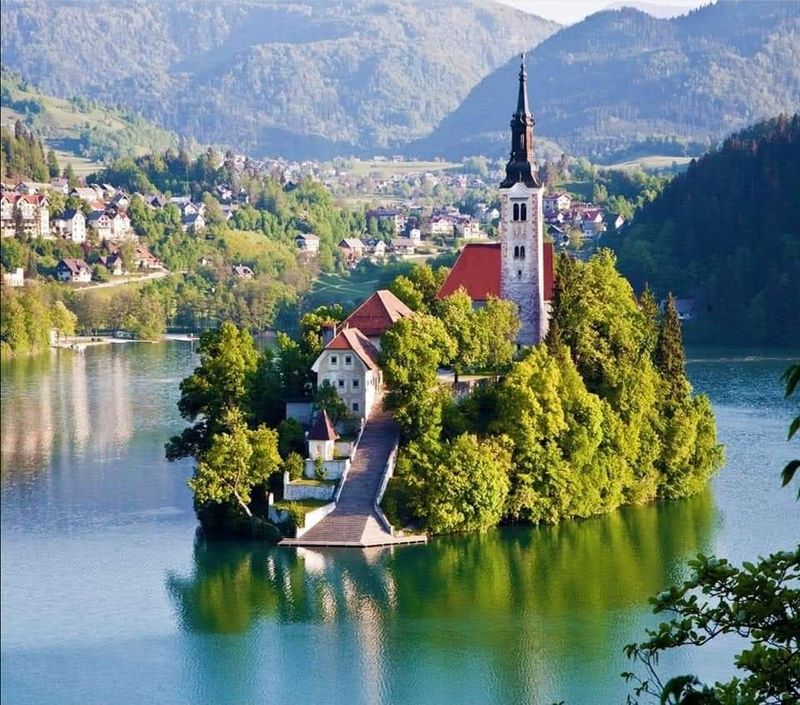
Imagine waking up to a lake so perfectly blue it looks photoshopped. That’s exactly what awaits you at Slovenia’s famous Lake Bled, where a tiny island church sits like something straight out of a fairy tale.
Slovenia is one of Europe’s smallest countries, yet it somehow fits in more beauty per square mile than most places twice its size.
Beyond Lake Bled, the capital city of Ljubljana charms visitors with its car-free old town, outdoor cafes, and a hilltop castle overlooking colorful baroque buildings. Triglav National Park offers world-class hiking trails, roaring waterfalls, and mountain views that will absolutely stop you in your tracks.
The Soca River cuts through the landscape in a shade of turquoise that seems almost unreal.
Travelers who love outdoor adventures, culture, and excellent food will feel right at home here. Slovenian cuisine blends Central European and Mediterranean influences into something wonderfully unique.
Flights from major US cities connect through nearby Vienna or Amsterdam, making Slovenia surprisingly easy to reach. Budget travelers will also appreciate that prices here are noticeably lower than in Western Europe.
Albania
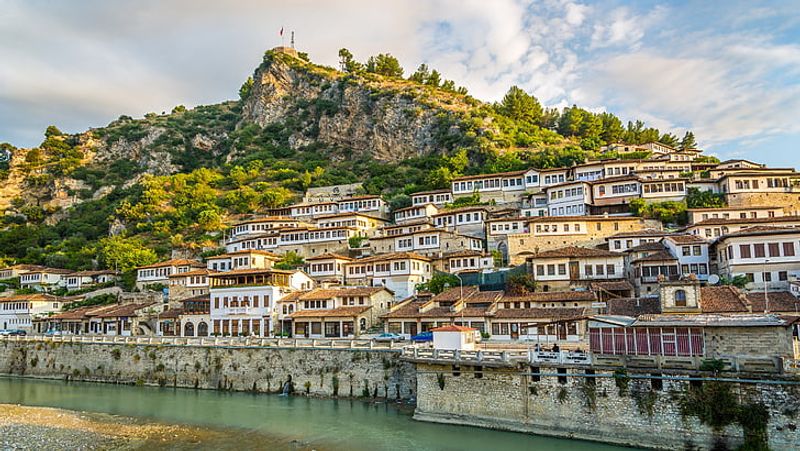
Albania might be the biggest travel secret in Europe right now. While crowds swarm the beaches of Greece and Croatia every summer, Albania’s Albanian Riviera sits quietly next door, offering equally stunning turquoise water without the chaos or the inflated prices.
Beaches like Ksamil and Dhermi rival anything the Mediterranean has to offer.
Beyond the coast, the UNESCO-listed towns of Berat and Gjirokaster are genuinely jaw-dropping. Berat, nicknamed the City of a Thousand Windows, is a perfectly preserved Ottoman town built along a hillside that looks almost too picturesque to be real.
Gjirokaster’s stone fortress and cobblestone streets tell centuries of fascinating history without charging you a fortune to see them.
Albania is also one of the most affordable countries in Europe, making it a dream destination for budget-conscious travelers. A full meal at a local restaurant can cost just a few dollars.
The Albanian people are known for their extraordinary warmth toward visitors, a tradition deeply rooted in their culture called besa, meaning trust and hospitality. Getting around is simple, and the country’s compact size means you can see a lot in just one week.
Montenegro
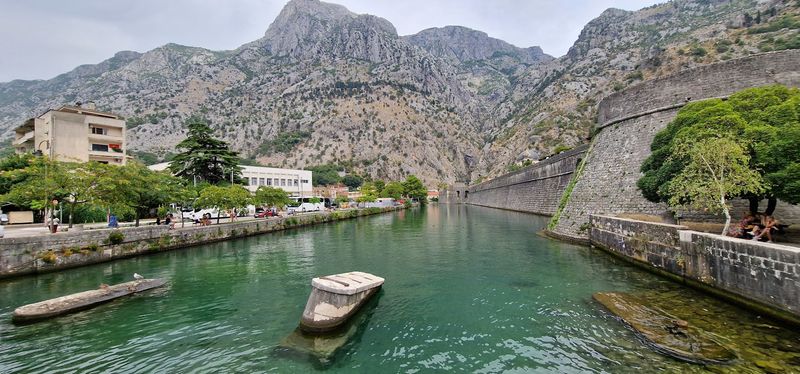
Montenegro is the kind of place that makes you stop scrolling through travel photos and actually book a flight. Tucked between Croatia and Albania on the Adriatic coast, this tiny country punches well above its weight when it comes to scenery.
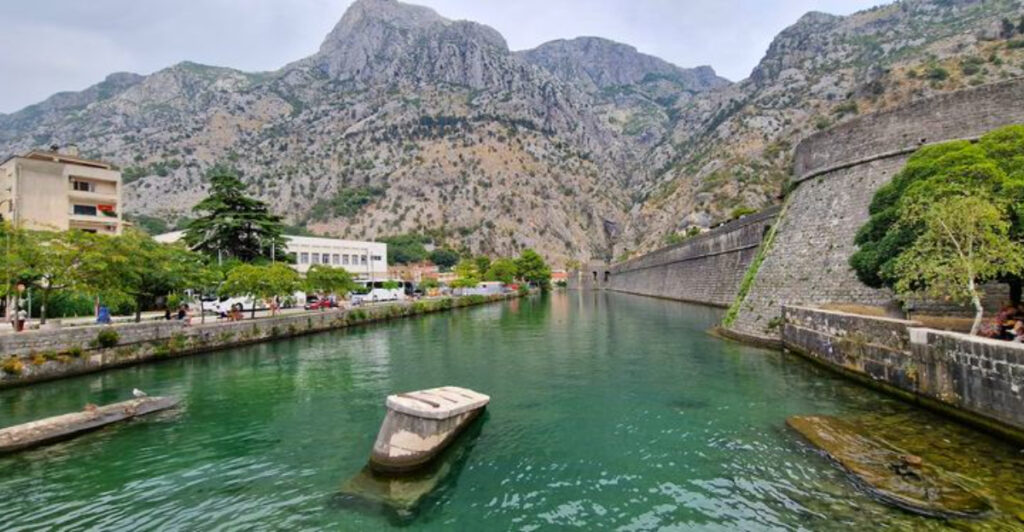
The Bay of Kotor alone, a dramatic fjord-like inlet ringed by medieval walls and jagged mountains, is one of the most stunning sights in all of Europe.
The walled city of Kotor is a UNESCO World Heritage Site that rewards curious visitors with narrow stone alleys, ancient churches, and rooftop views that stretch endlessly across the water. Durmitor National Park in the country’s interior offers a completely different experience, with glacial lakes, deep canyons, and some of the best white-water rafting on the continent.
The Tara River Canyon is the deepest canyon in Europe, and rafting through it is genuinely unforgettable.
Montenegro is still far less crowded than neighboring Croatia, which means you can enjoy world-class attractions without fighting through tour groups. Coastal towns like Perast and Budva have a relaxed, almost timeless atmosphere.
Prices remain reasonable, and the local seafood is outstanding. For American travelers seeking European beauty off the beaten path, Montenegro is an easy yes.
Georgia
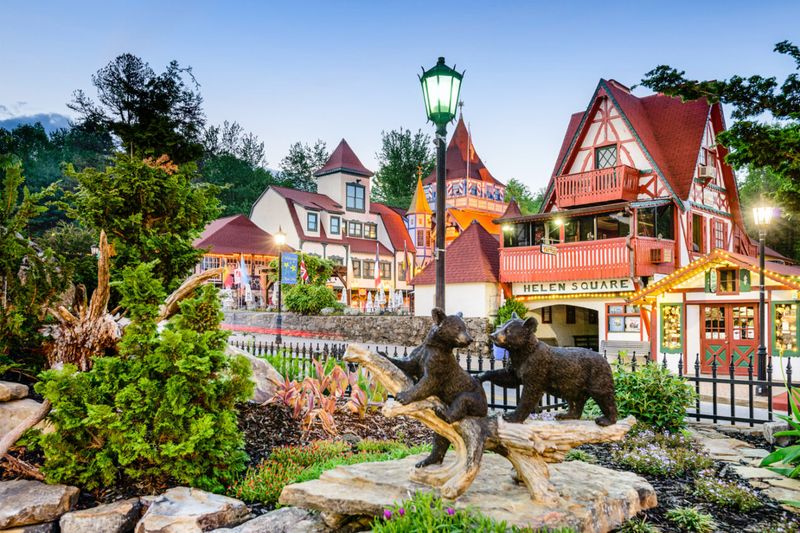
Georgia is one of those countries that makes experienced travelers say they wish they had found it sooner. Sitting at the crossroads of Europe and Asia, this small Caucasus nation blends ancient culture, stunning mountain scenery, and a food and wine tradition that dates back thousands of years.
Georgia is widely considered one of the oldest wine-producing regions on Earth, and locals take that legacy seriously.
Tbilisi, the capital, is a city unlike anywhere else. Its old town is a colorful patchwork of carved wooden balconies, Persian-style bathhouses, Orthodox churches, and art nouveau buildings all stacked together on steep hillsides.
The atmosphere feels both ancient and surprisingly hip, with a thriving cafe culture, live music scene, and some of the best food you’ll eat anywhere in the world.
Outside the city, the rewards keep coming. The Kazbegi region offers high-altitude villages, medieval monasteries perched dramatically on clifftops, and mountain views that rival the Swiss Alps.
The cave city of Vardzia, carved into a volcanic cliff face, is an extraordinary piece of history. Georgian hospitality is legendary, and visitors are often treated like honored guests from the moment they arrive.
Georgia is simply one of the world’s most underrated travel destinations.
North Macedonia
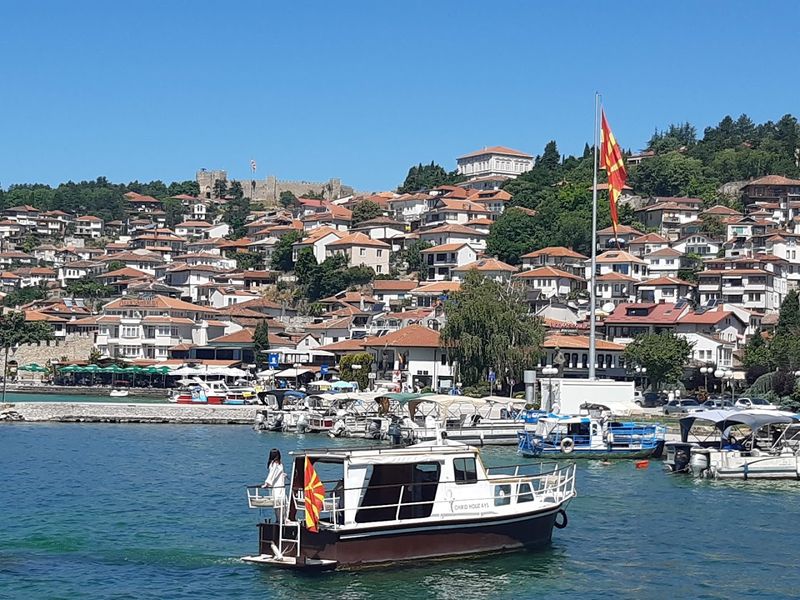
Lake Ohrid has been called the Jerusalem of the Balkans, and once you see it, the nickname starts to make perfect sense. North Macedonia’s crown jewel is a deep, ancient lake surrounded by Byzantine churches, medieval monasteries, and a charming old town that has been continuously inhabited for over three thousand years.
UNESCO recognized both the lake and the city of Ohrid as World Heritage Sites, and few places in Europe carry that kind of historical weight so gracefully.
North Macedonia is one of the most affordable countries in Europe, which makes it an especially smart choice for travelers watching their budget. A comfortable hotel room, a generous meal, and a glass of local wine can all be had for prices that feel almost laughably low compared to Western European standards.
The food scene is hearty and delicious, featuring grilled meats, fresh salads, and rich stews influenced by Ottoman and Mediterranean cooking traditions.
The capital city of Skopje is a curious and entertaining mix of ancient bazaars and over-the-top modern statues, giving it an atmosphere unlike any other European capital. Mountain ranges surrounding the country offer excellent hiking in summer and skiing in winter.
North Macedonia rewards curious travelers willing to step slightly off the familiar European tourist map with genuine warmth and remarkable value.
Uruguay
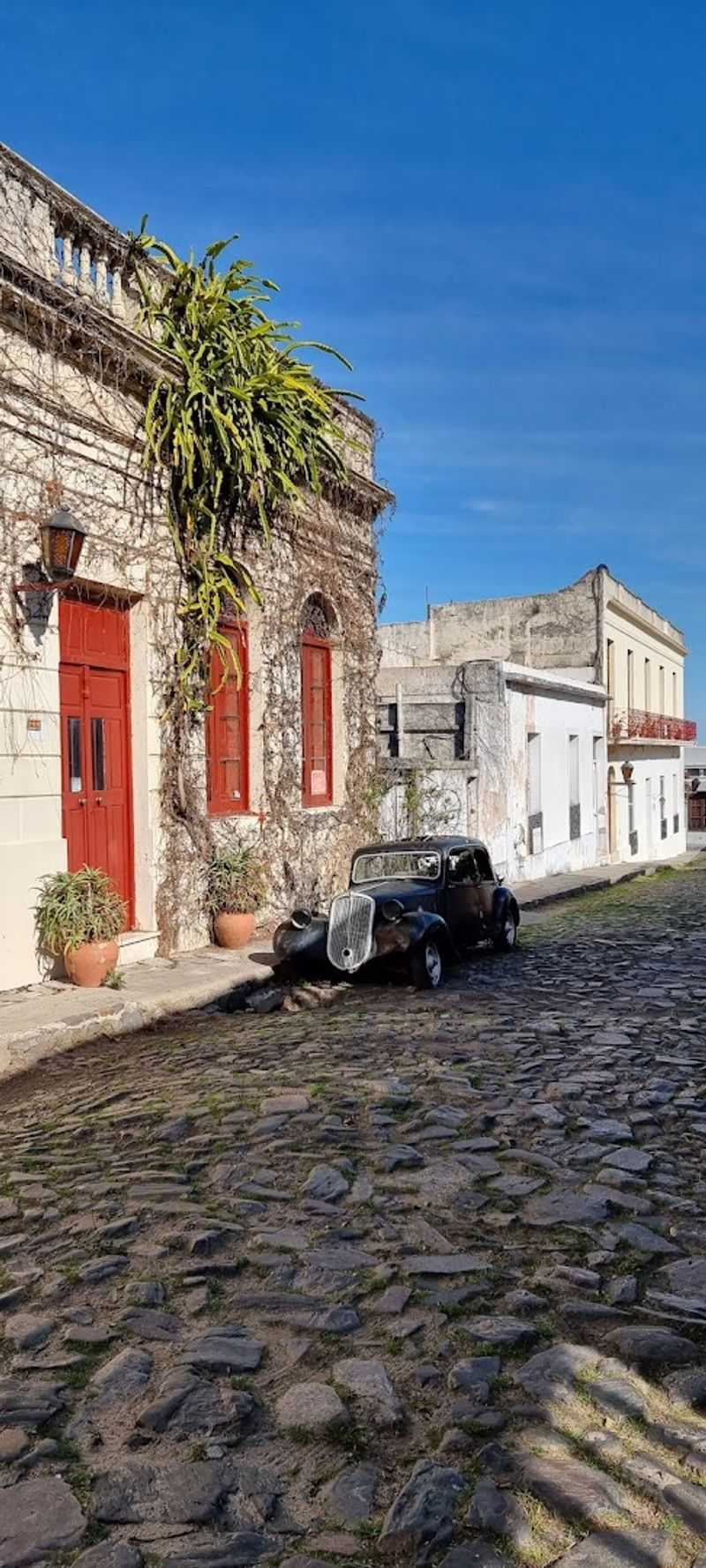
Sandwiched between the tourist giants of Argentina and Brazil, Uruguay quietly gets on with being one of South America’s most livable, lovable, and genuinely underrated countries. Most Americans have never seriously considered visiting, which is honestly their loss.
Uruguay offers Atlantic beaches, colonial towns, excellent wine, and a laid-back lifestyle that makes every visit feel like a long exhale.
Colonia del Sacramento is a UNESCO-listed colonial gem that sits right on the Rio de la Plata. Its cobblestone streets, colorful old buildings, and waterfront views are exactly what a romantic getaway looks like in real life.
Montevideo, the capital, is a relaxed and walkable city with a buzzing food market, a beautiful rambla waterfront promenade, and a cultural scene that punches well above its size.
Uruguay’s Atlantic coast is home to Punta del Este, a glamorous beach resort town that draws South American celebrities and jet-setters every summer. But beyond the glitz, quieter coastal towns like Jose Ignacio offer a more relaxed beach experience with world-class restaurants and charming boutique hotels.
Uruguay is also one of the most politically stable and progressive countries in South America. For travelers who want something different from the continent’s usual highlights, Uruguay is a refreshingly smart choice.
Namibia
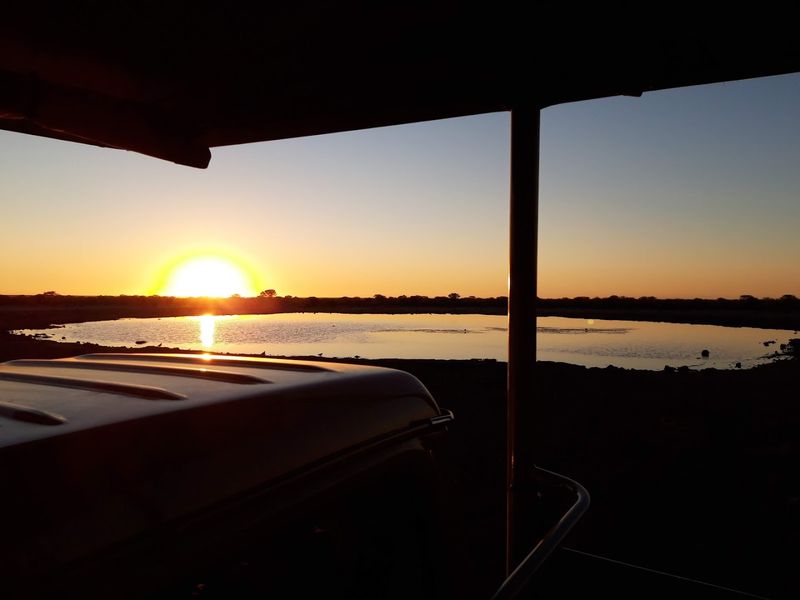
Namibia is the kind of place that makes you feel like you’ve landed on another planet, and that’s meant entirely as a compliment. The country’s Namib Desert is one of the oldest and most dramatic deserts on Earth, featuring enormous red sand dunes that glow like embers at sunrise and sunset.
Sossusvlei, where towering dunes surround a ghostly white clay pan dotted with dead trees, is one of the most photographed landscapes in all of Africa.
Etosha National Park is Namibia’s wildlife showpiece, centered around a massive salt pan where elephants, lions, rhinos, giraffes, and hundreds of bird species gather around waterholes. Because Namibia has a very small population spread across a huge country, wildlife viewing here often feels remarkably private compared to busier African safari destinations.
You might watch a lion stroll past at dawn without another vehicle in sight.
Namibia’s Skeleton Coast is one of the world’s most hauntingly beautiful and remote coastlines, where desert meets the cold Atlantic in a dramatic collision of fog, shipwrecks, and seal colonies. The country is also home to some of the darkest night skies on the planet, making stargazing an absolute revelation.
Namibia is a destination that stays with you long after you’ve returned home.
Kazakhstan
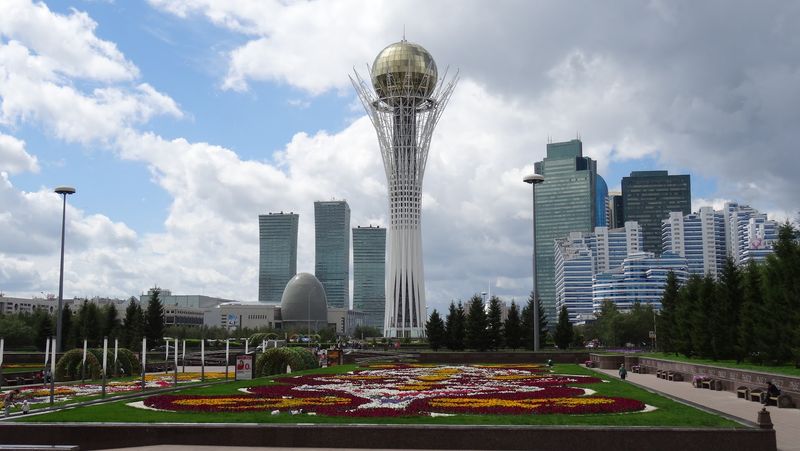
Most Americans couldn’t find Kazakhstan on a map, and that’s exactly why it’s such an exciting destination right now. Central Asia’s largest country is a land of staggering geographic variety, stretching from colorful canyons and alpine lakes to vast golden steppes and modern skyscraper-filled cities.
Kazakhstan is not just a novelty trip; it’s a genuinely spectacular destination that rewards curious travelers with experiences found nowhere else on Earth.
Charyn Canyon is often compared to the Grand Canyon, and while the comparison is flattering, it undersells Charyn’s own wild personality. The canyon’s red and orange rock formations glow brilliantly in the afternoon light, and hiking through the Valley of Castles feels like walking through a geology textbook brought dramatically to life.
The Kolsai Lakes, a series of three turquoise alpine lakes nestled in the Tian Shan mountains, are equally breathtaking and far less visited than they deserve to be.
The city of Almaty serves as a great base for outdoor adventures, with excellent restaurants, lively markets, and easy access to mountain hiking and skiing. Astana, the futuristic capital, is a fascinating collection of bold architecture that feels like it belongs in a science fiction film.
Kazakhstan is opening up to international tourism, and now is the perfect time to go before the crowds catch on.
Romania
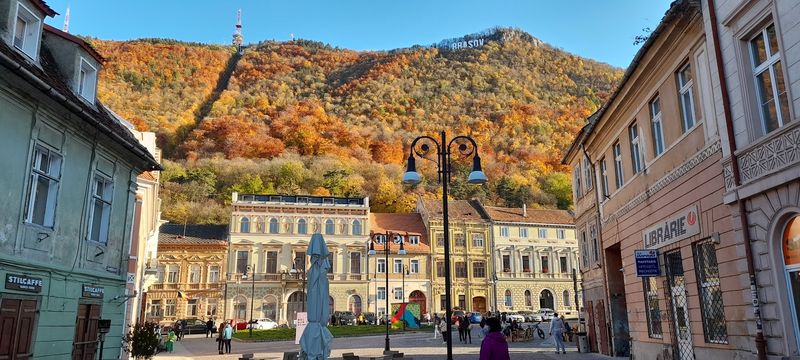
Romania has a bit of a reputation problem, and it’s almost entirely undeserved. Yes, Dracula is technically from here, but the real story of Transylvania is far richer and more interesting than any vampire legend.
Romania is home to stunning medieval towns, one of Europe’s most scenic mountain drives, ancient painted monasteries, and some of the continent’s last remaining old-growth forests. It’s a country that quietly outperforms nearly every expectation visitors bring to it.
The town of Brasov is a postcard-perfect medieval city nestled in the Carpathian Mountains, with a charming old town square, Gothic churches, and easy access to hiking trails and ski slopes. Nearby Sighisoara, a UNESCO-listed fortified town, is one of the best-preserved medieval citadels in all of Europe.
Sibiu is another gem, with a beautifully restored historic center and a reputation as one of Romania’s most livable cities.
Beyond the towns, Romania’s natural landscapes are extraordinary. The Transfagarasan Highway, often called one of the world’s greatest driving roads, winds through dramatic mountain scenery in a way that makes every curve feel cinematic.
The Danube Delta is a vast wetland paradise for birdwatchers. Prices throughout Romania are among the lowest in the European Union, making it one of the best-value destinations the continent has to offer.
Bosnia and Herzegovina
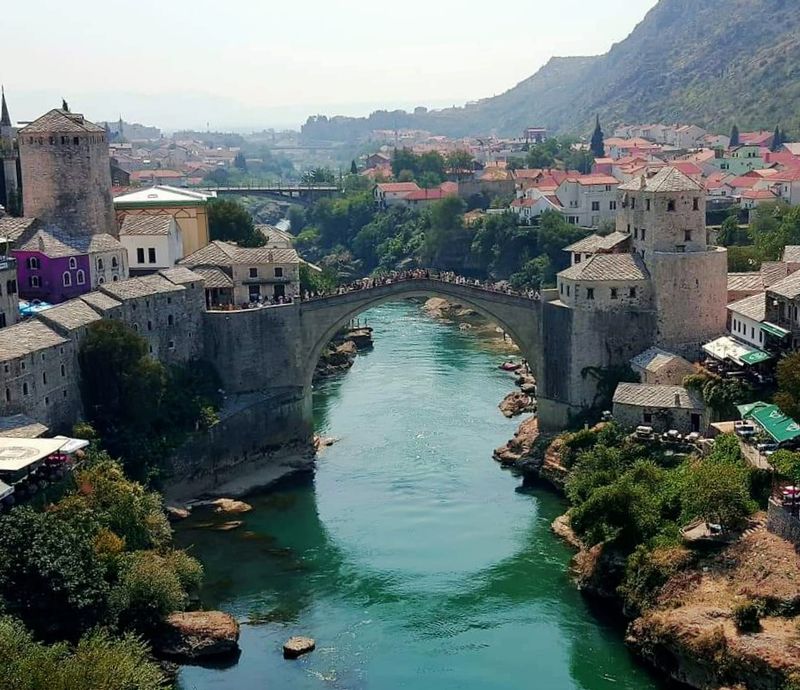
Bosnia and Herzegovina is one of Europe’s most fascinating and emotionally resonant destinations, carrying layers of history that few other countries can match. The country blends Ottoman, Austro-Hungarian, and Balkan cultures into something entirely its own, and that mix shows up in the architecture, food, music, and daily life in ways that are endlessly interesting to explore.
Sarajevo, the capital, hosted the 1984 Winter Olympics and has been reinventing itself ever since.
Sarajevo’s Bascarsija district is a wonderfully atmospheric Ottoman bazaar where you can sip strong Bosnian coffee, watch coppersmiths at work, and sample cevapi, the country’s beloved grilled meat dish, at a tiny neighborhood restaurant. The city’s history is complex and sometimes heavy, but exploring it feels genuinely important, and the locals carry it with remarkable dignity and openness.
Mostar’s iconic Old Bridge, a 16th-century Ottoman arch over the brilliant turquoise Neretva River, is one of the most beautiful sights in all of Europe. Watching local divers leap from the bridge into the river below is a thrilling and unforgettable experience.
The Una and Neretva rivers also offer excellent rafting through emerald gorges. Bosnia and Herzegovina is affordable, authentic, and deeply rewarding for travelers willing to look beyond the obvious European destinations.
Share this story