Europe is home to some of the most jaw-dropping lakes on the planet, from glassy alpine waters tucked between mountain peaks to ancient lakes bursting with rare wildlife. Whether you love hiking, swimming, sightseeing, or simply soaking in gorgeous views, there is a European lake perfectly suited for you.
Some of these lakes are world-famous while others quietly wait to be discovered by curious travelers. Get ready to add a few new destinations to your bucket list.
Lake Bled, Slovenia
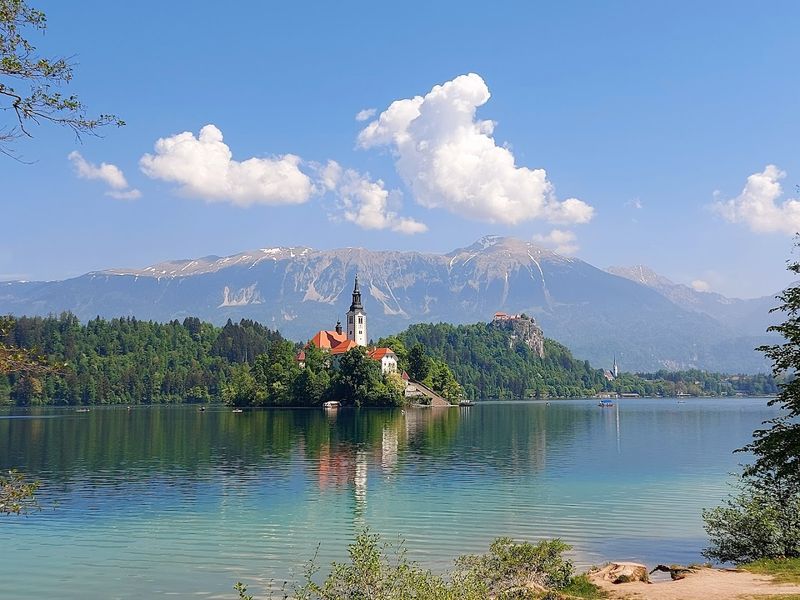
Floating in the middle of a lake sounds like something out of a fairy tale, but at Lake Bled, it is completely real. A tiny island sits at the heart of this emerald Slovenian gem, crowned by a white church whose bell tower pokes above the treetops.
Visitors row out to the island on wooden boats called pletnas, a tradition that has survived for centuries and still feels wonderfully timeless.
Perched dramatically on a rocky cliff above the water, Bled Castle offers sweeping panoramic views that will genuinely make your jaw drop. The Julian Alps form a jagged snowy backdrop that photographers absolutely cannot resist.
Sunrises here turn the water into a glowing mirror of pink and gold.
The surrounding town of Bled is small, charming, and surprisingly easy to explore on foot. Try the famous kremna rezina, a rich vanilla cream cake that locals take very seriously.
Lake Bled is one of those places that looks better in person than in any photo, which is truly saying something.
Lake Como, Italy
George Clooney chose Lake Como as his personal retreat, and honestly, it is hard to argue with his taste. This long, narrow lake in northern Italy has been a playground for the wealthy and the artistic since Roman times, drawing everyone from writers to royalty to its silky blue shores.
The sheer elegance of the place hits you the moment you step off the ferry.
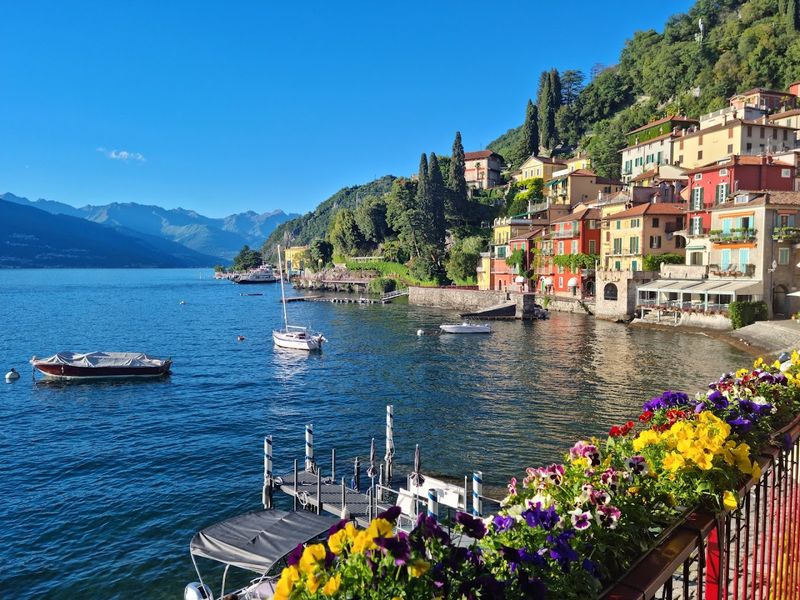
Bellagio, often called the pearl of the lake, sits at the point where Como splits into two branches. Its narrow cobblestone streets, flower-draped balconies, and lakefront promenades feel like a movie set that someone forgot to pack up.
Varenna is equally gorgeous and slightly less crowded, making it a smarter choice for visitors who prefer breathing room.
Boat tours are the best way to experience Como properly because the lake stretches 46 kilometers and hides countless hidden coves and grand villas along its shores. The mountains rise steeply on all sides, creating dramatic scenery that changes color with every passing hour of light.
Spring and early autumn are the sweetest times to visit before the summer crowds arrive.
Plitvice Lakes, Croatia
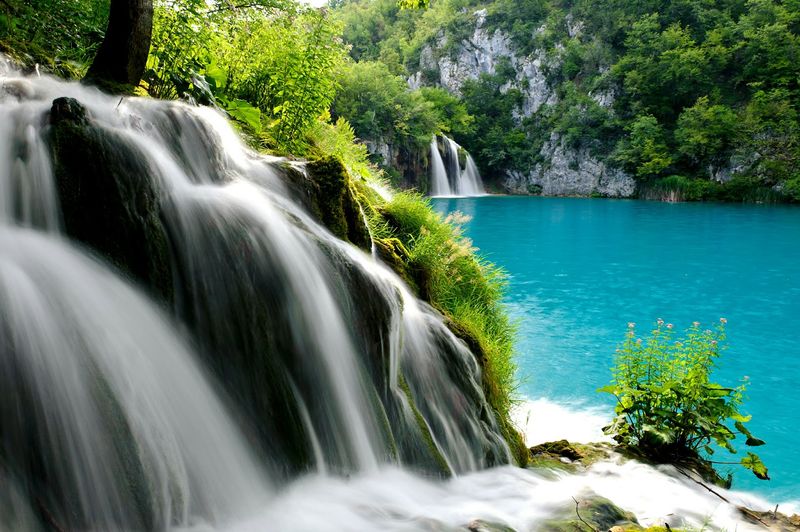
Sixteen lakes connected by over ninety waterfalls sounds like an exaggeration until you actually stand there watching turquoise water tumble over limestone ledges in every direction. Croatia’s Plitvice Lakes National Park is one of those rare places where nature seems to be showing off on purpose.
The color of the water shifts between brilliant teal, jade green, and deep blue depending on the minerals below and the angle of the sunlight above.
Wooden boardwalks wind directly over and beside the cascades, putting you right in the middle of the action. You can hear the rush of water, feel the cool mist on your face, and watch tiny fish dart through crystal-clear shallows just beneath your feet.
It is an almost overwhelming sensory experience in the best possible way.
The park earned its UNESCO World Heritage status back in 1979 and has protected this remarkable landscape ever since. Winter visits reveal an entirely different mood, with frozen waterfalls and snow-covered trees creating an almost eerie, magical silence.
Arrive early in the morning to beat the crowds and catch the mist rising off the upper lakes in the soft morning light.
Lake Geneva, Switzerland and France
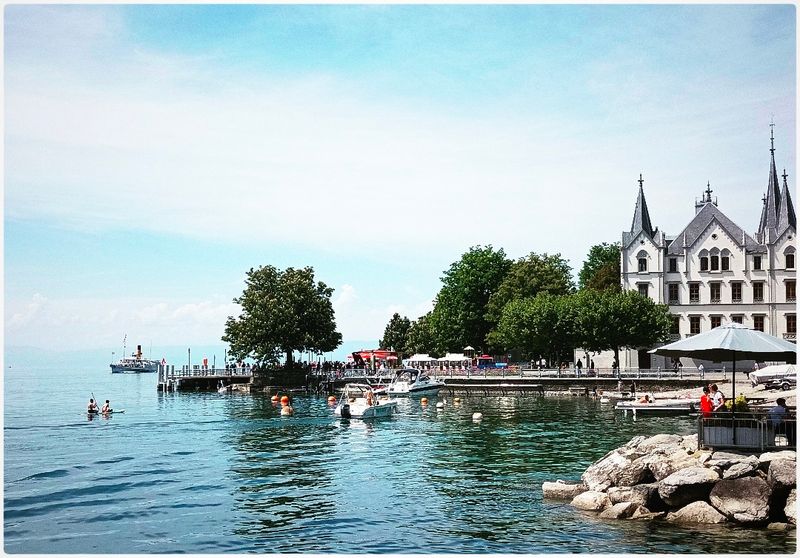
Straddling the border between Switzerland and France, Lake Geneva is basically Europe’s overachiever of scenic lakes. It is one of the continent’s largest bodies of freshwater, stretching 73 kilometers between Geneva and Montreux, and it somehow manages to pack vineyards, castles, jazz festivals, and mountain views all into one spectacular package.
Geneva’s famous Jet d’Eau fountain shoots water 140 meters into the air above the lake’s western tip, which is an unexpectedly dramatic introduction to such an elegant city. The lakeside promenades are immaculately kept, lined with flower beds and park benches where people sit watching the Alps reflect on the water.
Lausanne and Montreux add their own distinct personalities along the northern shore.
The Lavaux wine region, a UNESCO-listed series of terraced vineyards above the lake, is one of Switzerland’s most underrated attractions. Walking through the vines with the lake glittering below is a genuinely memorable afternoon activity.
Scenic boat cruises connect the major towns and offer the most relaxed way to appreciate the full scale and beauty of this remarkable lake shared by two countries.
Lake Bohinj, Slovenia
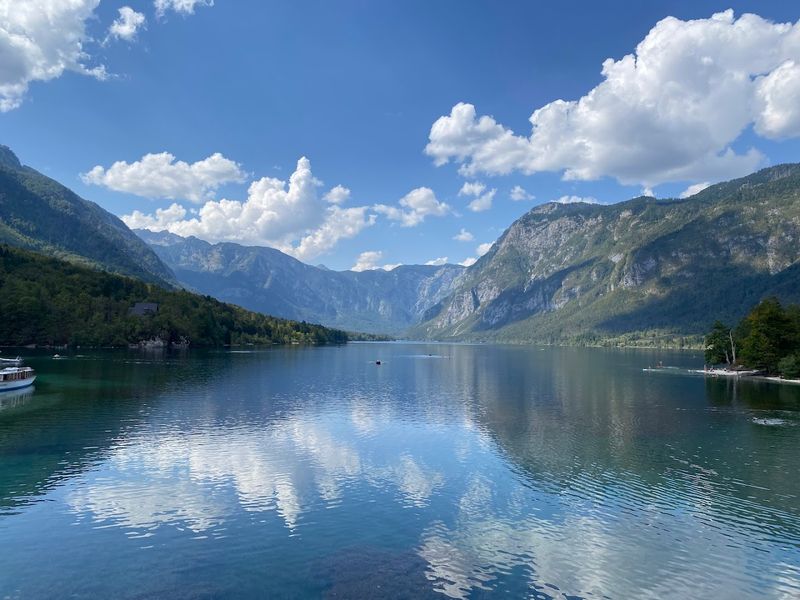
While its flashier neighbor Lake Bled gets all the Instagram attention, Lake Bohinj quietly sits just 26 kilometers away offering something far more precious: genuine peace. Tucked inside Triglav National Park, Bohinj is Slovenia’s largest permanent lake and arguably its most naturally beautiful.
There are no island churches or cliff castles here, just raw alpine scenery that feels completely undisturbed.
Hikers love Bohinj because the surrounding mountains offer trails for every fitness level, from gentle lakeside walks to serious summit climbs. The Savica Waterfall is a popular short hike from the lake’s western end and rewards walkers with a dramatic 78-meter cascade crashing through a narrow gorge.
Cable cars also lift visitors up to the Vogel ski resort for panoramic views that stretch deep into the Alps.
Swimming in Bohinj during summer is refreshingly cold and wildly invigorating. The water is incredibly clear, and the lake bottom is visible at surprising depths near the shore.
Unlike Bled, Bohinj never feels overrun, which makes it a favorite among travelers who want authentic Slovenian mountain scenery without the selfie-stick crowds. Mornings here are quietly spectacular.
Hallstatt Lake, Austria
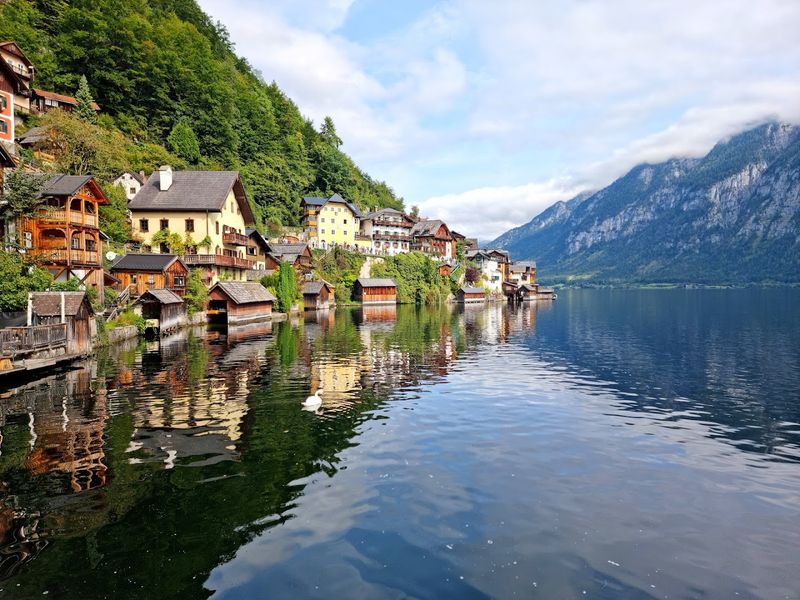
There is a town in China built entirely as a replica of Hallstatt because the original was considered too beautiful to be exclusive to Austria. That level of flattery tells you everything you need to know about this astonishing lakeside village.
Hallstatt clings to a narrow strip of land between a sheer mountain wall and the mirror-still waters of Hallstattersee, looking exactly like a painting that someone forgot to frame.
The village dates back over 7,000 years, making it one of the oldest continuously inhabited settlements in the world. Salt mining brought wealth here long before tourism arrived, and the nearby Salzwelten salt mine is the oldest in the world and still open for fascinating guided tours.
History and scenery combine here in a way that feels almost unfair to other destinations.
Misty autumn mornings are particularly magical at Hallstatt when low clouds drift between the mountains and the lake surface reflects the colorful facades of the historic buildings. The village is small enough to walk end to end in about fifteen minutes, so take your time exploring every alley and lakefront viewpoint.
Visiting on a weekday helps avoid the considerable weekend crowds that this village rightfully attracts.
Lake Ohrid, North Macedonia and Albania
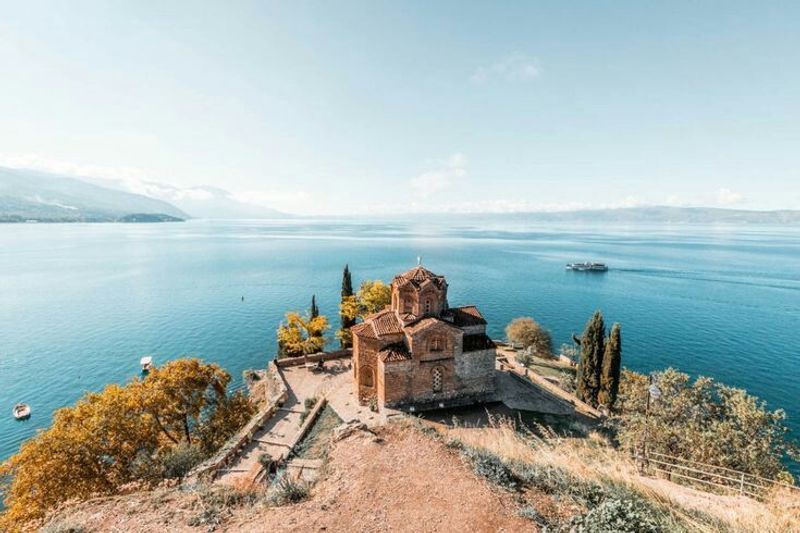
Scientists estimate that Lake Ohrid is somewhere between one and three million years old, making it one of the most ancient lakes on Earth and a living laboratory for evolutionary biology. Over 200 endemic species live in its waters, including unique trout and sponges found absolutely nowhere else on the planet.
That is why researchers nicknamed it the Galapagos of Europe, and the comparison is not an exaggeration.
Beyond the biology, Ohrid is strikingly beautiful in a way that feels ancient and timeless. The UNESCO-listed old town of Ohrid rises above the Albanian-blue water, packed with Byzantine churches, Roman amphitheaters, and medieval monasteries that have somehow survived millennia of history.
The Church of St. John at Kaneo, perched dramatically on a cliff above the lake, is among the most photographed spots in the entire Balkans region.
Swimming in Ohrid is a genuine pleasure because the water is clean, calm, and warm enough during summer months for long lazy swims. The Albanian side of the lake, particularly the village of Lin, is far less visited and rewards adventurous travelers with empty beaches and extraordinary views.
Ohrid is one of Europe’s greatest underrated destinations and deserves far more attention than it currently receives.
Konigssee, Germany
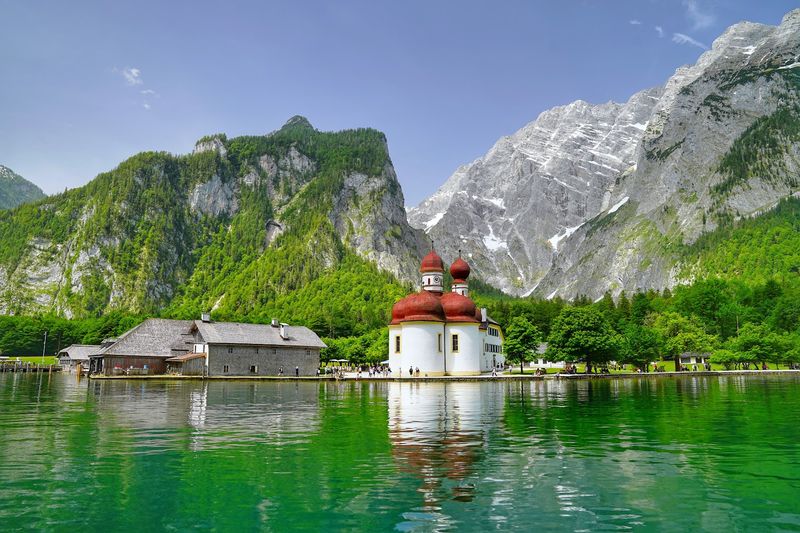
Forget everything you think you know about German landscapes because Konigssee looks like Bavaria accidentally borrowed a Norwegian fjord and decided to keep it. Sheer rock walls rise hundreds of meters straight from the emerald water, making the lake feel enclosed, dramatic, and slightly otherworldly.
Located in Berchtesgaden National Park right on the Austrian border, this is one of Germany’s most striking natural spectacles.
Only electric boats are permitted on the lake, which keeps the water exceptionally clean and the atmosphere wonderfully quiet. Boat captains have a tradition of stopping mid-lake to play a trumpet note toward the cliff walls, creating a natural echo that bounces back with surprising clarity.
It is a small theatrical moment that visitors consistently remember long after returning home.
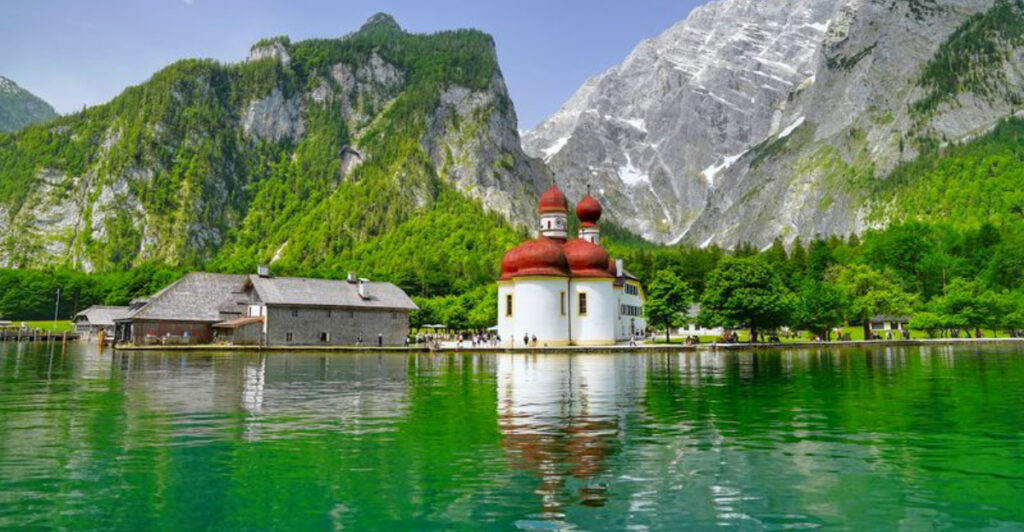
The red-domed St. Bartholoma church sits on a small peninsula halfway along the lake, accessible only by boat and surrounded by mountains on three sides. Hiking trails from the boat landing lead up to the Watzmann glacier and offer views that require no description beyond the word spectacular.
Visit in autumn when the surrounding forests turn golden and the reflections in the calm water reach their absolute peak of beauty.
Lake Annecy, France
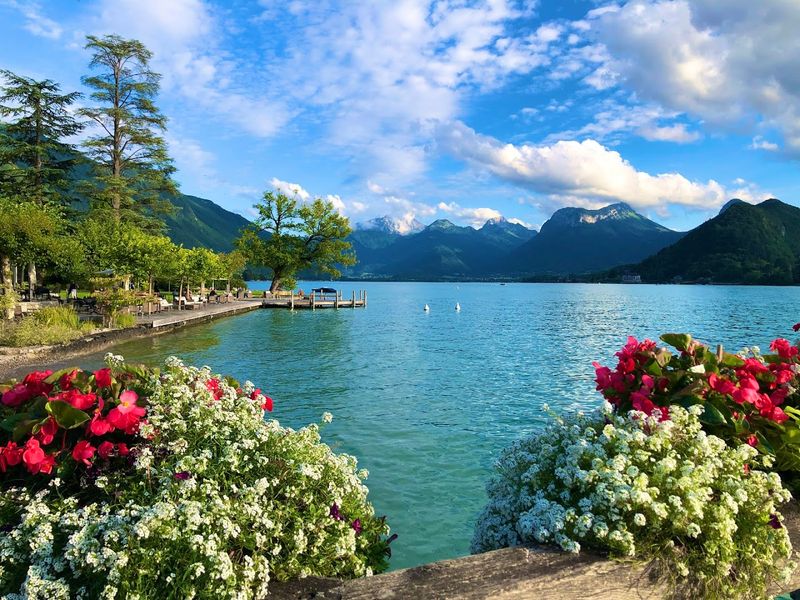
Voted the cleanest lake in Europe more than once, Lake Annecy in southeastern France earns that title through decades of strict environmental rules that banned industrial activity and controlled development around its shores. The result is water so clear and so brilliantly turquoise that first-time visitors often assume they are looking at a swimming pool.
Spoiler: it is definitely not a pool, but swimming here is absolutely wonderful.
The medieval town of Annecy sits at the northern tip of the lake and adds serious charm to the already breathtaking natural scenery. Canals run through the old town, flower boxes hang from ancient stone bridges, and a 12th-century castle watches over everything from a small hill.
Locals call Annecy the Venice of the Alps, which sounds like tourist hype until you actually walk through it.
A 22-kilometer cycling and walking path circles the entire lake, offering non-stop views of the water and surrounding mountains from every angle. Paragliding from the peaks above the lake is a popular and genuinely thrilling option for visitors seeking more than just scenery.
July brings the Festival of the Lake, a spectacular fireworks display over the water that draws enormous crowds for very good reason.
Loch Lomond, Scotland
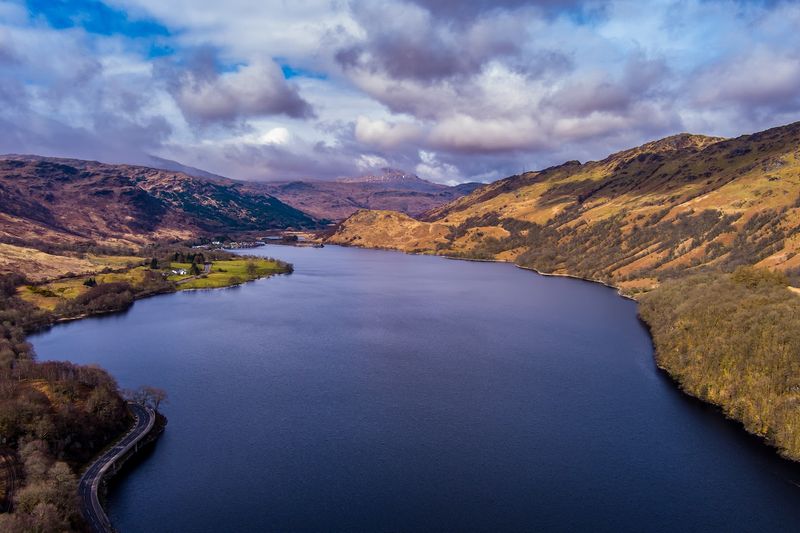
The famous Scottish song about the bonnie banks of Loch Lomond has been sung for centuries, and standing at the water’s edge, it is very easy to understand why someone felt compelled to write it. Britain’s largest lake by surface area stretches 39 kilometers through the Scottish Highlands, dotted with 37 islands, framed by ancient oak forests, and overlooked by the imposing peak of Ben Lomond rising 974 meters above the southern shore.
Loch Lomond sits at the heart of Scotland’s first national park, established in 2002 to protect this extraordinary landscape from overdevelopment. Kayaking through the islands is one of the finest ways to experience the loch because the water is calm in the south and wilder further north where the landscape becomes progressively more dramatic.
Wildlife spotters regularly see red squirrels, ospreys, and red deer along the wooded shoreline.
The village of Luss on the western bank is postcard-pretty with stone cottages and a small pebble beach perfect for an afternoon paddle. Moody weather, which Scotland delivers reliably, actually enhances the atmosphere here rather than diminishing it.
Mist rolling across the water between forested hills creates a brooding Highland atmosphere that no sunny postcard could ever fully capture.
Share this story