Greece is famous for the Acropolis, Santorini sunsets, and crowded island beaches, but the country hides some truly remarkable UNESCO World Heritage Sites that most tourists never see. From ancient ruins perched on cliffsides to medieval ghost towns frozen in time, these places tell stories just as powerful as the famous ones.
Whether you love history, architecture, or just want to explore somewhere peaceful and breathtaking, these hidden gems are well worth the trip. Pack your curiosity and some comfortable walking shoes, because Greece is about to surprise you.
Mystras, Peloponnese
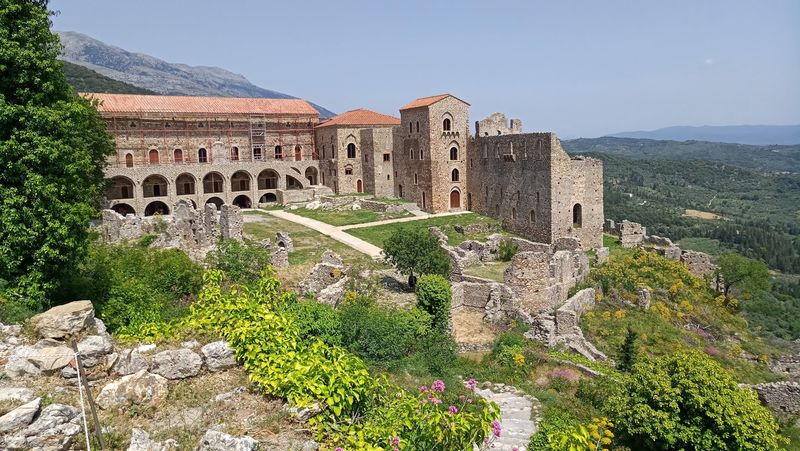
Imagine stumbling upon an entire abandoned city clinging to a mountainside, its stone walls glowing in the morning light like something out of a forgotten fairy tale. That is exactly what Mystras feels like.
Built into the slopes of Mount Taygetus near Sparta, this UNESCO-listed Byzantine city was once a thriving capital full of scholars, artists, and emperors.
Crumbling palaces, ornate churches, and winding stone paths fill the hillside, all remarkably intact considering the site has been empty for centuries. The frescoes inside some of the churches are still vivid with color, which feels almost impossible given their age.
Historians consider Mystras one of the last great centers of Byzantine culture before the fall of Constantinople in 1453.
Unlike Athens or Santorini, crowds here are minimal, meaning you can actually hear the wind moving through the ruins. The panoramic views over the green valley below are genuinely cinematic.
Early mornings are the best time to visit when the light is soft and the site feels entirely yours. Mystras is one of those places that quietly rewrites your understanding of Greek history.
Philippi, Eastern Macedonia
Founded by Philip II of Macedon in 356 BC and named after himself with zero modesty, Philippi is one of Greece’s most historically layered cities. The site earned UNESCO recognition in 2016, yet international tourists still largely skip it, which honestly works in your favor.
You get to wander through massive ruins with barely another soul around.
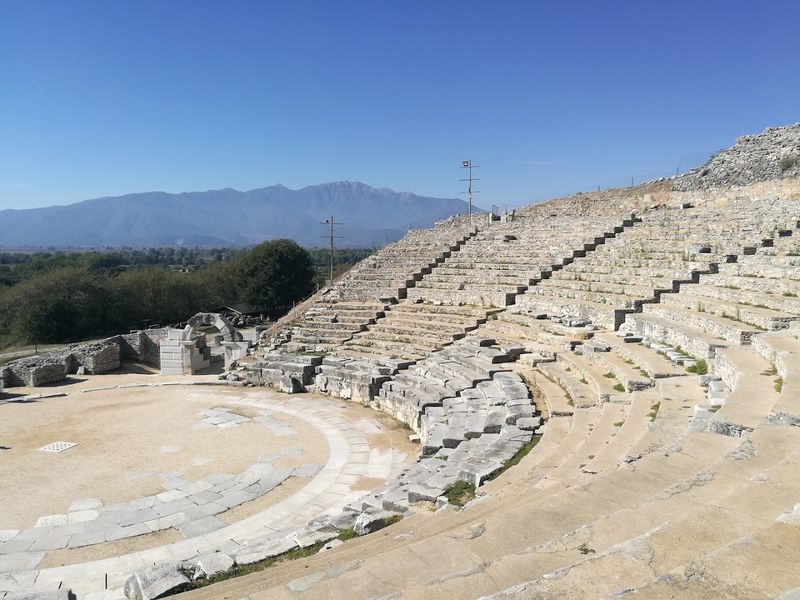
The archaeological site spreads across a broad, open landscape filled with Roman forums, an ancient amphitheater still used for performances today, early Christian basilicas, and beautifully carved stone remains. Philippi also holds deep significance for early Christianity.
The Apostle Paul visited the city around 49 AD, making it the first place in Europe where he preached the Christian gospel.
That combination of ancient Greek, Roman, and early Christian history layered into one site is genuinely rare. The amphitheater alone is worth the trip, with its carved stone seating and mountain backdrop creating an almost theatrical atmosphere.
Visiting in the late afternoon when the light turns golden across the stone columns is a highlight most people miss entirely. Philippi rewards the curious traveler with history that feels both vast and surprisingly personal.
Delos, Cyclades Islands
Nobody lives on Delos. Not a single permanent resident.
And yet this tiny island in the Cyclades was once considered the most sacred place in the entire ancient Greek world. According to mythology, it was the birthplace of Apollo, god of the sun, and his twin sister Artemis, goddess of the hunt.
That is some serious real estate history.
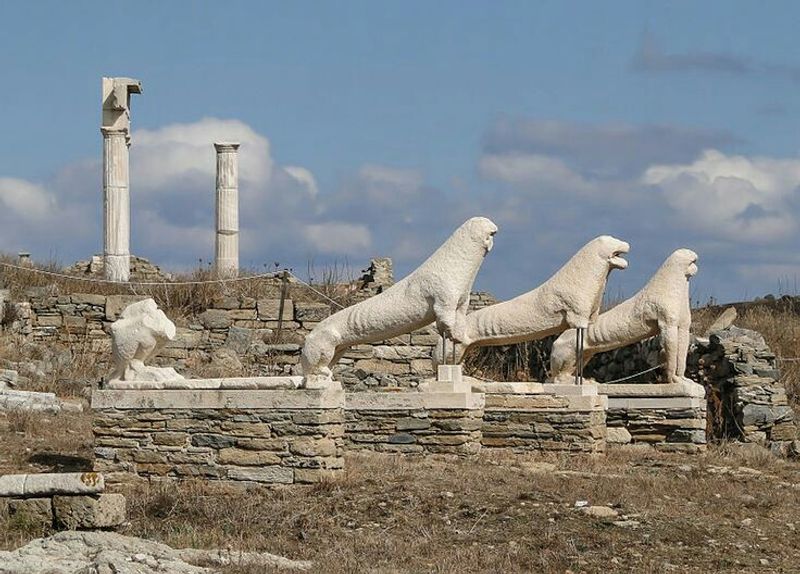
Today, Delos functions as a vast open-air archaeological museum. Ancient temples, marble lions, mosaic floors, and stone-paved streets stretch across the island under the bright Aegean sun.
The famous Terrace of the Lions, a row of carved marble lion statues guarding the sacred lake, is one of the most iconic ancient sculptures in all of Greece. Most visitors arrive by short ferry from nearby Mykonos, spend a few hours exploring, and leave before sunset.
Because nobody stays overnight, the island has an eerie, almost sacred stillness once the day-trippers depart. The views across the surrounding Cycladic islands from the hill of Kynthos are extraordinary and completely crowd-free.
Delos gets fewer visitors than it deserves, which makes every visit feel like a private audience with ancient history. Bring water and sunscreen because shade is scarce.
Meteora’s Lesser-Visited Monasteries, Thessaly
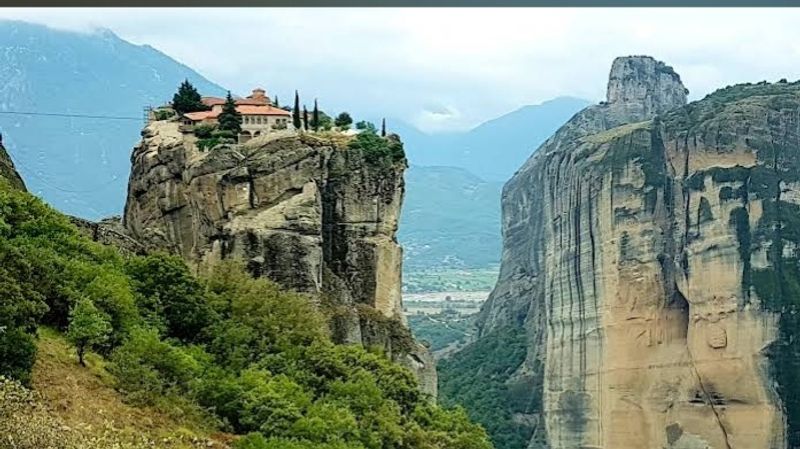
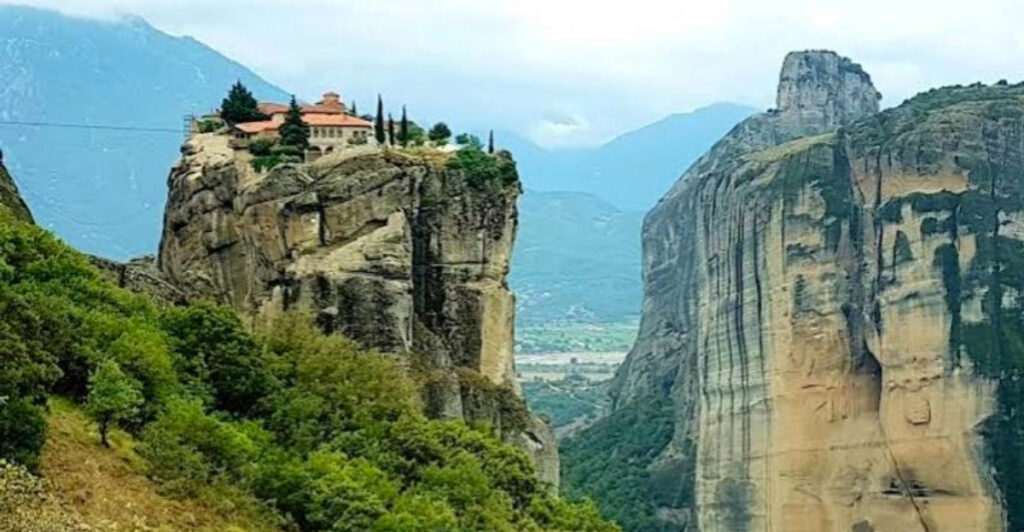
Meteora already has a reputation as one of Greece’s most jaw-dropping landscapes, but here is what the travel brochures do not always mention: not all six monasteries get equal foot traffic. The two or three most famous ones can feel genuinely crowded, while others just a short drive away offer the same impossible scenery with a fraction of the visitors.
Rock pillars rise hundreds of meters from the valley floor, and monasteries sit perched on their summits like something an architect dreamed up after a very ambitious afternoon. Monks and nuns have lived in these sky-high sanctuaries since the 14th century, which still seems like an incredible life choice.
The quieter monasteries, including Roussanou and Agios Nikolaos Anapafsas, offer genuinely peaceful visits where you can actually pause and absorb the surroundings.
Sunrise and sunset visits to the viewpoints near the smaller monasteries are particularly magical. The valley below fills with soft light while the rock formations cast long dramatic shadows.
Dress modestly when visiting since these are active religious sites with real rules about appropriate clothing. Meteora is the kind of place that makes even seasoned travelers stop mid-sentence and forget what they were saying.
Ancient Messene, Peloponnese
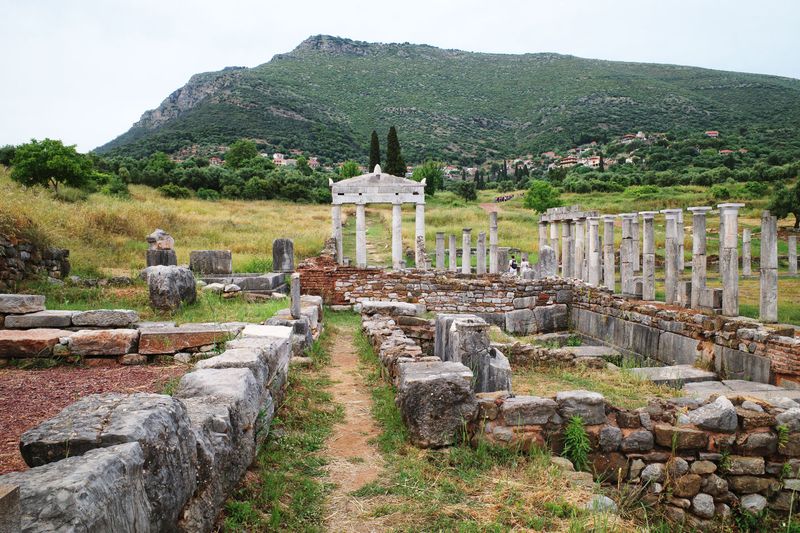
Archaeologists who have worked across Greece often quietly point to Ancient Messene as one of the most underrated sites on the entire peninsula. Built in 369 BC after the Messenians were finally freed from Spartan rule, the city was constructed fast and built to impress.
The result is a remarkably well-preserved ancient urban landscape that most tourists drive right past on their way to Kalamata.
Wandering through the site feels genuinely free. There are no roped-off zones forcing you along a single path, no overwhelming crowds, and no audio guide telling you where to look.
You can walk alongside the massive city walls, explore the ancient theater, wander through the stadium, and peek into temples at your own relaxed pace. The scale of the site is surprising, covering a large area that takes a good couple of hours to explore properly.
The mountain setting adds real drama to the whole experience. Steep green hillsides frame the ruins on multiple sides, and on clear days the views toward the coast are spectacular.
A small on-site museum holds many of the statues and artifacts found during excavations, adding useful context to what you see outside. Ancient Messene is the kind of discovery that makes travelers feel genuinely clever for finding it.
Hosios Loukas Monastery, Central Greece
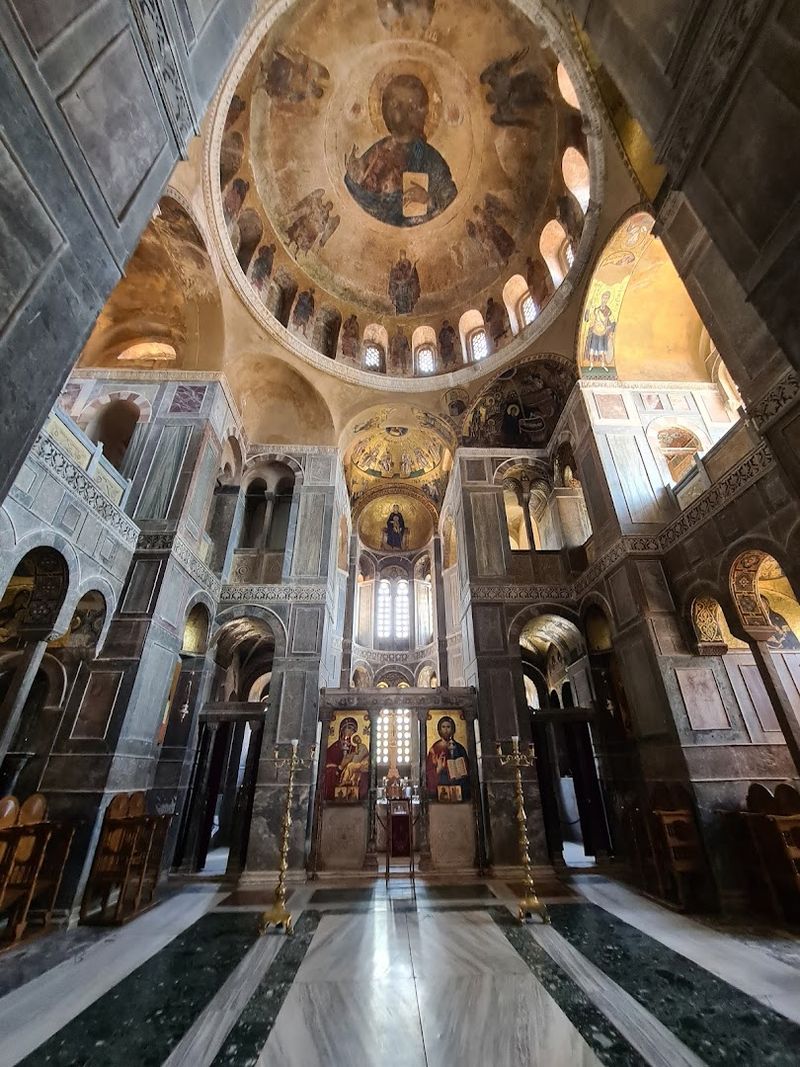
Tucked into a quiet valley in Central Greece between Delphi and the town of Distomo, Hosios Loukas is the kind of place that stops you cold the moment you walk through its gates. The monastery was built in the 10th and 11th centuries and is considered one of the finest surviving examples of Middle Byzantine architecture anywhere in the world.
That is not an exaggeration.
The mosaics inside the main church are breathtaking. Gold, deep blue, and rich earthy tones cover the domes and walls in intricate religious scenes that have survived over a thousand years.
The craftsmanship is so detailed and the colors so vivid that it genuinely feels wrong to rush past them. Most visitors who discover Hosios Loukas describe it as one of their most memorable experiences in Greece, which makes its low visitor numbers even more puzzling.
The monastery sits surrounded by olive trees and hillside gardens, giving the whole complex an atmosphere of deep, unhurried peace. Two adjoining churches stand side by side, each with distinct architectural character worth exploring separately.
Visiting in the morning when soft light enters through the upper windows and illuminates the gold mosaics is a genuinely moving experience. Hosios Loukas deserves far more recognition than it currently receives.
Pythagoreion and Heraion of Samos
Samos Island is best known as the birthplace of the mathematician Pythagoras, the man responsible for the triangle theorem that haunted many of us through school. But the island’s UNESCO designation covers something even grander than one famous mathematician.
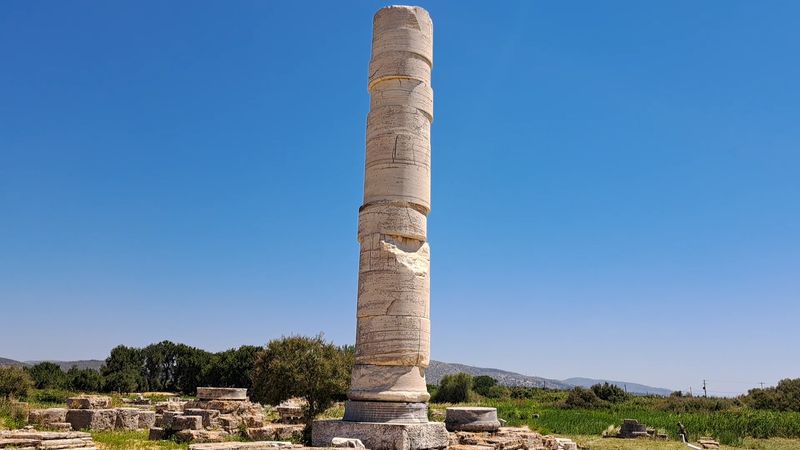
The Heraion of Samos was once one of the largest temples ever built in the ancient Greek world, dedicated to the goddess Hera and covering an area so vast it rivaled the great temples of Egypt.
Today, only a single column remains standing at the Heraion site, but the scale of the foundations and the surrounding ruins still communicates just how enormous the original structure was. Walking across the site while imagining the full temple towering above requires no particular effort since the footprint alone is staggering.
Pythagoreion, the ancient harbor city nearby, adds Roman baths, city walls, and an ancient theater to the experience.
The two sites together offer a full day of easy, unhurried exploration without the exhaustion of larger archaeological parks. Samos also happens to be a genuinely beautiful island with excellent local wine and friendly villages that make the trip feel like a complete holiday rather than just a historical detour.
Getting there by ferry from Athens or nearby islands is straightforward and scenic.
Byzantine Monuments of Thessaloniki
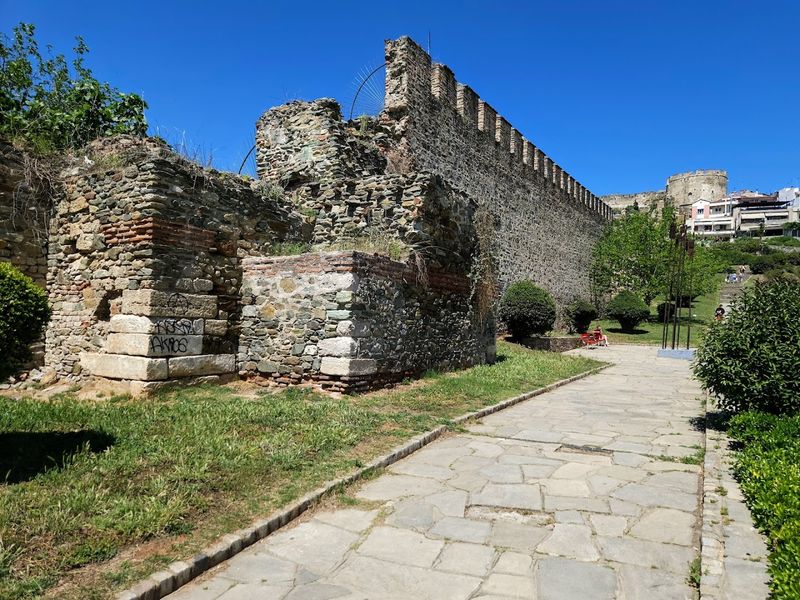
Thessaloniki is Greece’s second-largest city and has a reputation for great food, lively nightlife, and a relaxed urban vibe. What surprises many first-time visitors is the extraordinary collection of UNESCO-listed Byzantine monuments hiding in plain sight across the city.
Fifteen early Christian and Byzantine monuments earned World Heritage status in 1988, yet they remain remarkably uncrowded even during peak tourist season.
Churches like the Rotunda, originally built by Roman Emperor Galerius around 300 AD, and the Hagia Sophia of Thessaloniki, a smaller cousin to the famous Istanbul original, contain mosaics and architectural details that would be headline attractions in almost any other European city. Wandering between them on foot reveals a city layered with Roman, Byzantine, and Ottoman history all stacked on top of each other in the most fascinating way.
Unlike standalone archaeological sites, these monuments are woven into everyday city life. You might walk out of a stunning 5th-century basilica and step directly into a busy street market.
That contrast between ancient and modern feels uniquely alive in Thessaloniki. The city also has some of the best food in Greece, so combining a morning of Byzantine church-hopping with a long lunch in the old market district is a very good plan.
Sanctuary of Asklepios at Epidaurus
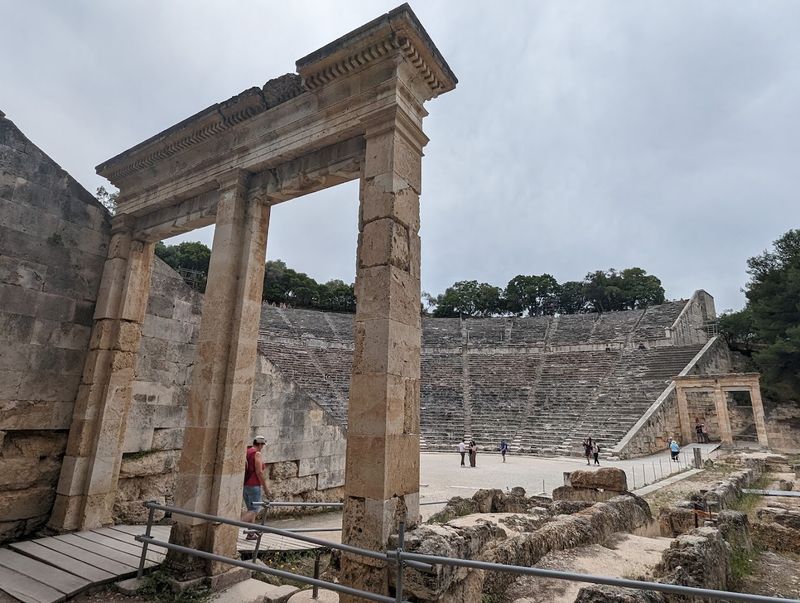
Drop a coin in the center of the orchestra at Epidaurus and someone sitting in the very last row, high up the hillside, will hear it clearly. The acoustics of this ancient theater are so precise and consistent that modern engineers still study them trying to figure out exactly how the ancient Greeks achieved it.
Built in the 4th century BC, the theater seats up to 14,000 people and remains one of the best-preserved ancient performance spaces in existence.
Most visitors come specifically for the theater, but the surrounding sanctuary dedicated to Asklepios, the god of medicine, is equally fascinating. Ancient Greeks traveled from across the Mediterranean world to this site seeking healing, sleeping in special rooms hoping the god would send them curative dreams.
The site functioned as a combination hospital, spa, and religious center, which sounds surprisingly modern in concept.
Pine-covered hills surround the entire sanctuary, filling the air with a clean, resinous scent that makes the whole experience feel refreshing rather than exhausting. The small on-site museum displays surgical tools, votive offerings, and inscriptions left by grateful patients centuries ago.
Visiting during one of the summer performances at the ancient theater, when the acoustics do their extraordinary work, is an experience that is genuinely hard to put into words.
Patmos, Historic Centre and Monastery of Saint John
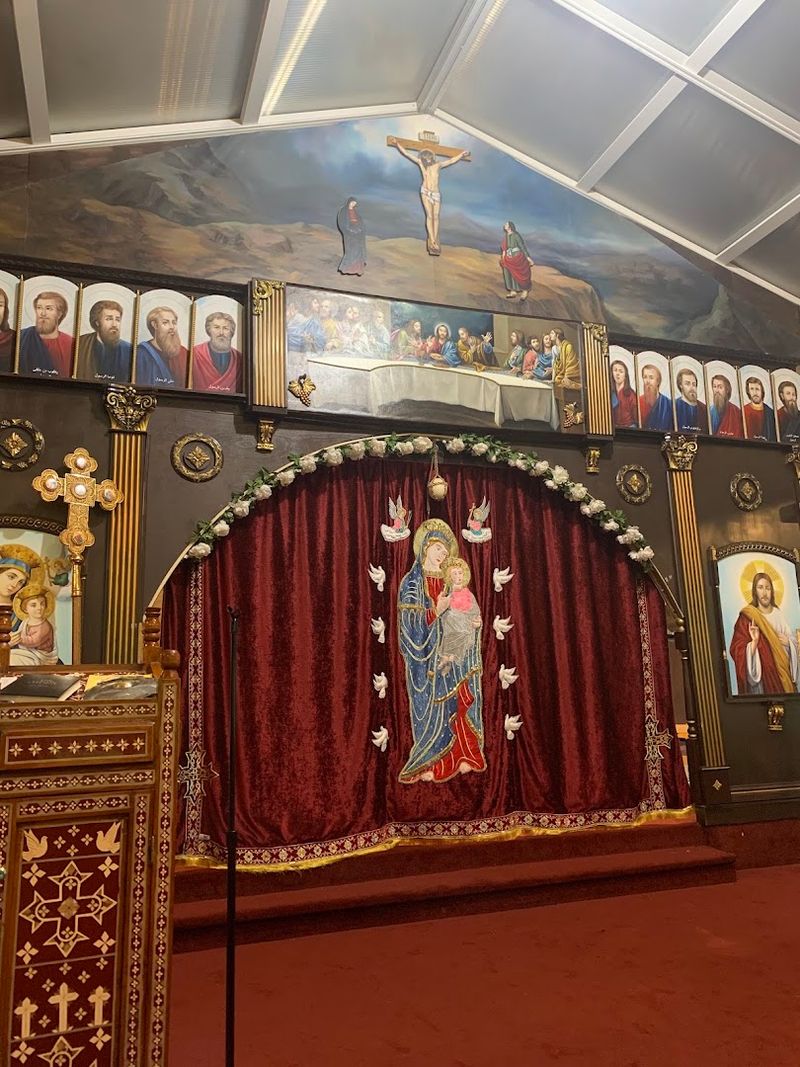
Patmos is the kind of island that makes you want to slow down the moment the ferry pulls into the harbor. Smaller and quieter than Mykonos or Rhodes, this Dodecanese island carries a spiritual weight that is hard to explain but easy to feel.
The UNESCO designation covers both the fortified Monastery of Saint John the Theologian and the historic hilltop village of Chora, which together create one of the most atmospheric settings in the entire Greek island chain.
According to Christian tradition, Saint John wrote the Book of Revelation in a cave on this island around 95 AD. The Cave of the Apocalypse, also part of the UNESCO site, sits halfway up the hill between the harbor and the monastery, and visiting it is a quietly powerful experience regardless of your religious background.
The monastery itself, built in 1088, looms dramatically over whitewashed lanes and offers sweeping views across the surrounding islands.
Patmos attracts a mix of pilgrims, artists, and travelers seeking something calmer than the typical Greek island holiday. The village of Chora is genuinely beautiful with winding alleys, bougainvillea-covered walls, and small chapels tucked around every corner.
Staying overnight rather than visiting on a day trip gives you access to the island’s extraordinary night skies and a pace of life that feels almost therapeutic.
Share this story