Italy is full of surprises, and some of its most magical places are not the big, famous cities but the tiny villages tucked away in the hills, cliffs, and coastlines. These small towns offer a slower pace, rich history, and scenery that feels almost too beautiful to be real.
Whether you are traveling by train, car, or ferry, reaching these villages without a flight is completely possible and often part of the adventure. Get ready to discover ten stunning Italian villages that prove the best journeys are the ones where you take your time.
Civita di Bagnoregio, Lazio
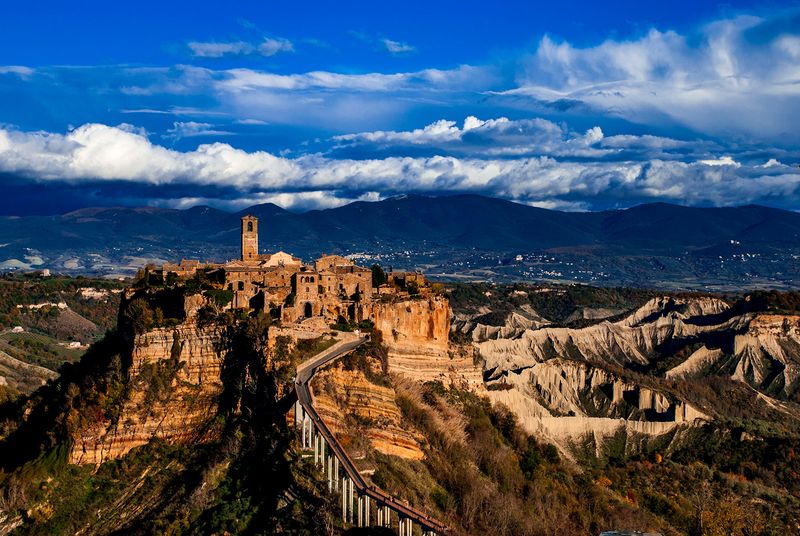
Walking across the long footbridge toward Civita di Bagnoregio feels like stepping into a fairy tale that forgot to end. This ancient village sits on a crumbling volcanic rock formation in Lazio, and the only way in is on foot.
No cars, no motorbikes, just the sound of the wind and your own footsteps.
Nicknamed “the dying city” because erosion slowly eats away at its cliffs, Civita has been quietly defying predictions for centuries. Inside, you will find cobblestone lanes, medieval stone houses, and views across a wild, rugged valley that genuinely stop you in your tracks.
Fewer than a dozen people live here year-round, which makes the whole place feel wonderfully frozen in time.
Small trattorias serve hearty local food, and the pace of life is almost comically slow in the best way. Arriving by train to nearby Orvieto and then taking a bus is straightforward.
Civita rewards visitors who linger, so plan to spend a full afternoon soaking in one of Italy’s most extraordinary and quietly emotional landscapes.
Castelmezzano, Basilicata
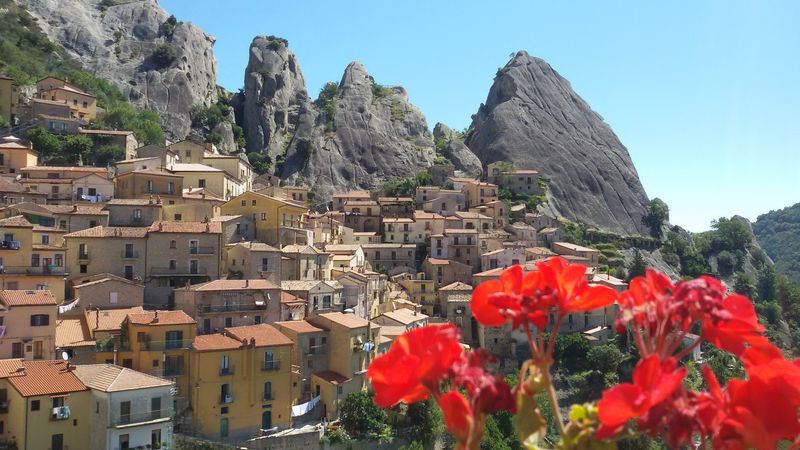
Imagine a village so dramatically placed that it looks like the mountains simply grew around it. That is Castelmezzano in Basilicata, a southern Italian gem wedged between sharp Dolomite-like peaks that jut skyward like the teeth of some ancient creature.
Pastel houses cling to the rock face, and narrow stone stairways connect levels of the village in ways that feel more like a puzzle than a plan.
Getting here by car from Naples or Bari takes a few hours, but the mountain road approach alone is worth the trip. The village is part of the Lucanian Dolomites Regional Park, so the surrounding scenery is seriously wild and green.
Hikers absolutely love the trails that weave through the rocky landscape above the rooftops.
Castelmezzano is also famous for the “Flight of the Angel,” a zip-line that connects it to the neighboring village of Pietrapertosa. If heights are your thing, this is a genuinely thrilling addition to your visit.
For everyone else, the hilltop views, local bread, and the sheer strangeness of the setting are more than enough to make this a standout stop on any Italian road trip.
Pitigliano, Tuscany
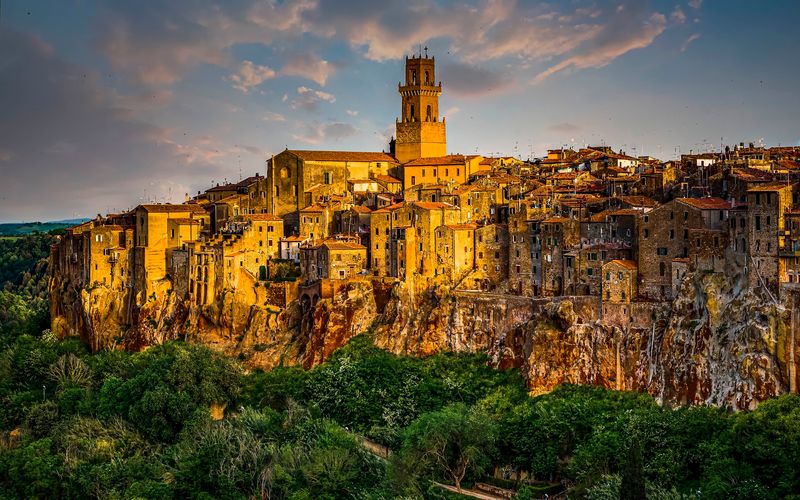
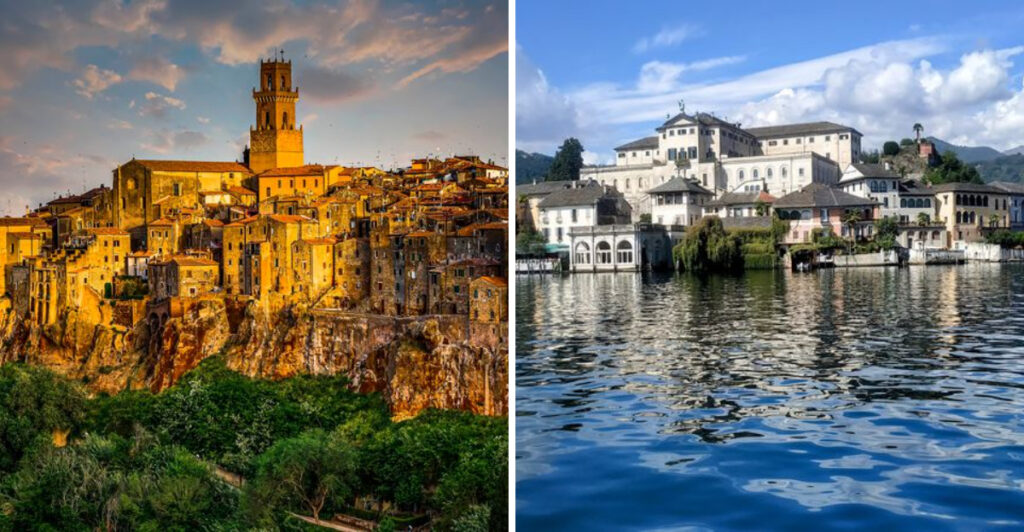
From a distance, Pitigliano looks less like a village and more like the rock itself decided to sprout towers and rooftops. Built directly into volcanic tuff cliffs in southern Tuscany, this town has been fooling travelers for centuries.
The stone blends so naturally with the landscape that the whole place seems to have grown rather than been built.
Known as “Little Jerusalem” because of its historically significant Jewish community, Pitigliano carries layers of culture that most Tuscan towns simply do not have. The old synagogue, Jewish museum, and ancient underground tunnels called “vie cave” carved by the Etruscans add serious depth to any visit.
History fans will have a field day here.
Unlike the more polished Tuscan towns that fill up with tour groups by mid-morning, Pitigliano stays refreshingly calm. Local restaurants serve dishes rooted in both Italian and Jewish culinary traditions, which makes eating here an education as much as a pleasure.
Arriving by bus from Grosseto is easy, and the town is walkable once you arrive. Southern Tuscany rarely gets the spotlight it deserves, and Pitigliano is exactly why that needs to change.
Brisighella, Emilia-Romagna
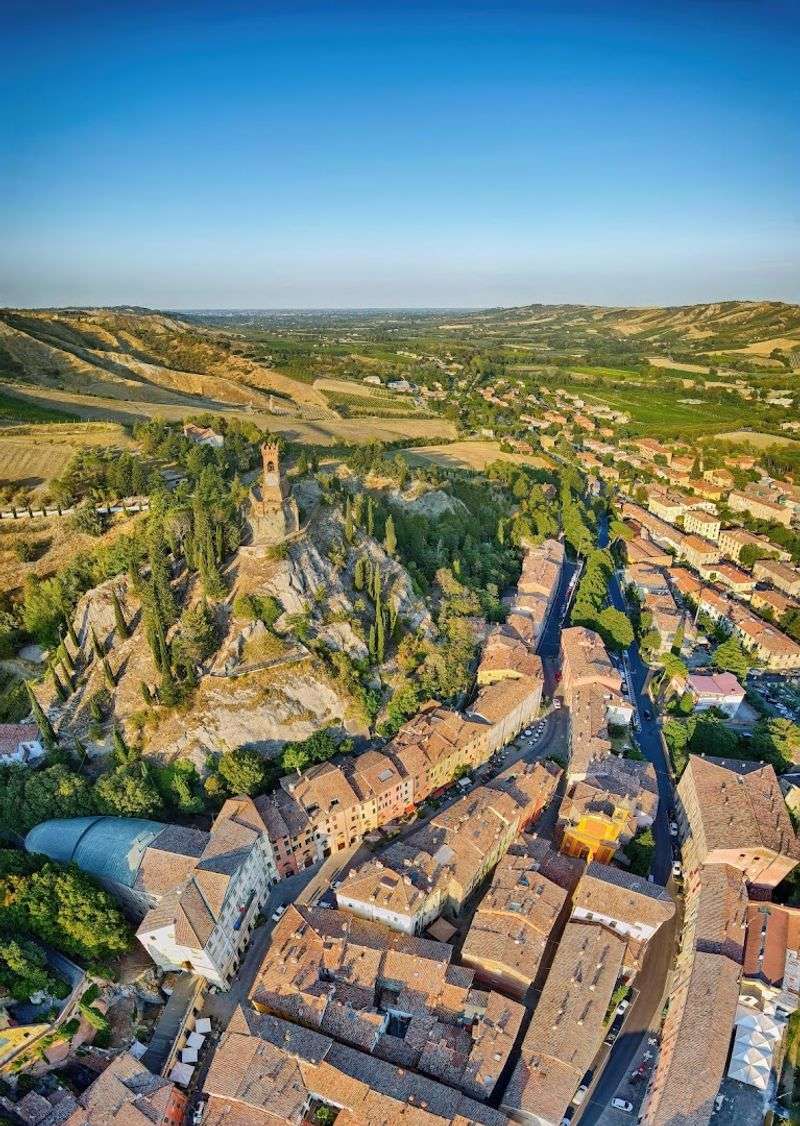
Three rocky spurs rise above the rooftops of Brisighella, each one topped with something remarkable: a medieval fortress, a sanctuary, and a clock tower that has been keeping time since the 1800s. This small village in Emilia-Romagna does not shout for attention, but once you arrive, it earns it without any effort at all.
One of the most charming features is the Via degli Asini, a covered walkway built into the cliff that was once used by donkeys carrying goods through town. Today it is a stroll for tourists and locals alike, lined with small shops and lovely views.
The whole village has this wonderfully unhurried quality that makes an afternoon feel twice as long in the most satisfying way.
Brisighella is also serious about its olive oil, which is among the finest in northern Italy. Local restaurants take full advantage of this, and meals here tend to be simple, seasonal, and genuinely delicious.
The village is easy to reach by train from Bologna or Faenza, making it an ideal day trip or overnight stop. For travelers who want medieval character without the crowds, Brisighella is a very smart choice.
Orta San Giulio, Piedmont
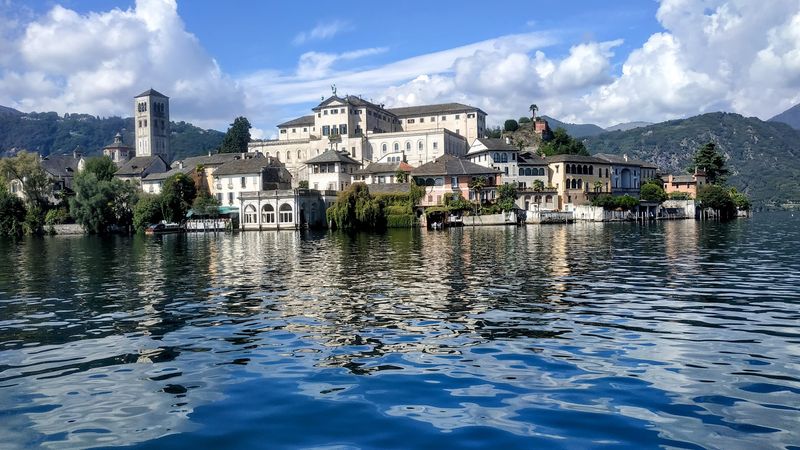
Lake Como gets all the fame, but locals in Piedmont will quietly tell you that Lake Orta is the one worth knowing about. Orta San Giulio sits right on the lake’s edge, a compact and cobblestoned village that feels like it was designed by someone who loved beauty a little too much to stop adding to it.
Flower-draped balconies, pastel facades, and mirror-still water make the place almost unreasonably photogenic.
The heart of the village is Piazza Motta, a lively square that opens directly onto the lake with views of Isola San Giulio, a tiny island holding a basilica that dates back to the fourth century. A short boat ride gets you there, and the island is small enough to walk around in about fifteen minutes.
It is calm, a little mysterious, and completely lovely.
Because Orta San Giulio flies under the radar compared to its more famous lake neighbors, it tends to attract a quieter, more thoughtful kind of traveler. The village has good restaurants, independent boutiques, and a relaxed energy that encourages you to slow down completely.
Trains run to Orta-Miasino station, just a short walk from the village center.
Furore, Campania
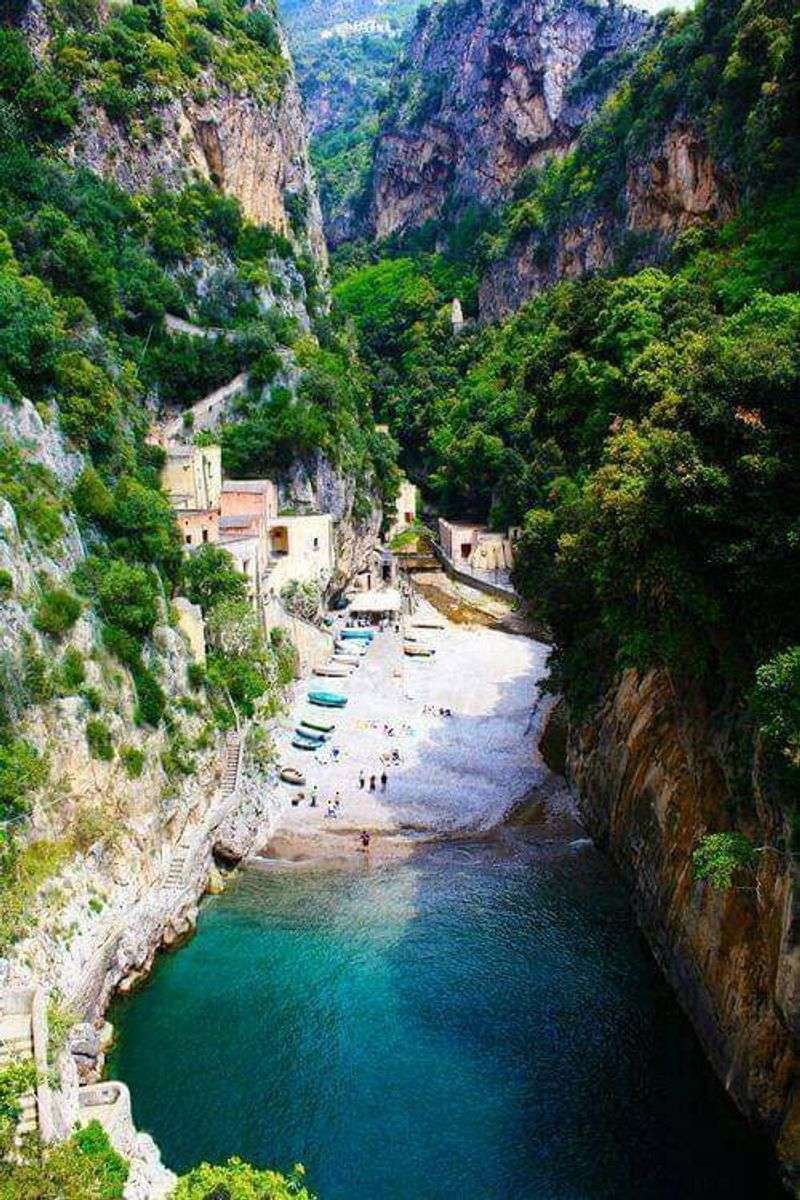
Furore is the kind of place that makes you wonder how anyone ever found it in the first place. Tucked into a steep fjord-like gorge along the Amalfi Coast, this village is so hidden that it was once officially classified as a “paese che non c’e,” meaning a town that does not exist.
Spoiler: it very much exists, and it is spectacular.
Unlike the crowded terraces of Positano or Ravello, Furore splits into two parts: a small harbor at the bottom of the gorge and the main village perched above. The harbor, with its handful of fishing boats and dramatic rock walls, is one of the most striking spots on the entire coast.
Every summer, daredevil cliff divers launch themselves into the sea here during a high-profile diving competition.
The village itself is known as the “painted village” because local and international artists have covered its walls with vivid murals. Wandering between the artworks feels like an open-air gallery visit with ridiculous coastal views included for free.
Buses connect Furore to Amalfi and Positano, making it reachable without a car. It is the Amalfi Coast’s best-kept secret, and hopefully it stays that way just a little longer.
Apricale, Liguria
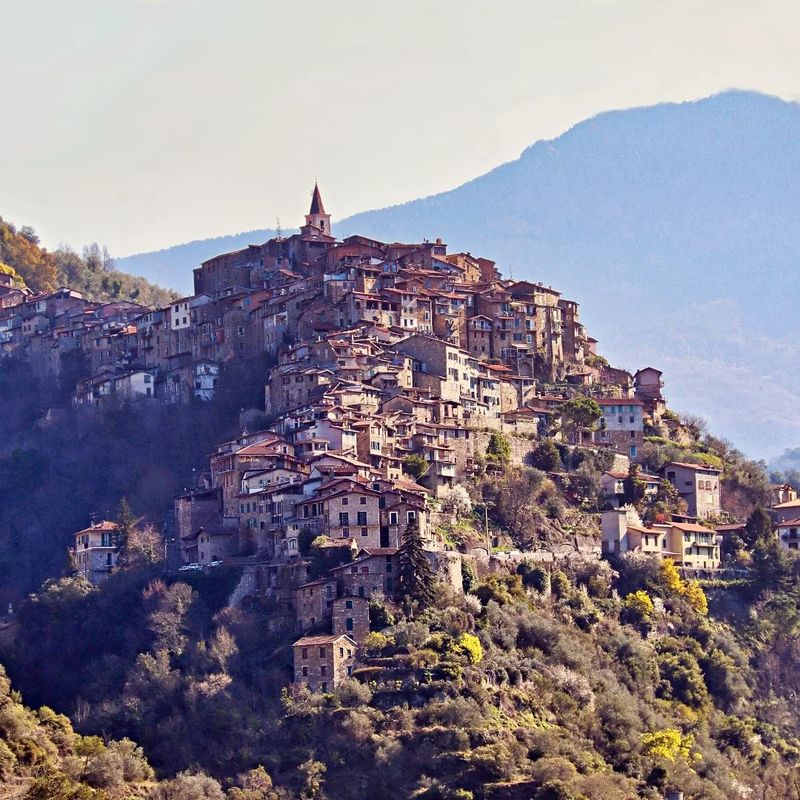
Apricale has the kind of quiet confidence that only very old, very beautiful places possess. Perched in the hills of western Liguria, not far from the French border, this medieval village has been named one of Italy’s most beautiful borghi, and the title is not exaggerated.
Stone houses stack tightly together, connected by alleys so narrow you could practically touch both walls at once.
What sets Apricale apart from other pretty hill villages is its artistic soul. The village has embraced contemporary art installations tucked between its ancient walls, creating a surprisingly playful contrast.
Small sculptures, painted tiles, and quirky creative touches pop up in unexpected corners, which makes exploring the streets feel like a treasure hunt.
The central piazza is anchored by a medieval castle and a charming church, both of which have seen more history than most textbooks cover. Local restaurants serve Ligurian classics like trofie pasta with pesto and rabbit braised in local wine.
Apricale is best reached by car or bus from the coastal town of Ventimiglia, which itself is a quick train ride from the Italian or French Riviera. It is a rewarding detour that most tourists completely miss.
Monte Isola, Lombardy
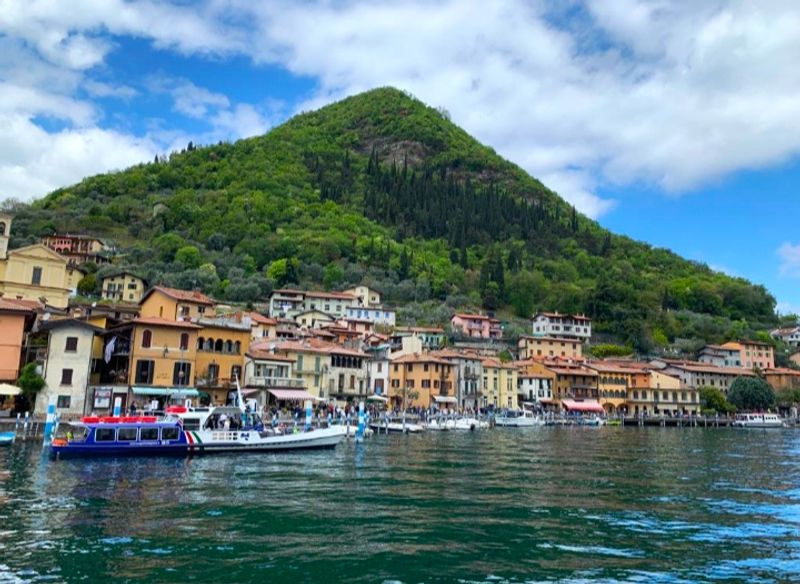
Europe’s largest inhabited lake island sits not in a famous tourist destination but quietly in Lake Iseo, a stretch of water that most visitors to Lombardy drive right past on the way to somewhere else. Monte Isola is roughly four kilometers long, car-free, and home to around two thousand people who get around by foot, bicycle, or boat.
That alone makes it feel like a different century.
The island is dotted with small fishing villages, each with its own character and waterfront charm. Sensole, Carzano, and Peschiera Maraglio are among the most picturesque, their painted houses reflected in the still lake water.
A network of walking and cycling paths circles the island and climbs to the hilltop sanctuary of Madonna della Ceriola, which rewards the effort with panoramic views across the lake and surrounding mountains.
Monte Isola became briefly famous in 2016 when artist Christo wrapped its neighboring island, San Paolo, in shimmering orange fabric as part of his “Floating Piers” installation. The crowds have since gone, but the island’s peaceful rhythm has returned.
Ferries run regularly from Sulzano and Sale Marasino on the mainland, making it an easy and deeply satisfying escape from everyday life.
Marzamemi, Sicily
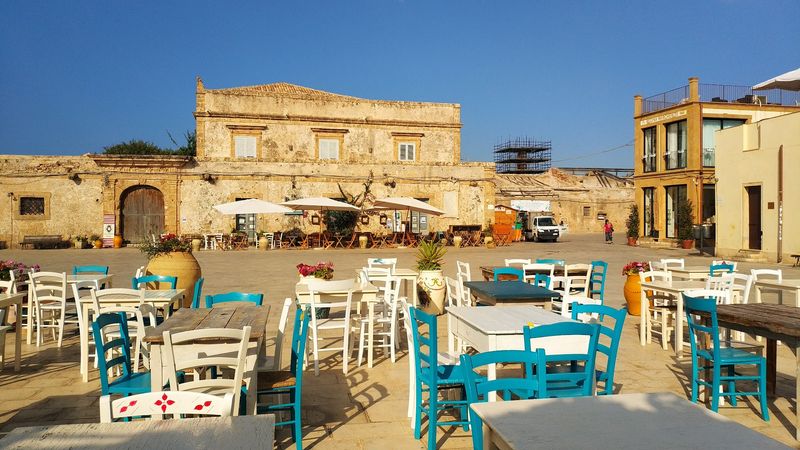
There is a particular kind of happiness that only a sun-warmed Sicilian piazza can produce, and Marzamemi has it in generous supply. This small fishing village on Sicily’s southeastern tip is built around a beautiful central square lined with low stone buildings, open-air restaurants, and the kind of relaxed energy that makes you forget what day of the week it is.
Marzamemi was once home to a thriving tuna fishing industry, and the old tonnara, a historic tuna processing plant, still stands at the edge of the village. Today it hosts cultural events and film screenings, including the famous Marzamemi International Film Festival held each summer.
The village has managed to stay authentic while quietly becoming one of Sicily’s most charming spots.
The water around Marzamemi is outrageously clear, ranging from pale turquoise close to shore to deep blue farther out. Nearby beaches are sandy and not yet overrun, which feels increasingly rare along the Mediterranean.
Fresh seafood here is exceptional, especially the tuna dishes that nod to the village’s fishing heritage. Syracuse is the nearest major city, easily reached by train, and from there local buses or a short taxi ride bring you to Marzamemi.
Bosa, Sardinia
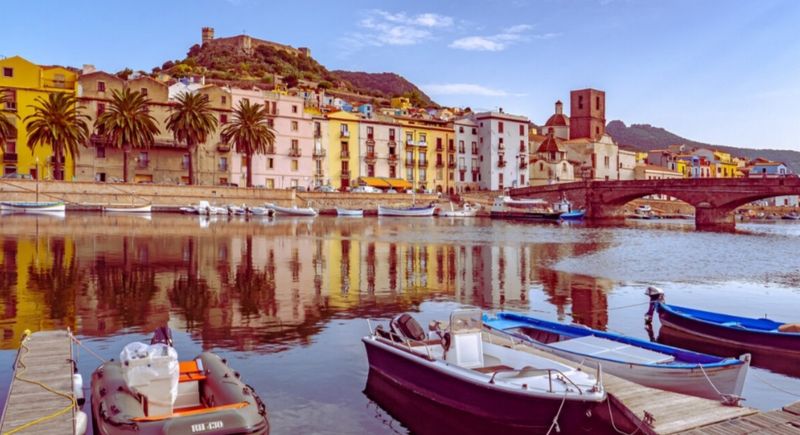
Bosa wears its colors like a celebration. Lining the banks of the Temo River, Sardinia’s only navigable waterway, this small town stacks row after row of candy-colored houses beneath a medieval castle that surveys the whole scene from its hilltop perch.
It is the kind of place that makes you reach for your camera before you have even parked your bag.
The castle, known as the Castello Malaspina, dates back to the twelfth century and contains a small chapel with rare medieval frescoes. The climb up is steep but absolutely worth it for the view over the terracotta rooftops and the winding silver ribbon of the river below.
On the way down, the old tanneries district called Sa Costa is full of beautifully restored lanes and artisan workshops.
Bosa also has a coastline nearby that rivals anything on the island, with wild beaches and rocky coves just a short drive or bike ride away. The town itself has a lively local culture, independent shops, and excellent seafood restaurants along the riverbank.
Ferries from the Italian mainland arrive at nearby Olbia or Cagliari, and from there Bosa is reachable by bus or car through spectacularly scenic Sardinian countryside.
Share this story