 Unearth The Voyage
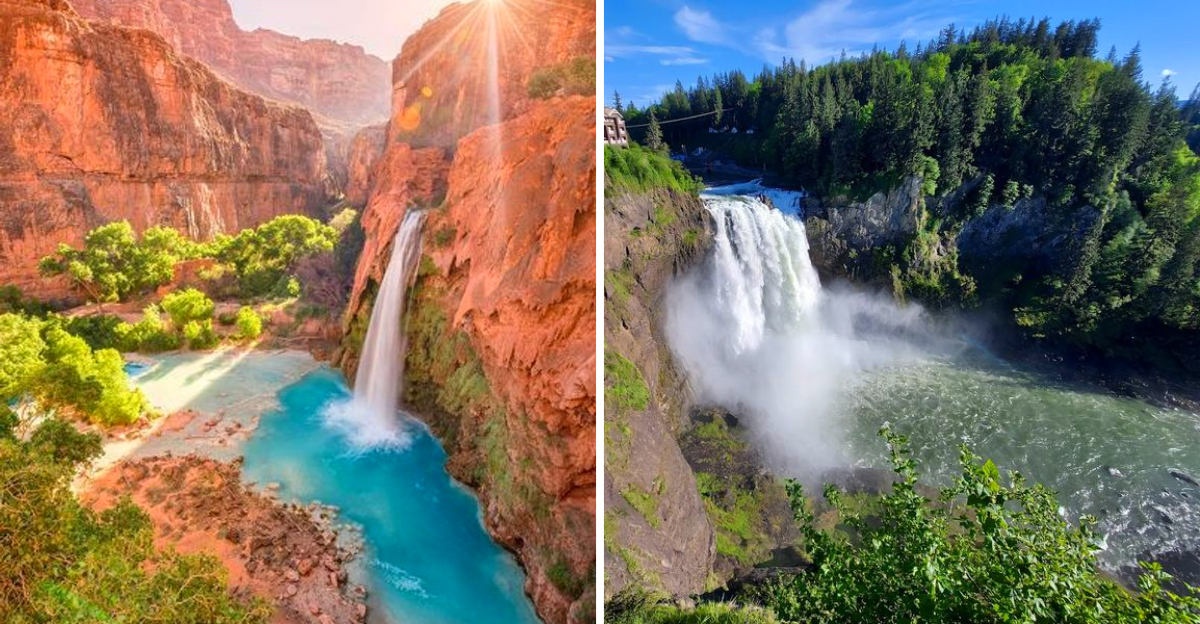
There’s nothing quite like standing in front of a waterfall roaring at full force — the sound, the mist, and the sheer power can leave you completely speechless. But not all waterfalls are at their best year-round.
Many reach their peak during spring snowmelt or after heavy rains, turning from gentle streams into jaw-dropping walls of water. If you want the full experience, timing your visit right makes all the difference.
Yosemite Falls – California
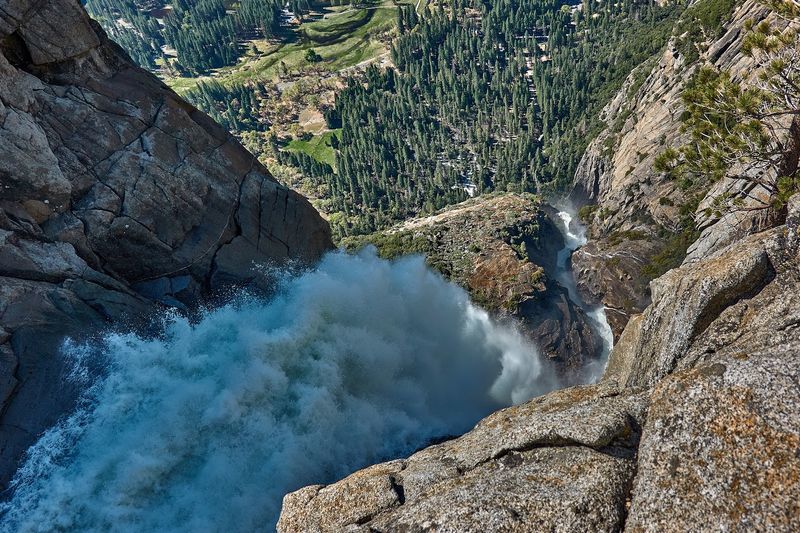
Standing beneath Yosemite Falls in May feels less like a hike and more like a full-body weather event. At 2,425 feet, it’s the tallest waterfall in North America, and when the Sierra Nevada snowmelt kicks in, it becomes an absolute beast of nature.
The roar alone is enough to make conversation nearly impossible.
Spring is peak season — specifically late April through June — when the waterfall transforms from a trickling ribbon into a thundering torrent. Mist floats across the valley floor, rainbows appear almost on demand, and the sheer volume of water is honestly hard to process.
It’s one of those rare moments where a photo really cannot do the scene justice.
By August, Yosemite Falls can dry up entirely, which makes early summer visits essential for the full experience. The Lower Falls trail offers a close-up view without too much effort, while the Upper Falls trail rewards hikers with a bird’s-eye perspective.
Pack a rain jacket — you will get wet, and you will absolutely love it.
Vernal Fall – California
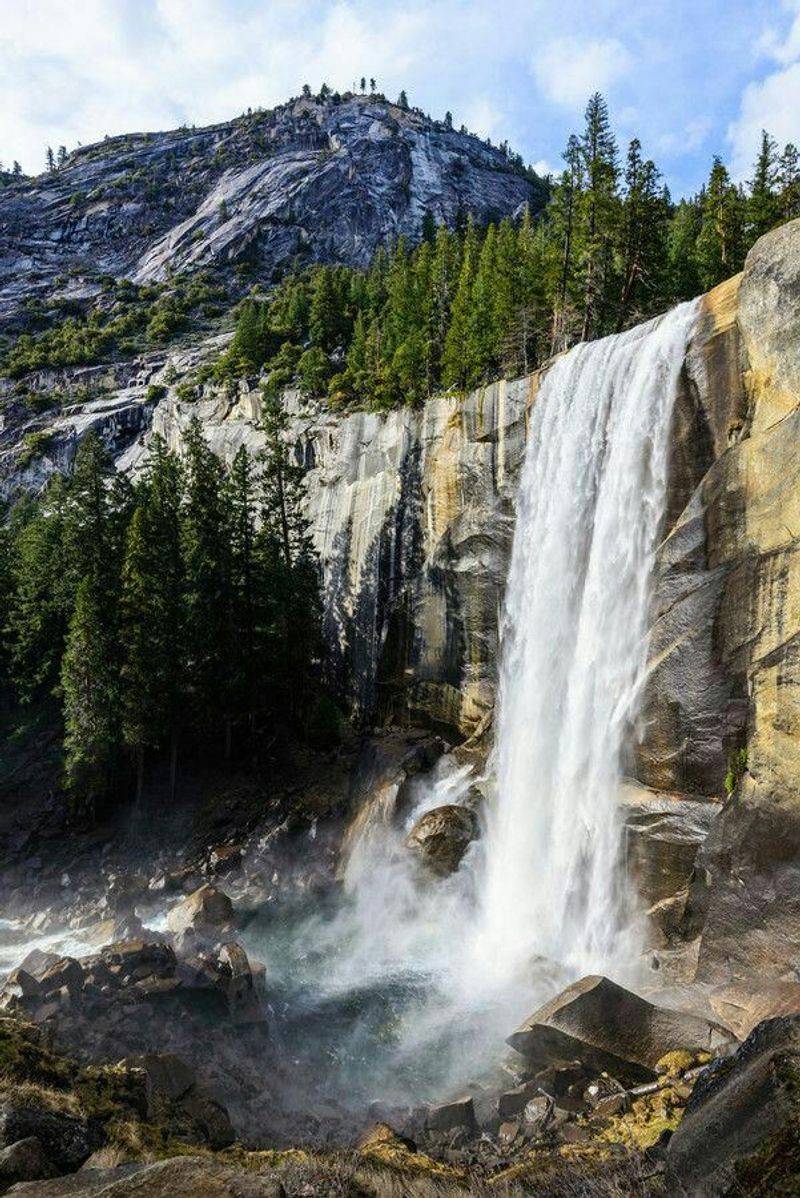
Hikers who walk the Mist Trail to Vernal Fall in late spring don’t just see a waterfall — they basically become part of it. The spray hits you from hundreds of feet away, soaking your clothes, fogging your glasses, and plastering your hair to your face.
It’s wonderfully chaotic.
Vernal Fall drops 317 feet and is fed entirely by snowmelt from the high Sierra Nevada. At peak flow, the water surges with an almost violent energy, crashing into the Merced River below with a boom you can feel in your chest.
Rainbows form constantly in the mist, making every step of the trail feel like a reward.
The hike itself is manageable for most fitness levels, though the granite steps near the top get slippery when wet — which, during peak season, is always. Handrails help, but grippy shoes are a must.
Plan to arrive early to beat the crowds, especially on weekends. Vernal Fall is one of those places where the journey to get there is just as thrilling as the destination itself.
Bridalveil Fall – California
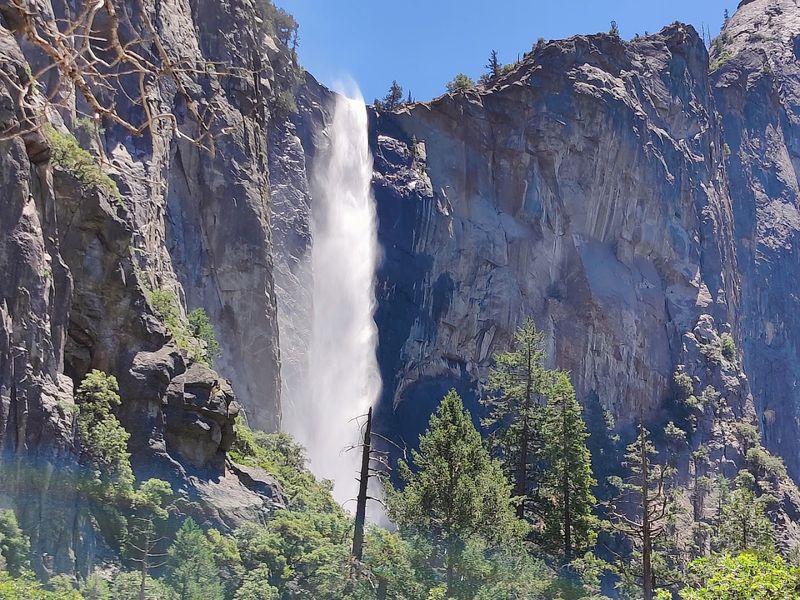
Most visitors catch their first glimpse of Bridalveil Fall from the valley road, and even from a distance, the sight is enough to make you pull over immediately. In spring, when snowmelt is in full swing, this 620-foot waterfall stops being polite and starts being spectacular.
Wind catches the water mid-fall, sending it sweeping sideways in a way that genuinely earns its bridal veil nickname.
The short, paved trail to the base takes less than 20 minutes round-trip, making it one of Yosemite’s most accessible big moments. At peak flow, the mist at the base is so thick that staying dry is basically a lost cause.
That said, the rainbows that appear in the spray make the soggy shoes completely worth it.
Unlike some of Yosemite’s other falls, Bridalveil flows year-round, but spring is when it truly shows off. The waterfall is fed by a hanging valley high above the main valley floor, which creates its dramatic free-fall drop.
Visiting in April or May gives you the best combination of powerful flow and comfortable temperatures for the hike.
Niagara Falls – New York
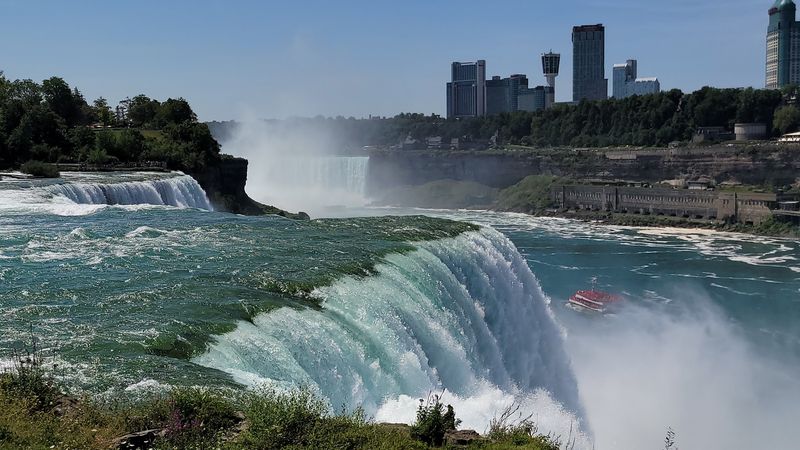
Over 3,000 tons of water crash over Niagara Falls every single second — and somehow, that number still doesn’t prepare you for actually standing next to it. The sound is less of a roar and more of a constant, all-consuming rumble that you feel more than hear.
Spring and early summer push those numbers even higher.
Snowmelt from the Great Lakes watershed floods the Niagara River each spring, noticeably increasing the water volume. The mist clouds grow taller, the roar gets louder, and the rainbow game reaches peak performance.
Boat tours like Maid of the Mist put you right at the base of the falls, where the spray hits like a warm, very enthusiastic shower.
Did you know Niagara Falls actually moves? Erosion shifts the falls upstream by about a foot every year.
Visitors can explore both the American and Canadian sides, with the Canadian Horseshoe Falls offering the most dramatic panoramic view. Spring visits also tend to avoid the peak summer tourist crush, making it a smarter choice for anyone who prefers their waterfall experience without a two-hour wait in line.
Havasu Falls – Arizona
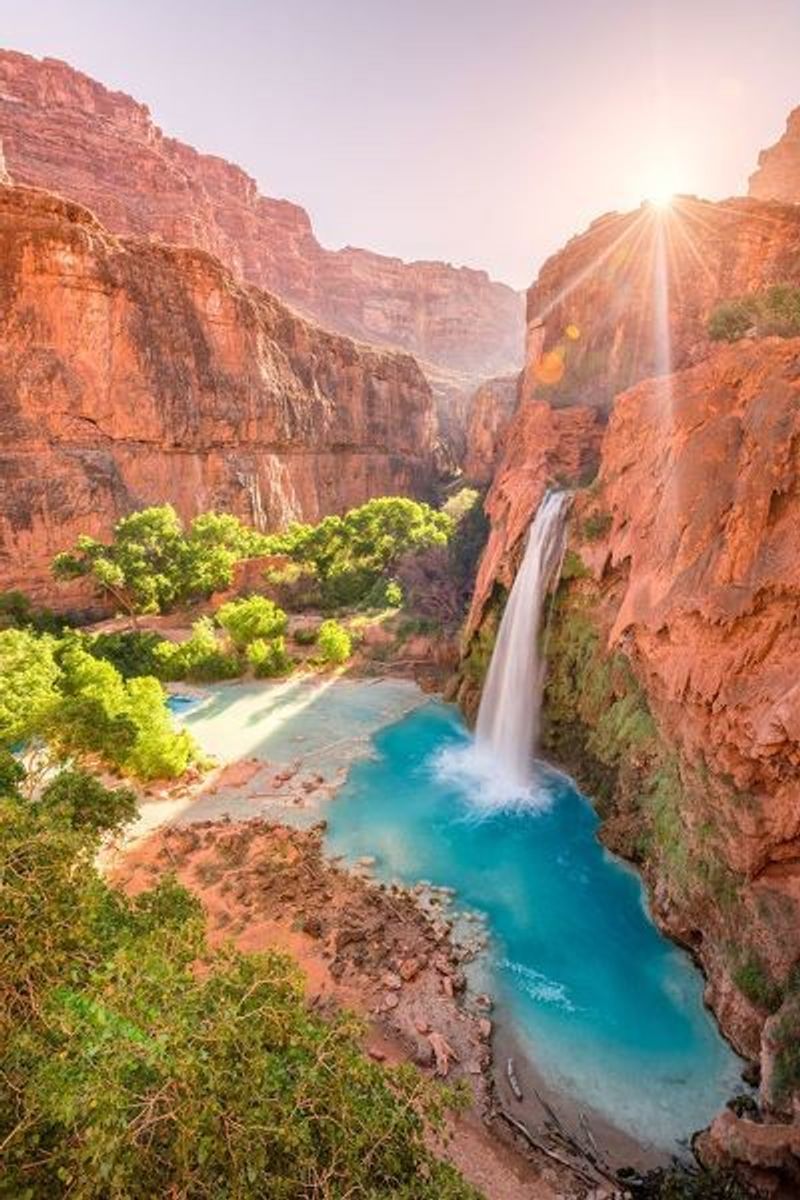
Bright turquoise water against deep red rock — Havasu Falls looks like it belongs in a screensaver, not real life. Located deep within the Havasupai tribal lands in the Grand Canyon, this waterfall requires a 10-mile hike just to reach it.
After seasonal rains boost the flow, the colors become even more electric and the falls grow noticeably wider.
The turquoise color comes from high mineral content in the water, which stays vivid regardless of season. But after rainfall, the increased volume adds a raw power to the scene that transforms it from beautiful to breathtaking.
The contrast between the rust-red canyon walls and that impossible blue-green water is unlike anything else in the American Southwest.
Visiting requires a permit, and they sell out fast — sometimes months in advance. The hike in is long and warm, so packing plenty of water and sun protection is non-negotiable.
Camping near the falls lets you experience the sound and sight of Havasu at different times of day, including golden hour, when the canyon walls glow orange and the water turns almost neon. It’s worth every step of the journey to get there.
Multnomah Falls – Oregon
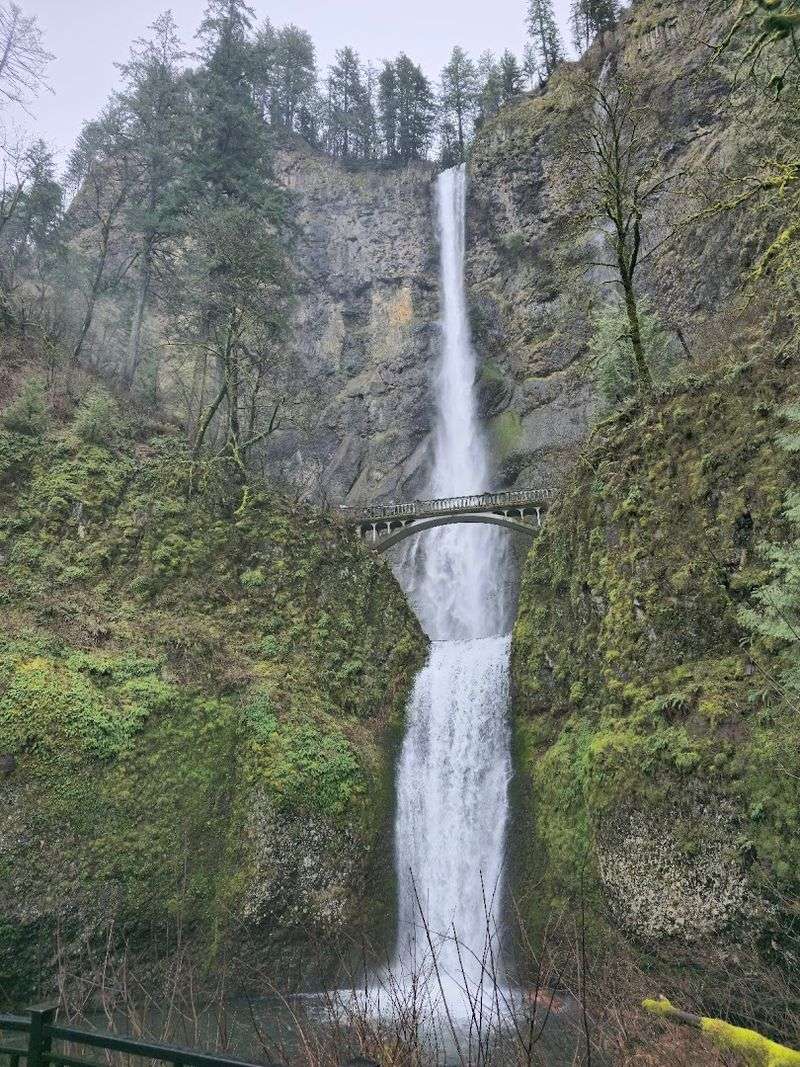
Few waterfalls in the Pacific Northwest have the kind of star power that Multnomah Falls carries. At 620 feet tall with two dramatic tiers, it’s the kind of waterfall that shows up on postcards, travel blogs, and about a million Instagram accounts for good reason.
Spring turns it from iconic to absolutely electric.
Heavy winter rains and Sierra Cascade snowmelt push Multnomah to its most powerful state between February and May. The upper falls thunder down with serious force, and the mist at the base creates a cool, refreshing microclimate even on warm days.
The historic Benson Bridge, perched between the two tiers, offers one of the most photographed vantage points in the entire state.
The trail to the top is a moderate 2.4-mile round trip with switchbacks through dense forest. Even if you skip the summit hike, the view from the bridge is genuinely stunning.
Multnomah Falls sits right off the Historic Columbia River Highway, making it one of the easiest big waterfalls in America to access. Arrive before 9 a.m. on weekends to snag parking and enjoy the falls in relative peace before the crowds roll in.
Snoqualmie Falls – Washington
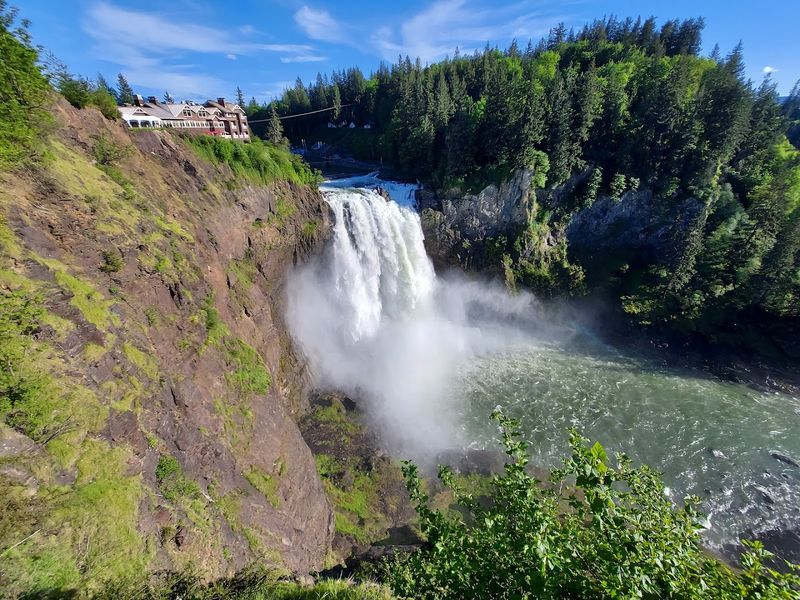
Twin Peaks fans might recognize Snoqualmie Falls from the opening credits, but the real thing is far more impressive than any TV shot can capture. At 268 feet, this Washington State waterfall punches well above its weight, especially during the rainy season and spring runoff when water volume surges dramatically.
The mist column that rises from the base can climb hundreds of feet into the air during peak flow, visible from the upper observation deck long before you even hear the falls. The sound builds as you walk closer — a steady, escalating rumble that signals you’re about to see something seriously powerful.
Winter and early spring are the sweet spots for maximum flow.
Access couldn’t be easier. A short paved path leads from the parking area to an upper deck with sweeping views, and a longer trail winds down to a lower viewing platform right at the river’s edge.
The surrounding forest stays lush and green year-round, giving every visit a moody, cinematic atmosphere. A nearby lodge and spa make Snoqualmie a popular weekend destination, so arriving early on Saturday or Sunday mornings keeps the experience enjoyable without the shoulder-to-shoulder crowds.
Shoshone Falls – Idaho
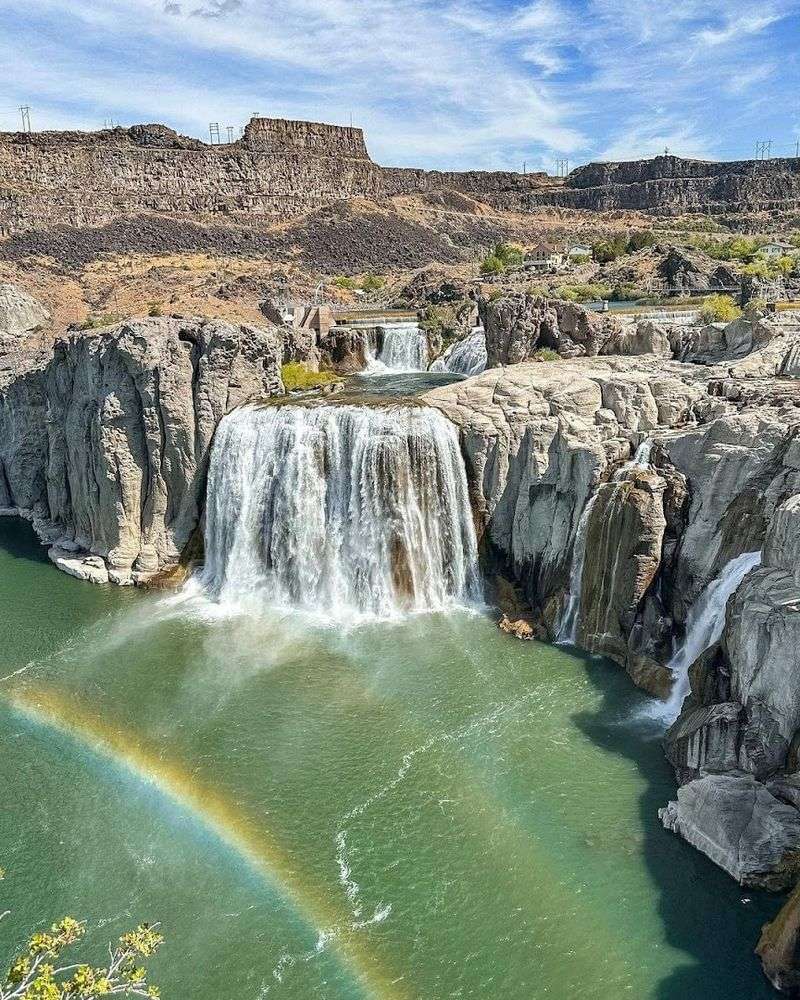
Niagara gets all the fame, but Shoshone Falls in Idaho is actually taller — standing at 212 feet compared to Niagara’s 167. Locals call it the Niagara of the West, and when the Snake River hits peak spring flow, the title feels completely justified.
The wide curtain of water stretching across the canyon is genuinely jaw-dropping.
Spring snowmelt from the Rocky Mountains feeds the Snake River, and by April or May, Shoshone can transform from a modest trickle into a roaring wall of white water spanning nearly 1,000 feet across. The contrast between the powerful falls and the dry, rocky Idaho desert surrounding it creates a striking visual that feels almost surreal.
The state park surrounding Shoshone Falls offers picnic areas, a small beach, and multiple viewing platforms at different angles. Entry fees are modest, and the whole experience is far less crowded than comparable falls on the West Coast.
If you visit during low water months like late summer, you may be disappointed — but hit it in late April and you’ll understand why early explorers were completely stunned when they first laid eyes on it. Timing, as always, is everything.
Cumberland Falls – Kentucky
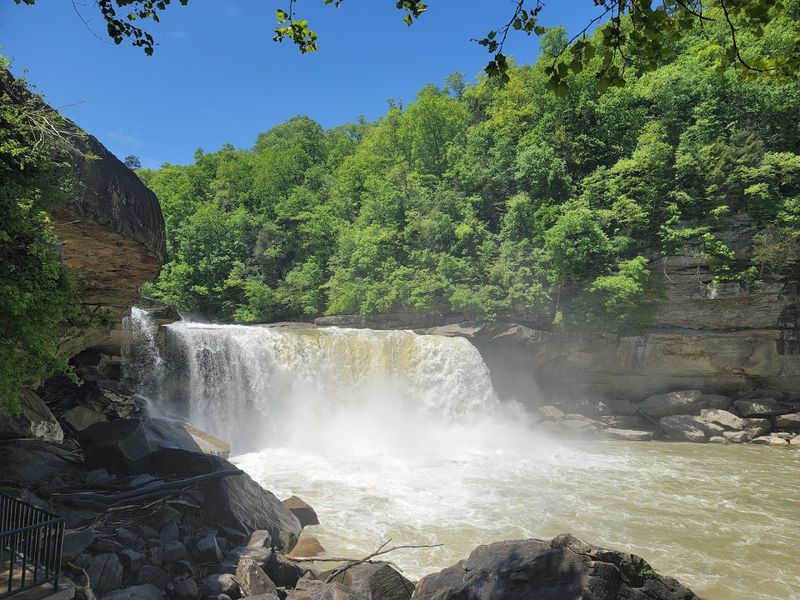
Cumberland Falls has a party trick that almost no other waterfall on Earth can pull off — a moonbow. On clear nights with a full moon, the mist from the falls creates a rainbow lit entirely by moonlight, glowing in soft silver and white arcs above the water.
At peak flow after heavy rains, the mist thickens and the moonbow becomes even more dramatic.
Standing 68 feet tall and stretching 125 feet across, Cumberland Falls earns its nickname the Niagara of the South through sheer presence rather than height. The Cumberland River swells significantly after heavy rainfall, pushing the falls to their most powerful and most photogenic state.
The roar echoes through the surrounding forest in a way that feels ancient and a little wild.
The falls sit inside Cumberland Falls State Resort Park, which offers cabins, trails, and easy access for families and casual visitors alike. Moonbow viewing nights draw crowds, so checking lunar calendars before your trip is genuinely useful planning.
The best moonbow conditions happen within two or three days of a full moon on clear nights. Even without the moonbow, Cumberland Falls at peak daytime flow is a sight that sticks with you long after you leave Kentucky.
Burney Falls – California
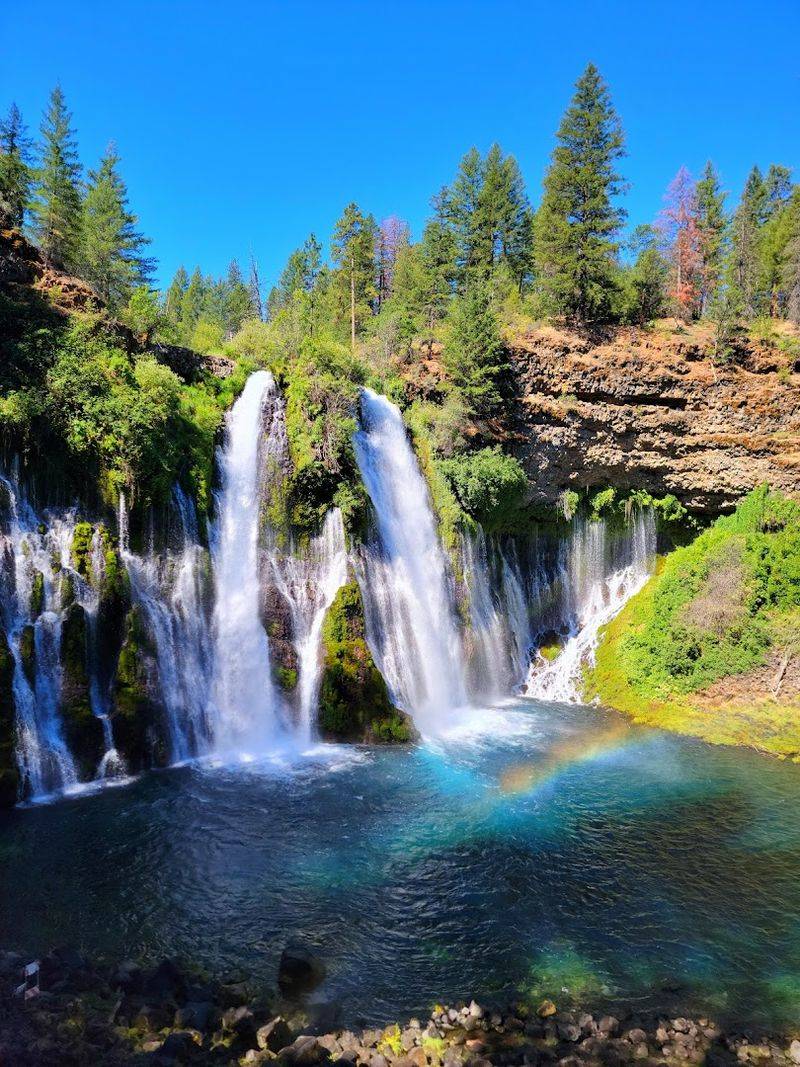
President Theodore Roosevelt supposedly called Burney Falls the eighth wonder of the world, and honestly, once you see it, the claim doesn’t feel like much of an exaggeration. What makes this 129-foot waterfall genuinely unusual is that water doesn’t just pour over the top — it seeps through the volcanic rock face itself, creating dozens of smaller streams that cascade alongside the main falls.
Fed by underground springs rather than surface runoff alone, Burney Falls maintains a remarkably consistent flow year-round. But after winter rains and spring snowmelt, the volume increases noticeably, and the entire rock face seems to come alive with water.
The effect is almost otherworldly — like the cliff itself is sweating out a waterfall from every pore.
Located in McArthur-Burney Falls Memorial State Park in Northern California, the falls are reached via a short, easy trail that loops around the base and offers multiple viewing angles. The pool at the bottom is crystal clear and cold, fed by those same underground springs.
Visiting in spring gives you the strongest flow combined with the lush green surroundings that make the scene feel almost impossibly picturesque. It’s a quieter, less crowded alternative to Yosemite’s big names — and every bit as rewarding.



