Greece is one of Europe’s great culinary treasures, where every region has its own specialties, traditions, and flavors shaped by centuries of history. From island cheeses and volcanic wines to seafood tavernas and bustling food markets, these destinations offer unforgettable experiences for travelers who plan their trips around what they eat.
Greece’s food regions consistently rank among the world’s best, making the country a dream destination for serious food lovers. Pack your appetite and get ready to eat your way across one of the most delicious countries on the planet.
Crete
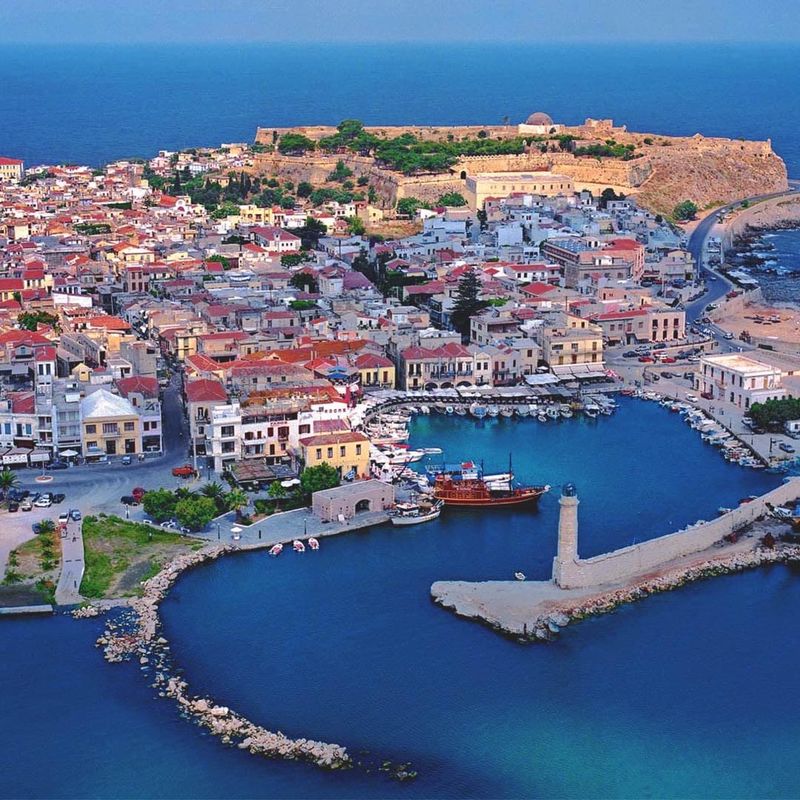
Crete does not just feed you. It tells you its entire history through every bite.
The island’s famous Mediterranean diet is built around exceptional extra-virgin olive oil, wild greens called horta, slow-cooked lamb, fresh seafood, and local cheeses like graviera and mizithra. Generations of Cretan families have preserved these recipes with fierce pride.
Dakos, the island’s beloved rusks topped with tomatoes and cheese, might be the simplest thing you ever eat and somehow also the best. The honey here is world-class, often drizzled over creamy yogurt or paired with sharp aged cheese.
Local olive oil is pressed from trees that are sometimes hundreds of years old.
Markets in Heraklion and Chania overflow with seasonal produce, fresh herbs, and handmade products you simply cannot find anywhere else. Visiting a Cretan village taverna feels less like eating out and more like being welcomed into someone’s home.
Crete earns its reputation as Greece’s ultimate food destination every single day.
Thessaloniki
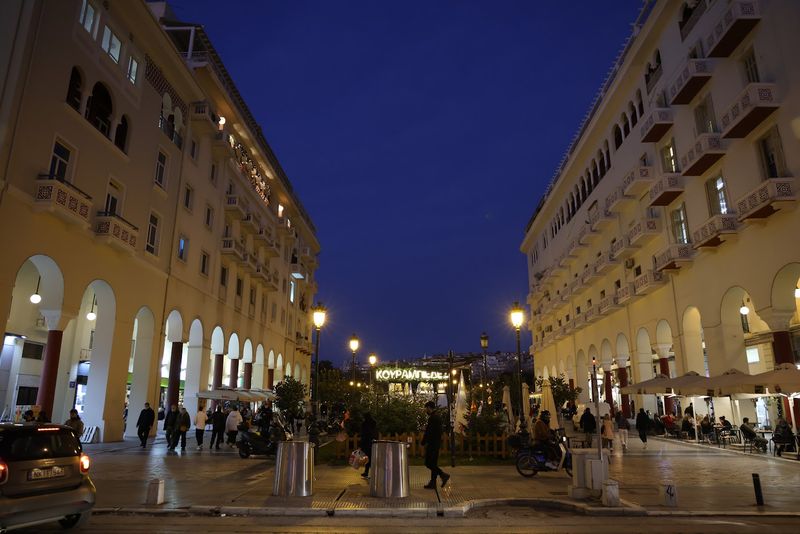
Locals in Thessaloniki will confidently tell you their city eats better than Athens, and honestly, they have a strong case. Greece’s second-largest city carries centuries of Ottoman, Jewish, and Balkan culinary influence, layering flavors that feel unlike anything else in the country.
The result is one of the most exciting and complex food scenes in all of southern Europe.
Street food alone could keep you busy for days. Bougatsa, a flaky pastry filled with custard or cheese, is practically a religion here.
Trigona Panoramatos, crispy cone-shaped pastries filled with sweet cream, have earned a devoted following far beyond the city’s borders.
The city’s central market, Modiano, is a sensory overload in the best possible way. Spice stalls, cheese vendors, butchers, and fishmongers crowd the covered halls with incredible energy.
Seafood meze paired with ouzo at a waterfront restaurant as the sun drops over the Thermaic Gulf is one of those travel moments you genuinely never forget. Thessaloniki rewards curious eaters at every turn.
Athens
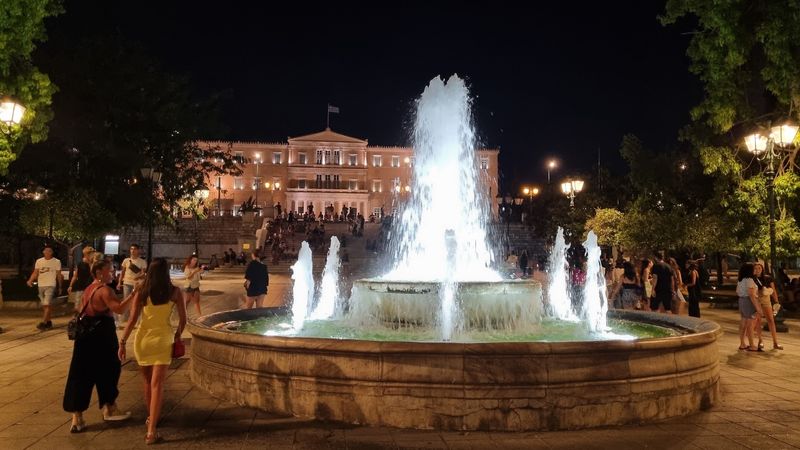
Forget everything you think you know about tourist traps in capital cities. Athens has quietly transformed into one of Europe’s most dynamic food destinations, and the locals are absolutely thrilled about it.
The city blends ancient culinary tradition with modern creativity in ways that genuinely surprise first-time visitors.
The Central Market on Athinas Street is raw, loud, and completely wonderful. Fishmongers shout over rows of gleaming fresh catch while butchers display cuts you might not recognize but absolutely should try.
Nearby stalls sell olives, cheeses, and spices that fill the air with an irresistible smell.
Neighborhoods like Monastiraki, Psyrri, and Kolonaki each offer their own distinct food personality, from no-frills souvlaki joints to polished modern Greek restaurants earning international attention. Eating a fresh gyros wrapped in warm pita while wandering past ancient ruins is a uniquely Athenian experience that no restaurant can fully replicate.
Athens rewards travelers who wander without a plan and simply follow their nose toward whatever smells best.
Naxos
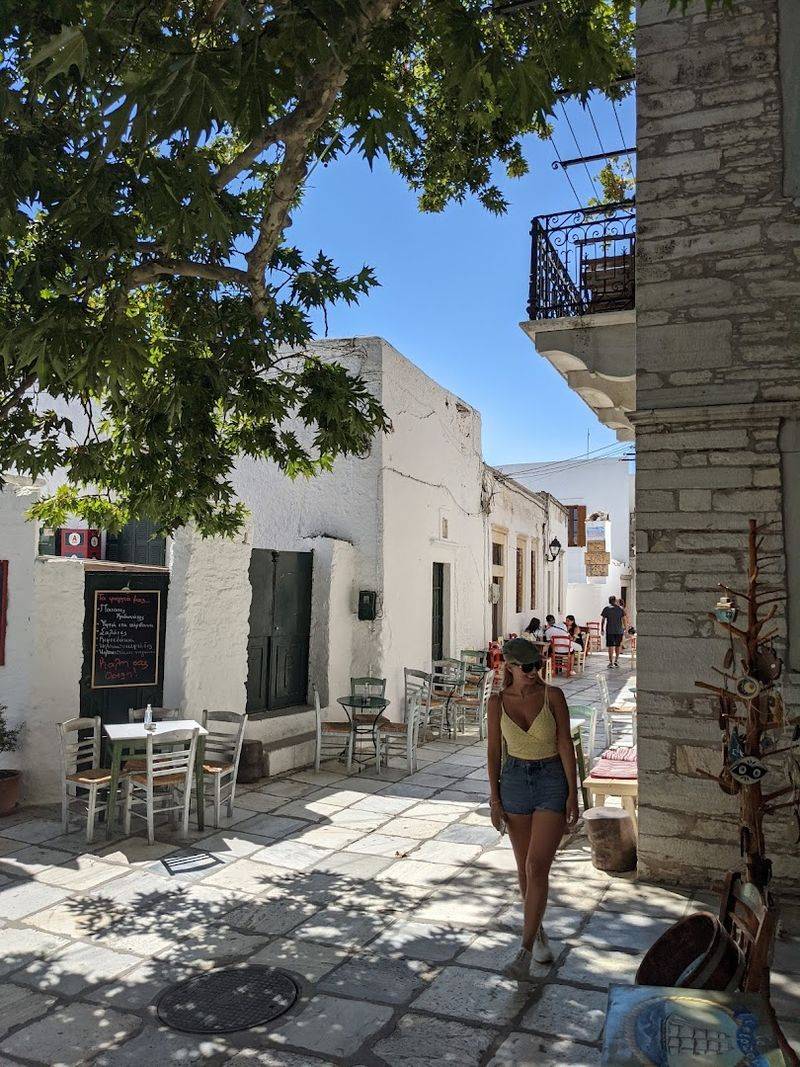
Most Cycladic islands are famous for their postcard looks. Naxos decided to be famous for its food instead, and it made an excellent choice.
The island’s unusually fertile land produces ingredients that chefs across Greece openly envy, including some of the country’s most celebrated cheeses, potatoes, and olive oil.
Graviera and arseniko are the cheeses that put Naxos on the culinary map. Graviera has a firm texture and nutty flavor that pairs beautifully with local honey or a glass of crisp white wine.
The island’s famous potatoes are so good that Greeks elsewhere genuinely argue about whether Naxian potatoes taste different from all others.
Kitron, a citrus liqueur made from the leaves of the citron tree, is the island’s signature drink and something you absolutely must try before leaving. Village tavernas across Naxos serve straightforward, ingredient-driven meals that let the quality of local produce shine without fuss or pretension.
Visiting a local farm or cheese producer adds a meaningful layer to the experience, connecting visitors directly to the traditions that make Naxian food so special.
Santorini

Volcanic soil sounds like a terrible thing to grow food in until you taste what Santorini produces. The island’s dramatic geology creates agricultural conditions that exist almost nowhere else on earth, resulting in ingredients with concentrated flavors that genuinely stand out.
Santorini’s food is as distinctive as its famous blue-domed views.
Assyrtiko wine is the island’s crown jewel. Crisp, mineral-rich, and beautifully acidic, it pairs perfectly with fresh seafood and has earned serious respect from wine lovers worldwide.
The grape vines here are trained into low basket shapes to protect them from the fierce Aegean wind, a centuries-old technique that produces small but intensely flavorful yields.
Fava, a creamy yellow split pea puree drizzled with olive oil and capers, is Santorini’s most iconic dish and a must-order at any local restaurant. Cherry tomatoes and white eggplants grown in volcanic ash soil carry a sweetness that commercially grown versions simply cannot match.
Dining here as the sun melts into the caldera turns an already excellent meal into something that feels almost cinematic.
Sifnos

There is a running joke among Greek food lovers that Sifnos punches well above its weight. This small Cycladic island has produced more celebrated Greek chefs per capita than almost anywhere else in the country, and its culinary reputation has been rock-solid for generations.
Something about this place just breeds great cooks.
Revithada is the dish that defines Sifnos. Chickpeas are slow-cooked overnight in sealed clay pots inside wood-fired ovens, emerging the next morning as a deeply flavored, velvety soup that tastes like patience made edible.
The island’s pottery tradition is directly tied to this cooking method, which has remained essentially unchanged for centuries.
Mastelo, slow-roasted lamb or goat cooked with wine and dill in a clay pot, is another dish that showcases the island’s love of unhurried, flavor-forward cooking. Local cheeses, fresh fish, and honey round out a food culture that values quality over showiness.
Visiting during Easter, when traditional slow-cooked dishes fill every taverna, offers one of the most authentic and memorable food experiences anywhere in Greece.
Peloponnese
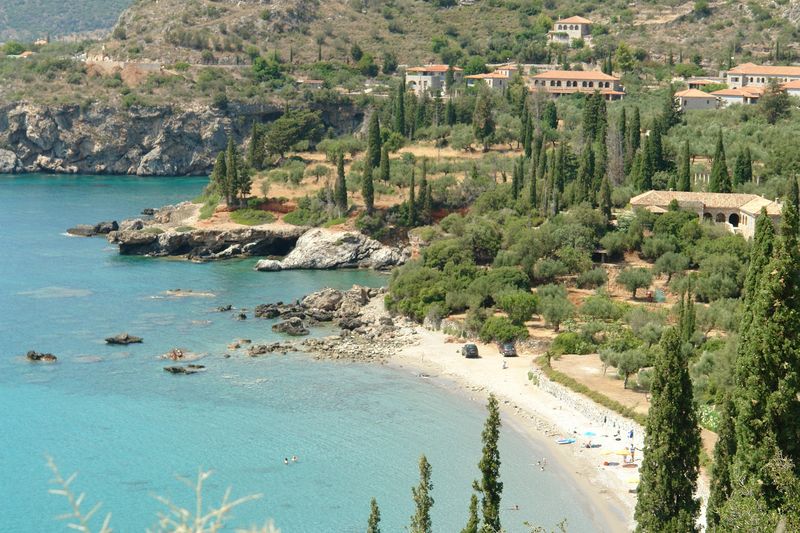
The Peloponnese is the kind of place where olive trees have been producing fruit since before most countries existed. This sprawling peninsula in southern Greece is essentially a living pantry, growing some of the finest olives, citrus fruits, figs, and wine grapes you will find anywhere in the Mediterranean.
Kalamata olives alone have made the region world-famous.
Wine production here has surged in quality over the past two decades. Varieties like Agiorgitiko and Moschofilero have earned international recognition, and a growing number of small wineries now welcome visitors for tastings paired with local cheeses and cured meats.
It is genuinely one of the best wine tourism regions in Europe.
Village cooking in the Peloponnese is hearty, honest, and deeply satisfying. Slow-braised meats, fresh seafood along the coastline, and hand-rolled pasta dishes called hilopites reflect a cuisine shaped by both mountain and sea.
The city of Nafplio offers a charming base for food exploration, with excellent restaurants, a great farmers market, and easy access to the surrounding agricultural villages that supply the region’s incredible ingredients.
Corfu
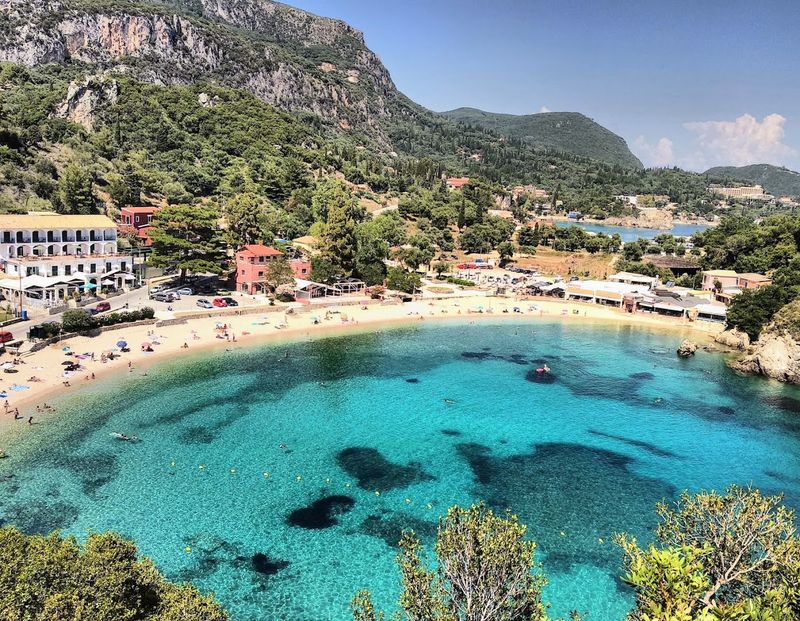
Corfu tastes like Greece filtered through four hundred years of Venetian rule, and that is genuinely one of the most interesting flavor combinations you will encounter anywhere in the country. The island’s cuisine stands noticeably apart from the rest of Greece, shaped by Italian techniques, spices, and ingredients that arrived during centuries of foreign occupation and never quite left.
Pastitsada is Corfu’s signature dish: slow-braised rooster or beef cooked in a rich tomato and spice sauce, served over thick pasta. The warming blend of cinnamon, cloves, and allspice gives it a depth that feels more like a slow Sunday lunch in Venice than a typical Greek taverna meal.
Sofrito, thin slices of veal cooked in a garlicky white wine and parsley sauce, is equally beloved and equally unlike anything you find on the mainland.
Kumquat, a small citrus fruit grown almost exclusively on Corfu, appears in liqueurs, preserves, and desserts across the island. The old town of Corfu, a UNESCO World Heritage site, is packed with small restaurants and family-run eateries where these traditional recipes are kept very much alive.
Food history feels wonderfully tangible here.
Rhodes

Sitting at the crossroads of three continents will do interesting things to a food culture. Rhodes has absorbed culinary influences from Greece, Turkey, the Middle East, and medieval Europe across thousands of years of history, producing a gastronomic identity that is layered, complex, and genuinely unlike anywhere else in the Aegean.
Local wines from the CAIR cooperative and smaller boutique producers have been quietly improving for years. The island’s indigenous grape varieties thrive in the warm, dry climate, producing wines that pair beautifully with the fresh seafood pulled daily from surrounding waters.
Grilled octopus dried in the sun and served with a squeeze of lemon is a Rhodes taverna staple that never loses its appeal.
Honey from Rhodes is prized across Greece for its herbal complexity, a result of bees foraging across the island’s wild thyme and oregano-covered hills. Traditional dishes like pitaroudia, crispy chickpea fritters flavored with herbs, reflect the island’s Middle Eastern connections.
The medieval old town is packed with excellent restaurants, and the surrounding villages offer quieter, more traditional dining where family recipes have been passed down for generations without interruption.
Chios
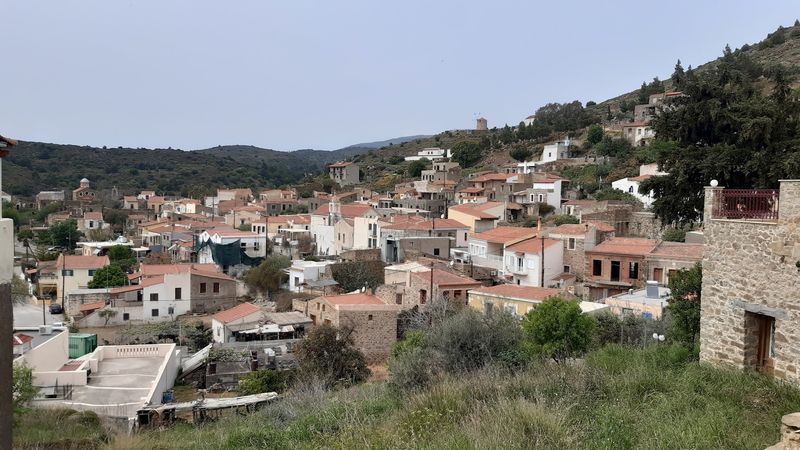
There is exactly one place in the world where mastic trees weep their aromatic resin in commercially harvestable quantities, and that place is the southern villages of Chios. This extraordinary ingredient has been traded since ancient times, valued so highly by the Ottoman Empire that the island received special protected status.
Today, mastic remains Chios’s most compelling culinary calling card.
The resin appears in an astonishing range of products. Mastiha liqueur, chewy mastic candies, ice cream, bread, and even savory sauces all carry that distinctive piney, slightly sweet flavor that is impossible to describe accurately until you taste it yourself.
It is genuinely one of the most unique flavor experiences available anywhere in Europe.
Beyond mastic, Chios produces excellent tangerines, figs, and some very respectable local wines. The island’s traditional village tavernas serve straightforward, honest food built around whatever is freshest that day.
Visiting the mastic villages, called mastichochoria, during harvest season in late summer or early autumn gives travelers a rare chance to see how this ancient product is collected, processed, and prepared for sale around the world. Chios is small, quiet, and completely worth the effort to reach.
Share this story