 Unearth The Voyage
Hiking offers more than just exercise—it’s a gateway to some of Earth’s most breathtaking natural wonders. From ancient ruins perched on mountain peaks to volcanic craters glowing with emerald lakes, certain trails deliver experiences that stay with you forever. Whether you’re drawn to coastal cliffs, towering granite spires, or sprawling canyon views, these paths lead adventurers through landscapes that remind us just how spectacular our planet truly is.
Inca Trail — Peru (Machu Picchu & Andean Peaks)
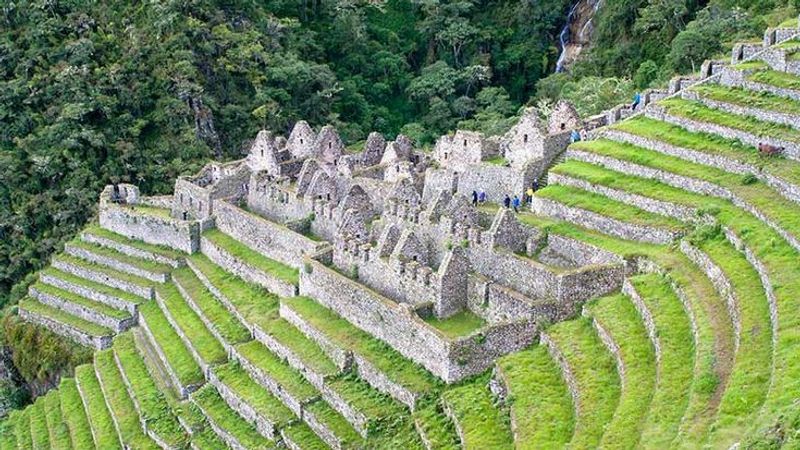
Few journeys blend history and natural beauty quite like the Inca Trail. Stretching through the Peruvian Andes, this legendary trek winds past cloud forests, steep mountain passes, and ancient stone ruins built centuries ago by a civilization that mastered mountain engineering. Each step brings you closer to Machu Picchu, the Lost City of the Incas, hidden among soaring peaks and shrouded in mist.
What makes this trail unforgettable is the variety. You’ll cross high-altitude ridges where condors glide overhead, descend into valleys filled with orchids and hummingbirds, and pause at archaeological sites that whisper stories of the past. The Sun Gate offers one of the most magical moments—arriving at dawn to see Machu Picchu emerge from the shadows below, framed by jagged Andean summits.
Permits are limited, so planning ahead is essential. The trek typically takes four days, and while challenging, the reward is worth every uphill push. Waterfalls cascade beside the path, and the air smells of eucalyptus and earth. By the time you reach the citadel, you’ll understand why this route remains a bucket-list favorite for adventurers worldwide.
Torres del Paine W Trek — Chile (Patagonian Towers)
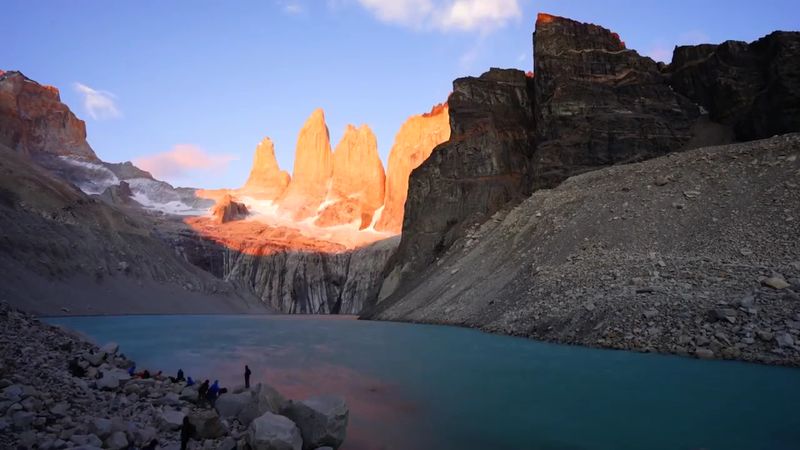
Patagonia feels like the edge of the world, and the W Trek captures that raw, untamed spirit perfectly. Named after the route’s shape on the map, this multi-day hike showcases the granite towers that give Torres del Paine National Park its name—three massive spires jutting skyward like ancient sentinels. The landscape here is fierce and beautiful, shaped by wind, ice, and time.
Hikers traverse valleys carved by glaciers, cross suspension bridges over roaring rivers, and camp beneath star-filled skies that seem impossibly vast. Turquoise lakes reflect the Paine Massif, while Grey Glacier calves chunks of ice into frigid waters with thunderous cracks. Wildlife sightings are common—guanacos graze on hillsides, and Andean condors soar on thermal currents.
Weather in Patagonia is famously unpredictable, so layers are your best friend. One moment might bring sunshine, the next a howling gale. But that wildness is part of the appeal. The W Trek doesn’t just show you nature; it immerses you in it, leaving you humbled by the sheer scale and power of the environment. It’s a trek that stays with you long after you’ve returned home.
Laugavegur Trail — Iceland (Volcanic Highlands)
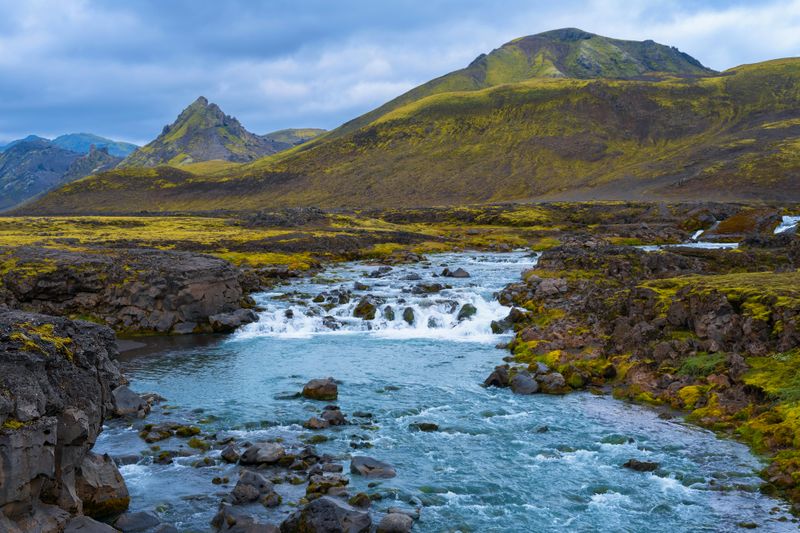
Iceland’s interior feels otherworldly, and the Laugavegur Trail proves it. This 54-kilometer route connects Landmannalaugar’s rainbow-hued rhyolite peaks with the lush glacial valley of Þórsmörk, passing through landscapes that look more like science fiction than reality. Lava fields stretch endlessly, black sand deserts shimmer under the midnight sun, and steaming hot springs bubble up from the earth.
Every day brings something completely different. You might start by crossing a field of obsidian glass, then climb past turquoise crater lakes before descending into green canyons carved by glacial rivers. The contrasts are staggering—fire and ice coexist here in ways found nowhere else on the planet. Geothermal heat warms the ground beneath your boots, while glaciers glisten on distant horizons.
Summer is the best time to hike, when the trail is accessible and wildflowers carpet the valleys. Mountain huts provide shelter, though camping is also popular. Weather shifts quickly, so waterproof gear is essential. The Laugavegur Trail isn’t just a hike; it’s a journey through Earth’s geological history, revealing forces that continue shaping our world today.
Annapurna Circuit — Nepal (Himalayan Panorama)
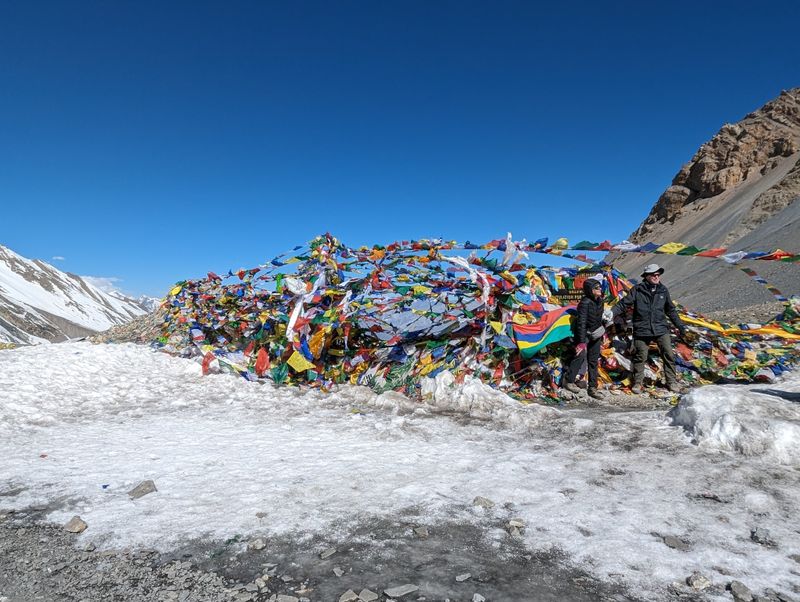
Circling the Annapurna Massif, this classic Himalayan trek takes you through an astonishing range of ecosystems and cultures. Starting in subtropical lowlands dotted with rice paddies and banana trees, the trail climbs steadily through rhododendron forests, alpine meadows, and high-altitude deserts before crossing Thorong La Pass at over 5,400 meters. The views from the top are staggering—snow-covered giants like Annapurna I and Dhaulagiri dominate the skyline.
Villages along the route offer glimpses into mountain life. Prayer flags flutter in the wind, monasteries cling to cliffsides, and locals greet you with warm smiles and cups of chai. The cultural richness matches the natural beauty, making this trek as much about people as landscapes. Deep river gorges, terraced farmland, and suspension bridges add variety to each day’s walk.
Acclimatization is crucial, so most trekkers take two to three weeks to complete the circuit. The effort pays off in unforgettable sunrises over Himalayan peaks, encounters with yaks on high trails, and the satisfaction of conquering one of the world’s most celebrated trekking routes. It’s a journey that tests endurance while rewarding you with moments of pure wonder.
Otter Trail — South Africa (Coastal Wilderness)
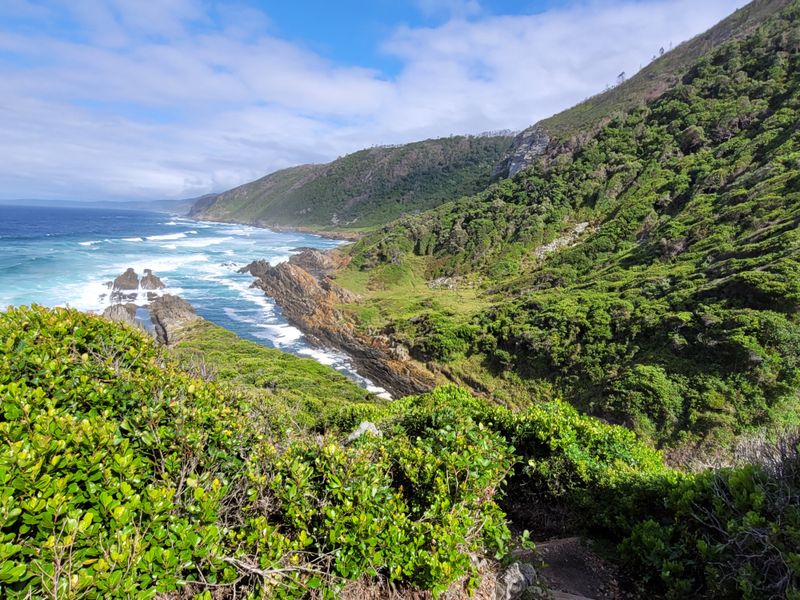
Where forest meets ocean, the Otter Trail carves a path along South Africa’s Garden Route through Tsitsikamma National Park. This multi-day coastal hike traces shorelines shaped by relentless Atlantic waves, crosses river estuaries where freshwater mingles with salt, and climbs beneath towering cliffs draped in indigenous vegetation. It’s a trek defined by the rhythm of the sea and the wildness of the coast.
Hikers navigate rocky beaches, scramble over boulders polished smooth by centuries of surf, and wade through rivers that can only be crossed at low tide. Timing matters here—the ocean dictates your schedule. Marine life thrives in tidal pools, and if you’re lucky, dolphins might arc through the waves offshore. The forests are home to diverse birdlife, and the sound of crashing surf provides a constant soundtrack.
Accommodation is in basic huts, keeping the experience rustic and immersive. The trail is limited to twelve hikers per day, ensuring solitude and minimal environmental impact. Weather can be unpredictable, with sudden storms rolling in from the ocean. But that untamed quality is precisely what makes the Otter Trail so memorable—a raw, beautiful encounter with South Africa’s coastal wilderness.
Jeju Olle Trail — South Korea (Coast, Forests & Cliffs)
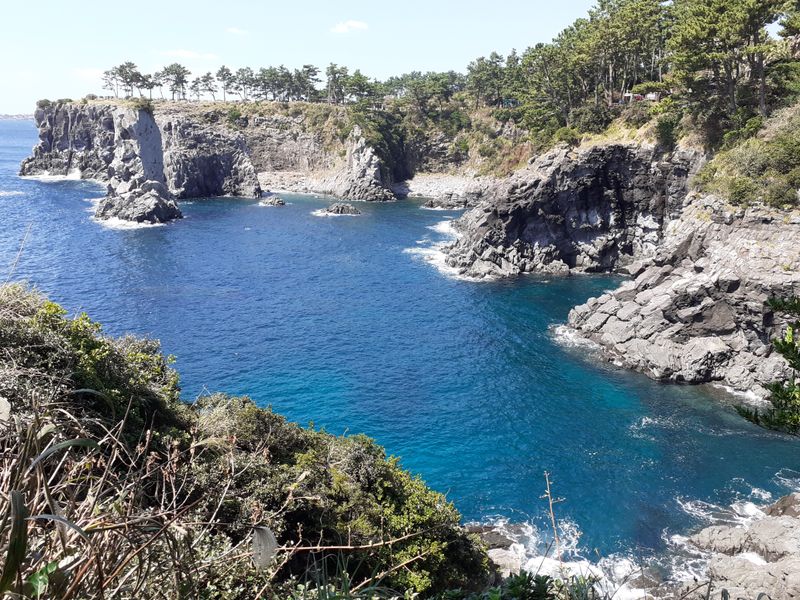
Stretching over 437 kilometers around Jeju Island, the Olle Trail network connects more than two dozen routes showcasing Korea’s southern island paradise. Each stage reveals something different—basalt cliffs sculpted by wind and waves, volcanic craters offering sunrise views, hidden waterfalls tucked in forests, and fishing villages where tradition endures. It’s a choose-your-own-adventure experience, with options for every fitness level.
Seongsan Ilchulbong, a UNESCO-listed tuff cone, provides one of the most iconic moments. Climbing to the crater rim at dawn rewards early risers with spectacular views over the island and ocean beyond. Other sections wind through tangerine groves, past lava tube caves, and along sandy beaches where turquoise water laps gently at the shore. The trails are well-marked with colorful ribbons and horse statues, making navigation straightforward.
What sets Jeju Olle apart is its accessibility. You can tackle a single route in an afternoon or spend weeks exploring the entire network. Local guesthouses and restaurants dot the paths, offering warm hospitality and regional specialties like black pork and fresh seafood. The trail celebrates slow travel, encouraging hikers to pause, observe, and connect with both nature and culture at their own pace.
Besseggen Ridge — Norway (Fjords & Alpine Views)
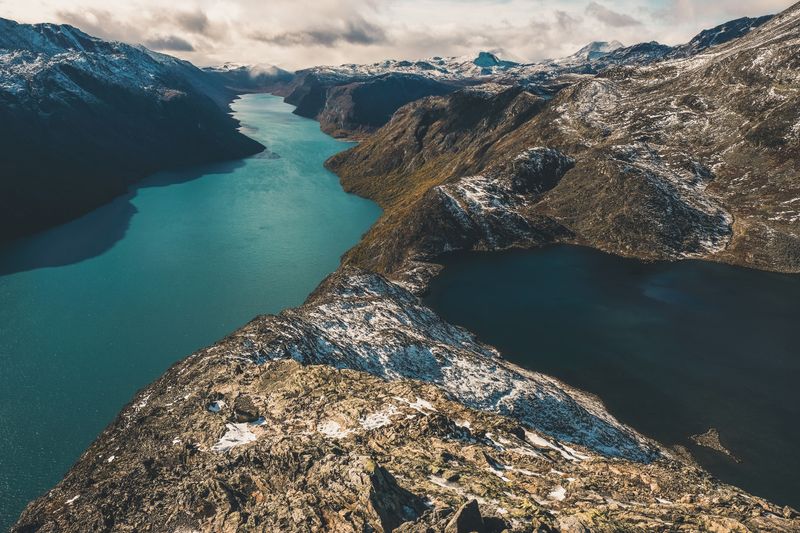
Perched in Jotunheimen National Park, the Besseggen Ridge hike delivers one of Scandinavia’s most jaw-dropping vistas in a single day. The narrow ridge separates two lakes—Gjende, glowing an unnatural emerald green from glacial sediment, and Bessvatnet, deep blue and clear. The color contrast is so striking it almost seems unreal, like someone edited the landscape with a saturation slider.
The hike itself is relatively short but steep, climbing sharply from the ferry landing at Gjendesheim. Once you reach the ridge, the payoff is immediate. Jagged peaks stretch in every direction, and the sense of space is overwhelming. On clear days, you can see across vast sections of Norway’s mountainous interior, a wilderness of rock, water, and sky.
Summer is the ideal season, when the trail is snow-free and accessible to most hikers. Even then, weather can shift quickly—Norwegian mountains demand respect. The route attracts crowds during peak season, but the views are worth sharing. Descending the other side, you’ll pass through birch forests and alpine meadows before catching a boat back across Gjende. It’s a compact adventure packed with visual drama and Nordic beauty.
Tongariro Alpine Crossing — New Zealand (Volcanic Majesty)
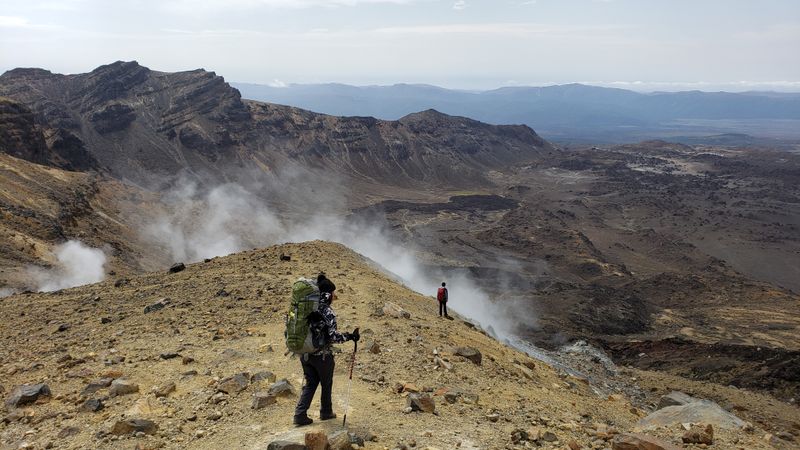
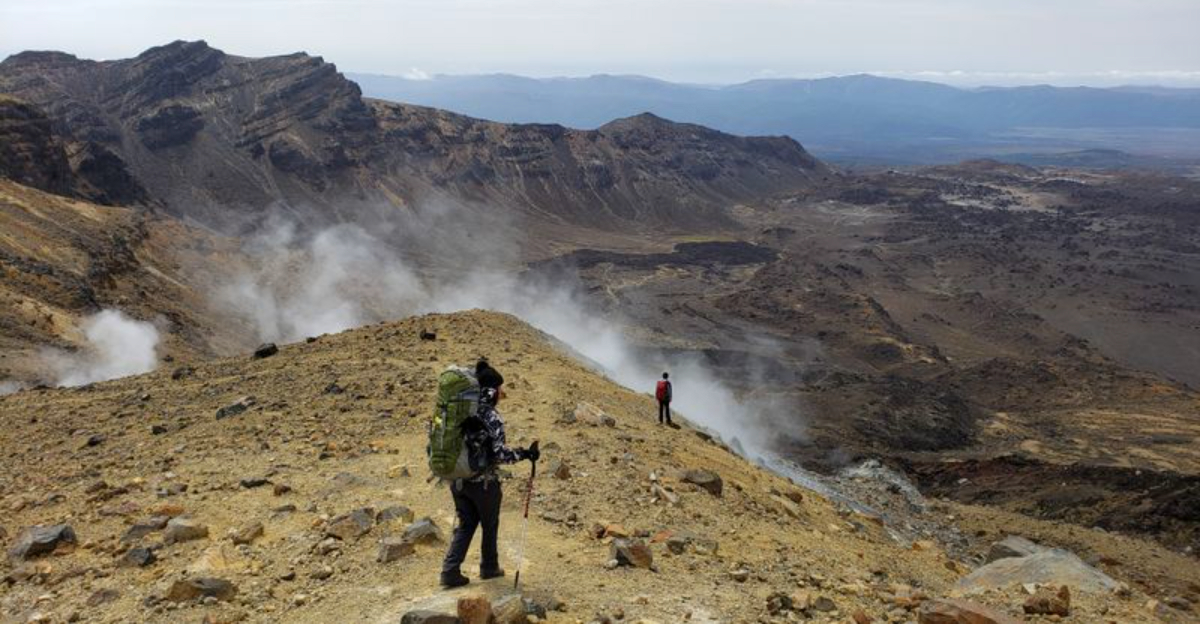
Widely considered New Zealand’s best one-day hike, the Tongariro Alpine Crossing takes you through a landscape forged by fire. Located on the North Island, the trail traverses active volcanic terrain, passing steaming vents, sulfurous fumaroles, and crater lakes that glow emerald and turquoise against dark lava rock. Mount Ngauruhoe, which doubled as Mount Doom in film adaptations, looms dramatically over the route.
The hike begins in native forest before climbing steeply to the volcanic plateau. Red Crater marks the highest point, where mineral-rich rock creates a rust-colored moonscape. From there, you descend past the famous Emerald Lakes, their vibrant color caused by dissolved minerals. The contrast between barren lava fields and these jewel-toned pools is surreal and photogenic.
Weather changes rapidly at altitude, so layers and rain gear are essential even in summer. The crossing is a shuttle hike, meaning you finish at a different point than you started, so transport needs planning. Despite its popularity—thousands hike it annually—the sheer scale of the volcanic landscape ensures it never feels too crowded. It’s a powerful reminder of Earth’s ongoing geological activity, offering a rare chance to walk through an ancient, ever-changing volcanic wonderland.
Pacific Crest Trail — USA (From Desert to Mountain Peaks)
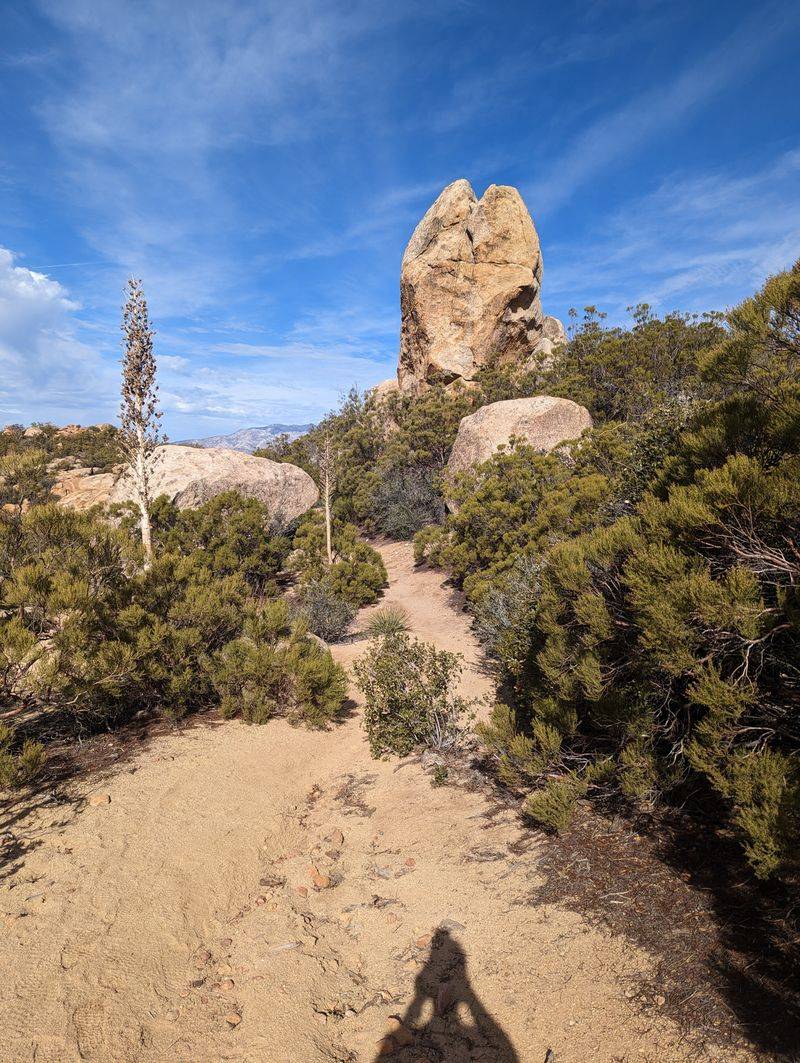
Stretching from Mexico to Canada across 4,265 kilometers, the Pacific Crest Trail is an epic undertaking few complete in one go. But you don’t need to thru-hike to experience its magic. Sections of the PCT offer access to some of North America’s most stunning natural landmarks—whether that’s the glacial lakes and granite domes of the Sierra Nevada, the volcanic peaks of Oregon, or the alpine meadows of Washington’s Cascades.
Each region brings its own character. In Southern California, the trail crosses Mojave Desert landscapes dotted with Joshua trees and sagebrush. Moving north, you enter the High Sierra, where snowmelt feeds rushing streams and wildflowers carpet subalpine zones. Further still, Oregon’s volcanic terrain features crater lakes and lava fields, while Washington offers old-growth forests and glacier-clad peaks.
Permits and logistics vary by section, so research is essential. Day hikes and weekend trips let you sample the trail without committing months. Popular spots include Crater Lake, the John Muir Trail section near Yosemite, and the North Cascades. Whether you’re chasing solitude or iconic views, the PCT delivers experiences that showcase the American West’s incredible diversity and natural grandeur.
Grand Canyon Rim-to-Rim — USA (Epic Canyon Views)
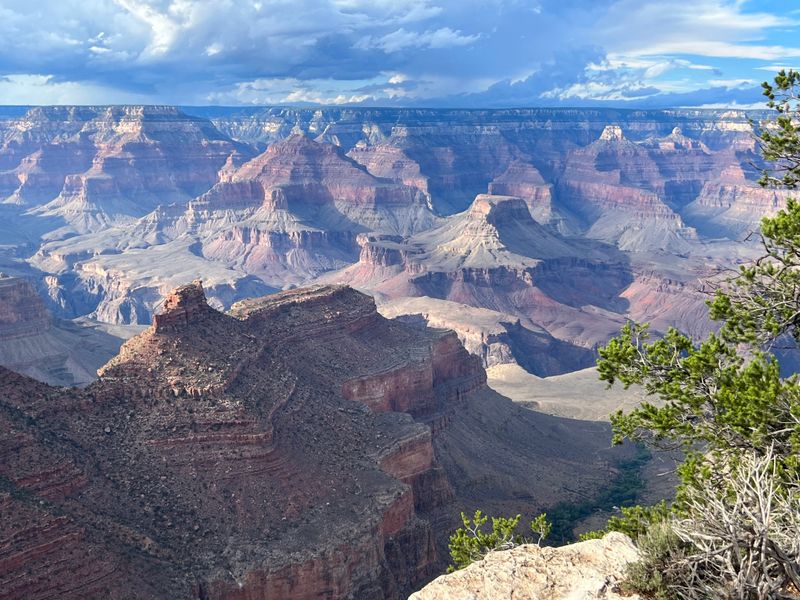
Standing at the edge of the Grand Canyon is impressive, but descending into it is transformative. The Rim-to-Rim hike takes you from one side of this colossal chasm to the other, dropping through multiple ecological zones—from ponderosa pine forests at the rim to scorching desert at the river, then back up again. It’s a vertical journey through time, with rock layers representing millions of years of Earth’s history.
The descent reveals the canyon’s true scale. What looked like a distant ribbon from above becomes the roaring Colorado River, carving relentlessly through stone. Temperatures can swing dramatically, with the inner canyon reaching over 40 degrees Celsius in summer while the rims remain cooler. Spring and fall offer the best conditions, with moderate temperatures and fewer crowds.
Most hikers tackle the route in one long day or split it over two with an overnight at Phantom Ranch. Either way, it’s physically demanding—around 34 kilometers with significant elevation change. But the payoff is unmatched: sunrise illuminating layered cliffs in shades of orange and red, the satisfaction of crossing one of Earth’s most iconic landscapes on foot, and views that redefine your sense of scale and geological time.



