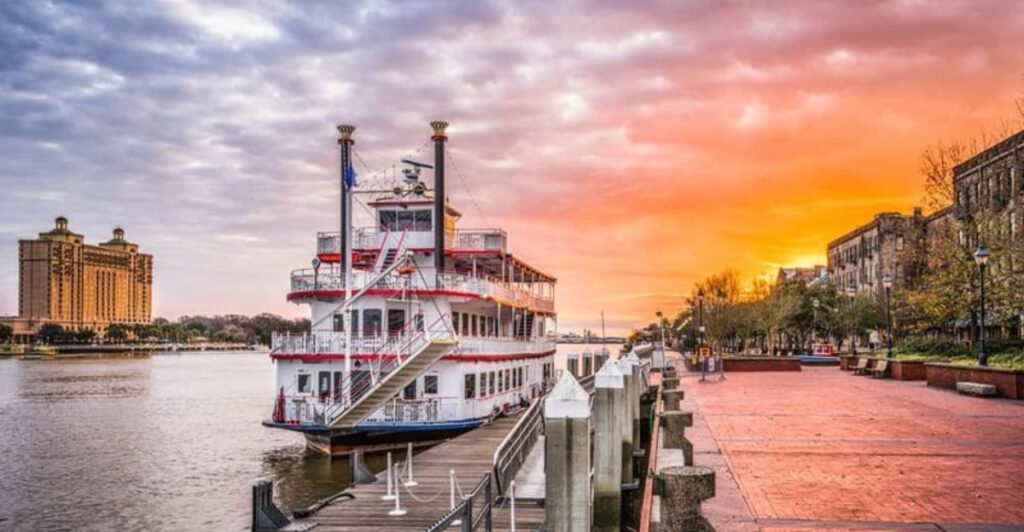
Summer heat alone is tough enough, but add thick humidity to the mix and the outdoors can feel downright unbearable. Meteorologists often use dew point as the real measure of mugginess, and dew points above 70°F are considered oppressive.
Along the Gulf Coast and Southeast, those numbers are basically a summer tradition. If you have ever stepped outside and felt like you needed a snorkel just to breathe, one of these cities might be the culprit.
New Orleans, Louisiana
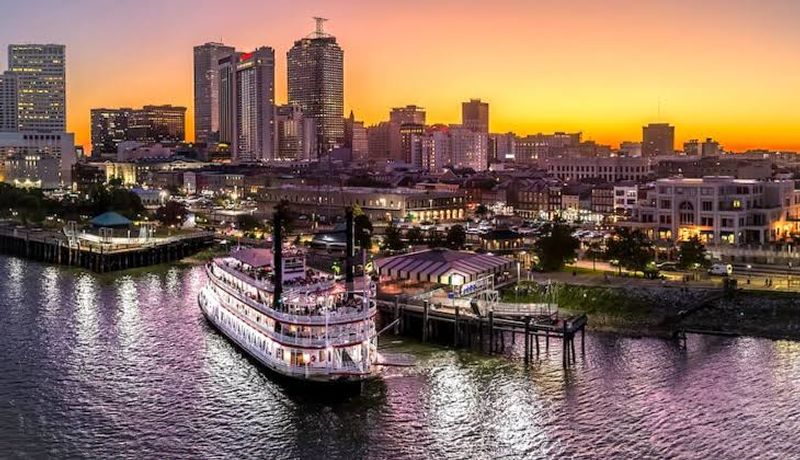
Locals joke that New Orleans has two seasons: hot and hotter. This city sits at the top of nearly every “most humid” list in the country, and for good reason.
Warm, moisture-laden air rolls in from the Gulf of Mexico almost constantly, keeping dew points in the mid-70s for weeks at a time.
By mid-July, stepping outside before 8 a.m. already feels like walking into a laundry room. The air is thick, heavy, and clingy in a way that no amount of sunscreen can fix.
Even a short walk to grab a beignet can leave you completely drenched.
Night brings almost no relief. Temperatures rarely drop enough to let the moisture settle, so the mugginess just hangs around like an uninvited houseguest.
Locals stay hydrated, wear breathable fabrics, and embrace the cold brew coffee culture like a survival strategy. Tourists, on the other hand, often learn the hard way.
Bring a change of clothes if you plan to spend any serious time outdoors during summer in the Big Easy.
Houston, Texas
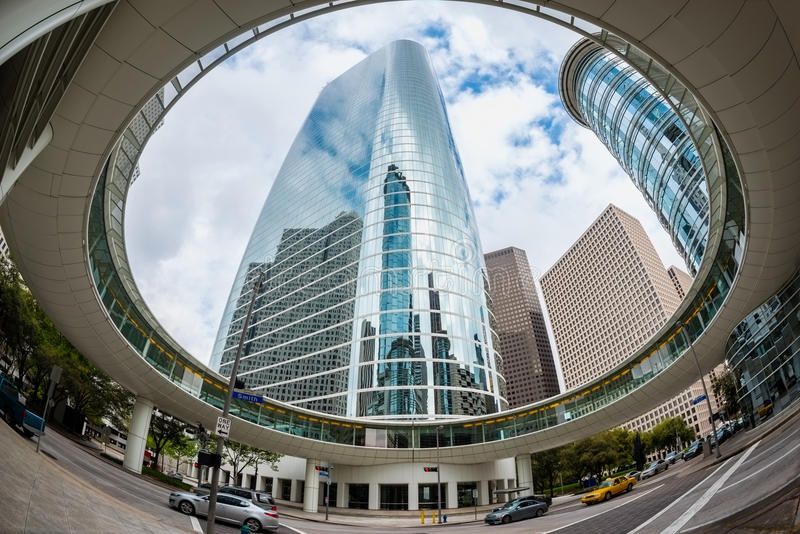
Houston does not just get hot in the summer. It gets aggressively, relentlessly, almost personally hot.
The city sits close enough to the Gulf of Mexico that warm, wet air floods in regularly, and when that moisture combines with temperatures pushing 100°F, the heat index can easily top 110°F.
July and August are the worst offenders. During those months, the “feels like” temperature routinely climbs past 105°F before noon.
Outdoor workers, athletes, and anyone who forgot to start their car early enough to cool it down all pay the price equally.
Fun fact: Houston averages around 106 days per year where the heat index exceeds 100°F. That is basically the entire summer, plus some of spring and fall thrown in for free.
Staying hydrated is not just advice here, it is a necessity. Lightweight, moisture-wicking clothing makes a real difference, and scheduling any outdoor activities for early morning is the smartest move you can make.
Air conditioning is not a luxury in Houston. It is infrastructure.
Miami, Florida
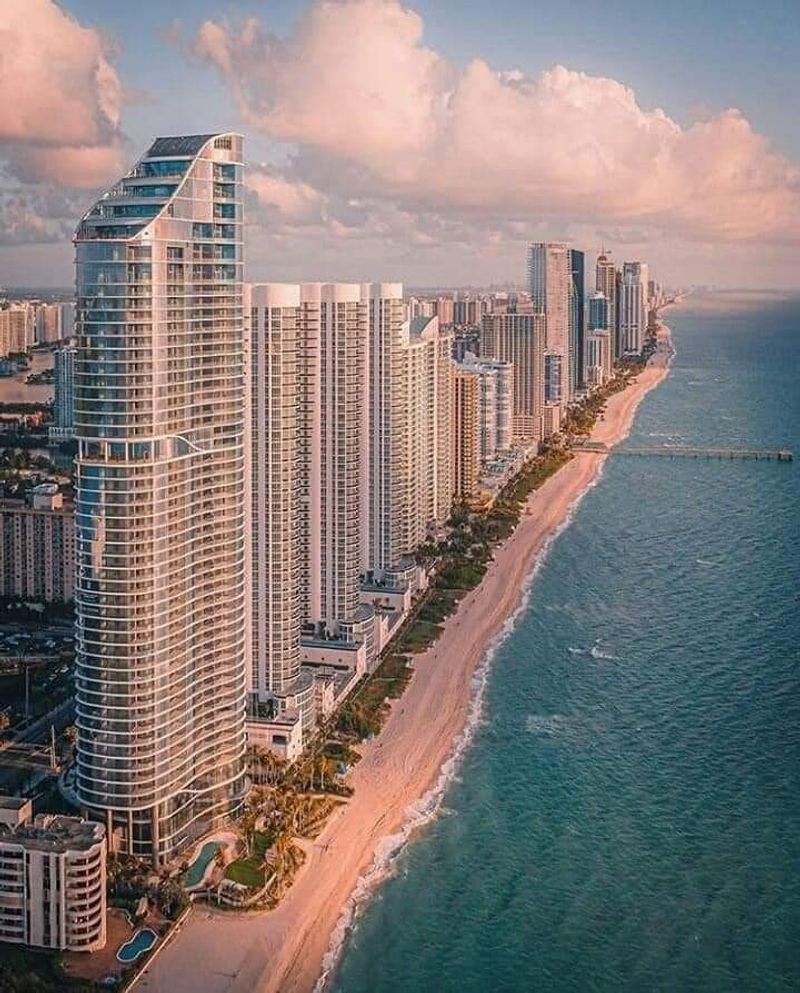
Miami earns its reputation as a tropical paradise, but “tropical” also means seriously humid from June through September. Warm Atlantic waters surround the city on multiple sides, pumping moisture into the air around the clock.
Dew points regularly hover between 72°F and 76°F throughout the summer months.
What makes Miami’s humidity especially punishing is that there is almost no overnight cooldown. Temperatures at midnight can still sit in the low 80s, with humidity levels that make it feel like you never left the afternoon heat.
Sleeping with the windows open is not really an option here.
Afternoon thunderstorms roll in almost daily, which might sound refreshing but usually just adds more steam to an already saturated atmosphere. Locals have adapted beautifully: rooftop bars with misters, beach culture that normalizes being perpetually damp, and a fashion scene built entirely around breathable linen.
Visitors should expect to apply sunscreen and then watch it immediately slide off. Staying near the ocean where sea breezes occasionally kick in is the best strategy for making summer in Miami actually enjoyable.
Tampa, Florida
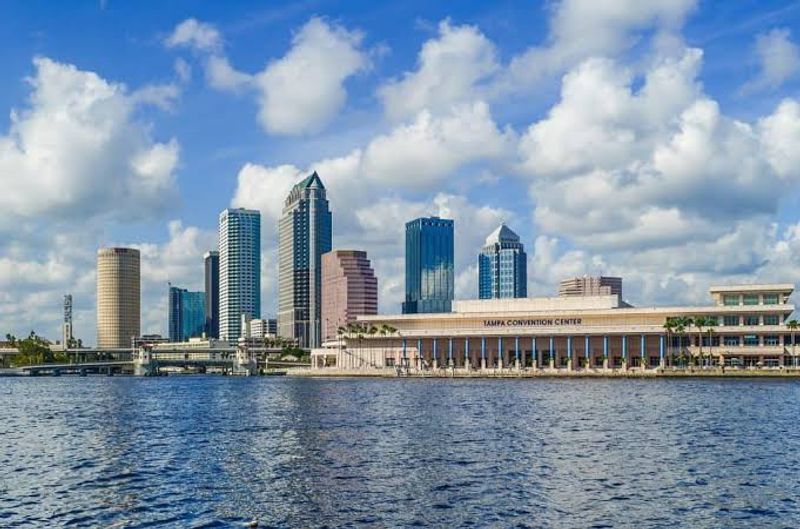
Tampa holds a quirky weather record that says a lot about its summers: it is the lightning capital of the United States. All those thunderstorms are fueled by the same Gulf moisture that makes the city feel like a sauna from May through October.
Sea breezes carry warm, wet air inland throughout the day, and the humidity rarely dips below uncomfortable levels.
Afternoon storms are practically scheduled events in Tampa. They pop up almost every single day between June and September, briefly dropping temperatures before leaving behind a thick blanket of steam that makes the air feel even heavier than before.
It is the meteorological equivalent of a false promise.
Despite the oppressive conditions, Tampa residents have mastered the art of outdoor living in the heat. Waterfront parks, shaded riverwalk areas, and a thriving rooftop bar scene all help.
Locals advise keeping a dry shirt in your car, drinking water constantly, and never underestimating how fast dehydration sets in. If you visit in summer, plan indoor activities for midday and save outdoor exploring for early mornings when the air is slightly more forgiving.
Jacksonville, Florida
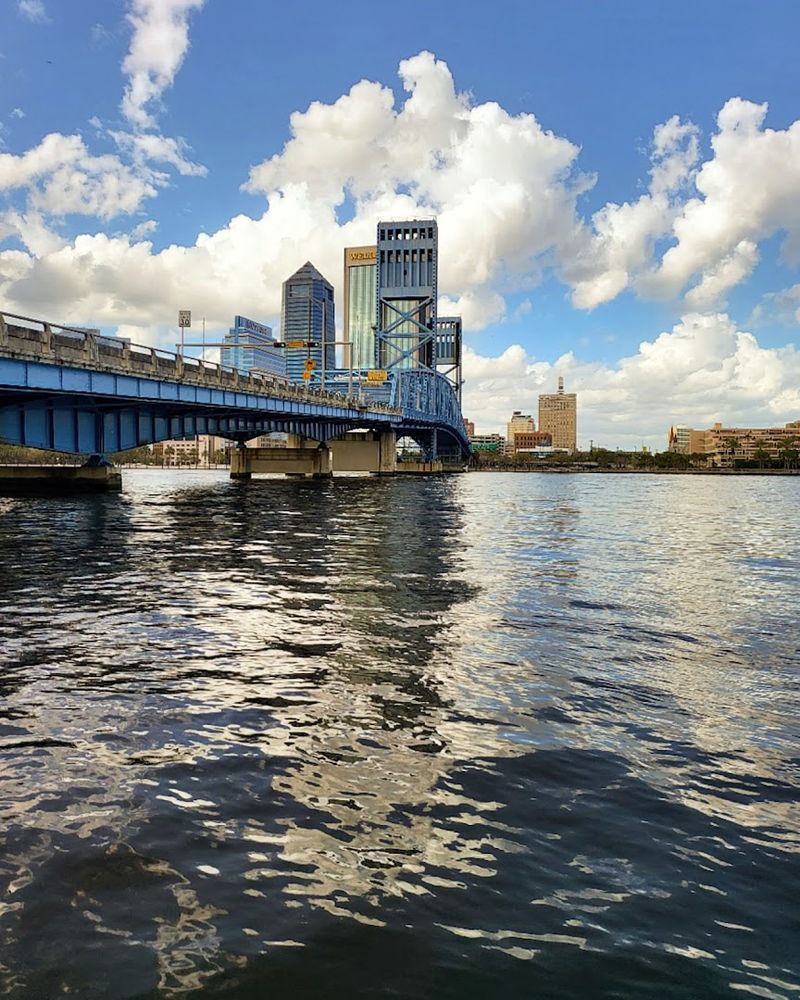
Jacksonville is the largest city by land area in the continental United States, which means there is a whole lot of hot, sticky real estate to deal with every summer. Positioned where Gulf and Atlantic moisture systems converge, the city gets hit from multiple directions.
Dew points consistently push above 70°F throughout July and August.
Mornings in Jacksonville are deceptively brutal. The sun rises into air that already feels heavy and warm, and by 9 a.m. the humidity has fully committed to ruining your outdoor plans.
Evenings offer only modest relief, with temperatures cooling slightly but moisture levels staying stubbornly high.
What sets Jacksonville apart from other Florida cities is how long the muggy season lasts. Humidity starts building in late April and does not really ease up until October.
That is nearly half the year of perpetual stickiness. Residents lean heavily on shaded parks, indoor fitness centers, and the city’s extensive waterway system for relief.
If you are planning a summer visit, packing light and loose clothing is essential. A portable fan or cooling towel can also make a surprising difference when you are stuck outside during peak afternoon heat.
Mobile, Alabama
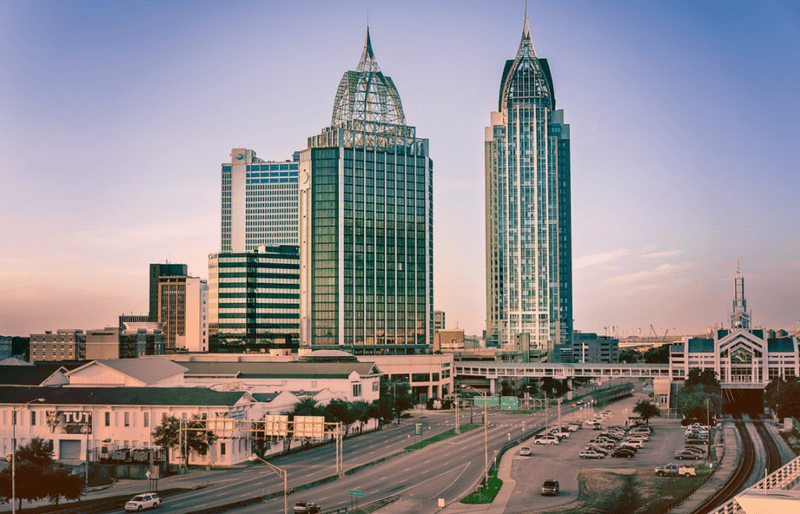
Mobile, Alabama gets more annual rainfall than almost any other city in the United States, and all that moisture does not just disappear after the rain stops. It lingers in the air, clings to your clothes, and turns a simple walk to the mailbox into a cardiovascular event.
The city’s subtropical climate means humidity season starts early and ends late.
Gulf moisture flows steadily northward into Mobile throughout the summer, keeping dew points in the low-to-mid 70s for weeks at a stretch. Lush vegetation throughout the city adds even more moisture to the already saturated air through a process called transpiration.
Basically, the trees are sweating too.
Thunderstorms roll through frequently, which might seem like a cooling mechanism but mostly just resets the humidity clock back to maximum. Locals are remarkably used to it and have developed a laid-back attitude toward the heat that is genuinely admirable.
Lightweight clothing, plenty of water, and a good relationship with air conditioning are the three pillars of surviving a Mobile summer. Outdoor festivals and events here are best enjoyed in the morning hours, ideally before 10 a.m., when conditions are slightly less punishing.
Charleston, South Carolina
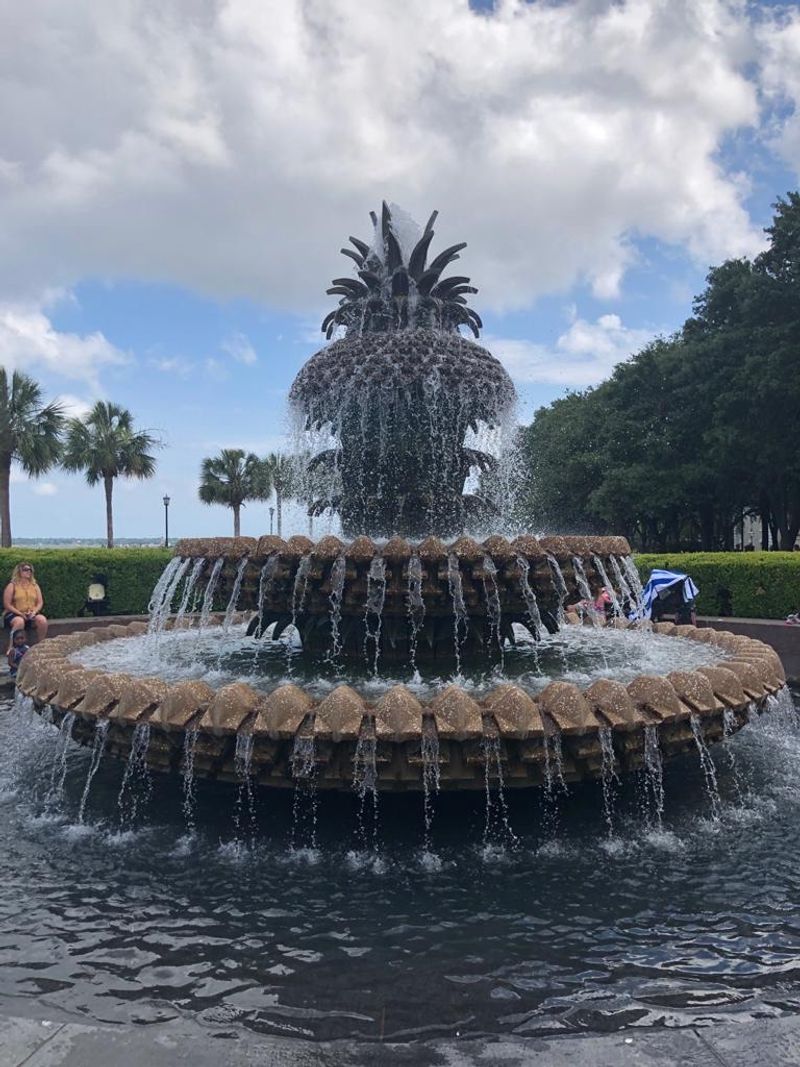
Charleston is one of America’s most beautiful cities, but its summers come with a serious asterisk. Historic cobblestone streets, dense architecture, and a coastal location create a microclimate that traps heat and moisture in a way that is genuinely impressive in the worst possible sense.
Dew points above 70°F are essentially the norm from June through September.
The city’s famous historic district, while gorgeous, offers very little airflow on calm summer afternoons. Walking between those gorgeous antebellum buildings can feel like moving through warm soup.
Tourists often underestimate how quickly the heat and humidity drain your energy during a sightseeing walk.
Charleston residents have a long history of adapting to the climate, and it shows. Wide porches built to catch coastal breezes, tall ceilings designed before air conditioning existed, and a culture of afternoon rest all developed as responses to the heat.
Modern visitors benefit from those same breezes near the waterfront, where conditions are noticeably more bearable. Staying hydrated, wearing sunscreen, and choosing a hotel with a pool are smart moves.
Early morning or late evening are the golden windows for outdoor exploration during Charleston’s sticky, sweltering summer season.
Orlando, Florida
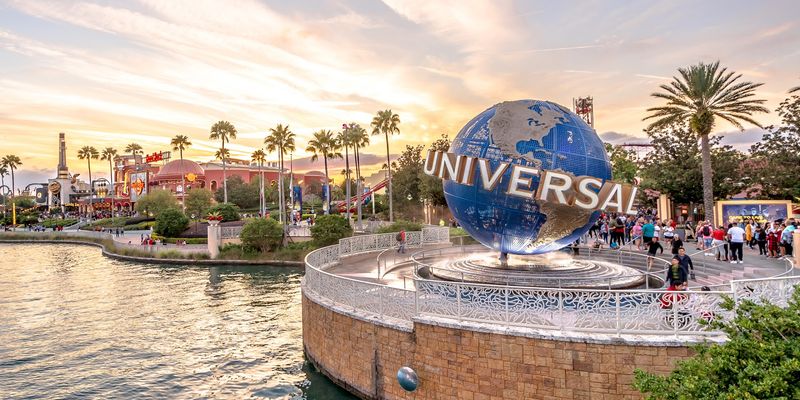
Millions of families visit Orlando every summer to enjoy its famous theme parks, and millions of those families are completely blindsided by the humidity. Despite sitting farther inland than Miami or Tampa, Orlando is still very much a Florida city, which means summer humidity is both relentless and non-negotiable.
Dew points regularly climb above 72°F by late June.
Standing in a theme park queue for 45 minutes in July is a full-contact humidity experience. The combination of body heat from crowds, blazing sunshine, and thick moist air creates conditions that feel far hotter than the actual temperature suggests.
Bring a refillable water bottle. Bring two.
Afternoon thunderstorms arrive like clockwork around 3 p.m. most summer days, briefly shutting down outdoor rides and causing everyone to crowd under covered areas. Once the storm passes, the air feels even heavier than before.
Smart Orlando visitors schedule the most physically demanding activities for early morning, take a midday break indoors, and return to outdoor fun in the early evening. Cooling towels, electrolyte drinks, and well-timed air-conditioned breaks are the unofficial survival kit for a summer Orlando vacation done right.
Corpus Christi, Texas
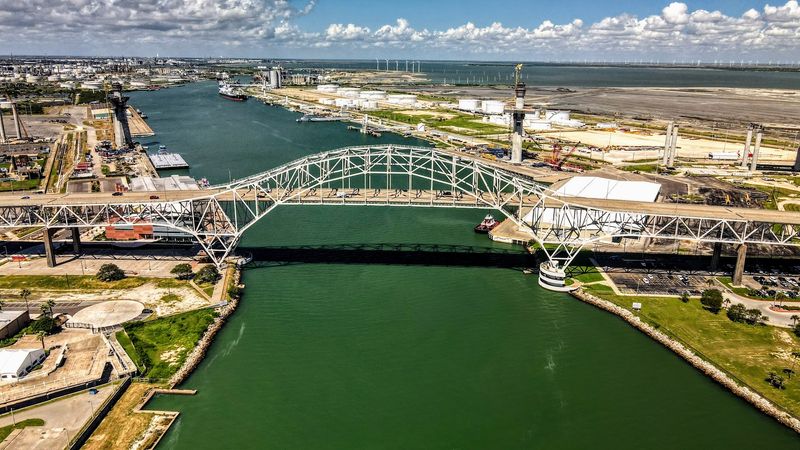
Sitting right on the Gulf of Mexico, Corpus Christi has essentially no buffer between itself and the warm, moisture-rich air that rolls off the water every single day. The result is a summer climate that combines intense sunshine, high dew points, and sea-level heat into one relentless package.
Coastal breezes help a little, but they are warm breezes carrying even more moisture.
Midday in Corpus Christi during July is genuinely challenging for outdoor activity. The combination of direct Gulf sunlight and dew points regularly pushing into the low 70s can make a simple walk along the seawall feel exhausting within minutes.
Sunscreen, hats, and hydration are not optional here.
Fishing, boating, and beach activities are central to life in Corpus Christi, and locals have learned to work around the worst of the summer heat. Early morning fishing trips, shaded waterfront restaurants, and evening beach walks are all popular ways to enjoy the coast without overheating.
Visitors should note that even the water feels warm during peak summer, offering little relief from the heat. Wind off the bay is your best friend here, and any day with a good coastal breeze is a gift worth celebrating.
Savannah, Georgia
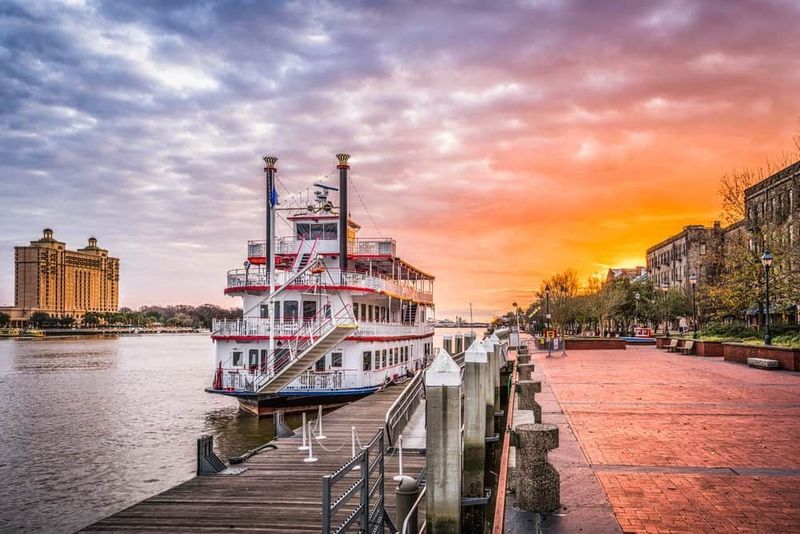
Savannah might be the most photogenic city on this list, but those stunning moss-draped squares come with a serious humidity surcharge every summer. The city’s coastal Georgia location keeps moisture levels high from May through September, and the abundant tree canopy, while providing shade, also traps warm air close to the ground.
Dew points above 70°F are standard summer fare.
Walking Savannah’s famous historic squares in July is a beautiful but sweaty experience. The shade from those magnificent live oaks helps block direct sunlight, but it does nothing about the heavy, wet air that settles between the buildings on calm afternoons.
Locals move slowly and deliberately in the summer heat, which is both wise and culturally appropriate.
Savannah has a rich history of adapting to its climate, from the layout of its famous grid system designed to maximize airflow to the deep porches on its historic homes. Ghost tour operators joke that summer visitors often look more haunted than the ghosts by the end of a walking tour.
Staying near the riverfront where breezes occasionally kick in helps. Lightweight clothing, a wide-brimmed hat, and a cold drink in hand are the unofficial uniform of a smart Savannah summer visitor.
Share this story