 Unearth The Voyage
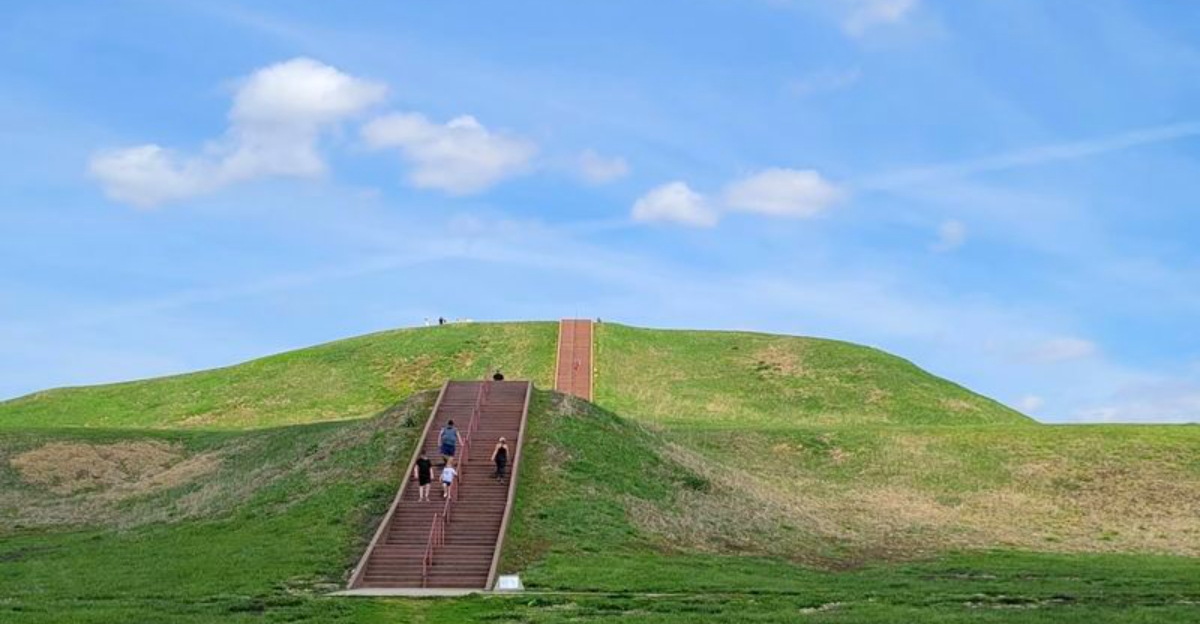
Most people think of the Eiffel Tower or the Colosseum when they picture historic sites, but some of the most fascinating places in history are hiding in plain sight. Across the United States, there are ancient mounds, forgotten frontier forts, and quiet prairie towns that tell powerful stories most textbooks skip over.
These spots offer a rare chance to experience real history up close without fighting through tour groups or waiting in long lines. Pack your curiosity and get ready to discover ten historic gems that deserve way more attention than they get.
Nicodemus National Historic Site — Kansas
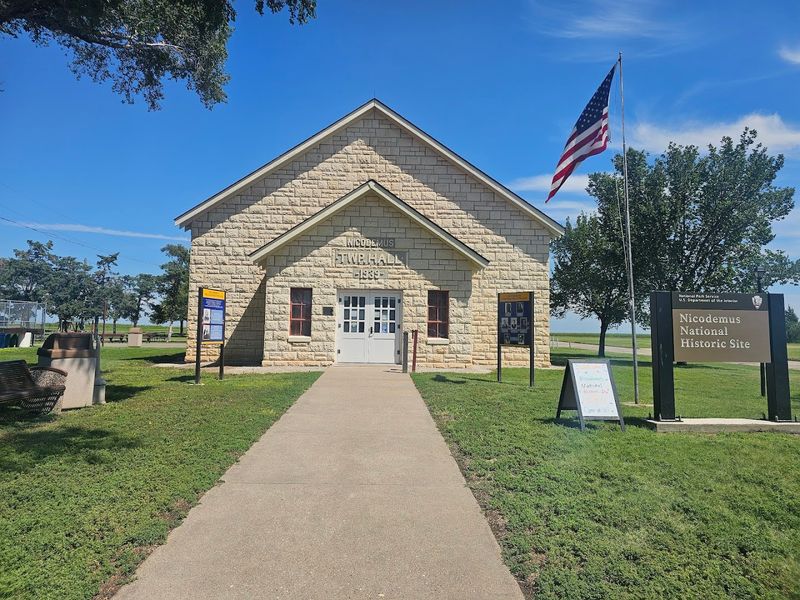
Imagine packing everything you own and heading west after the Civil War, hoping to build a new life from scratch on the open Kansas prairie. That is exactly what a group of formerly enslaved African Americans did in 1877 when they founded Nicodemus.
Their courage is almost impossible to overstate.
Today, five original structures still stand, including the Township Hall and the old school. They are modest buildings, but they carry enormous weight.
Each one is a quiet monument to resilience, determination, and the pursuit of freedom long after emancipation was supposed to have settled things.
The National Park Service manages the site with obvious care. Rangers here are knowledgeable and passionate, often sharing stories that go well beyond the standard brochure.
Plan to spend at least an hour talking with them if you can — the oral history tradition at Nicodemus is rich and moving.
The surrounding landscape adds to the experience. Flat, windswept, and wide open, the Kansas prairie feels both humbling and hopeful here.
There are no gift shops or souvenir stands. Just history, sky, and a powerful reminder that community can be built anywhere with enough grit.
Visit during Emancipation Day celebrations in late July for a truly special experience.
Allegheny Portage Railroad — Pennsylvania
Before anyone figured out how to punch a railroad tunnel straight through a mountain, engineers in Pennsylvania came up with something wonderfully stubborn: they decided to haul the trains up and over the mountain using a series of ropes, pulleys, and stationary steam engines. It sounds chaotic, and honestly, it kind of was.
The Allegheny Portage Railroad, completed in 1834, was the first railroad to cross the Allegheny Mountains. It connected Philadelphia to Pittsburgh at a time when that journey was a grueling, multi-week ordeal.
Suddenly, the trip took days instead of weeks. People were genuinely amazed.
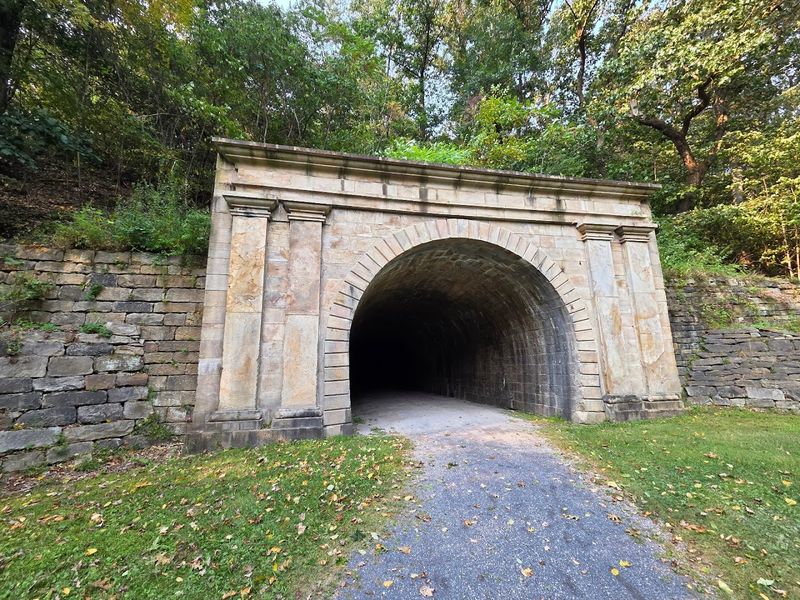
The park today preserves the Staple Bend Tunnel, the first railroad tunnel built in the United States. Hiking to it through the woods feels like uncovering a secret.
The tunnel is dark, cool, and dripping with atmosphere — literally and figuratively. Bring a flashlight and sturdy shoes.
The visitor center at the main site features a reconstructed engine house and a full-scale replica of the inclined plane machinery. Exhibits are clear and well-designed, making the engineering concepts easy to grasp even if physics is not your favorite subject.
Crowds are minimal, trails are well-maintained, and the history hits differently when you are standing right on top of it.
Pullman Historic District — Chicago, Illinois
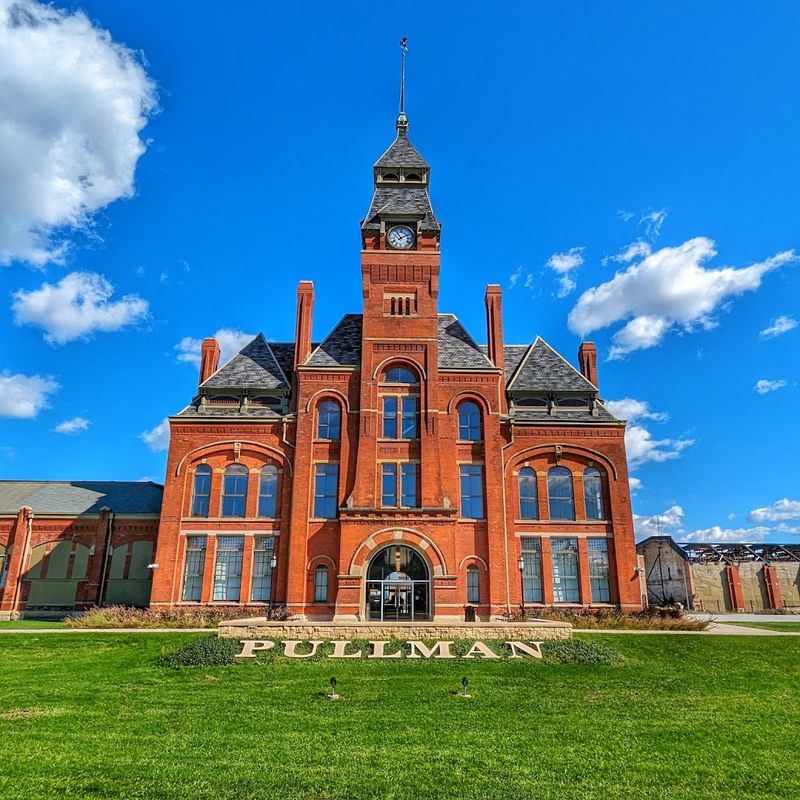
George Pullman thought he had cracked the code on worker happiness. He built an entire town — houses, shops, a church, even a library — for his railroad car employees, all on the south side of Chicago.
It looked great on paper. Then his workers went on strike anyway, and American labor history was never quite the same.
The Pullman Strike of 1894 was one of the most significant labor conflicts in U.S. history, eventually involving over 250,000 workers nationwide. President Grover Cleveland sent in federal troops.
The whole thing ended badly for Pullman, but it helped spark the labor rights movement that eventually gave Americans the eight-hour workday.
Walking through the district today, you are surrounded by beautifully preserved Victorian architecture. The red-brick rowhouses, the old Hotel Florence, and the massive Greenstone Church are all still standing and remarkably intact.
It feels like stepping into a living photograph from the 1890s.
Designated a National Monument in 2015, the site is still being developed for visitors. The visitor center offers solid context, and ranger-led tours bring the drama of 1894 to life in a way that sticks with you.
Weekend tours are available seasonally, and the neighborhood itself is worth a slow, curious stroll even outside of official programming.
Cahokia Mounds — Illinois
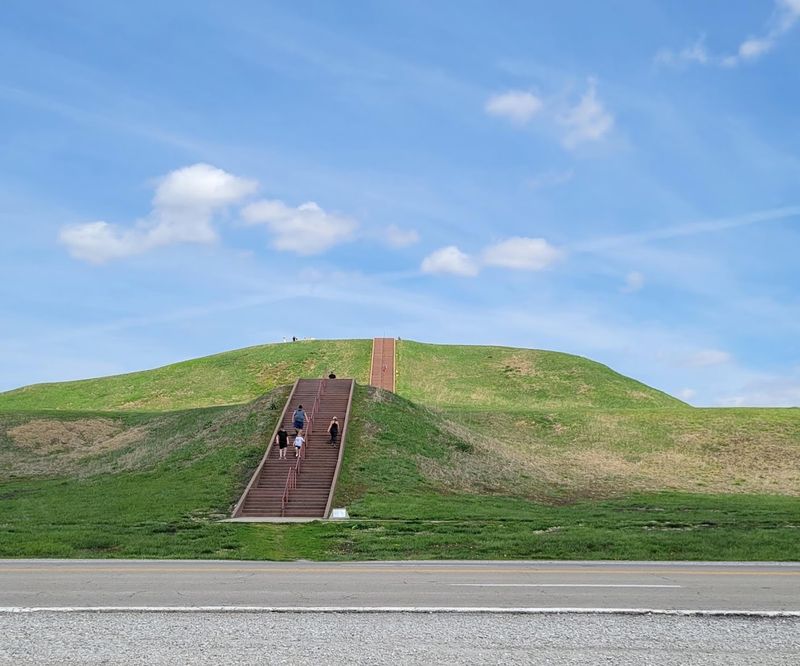
At its peak, Cahokia was home to roughly 20,000 people — bigger than London was in 1250 AD. That fact alone should make your jaw drop.
This was not a small village. It was a full-on city, built entirely by Indigenous hands without metal tools or the wheel.
The mounds themselves are staggering. Monks Mound, the largest, covers more ground than the Great Pyramid of Giza.
Standing at its base and looking up, you get a genuine sense of the ambition and skill behind its construction. Nobody needed a hard hat or a crane to pull this off.
Visitors can walk among more than 70 surviving mounds spread across 2,200 acres. The interpretive center does a solid job explaining what daily life looked like here nearly a thousand years ago.
There are artifacts, timelines, and models that make the history feel alive rather than dusty.
Best of all, the site rarely feels crowded. On a weekday morning, you might have entire mounds to yourself.
Admission is free, parking is easy, and the views from the top of Monks Mound stretch for miles. This is American history at its most underrated.
First State Heritage Park — Delaware
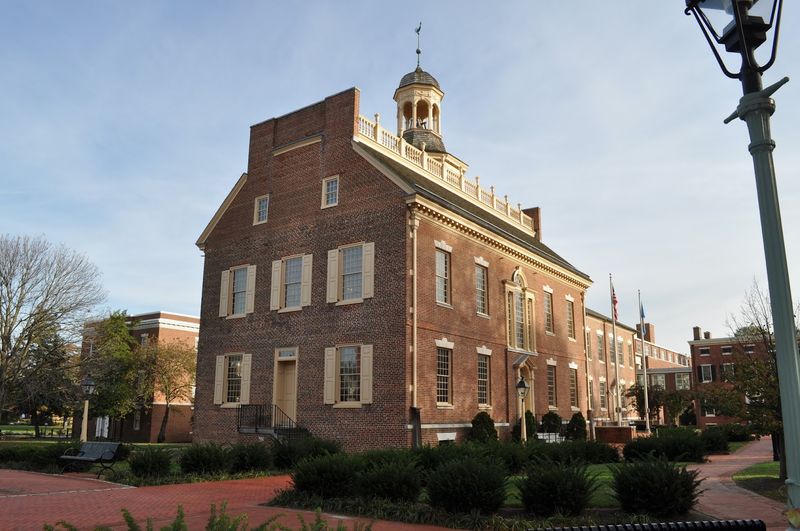
Delaware is the kind of state that gets skipped on road trips, which is a genuine shame because it was literally the first state to ratify the U.S. Constitution.
On December 7, 1787, Delaware said yes before anyone else. That date is still stamped on the state’s license plates with quiet pride.
First State Heritage Park is not your typical park with trails and picnic tables. It is an urban park spread across several historic buildings in downtown Dover, all connected by walking routes.
The Old State House, built in 1792, is the crown jewel — and it is free to tour.
Inside the Old State House, you can see the original courtroom, legislative chambers, and a portrait of King George II that hung there even after the Revolution. Nobody bothered to take it down for decades, which says something funny and very human about how change actually happens.
The Legislative Hall and the Johnson Victrola Museum are also part of the park experience. Dover is a small, walkable city, so hopping between sites takes no effort at all.
Crowds are practically nonexistent on weekdays. If you want to feel like you have American history all to yourself, Dover on a Tuesday morning is hard to beat.
Kincaid Mounds — Illinois
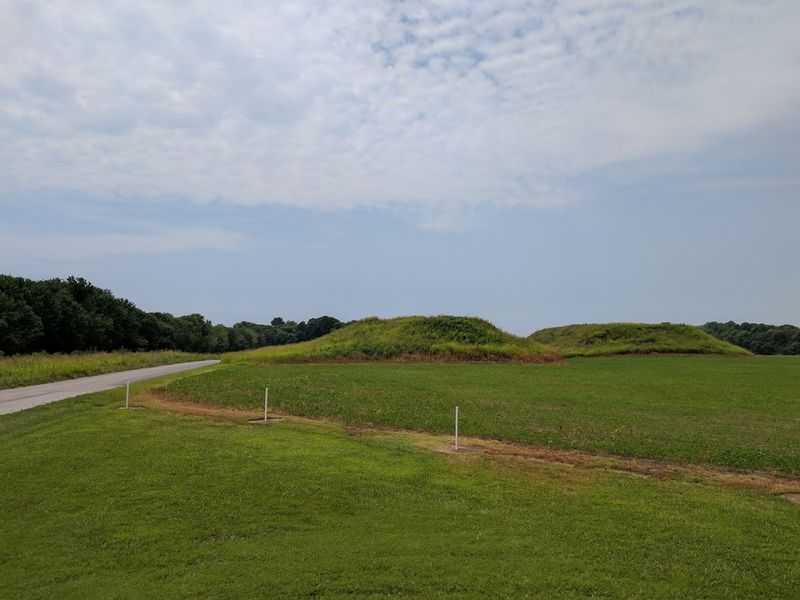
There is something eerie and wonderful about standing on a thousand-year-old earthen platform in the middle of southern Illinois, with nothing but birdsong and river wind around you. Kincaid Mounds does not announce itself loudly.
It just sits there, ancient and patient, waiting for people who are paying attention.
The site preserves the remains of a major Mississippian city that thrived between roughly 1000 and 1400 CE. At its height, Kincaid may have housed several thousand people.
The community built ceremonial mounds, maintained plazas, and participated in a vast trade network that stretched across much of North America.
Unlike Cahokia, which has a full visitor center and paved paths, Kincaid is raw and undeveloped. There are interpretive signs, but the experience is mostly just you and the landscape.
That is either a drawback or the whole point, depending on your travel style. For history lovers who prefer atmosphere over amenities, it is absolutely the whole point.
Access requires a short drive through rural Massac County, which adds to the sense of discovery. The mounds are best visited in spring or fall when the vegetation is manageable and the light is golden.
Very few people know this place exists, which means you can absorb it slowly and completely without anyone rushing you along.
Iliniwek Village State Historic Site — Missouri
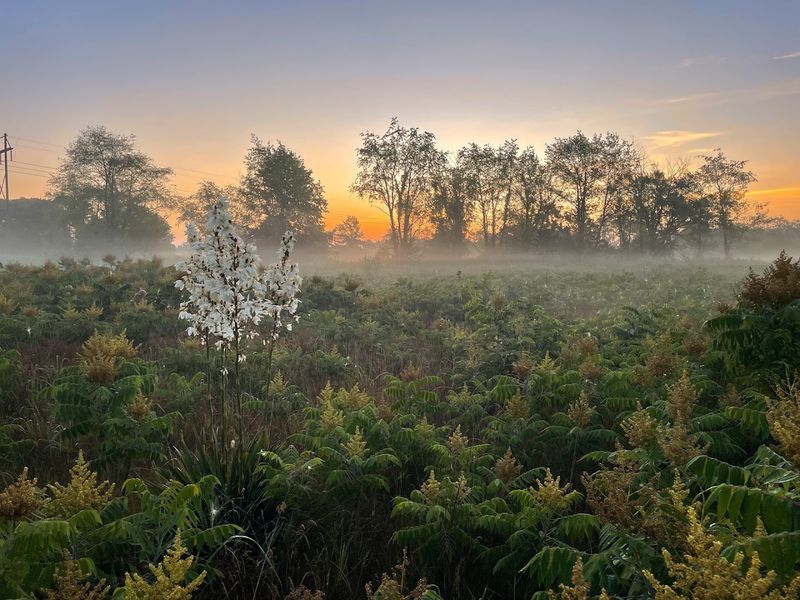
Tucked into a quiet bend near the Mississippi River in northeastern Missouri, Iliniwek Village sits in a spot so peaceful you might forget that a thriving Native American community once filled this entire landscape with life, language, and ceremony. That contrast — between the silence now and the activity then — is exactly what makes this place so haunting and worthwhile.
The site preserves the remains of an Illinois Confederation village occupied during the late 17th century. French explorers, including Marquette and Jolliet, likely encountered communities from this very cultural group during their famous 1673 expedition down the Mississippi.
History was being made here while most of Europe was still figuring out its own problems.
Archaeological work at the site has uncovered pottery, tools, and structural remnants that help paint a detailed picture of daily life. The Missouri Department of Natural Resources manages the area, and interpretive panels along the walking path do a respectful and informative job of explaining what researchers have found.
The setting along the river adds a natural beauty that enhances the historical mood. Visit on a foggy morning if you can — the atmosphere becomes almost cinematic.
Foot traffic is minimal year-round, making it a genuinely contemplative stop. Bring insect repellent in summer and sturdy shoes any time of year.
Andersonville National Historic Site — Georgia
Some places demand silence. Andersonville is one of them.
During just 14 months of operation from 1864 to 1865, Camp Sumter — the Confederate prison camp at Andersonville — held nearly 45,000 Union soldiers. Almost 13,000 of them died there from disease, malnutrition, and exposure.
Those numbers are not easy to sit with.
The site today includes the original prison grounds, a deeply moving National Cemetery, and one of the best prisoner-of-war museums in the country. The museum does not limit itself to the Civil War — it traces the experience of American POWs from the Revolution through modern conflicts.
It is sobering, thorough, and unexpectedly gripping.
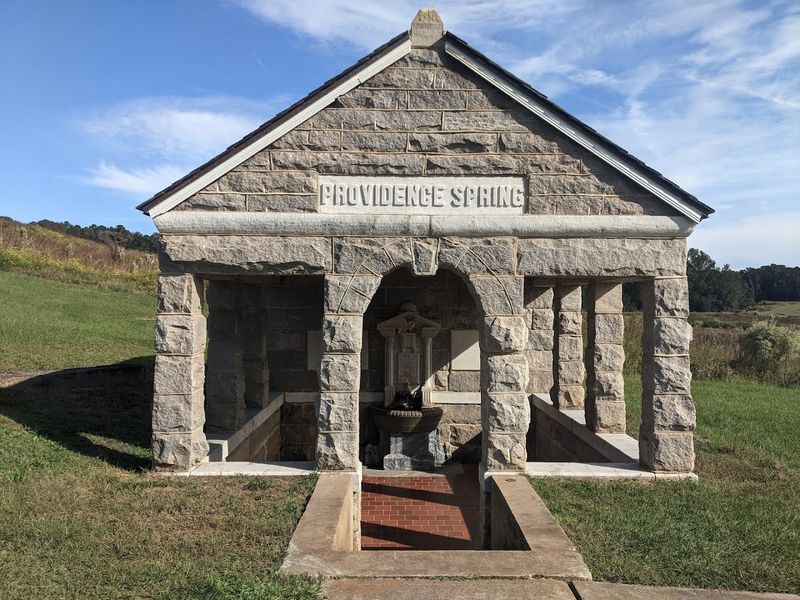
Walking the perimeter of the old prison stockade, marked now by wooden posts, gives you a visceral sense of how cramped and desperate conditions were. Providence Spring, where legend says a spring burst from the ground in answer to prisoners’ prayers, is still flowing and still carries a strange, quiet power.
Despite its historical significance, Andersonville sees far fewer visitors than famous battlefield sites like Gettysburg. That means you can move through the exhibits at your own pace and spend real time in the cemetery without feeling rushed.
History this heavy deserves that kind of space and attention.
Fort Union Trading Post — North Dakota
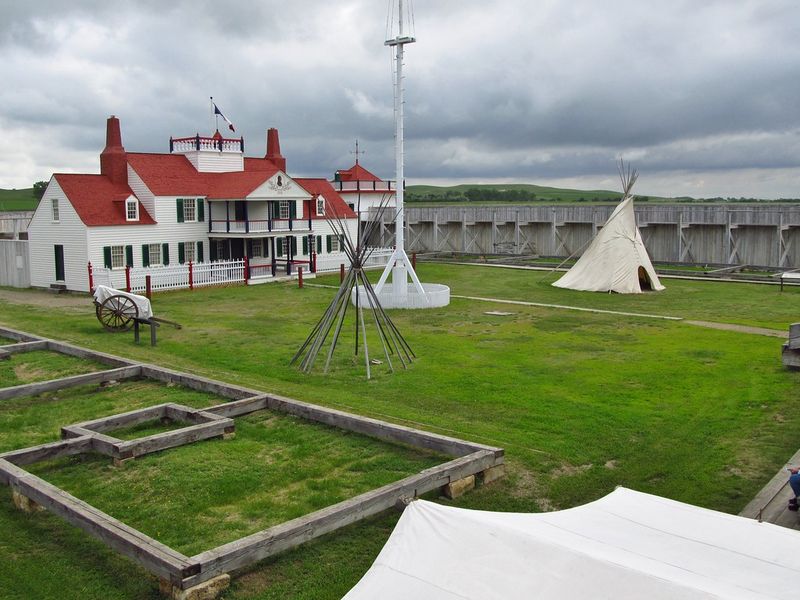
Standing at the confluence of the Missouri and Yellowstone Rivers, Fort Union once handled more fur trade business than almost any other post on the American frontier. Between 1828 and 1867, it was the place where Native nations, European traders, and American explorers met, negotiated, and exchanged everything from beaver pelts to political influence.
It was essentially the stock exchange of the northern plains.
The reconstructed fort is impressively done. The whitewashed Bourgeois House, where the post manager lived in surprising luxury, stands in sharp contrast to the rugged landscape surrounding it.
Inside, costumed interpreters and well-curated exhibits explain the complex web of commerce and culture that defined this place for nearly four decades.
Artists like Karl Bodmer and John James Audubon visited Fort Union and produced some of the most iconic images of the American West ever made. Standing where they once stood, looking out at the same river view, feels like touching something genuinely rare.
The landscape has barely changed in 200 years.
The remote location in western North Dakota keeps crowds thin even during peak summer months. The drive out is long but scenic, passing through badlands and open grasslands that feel untouched by time.
Pair it with a visit to nearby Fort Buford for a full day of frontier history with practically no one else around.
Tumacácori National Historical Park — Arizona
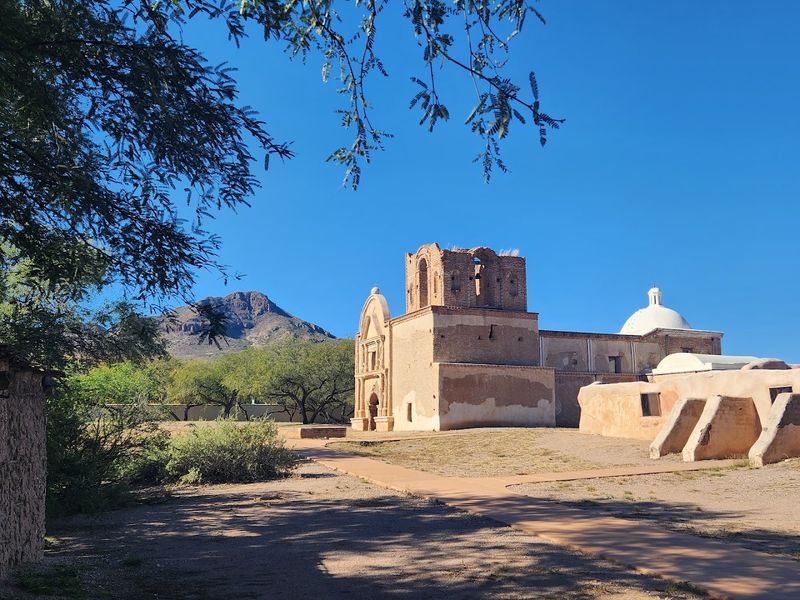
The crumbling adobe walls of Tumacácori rise from the Sonoran Desert like something from a fever dream — massive, sun-bleached, and utterly silent. Founded by Jesuit missionaries in 1691, this mission complex is one of the oldest European settlements in what is now the United States.
It predates the American Revolution by nearly a century.
The story here is layered and complicated in the best possible way. The O’odham people had lived in this region for generations before Spanish missionaries arrived.
What followed was a collision of cultures, beliefs, and power that shaped the entire Southwest. The park presents this history honestly, without glossing over the difficult parts.
The ruins of the main church are genuinely stunning. Even roofless and weathered, the scale of the structure communicates ambition and faith in equal measure.
The intact mortuary chapel and the surrounding graveyard add to the atmosphere in ways that photographs simply cannot capture.
The small but excellent museum on-site features original artifacts, including ceramics, religious objects, and tools that belonged to both the O’odham community and the missionaries. Entry fees are low, and the site is rarely busy except during the annual Fiesta in December.
Morning visits are best — the desert light on those adobe walls at 8 AM is something close to magical.



