Montenegro might be small, but it packs an incredible amount of beauty into every corner. Most visitors rush straight to Kotor or Budva, missing some of the country’s most magical spots.
If you want a real adventure without fighting for sunbeds or waiting in line for a photo, these ten underrated places will change the way you see Montenegro. Pack light, leave early, and get ready to explore the side of this country that most tourists never find.
Virpazar – Lake Skadar
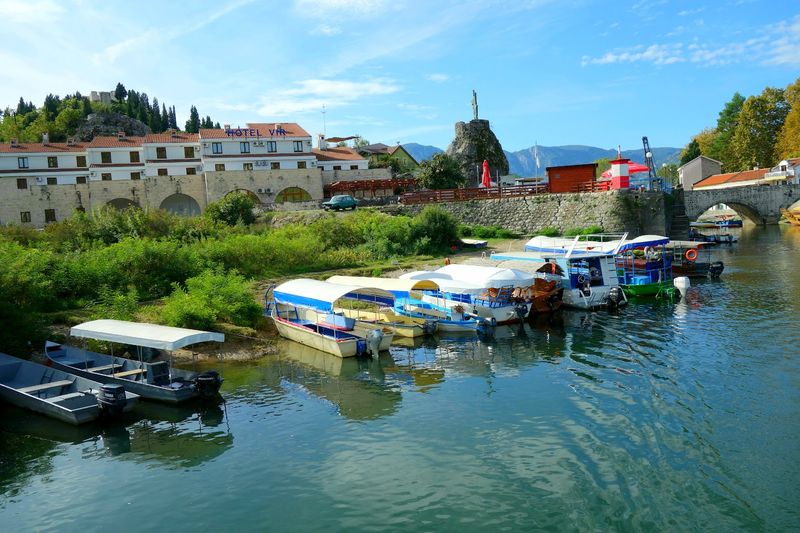
Fishermen have been launching boats from Virpazar’s tiny dock for centuries, and somehow the rest of the world still hasn’t caught on. This compact village sits right at the edge of Lake Skadar, the largest freshwater lake in the Balkans, and it feels wonderfully forgotten.
Stone houses line narrow lanes, cats nap on warm steps, and the only real rush is deciding whether to rent a kayak or grab a coffee first.
Lake Skadar is a birdwatcher’s paradise, home to pelicans, herons, cormorants, and over 270 other species. You can hire a local fisherman to take you out on the water at sunrise, when the mist sits low and the whole lake glows gold.
It costs very little, and the memory lasts forever.
The surrounding wetlands and ruined hilltop fortresses add extra charm for hikers and history fans. Summer crowds tend to stay on the coast, so Virpazar stays blissfully calm even in July and August.
Grab a glass of local red wine at a waterside restaurant and toast to having made the smarter choice.
Ulcinj Old Town – Southern Coast
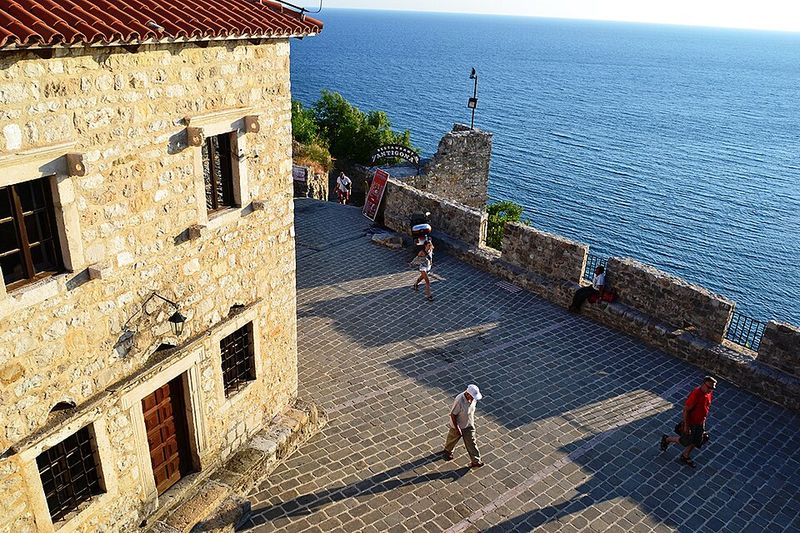
Ulcinj’s Old Town sits on a rocky cliff above the Adriatic like a fortress that forgot to become a tourist trap. While the beach crowds gather below, the ancient walled city above remains surprisingly quiet and completely captivating.
It has one of the most dramatic settings in all of Montenegro, yet visitor numbers stay refreshingly low.
Ottoman influence is everywhere here. Mosques, hammams, and centuries-old stone buildings tell the story of a town that has changed hands many times and absorbed each culture without losing its own identity.
The views from the old walls stretch across the sea and down the coastline in both directions, and there are zero entrance fees to enjoy them.
Hidden coves and small beaches are tucked below the cliffs, reachable by short footpaths that most tourists never bother to find. Ulcinj also has a lively local food scene with fresh grilled fish and Albanian-influenced dishes that you simply cannot get anywhere else in the country.
Visit in the late afternoon when the light turns warm and golden, and the Old Town genuinely looks like something from a painting.
Rijeka Crnojevića – Skadar Region
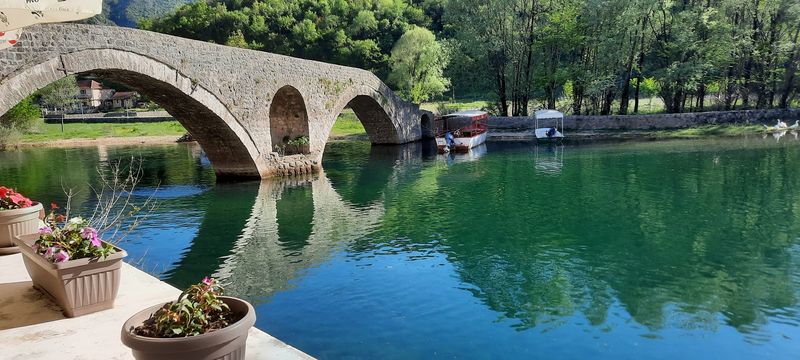
Stumbling into Rijeka Crnojevića feels like accidentally walking onto a film set, except everything is completely real. This tiny village sits where a calm river meets the hills near Lake Skadar, and its ancient stone bridge is one of the most photogenic structures in the entire country.
Almost nobody stops here, which makes it even better.
The village has deep historical roots. It was once the capital of the Zeta principality and home to one of the first printing presses in the Balkans, established in the 15th century.
That kind of history packed into such a small, quiet place is genuinely surprising and worth knowing before you arrive.
Walking the riverbank takes about ten minutes, and that slow pace is exactly the point. Local restaurants serve fresh trout caught right from the river, and the surrounding hills offer short hiking trails with sweeping valley views.
Day-trippers from Virpazar or Podgorica sometimes pass through, but they rarely linger long. If you bring a camera, budget extra time because you will stop constantly.
The light reflecting off the water in the morning is simply extraordinary.
Perast – Bay of Kotor (Early Morning or Evening)
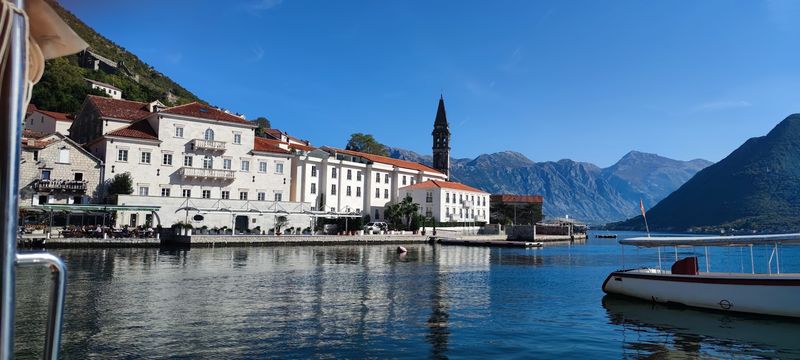
Most travel guides will tell you Perast is a must-see, but they forget to mention the single most important detail: timing is everything. Show up at midday in July and you will share the narrow waterfront with a thousand other visitors.
Arrive at 7am or return after 7pm, and you will have one of the most beautiful bays in Europe almost entirely to yourself.
Perast was once a wealthy maritime republic, and its baroque palaces and grand churches still reflect that prosperity. Seventeen churches and sixteen palaces squeezed into a town with barely 300 residents is a remarkable ratio by any standard.
The famous island church, Our Lady of the Rocks, sits just offshore and can be reached by a short boat ride that costs almost nothing.
The waterfront cafe culture here is genuinely relaxed outside peak hours. Locals sit with coffee, fishermen sort their gear, and the bay shimmers quietly.
Swallows dart between the old stone buildings at dusk, and the mountains surrounding the bay turn deep purple as the sun drops. Staying overnight in one of the guesthouses means you get both the peaceful morning and the glowing evening all to yourself.
Zminje Lake – Durmitor National Park
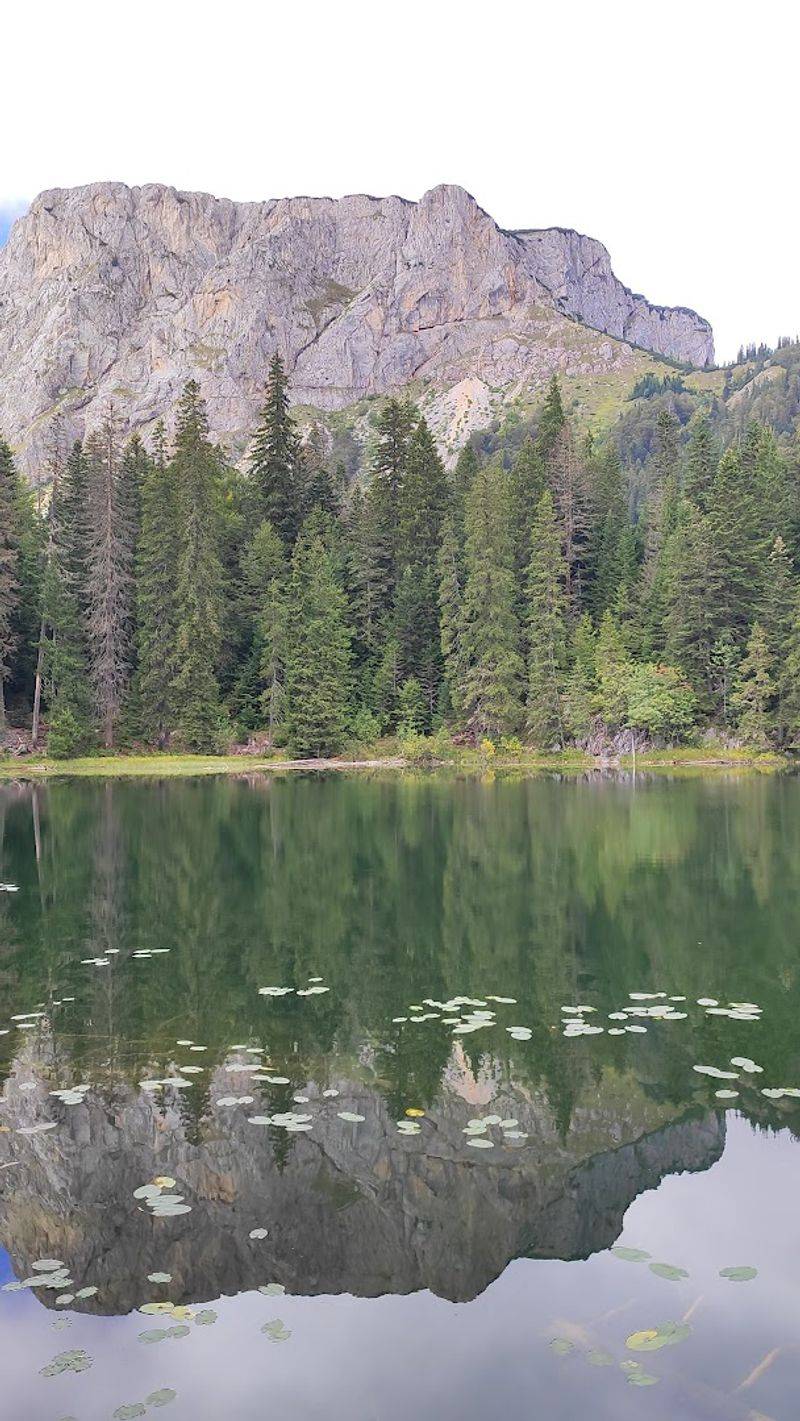
While everyone else crowds around Durmitor’s famous Black Lake for the perfect Instagram shot, Zminje Lake sits quietly in the forest nearby, wondering why nobody ever visits. This glacial lake is one of eighteen so-called Mountain Eyes scattered across Durmitor National Park, and it delivers all the drama of its famous neighbor without a single selfie stick in sight.
The hike to Zminje is manageable for most fitness levels and takes roughly an hour from the main trailhead near Zabljak. Dense spruce forest surrounds the route, keeping temperatures noticeably cooler than the coast even during peak summer.
The lake itself sits in a natural bowl, perfectly still most mornings and reflecting the sky like a giant dark mirror.
Wildlife sightings along the trail are common. Deer, foxes, and a wide variety of mountain birds move freely through the forest because human traffic stays low.
Bring a packed lunch and eat by the water because there are no cafes or vendors anywhere near here. That absence of commercial activity is exactly what makes it special.
Zminje rewards the curious traveler who is willing to walk a little further than the crowd.
Durmitor Ring Scenic Route – Northern Montenegro
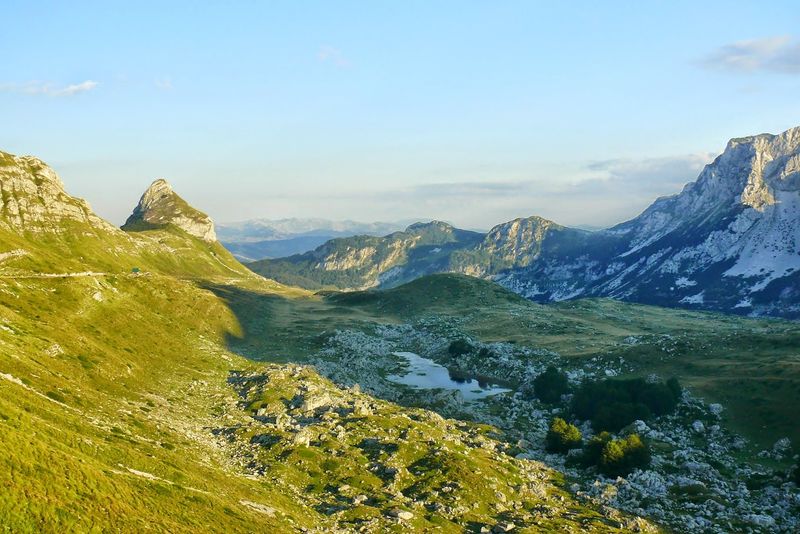
Forget the coastal highway for a day and point your car north, because the Durmitor Ring is the kind of drive that makes people pull over every five minutes just to stare. This 76-kilometer mountain loop circles the Durmitor massif and passes through some of the wildest, most dramatic terrain in the entire western Balkans.
Very few tourists know it exists.
The route threads through remote highland villages where shepherds still move flocks between seasonal pastures and old stone farmhouses line the road. You will cross high mountain passes with views stretching for dozens of kilometers in every direction.
On clear days, you can spot the Tara River Canyon far below, the deepest canyon in Europe and a sight that genuinely earns that superlative.
Road conditions vary, so a car with decent clearance helps, especially on the higher sections. Summer is the best time to attempt the full loop because snow closes some passes in spring.
Carry water, snacks, and a fully charged phone because mobile signal disappears for long stretches. The payoff is extraordinary solitude and scenery that feels completely untouched.
This drive belongs on every Montenegro itinerary, yet somehow it remains one of the country’s best-kept secrets.
Lipa Cave – Near Cetinje
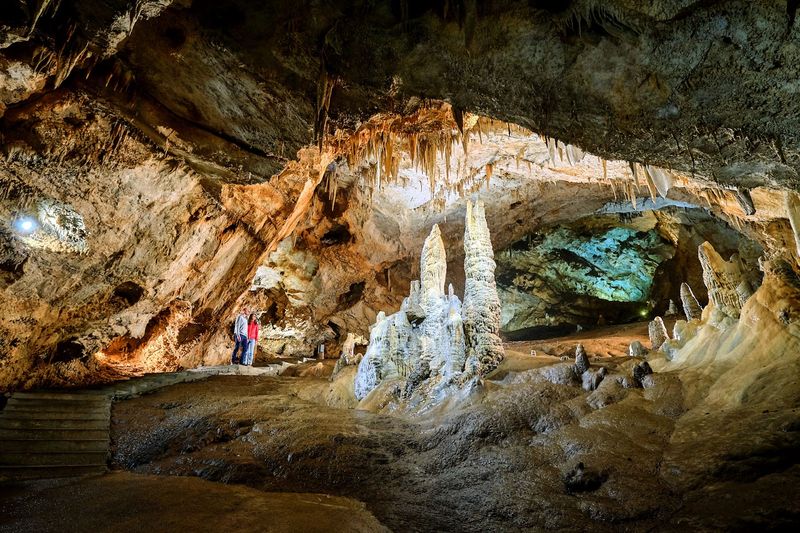
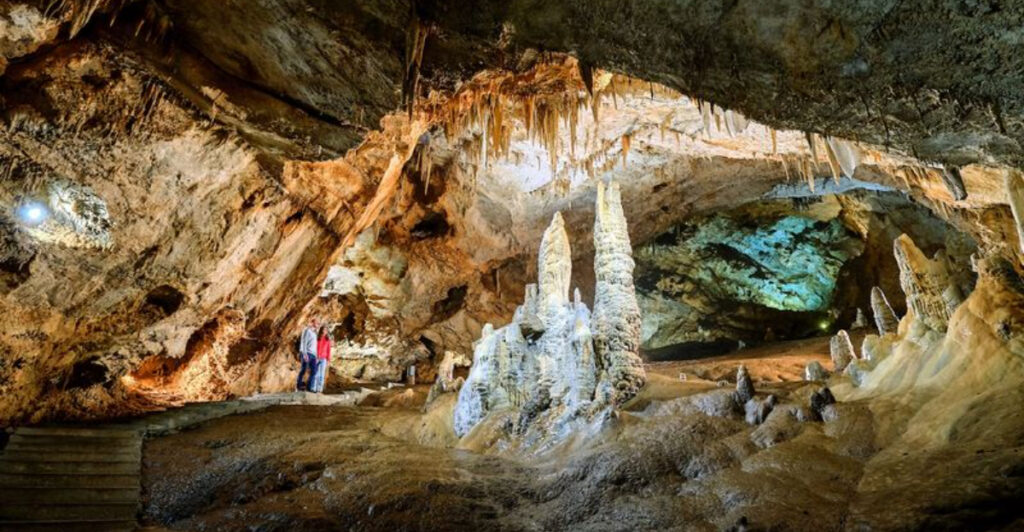
On a sweltering summer afternoon, stepping into Lipa Cave is one of the most instantly satisfying decisions you can make. The temperature inside hovers around 12 degrees Celsius year-round, which feels absolutely glorious when the outside world is baking at 35.
Located just a few kilometers from Cetinje, Montenegro’s historic royal capital, this cave is one of the largest and most accessible in the country.
Lipa stretches for over 2.5 kilometers underground, though guided tours cover a well-lit section that showcases the most spectacular formations. Stalactites hang from cathedral-like ceilings, underground rivers carve their way through ancient rock, and vast chambers open up unexpectedly around each corner.
The whole experience takes about an hour and requires no special equipment or fitness level.
Visitor numbers here are surprisingly low considering how impressive the cave actually is. On most summer days, tour groups are small and relaxed, nothing like the queues at more famous caves across Europe.
Combine a Lipa visit with a stop in Cetinje to explore the old royal palaces and monasteries, and you have a genuinely full and rewarding day away from the beach crowds. Entry fees are affordable and the guided experience is genuinely well done.
Ada Bojana – Southern Coast
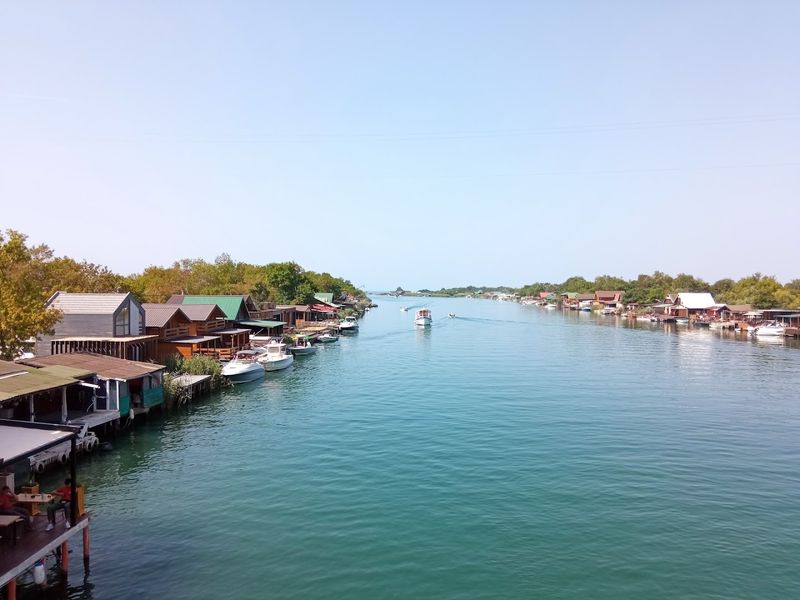
Ada Bojana is technically an island, sitting where the Bojana River splits into two channels before reaching the sea, and that geographical quirk gives it a personality unlike anywhere else in Montenegro. One side faces the river, lined with wooden fish restaurants built on stilts over the water.
The other side opens onto a long, wild, sandy beach where the wind picks up reliably every afternoon and kite surfers launch into the air like bright, colorful kites.
The atmosphere here is completely different from the polished resort towns up the coast. Things move slowly.
Menus are handwritten. Tables wobble slightly.
The fish is caught that morning. This is the kind of place where lunch stretches into dinner without anyone minding at all.
Ada Bojana sits close to the Albanian border, and that remoteness keeps the crowds away even during peak season. Naturist-friendly areas have existed here for decades, attracting a loyal, low-key crowd that values peace over parties.
Accommodation ranges from simple bungalows to small guesthouses, all affordable and genuinely relaxing. If you want to understand why some travelers return to Montenegro every single summer, spend two nights on Ada Bojana and the answer will become very clear.
Jablan Lake – Durmitor National Park
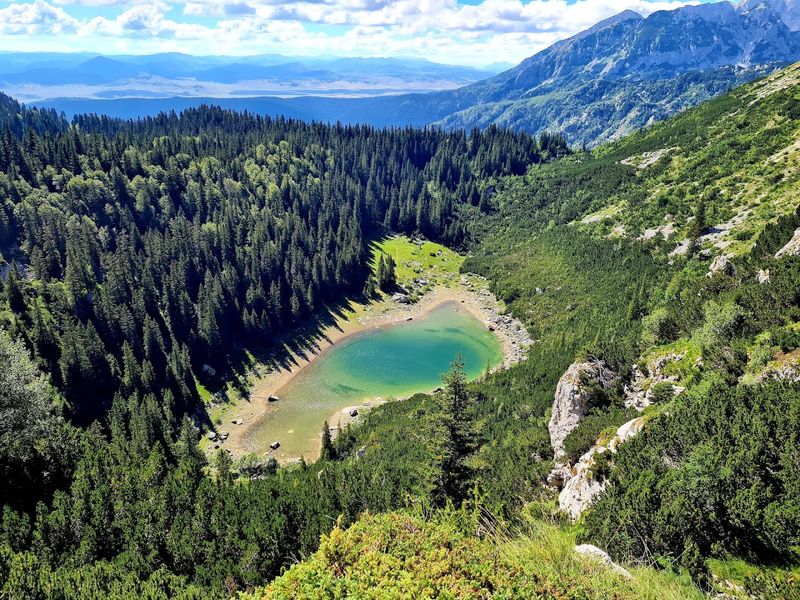
There is a particular kind of quiet that exists only at high altitude, far from roads and cafes and the sound of other people, and Jablan Lake has it in abundance. Tucked inside Durmitor National Park at around 1,600 meters above sea level, this alpine lake is surrounded by meadows full of wildflowers in summer and framed by pine forest on every side.
Most visitors to Durmitor never make it here.
The trail to Jablan from Zabljak is well-marked and takes roughly two to three hours round trip at a comfortable hiking pace. Elevation gain is moderate, making it suitable for reasonably fit travelers including older teenagers and adults.
The reward at the top is a lake so still and clear that it looks almost unreal, like someone has placed a mirror in the middle of a mountain meadow.
Alpine wildflowers bloom in colorful patches from June through August, and the air carries that sharp, clean scent that is impossible to describe but instantly recognizable. Bring layers because temperatures drop quickly even on warm days.
Pack more water than you think you need. There are no facilities anywhere on the route, which is honestly a large part of the appeal.
Jablan is Durmitor at its most quietly spectacular.
Stari Bar – Bar Old Town
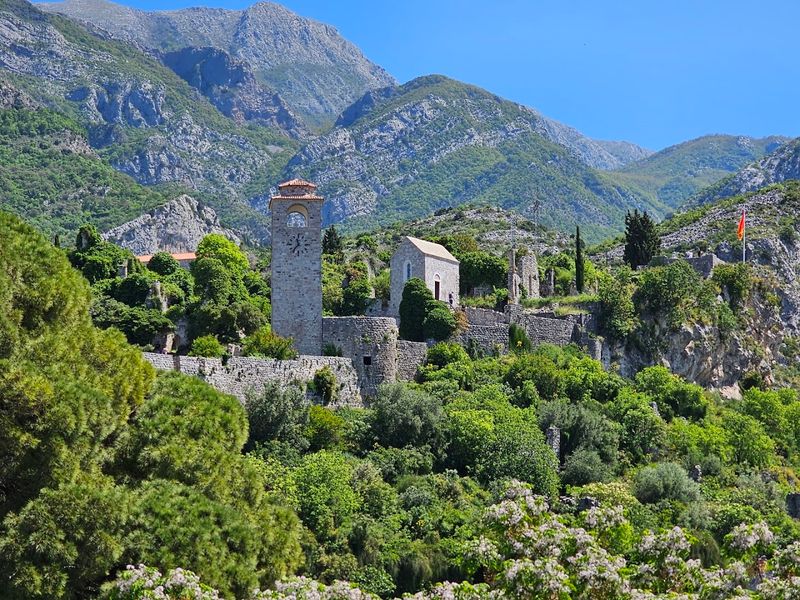
Stari Bar is the kind of place that makes you feel like an explorer rather than a tourist. This ancient ruined city sits inland from the modern port town of Bar, hidden behind a mountain backdrop and surrounded by the oldest olive groves in Europe.
Some of those olive trees are over 2,000 years old, which puts a lot of things into perspective.
The ruins themselves cover a surprisingly large area. Crumbling Byzantine and Ottoman structures rise from overgrown streets, and you can wander freely through arched doorways, past collapsed rooftops, and along old city walls.
There are no roped-off sections or crowds pressing forward. Just you, the ruins, and the sound of wind moving through ancient stone.
A small entrance fee covers the whole site and includes access to a modest museum near the main gate. Summer afternoons here are warm but never overwhelming because the elevation and surrounding trees provide natural shade.
Local vendors sell fresh figs and homemade olive oil near the entrance, a small but memorable detail that adds real character to the visit. Stari Bar consistently ranks among Montenegro’s most atmospheric historical sites, yet it rarely appears on mainstream tourist itineraries.
That oversight is entirely your gain.
Share this story