 Unearth The Voyage
America is packed with surprising, strange, and downright jaw-dropping places that you simply won’t find anywhere else on Earth. From glittering glass beaches to underwater hotel rooms, the U.S. has a knack for turning the weird into the wonderful.
Whether you’re a road-trip lover, a curious explorer, or just someone who appreciates the gloriously odd, these attractions will give you serious travel goals. Get ready to add some truly unforgettable stops to your bucket list.
Glass Beach — Fort Bragg, California
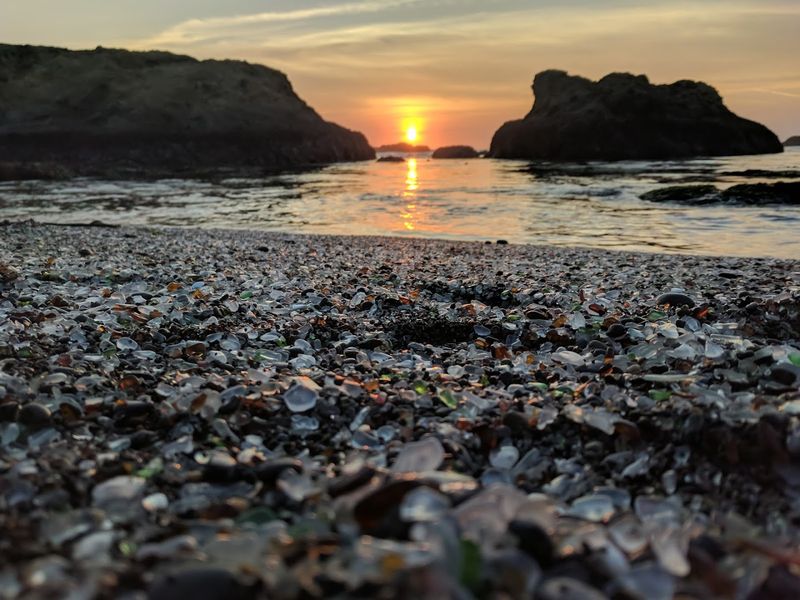
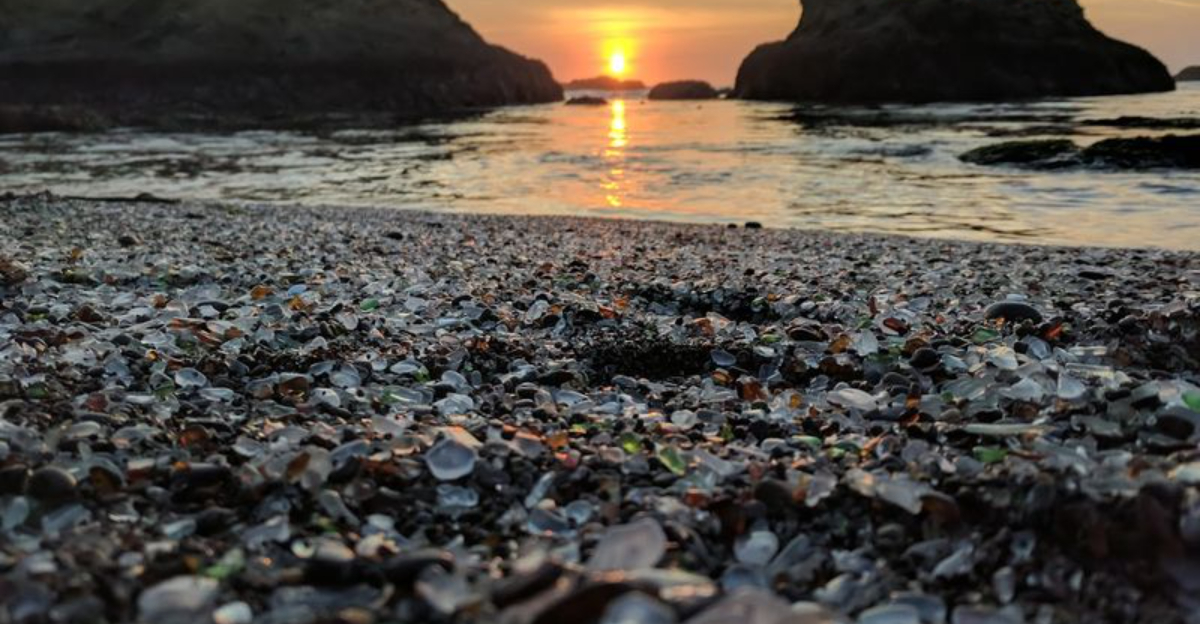
Crunch, shimmer, repeat — that’s the soundtrack of Glass Beach, where millions of polished glass pebbles blanket the shore like a mosaic made by the ocean itself. What started as a dumping ground for the city of Fort Bragg in the early 1900s slowly transformed into something breathtaking over decades.
The sea ground discarded bottles and jars into smooth, jewel-like pieces that now coat the beach in stunning color.
Walking along the shore feels surreal, like stepping onto a gemstone runway. Blues, greens, ambers, and milky whites catch the light with every step, creating a visual experience unlike any ordinary beach.
Photographers and nature lovers alike make special trips just to soak it all in.
Visitors should know that collecting the glass is not allowed — the pieces are protected to preserve the beach for future generations. The site is part of MacKerricher State Park, which offers easy access and free admission.
Even without pocketing a souvenir, the memory of standing on that glittering shore is more than enough to take home. Truly one of California’s most unexpectedly magical spots.
Marfa Lights Viewing Area — Texas
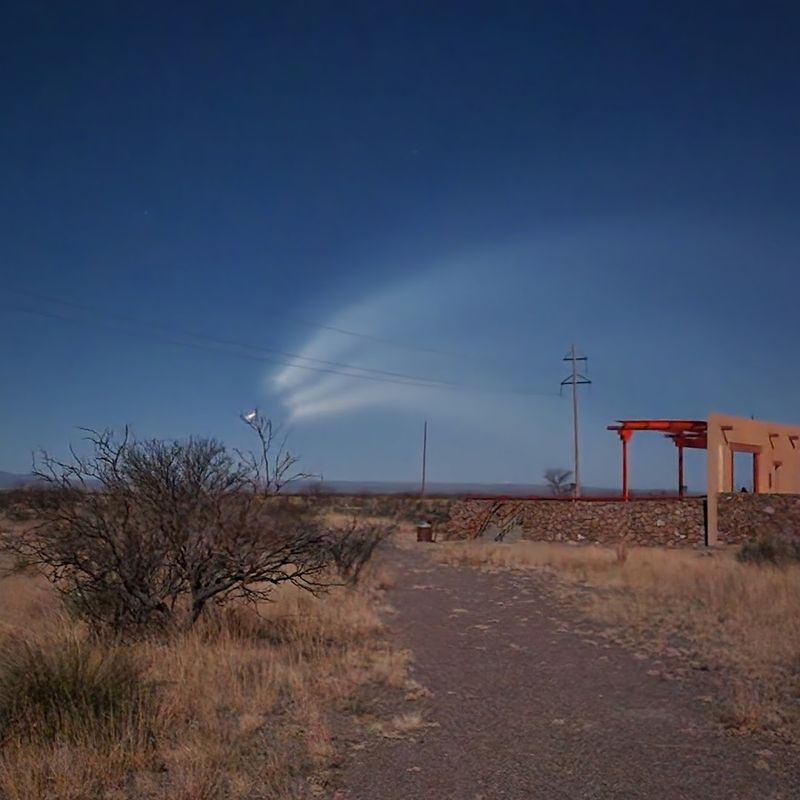
Nobody can fully explain them, and that’s exactly what makes the Marfa Lights one of the most thrilling roadside stops in the entire country. Every night, glowing orbs — sometimes white, sometimes blue or red — appear and vanish along the horizon east of the small town of Marfa, Texas.
Scientists have studied them. Locals have debated them.
Nobody has cracked the code.
The official Marfa Lights Viewing Area sits about nine miles east of town along U.S. Highway 90 and is open year-round, completely free of charge.
There’s a small platform and informational signs to help orient you, but honestly, the star of the show needs no introduction. Just wait for darkness and keep your eyes on the horizon.
Reports of the lights date back to the 1800s, when settlers first spotted them flickering across the Chihuahuan Desert. Theories range from car headlights to atmospheric reflections to something far more mysterious.
Whether you’re a skeptic or a true believer, standing under that enormous Texas sky and watching unexplained lights dance in the dark is an experience that sticks with you long after you leave.
Mystery Hole — West Virginia
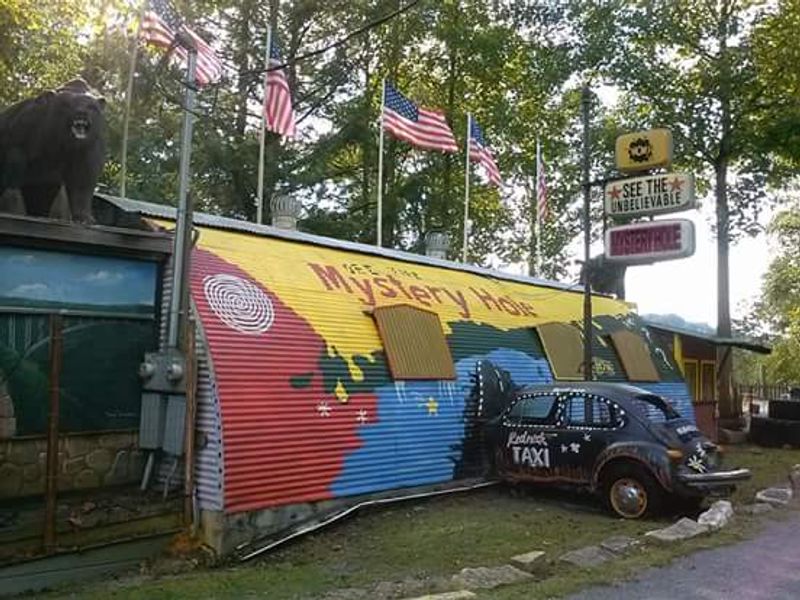
Something feels deeply wrong the moment you step inside Mystery Hole — and that’s entirely the point. Located in Fayette County, West Virginia, this wonderfully kitschy roadside attraction plays tricks on your eyes and your sense of balance.
Balls roll uphill. Water seems to flow the wrong direction.
Objects lean at impossible angles without falling over.
The secret behind the madness is clever construction — the building itself is tilted in a way that completely throws off your perception of what’s level. Your brain insists the floor is flat, but your body knows something is off.
The result is a dizzy, giggly, genuinely disorienting experience that’s equal parts science and sideshow fun.
Mystery Hole has been delighting road-trippers since the 1970s and has maintained its retro charm with minimal updates — which is honestly a huge part of its appeal. The hand-painted signs and quirky decor feel like a postcard from a golden era of American road travel.
Admission is affordable, the tour is short, and the laughs are guaranteed. If you’re passing through West Virginia on Route 60, skipping Mystery Hole would be a genuine crime against curiosity.
Trees of Mystery — Klamath, California
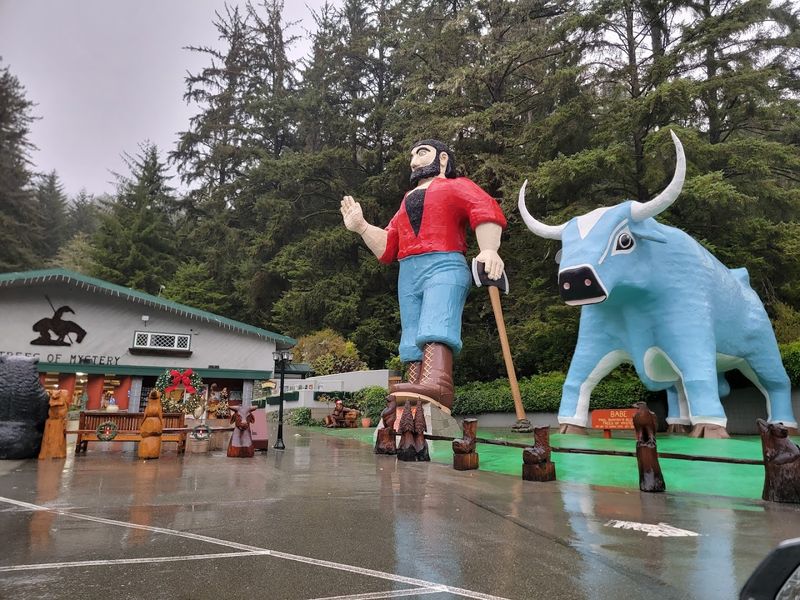
You’ll hear Paul Bunyan before you see him — the giant animatronic lumberjack at the entrance of Trees of Mystery greets visitors with a booming voice and a grin that stretches about six feet wide. Standing 49 feet tall beside his trusty blue ox Babe, Paul sets the tone for one of the most wonderfully bizarre roadside experiences Northern California has to offer.
Beyond the larger-than-life statues, the real magic happens on the forest trails winding through ancient redwood groves. Chainsaw sculptures of mythological figures and folk heroes are tucked among the towering trees, turning a walk through the woods into something between a fairy tale and an art gallery.
The gondola ride through the redwood canopy adds another layer of awe to the whole experience.
Trees of Mystery also houses the End of the Trail Museum, a surprisingly impressive collection of Native American artifacts and art that adds genuine cultural depth to the visit. The attraction has been operating since 1946 and remains family-owned, which gives it a warmth that big theme parks can’t manufacture.
Whether you’re there for the kitsch or the ancient trees, you’ll leave with a full memory card and a wide smile.
Enchanted Highway — North Dakota
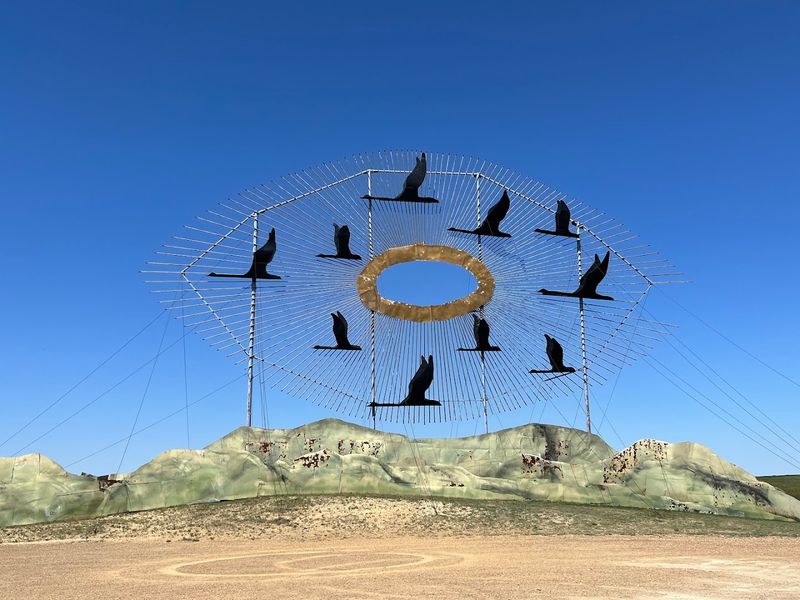
Somewhere between nowhere and the horizon, North Dakota surprises you — and the Enchanted Highway is proof. Stretching 32 miles between Gladstone and Regent, this open-air sculpture gallery features some of the largest scrap-metal art installations in the entire world.
Each piece rises dramatically from the flat prairie, demanding your attention from a mile away.
Artist Gary Greff created all seven sculptures himself over several years, welding together thousands of pounds of metal into towering grasshoppers, pheasants, fish, and a family so large they look like giants watching over the plains. The most famous piece, “Geese in Flight,” stretches 110 feet tall and 154 feet wide — making it a genuine record-breaker.
Pulling over to walk around these colossal works of art is both humbling and hilarious in the best way.
The highway is free to explore and accessible year-round, though summer visits offer the clearest skies and the most dramatic lighting for photos. Regent itself has a small motel and a bar where locals are happy to share stories about how the highway came to be.
The whole project started as a way to bring tourism to a struggling small town — and it absolutely worked. Sometimes creativity really does change everything.
Unclaimed Baggage Center — Scottsboro, Alabama

Lost luggage is usually a travel nightmare — unless it ends up at the Unclaimed Baggage Center in Scottsboro, Alabama, where it becomes someone else’s treasure hunt. This sprawling 40,000-square-foot store is the only one of its kind in the country, selling items that airlines were unable to reunite with their rightful owners.
The inventory changes daily, making every visit a completely new adventure.
Past shoppers have reportedly found everything from Egyptian artifacts and class rings to military gear and high-end camera equipment. You might flip through racks of designer clothes one minute and stumble across a vintage instrument the next.
The unpredictability is the entire thrill — you genuinely never know what today’s haul will bring.
Founded in 1970 by Doyle Owens, the store began with a single station wagon full of unclaimed items and grew into a full retail phenomenon. It now attracts visitors from across the country and even internationally, which says a lot about the universal appeal of a good bargain wrapped in mystery.
Prices are reasonable, staff are friendly, and the atmosphere buzzes with the excitement of discovery. Shopping here feels less like running errands and more like going on a scavenger hunt with a credit card.
Jules’ Undersea Lodge — Key Largo, Florida
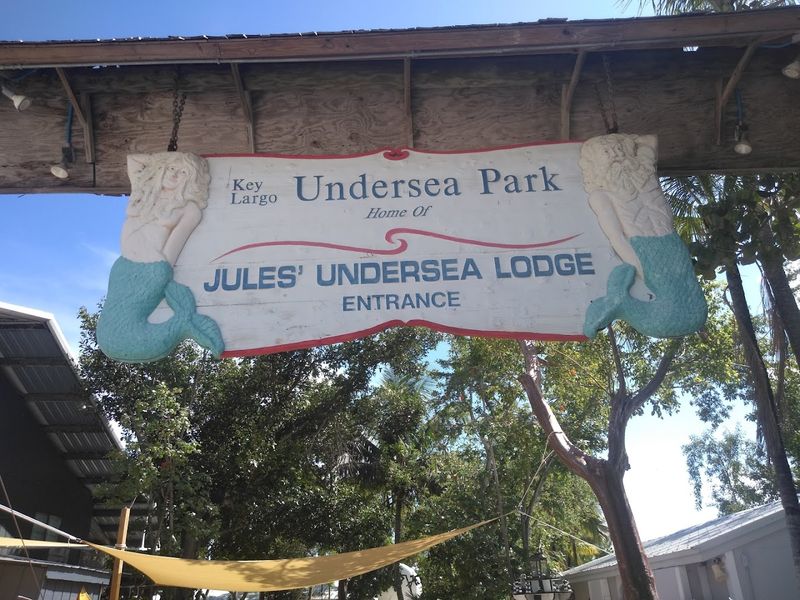
Checking in has never required a wetsuit before — but Jules’ Undersea Lodge in Key Largo changes the rules entirely. Perched on the ocean floor about 21 feet beneath the surface of a mangrove lagoon, this one-of-a-kind lodge was originally built in the 1970s as an underwater research habitat.
Today, it’s the world’s only underwater hotel you can actually spend the night in.
Getting to your room is an experience all by itself. Guests must scuba dive or snorkel down through the water to reach the lodge’s entrance, which adds a layer of adventure before you’ve even unpacked.
Once inside, the habitat is surprisingly cozy, with two bedrooms, a common area, and even a microwave. Meals are delivered by diving staff, which might be the most unique room service on the planet.
Sleeping to the sound of bubbles and waking up to fish swimming past your window is genuinely unlike anything else. The lodge accommodates only six guests at a time, keeping the experience intimate and exclusive.
Rates run high, but for underwater enthusiasts, the bragging rights alone are priceless. Jules’ Undersea Lodge is proof that Florida’s weirdness runs all the way to the ocean floor — and then some.
Fantasy Canyon — Utah
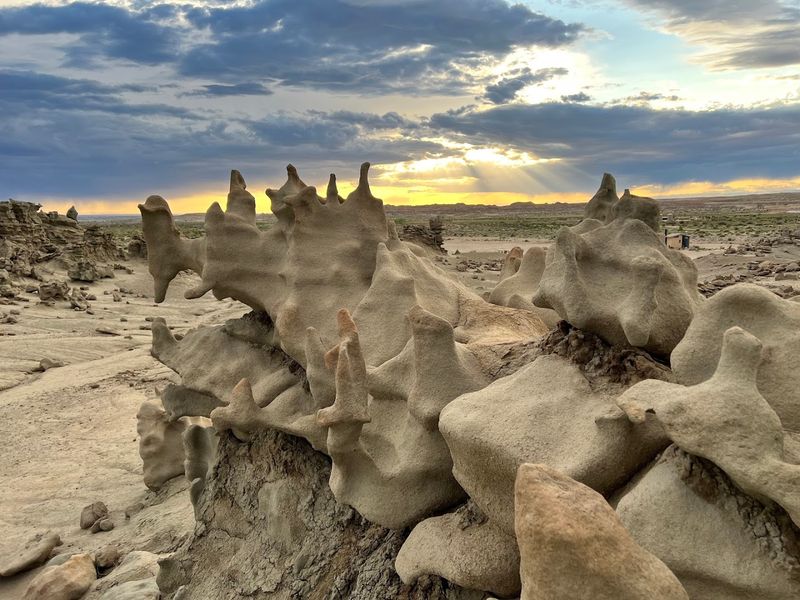
Fantasy Canyon looks like someone carved a fever dream directly into the earth. Tucked away in a remote corner of northeastern Utah near Vernal, this tiny geological wonder is easy to miss on a map — but impossible to forget once you’ve seen it.
The formations here are unlike anything else in a state already famous for extraordinary landscapes.
Millions of years of wind and water erosion sculpted the soft sandstone into shapes that genuinely defy description. Mushroom-topped pillars, twisted arches, and spindly spires crowd together in a space barely larger than a city block.
The whole canyon feels like a miniature alien world — intricate, fragile, and almost too strange to be natural.
Fantasy Canyon sits on Bureau of Land Management land and is completely free to visit, though the unpaved road leading to it requires a vehicle with decent clearance. There are no crowds, no entrance gates, and no gift shop — just you and one of Utah’s most underrated geological secrets.
The best time to visit is during the golden hour before sunset, when the warm light turns every twisted rock formation into something almost glowing. Pack water, charge your camera, and prepare to be genuinely stunned by what erosion can accomplish over a few million years.
World’s Largest Ball of Twine — Cawker City, Kansas
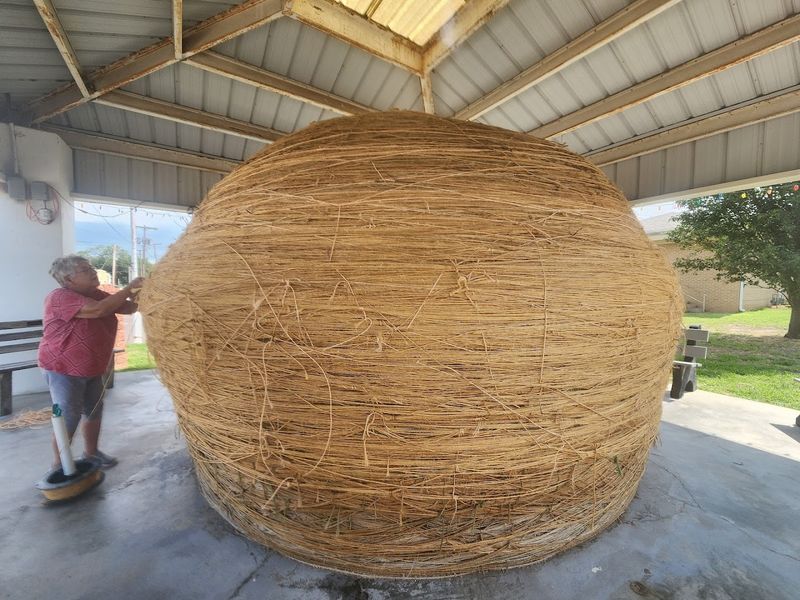
Frank Stoeber started wrapping twine in 1953 on his Kansas farm, probably never imagining his hobby would one day attract visitors from across the globe. By the time he donated his creation to the town of Cawker City in 1961, the ball already weighed 5,000 pounds.
Today, it tips the scales at over 20,000 pounds and keeps growing every single year.
The annual Twine-a-Thon festival held each August invites visitors to add their own contribution to the ball, keeping the community tradition alive in the most gloriously quirky way imaginable. Locals take the record seriously — there are rival balls of twine in other states, and Cawker City is not about to let anyone steal their crown.
The friendly competitive spirit is half the fun.
The ball lives in an open-air gazebo on the main street of Cawker City, free to visit any time of year. The town leans fully into its claim to fame, with twine-themed merchandise and proud residents happy to share the full history.
There’s something genuinely heartwarming about a small town rallying around a ball of string for over 70 years. It’s weird, it’s wonderful, and it’s completely, unmistakably American.
Fairchild Tropical Botanic Garden’s Rainforest — Coral Gables, Florida
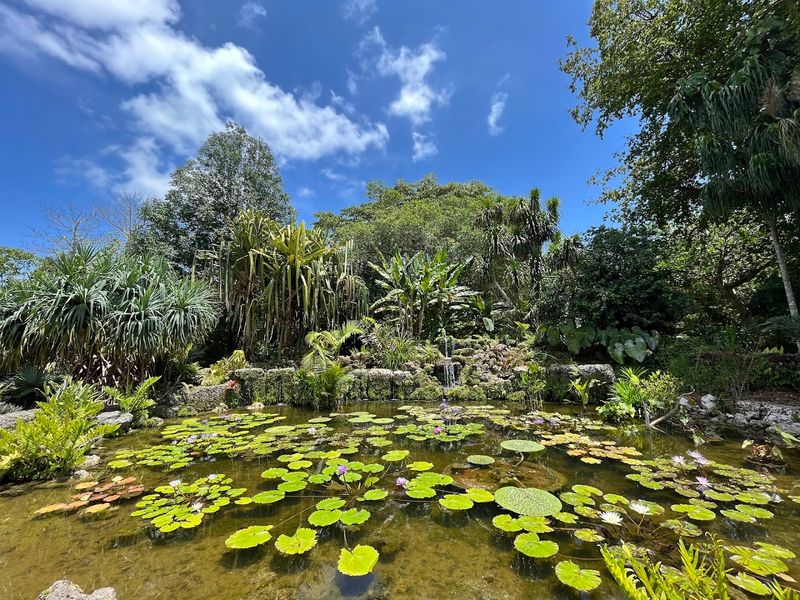
Step through the gates of Fairchild Tropical Botanic Garden in Coral Gables and the humidity wraps around you like a warm, leafy hug — because you’ve just walked into the only true tropical rainforest in the continental United States. Most people don’t realize Florida is home to something this rare, tucked inside a 83-acre botanical paradise just minutes from Miami.
The rainforest section is dense, dripping, and absolutely alive. Rare palms tower overhead while exotic ferns, bromeliads, and flowering vines compete for every inch of space below.
The plant diversity here is staggering — Fairchild houses one of the largest collections of tropical plants in the world, including many species that exist nowhere else in the country.
Founded in 1938 and named after botanist David Fairchild, the garden has been a hub for plant exploration and conservation for nearly a century. Butterfly gardens, seasonal art installations, and guided tram tours make it accessible and engaging for all ages.
Weekend mornings tend to be quieter, making it the perfect time to wander the rainforest paths without the crowds. Bring good walking shoes, a sense of wonder, and maybe an umbrella — because in a real rainforest, the sky makes its own schedule.



