 Unearth The Voyage
Some places on Earth feel like stepping into a time machine. Scattered across continents, these ancient sites were built by civilizations that had no cranes, no computers, and no GPS — yet they created wonders that still leave modern engineers scratching their heads.
UNESCO World Heritage Sites protect these remarkable places so future generations can learn from the brilliant people who came before us. From misty mountain cities to desert-carved palaces, these ten destinations are history at its most jaw-dropping.
Machu Picchu — Peru
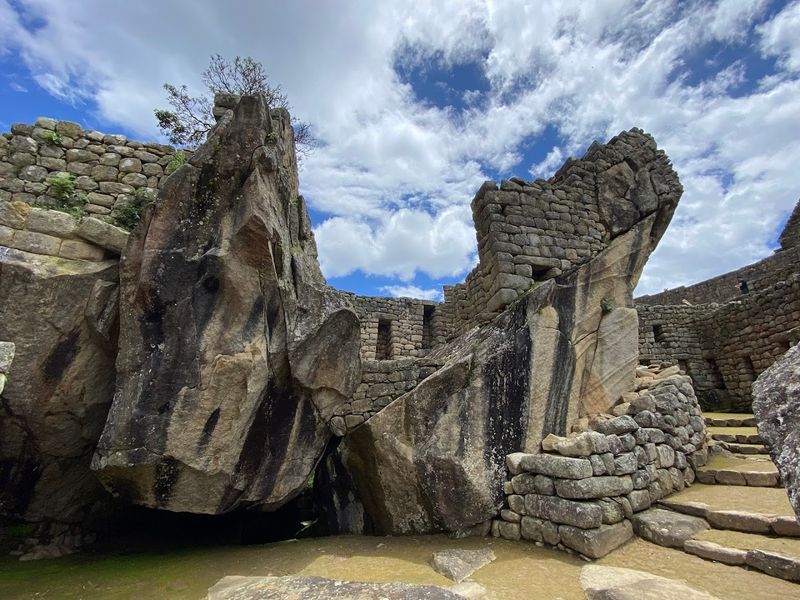
Perched so high in the Andes that clouds literally float through its streets, Machu Picchu is the kind of place that makes you question everything you thought you knew about ancient engineering. The Inca civilization built this breathtaking city in the 15th century without the use of wheels, iron tools, or mortar — and yet the stone walls have survived earthquakes that toppled modern buildings nearby.
That alone deserves a standing ovation.
The city includes temples, agricultural terraces, and ceremonial spaces, all designed to blend seamlessly with the steep mountain landscape around them. Inca builders were so precise that a sheet of paper cannot fit between the stones they placed together.
The site also aligned with astronomical events, suggesting the Incas were sharp scientists as well as skilled architects.
Today, UNESCO and the Peruvian government limit the number of daily visitors to protect this fragile site from wear and tear. Guided tours are required in certain zones, and some areas remain off-limits entirely.
If Machu Picchu is on your bucket list, book well in advance — this legendary city fills up fast, and for very good reason.
Petra — Jordan
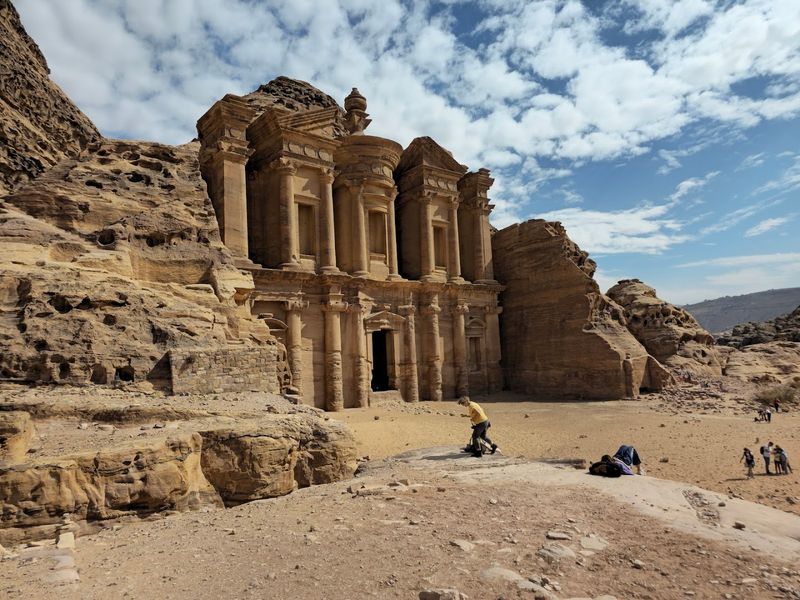
Imagine an entire city carved straight into a cliff face — not built on top of rock, but sculpted out of it. That is exactly what you get at Petra, the ancient capital of the Nabataean Kingdom in modern-day Jordan.
The most famous structure, called Al-Khazneh or the Treasury, rises nearly 40 meters tall and looks like something ripped from an adventure film set. (It actually appeared in Indiana Jones and the Last Crusade.)
The Nabataeans were brilliant traders who controlled key spice and silk routes across the ancient Middle East. But what truly sets them apart is their water management genius.
They engineered an elaborate system of dams, channels, and cisterns that collected rainwater and kept a city of tens of thousands alive in a scorching desert environment.
Petra was largely unknown to the outside world until Swiss explorer Johann Ludwig Burckhardt rediscovered it in 1812. Today, it is Jordan’s most-visited tourist attraction and a UNESCO World Heritage Site since 1985.
Walking through the narrow Siq canyon to reach the Treasury is one of the most dramatic arrival experiences in all of travel. Few places on Earth deliver that kind of theatrical first impression.
Angkor — Cambodia
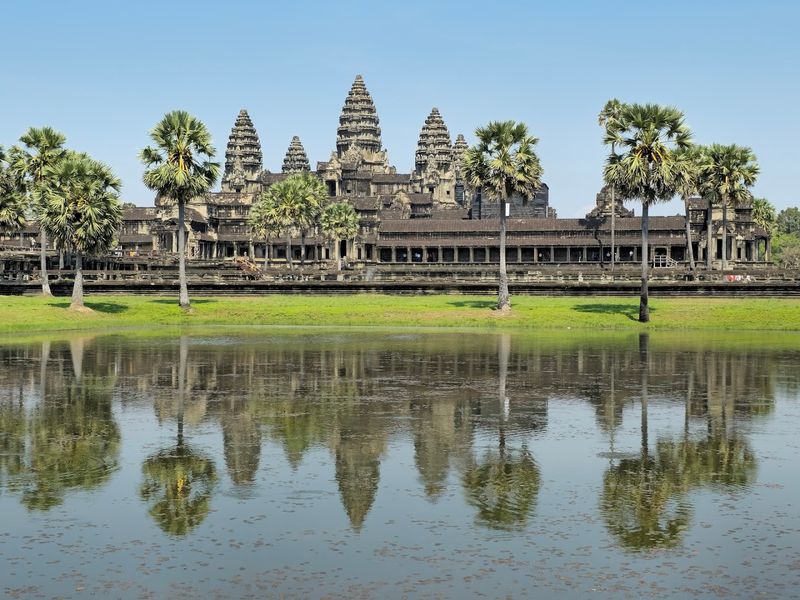
Hidden for centuries beneath a thick Cambodian jungle canopy, Angkor is so massive that scientists using satellite imaging are still discovering new structures within its boundaries. This sprawling complex was the beating heart of the Khmer Empire from the 9th to the 15th century, covering an area larger than modern-day Los Angeles.
At its peak, Angkor may have been the largest pre-industrial city on Earth.
Angkor Wat, the crown jewel of the complex, is the largest religious monument ever built. Constructed in the 12th century by King Suryavarman II, it was originally dedicated to the Hindu god Vishnu before later becoming a Buddhist site.
The intricate bas-relief carvings that wrap around its walls stretch for nearly half a mile and depict mythological stories with stunning artistic detail.
Beyond Angkor Wat, the site includes hundreds of other temples, ancient reservoirs called barays, and a vast network of roads and canals. UNESCO has worked alongside dozens of international teams to restore and stabilize the crumbling structures.
Visiting at sunrise, when golden light spills across the stone towers and reflects in the surrounding moat, is an experience that photographers and travelers consistently describe as genuinely life-changing.
The Great Pyramids of Giza — Egypt
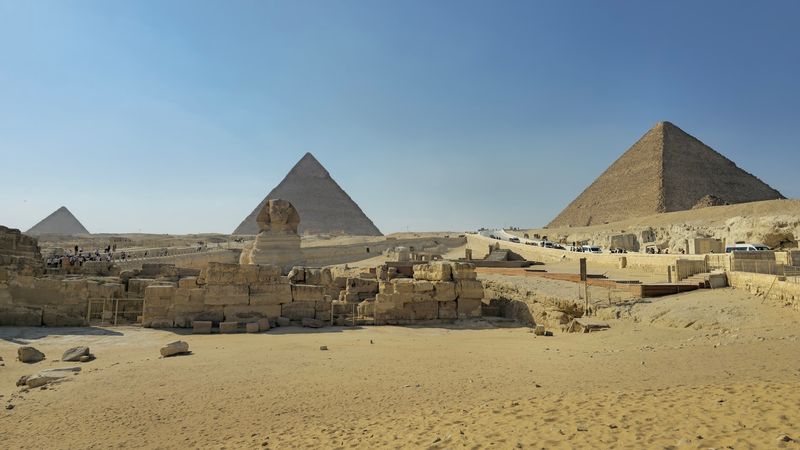
Four thousand five hundred years old and still standing tall — the Great Pyramids of Giza are the only surviving wonder of the original Seven Wonders of the Ancient World, and they have absolutely earned that distinction. Built as royal tombs for pharaohs during Egypt’s Old Kingdom period, these colossal structures were constructed using millions of limestone and granite blocks, some weighing as much as 80 tons each.
How workers moved those blocks remains a topic of lively debate among historians and engineers today.
The largest pyramid, built for Pharaoh Khufu, originally stood 146 meters tall — the tallest man-made structure on Earth for nearly 4,000 years. The precision of its construction is staggering; the base is level to within just 2.1 centimeters across its entire 230-meter length.
Ancient Egyptians clearly had a flair for perfection.
The nearby Great Sphinx, carved from a single limestone ridge, stands guard over the complex with quiet authority. Together, these monuments paint a vivid picture of a civilization obsessed with legacy, power, and the afterlife.
UNESCO designated the Giza Plateau a World Heritage Site in 1979, ensuring these ancient giants receive the protection they have more than earned.
Stonehenge — United Kingdom
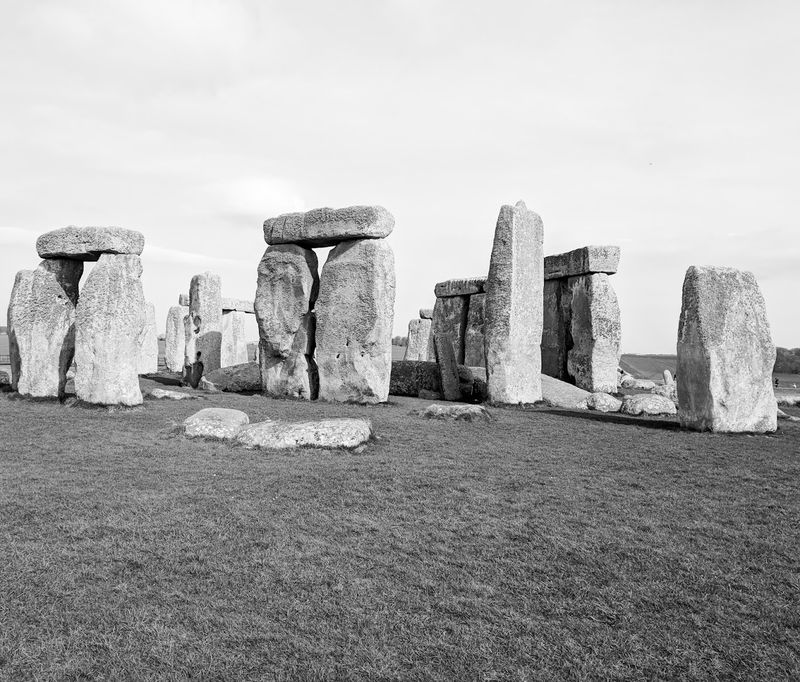
Nobody sent Stonehenge a blueprint, nobody hired a project manager, and there were no power tools involved — yet somehow, around 5,000 years ago, people in ancient Britain began assembling one of the most recognizable monuments on the planet. The massive standing stones, some weighing up to 25 tons, were transported from quarries in Wales, over 200 miles away.
That feat alone should make your jaw drop a little.
Stonehenge was built in stages over roughly 1,500 years, meaning multiple generations contributed to its construction without ever seeing the finished result. Archaeologists believe the site served ceremonial, spiritual, or astronomical purposes.
The stones align precisely with the rising sun during the summer solstice and the setting sun during the winter solstice, suggesting the builders had a sophisticated understanding of the sky.
The real mystery is that we still do not know exactly why Stonehenge was built. Was it a temple?
A burial ground? An ancient calendar?
All three? Excavations at the site have uncovered human remains dating back thousands of years, adding to its reputation as a sacred space.
English Heritage manages the site carefully today, and visitors are no longer allowed to touch the stones — a rule that, honestly, the stones probably appreciate.
The Acropolis of Athens — Greece
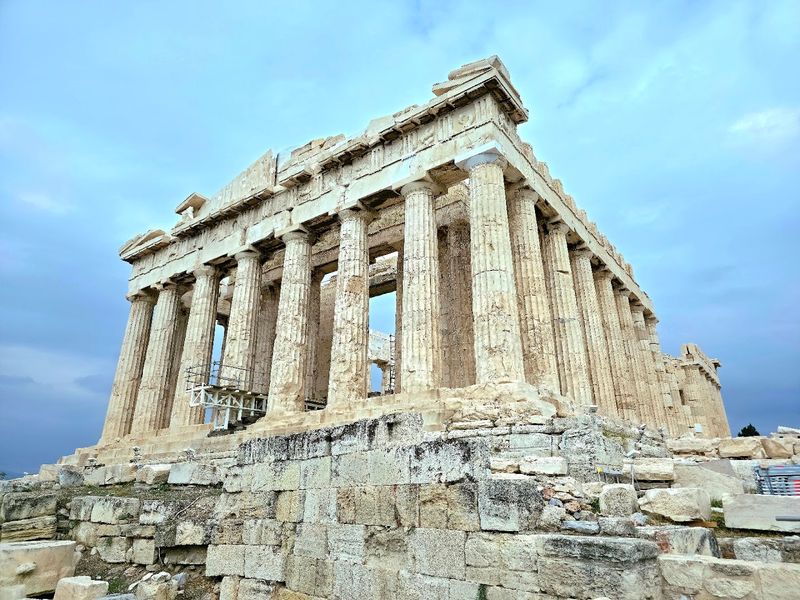
Rising above the modern city of Athens like a crown made of marble, the Acropolis has been watching over Greece for more than 2,500 years. The word “acropolis” simply means “high city” in Greek, and this hilltop complex certainly lives up to that name.
At its center stands the Parthenon, a temple dedicated to Athena, the goddess of wisdom — and widely considered one of the finest examples of classical architecture ever created.
Built during Athens’ Golden Age in the 5th century BC, the Parthenon used a clever optical trick called entasis, where columns were made slightly curved to appear perfectly straight to the human eye. The ancient Greeks were essentially correcting for visual illusions using only math and observation.
For a civilization working with hand tools and ox carts, that level of precision is remarkable.
The Acropolis also includes the Erechtheion, famous for its porch supported by sculpted female figures called caryatids, and the Temple of Athena Nike. Much of the original sculpture was removed by British diplomat Lord Elgin in the early 1800s and remains in the British Museum today — a controversy Greece has never stopped fighting to resolve.
The site became a UNESCO World Heritage Site in 1987.
Tikal — Guatemala
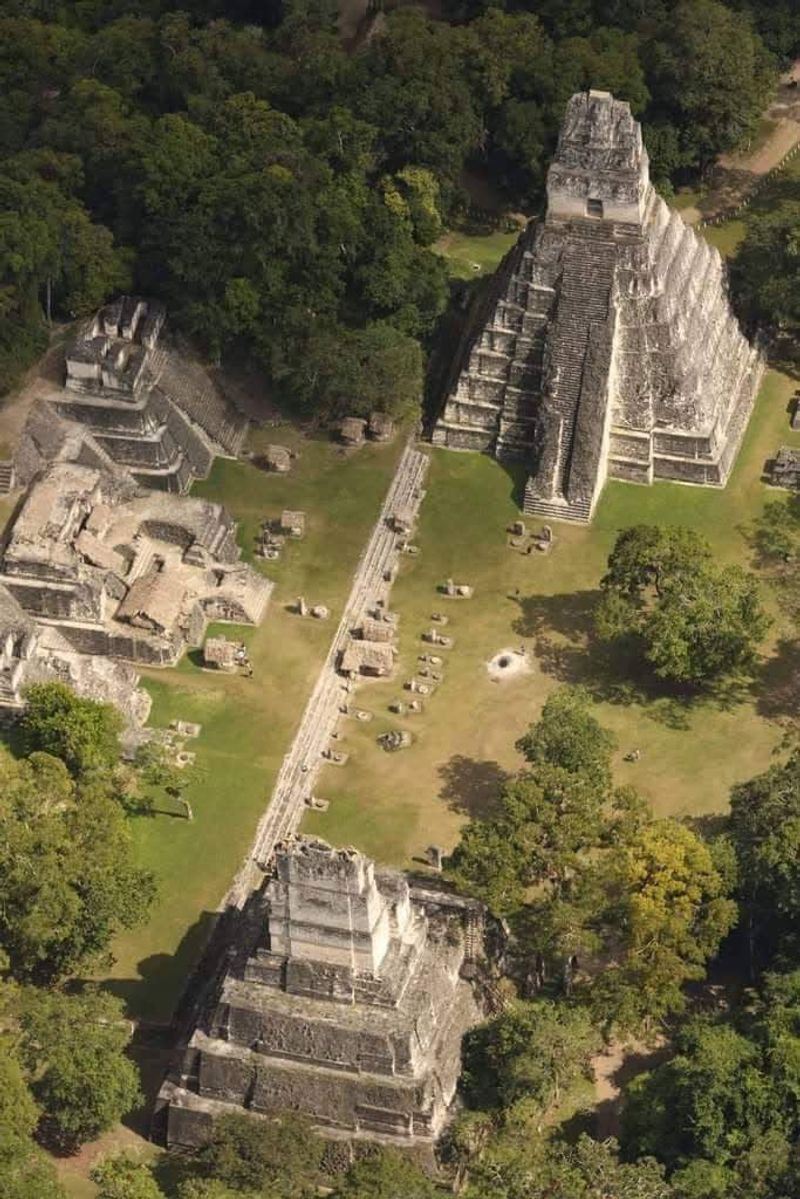
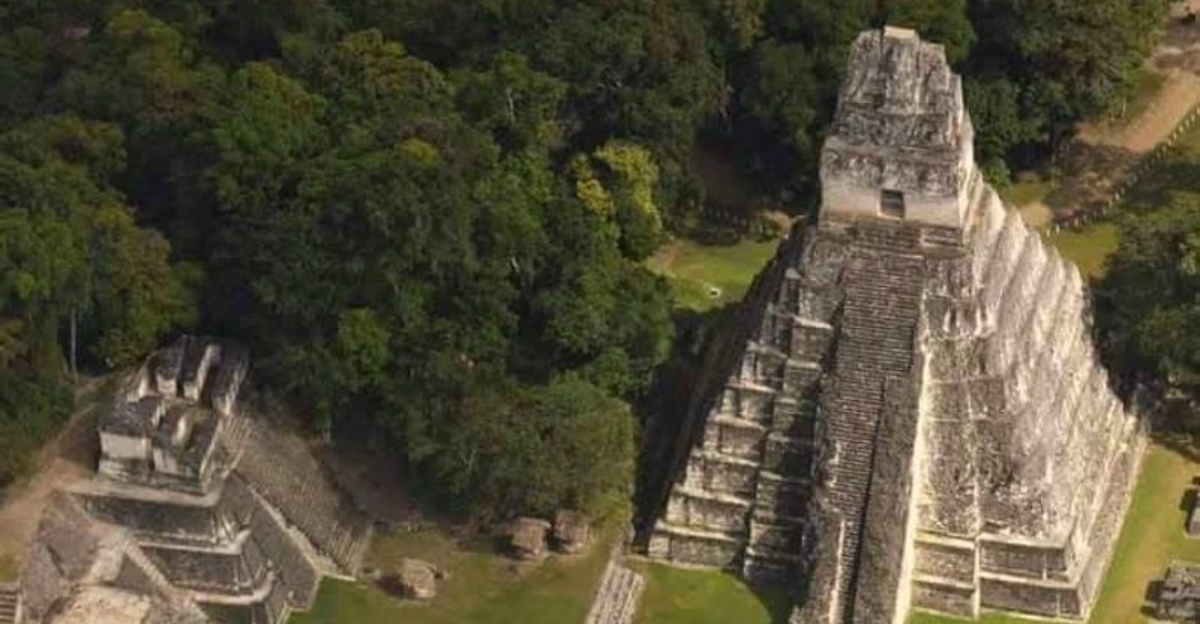
Deep in the Guatemalan rainforest, where howler monkeys scream at dawn and toucans dart between the treetops, the ancient Maya city of Tikal rises dramatically above the jungle canopy. The tops of its great pyramids poke through the trees like stone fingers reaching for the sky, creating one of the most striking silhouettes in all of archaeology.
Standing on Temple IV and watching the mist roll across the forest below is an experience that stays with you forever.
Tikal was one of the most powerful cities of the Classic Maya period, flourishing between roughly 200 AD and 900 AD. At its height, the city may have housed up to 100,000 people, supported by a sophisticated system of farming, trade, and political alliances.
The Maya who lived here were accomplished astronomers, mathematicians, and artists whose achievements rivaled any civilization of their era.
The city was mysteriously abandoned around the 10th century, and the jungle slowly swallowed it whole. Spanish explorers walked right past it for centuries without realizing it was there.
Rediscovered in the 19th century, Tikal is now a UNESCO World Heritage Site and a national park, protecting both the ancient ruins and the extraordinary biodiversity of the surrounding Petén rainforest.
Pompeii — Italy
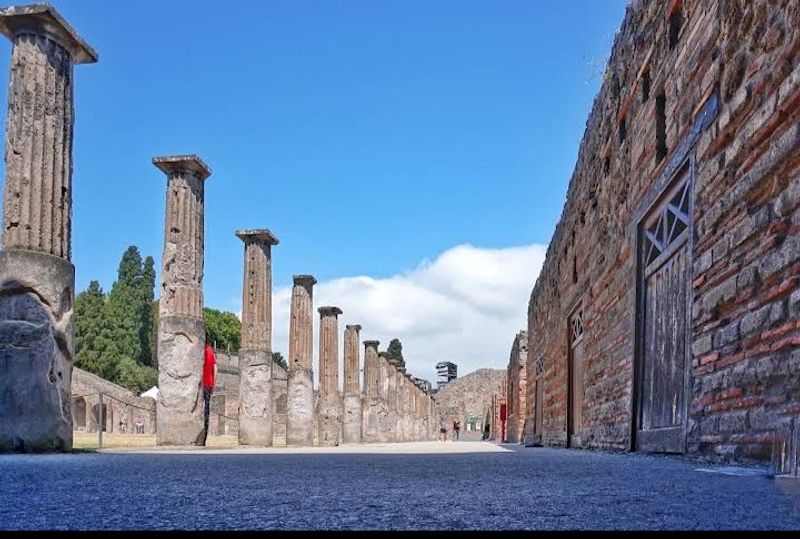
On an ordinary August morning in AD 79, the residents of Pompeii were going about their business — buying bread, visiting the baths, arguing about chariot races — when Mount Vesuvius erupted and buried the entire city under meters of volcanic ash in a matter of hours. It was a catastrophe of enormous proportions.
But here is the strange twist: that very disaster turned Pompeii into the most detailed time capsule of ancient Roman life ever discovered.
The volcanic ash preserved everything with eerie precision. Archaeologists have uncovered bakeries with loaves of bread still in the ovens, wine bars with menus painted on the walls, and homes decorated with vivid frescoes.
Plaster casts of victims captured in their final moments offer a haunting and deeply human connection to the people who once lived there.
Pompeii gives historians information that no written text ever could — the layout of a real Roman neighborhood, the graffiti scratched on walls, the food left on tables. UNESCO designated the site in 1997, and ongoing excavations continue to reveal new discoveries.
A recent dig uncovered an intact fast-food counter, complete with colorful decorations and traces of the ancient menu. Even 2,000 years later, Pompeii keeps surprising us.
Chichén Itzá — Mexico
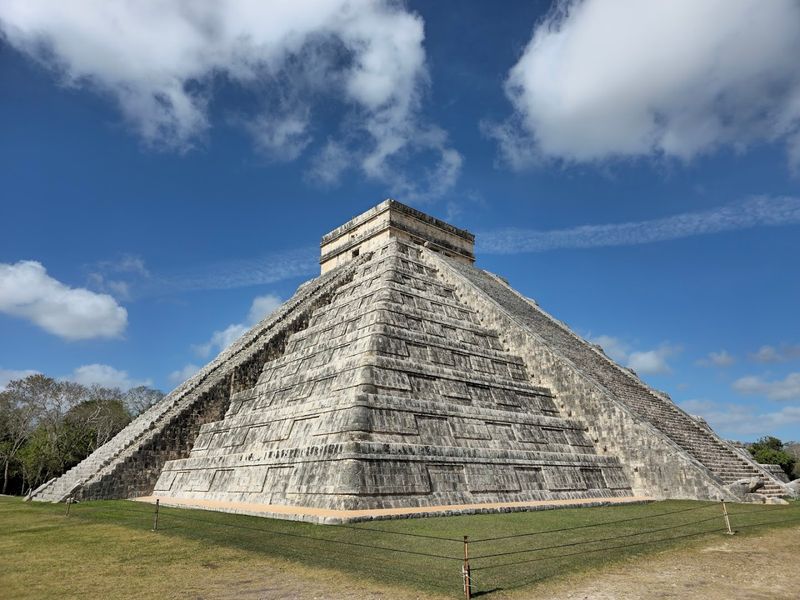
Twice a year, something extraordinary happens at Chichén Itzá. During the spring and autumn equinoxes, the afternoon sun casts a series of triangular shadows along the northern staircase of El Castillo pyramid that creates the illusion of a giant serpent slithering down toward the ground.
The ancient Maya engineered this light show deliberately, and it still works perfectly after more than a thousand years. That is not architecture — that is genius.
Chichén Itzá was one of the largest and most influential cities of the Maya civilization, located in Mexico’s Yucatán Peninsula. El Castillo, also known as the Temple of Kukulcán, has 365 steps in total — one for each day of the solar year.
The Maya calendar was so accurate that it differed from the modern Gregorian calendar by only a fraction of a day annually.
Beyond the famous pyramid, the site includes a massive ball court, a sacred cenote where offerings were made to the rain god Chaac, and the Temple of the Warriors decorated with hundreds of carved columns. Chichén Itzá was named one of the New Seven Wonders of the World in 2007, a title voted on by millions of people worldwide.
It became a UNESCO World Heritage Site back in 1988.
Easter Island (Rapa Nui) — Chile
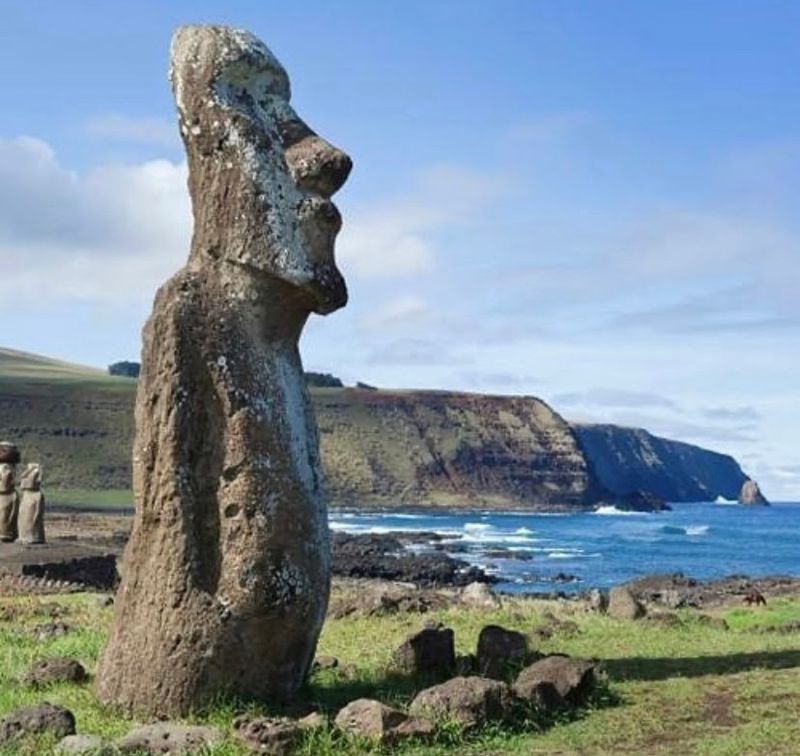
Somewhere in the middle of the Pacific Ocean, further from any mainland than almost anywhere else on Earth, a group of ancient Polynesian people carved nearly 1,000 giant stone statues and somehow moved them across a volcanic island using nothing but human muscle, rope, and extraordinary determination. Easter Island, known to its people as Rapa Nui, is one of the most remote inhabited places on the planet — and one of the most mysterious.
The statues, called moai, were carved from compressed volcanic ash between the 13th and 16th centuries. Most stand between 3 and 6 meters tall, though the largest unfinished moai in the quarry reaches an astonishing 21 meters.
Each statue is believed to represent a deified ancestor, placed along the coastline to watch over and protect the living community below.
How the Rapa Nui people transported these massive figures across the island has puzzled researchers for generations. Recent experiments suggest the statues may have been “walked” upright using ropes and a rocking technique — essentially making them waddle into position.
UNESCO designated Rapa Nui a World Heritage Site in 1995, protecting both the moai and the fragile cultural heritage of a civilization that achieved the extraordinary against every conceivable odd.



