 Unearth The Voyage
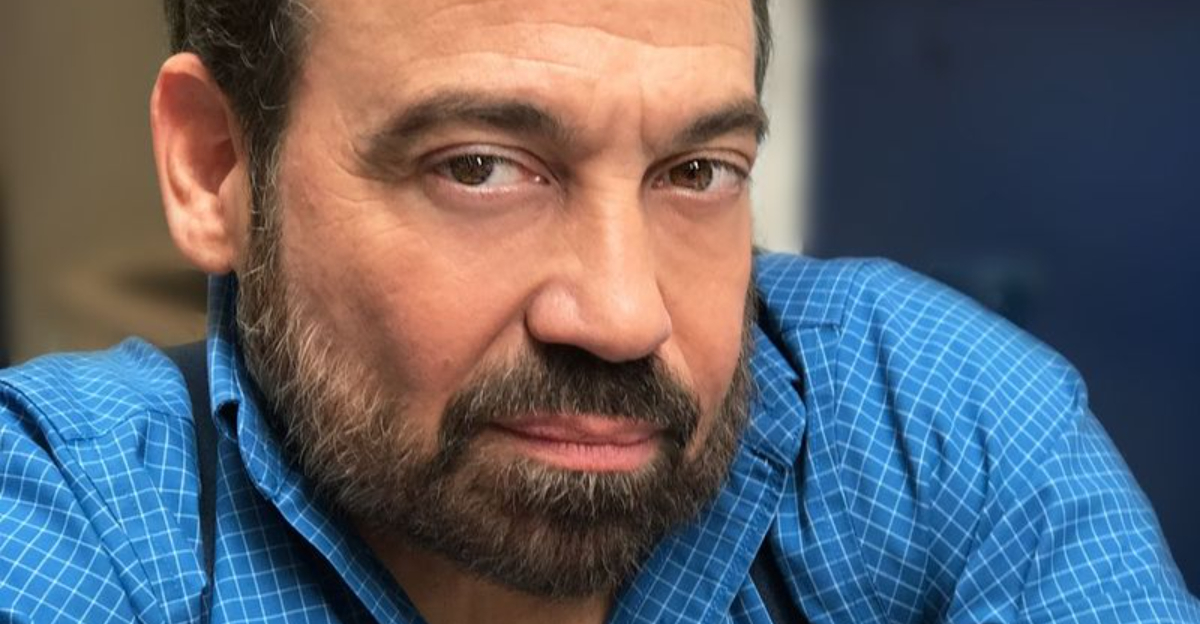
Hollywood often celebrates glamour and perfection, but some of its brightest stars have faced significant physical challenges behind the scenes. These actors have not only pursued their craft with determination but have also broken down barriers for others.
Their stories remind us that talent and perseverance matter far more than meeting traditional expectations of what a performer should look or sound like.
1. Michael J. Fox
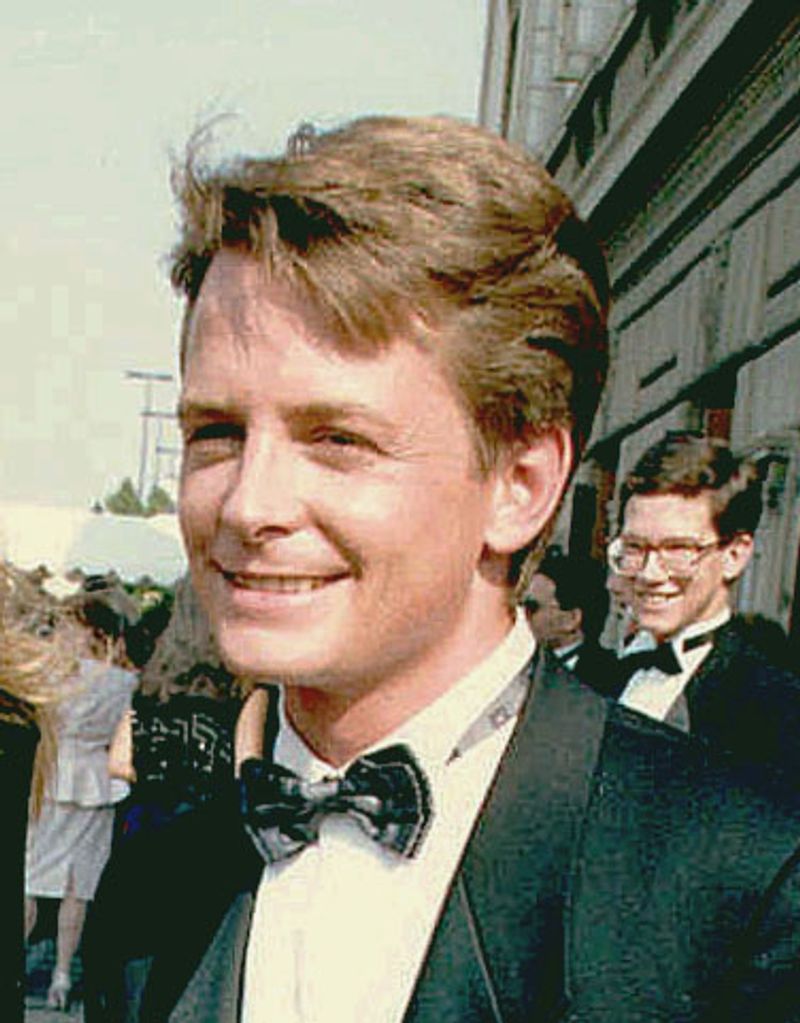
When Michael J. Fox received his Parkinson’s disease diagnosis in 1991, he was at the peak of his career.
The condition, which causes tremors and movement difficulties, could have ended his time in front of the camera. Instead, Fox chose to continue acting while managing his symptoms.
He eventually went public with his diagnosis in 1998. This brave decision helped raise awareness about the disease.
Fox founded The Michael J. Fox Foundation for Parkinson’s Research, which has raised over a billion dollars for research.
His work on shows like Spin City and guest appearances on other series proved that talent transcends physical limitations. Fox’s advocacy has changed how Hollywood and the public view chronic illness.
He remains active in both entertainment and medical research, inspiring millions worldwide with his positive attitude and determination.
2. Peter Dinklage
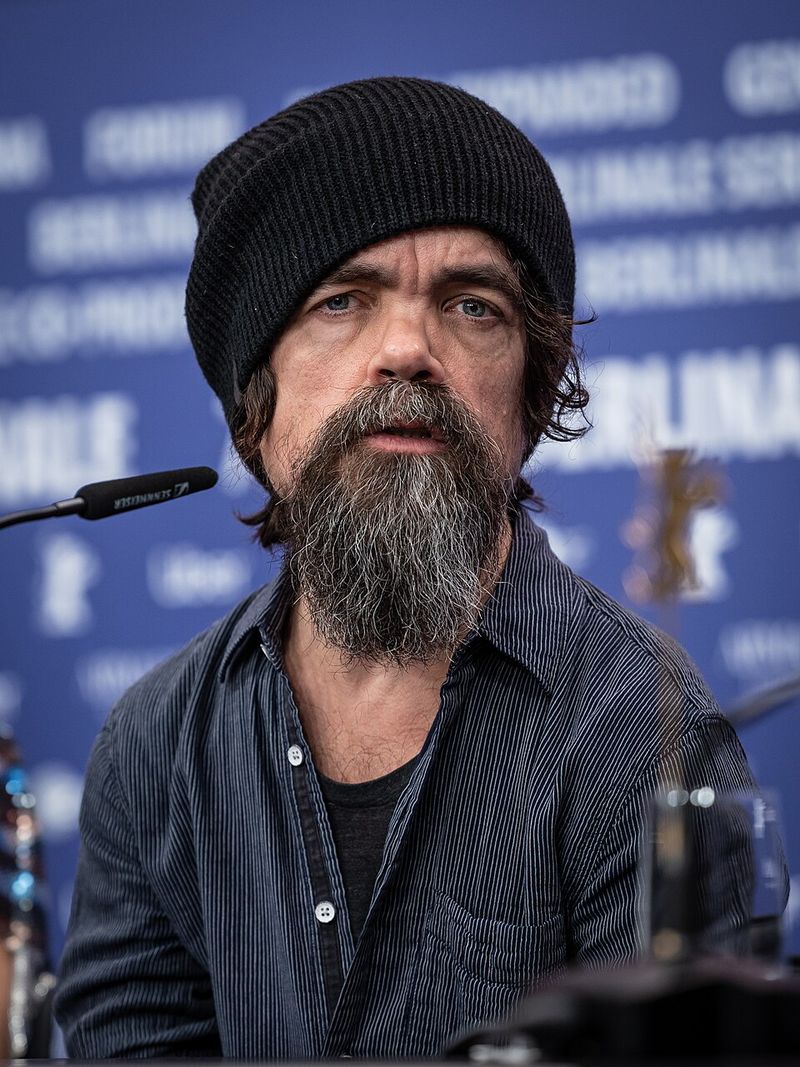
Born with achondroplasia, a genetic condition causing dwarfism, Peter Dinklage faced a Hollywood system that offered few meaningful roles. Early in his career, casting directors often suggested he play elves or leprechauns.
Dinklage refused these stereotypical parts, waiting for roles that showcased his acting abilities rather than his height.
His breakthrough came with The Station Agent in 2003. This independent film demonstrated his range and emotional depth.
Years later, his portrayal of Tyrion Lannister on Game of Thrones earned him four Emmy Awards and global recognition.
Dinklage has used his platform to advocate for better representation. He speaks openly about the need for diverse casting and authentic storytelling.
His success has opened doors for other actors with dwarfism, proving that talent should always come first in the entertainment industry.
3. RJ Mitte
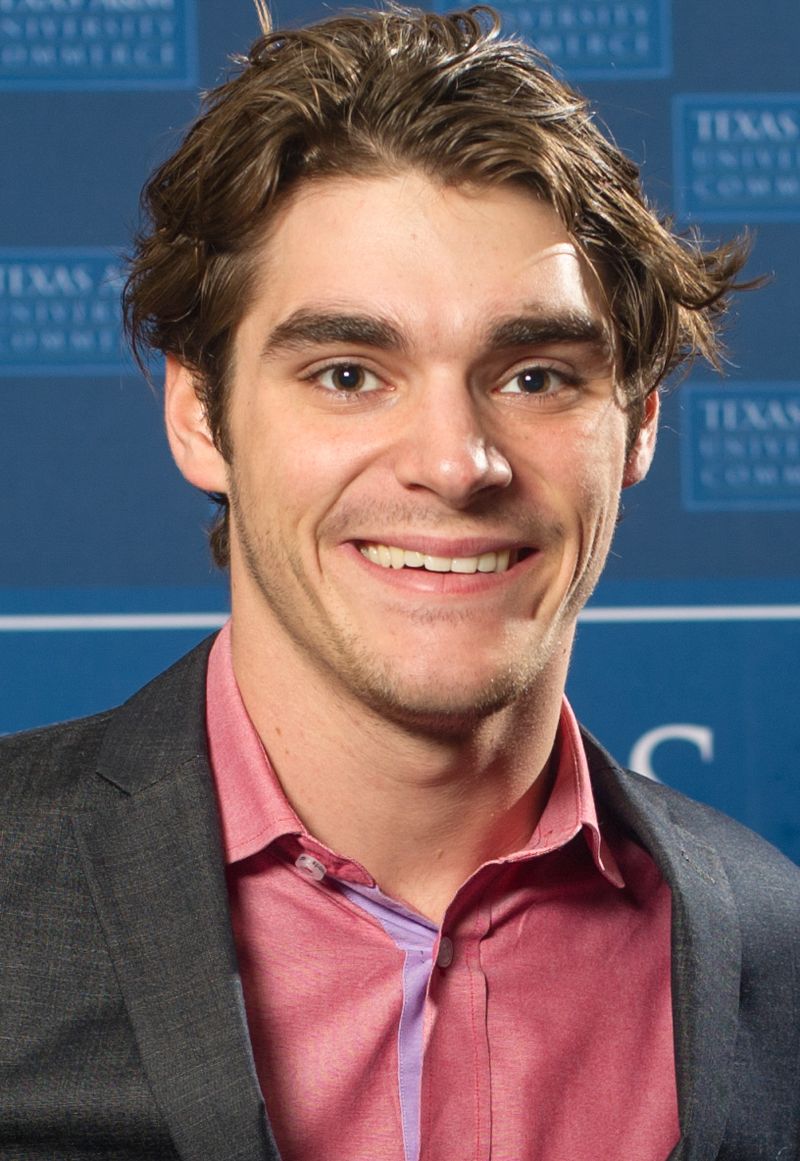
Living with cerebral palsy since birth, RJ Mitte grew up using leg braces and crutches. His condition affects muscle coordination and movement.
Rather than hiding this aspect of his life, Mitte has embraced it both personally and professionally.
His role as Walter White Jr. on Breaking Bad brought authentic representation to television. The character also had cerebral palsy, allowing Mitte to draw from his own experiences.
He worked closely with the show’s creators to ensure accurate and respectful portrayal of the condition.
Beyond acting, Mitte has become a powerful advocate for disability rights. He travels extensively, speaking at schools and events about inclusion and acceptance.
His modeling work has also challenged fashion industry standards. Mitte’s message is clear: disabilities should not define a person’s potential or limit their dreams in any field.
4. Marlee Matlin
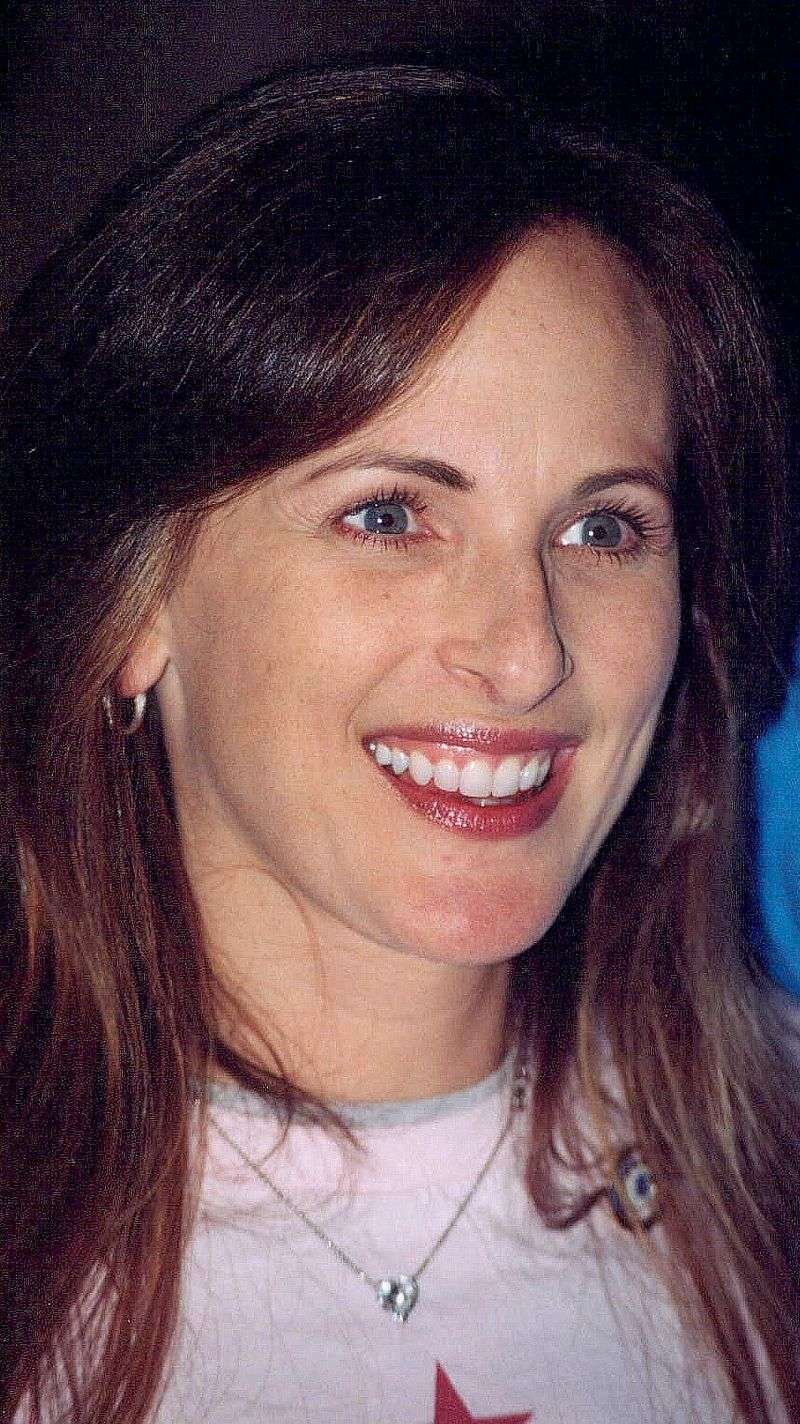
At just 21 years old, Marlee Matlin became the youngest woman to win the Academy Award for Best Actress. Her performance in Children of a Lesser God broke ground for deaf actors everywhere.
Matlin lost her hearing at 18 months old due to illness, but she never saw it as an obstacle to her dreams.
Throughout her career spanning over three decades, she has appeared in numerous television shows and films. Her roles on The West Wing, Switched at Birth, and CODA have shown her versatility.
Matlin often works with interpreters on set and has pushed for better accessibility in Hollywood.
She has been a fierce advocate for the deaf community. Matlin speaks openly about the challenges deaf actors face in getting auditions and roles.
Her persistence has helped change industry attitudes about casting deaf performers in both deaf and hearing roles.
5. Danny Woodburn
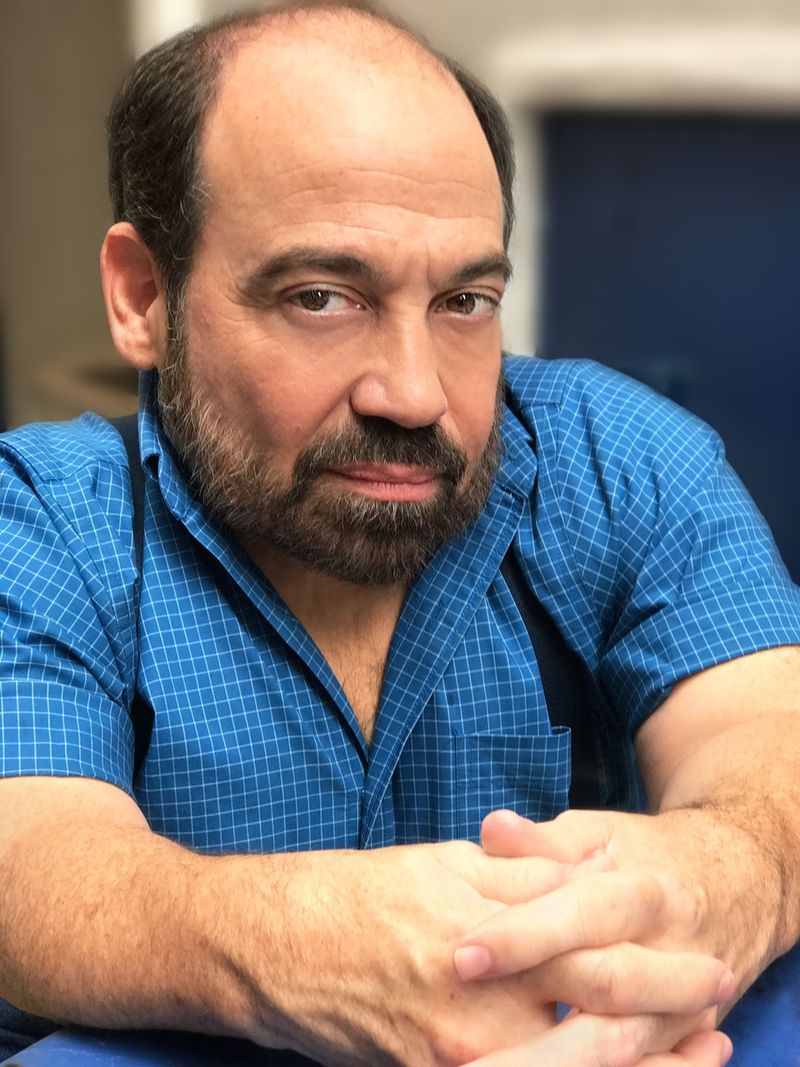
Danny Woodburn’s portrayal of Mickey Abbott on Seinfeld made him a recognizable face in comedy. Born with dwarfism, Woodburn has spent his career fighting against typecasting and stereotypes.
He carefully chooses roles that present characters with depth rather than relying on physical appearance for laughs.
His activism extends beyond his own career. Woodburn served as a consultant on Snow White and the Huntsman, advocating for dwarf actors to play dwarf roles.
He has spoken at universities and industry events about the importance of authentic casting and respectful representation.
Woodburn’s work with organizations like Screen Actors Guild has helped create guidelines for portraying people with dwarfism. He continues to act in television and film while mentoring younger performers.
His dedication to changing Hollywood’s approach to disability representation has made lasting impacts on casting practices and storytelling approaches throughout the entertainment industry.
6. Adam Pearson
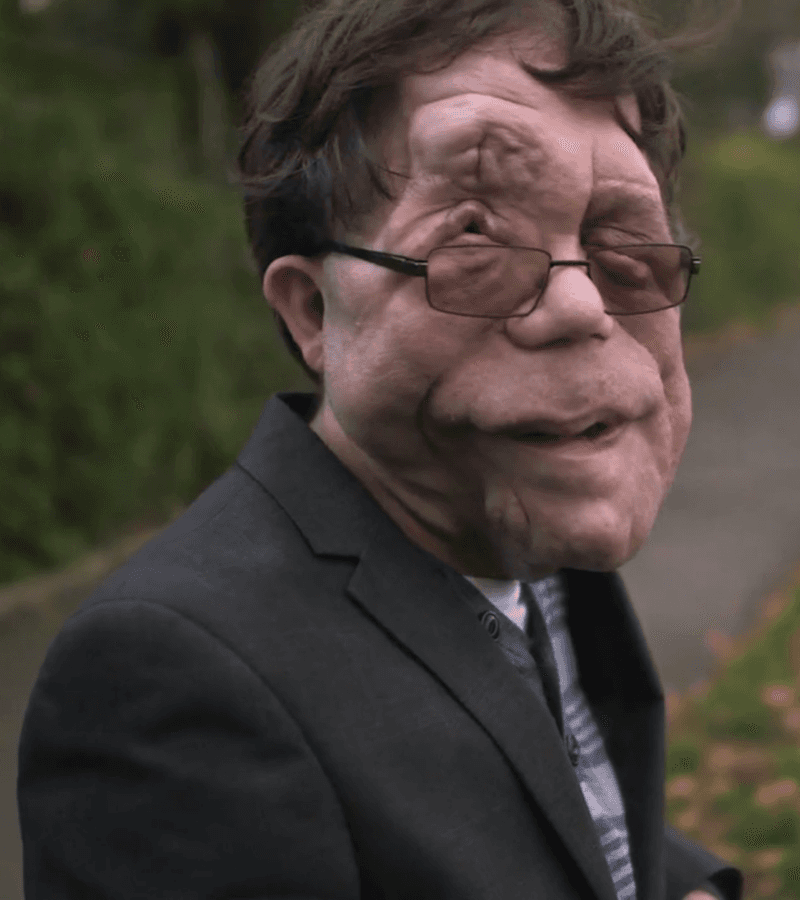
Adam Pearson’s face tells a story that many find uncomfortable to look at. He has neurofibromatosis, a genetic condition causing tumors to grow on nerve tissue, resulting in significant facial differences.
Rather than hiding from public view, Pearson chose to step directly into the spotlight.
His role in Under the Skin alongside Scarlett Johansson brought attention to visible differences. The film used his appearance to explore themes of beauty and humanity.
More recently, A Different Man showcased his acting abilities while addressing how society treats people who look different.
Pearson has become a prominent voice in discussions about representation and beauty standards. He hosts documentaries about disfigurement and works to challenge the stigma surrounding facial differences.
His message emphasizes that people with visible differences deserve to be seen as whole human beings, not as objects of pity or horror in media portrayals.
7. Shoshannah Stern
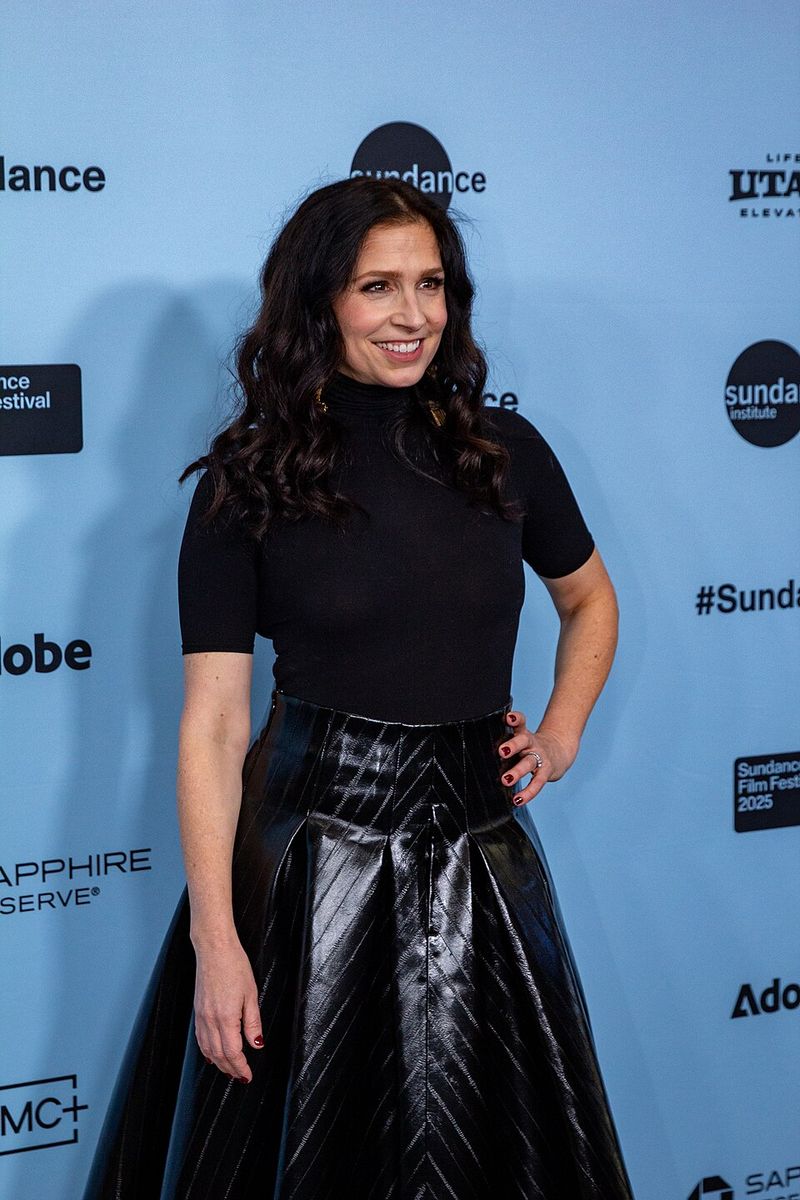
Shoshannah Stern comes from a multi-generational deaf family, giving her deep connections to deaf culture and American Sign Language. Unlike some deaf performers who learned to speak for roles, Stern has primarily used ASL throughout her career.
This choice reflects her commitment to authentic deaf representation.
Her appearances on shows like Weeds, Grey’s Anatomy, and Supernatural brought deaf characters into mainstream storylines. Stern co-created and starred in This Close, a groundbreaking series about deaf best friends navigating Los Angeles.
The show featured deaf writers, actors, and crew members, providing opportunities throughout the production.
Stern’s advocacy emphasizes the importance of deaf people telling their own stories. She has spoken about the frustration of seeing hearing actors cast in deaf roles.
Her production work demonstrates that deaf creators can handle all aspects of filmmaking when given the chance, from writing to directing to acting.
8. Val Kilmer
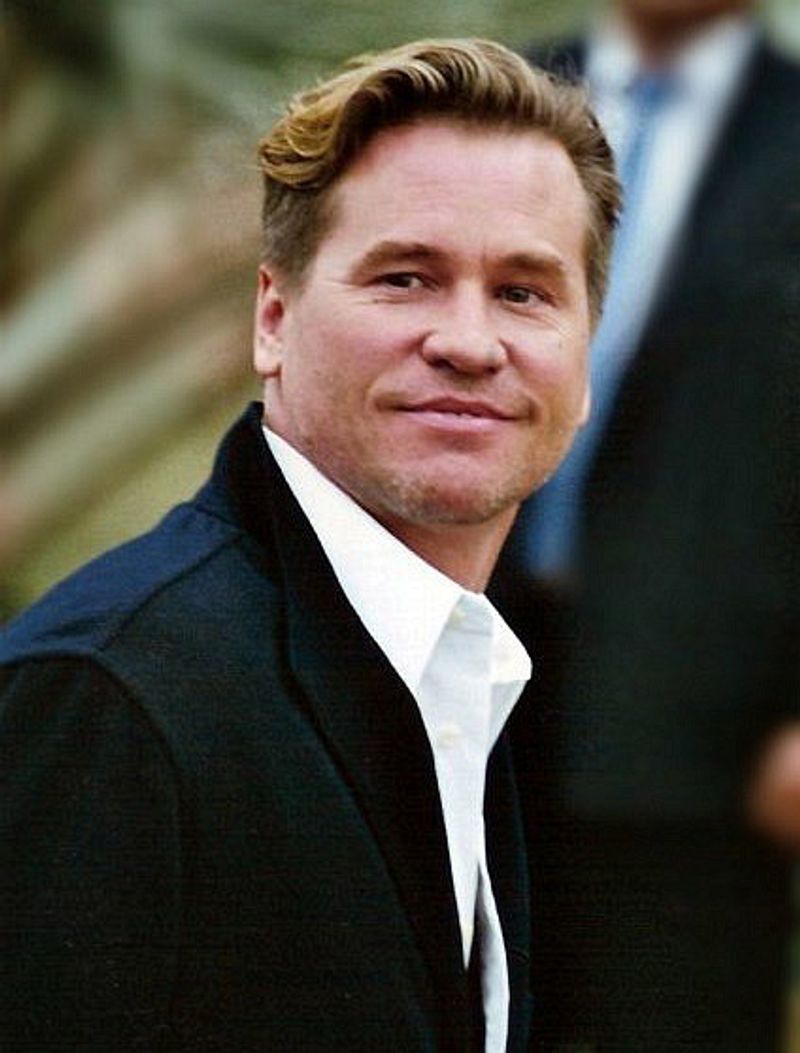
Throat cancer struck Val Kilmer in the 2010s, requiring treatments that severely affected his ability to speak. For an actor whose voice had been such an important part of his performances, this loss was devastating.
Kilmer underwent a tracheotomy and required a feeding tube, fundamentally changing how he could work.
Rather than retiring, Kilmer adapted. He uses technology to help him communicate and has returned to acting in projects that accommodate his changed voice.
His appearance in Top Gun: Maverick moved audiences who had followed his career for decades. The film acknowledged his real-life challenges while celebrating his iconic character.
Kilmer’s documentary about his life and career showed his journey through illness with remarkable honesty. He has used voice recreation technology and continues creative work including writing and art.
His determination to keep creating despite significant physical challenges demonstrates that an actor’s essence goes beyond physical abilities.
9. Peter Falk
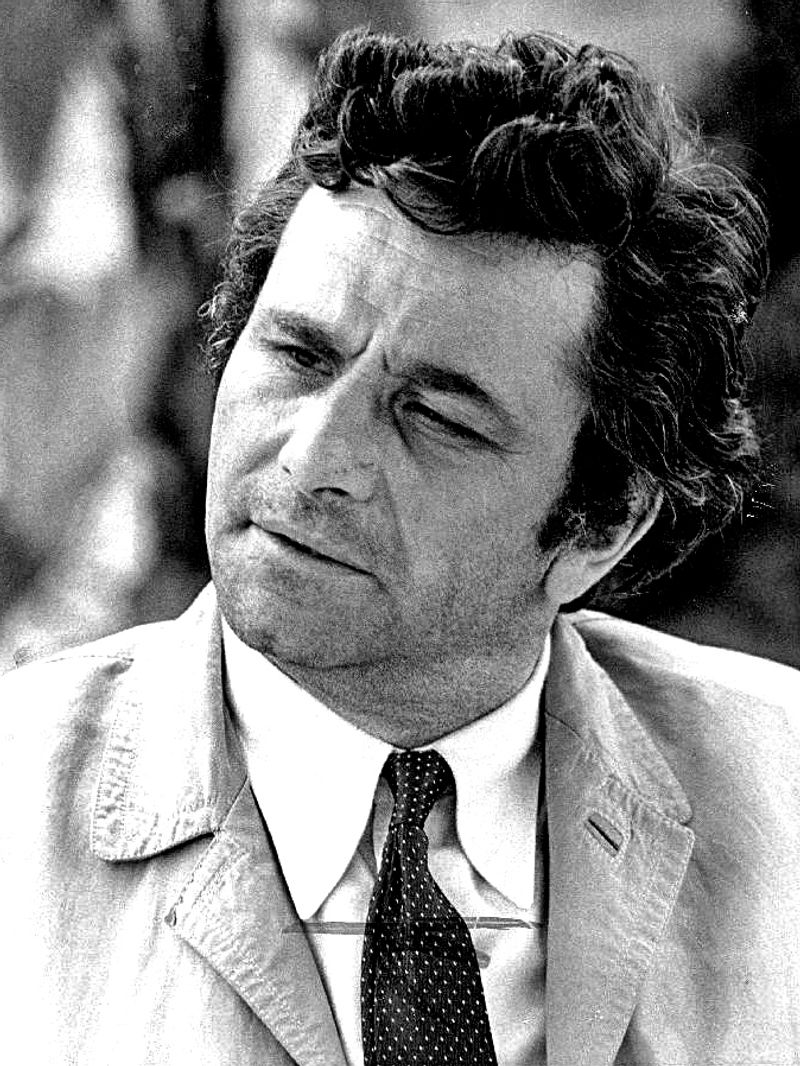
Peter Falk lost his right eye to cancer at age three, requiring it to be surgically removed. He wore a glass eye for the rest of his life.
In old Hollywood, such a visible difference might have prevented an acting career entirely. Falk proved that talent could overcome physical differences.
His portrayal of Lieutenant Columbo became one of television’s most beloved characters. The rumpled detective’s mannerisms and brilliant mind captivated audiences for decades.
Falk’s glass eye never prevented him from delivering nuanced, memorable performances in both television and film.
Later in life, Falk faced Alzheimer’s disease, which gradually affected his memory and abilities. Even as his health declined, his body of work continued to inspire new generations of actors.
Falk’s career demonstrated that physical differences need not limit artistic expression or professional success in entertainment.
10. Hugo Weaving
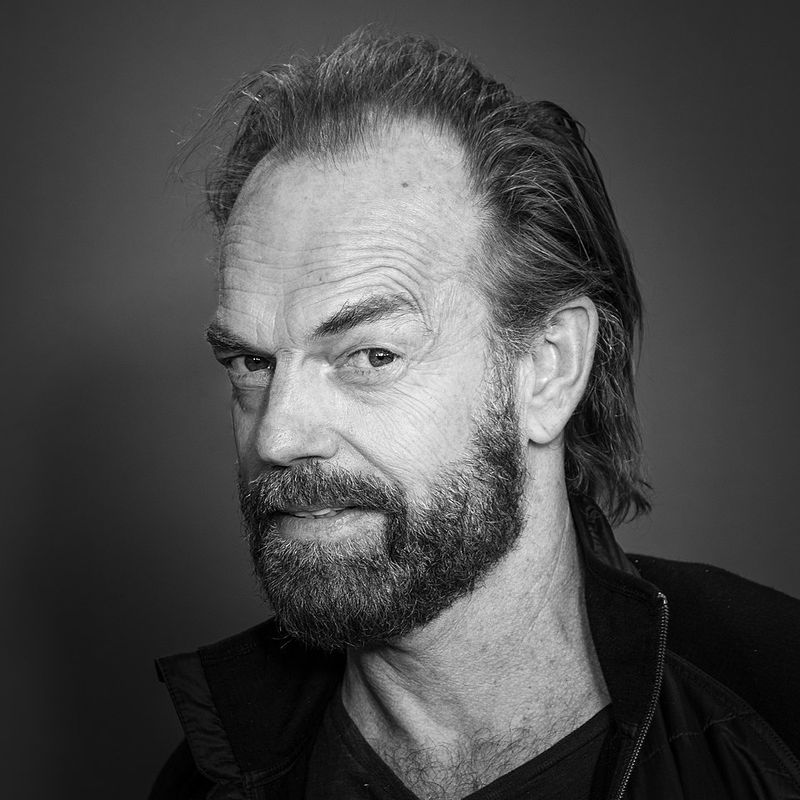
A serious childhood knee injury threatened to limit Hugo Weaving’s physical capabilities permanently. For someone who would later perform complex fight choreography in The Matrix and endure demanding physical shoots in The Lord of the Rings trilogy, this early setback could have been career-ending.
Weaving worked through rehabilitation and training to strengthen his body. He never let the old injury stop him from taking physically demanding roles.
His performances as Agent Smith and Elrond required extensive movement, fight training, and long hours in challenging conditions.
The Australian actor’s determination to overcome his early physical setback shaped his approach to challenging roles. He has taken on diverse characters across genres, from action films to intimate dramas.
Weaving’s career shows that early physical challenges can be overcome with dedication, proper training, and refusal to accept limitations. His success in physically intensive franchises proved that past injuries need not define future possibilities.
11. Peter Sellers
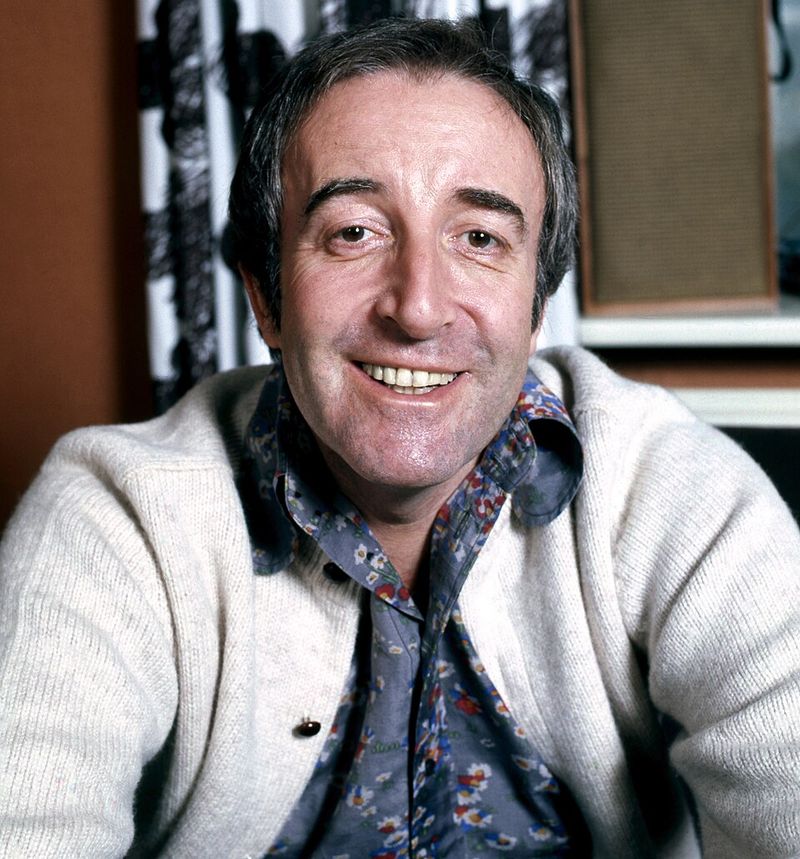
Chronic back pain plagued Peter Sellers throughout his career, often requiring strong pain medications that affected his mood and health. The physical discomfort could have limited his ability to perform the physical comedy that made him famous.
Instead, Sellers pushed through, delivering iconic performances despite constant pain.
His work in the Pink Panther series required precise physical timing and elaborate pratfalls. Behind the scenes, Sellers dealt with significant discomfort and the side effects of pain management.
The medications necessary for him to function sometimes affected his personality and relationships on set.
Sellers never publicly complained about his chronic condition, preferring to focus on his craft. His dedication to comedy and character work remained consistent even as his health challenges increased.
Classic film histories document his physical struggles, revealing a man who refused to let pain stop him from creating memorable performances that continue to entertain audiences decades after his death.



