Not every great trip needs a selfie stick and a two-hour wait in line. Some of the best places in America are hiding in plain sight, quietly waiting for the travelers smart enough to skip the tourist traps.
I have personally stood in a national park so empty that the only sound was the wind, and honestly, it ruined me for busy destinations forever. If you are ready to trade the crowds for something real, these 11 spots are calling your name.
North Cascades National Park, Washington
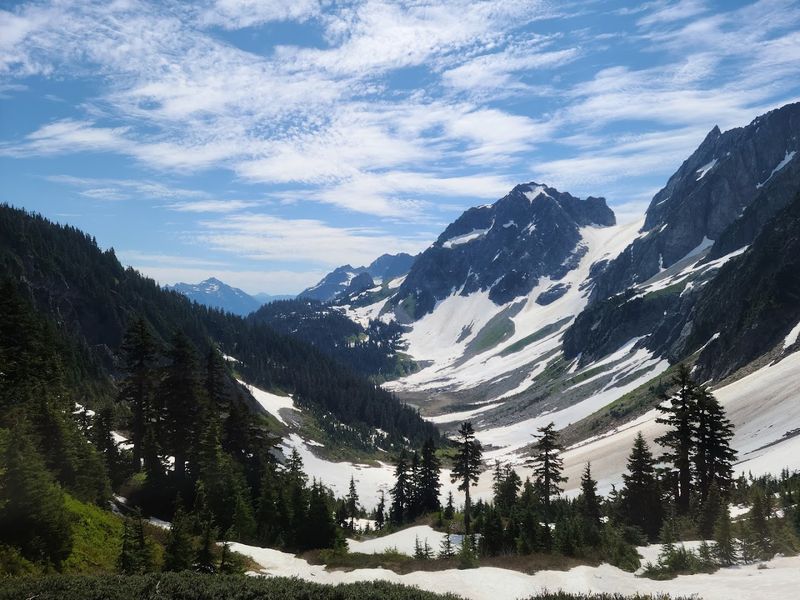
North Cascades gets fewer visitors than almost any national park in the lower 48, and that is its best-kept secret. The peaks here are jagged, dramatic, and covered in more glaciers than anywhere else in the contiguous United States.
Yet somehow, most travelers fly right past it on their way to Rainier.
The park has over 400 miles of trails, ranging from easy lakeside strolls to serious backcountry routes. Ross Lake is a stunning spot that rewards anyone willing to make the drive.
Wildlife sightings, including black bears and mountain goats, are genuinely common here.
No entrance fee is required, which is a rare and welcome surprise. Cell service disappears fast, so download your maps beforehand.
Go in late summer when the wildflowers are peaking and the snow has cleared the higher trails. Solitude here is not something you have to search for; it finds you first.
Chiricahua National Monument, Arizona
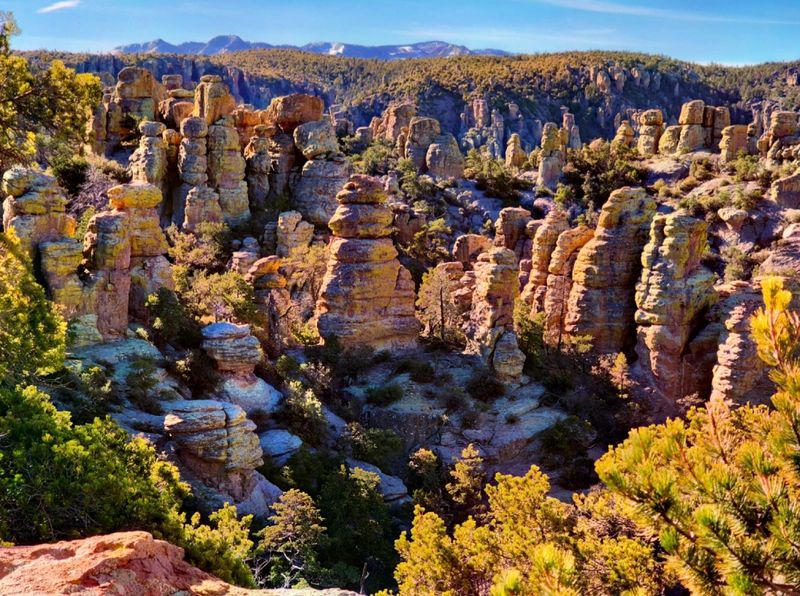
Chiricahua is the kind of place that makes you stop mid-hike and just stare. Thousands of towering rock columns, called hoodoos, shoot up from the ground like a petrified forest frozen mid-explosion.
The whole landscape looks like something a kid sculpted out of clay and then left outside for a million years.
Located in the far southeast corner of Arizona, this monument sits far from any major highway, which keeps the crowds thin and the atmosphere genuinely wild. Apache leader Cochise once used these rocks as a stronghold, and honestly, you can see why.
The terrain is a natural maze.
The Massai Point trail offers some of the best views with minimal effort. Coatimundis, elegant trogons, and even black bears call this place home.
Camping at Bonita Canyon Campground puts you right in the heart of it all. Go in spring or fall for the most comfortable hiking temperatures.
Guadalupe Mountains National Park, Texas
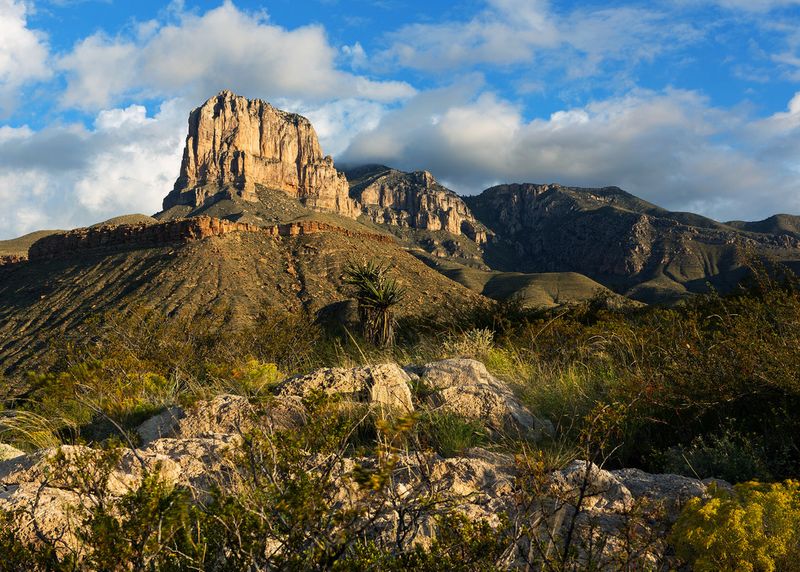
Texas has a national park that most Texans have never even visited, and that is both a tragedy and a gift for those who know about it. Guadalupe Mountains contains the highest peak in the entire state, El Capitan, rising sharply from the Chihuahuan Desert like a limestone fortress.
The scenery is raw, honest, and completely untouched by tourist infrastructure.
There are no lodges, no gift shops, and no shuttle buses. What you get instead is over 80 miles of trails, ancient fossil reefs, and fall foliage that rivals New England in the McKittrick Canyon area.
Yes, Texas has fall foliage. Surprise!
The park sees fewer than 200,000 visitors per year, making it one of the least-visited national parks in the country. Wind is a constant companion here, so pack layers even in summer.
Stargazing at night is absolutely world-class thanks to the total absence of light pollution. Bring your own water, always.
Voyageurs National Park, Minnesota
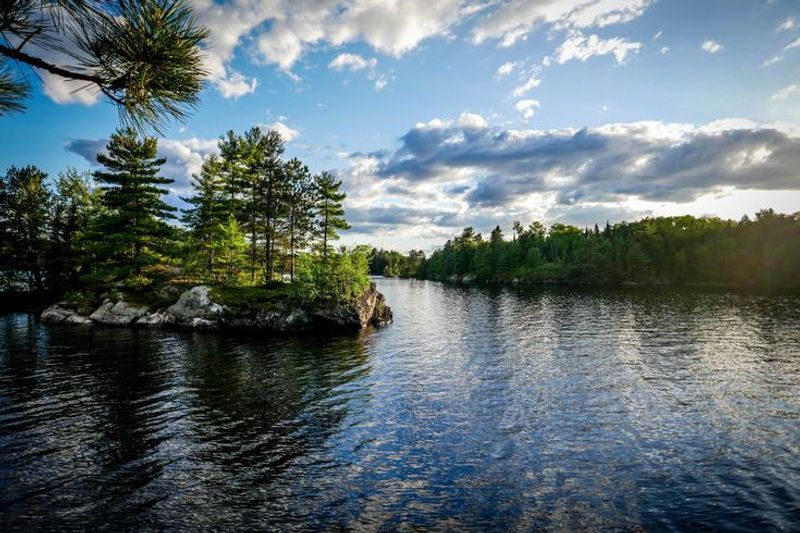
Here is a fun fact: roughly 40 percent of Voyageurs National Park is water. There are no roads into the park interior.
You need a boat, a canoe, or a kayak to access most of it, which naturally filters out the flip-flop crowd very efficiently.
Named after the French-Canadian fur traders who paddled these routes centuries ago, Voyageurs sits on the Minnesota-Canada border and is stunningly beautiful in every season. Summer means boating and fishing on interconnected lakes.
Winter transforms the park into a snowmobile and ice-fishing paradise. The northern lights make occasional appearances that will absolutely stop your breath.
Houseboat rentals are a popular and surprisingly affordable way to spend a few nights here. There are over 500 campsites accessible only by water, many of which sit completely empty most nights.
I rented a kayak one August morning and did not see another person for four hours. That kind of peace is genuinely hard to find.
Bandelier National Monument, New Mexico
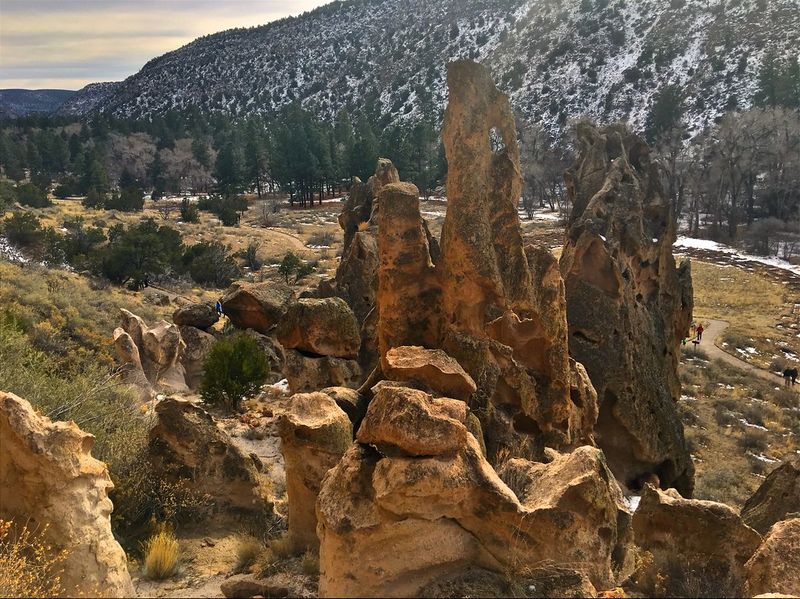
Carved into soft volcanic rock by Ancestral Puebloan people over 10,000 years ago, the cliff dwellings at Bandelier are genuinely one of the most fascinating archaeological sites in North America. You can actually climb wooden ladders into the caves.
Not look at them behind a rope. Climb into them.
Located just 40 miles from Santa Fe, Bandelier somehow stays off most tourists’ radar despite being incredibly accessible. The main Frijoles Canyon loop is about 1.5 miles and packs in an enormous amount of history.
Petroglyphs, kiva ruins, and talus houses line the canyon walls the entire way.
Spring and fall are the ideal visiting seasons, though even summer crowds here feel modest compared to Yellowstone or the Grand Canyon. Shuttle buses from White Rock run during peak season, which is a thoughtful touch that keeps parking stress low.
The park also has excellent backcountry camping for those who want to stay longer. Bring sunscreen and curiosity in equal measure.
Craters of the Moon National Monument and Preserve, Idaho
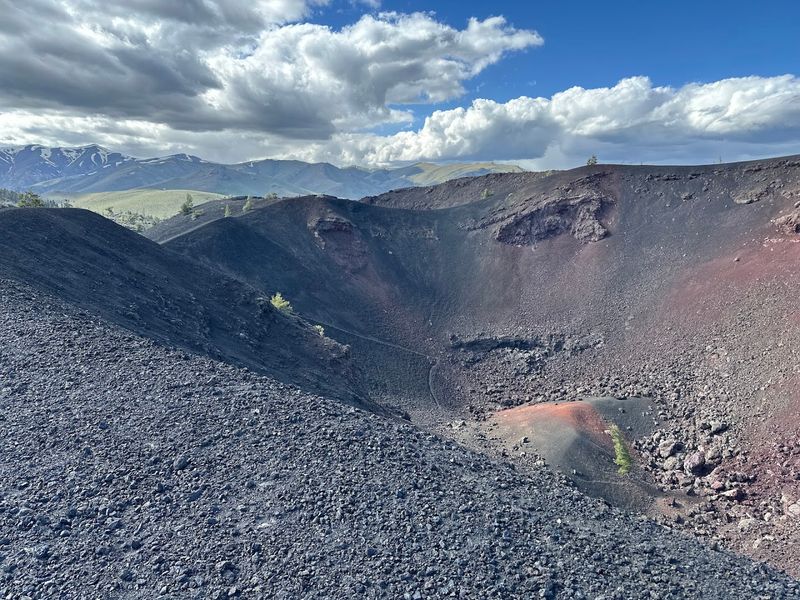
NASA actually sent astronauts here to train for the moon landing. That should tell you everything you need to know about how otherworldly this place looks.
Craters of the Moon is a massive lava field in the middle of Idaho that looks nothing like anything else in America.
The landscape is almost entirely black, made up of lava tubes, cinder cones, and hardened lava flows that stretch for miles. Hiking through it feels like walking on another planet, which is very much the point.
It is one of the most geologically unique places in the country and yet most people have never heard of it.
The lava tube caves are a particular highlight. You can walk into them with a flashlight and explore formations that took thousands of years to create.
The monument is open year-round, though winter brings deep snow that transforms the dark landscape into a striking black-and-white contrast. Crowds are rare here, and solitude is basically guaranteed outside of summer weekends.
Congaree National Park, South Carolina
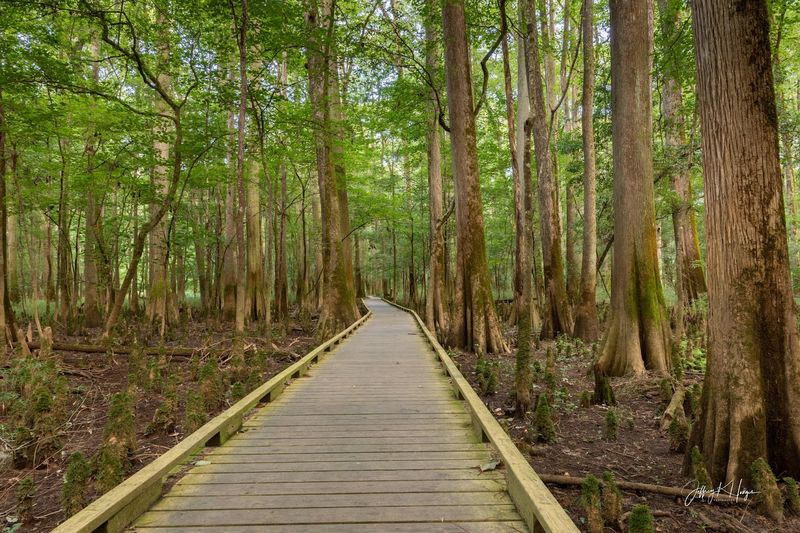
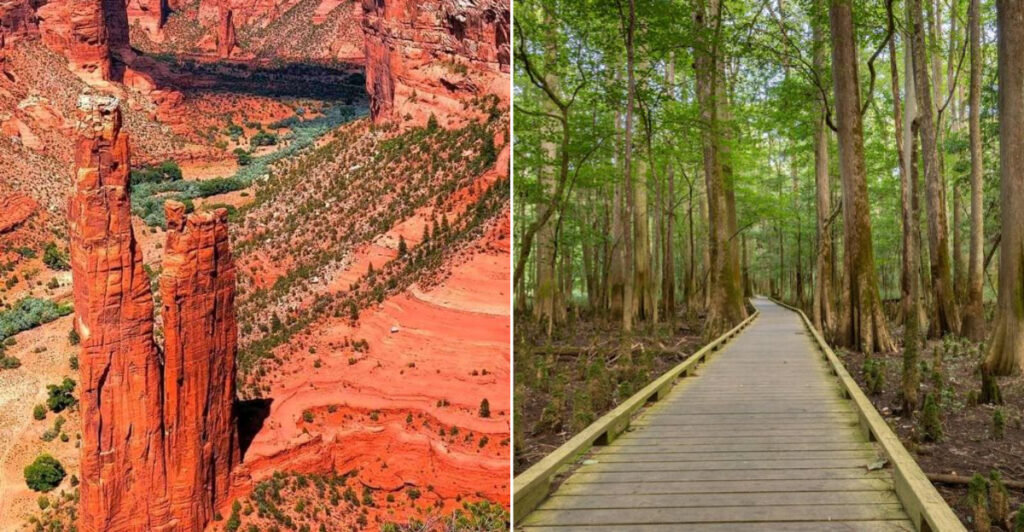
Congaree is the largest intact expanse of old-growth bottomland hardwood forest in the United States, and it is absolutely magnificent. Some of the trees here are so tall they qualify as champion trees, meaning they are the tallest recorded specimens of their species in the entire country.
Standing next to one is a humbling experience.
The park sits just 20 miles from Columbia, South Carolina, yet it feels like a completely different world. Boardwalk trails wind through the floodplain, hovering above the forest floor and giving visitors an eye-level view of the canopy.
Kayaking the Cedar Creek canoe trail is a deeply peaceful way to spend a half day.
Firefly season in late May and early June brings a rare synchronous firefly display that draws a modest but enthusiastic crowd. Outside of that window, the park is remarkably quiet.
Birdwatching is excellent year-round, with over 200 species recorded. Skip the summer if humidity is not your thing; spring and fall are far more pleasant.
Canyon de Chelly National Monument, Arizona
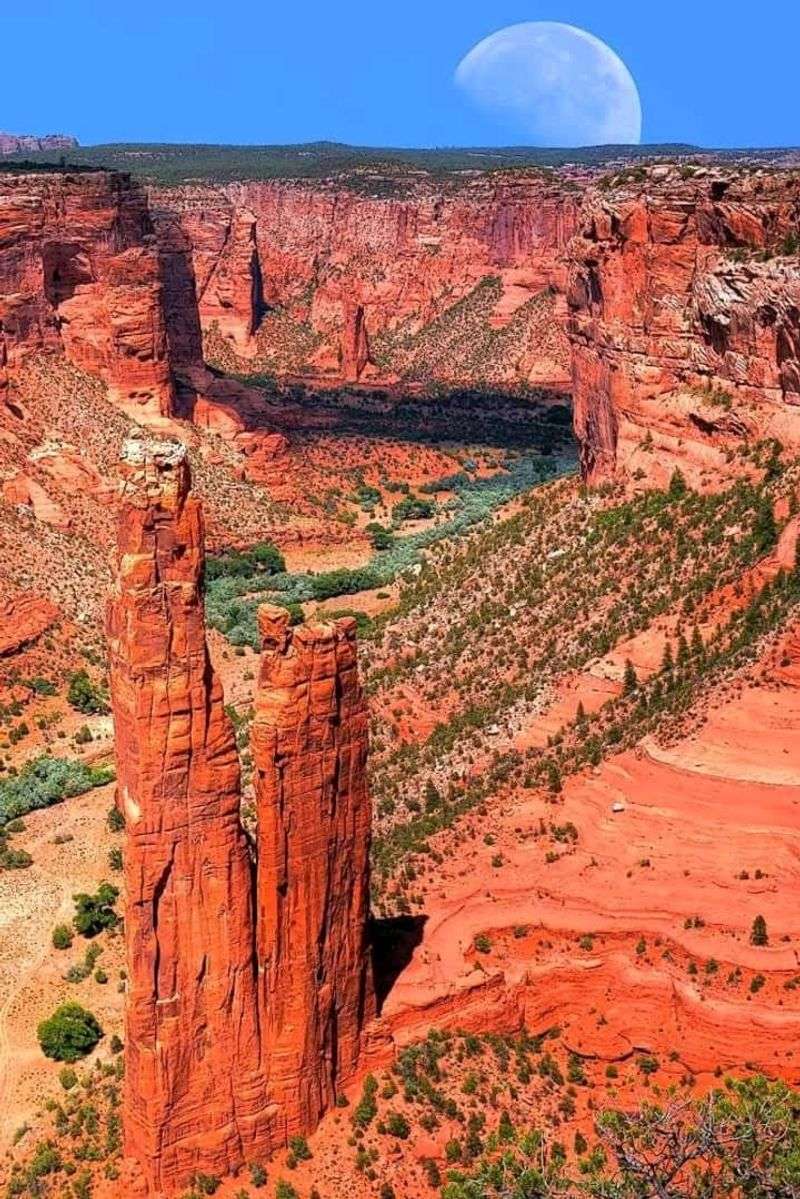
Canyon de Chelly is the only national monument in the United States that is entirely owned and managed in partnership with the Navajo Nation. That alone makes it unlike anywhere else on this list.
The canyon has been continuously inhabited for nearly 5,000 years, and Navajo families still live and farm on the canyon floor today.
Most visitors drive the rim roads, which offer jaw-dropping overlooks of the 1,000-foot sandstone walls and the ancient ruins tucked into the cliff faces below. The White House Ruin trail is the only hike you can do without a Navajo guide, and it is spectacular.
Hiring a local guide to take you into the canyon by jeep or horseback is worth every penny and supports the community directly.
The canyon is sacred, so visitors are asked to be respectful and stay on designated paths. Crowds here are light year-round, and the atmosphere is deeply respectful and quiet.
Autumn, when the cottonwood trees turn gold, is the most breathtaking time to visit. Go slow and listen.
Mojave National Preserve, California
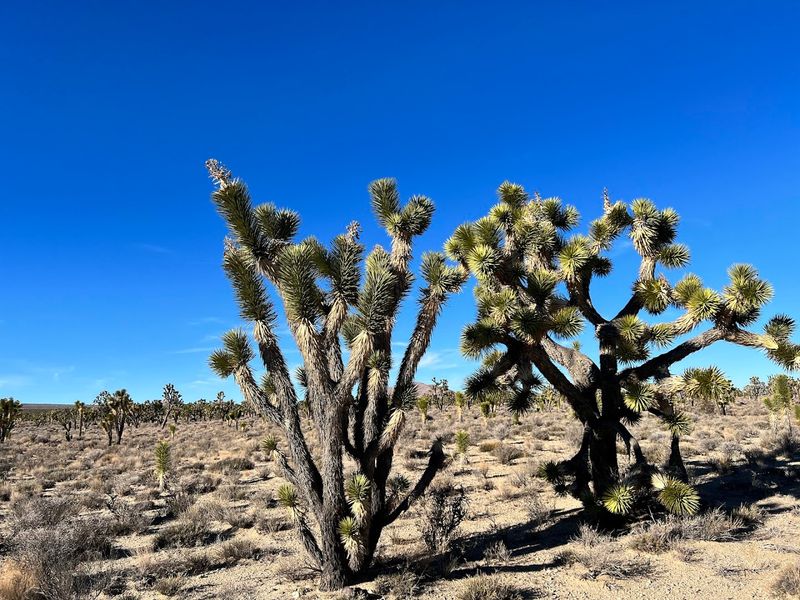
Sandwiched between two of California’s most visited parks, Joshua Tree and Death Valley, the Mojave National Preserve somehow stays almost entirely off the tourist circuit. It is bigger than the state of Rhode Island and has fewer visitors in a year than Joshua Tree gets in a long weekend.
That math works out beautifully for anyone who shows up.
The preserve has everything: massive sand dunes at Kelso Dunes, volcanic cinder cones, Joshua tree forests, and abandoned mining towns. The Kelso Depot, a stunning 1920s Spanish Colonial train station, now serves as the visitor center and is worth a stop on its own.
Hiking the dunes is surprisingly fun, especially when they hum and boom underfoot.
Camping here requires almost no planning since sites rarely fill up. The night sky is extraordinary, ranking among the darkest in Southern California.
Spring wildflower blooms can be spectacular after a wet winter. Pack plenty of water, a good map, and zero expectations of Wi-Fi.
The Mojave rewards the prepared and punishes the overconfident.
White Sands National Park, New Mexico
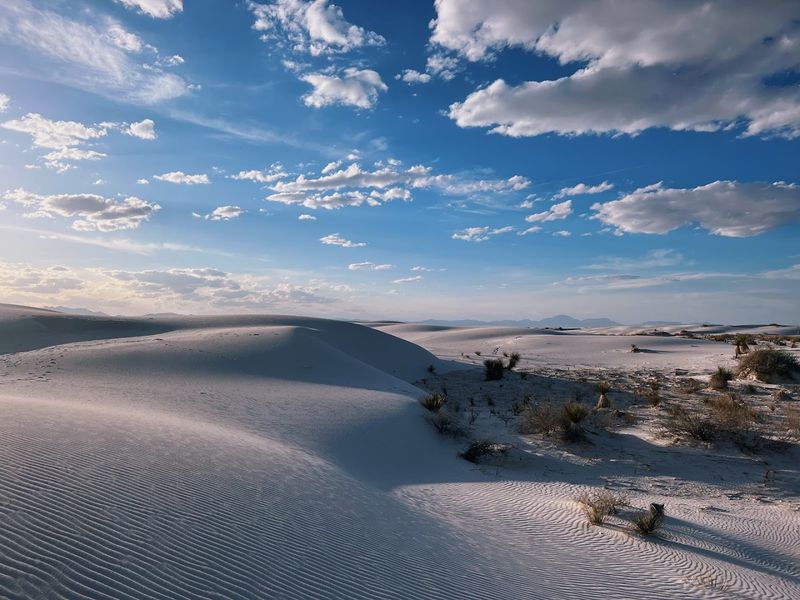
White Sands is one of those places where photographs look fake even when they are completely real. The dunes here are made entirely of gypsum crystals, which means they stay brilliantly white even in intense summer heat.
The whole park glows like a snowfield in the middle of the New Mexico desert.
At 275 square miles, it is the largest gypsum dune field in the world. The park only became a national park in 2019, graduating from monument status after decades of advocacy.
Sledding down the dunes on a rented plastic sled from the visitor center is one of the most unexpectedly joyful activities in any national park anywhere.
Sunset and sunrise are the peak times to visit, when the light turns the white dunes soft pink and lavender. The park occasionally closes for military testing at the adjacent missile range, so check schedules before driving out.
Crowds exist but spread out quickly across the enormous dune field. Wear sunglasses, seriously.
Theodore Roosevelt National Park, North Dakota
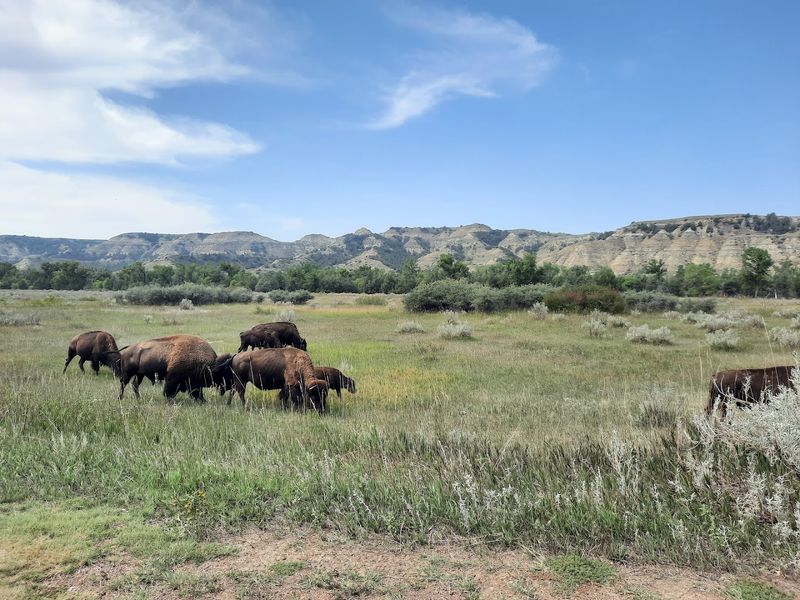
Theodore Roosevelt once said that the badlands of North Dakota were where the romance of his life began, and after visiting, it is hard to argue with him. This park is rugged, colorful, and packed with wildlife in a way that feels almost theatrical.
Bison wander the roads so casually that traffic stops for them like they own the place, which, to be fair, they basically do.
The park has two units, north and south, connected by a scenic drive through striped badlands buttes in shades of red, orange, and grey. Wild horses roam the north unit, and prairie dog towns pop up along the roadside with entertaining regularity.
Elk, bighorn sheep, and pronghorn antelope round out a wildlife roster that rivals parks twice as famous.
Visitor numbers here are a fraction of what Yellowstone or the Grand Canyon pull. The south unit near Medora is the more accessible starting point.
The town of Medora itself is a charming, small Western town worth an evening. Summer evenings are long and gorgeous here.
Share this story