 Unearth The Voyage
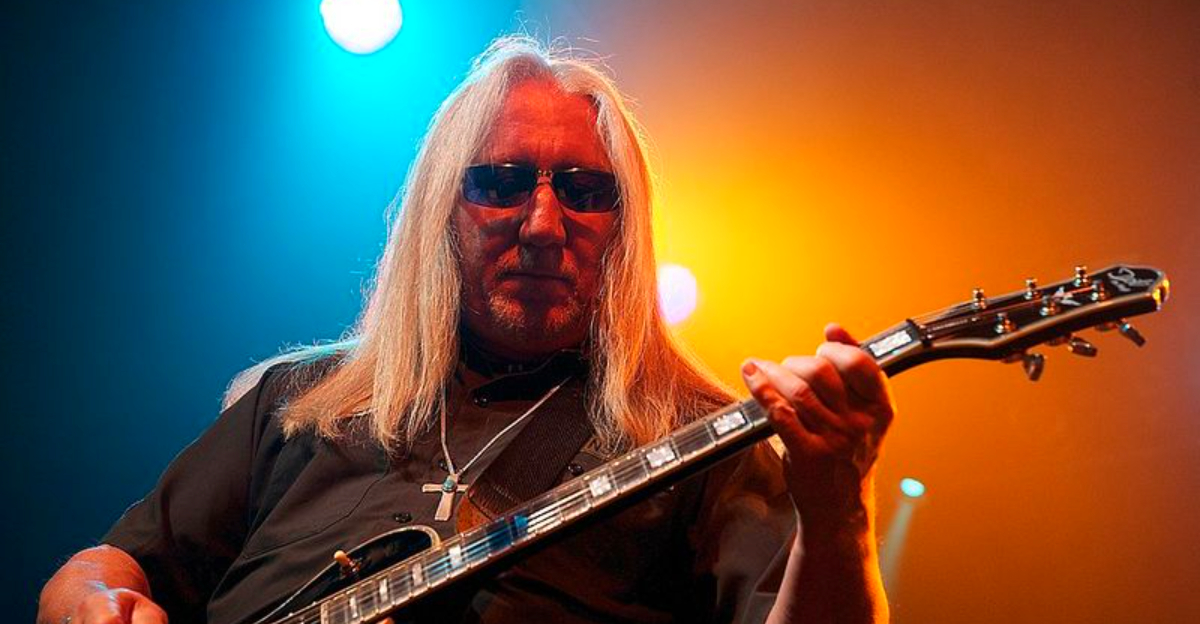
Rock history is filled with bands that have weathered decades of lineup changes, personal conflicts, and the inevitable passage of time. Some legendary groups have seen nearly every founding member depart, leaving just one person to carry the torch forward. These sole survivors keep the music alive, touring stadiums and recording albums while honoring the legacy their bands created years ago.
1. Journey – Neal Schon
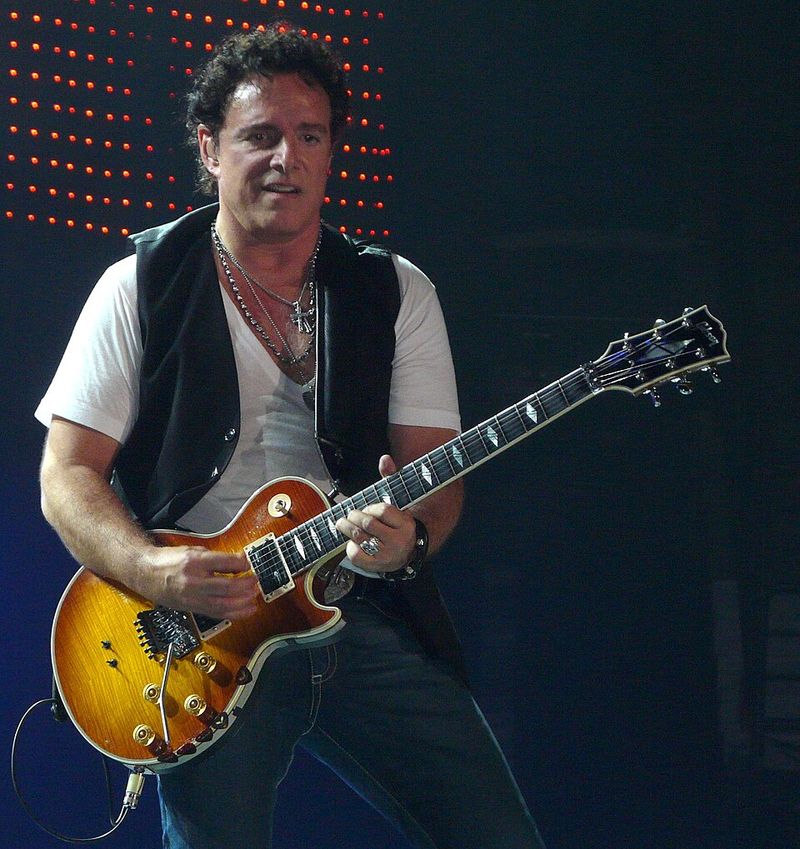
When you hear that opening riff to “Don’t Stop Believin’,” you can thank Neal Schon for keeping Journey’s spirit alive. As the only original member still touring and recording with the band, Schon has been the backbone of Journey since 1973. His guitar work defined the sound that made Journey one of the biggest arena rock acts of all time.
Journey has seen numerous vocalists and musicians come and go over the decades. Former frontman Steve Perry left in the 1990s, and other founding members moved on to different projects. Yet Schon remains committed to performing the hits that millions of fans adore.
The band continues selling out venues worldwide, proving that great songs never fade. Schon’s dedication ensures that Journey’s music lives on for new generations to discover and enjoy.
2. The Pretenders – Chrissie Hynde
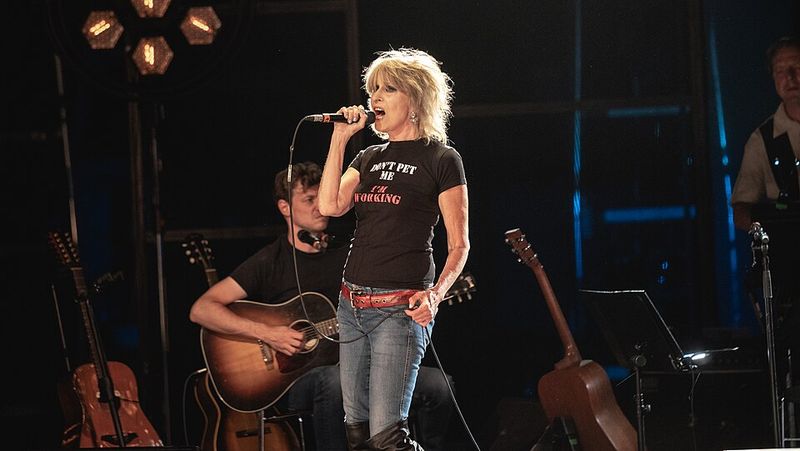
Chrissie Hynde has been the heart and soul of The Pretenders since day one. While drummer Martin Chambers is also an original member, he took breaks from the band over the years. Hynde, however, never left, making her the only constant presence throughout every album and tour since 1978.
Her distinctive voice and songwriting gave us classics like “Brass in Pocket” and “Back on the Chain Gang.” The Pretenders faced tragedy early on when two founding members died from drug-related causes. Despite these devastating losses, Hynde pushed forward, rebuilding the lineup multiple times.
Her resilience and talent have kept The Pretenders relevant across five decades. Hynde continues writing new material and performing with the same passion she brought to those early punk rock clubs in London, proving that true artists never retire from their craft.
3. Megadeth – Dave Mustaine
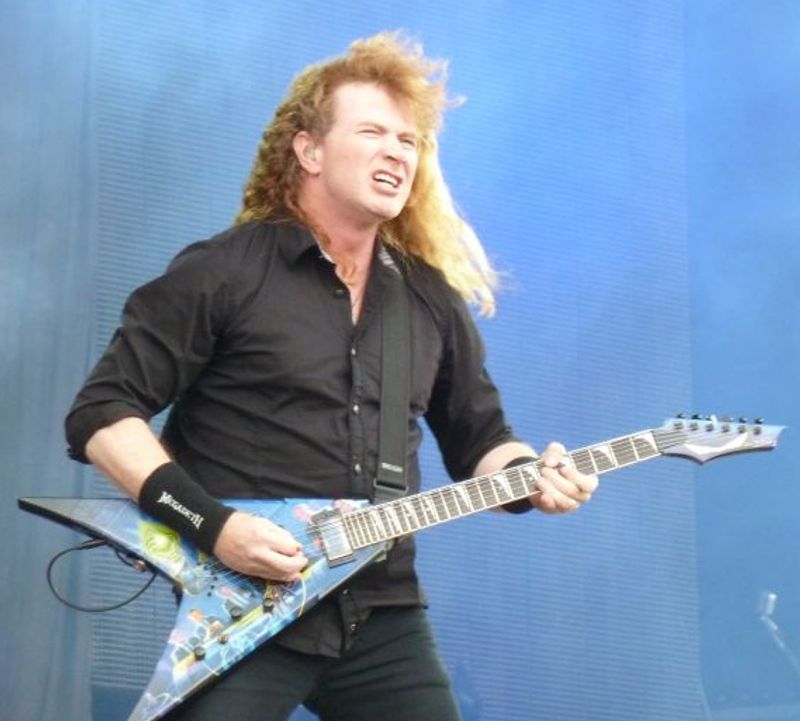
After being kicked out of Metallica in 1983, Dave Mustaine formed Megadeth with a burning desire to prove himself. That fire never went out. Mustaine remains the sole original member of Megadeth, having outlasted every bassist, drummer, and guitarist who joined him on this thrash metal journey.
Megadeth became one of the “Big Four” of thrash metal alongside Metallica, Slayer, and Anthrax. Mustaine’s aggressive guitar style and politically charged lyrics defined the band’s sound. Even after battling throat cancer and nerve damage that threatened his ability to play, he fought his way back to performing.
His determination mirrors the intensity of Megadeth’s music. Mustaine continues creating new albums and touring globally, showing fans that his creative vision for Megadeth burns as bright today as it did four decades ago.
4. Anthrax – Scott Ian
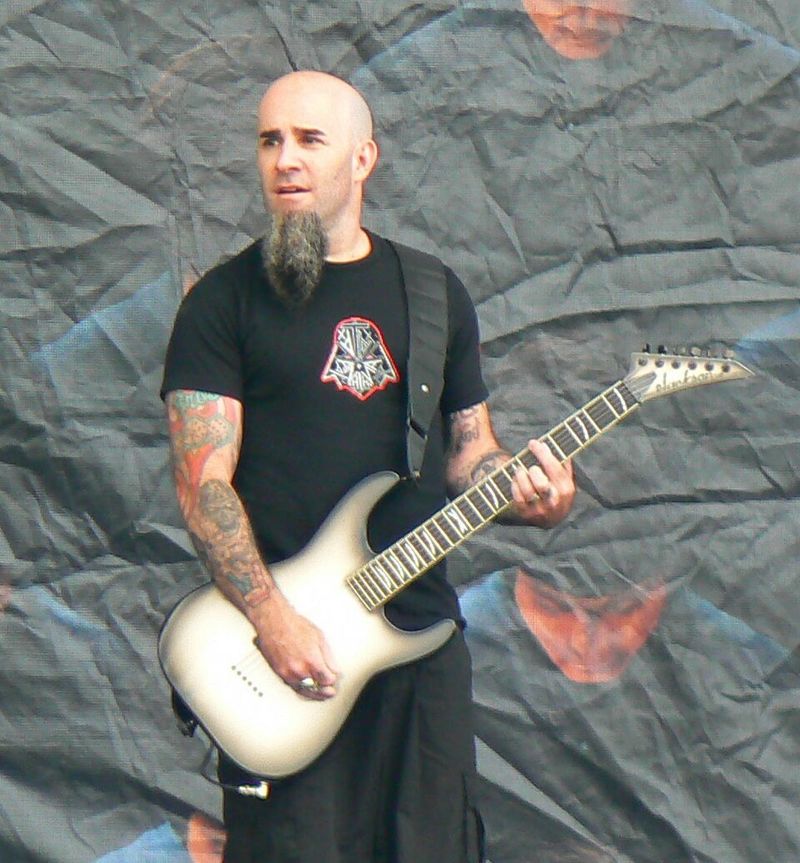
Scott Ian’s lightning-fast rhythm guitar has powered Anthrax since 1981, making him the band’s only remaining founding member. His trademark goatee and aggressive playing style became synonymous with thrash metal’s golden era. Anthrax helped pioneer the crossover between metal and hip-hop with their collaboration on “Bring the Noise” with Public Enemy.
Ian witnessed numerous lineup changes throughout Anthrax’s history, including multiple vocalist switches. The band cycled through different members while Ian stayed anchored, providing consistency to their sound. His dedication kept Anthrax touring and recording through changing musical trends and industry challenges.
Beyond music, Ian became a pop culture personality, appearing on television shows and hosting podcasts. His enthusiasm for metal culture extends beyond performing. Anthrax remains active today, with Ian leading the charge and proving that old-school thrash metal still has plenty to say.
5. Uriah Heep – Mick Box
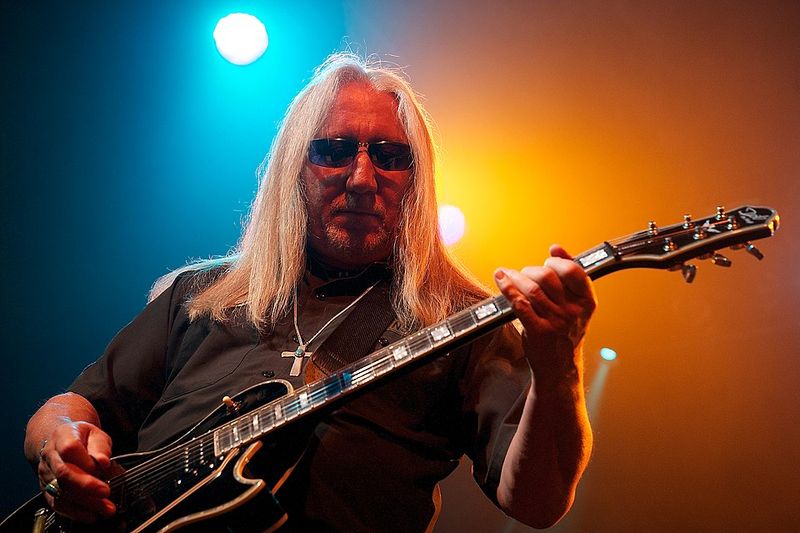
Since 1969, Mick Box has been the steady hand guiding Uriah Heep through the ever-changing landscape of rock music. As the only founding member still performing with the band, Box has witnessed the rise of progressive rock, the explosion of heavy metal, and countless musical movements in between.
Uriah Heep achieved massive success in the 1970s with albums like “Demons and Wizards” and “The Magician’s Birthday.” Their blend of hard rock and fantasy-themed lyrics created a unique sound that influenced generations of metal bands. Despite critical dismissal in their early years, they built a devoted fanbase worldwide.
Box never gave up on Uriah Heep, even when commercial success faded. The band continues touring extensively, particularly in Europe where they maintain a loyal following. His commitment proves that passion for music transcends chart positions and radio play.
6. The Cure – Robert Smith
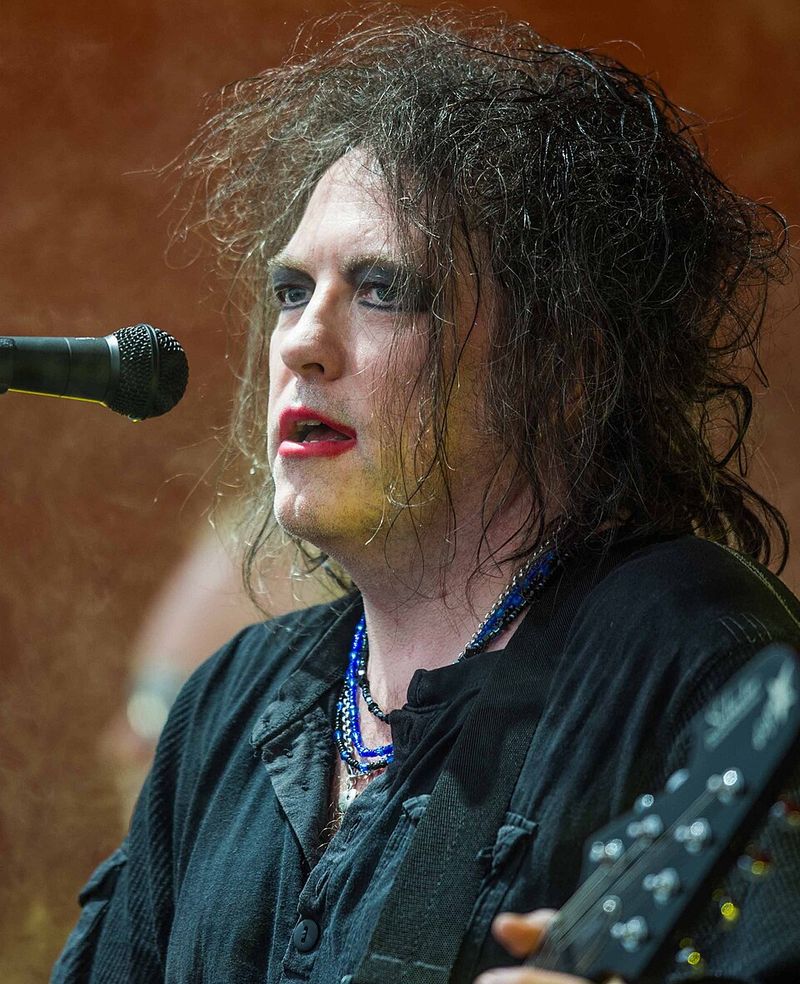
Robert Smith’s unmistakable voice, wild hair, and smeared lipstick have defined The Cure for over 45 years. As the only original member remaining, Smith IS The Cure in every meaningful way. His songwriting created everything from gloomy masterpieces like “Disintegration” to pop hits like “Friday I’m in Love.”
The Cure’s lineup has been remarkably fluid throughout its history. Founding members and longtime collaborators departed at various points, but Smith always remained the creative center. His willingness to explore different sounds kept The Cure from being pigeonholed into one genre, moving from post-punk to gothic rock to alternative pop.
Smith’s influence on alternative music cannot be overstated. Countless bands cite The Cure as inspiration. At an age when many rockers retire, Smith continues writing, recording, and performing with the same emotional intensity that made The Cure legendary.
7. AC/DC – Angus Young
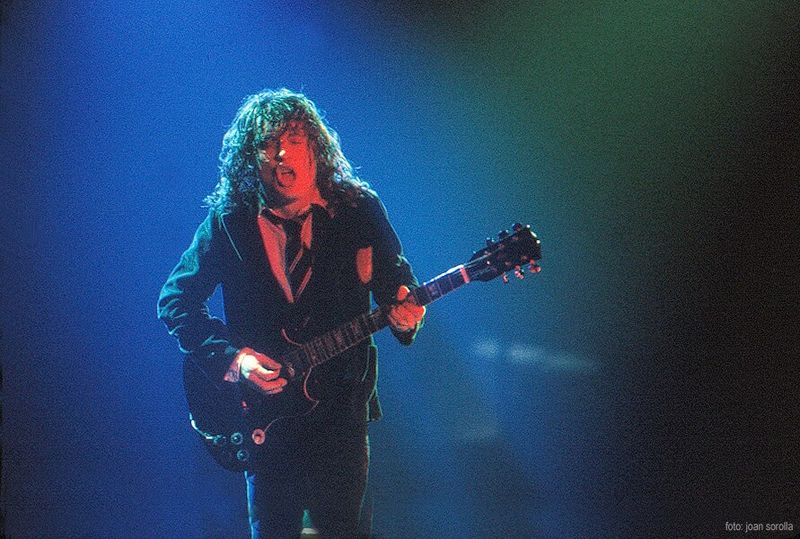
That schoolboy uniform and Gibson SG guitar are rock and roll icons, just like the man who wears them. Angus Young co-founded AC/DC with his brother Malcolm in 1973, and after Malcolm’s retirement and death, Angus became the sole original member carrying on their legacy. His energetic stage presence and blistering solos helped create one of the best-selling bands in history.
AC/DC survived the tragic death of original vocalist Bon Scott in 1980, returning stronger with Brian Johnson and the massive album “Back in Black.” The band faced more challenges when Malcolm developed dementia and other members departed. Through it all, Angus kept the AC/DC machine running.
His commitment to the band’s straightforward, no-frills rock and roll approach never wavered. AC/DC continues touring stadiums worldwide, with Angus delivering the same explosive performances he did five decades ago.
8. Boston – Tom Scholz
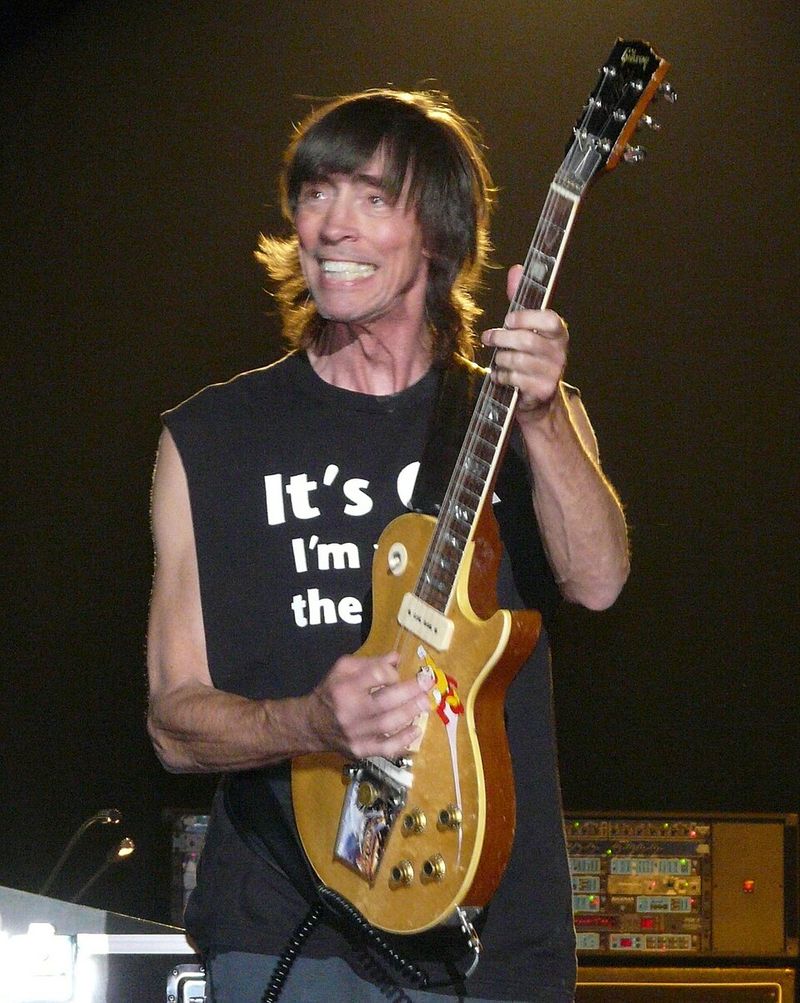
Tom Scholz didn’t just found Boston; he practically invented their sound in his basement studio. As the only remaining original member, Scholz’s perfectionism and technical genius created the polished arena rock sound that defined the late 1970s. Boston’s self-titled debut album remains one of the best-selling debut albums ever.
Scholz, a trained engineer, built much of his own recording equipment and spent years crafting songs before releasing them. This meticulous approach sometimes frustrated bandmates and record labels, leading to long gaps between albums. Original vocalist Brad Delp’s tragic death in 2007 deeply affected Scholz, but he continued honoring their musical partnership.
Boston’s music still fills classic rock radio today. Songs like “More Than a Feeling” and “Peace of Mind” sound as fresh now as they did decades ago. Scholz occasionally tours with new lineups, keeping Boston’s legacy alive for fans old and new.
9. Whitesnake – David Coverdale
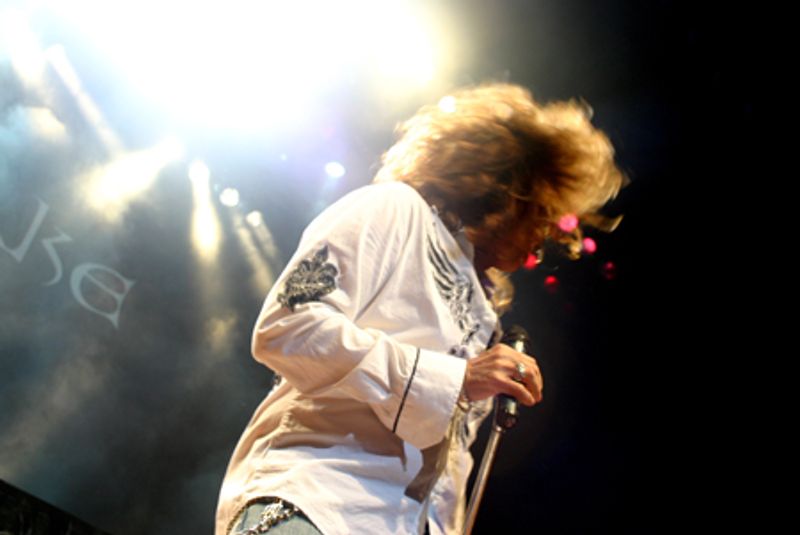
David Coverdale’s powerful voice has been Whitesnake’s defining characteristic since he formed the band in 1978 after leaving Deep Purple. As the only original member currently in the lineup, Coverdale has assembled and reassembled Whitesnake numerous times, treating it more as a project centered around his vision than a traditional band.
Whitesnake achieved massive commercial success in the 1980s with the self-titled album that spawned hits like “Here I Go Again” and “Is This Love.” The accompanying music videos, featuring Coverdale’s then-wife Tawny Kitaen, became MTV staples. That version of Whitesnake featured future stars like Steve Vai and Adrian Vandenberg.
Coverdale’s approach to Whitesnake has always been fluid, bringing in talented musicians for specific projects and tours. Despite health challenges that have affected his vocal range, he continues performing, adapting his style while maintaining Whitesnake’s blues-rock foundation.
10. Rainbow – Ritchie Blackmore
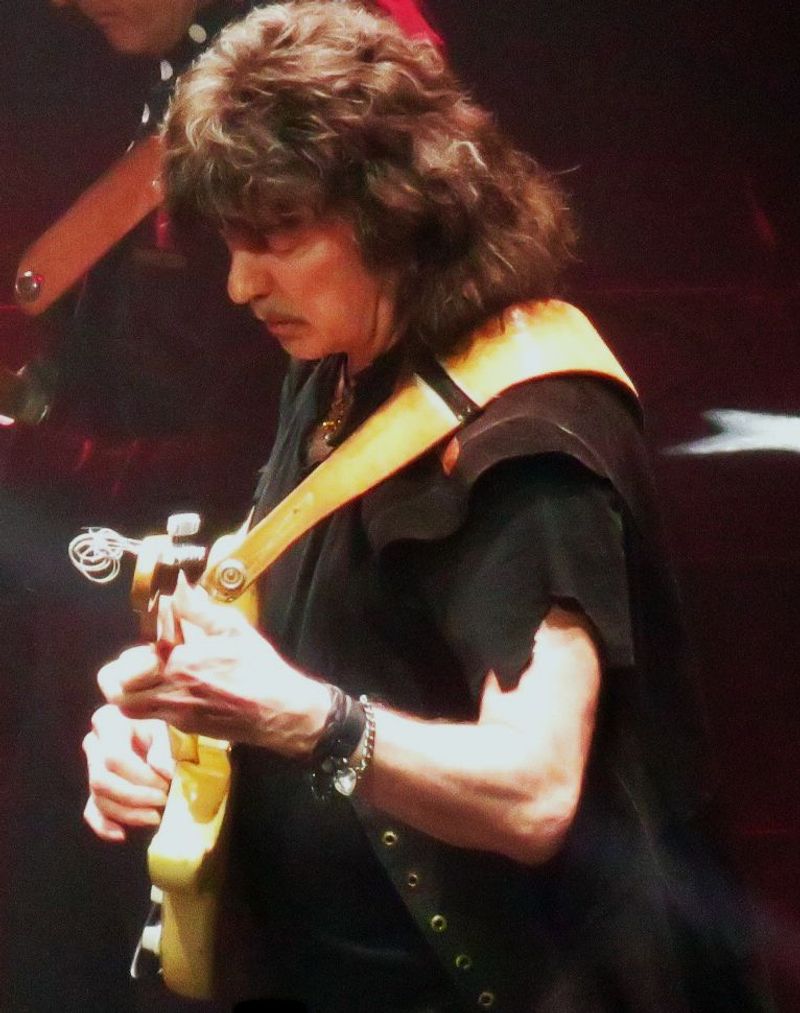
Ritchie Blackmore left Deep Purple at the height of their success to form Rainbow in 1975, seeking more creative control. As the founder and only constant member through Rainbow’s various incarnations, Blackmore created some of hard rock’s most memorable anthems. Songs like “Since You’ve Been Gone” and “Man on the Silver Mountain” showcased his neoclassical guitar style.
Rainbow’s lineup changed constantly, with Blackmore hiring and firing members based on his exacting standards. Legendary vocalists like Ronnie James Dio, Graham Bonnet, and Joe Lynn Turner each brought different dimensions to the band. Despite the revolving door, Blackmore’s guitar remained the unifying thread.
After years focusing on Renaissance music with Blackmore’s Night, he reformed Rainbow in 2015. The reunion tours thrilled longtime fans who thought they’d never hear those classic songs performed live again by their creator.
11. Scorpions – Rudolf Schenker
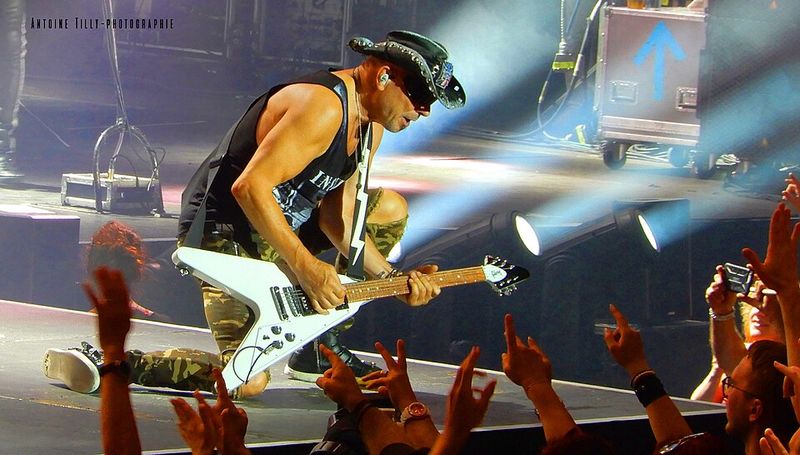
Rudolf Schenker founded Scorpions in 1965, making him not just the only original member, but the band’s longest-serving musician by far. His rhythm guitar and songwriting partnership with various lead guitarists created the German rock sound that conquered the world. Scorpions became international superstars, breaking down barriers for European hard rock bands.
The band’s power ballad “Wind of Change” became an anthem for the fall of the Berlin Wall and the end of the Cold War. Scorpions achieved something rare for a non-English speaking band: massive success in America. Schenker guided the band through multiple lead guitarists, including his younger brother Michael, and several vocalists before Klaus Meine became the permanent frontman.
Despite announcing farewell tours, Scorpions keeps returning to the stage. Schenker’s passion for performing remains undiminished, and fans worldwide continue filling venues to hear classics from this legendary German export.



