The world has 195 recognized countries, but most Americans can only name a fraction of them. Some nations are so small, so remote, or so rarely mentioned in the news that they seem almost invisible on the global stage.
From tiny Pacific islands to landlocked mountain kingdoms, these places have rich histories, unique cultures, and fascinating stories waiting to be discovered. Here is a look at 11 countries that many Americans simply do not know exist.
1. Tuvalu
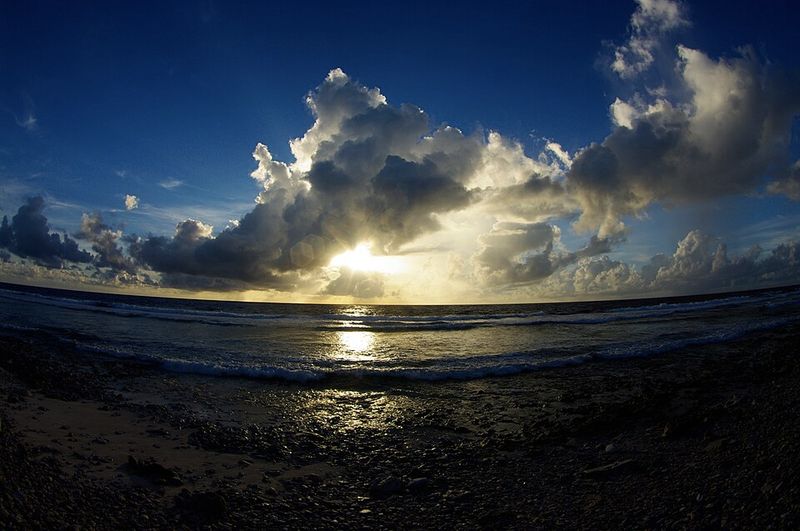
Somewhere between Hawaii and Australia, a small cluster of coral atolls rises just barely above the Pacific Ocean. That is Tuvalu, home to roughly 11,000 people and one of the smallest countries on Earth by both size and population.
Most Americans would struggle to find it on a map.
Tuvalu became an independent nation in 1978 after years as a British territory. Its capital, Funafuti, sits on a narrow strip of land that is rarely more than a few hundred meters wide.
The country relies heavily on fishing licenses and foreign aid to support its economy.
One of the most pressing concerns for Tuvalu today is rising sea levels. Scientists warn that the entire nation could become uninhabitable within decades due to climate change.
Tuvalu has become a symbol in global conversations about environmental responsibility and the real human cost of a warming planet.
2. Nauru
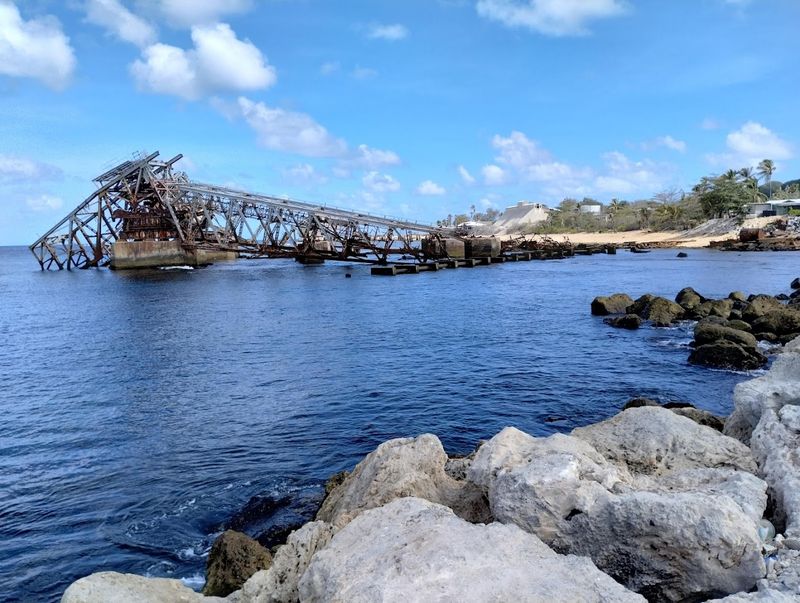
Nauru holds a quirky record most people never expect: it is the third-smallest country in the world by land area, covering just 8.1 square miles. Tucked in the central Pacific Ocean northeast of Australia, this tiny island nation has a surprisingly dramatic history packed into a very small space.
During the 20th century, Nauru became extraordinarily wealthy thanks to massive phosphate deposits. For a brief period, it had one of the highest per-capita incomes on Earth.
However, once the phosphate ran out, the economy collapsed, leaving behind a heavily mined interior that looks more like a moonscape than a tropical paradise.
Today, Nauru is rebuilding and working toward a more sustainable future. The country has a population of around 10,000 people and maintains its own government, currency, and international representation.
It is a striking reminder that wealth without planning can disappear faster than it arrives.
3. Sao Tome and Principe
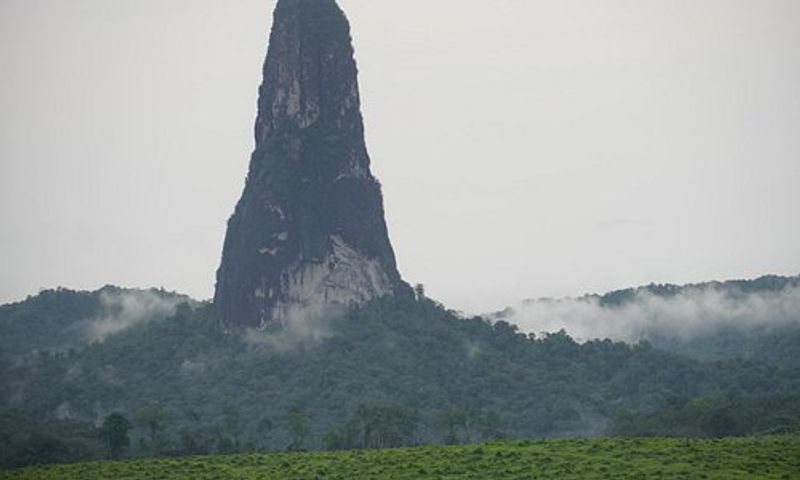
Off the western coast of Central Africa, two small volcanic islands sit quietly in the Gulf of Guinea. Sao Tome and Principe is Africa’s second-smallest country, yet it packs in stunning rainforests, colonial architecture, and a cocoa-growing tradition that chocolate lovers everywhere benefit from without realizing it.
Portugal colonized these islands in the 15th century, and the country only gained independence in 1975. The legacy of that colonial period is visible in the faded grandeur of plantation houses called rocas scattered across the islands.
Many have been converted into eco-lodges welcoming adventurous travelers.
The islands are known for exceptional biodiversity, including dozens of bird species found nowhere else on Earth. The population is warm, multilingual, and deeply connected to the sea.
For travelers seeking an off-the-beaten-path African destination with rich culture and natural beauty, Sao Tome and Principe offers something genuinely rare and memorable.
4. Comoros
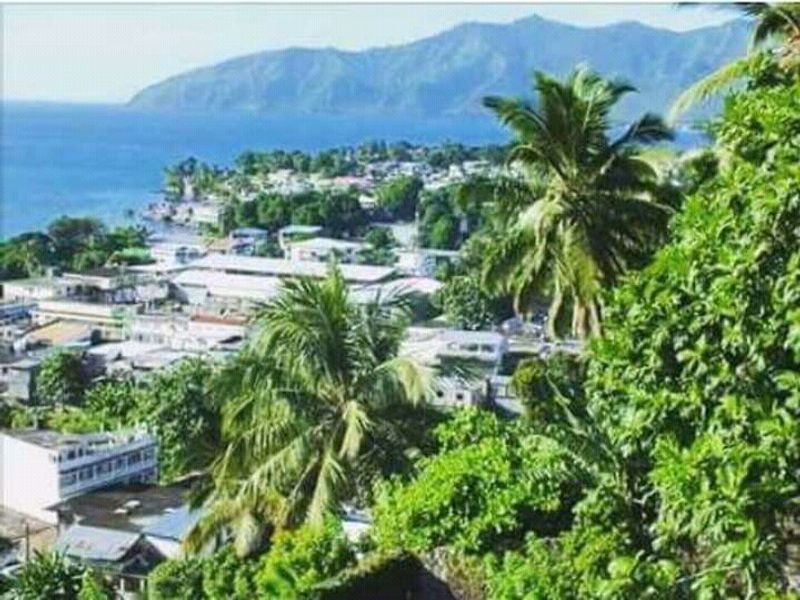
Comoros sits in the Indian Ocean between Madagascar and the eastern coast of Mozambique, and most people who hear the name assume it is just a beach destination rather than a fully independent country. In fact, Comoros became a sovereign nation in 1975 after declaring independence from France.
The country consists of three main islands: Grande Comore, Anjouan, and Moheli. A fourth island, Mayotte, voted to remain French and is still governed by France today, which has created ongoing political tensions.
Comoros is one of the world’s most politically unstable countries, having experienced more than 20 coups or attempted coups since independence.
Despite the turbulence, the islands are genuinely beautiful. Ylang-ylang flowers grown here are used in some of the world’s most famous perfumes.
The local culture blends African, Arab, and French influences in a way that feels entirely its own. Comoros deserves far more attention than it typically receives.
5. Timor-Leste
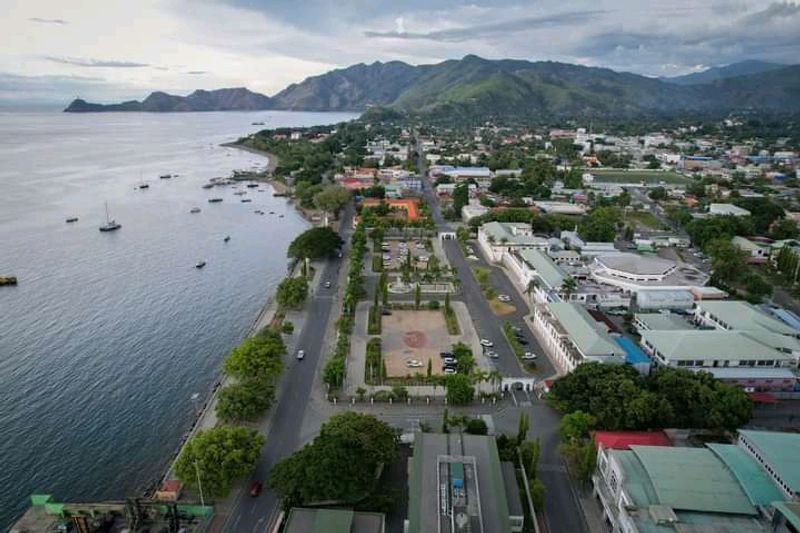
Born from one of the most painful independence struggles of the modern era, Timor-Leste became an official nation in 2002, making it one of the youngest countries in the world. Located on the eastern half of the island of Timor in Southeast Asia, it spent decades under Portuguese colonial rule and then a brutal Indonesian occupation before finally achieving freedom.
The road to independence was long and costly. Hundreds of thousands of people died or were displaced during the Indonesian occupation that lasted from 1975 to 1999.
International pressure and a UN-supervised referendum eventually paved the way for the country’s birth. Nobel Peace Prize winners Jose Ramos-Horta and Bishop Carlos Belo helped bring global attention to the struggle.
Today, Timor-Leste is rebuilding with a young population, growing oil revenues, and strong community traditions. Coffee grown in its highlands is considered among the best in Asia.
The country is still finding its footing, but its resilience is genuinely inspiring.
6. Kyrgyzstan
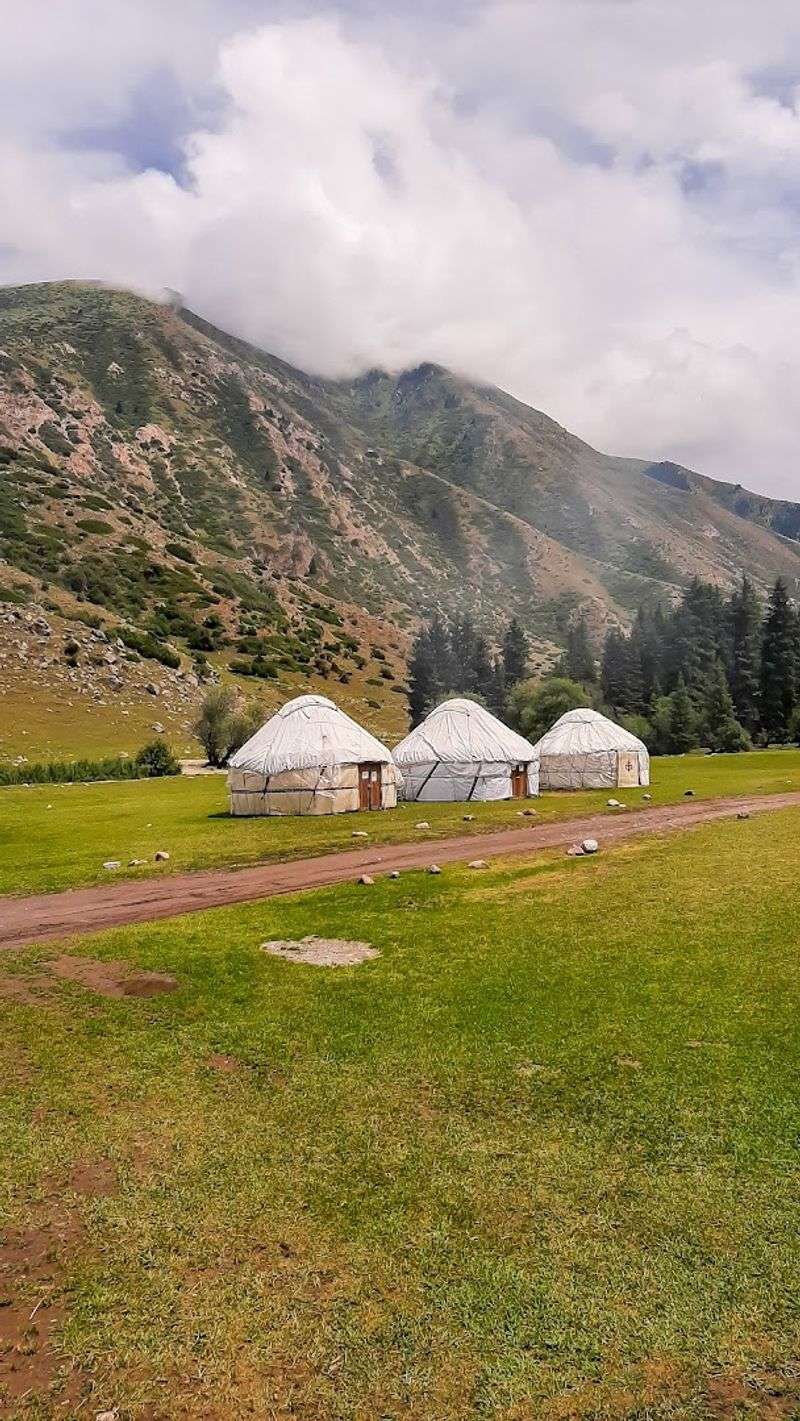
Landlocked deep in Central Asia, Kyrgyzstan is a country of dramatic mountain scenery, nomadic traditions, and a culture that has survived for centuries on horseback. It borders China to the east, Kazakhstan to the north, Uzbekistan to the west, and Tajikistan to the south.
For many Americans, it blurs together with the other “-stan” nations, but Kyrgyzstan has a distinct identity all its own.
The Tian Shan mountain range covers more than 80 percent of the country, making it one of the most mountainous nations on Earth. Locals have practiced nomadic herding for thousands of years, and traditional felt yurts are still used by families during summer months in high mountain pastures called jailoos.
Bishkek, the capital, is a modern city with Soviet-era architecture and a lively arts scene. Kyrgyzstan is gaining a reputation among adventure travelers for trekking, horseback riding, and some of the most breathtaking untouched landscapes found anywhere in Asia.
7. Vanuatu
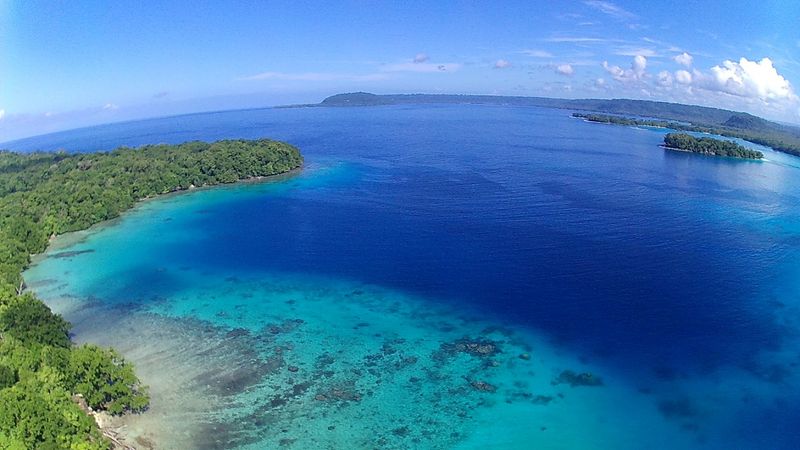
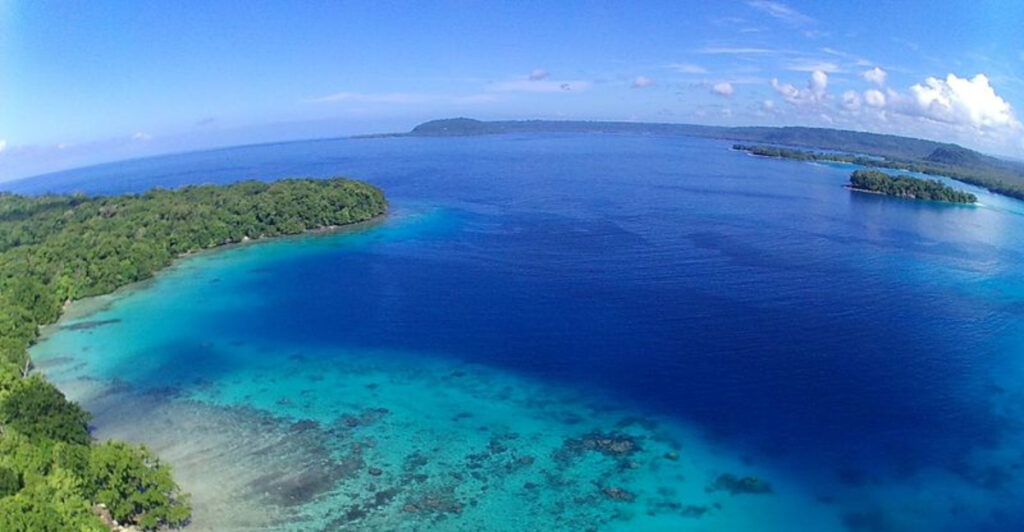
Vanuatu is the kind of place that sounds like it belongs in an adventure novel. This Pacific island nation, located east of Australia and north of New Zealand, is home to one of the most accessible active volcanoes on Earth: Mount Yasur on Tanna Island, where visitors can stand at the rim and watch lava erupt just meters below.
What makes Vanuatu especially remarkable is its linguistic diversity. With a population of around 300,000 people spread across 80 islands, the country has approximately 138 distinct indigenous languages.
That gives it one of the highest language-to-population ratios anywhere in the world, a fact that fascinates linguists globally.
Vanuatu gained independence from joint British and French rule in 1980. Its culture blends Melanesian traditions with colonial influences in a vibrant and unique way.
For travelers who want something beyond typical beach resorts, Vanuatu offers raw adventure, genuine culture, and landscapes that feel completely untouched.
8. Kiribati
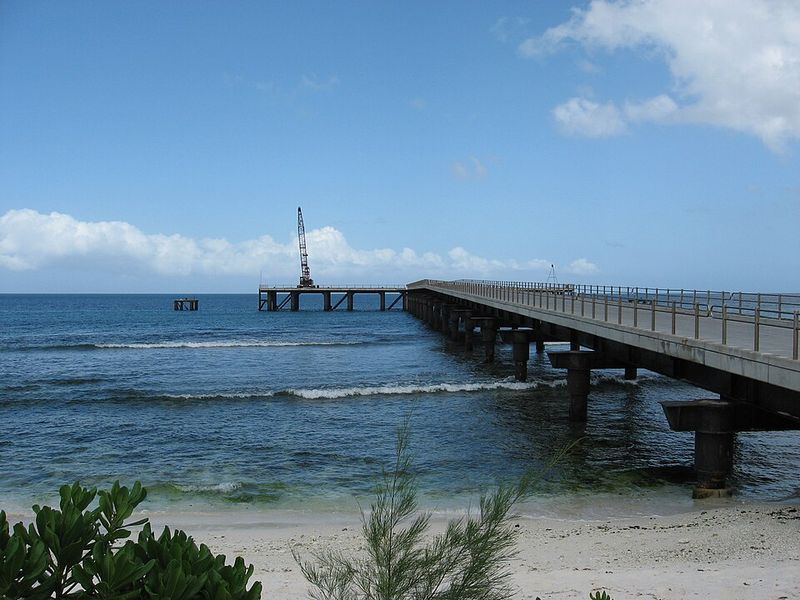
Say it out loud: “KEER-ee-bas.” The spelling throws almost everyone off the first time. Kiribati is a remote Pacific island nation made up of 33 atolls and reef islands spread across roughly 1.35 million square miles of ocean, making it one of the most geographically spread-out countries on Earth despite having a small total land area.
The country straddles both the equator and the International Date Line, which means Kiribati is technically the first place on Earth to welcome each new day. Its population of around 120,000 people live mostly on the main island of Tarawa, where space is increasingly limited due to population growth and rising sea levels.
Like Tuvalu, Kiribati faces an existential threat from climate change. The government has even purchased land in Fiji as a potential future home for its citizens.
Few places in the world illustrate the urgency of climate action more clearly than this remarkable, endangered island nation.
9. Djibouti
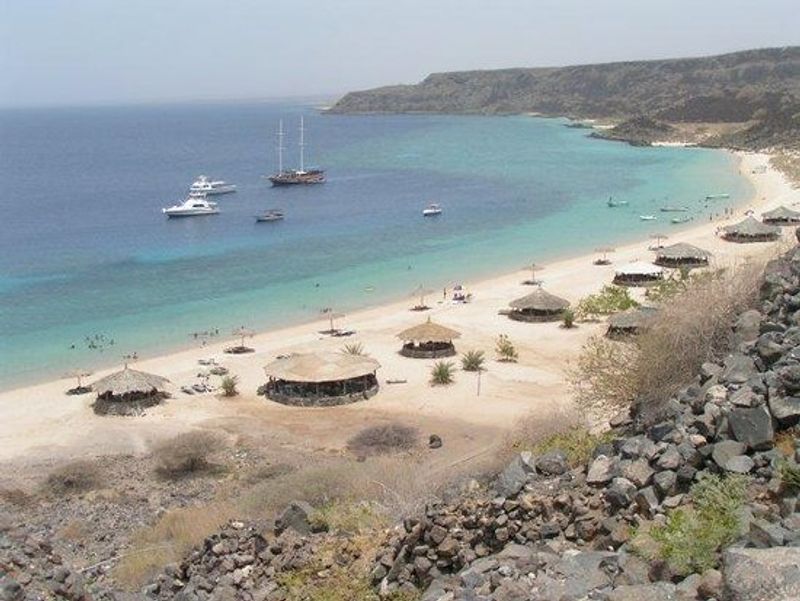
Sitting at the entrance to the Red Sea in the Horn of Africa, Djibouti punches well above its weight in global strategic importance. It is one of the busiest shipping corridors in the world, connecting Europe, Asia, and Africa.
Yet most Americans could not pick it out on a map or even pronounce its name with confidence.
Djibouti is home to the only permanent U.S. military base on the African continent, Camp Lemonnier, which has operated there since 2002. France, China, Japan, and Italy also maintain military facilities in the country, making it one of the most militarized small nations on Earth.
Its location near conflict zones in Yemen and Somalia makes it strategically critical.
Beyond geopolitics, Djibouti has striking natural landscapes, including Lake Assal, one of the saltiest bodies of water on the planet. The country is small, hot, and dry, but its role in world affairs is anything but minor.
10. Bhutan
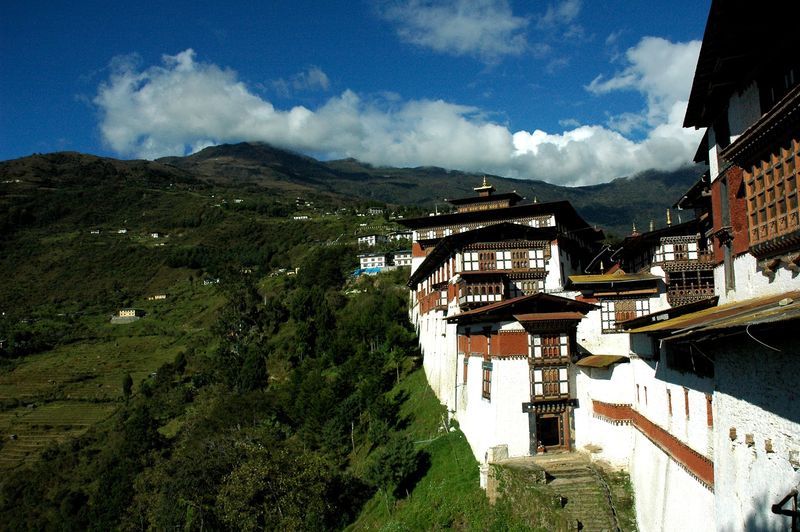
Tucked between India and China in the eastern Himalayas, Bhutan is a kingdom that has chosen a different path from most of the world. Instead of measuring success purely through economic output, Bhutan famously tracks its national well-being using a concept called Gross National Happiness.
It is a real policy framework that guides decisions on everything from environmental protection to cultural preservation.
Bhutan only opened its borders to tourists in 1974 and still limits visitor numbers today by requiring travelers to pay a daily fee. This keeps mass tourism in check and helps preserve the country’s natural beauty and Buddhist culture.
Over 70 percent of the land remains forested, which is written directly into the constitution.
The Tiger’s Nest Monastery, built into a cliff face at 10,000 feet, is one of the most photographed sites in Asia. Bhutan is a country that genuinely makes you stop and question what progress is supposed to look like.
11. Liechtenstein
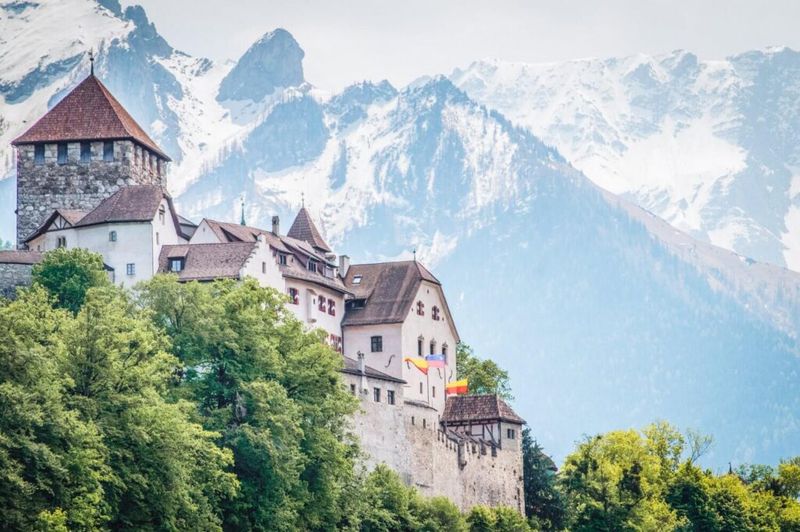
Wedged between Switzerland and Austria in the heart of Europe, Liechtenstein is easy to overlook simply because of its size. At just 62 square miles, it is the sixth-smallest country in the world.
Yet this tiny principality is one of the wealthiest nations per capita on Earth, with a thriving financial sector and a highly skilled manufacturing industry known for precision tools and dental equipment.
Liechtenstein is one of only two doubly landlocked countries in the world, meaning it is surrounded entirely by countries that are themselves landlocked. The other is Uzbekistan.
Liechtenstein also has no airport and no army, having abolished its military in 1868 after a war in which it reportedly lost no soldiers.
The capital, Vaduz, is a charming small city dominated by Vaduz Castle, where the royal family still lives. Liechtenstein welcomes visitors and is easy to cross on foot in a single afternoon, yet it has a depth of history that rewards anyone who lingers.
Share this story