 Unearth The Voyage
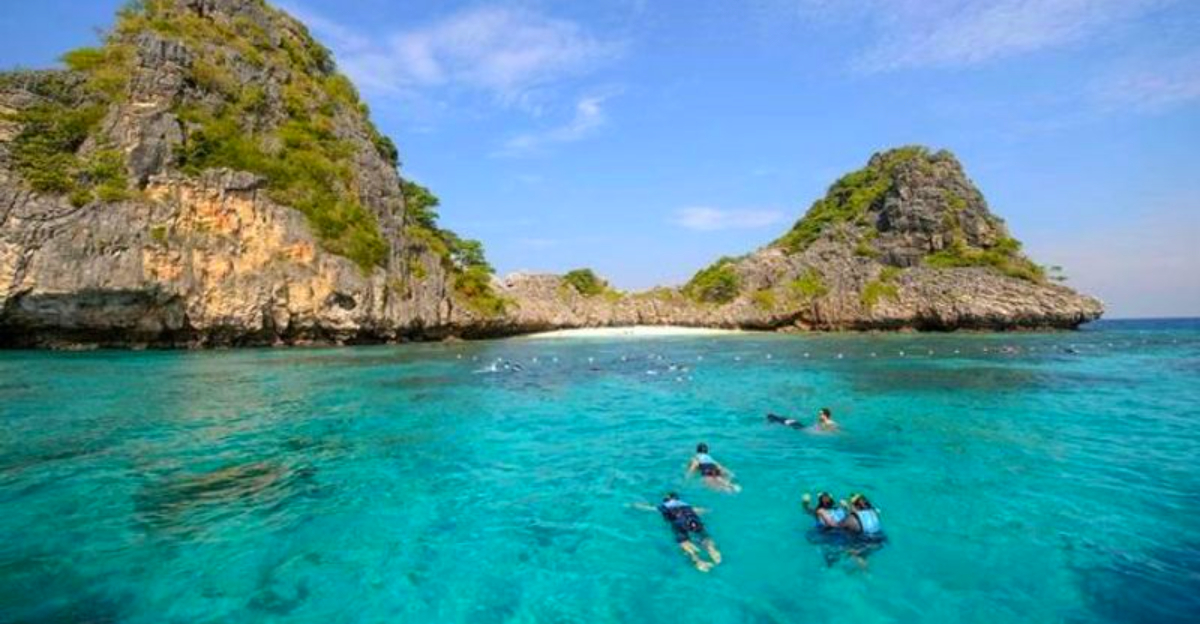
Social media has made it easier than ever to discover stunning destinations across Asia, but that popularity comes with a serious cost. When millions of people rush to visit the same beaches, temples, and villages just to snap the perfect photo, the damage adds up fast.
Coral reefs die, local cultures get pushed aside, and once-quiet places turn into crowded tourist traps. These 11 breathtaking Asian destinations are now fighting to survive their own fame.
1. Maya Bay (Ko Phi Phi Le), Thailand
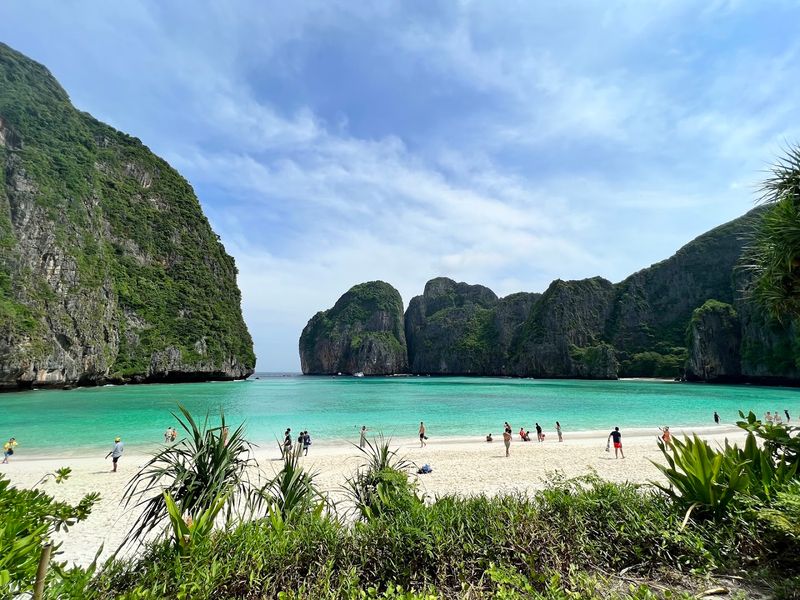
Before it became one of the most Instagrammed beaches on Earth, Maya Bay was a quiet, pristine cove tucked between towering limestone cliffs in southern Thailand. Then came the 2000 film “The Beach,” starring Leonardo DiCaprio, and everything changed.
Thousands of boats began arriving daily, dumping fuel, waste, and foot traffic directly onto fragile coral reefs.
By 2018, the coral coverage had dropped dramatically, and marine life was struggling to survive. Thai authorities made the bold decision to close Maya Bay entirely from 2018 to 2022, giving the ecosystem a rare chance to breathe.
Scientists reported encouraging signs of coral regrowth during that period.
When the bay reopened, strict rules came with it. Boats must anchor away from the shore, daily visitor numbers are capped, and swimming in certain areas is restricted.
The recovery is real but fragile. One viral Instagram post can undo months of environmental progress.
Maya Bay is a clear warning about what happens when natural beauty goes viral without any plan to protect it.
2. Phi Phi Islands, Thailand
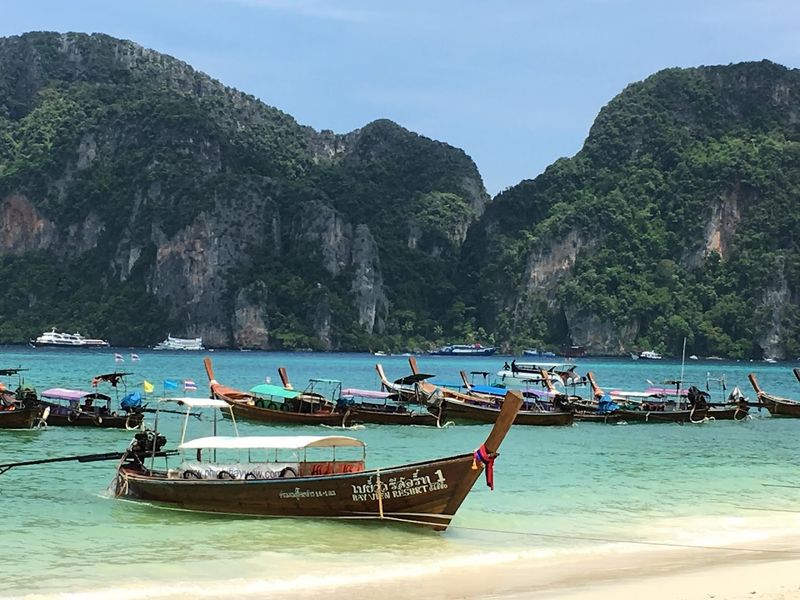
Picture hundreds of longtail boats idling in crystal-clear water, engines leaking fuel while tourists snap selfies just meters away. That is a typical morning at the Phi Phi Islands, one of Thailand’s most photographed destinations.
The islands attract millions of visitors each year, and the local infrastructure simply was not built to handle that kind of pressure.
Waste management has become a serious crisis. Plastic bottles, food wrappers, and discarded sunscreen bottles wash up on beaches regularly.
The marine ecosystems surrounding the islands, which once teemed with colorful fish and coral, have been significantly degraded by anchor damage, runoff, and physical contact from snorkelers.
Local communities have raised alarms about sewage systems that overflow during peak tourist season. The smell and sight of pollution have become part of the experience for many visitors, which is not exactly the paradise they came to find.
Some travel bloggers have started calling the islands “disappointing,” but the photos still look stunning online. That gap between the digital image and the real experience is exactly how overtourism keeps feeding itself.
Awareness is the first step toward change.
3. Boracay, Philippines
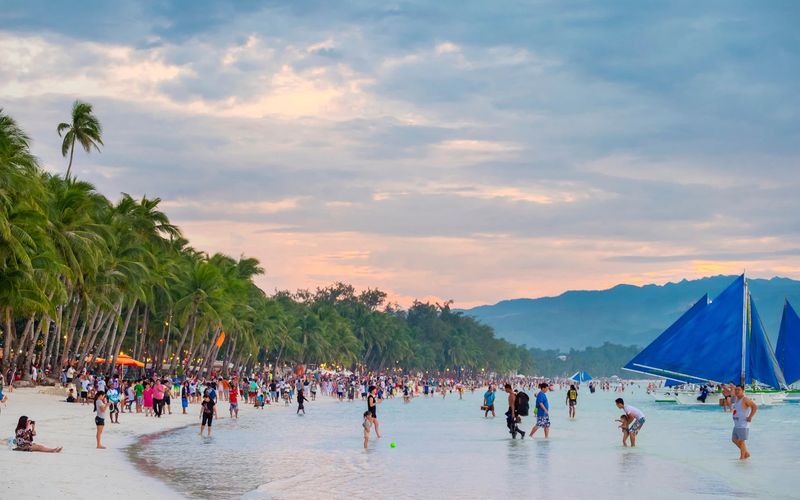
Boracay was once called one of the most beautiful islands in the world, and the title was well-earned. Its powdery white sand and electric blue water made it a dream destination.
But by the mid-2010s, years of uncontrolled development had turned it into something far less appealing. Hotels, bars, and souvenir shops crowded every inch of shoreline.
Philippine President Rodrigo Duterte famously called Boracay a “cesspool” in 2018, and the government took the rare step of shutting the island down for six months. Businesses closed, tourists were turned away, and cleanup crews got to work.
The rehabilitation effort cost millions and involved tearing down illegally constructed buildings right on the beachfront.
When Boracay reopened, visitor numbers were capped and environmental rules were strictly enforced. The water cleared up noticeably, and the beach began to look like itself again.
Still, keeping that progress alive requires constant effort. Mass tourism has a way of creeping back in, especially when travel influencers keep posting about a destination.
Boracay’s story is both a cautionary tale and a genuine example of what committed environmental action can actually achieve.
4. Halong Bay, Vietnam
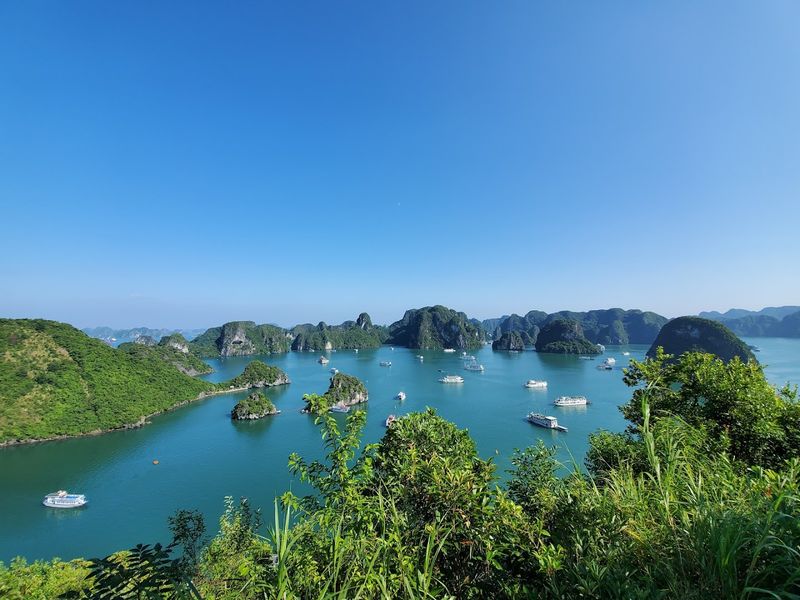
Few natural landscapes on the planet match the drama of Halong Bay. Nearly 2,000 limestone islands rise from emerald green water in northern Vietnam, creating a scene that looks almost too beautiful to be real.
UNESCO recognized it as a World Heritage Site in 1994. Since then, the number of cruise boats operating in the bay has grown into the hundreds.
Boat congestion is now one of the biggest complaints from visitors who expected a serene, remote experience. Instead, many find themselves surrounded by floating hotels, loud engines, and visible plastic waste drifting between the karsts.
Studies have shown significant water quality problems linked to fuel runoff and improper waste disposal from cruise operations.
Vietnamese authorities have attempted to address the problem by limiting boat numbers and establishing no-go zones, but enforcement has been inconsistent. The bay remains one of Southeast Asia’s most-visited destinations, drawing over five million tourists annually before the pandemic.
Local fishermen who have lived on the water for generations report that fish populations have declined sharply. Halong Bay is still extraordinary, but it requires urgent, sustained protection to stay that way for future generations.
5. Bali Beaches and Temples, Indonesia
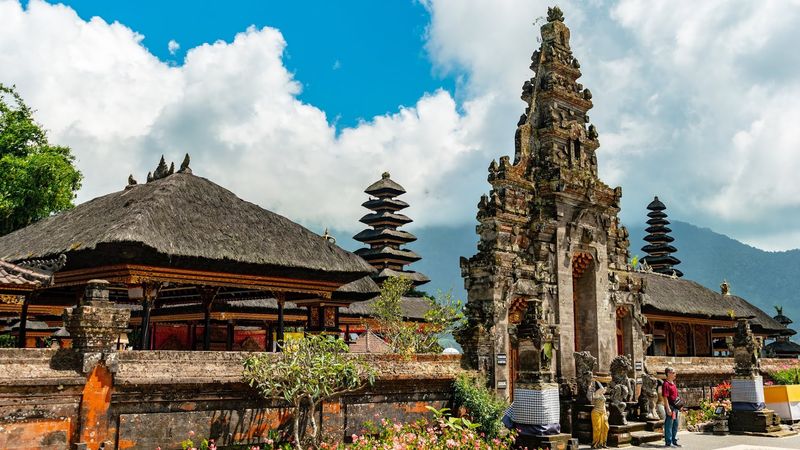
Bali has been a dream destination for decades, but the island’s identity has shifted in ways that worry both locals and thoughtful travelers. What was once a deeply spiritual place, known for its rice terraces, temple ceremonies, and quiet fishing villages, now hosts millions of tourists every year.
The pressure on the island’s roads, water supply, and cultural spaces has become enormous.
Beaches like Kuta and Seminyak deal with plastic pollution on a scale that requires daily cleanup crews. Sacred temples like Tanah Lot and Uluwatu have become backdrop props for Instagram photos, with visitors sometimes ignoring religious customs and dress codes.
Balinese community leaders have spoken publicly about feeling like their culture is being turned into a performance for tourists.
Traffic in southern Bali has reached levels that rival major cities, with scooters and tour vans clogging narrow roads for hours. Water shortages affect local neighborhoods while hotels maintain large pools and landscaped gardens.
The Balinese government has discussed implementing a tourist tax to fund environmental and cultural preservation. Bali is still a remarkable place, but the gap between its marketed image and everyday reality grows wider each year.
6. Phuket, Thailand
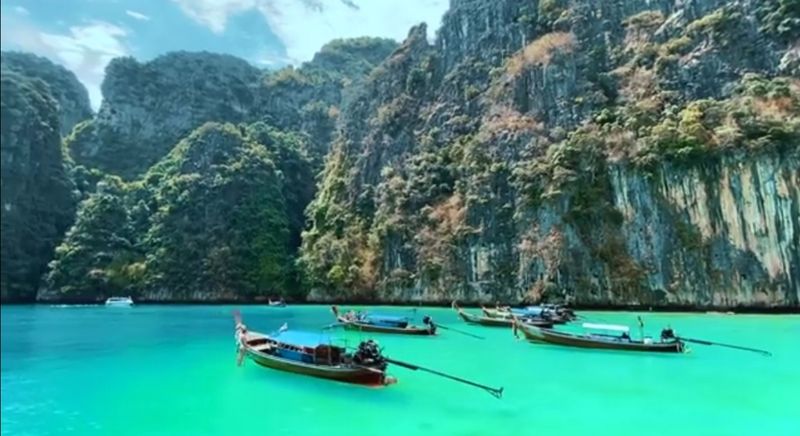
Phuket is Thailand’s largest island and one of its most commercially developed tourist zones. For years, it has attracted millions of visitors drawn by promises of turquoise water, seafood, and nightlife.
But behind the resort brochures, a different story has been playing out. Water shortages have become a recurring problem, particularly during peak tourist season when demand far outpaces local supply.
Resort construction has eaten into mangrove forests and coastal wetlands that once acted as natural buffers against flooding. Some areas of Phuket that were lush and green just two decades ago are now covered in concrete hotel complexes and parking structures.
Locals in less developed parts of the island report feeling the squeeze as infrastructure dollars flow toward tourist zones rather than community needs.
Even with visitor numbers fluctuating due to global events, the underlying environmental strain has not disappeared. Wastewater treatment systems in some areas remain inadequate, and beach cleanups are a constant necessity.
Phuket’s experience shows that tourism development without long-term environmental planning creates problems that outlast any economic boom. Travelers who choose smaller, less-developed areas of the island often report a far more rewarding and authentic experience than the crowded resort strips can offer.
7. Kyoto, Japan (Popular Temple Districts)
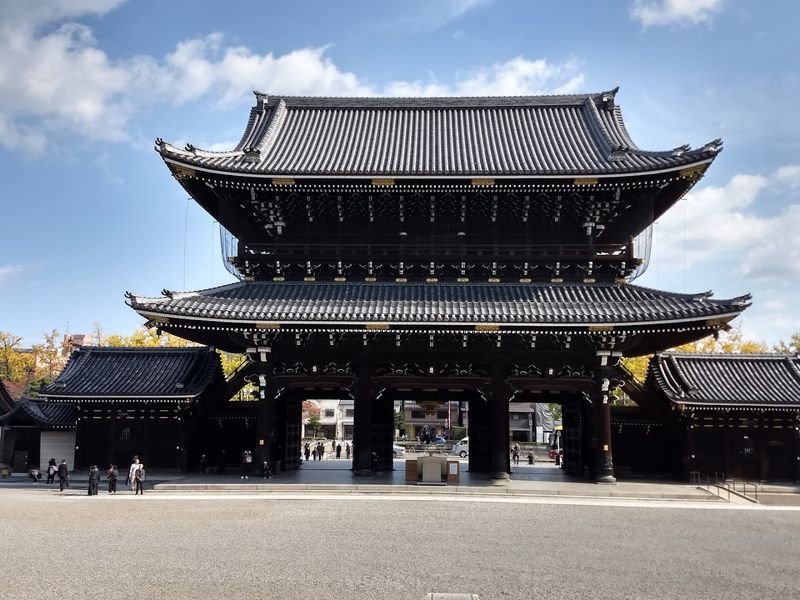
Kyoto is Japan’s cultural heart, home to over 1,600 Buddhist temples, 400 Shinto shrines, and one of the best-preserved historic city centers in all of Asia. For centuries, it was a place of quiet contemplation and deep tradition.
Today, the Gion district and popular temple grounds like Fushimi Inari and Kinkaku-ji draw so many visitors that residents have started calling the phenomenon “tourism pollution.”
Locals in Gion have put up signs asking tourists not to photograph geiko and maiko performers without permission, after years of visitors following them through narrow alleys and treating them as photo subjects rather than people. Some streets now have barriers and time-based access restrictions to give residents a break from the constant foot traffic.
Kyoto city introduced a lodging tax to help fund preservation efforts, and some temple districts now charge higher entry fees during peak seasons. The city is also experimenting with promoting lesser-known neighborhoods to spread visitor impact more evenly.
Japan is known for its orderly approach to problem-solving, and Kyoto’s response to overtourism reflects that. Still, the sheer volume of social-media-driven visits continues to challenge even the most organized management systems in place.
8. Bukchon Hanok Village, Seoul, South Korea
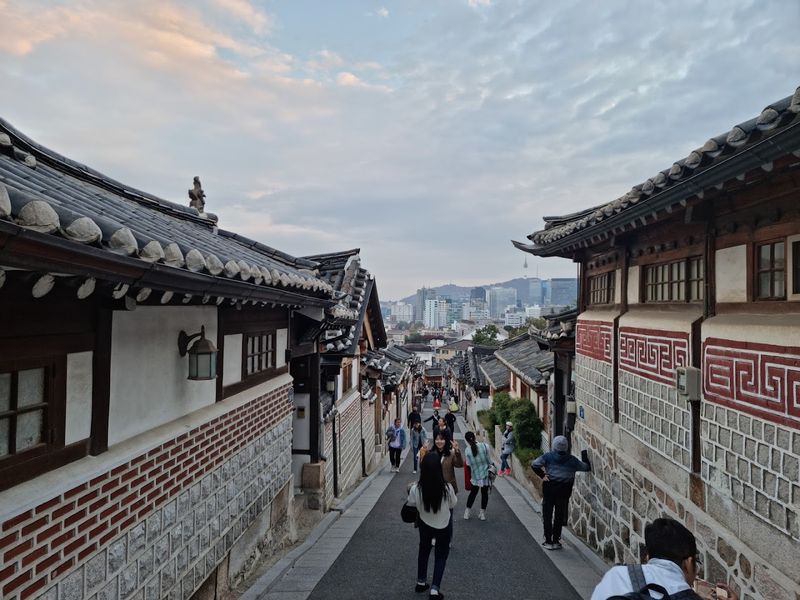
Bukchon Hanok Village sits on a hillside between two of Seoul’s most famous palaces, preserving a cluster of traditional Korean hanok houses that date back hundreds of years. The neighborhood became a social media sensation almost overnight, with its curved rooftops and stone alleyways offering a striking contrast to Seoul’s glass-and-steel skyline.
That visual appeal has a real downside for the people who actually live there.
Residents report that tour groups arrive as early as 7 a.m. and that the noise, camera flashes, and foot traffic make daily life genuinely difficult. Some homeowners have posted handwritten notes on their gates asking visitors to speak quietly and avoid peering into private courtyards.
The local government installed signs throughout the village and designated quiet zones, but compliance has been mixed at best.
Seoul Metropolitan Government has considered capping daily visitors and implementing timed entry systems similar to what some European heritage sites use. The challenge is balancing tourism income with the right of residents to live peacefully in their own homes.
Bukchon is a living neighborhood, not a museum. When travelers visit with that understanding and genuine respect, the experience becomes richer for everyone, including the people who call it home.
9. Komodo National Park, Indonesia
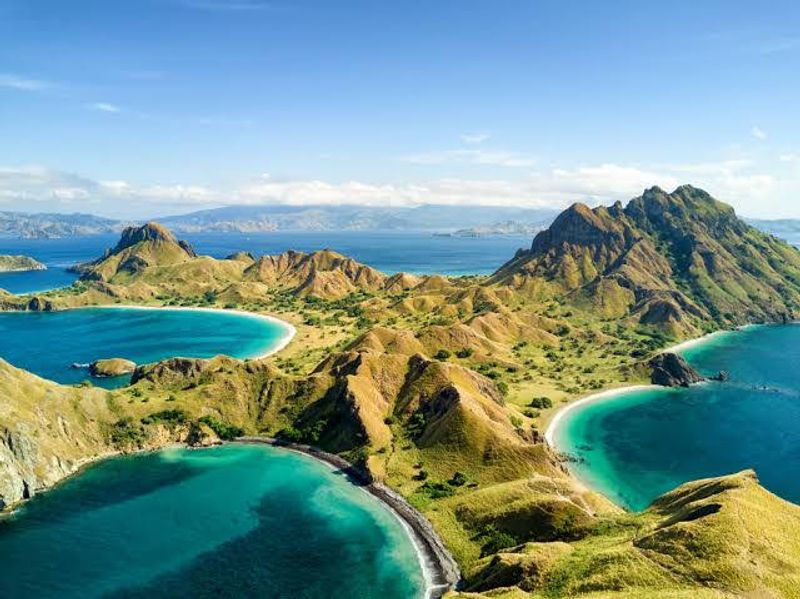
Home to the world’s largest living lizard, Komodo National Park draws wildlife enthusiasts from every corner of the globe. The Komodo dragon is a prehistoric-looking creature that can grow up to three meters long and has been roaming these Indonesian islands for millions of years.
Seeing one in the wild is a genuinely extraordinary experience, but growing tourist numbers are putting that experience, and the dragons themselves, at risk.
The park covers five main islands and a stretch of rich marine habitat that is considered one of the most biodiverse underwater environments in the world. Increased boat traffic has damaged coral reefs, and the noise and presence of large tour groups disrupts the natural feeding and resting behaviors of the Komodo dragons.
Rangers have reported incidents where tourists got dangerously close trying to take photos.
The Indonesian government announced plans to temporarily close Rinca Island in 2019 for conservation work, and visitor management policies have been debated and revised multiple times since. A controversial proposal to limit access to wealthy tourists through high entry fees sparked public debate about who natural heritage belongs to.
What is clear is that without smarter management, the very animals that make Komodo famous could become victims of the park’s own popularity.
10. Bangkok’s Historic and Market Areas, Thailand
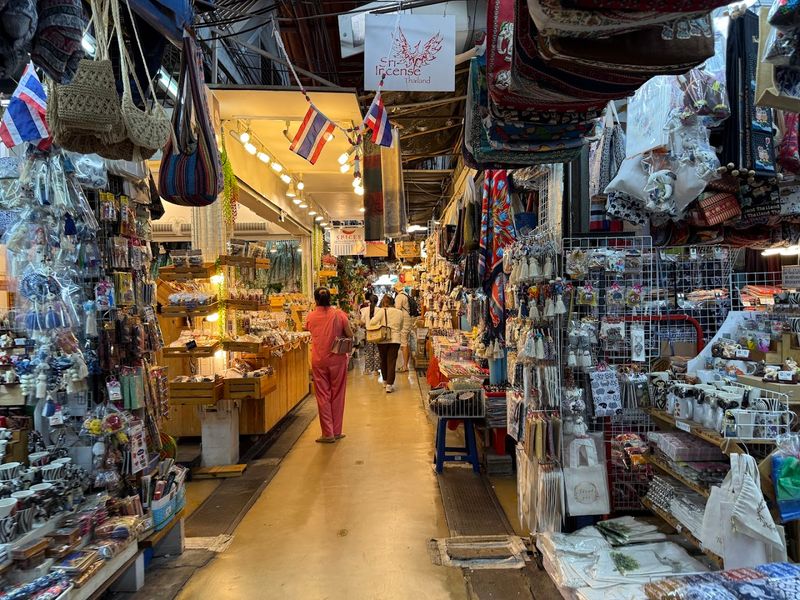
Bangkok is one of the world’s most visited cities, and its historic districts and colorful markets have become major draws for social-media-driven travelers. Places like the Damnoen Saduak floating market, Wat Pho, and the Grand Palace now see visitor volumes that test the limits of both infrastructure and cultural dignity.
On peak days, moving through some of these areas feels more like navigating a concert crowd than exploring a living city.
Influencer culture has played a big role in concentrating tourist traffic at specific photo spots. When a particular temple gate or canal view goes viral, thousands of visitors show up within days, all hoping to recreate the same image.
Local vendors and residents who once moved freely through these areas now find themselves competing for space with tour groups and selfie sticks.
City officials have responded with signage campaigns, designated photography zones, and appeals for respectful behavior near sacred sites. Some temple administrators have tightened dress code enforcement after years of visitors ignoring religious guidelines.
Bangkok’s historic areas are still absolutely worth visiting, and the city’s food, culture, and energy remain genuinely world-class. Being a thoughtful traveler means engaging with a place on its own terms, not just through a phone screen.
11. Southeast Asia’s Popular Island Resorts (Region-Wide)
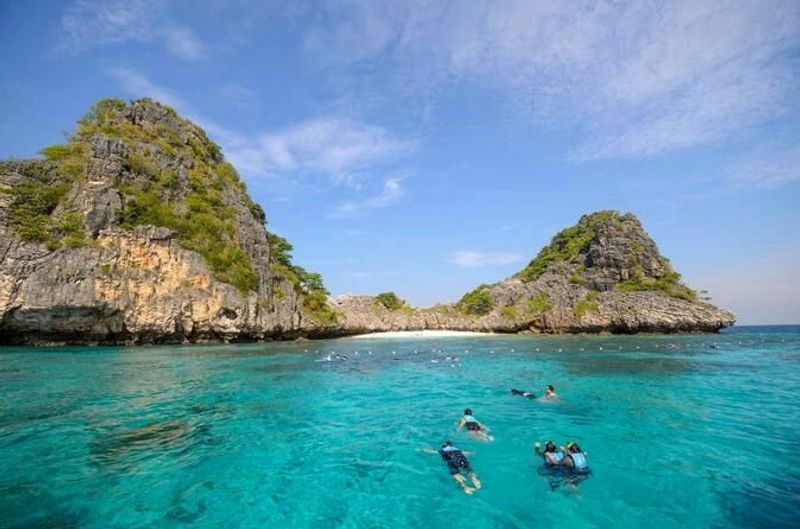
Across Thailand, Vietnam, Cambodia, Indonesia, and the Philippines, a familiar pattern keeps repeating itself. A remote island or coastal village gets discovered, a travel blogger posts stunning photos, and within a few years the place is overrun.
Ko Lanta, Koh Rong, Gili Trawangan, El Nido, and dozens of others have all followed this same arc from hidden gem to overexposed hotspot.
The environmental and social costs are remarkably consistent too. Coral reefs decline as boat anchors and sunscreen chemicals do their damage.
Local freshwater supplies get strained by resort demand. Traditional fishing communities find their livelihoods disrupted or displaced entirely by the economics of mass tourism.
Young people leave farming and fishing to work in hospitality, changing the social fabric of entire communities.
What makes this region-wide problem so hard to solve is that each destination is managed by different governments with different resources and priorities. There is no single authority overseeing how Southeast Asia handles overtourism.
Travelers hold real power here. Choosing to visit in the off-season, staying at locally owned guesthouses, skipping the most-photographed spots, and simply being present rather than performative online can all make a measurable difference.
The region’s beauty is worth protecting, and that work starts with each individual choice.



