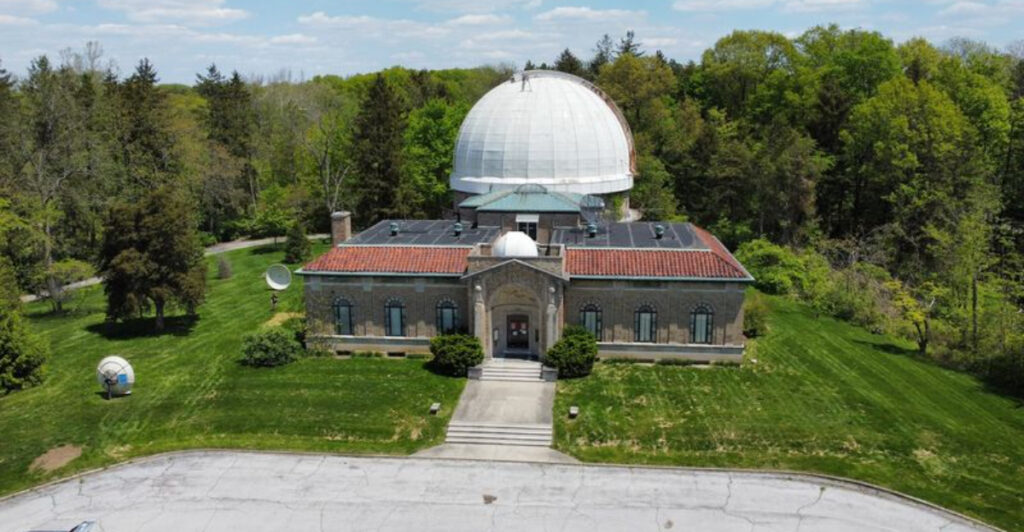
Ohio might not be the first place that comes to mind when you think about space exploration, but this state has a surprisingly strong connection to the cosmos. It is, after all, the birthplace of more astronauts than any other state in the country.
From big-city science centers to quiet hilltop observatories, Ohio offers a remarkable variety of places where you can get up close with the universe. Whether you are planning a family outing, a school trip, or just a solo adventure that is genuinely out of this world, this guide covers eleven of the best planetariums and space-themed destinations worth adding to your 2026 calendar.
Each spot brings something different to the table, so buckle up and get ready to explore Ohio one star at a time.
1. COSI Planetarium – Columbus

Columbus is home to one of the most visited science centers in the entire country, and the planetarium inside COSI is a major reason why. The 280-seat dome theater uses state-of-the-art digital projection to put you right in the middle of the Milky Way without requiring a rocket ship or a spacesuit.
COSI stands for Center of Science and Industry, and the planetarium is just one part of a massive complex packed with hands-on exhibits. Kids and adults alike can explore topics ranging from ocean ecosystems to the physics of roller coasters, but the space shows consistently draw the biggest crowds.
Shows rotate throughout the year, so there is almost always something new to see on repeat visits. Tickets are reasonably priced, and combo packages with the rest of the museum make it an easy full-day trip for the whole family.
2. Ward Beecher Planetarium – Youngstown
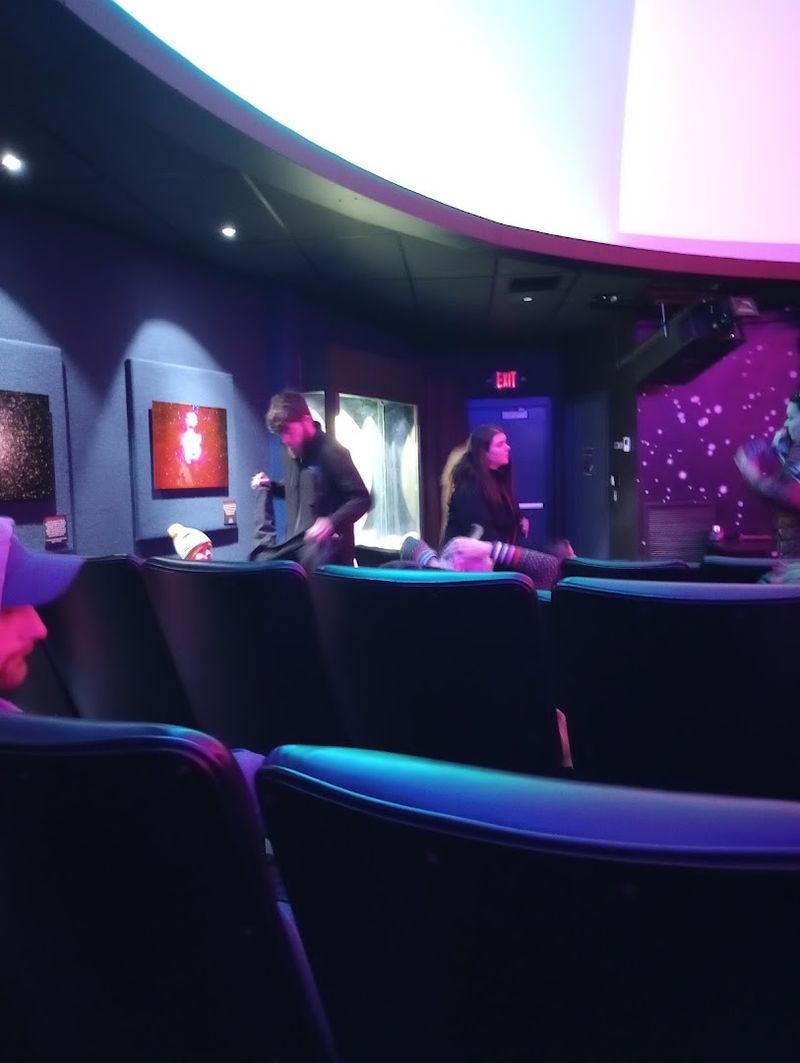
Youngstown State University has been running one of Ohio’s most respected planetariums since 1967, and Ward Beecher Planetarium has built a loyal following across northeastern Ohio over the decades. The facility seats around 60 visitors and uses a Spitz projector combined with digital enhancements to deliver sharp, detailed sky presentations.
Public shows are offered on Friday and Saturday evenings throughout most of the year, making it a solid weekend option for families and curious adults. The programming tends to mix classic astronomy education with current space news, so you are likely to leave knowing something you did not know before.
One standout feature is the planetarium’s laser show series, which has earned a reputation as a fun and surprisingly impressive spectacle. Admission is kept very affordable, which makes Ward Beecher an accessible choice for groups on a budget who still want a quality night under the stars.
3. BGSU Planetarium – Bowling Green
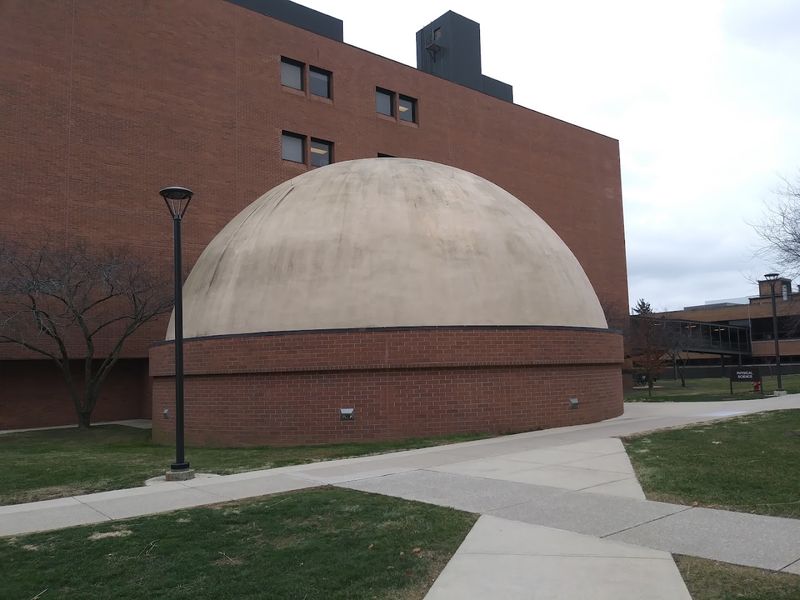
Bowling Green State University runs a compact but well-regarded planetarium that has been introducing northwest Ohio residents to the night sky for many years. The facility is managed by the university’s physics and astronomy department, which means the programming tends to be both scientifically accurate and genuinely engaging.
Public shows are offered on a regular schedule and cover topics like seasonal constellations, planetary exploration, and the history of space travel. The intimate size of the theater actually works in its favor, creating a more personal viewing experience than larger venues can always provide.
BGSU also hosts special events tied to astronomical moments like meteor showers and planetary alignments, giving visitors a reason to plan visits around specific dates. The planetarium is easy to reach from Toledo or other nearby cities, making it a convenient add-on to any trip through northwest Ohio.
4. Ritter Planetarium – Toledo
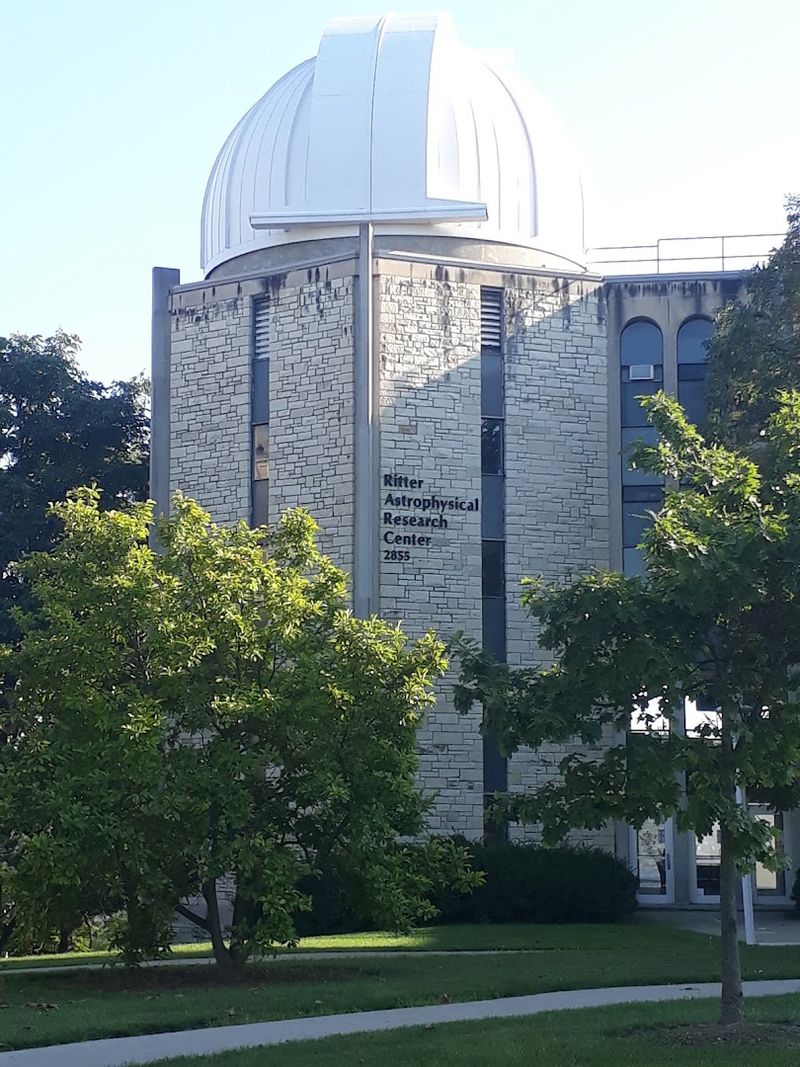
The University of Toledo has operated Ritter Planetarium since 1954, making it one of the longer-running public planetariums in the state. Over the decades, it has earned a reputation for combining serious astronomical research with programs designed for general audiences of all ages.
The main theater features a large dome and a powerful projection system capable of displaying thousands of stars with impressive clarity. Programming covers everything from beginner-friendly constellation tours to more detailed explorations of black holes and galaxy formation.
Ritter also houses the Brooks Observatory, where visitors can use telescopes for direct sky observation on clear nights. The combination of indoor dome shows and outdoor telescope sessions makes a visit here feel like a two-for-one deal.
Toledo locals have embraced this planetarium as a community resource, and the university actively works to keep admission costs reasonable for families and school groups.
5. Shafran Planetarium – Cleveland
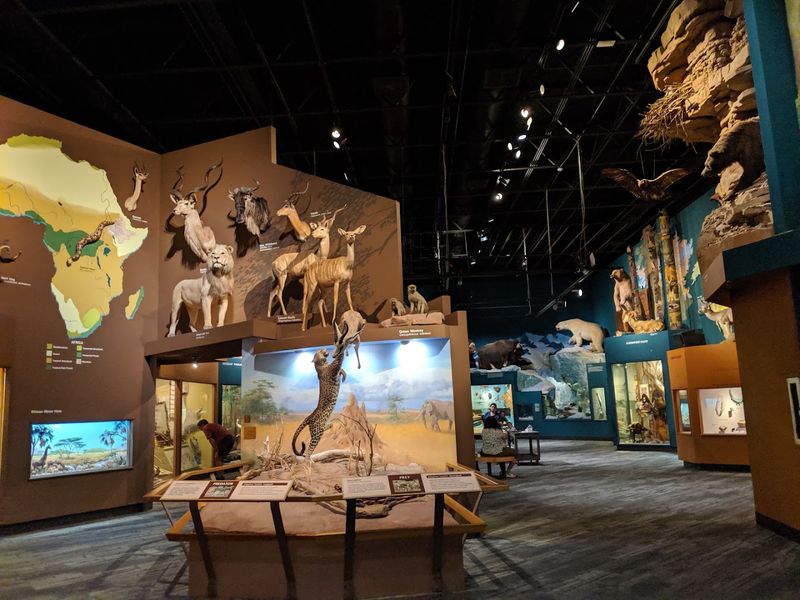
Tucked inside the Cleveland Museum of Natural History, the Shafran Planetarium benefits from being part of one of the most impressive natural history collections in the Midwest. The planetarium itself was renovated in recent years and now features a fully digital projection system that can simulate the night sky with remarkable precision.
Cleveland’s University Circle neighborhood is already a destination on its own, home to world-class museums, galleries, and gardens. Adding a planetarium show to a museum visit makes for an exceptionally well-rounded day out without needing to travel far between attractions.
The programming at Shafran covers a wide range, from shows designed for very young children to more advanced presentations aimed at older students and adults. The museum’s connection to the broader scientific community also means that special events and guest lectures occasionally complement the regular show schedule, giving repeat visitors fresh reasons to return.
6. Hoover-Price Planetarium – Canton
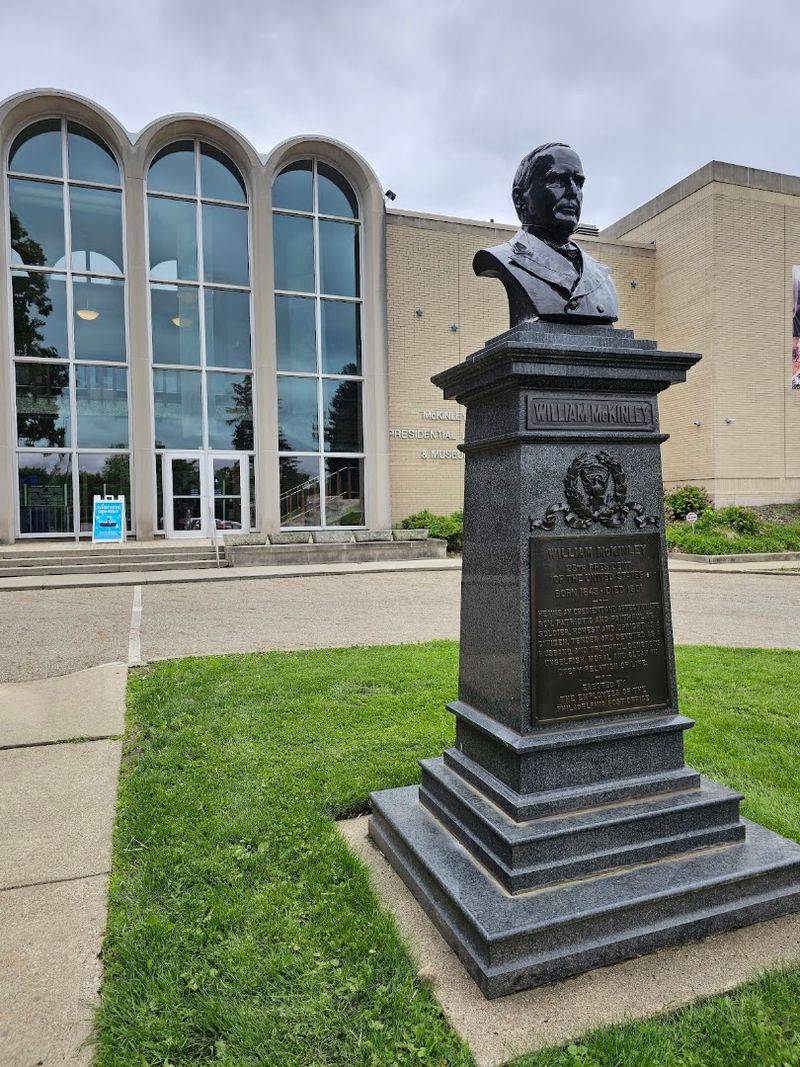
Canton is best known as the home of the Pro Football Hall of Fame, but the Hoover-Price Planetarium offers a very different kind of hall of fame experience. Located inside the McKinley Presidential Library and Museum, this planetarium has been a fixture in Stark County since 1962.
The facility seats around 50 visitors and runs public shows on weekends throughout the year. Programming tends to focus on accessible, family-friendly topics that make astronomy approachable for visitors who might not have much prior knowledge of the subject.
One unique aspect of visiting here is the broader museum context. The McKinley Presidential Library and Museum covers Ohio history, natural history, and science all under one roof, so a planetarium ticket can easily become part of a longer and more varied visit.
Admission is reasonably priced, and the planetarium staff is known for being enthusiastic and welcoming to first-time visitors.
7. Caryl D. Philips Space Theater – Dayton
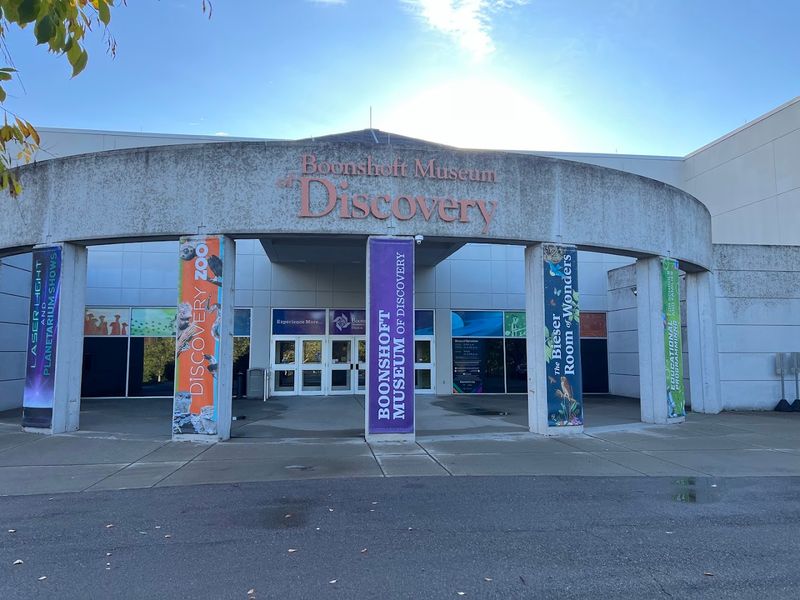
Dayton has a deep-rooted connection to aviation and space, largely thanks to the Wright Brothers who called this city home. The Caryl D.
Philips Space Theater, located inside the Boonshoft Museum of Discovery, carries that legacy forward with a full-dome digital theater that puts on some of the most visually dynamic shows in the state.
The Boonshoft Museum is a lively place on any given day, with exhibits covering wildlife, technology, and science spread across multiple floors. The space theater sits at the heart of it all, offering shows that range from tours of the solar system to explorations of deep space phenomena.
Programming is updated regularly to keep content current and relevant, which is appreciated by families who visit more than once a year. Dayton’s connection to the National Museum of the United States Air Force nearby makes this an ideal city for a full day of aviation and space-themed exploration.
8. Anderson Hancock Planetarium – Marietta
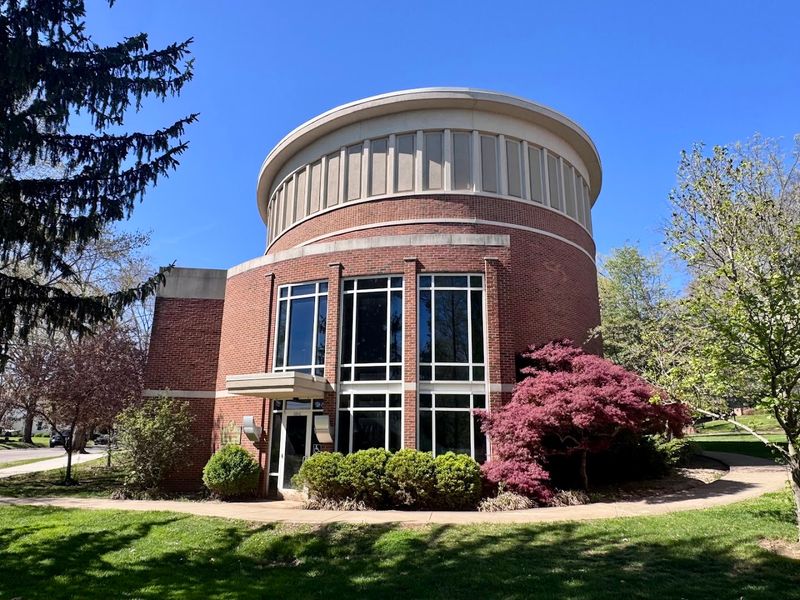
Marietta College may be a small liberal arts school, but its Anderson Hancock Planetarium punches well above its weight when it comes to public programming. The facility has been serving the Marietta community and surrounding region for decades, offering free or low-cost public shows that make astronomy genuinely accessible.
The planetarium is run by the college’s physics department, and the shows reflect a thoughtful approach to science education. Topics rotate throughout the year, with programs tied to current astronomical events and seasonal sky changes that give visitors a reason to come back at different times.
Marietta itself is a charming historic city along the Ohio River, which adds extra appeal to any visit. Combining a planetarium show with a walk through Marietta’s well-preserved downtown makes for a thoroughly enjoyable day trip from Columbus, Parkersburg, or other nearby areas.
The welcoming atmosphere here is one of its most consistent strengths.
9. John Glenn Astronomy Park – Logan
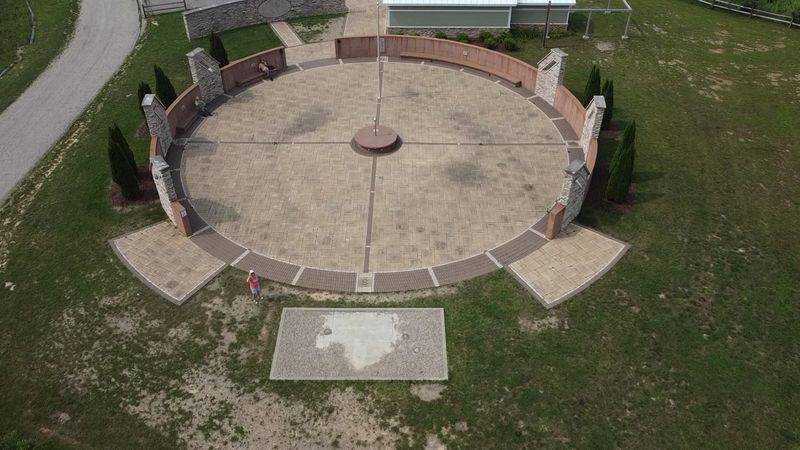
Named after Ohio’s most famous astronaut, John Glenn Astronomy Park sits within Hocking Hills State Park and represents a genuinely unique approach to stargazing in the state. Rather than a traditional indoor planetarium, this outdoor facility is built around dark sky observation, taking advantage of the relatively low light pollution in the Hocking Hills region.
The park features multiple concrete telescope pads where visitors can set up personal equipment, along with a covered shelter housing permanently mounted telescopes available for public use. On clear nights, the views of the Milky Way and deep sky objects can be extraordinary by Ohio standards.
Volunteer astronomers from local clubs often attend public events to help guide visitors through what they are seeing. The park is free to enter, though parking fees for Hocking Hills State Park apply.
It is an especially rewarding destination for families who want a hands-on, outdoor astronomy experience without walls or a dome overhead.
10. Cincinnati Observatory – Cincinnati
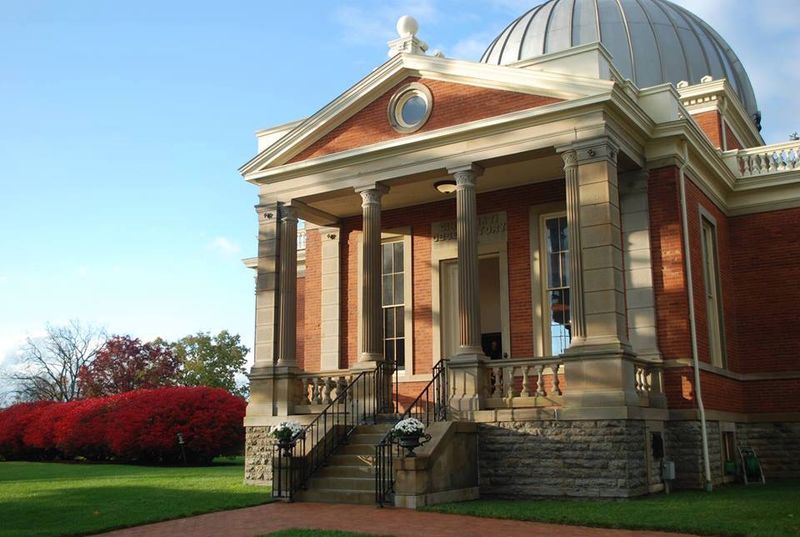
Few astronomy destinations in Ohio can match the historical weight of the Cincinnati Observatory, which has been operating on Mount Lookout since 1843. That makes it one of the oldest continuously operating observatories in the entire country, a fact that tends to impress even visitors who showed up mainly for the view of the city below.
The facility houses two historic refractor telescopes, including an 1843 Merz und Mahler refractor that still works and is available for public viewing on clear nights. Regular public programs cover telescope use, constellation identification, and the observatory’s own rich history within American science.
The grounds are beautifully maintained and open during the day for self-guided exploration, making it a pleasant destination even when the sky is cloudy. Cincinnati Observatory also hosts educational programs for school groups and runs a popular summer lecture series.
It is a rare place where science history and live astronomy happen in the same building.
11. Perkins Observatory – Delaware
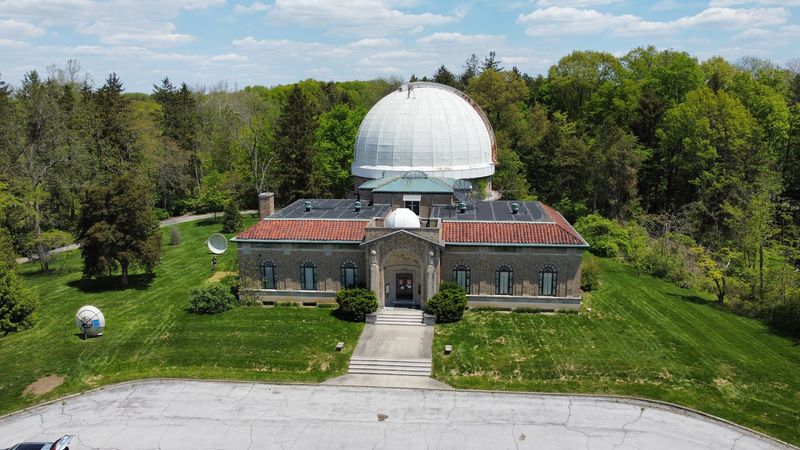
Just north of Columbus in Delaware, Ohio, Perkins Observatory has been drawing stargazers since 1923 and remains one of the most charming astronomy destinations in the state. The main dome houses a 69-inch reflector telescope that was once among the largest in the world, which gives you a sense of just how significant this place was in early 20th-century astronomy.
Public programs run on Friday and Saturday evenings throughout most of the year, blending indoor presentations with outdoor telescope viewing when conditions allow. The programming is well-suited for mixed-age groups, making it a reliable choice for family outings or group trips.
Perkins also hosts special events around major celestial happenings like eclipses, planetary conjunctions, and meteor showers, which tend to sell out quickly. The tree-lined grounds and classic observatory architecture give the whole experience a timeless quality that modern facilities sometimes lack.
Reservations in advance are strongly recommended for weekend visits.
Share this story