The FIFA World Cup Golden Ball is awarded to the best player of the entire tournament, and winning it is one of the highest honors in soccer. Only the most outstanding performers earn this recognition, standing above everyone else on the world’s biggest stage.
Since 1930, just a handful of players have left such a lasting mark that voters had no choice but to name them the best. Here is a look at eleven players who took home this celebrated prize.
1. 1982 – Paolo Rossi (Italy)
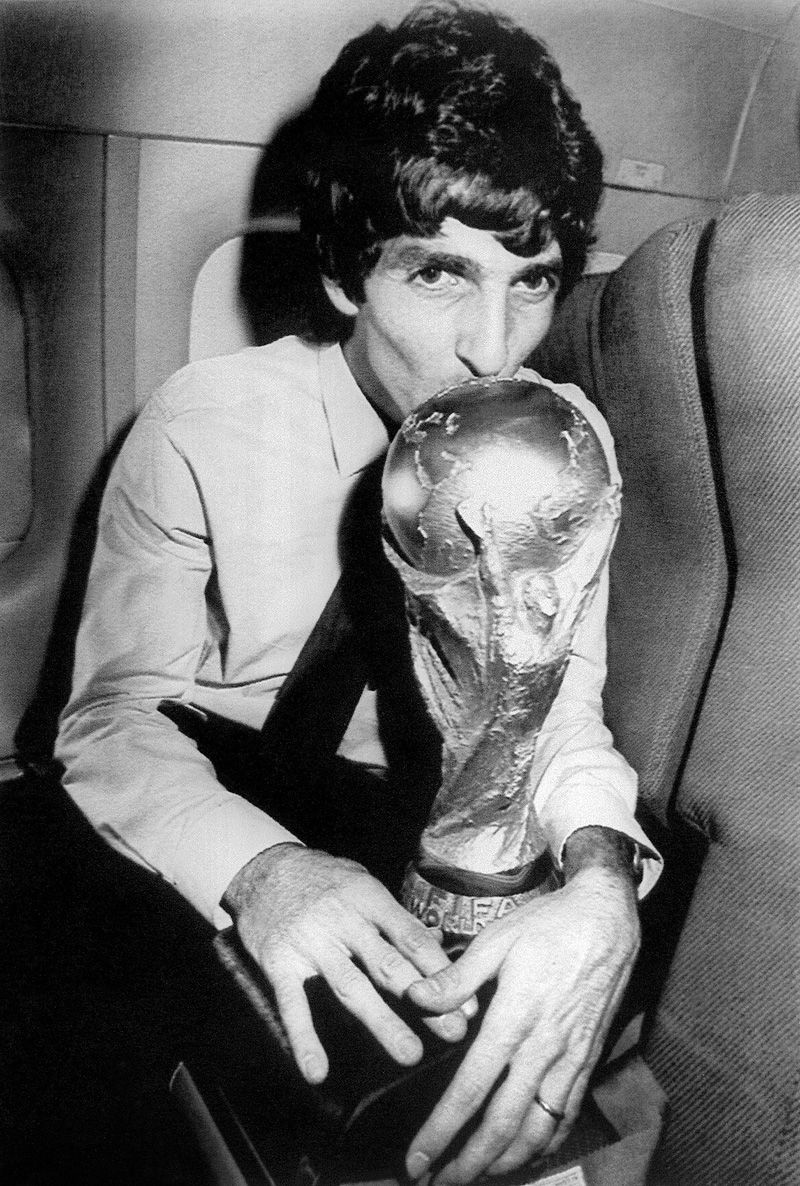
Before the 1982 World Cup even started, Paolo Rossi had just returned from a two-year ban for match-fixing. Nobody expected much from him, which made what happened next truly remarkable.
He arrived in Spain as an underdog and left as the tournament’s defining figure.
Rossi scored six goals in the knockout rounds alone, including a hat-trick against Brazil in one of the greatest World Cup matches ever played. His performances carried Italy from a shaky group stage to the championship.
The Golden Ball was a natural reward for a player who had reclaimed his reputation in the most dramatic fashion possible.
Italy won the title, and Rossi also claimed the Golden Boot as the tournament’s top scorer. His story remains one of soccer’s greatest comebacks, proving that determination and timing can change everything.
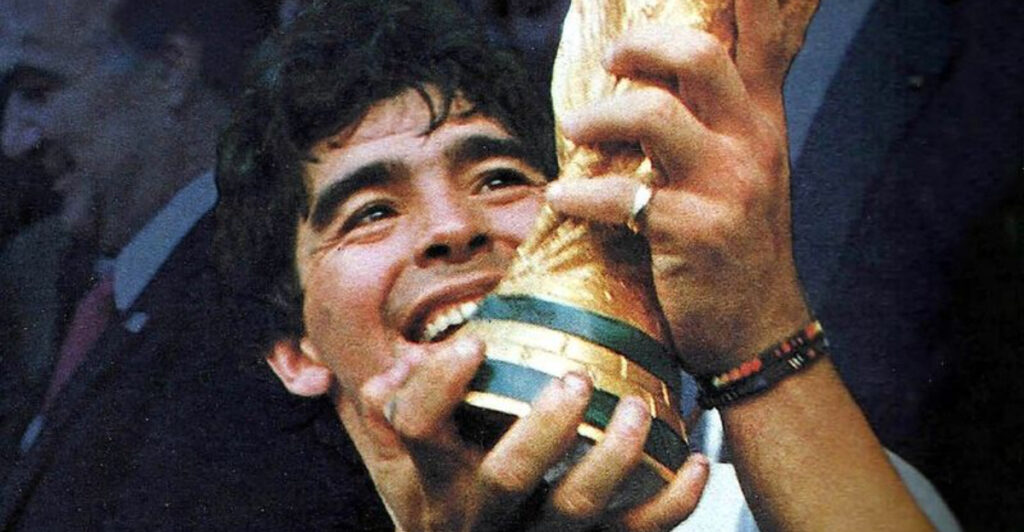
2. 1986 – Diego Maradona (Argentina)
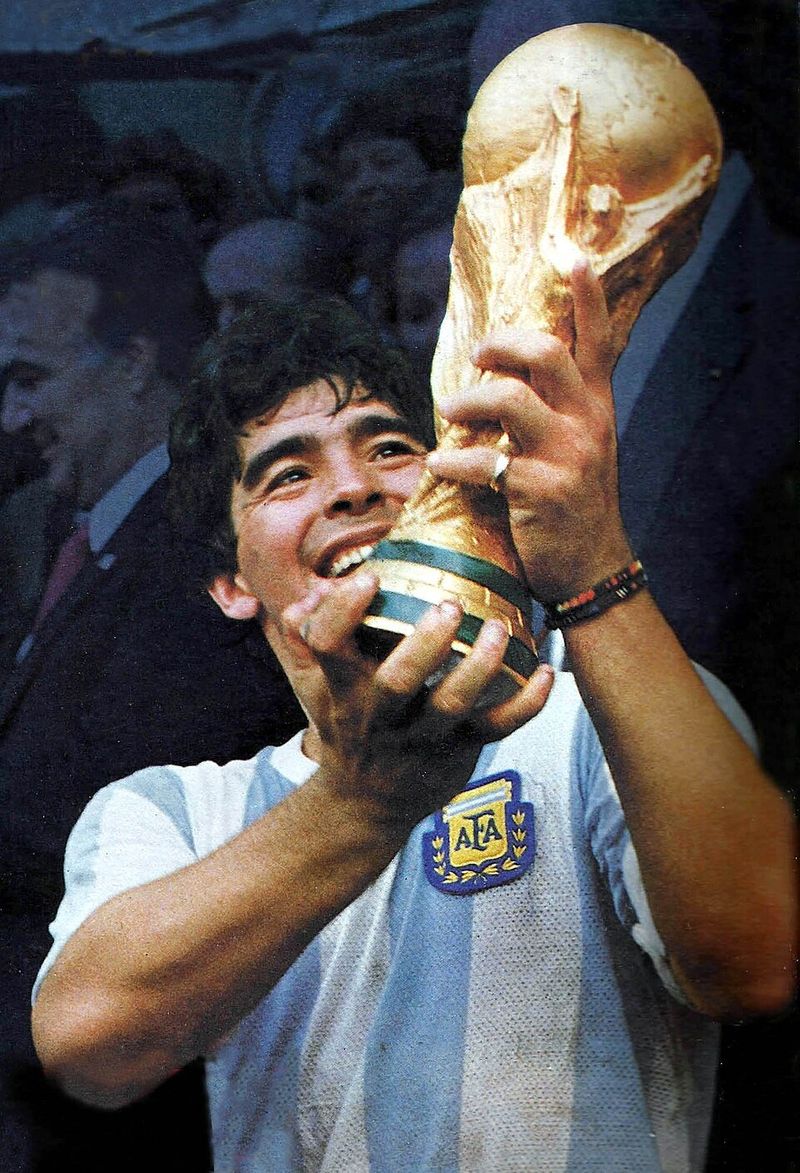
Ask any soccer historian about the greatest individual World Cup performance ever, and Diego Maradona’s name comes up almost immediately. The 1986 tournament in Mexico was essentially a one-man show, with Argentina’s captain pulling the strings in every single match.
Maradona was unstoppable, combining skill, vision, and pure determination.
His quarterfinal against England produced two of the most talked-about goals in history. The first was the controversial “Hand of God” goal, and the second was a 60-meter solo run that was later voted the Goal of the Century.
Both came in the same game, within minutes of each other.
Argentina went on to win the title, and Maradona was the undisputed reason why. The Golden Ball was not just deserved, it was inevitable.
No player before or since has dominated a World Cup the way Maradona did in 1986.
3. 1990 – Salvatore Schillaci (Italy)

Nobody saw Salvatore Schillaci coming. Before the 1990 World Cup, he was a relatively unknown striker who had only recently broken into Italy’s national team setup.
Yet from the moment the tournament began on home soil, Schillaci became the face of the entire competition.
He scored six goals to claim the Golden Boot and was consistently Italy’s most dangerous attacker throughout the tournament. His energy and hunger for goals gave the host nation something to rally around every time they took the field.
Fans across Italy fell in love with his passionate celebrations and relentless work rate.
Italy finished third, losing to Argentina in a heartbreaking semifinal penalty shootout. Still, Schillaci walked away with both the Golden Boot and the Golden Ball, cementing his place in World Cup history.
His story is a reminder that big tournaments can turn unknown players into legends overnight.
4. 1994 – Romario (Brazil)
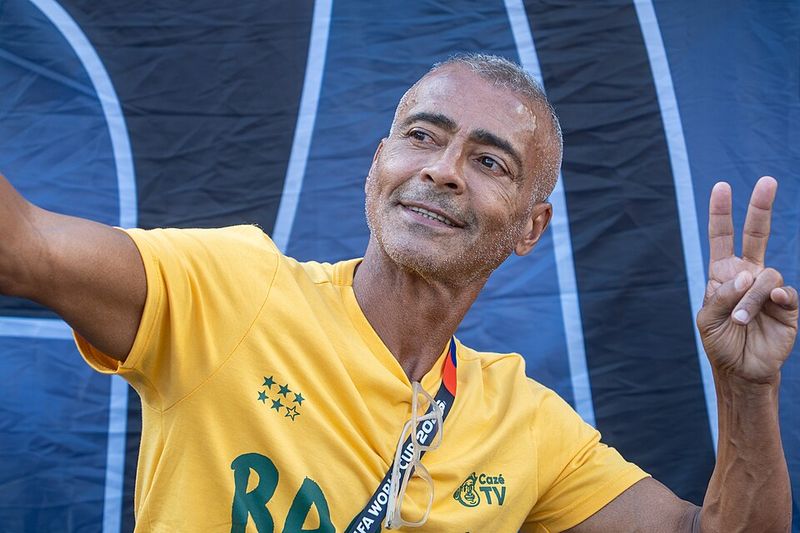
Compact, clever, and lethal in front of goal, Romario was the heartbeat of Brazil’s 1994 World Cup campaign. He scored five goals across the tournament and formed a devastating partnership with Bebeto that opposing defenses simply could not solve.
Brazil played with a joy and confidence that reflected just how good their attack was.
Romario had a unique ability to find space in tight areas and finish with either foot. He was not the fastest or the tallest striker, but his football intelligence was extraordinary.
Every goal he scored felt like it came from a player who had already pictured the moment before it happened.
Brazil won its fourth World Cup title that summer, with Romario as the clear inspiration. The Golden Ball recognized not just his goals but his overall influence on the team’s success.
He remains one of Brazil’s most beloved players from that golden generation.
5. 1998 – Ronaldo (Brazil)
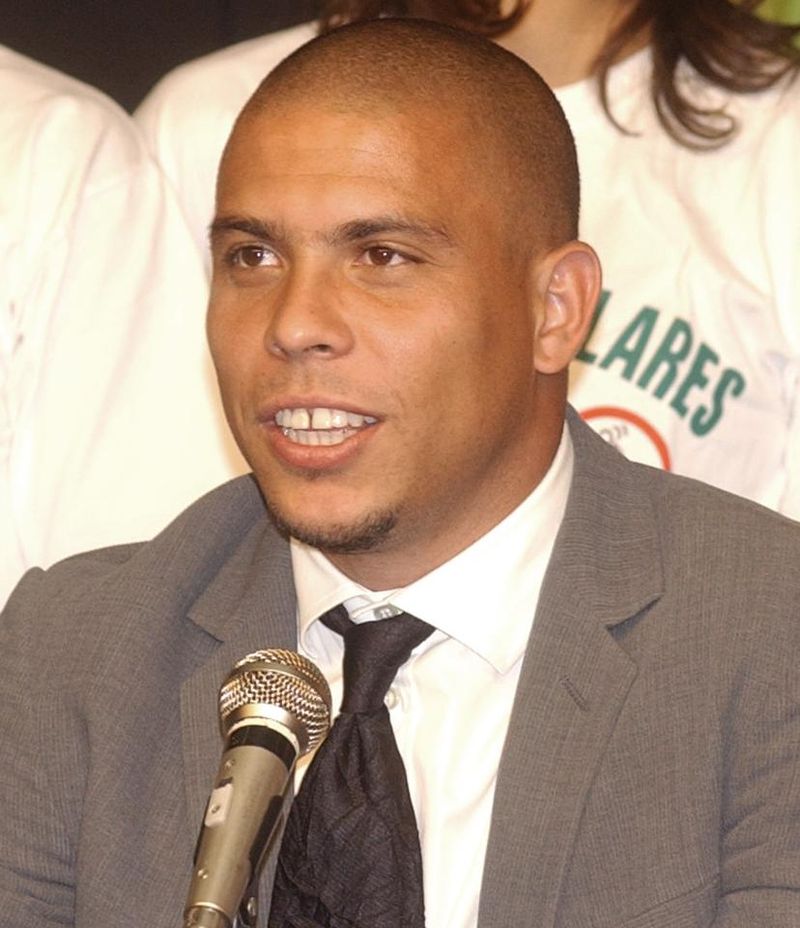
The 1998 World Cup in France came with a strange and deeply unsettling subplot involving Ronaldo. On the day of the final against France, he suffered a mysterious seizure, and his name was initially left off the team sheet.
He was eventually included and played, but Brazil lost 3-0 in a match they barely seemed present for.
Despite that difficult ending, Ronaldo had been brilliant throughout the earlier rounds. He scored four goals and showed flashes of the electric form that would later make him a two-time Ballon d’Or winner.
His pace, dribbling, and finishing ability made him one of the most exciting players at the entire tournament.
Winning the Golden Ball despite being on the losing side of the final is unusual, but the voters recognized his overall impact across all seven games Brazil played. At just 21, his best years were still ahead of him.
6. 2002 – Oliver Kahn (Germany)
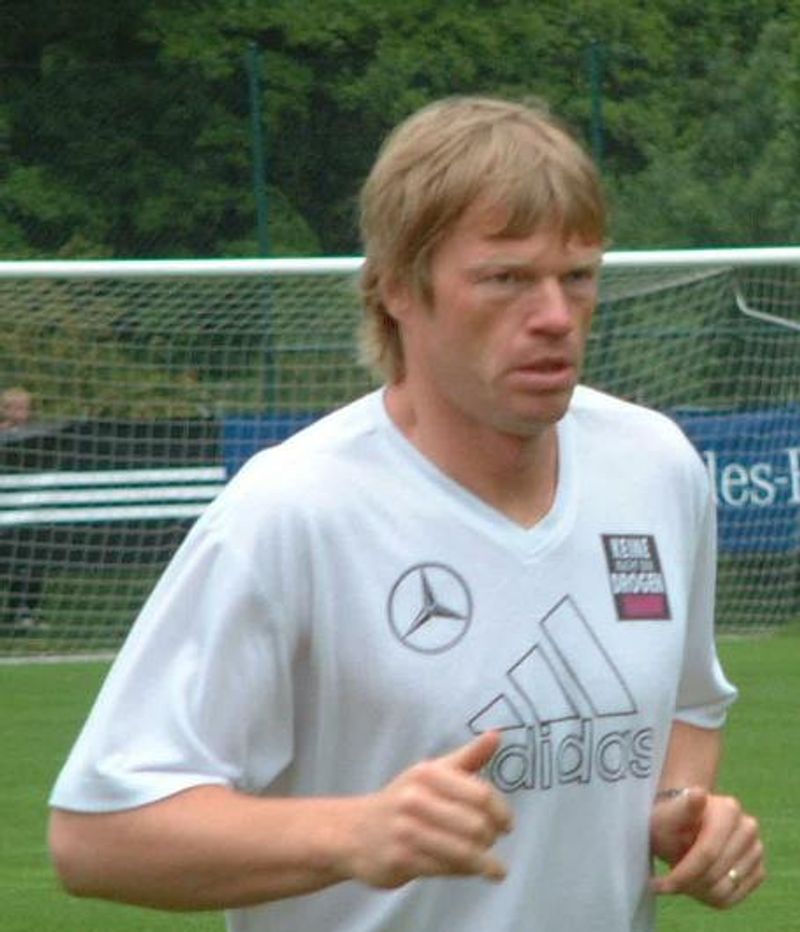
Oliver Kahn did something no goalkeeper had ever done before at a World Cup: he won the Golden Ball. Goalkeepers rarely receive the spotlight at major tournaments, but Kahn’s performances in 2002 were so extraordinary that ignoring him was simply not an option.
He was the main reason Germany reached the final.
Tournament after tournament, Kahn had earned a reputation as one of the most commanding and intimidating goalkeepers in world football. In 2002, he backed that reputation up with a series of stunning saves that kept Germany alive in several tight matches.
His presence alone seemed to unsettle opposing strikers before a ball was even kicked.
Germany ultimately lost the final to Brazil, and Kahn made an uncharacteristic error that led to a goal. Still, his overall contribution across the whole tournament was undeniable.
His Golden Ball win remains a historic and well-deserved recognition of goalkeeping excellence on the grandest stage.
7. 2006 – Zinedine Zidane (France)
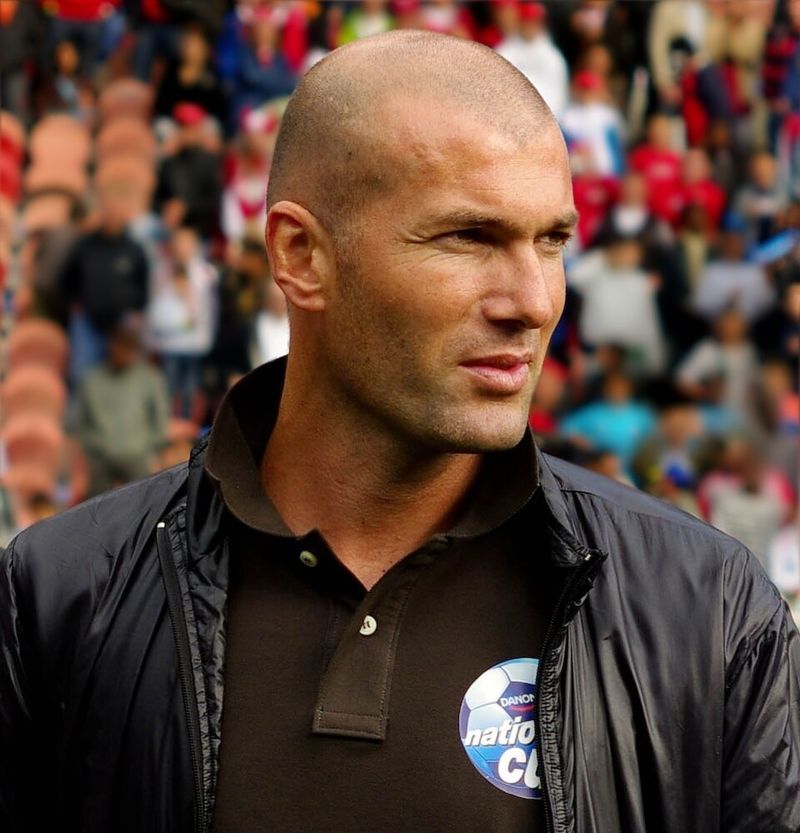
Zinedine Zidane’s final World Cup was supposed to be a fairy tale ending for one of football’s all-time greats. Coming out of retirement to lead France in 2006, he was magnificent throughout the tournament, pulling the strings in midfield with the elegance and authority that had defined his entire career.
France rode his brilliance all the way to the final.
Then came the moment that shocked the world. In extra time of the final against Italy, Zidane headbutted Marco Materazzi in the chest and received a red card, forcing him off the field in his last professional match.
France lost on penalties, and Zidane watched from the tunnel.
Despite the red card and the painful ending, voters still awarded him the Golden Ball for his performances across the whole tournament. It was a controversial but widely understood decision.
His greatness over those weeks outweighed one terrible moment.
8. 2010 – Diego Forlan (Uruguay)
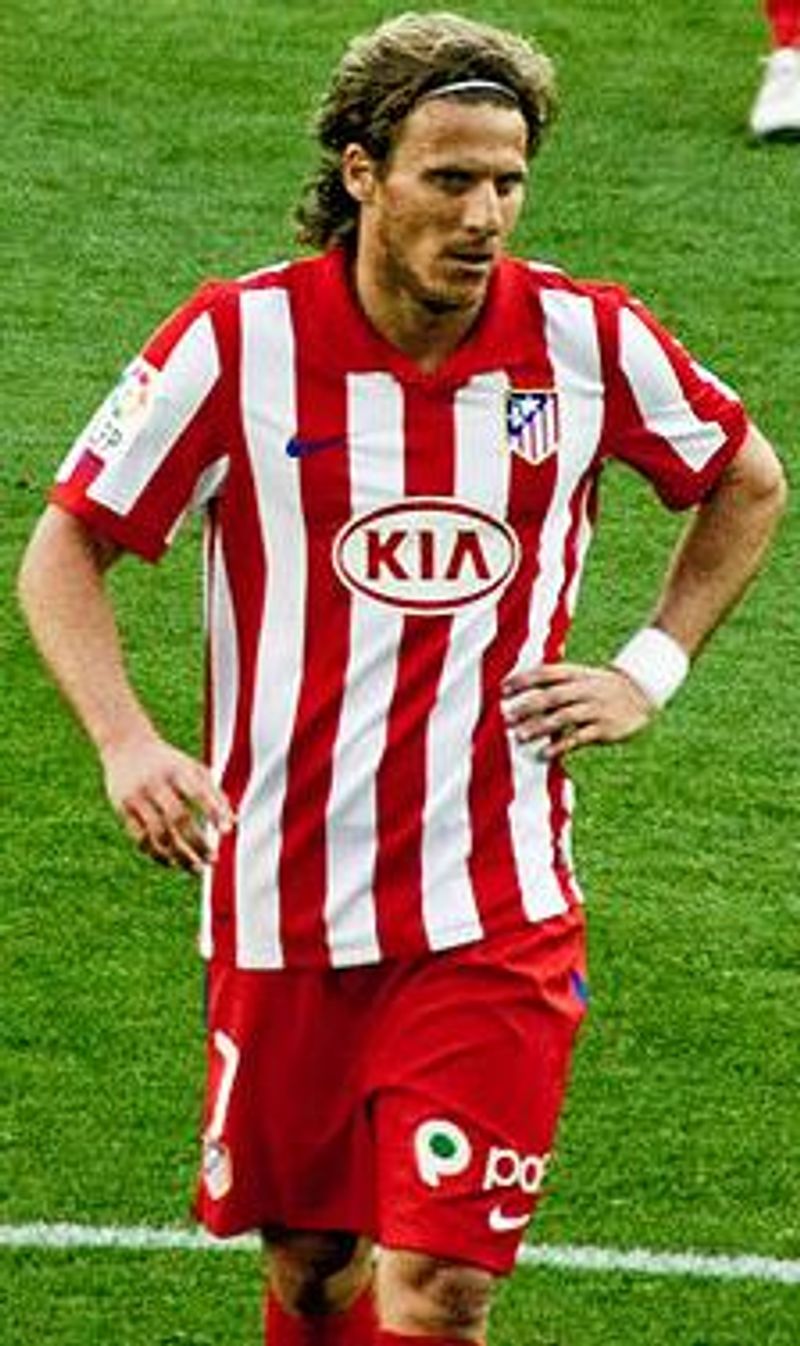
Uruguay had not reached a World Cup semifinal since 1970, so their run in South Africa in 2010 was already historic before Diego Forlan even got started. He contributed five goals and a level of technical quality that made every match Uruguay played feel like must-watch television.
His long-range shooting ability was particularly special throughout the competition.
Forlan scored stunning goals from distance and consistently delivered when his team needed him most. He was the kind of player who thrived under pressure, stepping up in knockout rounds rather than fading away.
His goal against Ghana in the quarterfinals is still remembered as one of the tournament’s best strikes.
Uruguay finished fourth, but Forlan left South Africa as arguably the competition’s most entertaining player. The Golden Ball rewarded not just his goals but his overall creativity and leadership.
For a small nation like Uruguay, his performance was a source of enormous national pride.
9. 2014 – Lionel Messi (Argentina)
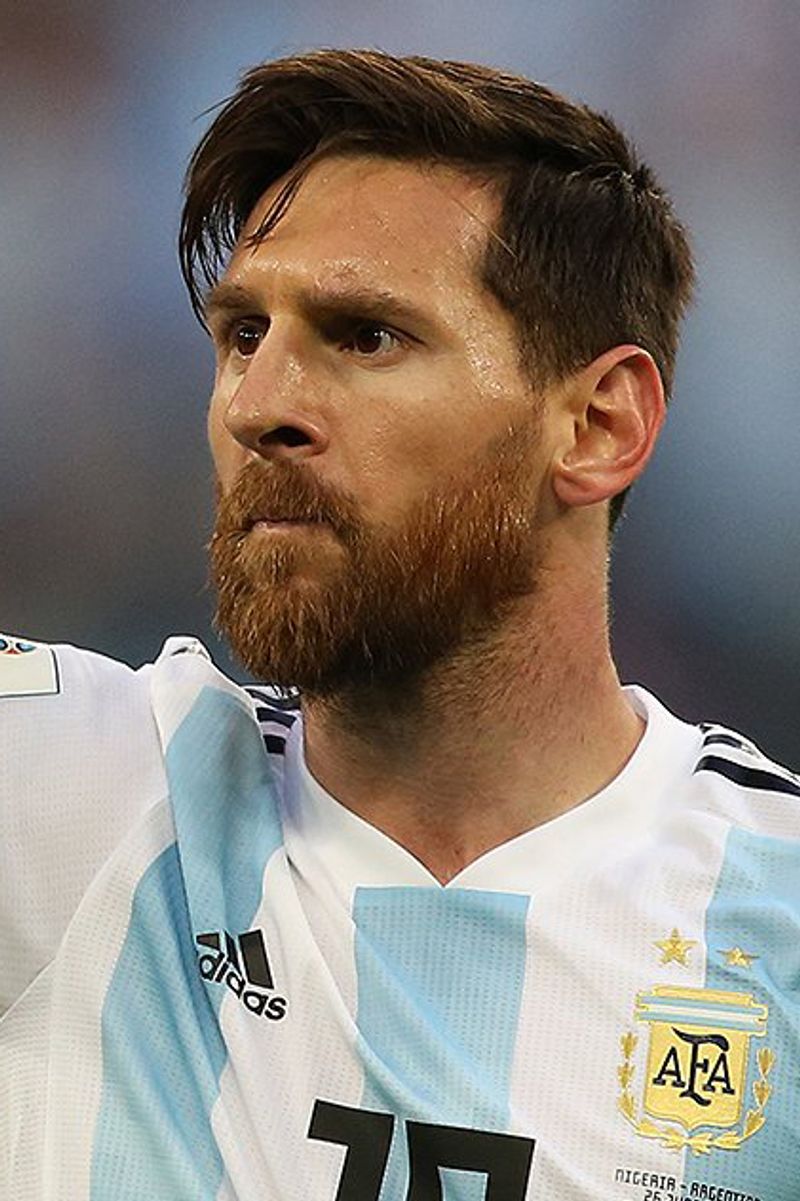
Going into the 2014 World Cup in Brazil, Lionel Messi carried the weight of an entire nation’s expectations on his shoulders. Argentina had not won a major international trophy in years, and fans desperately wanted their greatest player to deliver on the biggest stage.
Messi responded with four goals and one assist as he guided Argentina all the way to the final.
His performances in the knockout rounds were especially impressive, carrying Argentina through tight matches where no one else seemed able to break the deadlock. He had a quiet final against Germany, which Argentina lost 1-0 in extra time, but his contributions across the whole tournament were significant enough for voters to recognize him.
Winning the Golden Ball in 2014 was met with some debate, as others felt different players had been more consistent. However, his overall influence on Argentina’s run to the final was clear and undeniable throughout the competition.
10. 2018 – Luka Modric (Croatia)
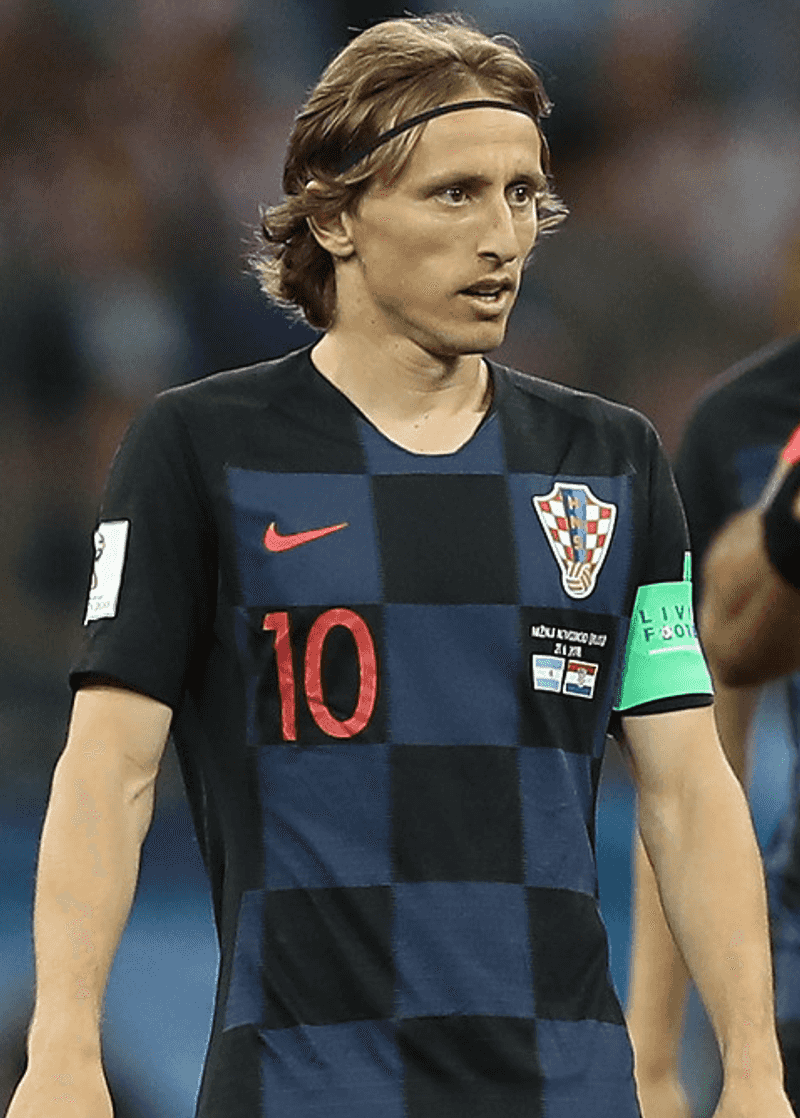
Luka Modric had already established himself as one of the best midfielders in the world through his performances for Real Madrid. But the 2018 World Cup in Russia gave him a global stage to show just how much he meant to his national team.
Croatia, a country of fewer than four million people, reached their first-ever World Cup final largely because of him.
Modric ran the game from central midfield, combining tireless energy with technical precision that few players in the world can match. He scored twice and assisted several others, but his influence went far beyond statistics.
His ability to control the tempo of a match made Croatia almost impossible to outplay for long stretches.
France beat Croatia 4-2 in the final, but Modric’s tournament was so outstanding that he won both the Golden Ball and the Ballon d’Or that year. For a small nation, his achievement felt like a celebration for an entire country.
11. 2022 – Lionel Messi (Argentina)
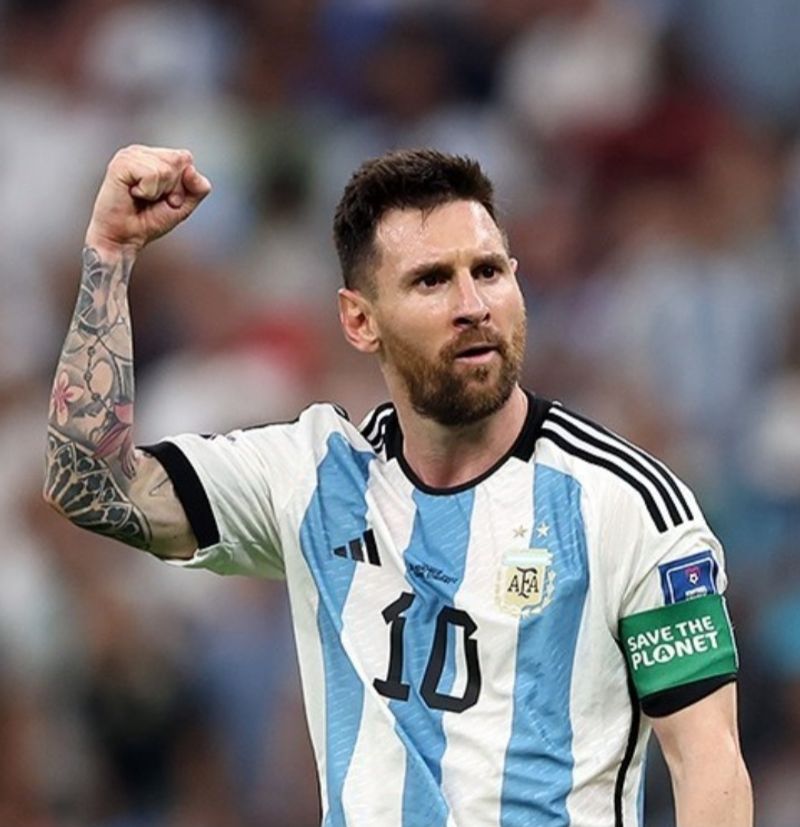
After decades of waiting, Lionel Messi finally got his hands on the one trophy that had eluded him throughout his extraordinary career. The 2022 World Cup in Qatar was his crowning moment, delivering a performance across the tournament that many observers called the greatest individual showing in World Cup history.
He scored seven goals and provided three assists.
The final against France was one of the most dramatic matches ever played. Argentina led 2-0, France came back to level it at 2-2, Argentina went ahead again, France equalized again, and the match eventually went to penalties.
Messi scored in the shootout, and Argentina finally lifted the trophy after 36 years.
Winning the Golden Ball for a second time made Messi the first player in history to achieve that feat. His 2022 campaign is widely considered the perfect conclusion to the greatest career the sport has ever seen, combining individual excellence with ultimate team glory.
Share this story