 Unearth The Voyage
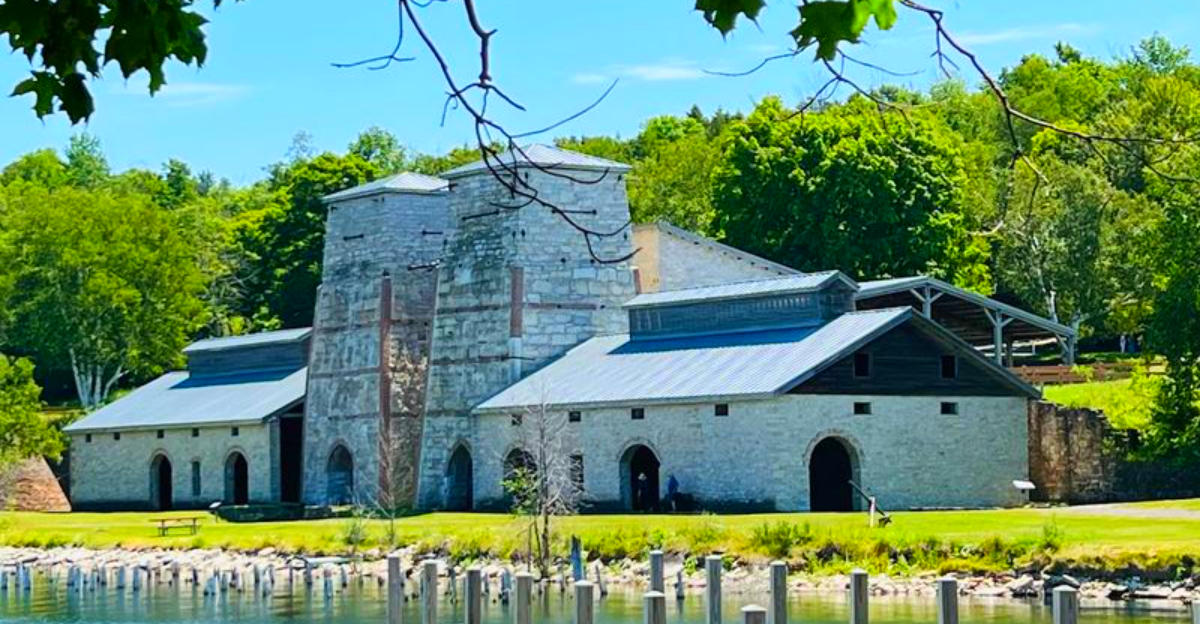
In Michigan’s Upper Peninsula, one park combines a preserved iron-smelting ghost town, limestone cliffs, and Lake Michigan shoreline in a single visit. Located on a remote stretch of Big Bay de Noc, it packs history and outdoor exploration into just over 1,000 acres.
Visitors can walk through original 19th-century industrial buildings, then head out on trails that follow the ridgeline above the water. The mix of accessible history and scenic terrain makes it easy to spend a few hours here without repeating the same experience.
It is not widely known outside the region, but those who make the trip quickly see why it stands out.
Where History and Wilderness Share the Same Address
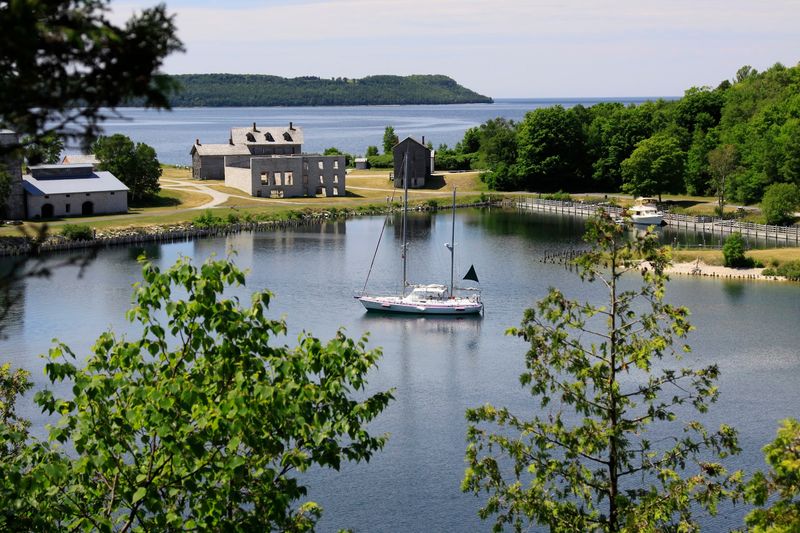
Few state parks in the country can claim both a fully preserved ghost town and miles of undeveloped shoreline within the same fence line. Fayette Historic State Park sits at 4785 II Rd, Garden, MI 49835, tucked onto the Garden Peninsula in Michigan’s Upper Peninsula along the shores of Big Bay de Noc.
The park covers roughly 1,100 acres and is open daily from 9 AM to 9 PM. A Michigan Recreation Passport is required for entry, with day passes running around $11 and annual passes approximately $40.
The drive out here is about 15 miles off US-2, winding through quiet forest roads before the landscape suddenly opens onto dramatic water views. The remoteness is part of the charm.
Almost zero light pollution means the night sky here is genuinely breathtaking, and the sense of isolation makes the whole experience feel like a discovery rather than a tourist stop.
The Iron Town That Time Forgot
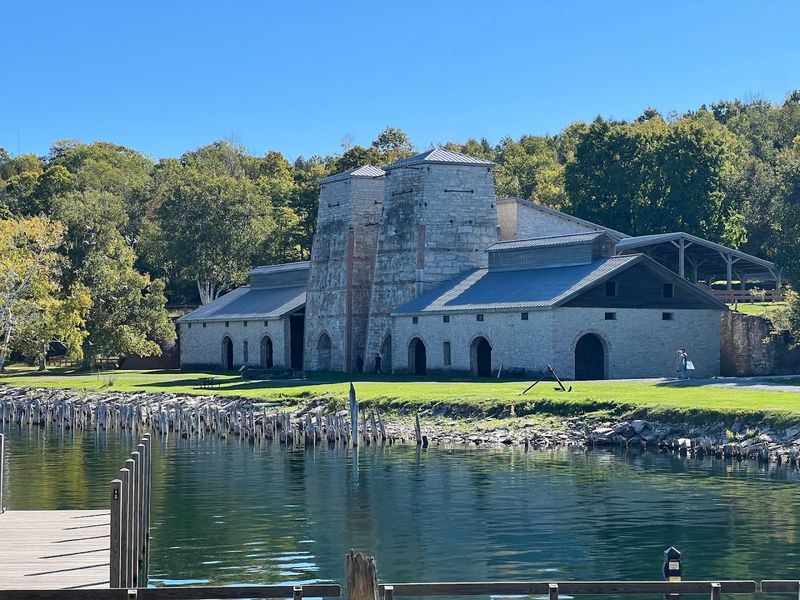
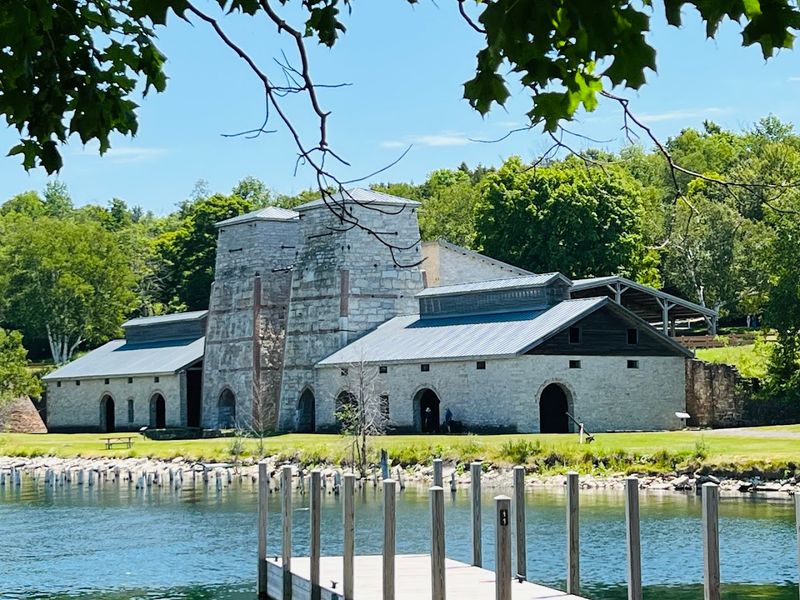
Between 1867 and 1891, the town of Fayette was a roaring industrial hub producing charcoal iron for markets across the country. Today, about 20 of its original structures still stand, and you can walk right inside most of them.
The furnace complex, hotel, opera house, company store, and workers’ homes are all preserved with detailed interpretive signs explaining exactly what happened in each space. The Michigan DNR has done a careful job keeping the site authentic without making it feel like a theme park.
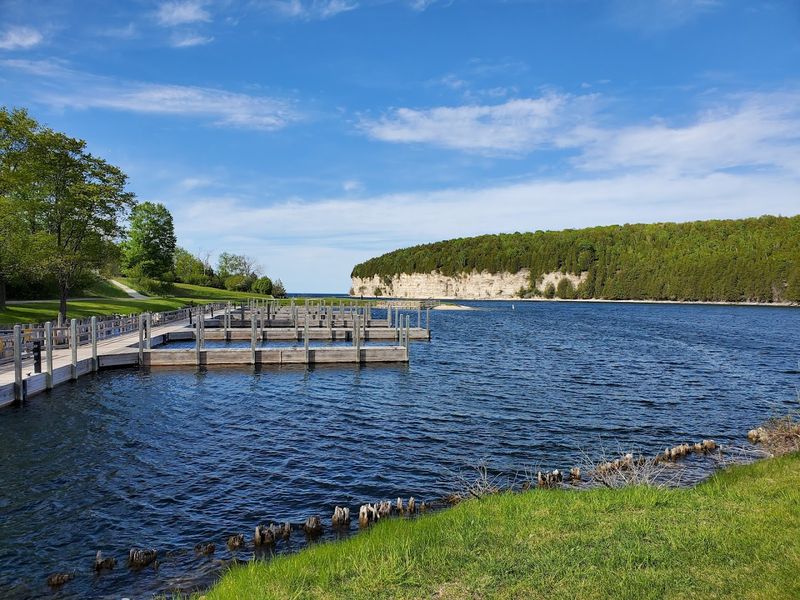
What makes this particularly striking is the contrast between the industrial ruins and the natural beauty surrounding them. Towering limestone cliffs back the town on one side, and a calm, protected harbor sits on the other.
The scale model inside the visitor center shows what the town looked like at its peak, which helps you mentally reconstruct the bustling scene as you walk the quiet streets today.
Limestone Cliffs That Demand a Second Look
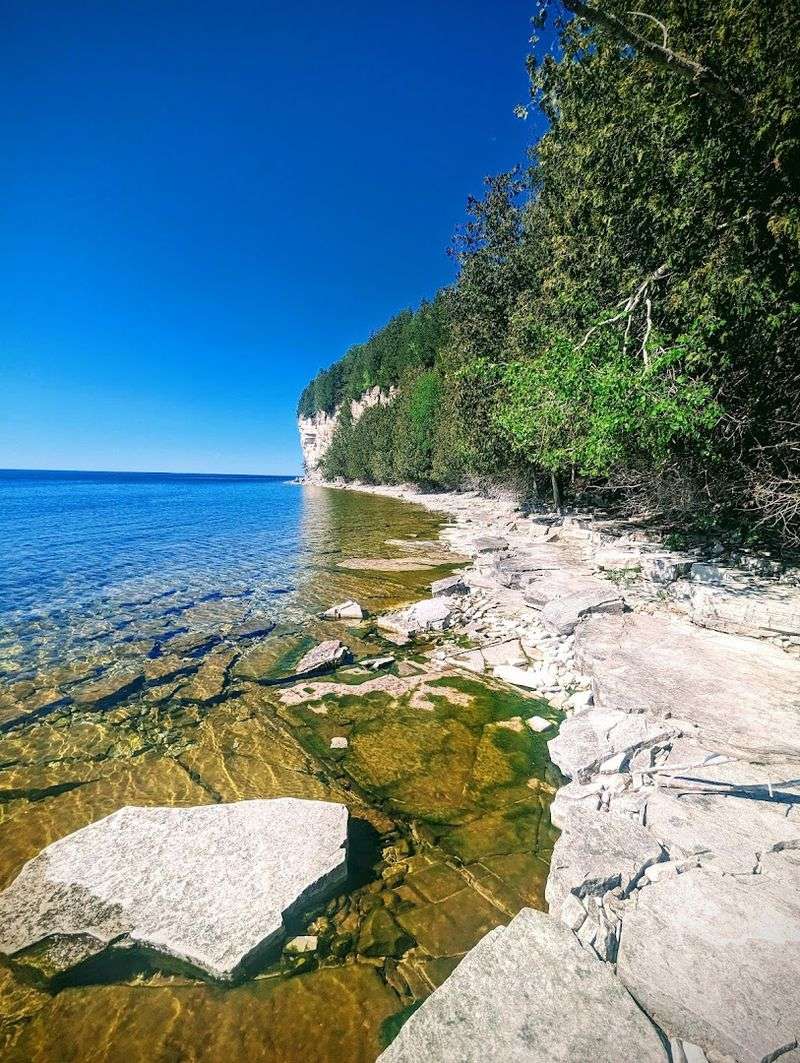
One of the park’s most jaw-dropping features is a massive exposed bluff of the Niagara Escarpment, the same ancient geological formation that creates Niagara Falls. The cliff face rises sharply behind the historic townsite and reflects in the harbor water below on calm days.
From water level, the scale of the limestone walls is genuinely impressive. Kayakers paddling along the base get the most dramatic perspective, with the pale rock face looming overhead and the clear green water beneath their hulls.
From the ridgeline trails above, the view reverses completely, and you look out over the harbor, the townsite rooftops, and Big Bay de Noc stretching toward the horizon. The light changes the color of everything here depending on the time of day, so morning visitors and late afternoon visitors essentially see two different parks.
That geological drama is the kind of detail that keeps photographers coming back repeatedly.
Hiking Trails With Views Worth Every Step
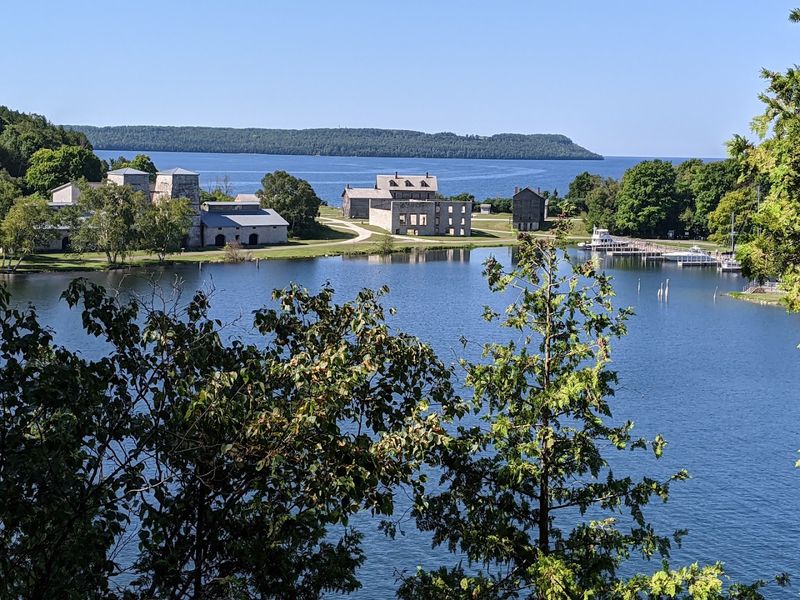
The trail system at this park covers a range of difficulty levels, but the ridge trails are the clear standout. They climb above the townsite and deliver panoramic views of Big Bay de Noc that feel genuinely earned once you reach the top.
Most of the paths are well-maintained and clearly marked, though some sections do involve noticeable elevation changes. Anyone with mobility challenges should check trail conditions in advance, since the terrain is not entirely flat throughout the park.
The trails wind through a mix of hardwood forest, open meadow sections, and rocky ridgeline exposures, which keeps the scenery varied rather than monotonous. Wildlife sightings are common here, with deer appearing regularly along the quieter stretches.
A solid two to three hours covers the main trail highlights comfortably, though those who want to linger at overlooks or explore side paths will find plenty of reasons to stay longer on the ridgeline.
The Shoreline That Pulls You Back Outside
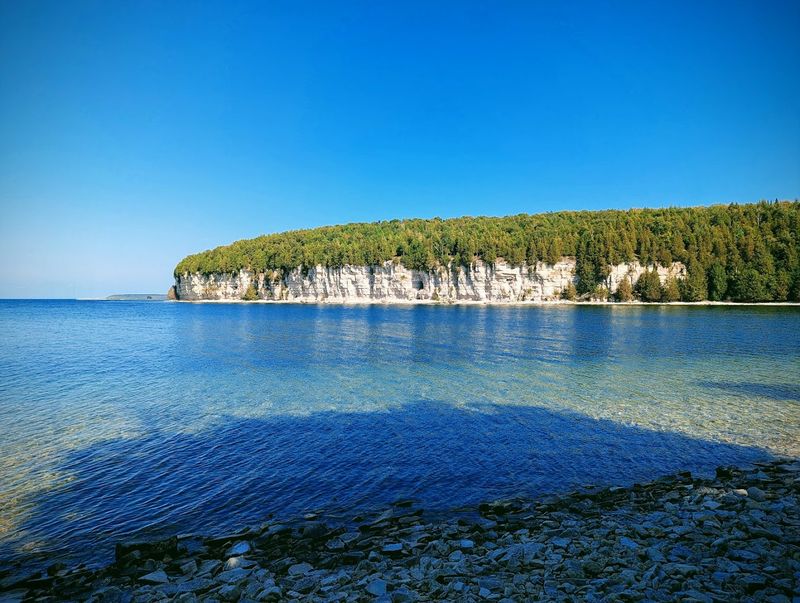
The park’s shoreline along Big Bay de Noc offers a swimming beach that is honest about its character: the bottom is rocky, the water is clear, and the setting is genuinely beautiful. This is not a soft sandy beach, but the payoff is scenery that commercial beach resorts simply cannot replicate.
The harbor area near the historic townsite is especially calm on still days, making it a popular spot for wading and casual exploration along the water’s edge. Kayak rentals are available through the park entrance for around $30 per 24 hours, which opens up the entire coastline and cliff face to anyone willing to paddle.
Sunsets over the lake from this shoreline are the kind that make people stop mid-sentence. The sky turns vivid shades of orange and pink over the open water, and the limestone cliffs catch the last light in a way that feels almost theatrical.
Pack a picnic and plan to stay past golden hour.
A Visitor Center That Actually Delivers
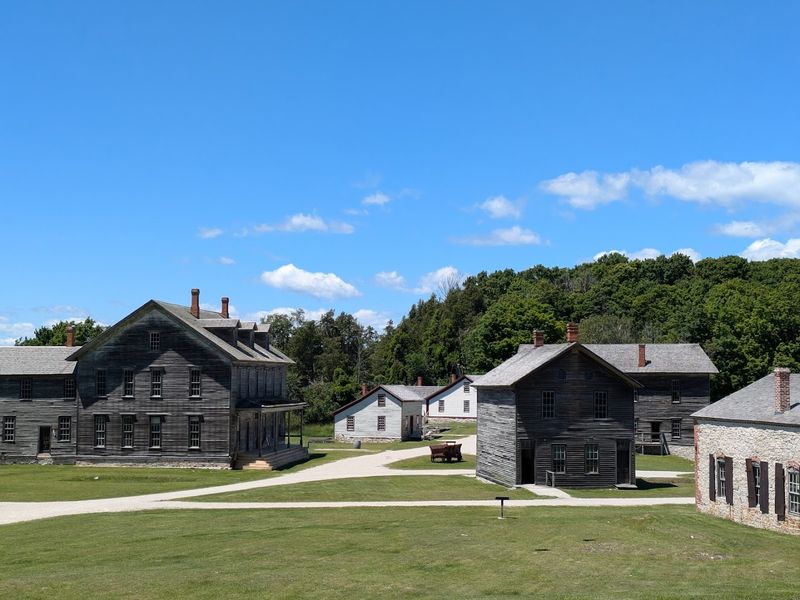
The visitor center here is not an afterthought. Recent improvements have updated the displays and exhibits significantly, and the centerpiece is a detailed scale model showing exactly what the town of Fayette looked like during its industrial peak in the late 1800s.
Standing over that model and then walking outside into the actual town creates a genuinely interesting mental exercise. You can match the miniature buildings to the real structures still standing around you, which makes the whole history feel more tangible and less abstract.
Clean restrooms, water stations throughout the park, and a gift shop stocked with snacks and locally themed souvenirs round out the visitor center experience. The ice cream available inside is reasonably priced and has earned its own fan base among repeat visitors.
Staff members are consistently described as knowledgeable and friendly, and they are happy to answer questions about the park’s history or trail conditions before you head out.
Camping Under a Sky Full of Stars
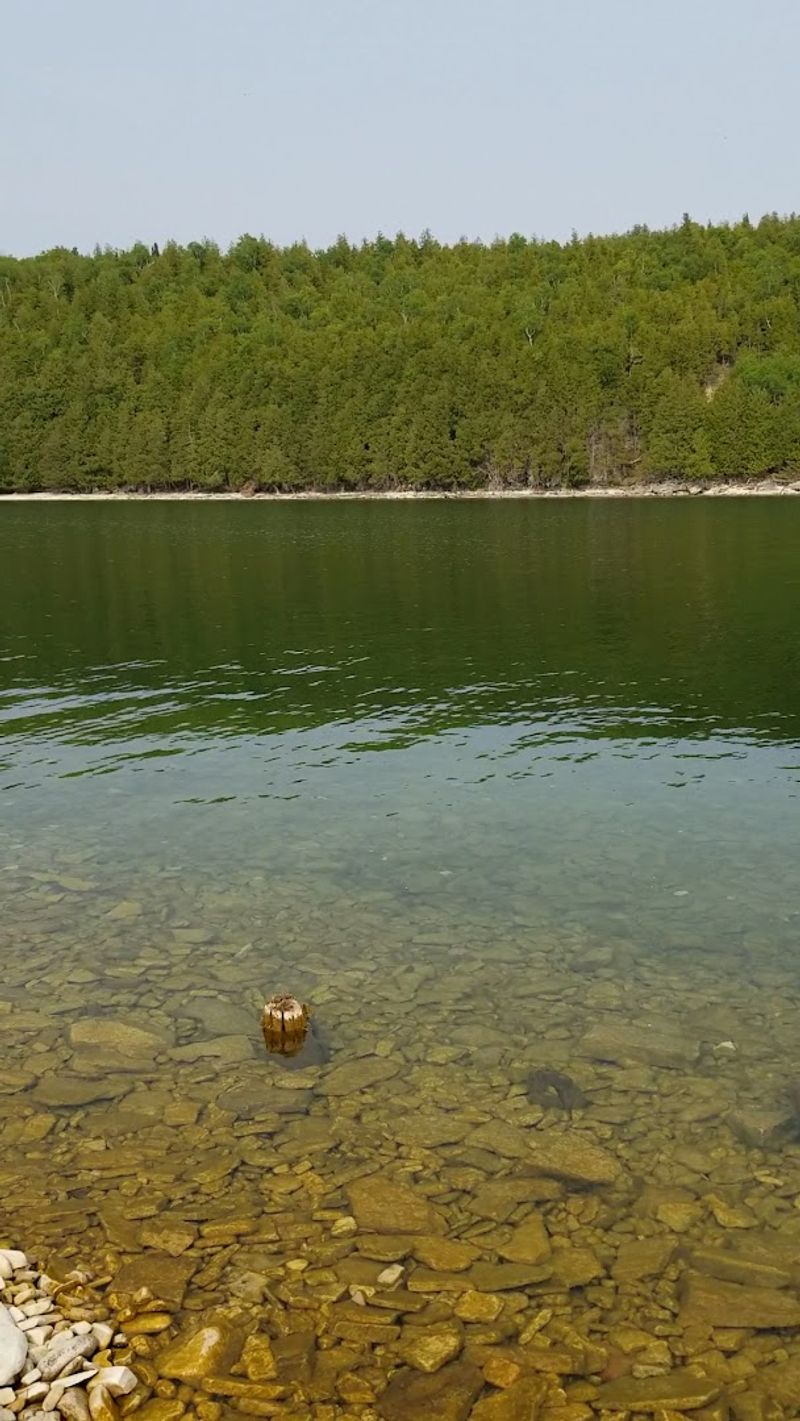
The campground at Fayette offers basic but functional sites, with grassy spaces that are level and clean. The setup is no-frills, which means you are essentially trading resort-style amenities for one of the darkest night skies in Michigan.
Almost zero light pollution in this corner of the Upper Peninsula means the Milky Way is visible on clear nights without any special equipment. Stargazing from a camp chair here is a legitimate activity, not just a vague possibility.
The campground is remote enough that you will want to plan ahead for supplies. A market about 15 miles away carries normal grocery staples at reasonable prices, and two restaurants operate in the surrounding area.
The sense of isolation that some people find inconvenient is exactly what makes the experience worthwhile for everyone else. Mornings here are quiet, the air smells like forest, and the walk to the historic townsite takes only a few minutes from the camping area.
Wildlife and Wildflowers Along the Way
Wildlife sightings at this park go well beyond the occasional squirrel. Deer wander through the townsite and along the forest trails with casual confidence, apparently unbothered by visitors.
Birdwatching is also rewarding here, particularly for anyone interested in watching large flocks in flight.
One unusual winter observation worth mentioning: pigeons roost in the main historic building after dark, and on quiet afternoons you can hear the rush of wings as flocks circle before settling in. It is the kind of small, specific detail that stays with you long after the visit.
The park’s mix of open meadow, dense hardwood forest, and exposed rocky shoreline creates a variety of microhabitats within a compact area. Wildflowers appear along the trail margins in late spring and summer, adding color to what is already a visually rich environment.
Dogs are welcome on leash throughout the park, which makes this a genuinely family-friendly destination in the broadest sense of that word.
Kayaking the Cliffs From Water Level
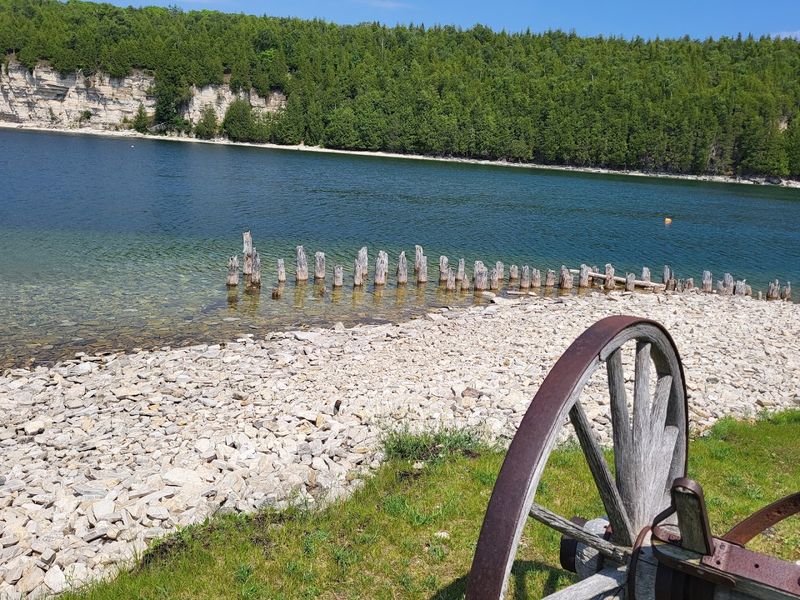
Seeing the limestone cliffs from a kayak is a completely different experience than viewing them from the shore or the ridgeline above. The rock face towers overhead, the water below is clear enough to see the bottom in the shallows, and the scale of the escarpment becomes fully real in a way that photographs struggle to capture.
Kayak rentals are available at the park entrance for around $30 per 24-hour period, which makes this accessible even for visitors who did not bring their own gear. The harbor area near the townsite is calm and sheltered, making it a good starting point for less experienced paddlers.
The protected bay also means conditions are often manageable even when the open lake gets choppy further out. Early morning paddles offer the best light for photography and the calmest water, with the cliff reflections at their sharpest before the afternoon breeze picks up.
The whole coastline here rewards slow, close exploration.
A Perfect Family Day With Room for Everyone
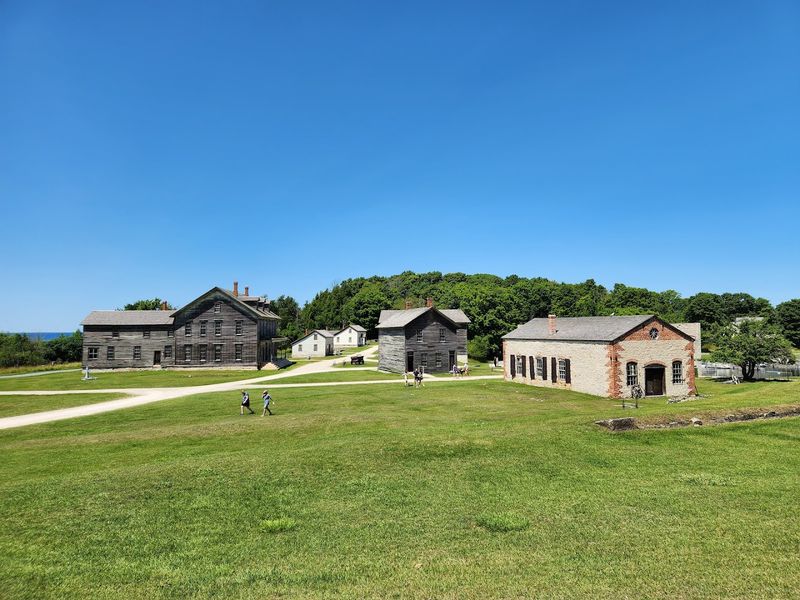
Families with kids of a wide range of ages consistently find something to connect with at this park. The historic buildings are open for exploration rather than roped off behind barriers, which means children can actually step inside and look around rather than just reading a sign from a distance.
Interpretive placards throughout the townsite explain the history of each structure in clear, accessible language. Kids who are old enough to read tend to get genuinely curious about the lives of the workers and families who once lived here, especially when they realize these were real people solving real daily problems in a very different time.
The combination of easy walking paths, open grassy areas, water access, and the visitor center’s ice cream counter covers the practical needs of most family groups without any real effort. Even teenagers who arrived skeptical tend to leave having actually enjoyed themselves, which is perhaps the park’s most impressive achievement.
Winter Visits and the Quiet the Park Keeps
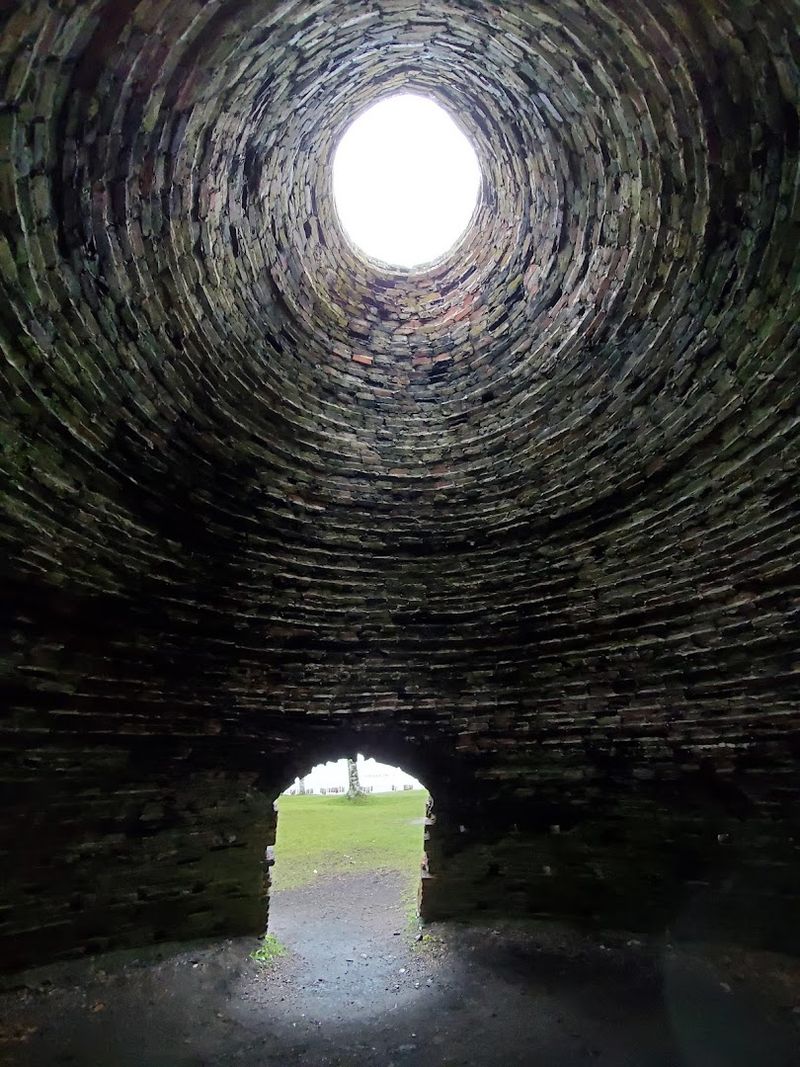
Most people think of state parks as summer destinations, but Fayette in winter is its own distinct experience. The crowds disappear entirely, the historic townsite becomes eerily quiet under a layer of snow, and the limestone cliffs look completely different against a gray winter sky.
Snowshoes are recommended for exploring the trails in deep winter, since the paths are not groomed. The park still opens during winter months, and the solitude is a genuine draw for anyone who finds summer crowds draining.
The absence of foliage in winter actually reveals structural details of the historic buildings that are partially hidden during the leafy summer months. The Niagara Escarpment bluff is also more dramatically visible without trees blocking the sightlines.
Watching a pigeon flock sweep around the main building in the late afternoon quiet, hearing nothing but the rush of wings against cold air, is one of those oddly perfect moments that only happen when you have a historic site almost entirely to yourself.
Planning Your Trip to This Upper Peninsula Treasure
Getting to Fayette requires a deliberate choice. The park sits about 15 miles off US-2 on the Garden Peninsula, and the drive through quiet forest roads is part of the transition into the experience.
Arriving early is smart, especially on summer weekends when the parking lot fills faster than you might expect.
The park is open daily from 9 AM to 9 PM, and a Michigan Recreation Passport is required for entry. Day passes cost around $11, and the annual pass at approximately $40 pays for itself quickly if you plan to visit more than a few state parks in a season.
Pack a lunch and plan for at least two to three hours on site, though many visitors end up staying longer once they start exploring the trails and buildings. The staff are genuinely helpful at the entrance and visitor center, and the gift shop carries a solid selection of snacks for anyone who forgot to pack enough food for the day.



