Some places stay with you long after you’ve returned home. Whether you’re scaling a mountain, snorkeling through coral reefs, or watching wildlife roam across open plains, the right adventure can change how you see the world.
These 12 destinations offer experiences so powerful, so vivid, and so unforgettable that you’ll find yourself telling the stories for years to come. Pack your bags, because the world has some seriously incredible places waiting for you.
1. Patagonia, Chile and Argentina
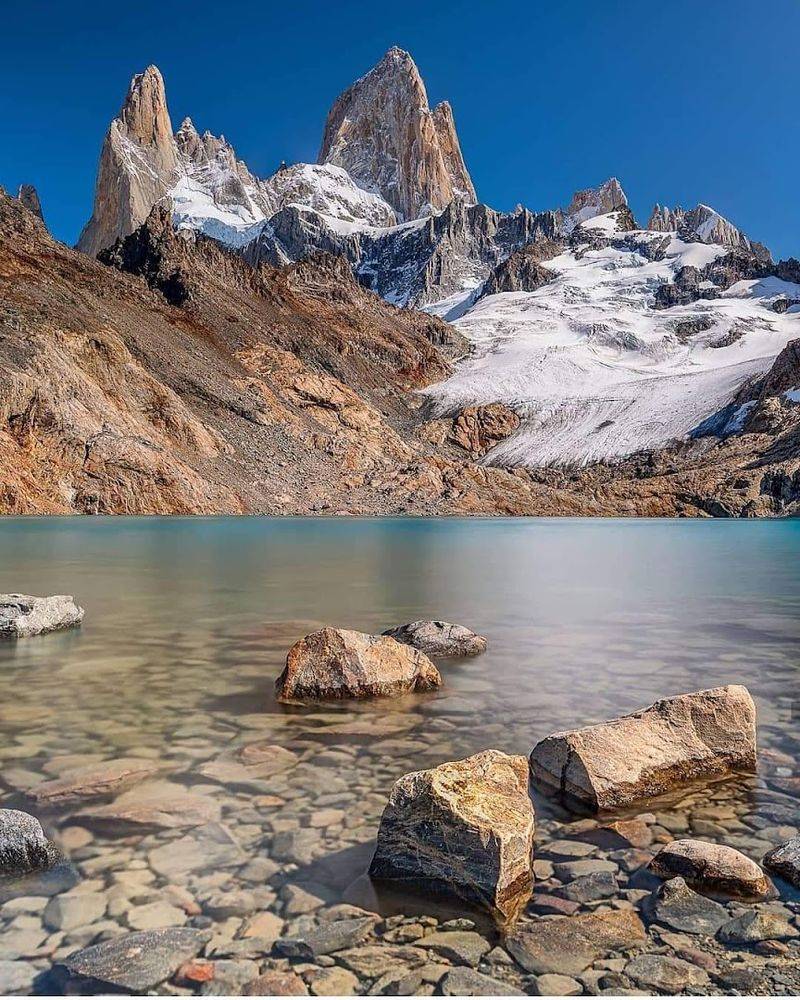
Few places on Earth feel as raw and untouched as Patagonia. Stretching across the southern tips of Chile and Argentina, this remote wilderness is home to some of the most jaw-dropping scenery you’ll ever witness.
Glacier hikes, towering granite spires, and glittering turquoise lakes are just the beginning.
Torres del Paine National Park is the crown jewel here, drawing hikers from every corner of the globe. The famous W Trek winds through valleys, past glaciers, and up to the iconic three towers themselves.
Los Glaciares National Park across the border offers the massive Perito Moreno Glacier, where you can watch house-sized chunks of ice crash into a lake.
Wildlife lovers will spot guanacos, condors, and pumas roaming freely. The wind is relentless, the weather unpredictable, but that’s part of the magic.
Patagonia rewards those who show up ready for anything.
2. Queenstown, New Zealand
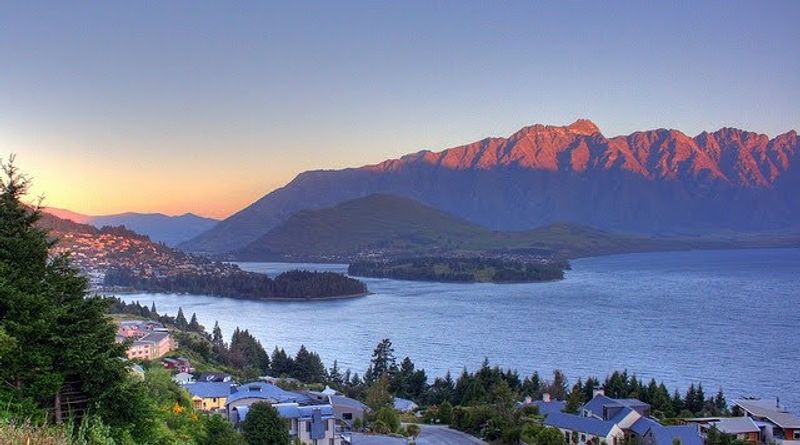
Queenstown earned its title as the adventure capital of the world, and it absolutely lives up to the name. Perched on the shores of Lake Wakatipu with the jagged Remarkables mountain range looming overhead, this compact New Zealand town packs more thrills per square mile than almost anywhere else on the planet.
Bungee jumping was actually invented here back in 1988, and A.J. Hackett’s original Kawarau Bridge jump is still running strong.
Beyond that, you can skydive over alpine scenery, race through river canyons on a jet boat, shred mountain bike trails, or hike the nearby Routeburn Track.
Winter turns Queenstown into a ski resort hub, while summer opens up water sports on the lake. The town itself has a buzzing food and bar scene, so the adventure continues even after dark.
Queenstown is one of those rare places that genuinely delivers on every promise.
3. Machu Picchu and the Inca Trail, Peru
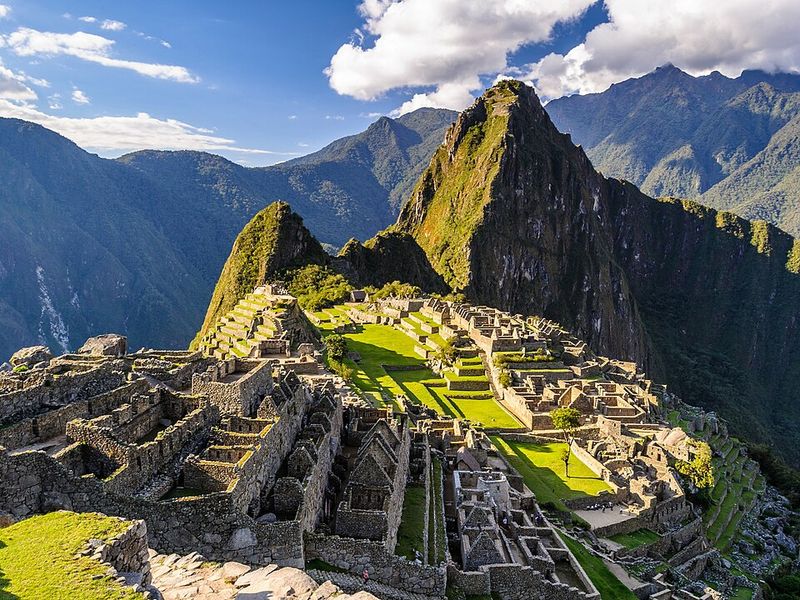
Standing at the Sun Gate after four days of trekking through the Andes is a moment that rewires your brain. Machu Picchu appears below through the morning mist, ancient stone terraces cascading down the mountainside, and for a second, you genuinely forget to breathe.
This UNESCO World Heritage Site is one of the most iconic spots on Earth for a very good reason.
The classic Inca Trail covers about 26 miles through cloud forest, mountain passes, and dozens of smaller ruins before delivering you to the main citadel. Permits sell out months in advance, so planning ahead is essential.
If the trail is fully booked, the Salkantay Trek offers a stunning alternative route.
Machu Picchu sits at roughly 7,970 feet above sea level, so spending a day or two in Cusco first helps your body adjust to the altitude. The effort, without question, is completely worth it.
4. Serengeti National Park, Tanzania
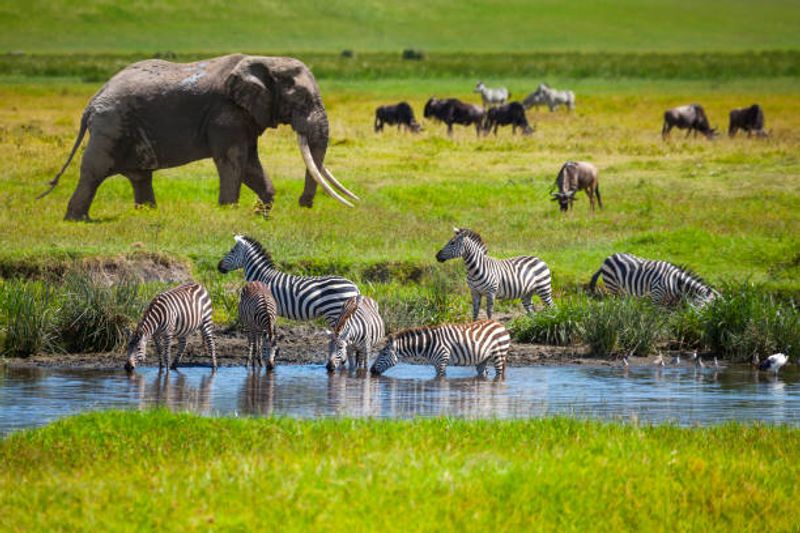
Nothing in nature quite prepares you for the Great Migration. Every year, roughly 1.5 million wildebeest and hundreds of thousands of zebras thunder across the Serengeti plains in search of fresh grass and water.
It is one of the most spectacular wildlife events on the planet, and witnessing it firsthand is genuinely overwhelming in the best possible way.
The river crossings are the most dramatic moments, with massive crocodiles waiting in the Mara River as herds plunge in by the thousands. Beyond the migration, the Serengeti supports enormous populations of lions, leopards, cheetahs, elephants, and giraffes year-round.
Safari options range from budget camping to ultra-luxury lodges with private game drives. The best time to catch the river crossings is between July and October.
Tanzania also pairs perfectly with a visit to Ngorongoro Crater, one of the densest concentrations of wildlife anywhere in Africa.
5. Banff National Park, Alberta, Canada
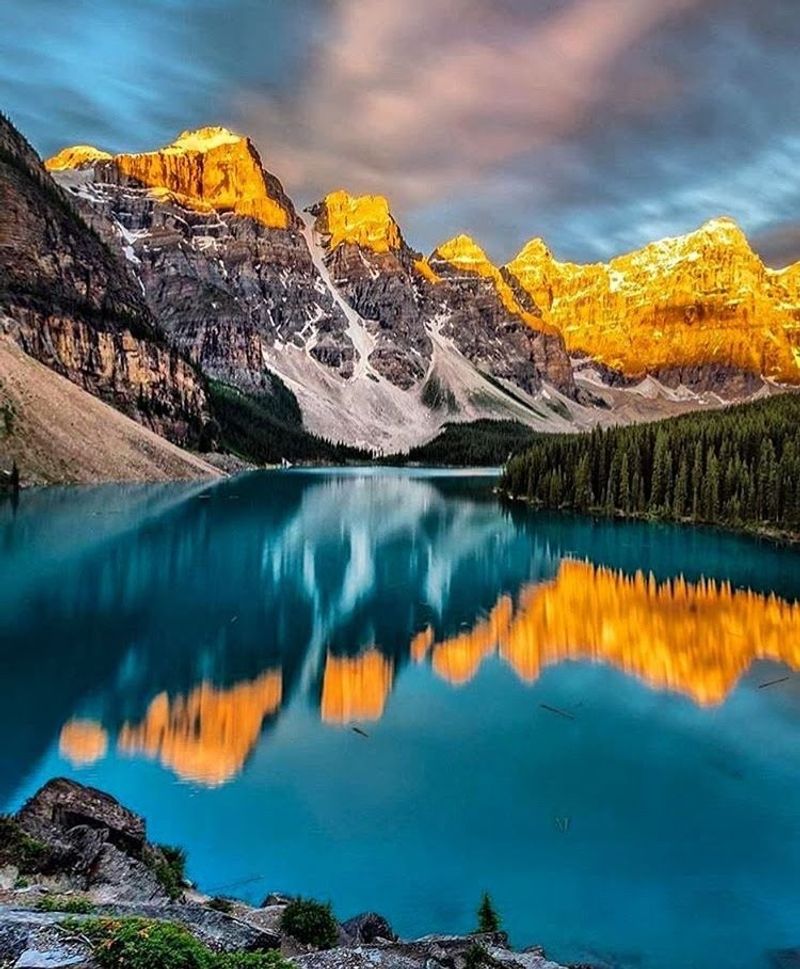
Canada’s oldest national park still manages to stun visitors who think they’ve seen enough mountain scenery. Banff sits in the heart of the Canadian Rockies, and the combination of jagged peaks, ancient glaciers, hot springs, and impossibly blue lakes creates a landscape that looks almost digitally enhanced in photographs.
Moraine Lake and Lake Louise are the two most photographed spots, their turquoise color coming from glacial rock flour suspended in the water. Canoe rentals on both lakes are popular, and the hikes surrounding them range from easy strolls to challenging all-day climbs.
Winter transforms the park into a world-class ski destination, with three major resorts within easy reach.
Wildlife sightings are common along the Icefields Parkway, one of the most scenic drives in North America. Bears, elk, bighorn sheep, and mountain goats regularly appear near the road.
Banff rewards every season with something genuinely spectacular to see.
6. Iceland’s South Coast
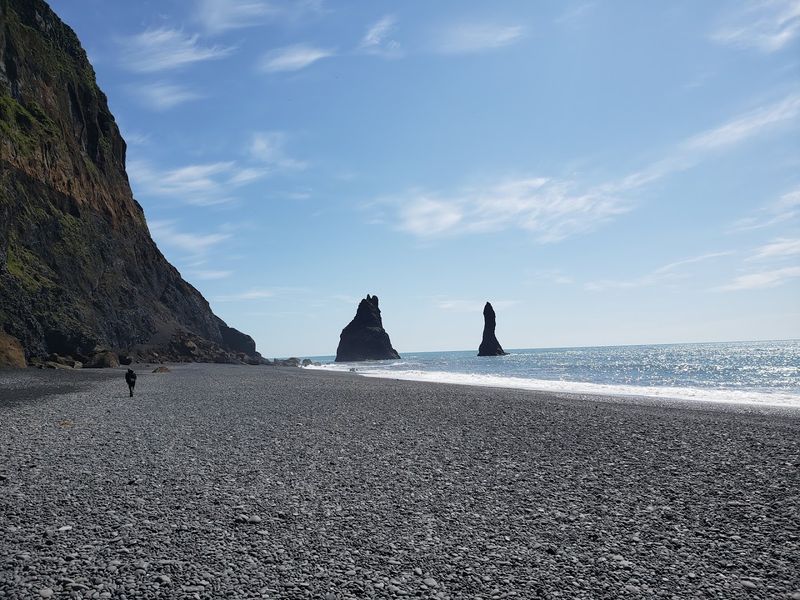
Iceland’s South Coast might be the world’s best argument for a road trip. In a single day of driving, you can walk behind a thundering waterfall, stand on a black sand beach with waves crashing around enormous basalt sea stacks, and crawl inside a glittering blue ice cave carved into a glacier.
The variety of landscapes is almost absurd.
Skogafoss and Seljalandsfoss are two of the most accessible and spectacular waterfalls, both right off the Ring Road. Reynisfjara black sand beach near Vik is dramatic and powerful, though the sneaker waves demand serious respect.
Vatnajokull glacier, Europe’s largest ice cap, offers guided ice cave tours that rank among Iceland’s most unforgettable experiences.
The South Coast also sits beneath some of the best Northern Lights viewing zones in the country during winter months. Summer brings near-endless daylight perfect for exploring without a curfew.
Iceland delivers on every level of adventure.
7. Mount Kilimanjaro, Tanzania
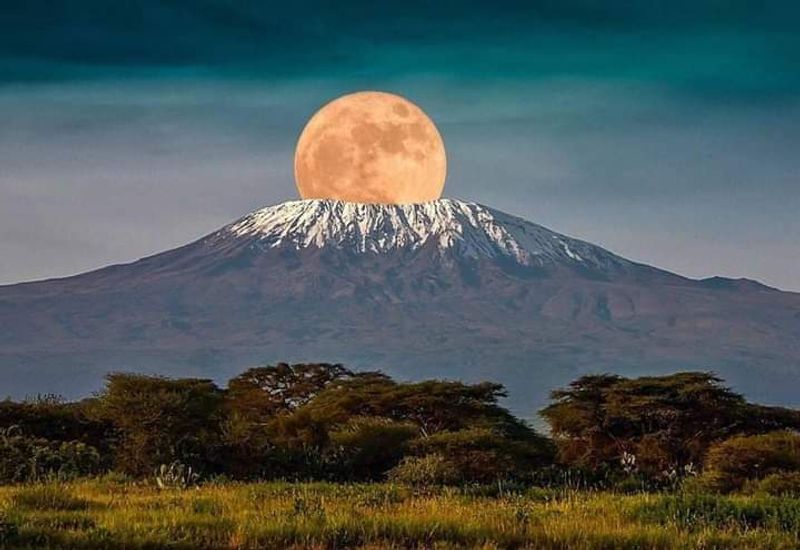
At 19,341 feet above sea level, Kilimanjaro is the highest point on the African continent. What makes it remarkable beyond sheer altitude is that no technical climbing experience is required.
With the right preparation, a determined person can walk to the roof of Africa, and that accessibility makes it one of the most sought-after mountain challenges in the world.
There are several routes to the summit, each with different scenery and difficulty levels. The Lemosho Route is widely considered the most scenic and gives climbers the best acclimatization schedule.
The Machame Route, nicknamed the Whiskey Route, is shorter and more physically demanding. Most climbers take between five and nine days to reach Uhuru Peak.
Altitude sickness is the biggest challenge, affecting even fit and experienced hikers. Going slowly and drinking plenty of water are the most effective strategies.
Reaching the summit crater rim at sunrise, with glaciers glowing orange, is a memory that never fades.
8. Galapagos Islands, Ecuador
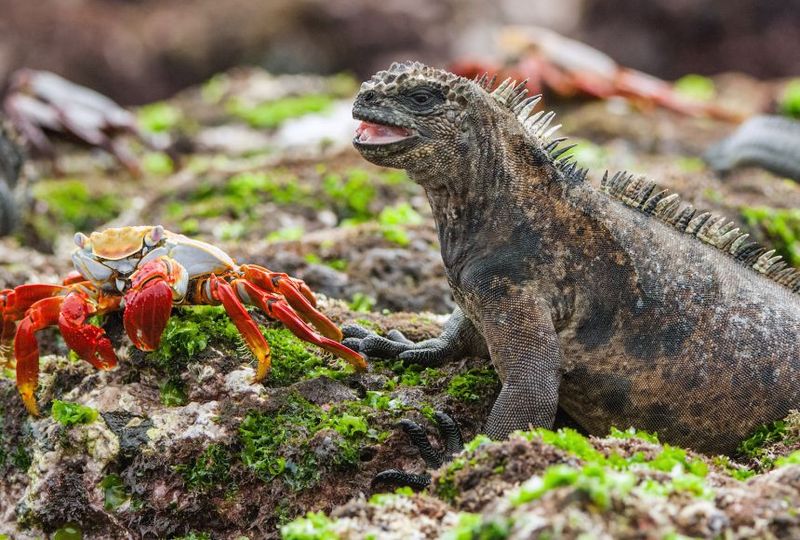
Charles Darwin visited the Galapagos in 1835 and left with ideas that changed science forever. The islands sit about 600 miles off the coast of Ecuador in the Pacific Ocean, and the wildlife here evolved in such isolation that many species exist absolutely nowhere else on Earth.
Coming here feels less like a vacation and more like visiting another planet.
Snorkeling with sea lions that treat you like a playmate is a common experience. Marine iguanas swim alongside you in the shallows, blue-footed boobies perform elaborate mating dances just feet away, and giant tortoises roam highland forests at their own unhurried pace.
The animals have almost no fear of humans, making wildlife encounters astonishingly close.
Visitor numbers are carefully controlled to protect the ecosystem, so booking through licensed tour operators is required. Liveaboard cruises are the most popular way to explore multiple islands efficiently.
The Galapagos is genuinely unlike anywhere else you will ever go.
9. The Dolomites, Italy
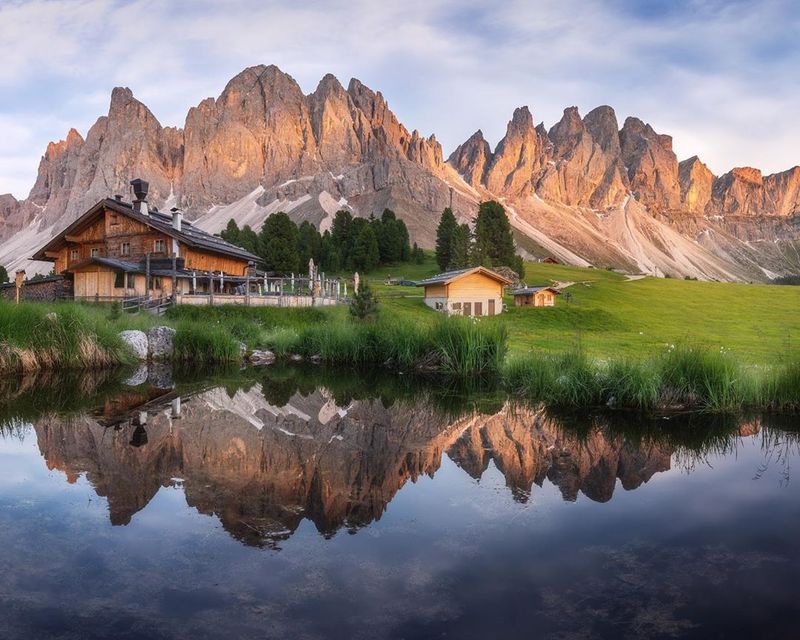
The Dolomites look like they were designed by someone who had never seen a real mountain and decided to invent the most dramatic version imaginable. These pale limestone towers in northeastern Italy rise sharply from green valleys and flower-covered meadows, turning orange and pink at sunrise in a phenomenon locals call the Enrosadira.
UNESCO recognized the entire range as a World Heritage Site in 2009.
Hikers can follow the famous Alta Via routes, multi-day trails that pass through mountain huts where you can sleep and eat incredible Italian food after a full day on the trails. Rock climbers come from across Europe to tackle the vertical faces, while cyclists push up some of the most legendary mountain passes in professional cycling history.
Winter brings world-class skiing across the Dolomiti Superski area, one of the largest ski carousels on the continent. Summer or winter, the Dolomites deliver scenery that is consistently breathtaking and endlessly photogenic.
10. Namib Desert and Sossusvlei, Namibia
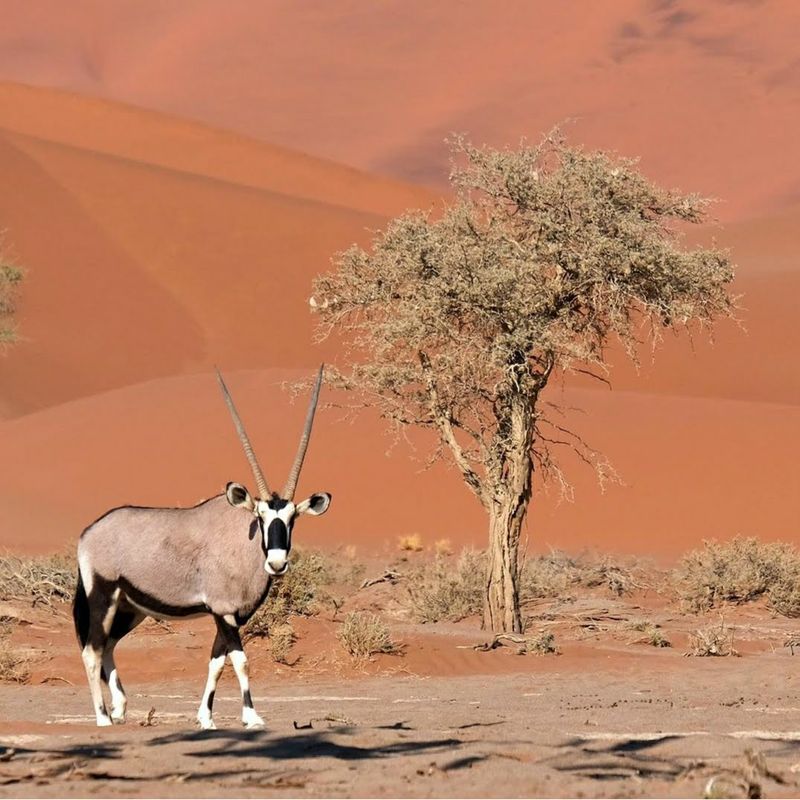
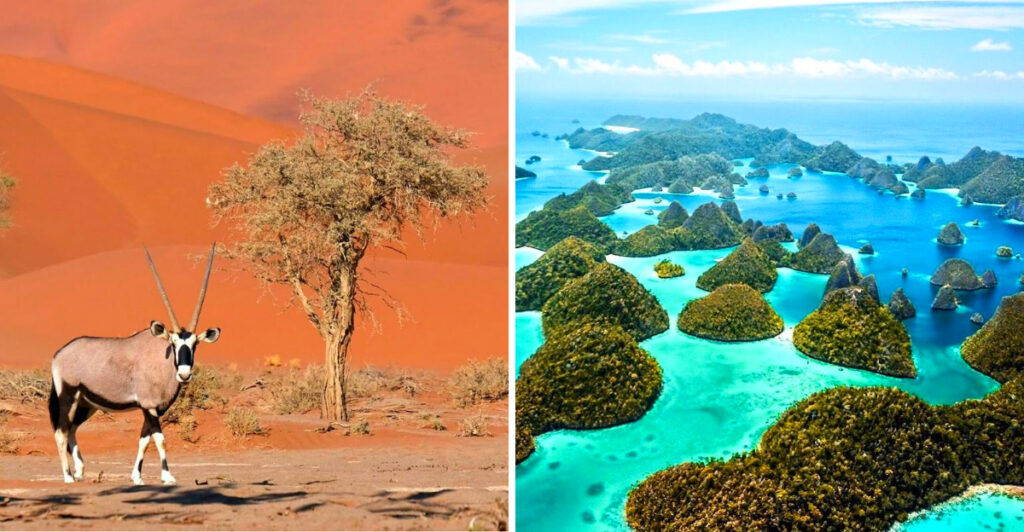
The Namib Desert is estimated to be between 55 and 80 million years old, making it the oldest desert on Earth. Standing at the base of Dune 45 or Big Daddy at dawn, watching the sky shift from purple to gold while shadows carve dramatic lines across the sand, gives you a sense of deep geological time that is hard to find anywhere else.
Sossusvlei is the most visited area, a white clay pan surrounded by some of the tallest sand dunes in the world, reaching heights of over 1,000 feet. Deadvlei sits nearby, a surreal white clay pan dotted with ancient, blackened camel thorn trees that died roughly 900 years ago but never decomposed in the dry air.
Climbing the dunes at sunrise before the heat builds is the recommended strategy. Namibia as a whole is one of Africa’s most underrated adventure destinations, combining desert landscapes with exceptional wildlife in Etosha National Park.
11. Moab, Utah, United States
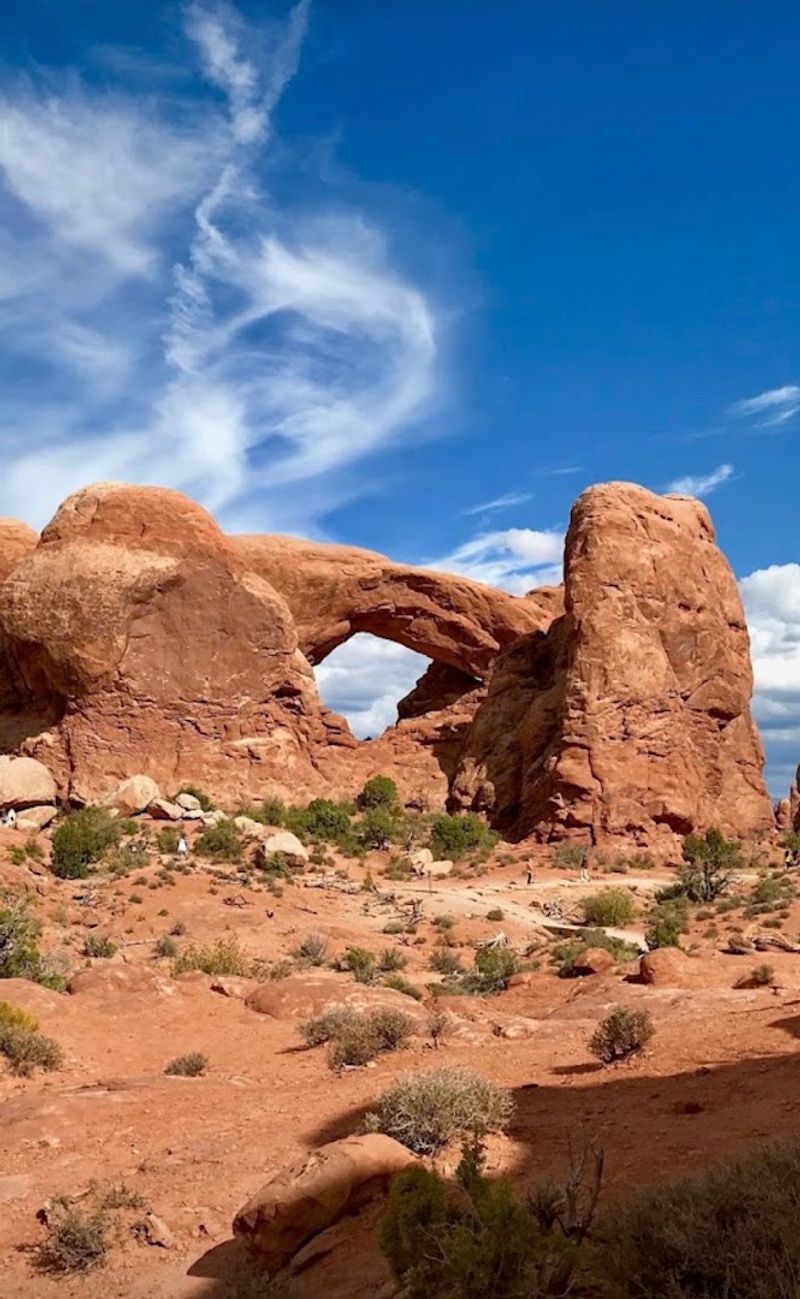
Moab sits in the middle of some of the most otherworldly red rock scenery in the United States. Positioned between Arches and Canyonlands National Parks, this small Utah town has become the go-to base for anyone who wants to push their outdoor limits in a landscape that looks like it belongs on Mars.
The Slickrock Trail is one of the most famous mountain bike routes in the world, a challenging loop across ancient sandstone that demands technical skill and rewards riders with incredible canyon views. Off-road enthusiasts tackle the legendary Moab Rim and Hell’s Revenge trails in four-wheel-drive vehicles.
The Colorado River cuts through town, offering rafting and kayaking options ranging from calm floats to serious whitewater.
Arches National Park contains over 2,000 natural sandstone arches, including the iconic Delicate Arch that appears on Utah license plates. Spring and fall offer the most comfortable temperatures for exploring.
Moab is one of those places where the scenery never stops surprising you.
12. Raja Ampat, Indonesia
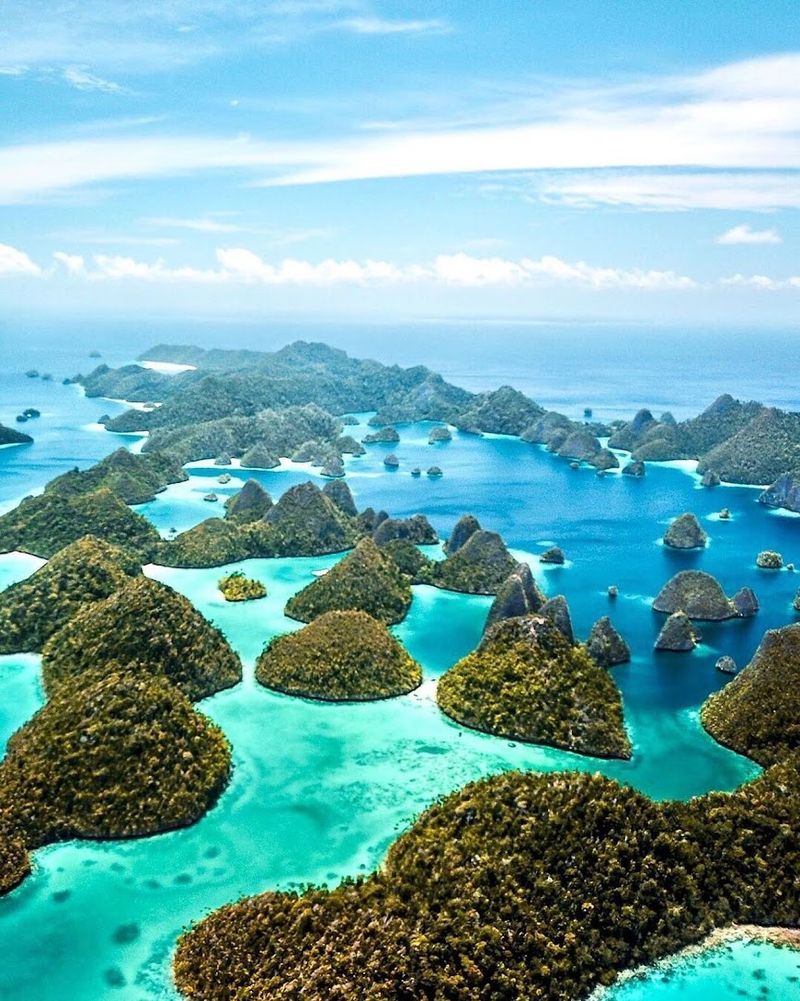
Scientists have identified more species of marine life in Raja Ampat than in almost any other place on Earth. Located in the Bird’s Head Seascape of West Papua, Indonesia, these remote islands sit at the heart of the Coral Triangle, a region often called the Amazon of the seas for its staggering biological diversity.
For divers and snorkelers, it is as close to paradise as the ocean gets.
The coral reefs here are extraordinarily healthy compared to many other tropical destinations, with vibrant walls, gardens, and seamounts teeming with pygmy seahorses, wobbegong sharks, manta rays, and thousands of reef fish species. Even snorkeling in shallow water delivers encounters that experienced divers describe as the best of their lives.
Getting here requires some effort, flying into Sorong and then taking a boat to your resort or liveaboard. That remoteness is actually a big part of the appeal.
Raja Ampat rewards travelers willing to go the extra mile with underwater experiences that are absolutely unmatched anywhere on the planet.
Share this story