 Unearth The Voyage
The 1980s did not just produce hit records – they changed the rules for how music was made, marketed, filmed, and argued over. This was the decade when MTV became a gatekeeper, drum machines became standard tools, and genre borders started looking more like suggestions than laws.
Some albums became blockbusters, others became blueprints, but all of them pushed artists and audiences into new territory. Keep reading and you will see how a dozen records helped remake pop, rock, hip-hop, metal, and the very idea of cultural influence.
1. Prince – Purple Rain (1984)
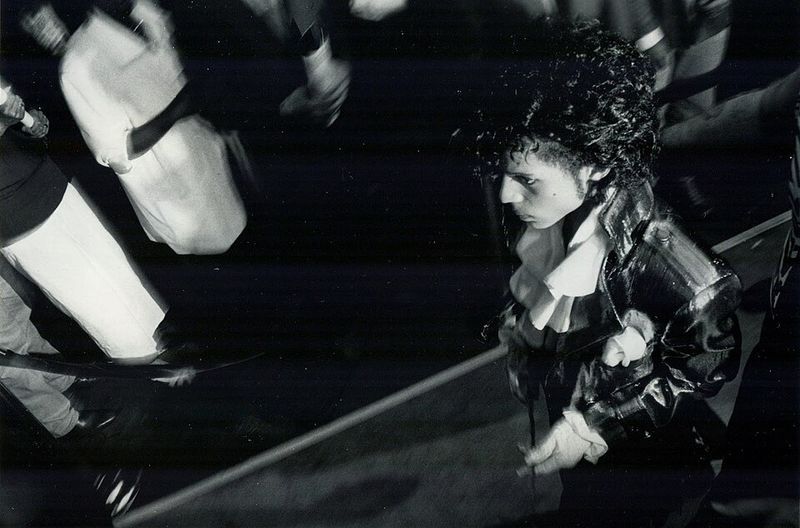
Few records kicked down genre walls with this much confidence. Purple Rain arrived in 1984 as both an album and a film soundtrack, giving Prince a rare chance to control music, image, and narrative at the same time.
He fused rock guitar, funk rhythms, pop structure, soul phrasing, and gospel scale into something unmistakably his own. When Doves Cry broke pop conventions by dropping a bass line that many producers would have considered essential, yet the song still became a giant hit.
The album also changed expectations for artistic identity. Prince showed that a Black artist could dominate rock spaces without compromise, while still steering mainstream pop culture.
Tracks like Let’s Go Crazy and the title song proved emotional range and technical skill could coexist inside songs built for large audiences.
Purple Rain remains a landmark because it expanded what crossover meant. It was not about smoothing differences away.
It was about making those differences the entire point, then turning them into one of the decade’s defining achievements.
2. Madonna – Like a Virgin (1984)
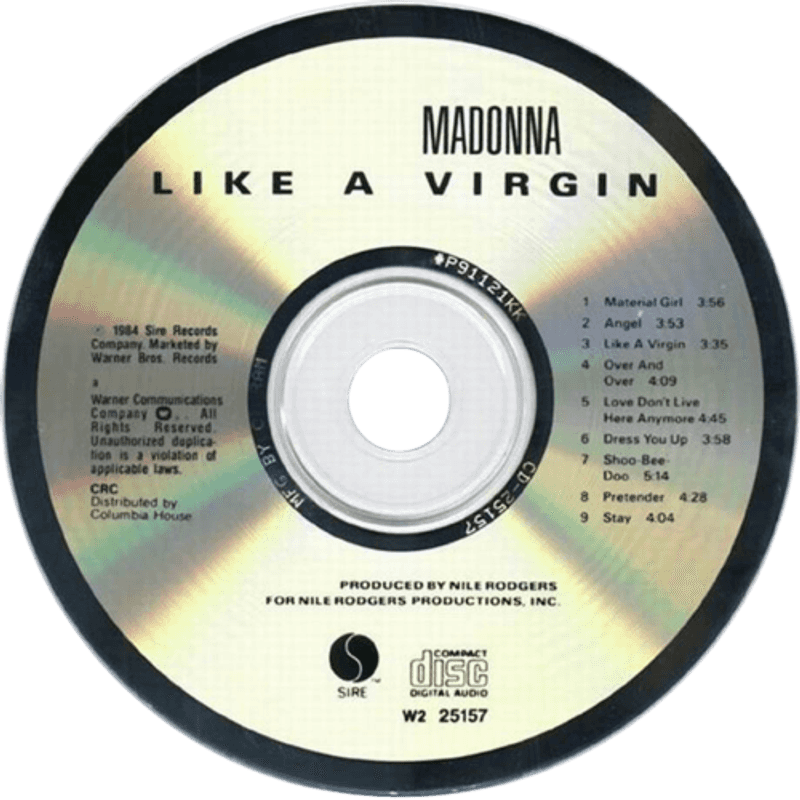
Pop stardom got a new operating manual in 1984. Like a Virgin was not Madonna’s debut, but it was the album that made reinvention, image control, and strategic provocation central parts of modern pop.
Produced by Nile Rodgers, the record matched sharp dance-pop with a persona that felt deliberately constructed and highly visible. The title track and Material Girl were catchy enough for radio, yet the larger breakthrough came from how Madonna used fashion, television, interviews, and controversy as parts of one coordinated project.
That approach mattered because it shifted the role of the pop singer. She was not simply performing songs.
She was managing a brand before the term became unavoidable, while also asserting agency in a business that often preferred women to fit neat categories.
Like a Virgin helped normalize the idea that a pop album could be a visual and cultural statement as much as a musical one. You can see its influence in every artist who treats each release as a full identity reset.
3. U2 – The Joshua Tree (1987)
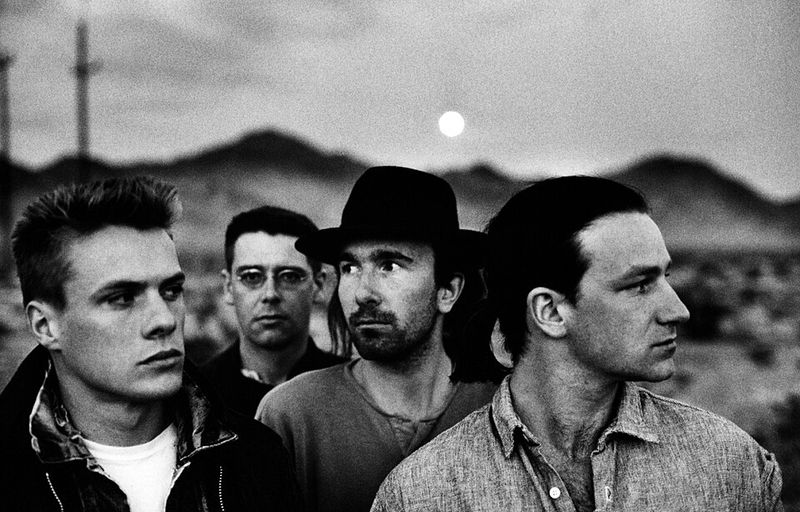
Some albums arrive like a local success story, then suddenly become a global address. The Joshua Tree did that in 1987, pushing U2 from respected rock band to international force with a record that felt large without becoming vague.
Working with Brian Eno and Daniel Lanois, the band shaped songs that balanced spiritual searching, political awareness, and direct hooks. With or Without You and I Still Haven’t Found What I’m Looking For gave mainstream radio emotional depth, while Where the Streets Have No Name turned atmosphere into something arena sized.
The album also mattered because it helped make alternative-minded rock commercially central. U2 drew on American blues, gospel, and roots traditions, but filtered them through an Irish perspective that felt reflective rather than imitative.
That combination widened rock’s emotional vocabulary during an era often associated with polish and spectacle.
The Joshua Tree proved ambitious rock could still reach huge audiences without flattening its ideas. For many later bands, it became evidence that scale and seriousness could share the same stage.
4. Michael Jackson – Thriller (1982)
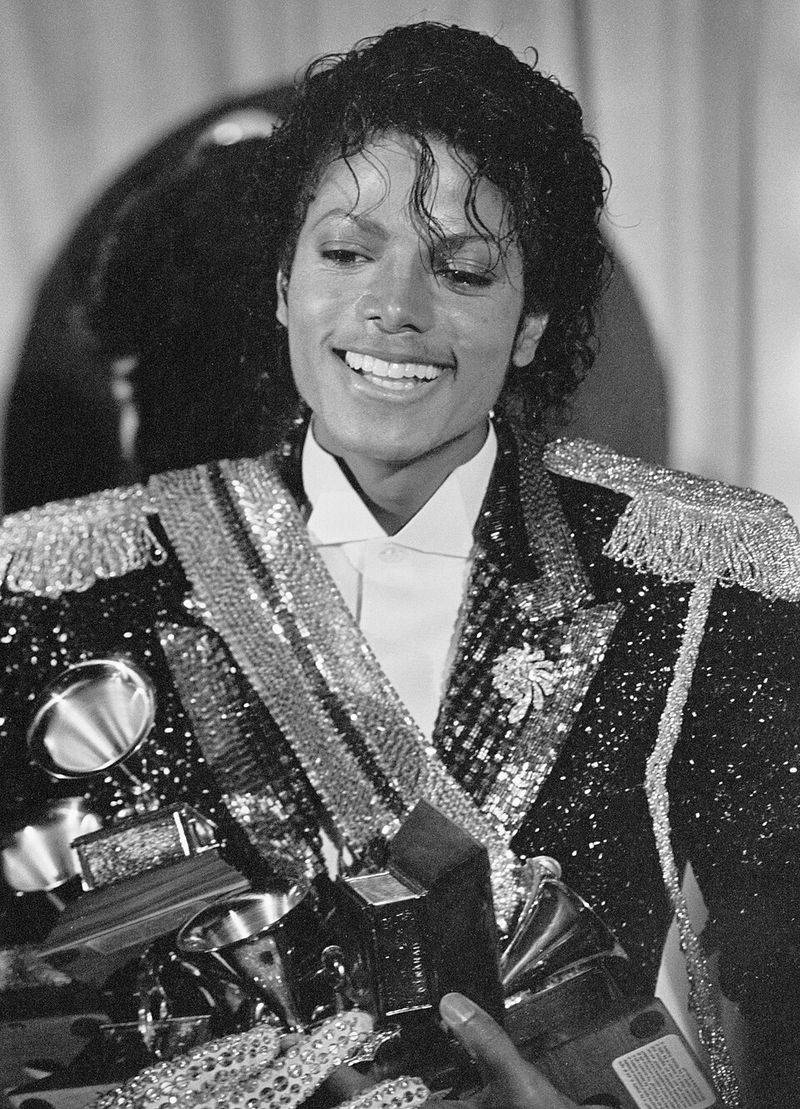
One album turned pop into a worldwide operating system. Released in 1982, Thriller took Michael Jackson from major star to a level of fame that redefined what global success looked like for a recording artist.
Produced with Quincy Jones, the record blended pop, R&B, rock, and funk with unusual precision. Songs like Billie Jean, Beat It, and Wanna Be Startin’ Somethin’ gave radio programmers almost no reason to say no, while the album format itself suddenly felt like an event instead of a container.
Its larger impact came through marketing and video. The short films for Thriller and Billie Jean helped MTV broaden its reach and proved visuals could extend an album’s life for months.
Jackson’s crossover appeal also pushed industry executives to think bigger about international audiences, merchandising, and touring.
Even now, you can trace the modern blockbuster album back to this release. Thriller did not merely top charts.
It changed the scale, ambition, and business logic of pop music forever.
5. Run-D.M.C. – Raising Hell (1986)

Hip-hop stopped asking for permission with this record. Raising Hell, released in 1986, captured Run-D.M.C. at the moment rap moved from a rising movement into a mainstream commercial force with unmistakable authority.
Produced by Russell Simmons and Rick Rubin, the album stripped rap down to hard beats, sharp rhymes, and a commanding group identity. Tracks like Peter Piper and My Adidas showed how style, branding, and lyrical confidence could reinforce one another without losing credibility.
The key turning point, of course, was Walk This Way. By teaming up with Aerosmith on a new version of the song, Run-D.M.C. helped build a visible bridge between rap and rock audiences.
The collaboration did more than sell records. It opened doors for radio, MTV, and promoters who had underestimated hip-hop’s reach.
Raising Hell changed how the music business viewed rap albums, tours, and crossover potential. It did not soften hip-hop for wider consumption.
Instead, it pushed the wider market to meet hip-hop on stronger, louder, and more confident terms.
6. Public Enemy – It Takes a Nation of Millions to Hold Us Back (1988)
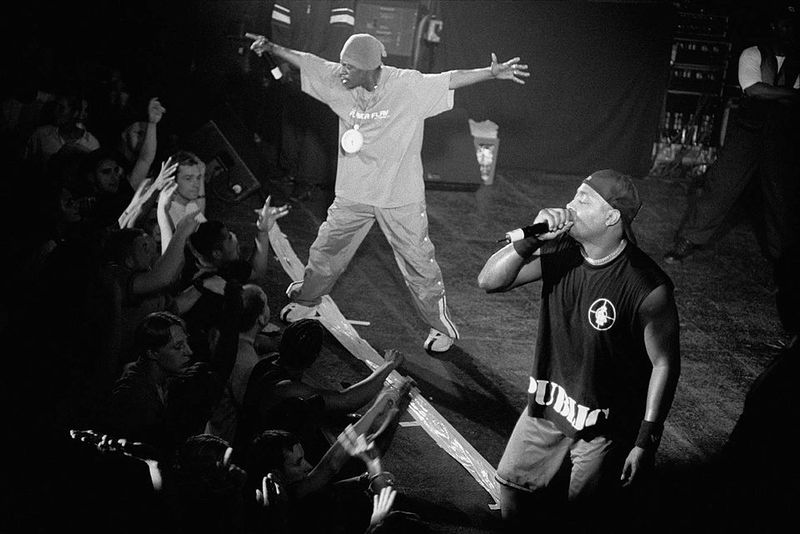
This was the moment hip-hop sounded like a full-scale public argument. Public Enemy’s 1988 album hit with dense production, rapid-fire ideas, and an urgency that made many other records seem cautious by comparison.
Built by the Bomb Squad, the music stacked samples, scratches, sirens, and rhythm fragments into a deliberately crowded design. Chuck D delivered lyrics with a broadcaster’s authority, while Flavor Flav added contrast and unpredictability.
The result felt less like a collection of singles and more like a coordinated media challenge.
Its importance goes beyond politics, though the political force is undeniable. It Takes a Nation of Millions to Hold Us Back expanded what rap production could do and how much information an album could carry.
It showed that hip-hop could be intellectually demanding, sonically adventurous, and still deeply compelling to listeners beyond specialist circles.
Many later artists borrowed pieces of its style, but the larger lesson was structural. A rap album could confront institutions, reshape production standards, and command mainstream attention without reducing its message to something easier and safer.
7. The Smiths – The Queen Is Dead (1986)
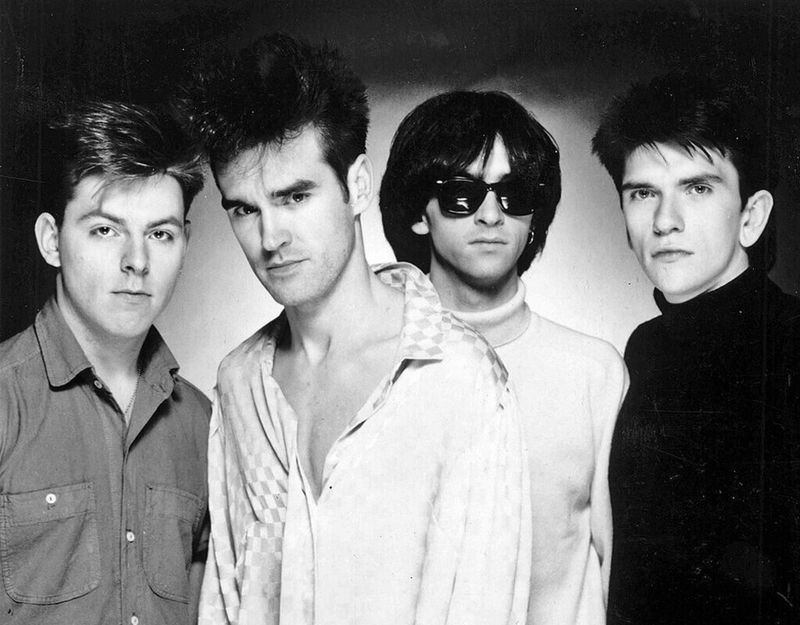
Indie rock found one of its clearest voices in a very sharp suit. The Queen Is Dead, released in 1986, distilled The Smiths’ strengths into an album that made wit, vulnerability, and guitar clarity feel radically important.
Johnny Marr’s playing gave the songs movement without relying on heavy production tricks. Morrissey’s lyrics mixed social observation, irony, self-awareness, and plain refusal to behave like a conventional rock frontman.
Tracks such as There Is a Light That Never Goes Out and Bigmouth Strikes Again turned inward concerns into songs that listeners treated almost like coded messages.
The album’s longer influence sits in its blueprint for alternative music. It made room for bands that valued intelligence, style, and emotional complication over sheer volume or grand gestures.
British indie, American college rock, and later waves of guitar music all drew something from its balance of melody and attitude.
The Queen Is Dead did not dominate charts like some of its peers. Its power came from giving outsiders a language, then proving that language could reshape the center of guitar music.
8. Talking Heads – Remain in Light (1980)
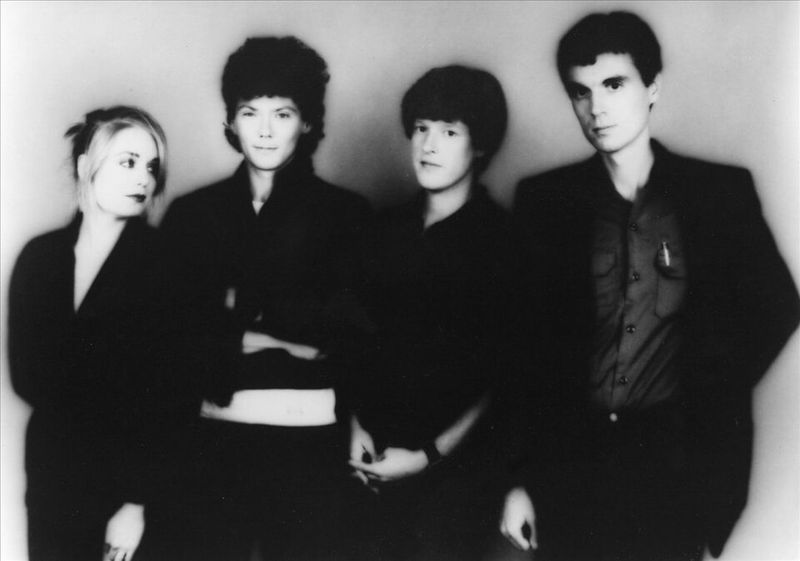
Right at the start of the decade, this album suggested the next decade would not stay tidy. Remain in Light, released in 1980, took Talking Heads far beyond new wave expectations and into a more adventurous musical framework.
Working with Brian Eno, the band used looping structures, interlocking rhythms, funk bass lines, and studio layering to build songs that felt both mechanical and fluid. Once in a Lifetime became the signature track, but the full album mattered because it treated the studio as a compositional tool rather than a neutral recording space.
Its influence spread quietly but widely. Artists across art rock, post-punk, electronic music, and alternative pop borrowed from its repetition, texture, and nontraditional arrangement choices.
The record also helped widen Western pop audiences’ interest in rhythmic ideas drawn from African music, though that conversation remains complex and worth examining carefully.
Remain in Light changed music by proving experimentation could be structured, danceable, and accessible without becoming ordinary. It gave ambitious musicians permission to rethink rhythm, authorship, and what a rock band could actually sound like.
9. Metallica – Master of Puppets (1986)
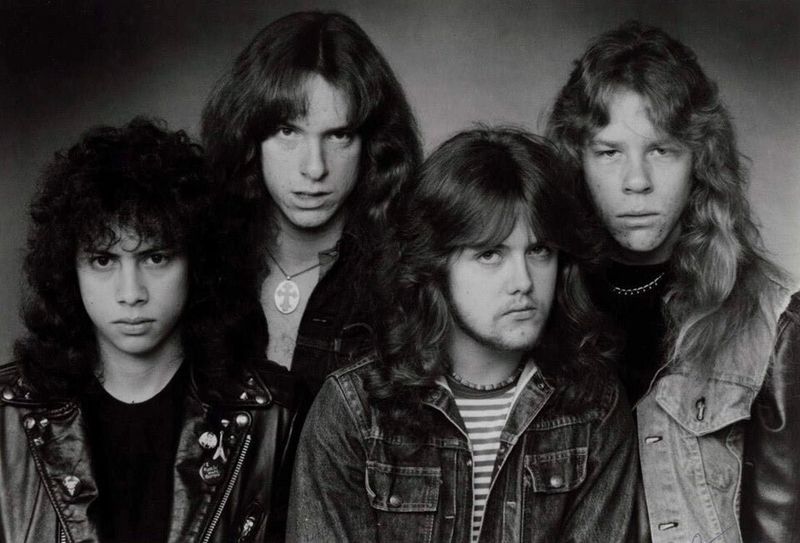
Precision became a weapon on this record. Master of Puppets arrived in 1986 and showed that heavy metal could be fast, technically exact, and compositionally ambitious without losing its direct physical force.
Metallica had already built a strong reputation, but this album sharpened everything. Battery opened with acoustic tension before accelerating into thrash intensity, while the title track and Disposable Heroes balanced complex structures with memorable riffs.
The songs were long, yet rarely indulgent, because each section pushed momentum forward.
The album’s broader importance lies in how it expanded metal’s cultural standing. It gave thrash a definitive statement, one that appealed not only to dedicated fans but also to musicians who admired discipline and scale.
Later metal subgenres, from progressive to extreme forms, repeatedly drew from its approach to arrangement, guitar interplay, and rhythmic control.
Master of Puppets also helped establish albums, not just singles or stage reputation, as the real measure of metal achievement. You can still hear its legacy whenever a heavy band aims for both complexity and impact instead of choosing only one.
10. N.W.A – Straight Outta Compton (1988)
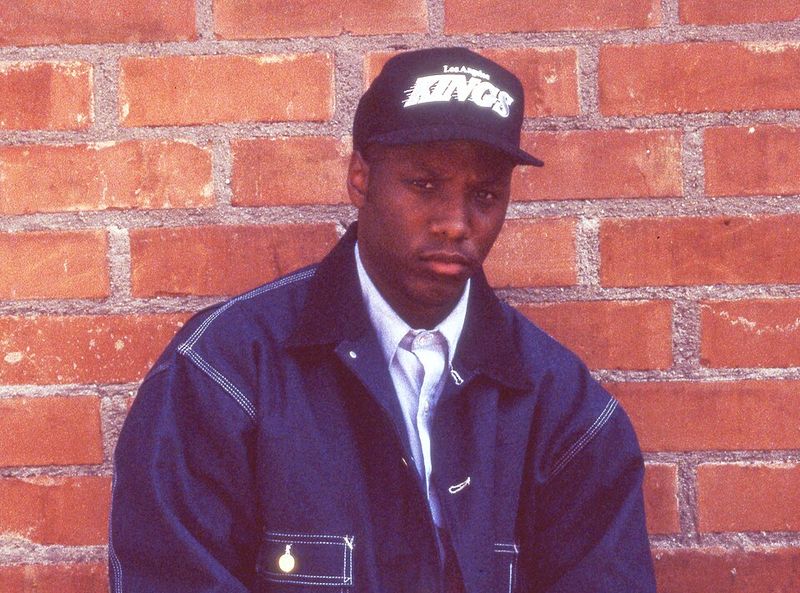
Few debuts announced a new regional power this bluntly. Straight Outta Compton arrived in 1988 and forced the wider music industry to confront West Coast rap as a major cultural and commercial force.
Dr. Dre’s production gave the album a hard, stripped-down framework, while Ice Cube, Eazy-E, MC Ren, and DJ Yella delivered sharply defined perspectives. The record’s language and content triggered intense debate, but its deeper significance came from refusing polished distance.
It treated local experience as central material rather than something to be softened for outsiders.
That stance changed hip-hop’s trajectory. The album helped establish gangsta rap as a dominant commercial form, influenced regional identity in rap marketing, and pushed conversations about censorship, media attention, and artistic freedom into the mainstream.
Whether critics admired it or resisted it, they could not dismiss its reach.
Straight Outta Compton altered the business logic of rap by proving specificity could drive national impact. It made labels look west, made audiences listen differently, and made realism a market force as well as an artistic choice.
11. Depeche Mode – Violator (1989)
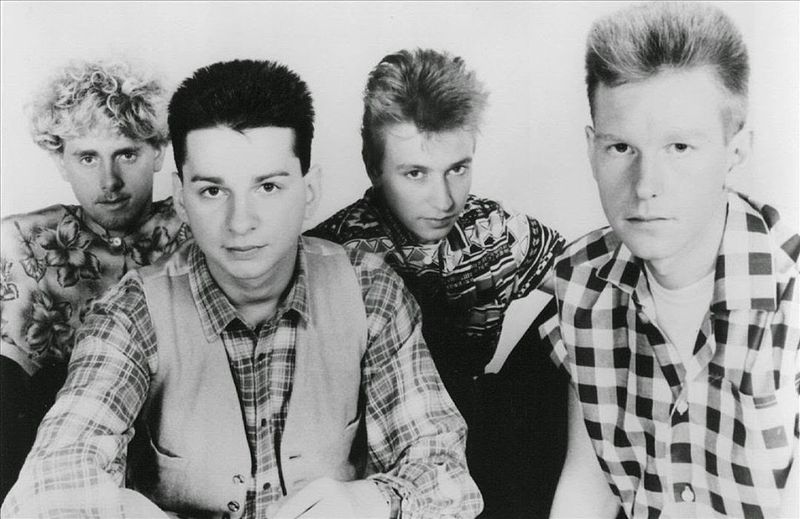
Electronic pop grew up in public on this album. Violator, released in 1989, was not Depeche Mode’s first strong record, but it was the one that turned their dark, synth-driven approach into a major mainstream language.
Personal Jesus and Enjoy the Silence gave the band two of its most durable songs, each pairing sleek hooks with a sense of emotional complexity uncommon in chart pop. Producer Flood and the band refined electronic textures into something leaner and more spacious, proving that programmed music could feel human without mimicking rock conventions.
The album mattered because it helped erase old assumptions about synth music being cold, novelty-based, or tied only to youth trends. Violator offered a more mature model, one that influenced alternative dance, industrial-adjacent rock, and later electronic pop artists who wanted depth without sacrificing accessibility.
By the start of the 1990s, its lessons were already spreading. You can hear Violator in the confidence of acts that treat synthesizers not as decoration but as the central architecture of emotionally resonant, commercially potent popular music.
12. Bruce Springsteen – Born in the U.S.A. (1984)
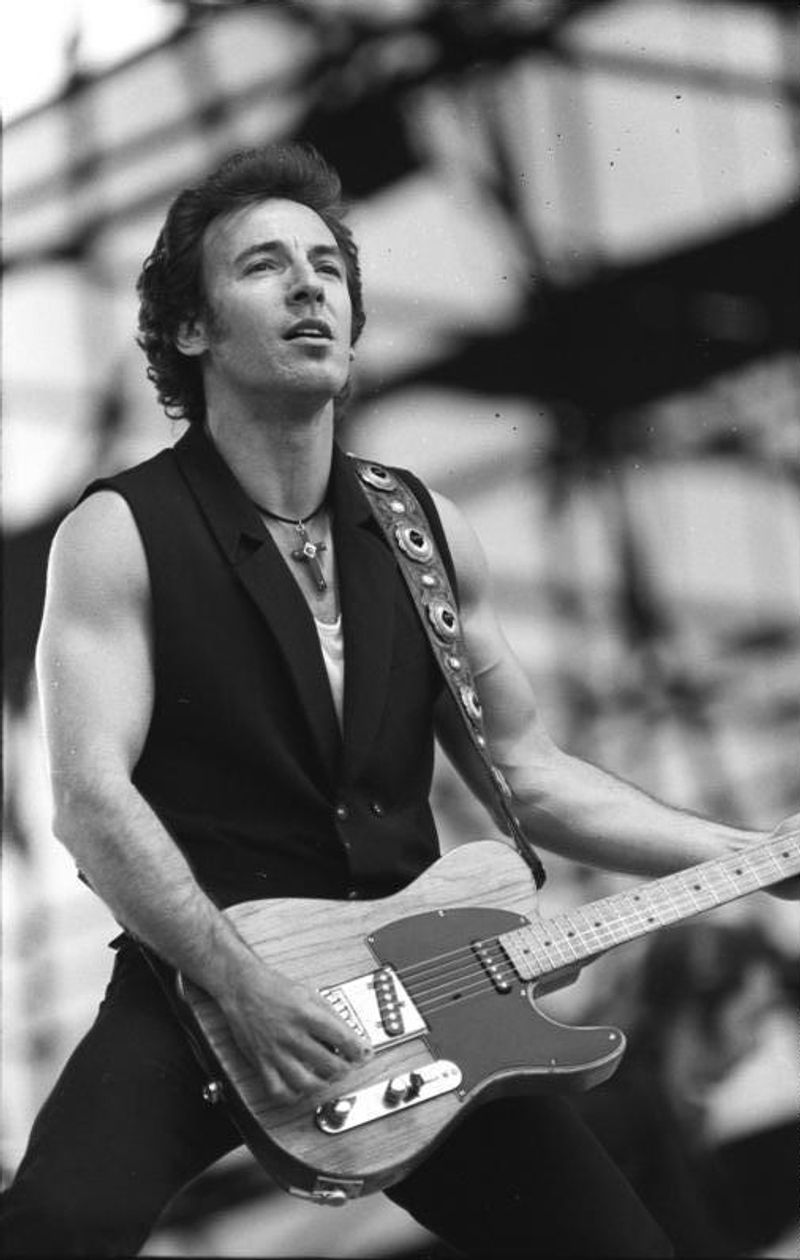
A blockbuster can still carry complicated ideas, and this album proved it. Born in the U.S.A., released in 1984, turned Bruce Springsteen into a stadium-level phenomenon while keeping his focus on workers, pressure, and American identity.
Seven singles reached the Top 10, which already tells you how effectively the record was built for broad reach. Dancing in the Dark, Glory Days, and I’m on Fire widened Springsteen’s audience, yet the title track became especially important because its chorus was often misunderstood when detached from the song’s verses.
That tension between mass appeal and lyrical nuance is exactly why the album matters. It showed that radio success and serious storytelling did not have to cancel each other out.
The record also reflected the growing power of MTV, arena tours, and image management during the mid-1980s, even as Springsteen remained tied to everyday subjects rather than luxury fantasy.
Born in the U.S.A. changed music by proving a mainstream rock album could dominate charts, shape public conversation, and still reward listeners who paid attention to the details instead of only the chorus.



