Georgia is not just peaches and sweet tea. This state is packed with wild swamps, folk-art wonderlands, canyon walls that glow in color, and even a museum dedicated to Bigfoot.
I took a road trip across Georgia last summer, and honestly, my jaw dropped more times than I expected. Get ready, because this list is about to change everything you thought you knew about the Peach State.
Pasaquan, Buena Vista, Georgia
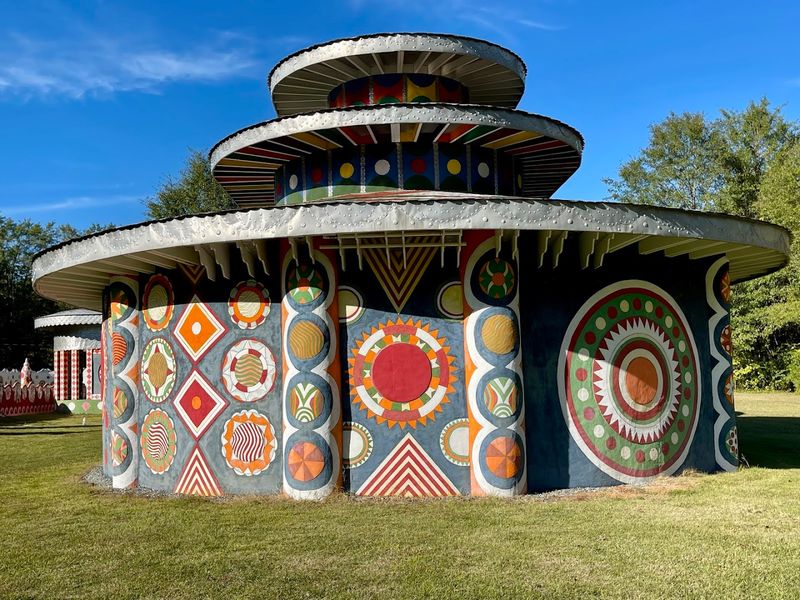
Nobody warned me that a small town in Georgia was hiding one of the most mind-bending art environments in the entire country. Pasaquan is a seven-acre compound covered in wild, colorful murals and sculptural structures created by self-taught artist Eddie Owens Martin, also known as St. EOM.
He spent decades building this place as a spiritual sanctuary, and it shows in every painted inch.
Columbus State University now maintains the site, keeping this visionary masterpiece alive for curious visitors. The colors are bold, the symbols are mysterious, and no two corners look the same.
It is open Friday through Sunday, except during July, December, and holidays, so plan your visit carefully.
Admission is affordable, and guided tours help decode the fascinating story behind the art. If you like places that feel completely unlike anything else on earth, Pasaquan is your kind of weird, wonderful destination.
Providence Canyon State Park, Lumpkin, Georgia
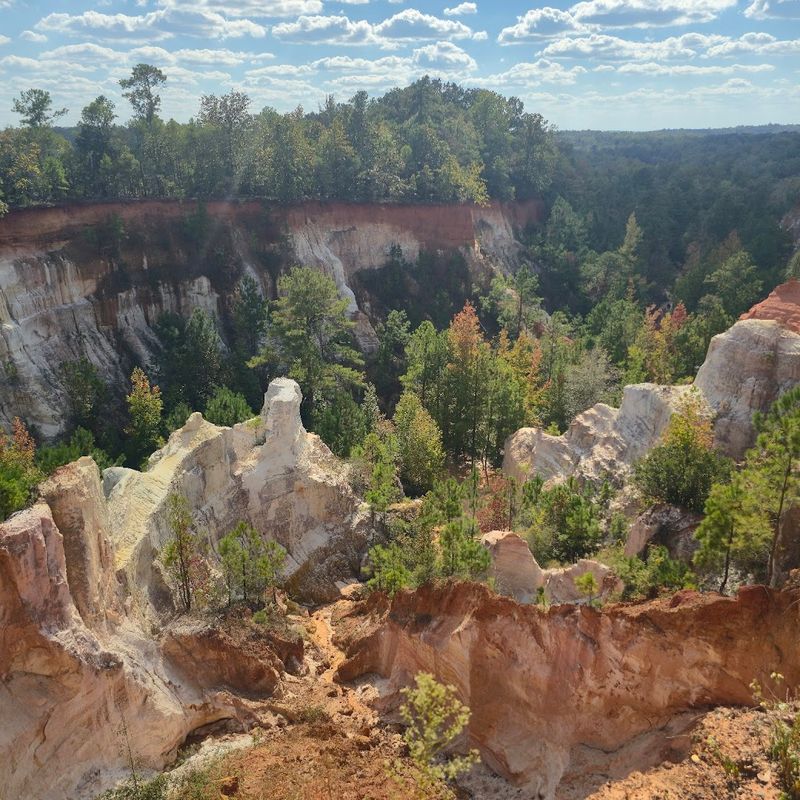
Georgia has its own Grand Canyon, and most people have no idea it exists. Providence Canyon State Park near Lumpkin features walls of pink, red, orange, and lavender that make you feel like you accidentally landed on another planet.
The wildest part? The canyons were caused by poor farming practices in the 1800s, not millions of years of erosion.
There are hiking trails that wind along the canyon rim and drop down into the colorful ravines below. The trails range from easy walks to longer backcountry loops, so hikers of every skill level can enjoy the views.
Spring brings blooming plumleaf azaleas inside the canyon, which is a rare treat.
Admission is low, and the park is open year-round. Go in the morning when the light hits those canyon walls just right.
This is one of those places that earns its nickname, Georgia’s Little Grand Canyon, without any argument.
East Palisades Trail Bamboo Forest, Atlanta, Georgia
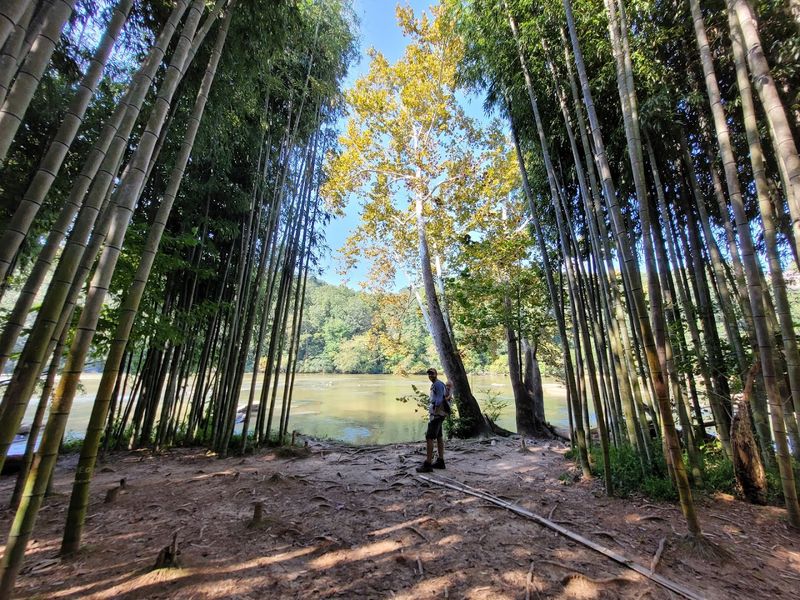
Atlanta is a big, buzzing city, but tucked along the Chattahoochee River is a trail that feels like it belongs in Southeast Asia. The East Palisades Trail passes through a surprisingly dense bamboo forest that stops most first-time visitors dead in their tracks.
Stalks tower overhead, the light filters through in soft patches, and the city noise completely disappears.
The trail is free, open year-round from dawn to dusk, and connects to other riverside paths for longer adventures. The bamboo grove is not the only highlight.
The trail also offers river views, rocky bluffs, and a refreshing escape from urban life that locals genuinely treasure.
Wear sturdy shoes because some sections get muddy after rain. Dogs are welcome on leash, which makes it a popular weekend spot for Atlanta families.
Finding a bamboo forest minutes from a major American city is the kind of surprise that makes Georgia road trips so rewarding.
The Rock Garden, Calhoun, Georgia
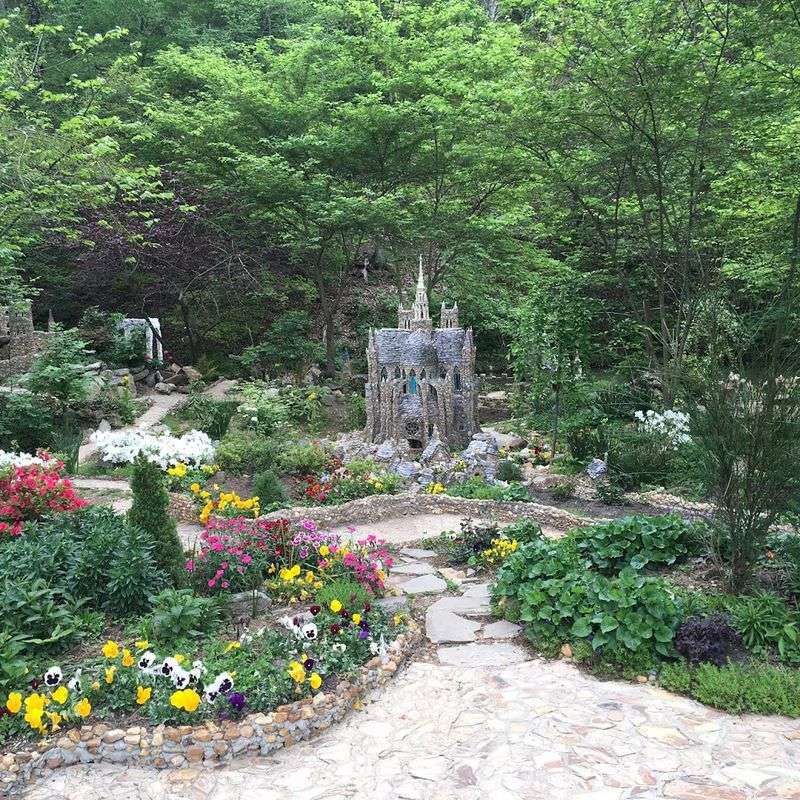
Somewhere in Calhoun, Georgia, a man spent years building a miniature stone village in his yard, and the result is one of the most charming free roadside attractions in the entire South. The Rock Garden features more than 50 tiny buildings crafted from stone, each one detailed and unique.
There are churches, courthouses, bridges, and homes, all shrunk down to a surprisingly convincing scale.
The creator built this as a labor of love, not for fame or profit, which makes it feel genuinely special. Visitors are welcome to walk through and admire the craftsmanship up close.
Hours are listed by season, so check before you go to avoid a disappointing locked gate.
It costs nothing to visit, which makes it an easy stop on any Georgia road trip. Kids especially love spotting all the tiny details tucked into each building.
The Rock Garden proves that extraordinary things often come from the most unexpected places.
Cumberland Island National Seashore, St. Marys, Georgia
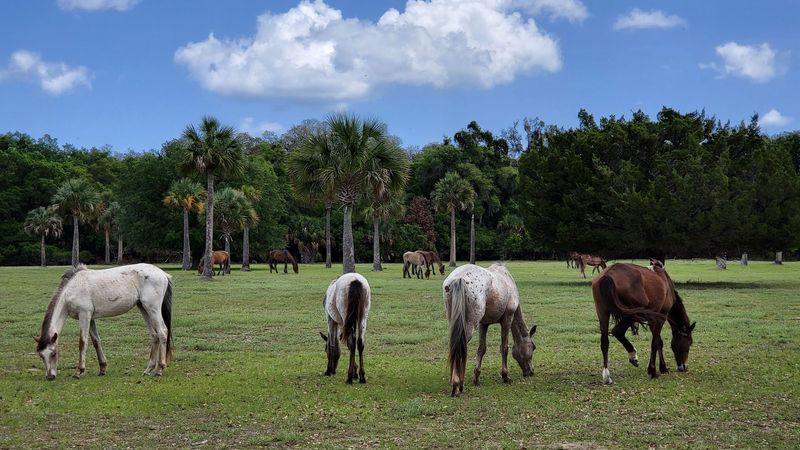
Wild horses roam freely on a remote island off the Georgia coast, and you can only get there by ferry. Cumberland Island National Seashore is one of the most untouched places in the entire eastern United States.
There are no bridges, no crowds, and no fast food joints waiting on the other side. Just beaches, ruins, and horses doing whatever horses feel like doing that day.
The island has the crumbling remains of the Carnegie family mansion, Dungeness, which adds a dramatic, almost haunted quality to the landscape. Hiking trails wind through maritime forest, past ponds full of wildlife, and out to long stretches of empty shoreline.
Camping is available for those who want the full wild-island experience.
Ferry reservations are required and sell out fast, especially in spring and fall. Pack everything you need, because there are very few amenities on the island.
Cumberland Island is the kind of place that stays with you long after you leave.
Paradise Garden, Summerville, Georgia
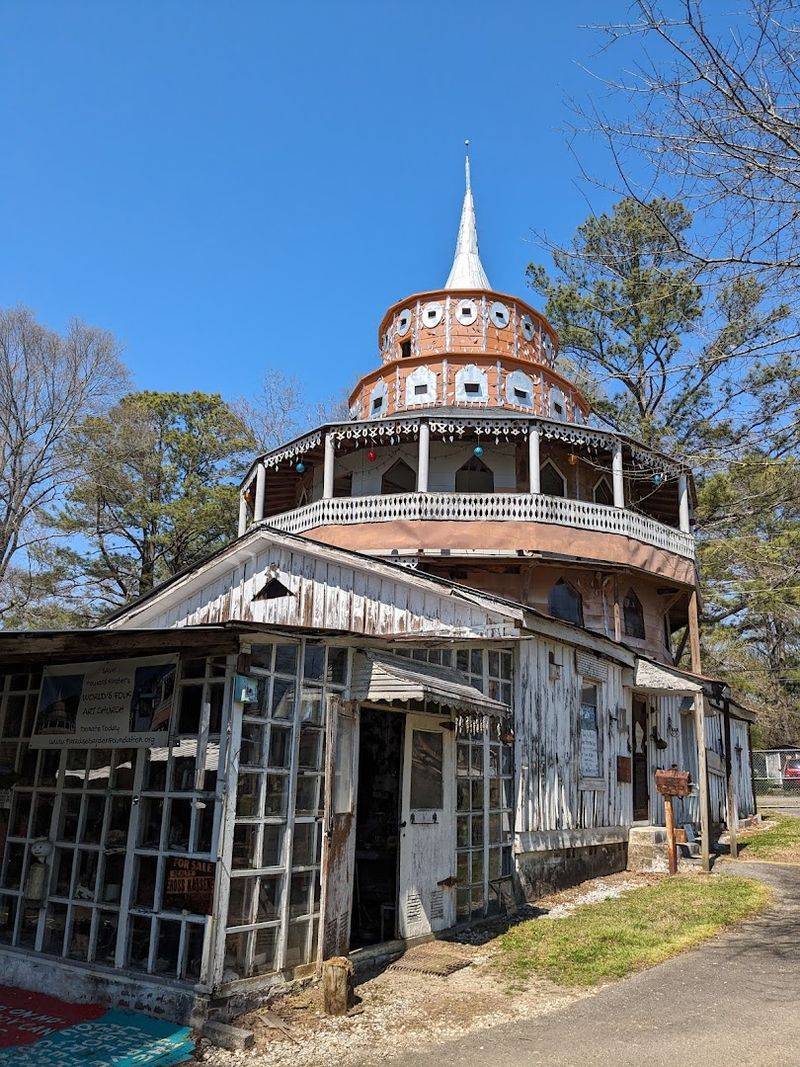
Howard Finster was a Baptist preacher who received a vision telling him to make sacred art, and he did not hold back. Paradise Garden in Summerville is the folk-art wonderland he created over several decades, filling every corner with painted sculptures, mosaic towers, religious messages, and pop culture references that somehow all coexist beautifully.
The man made over 46,000 pieces of art before he passed away in 2001.
Finster became genuinely famous, designing album covers for R.E.M. and the Talking Heads, which brought national attention to this quirky corner of Georgia. The garden fell into disrepair for years but has been lovingly restored and is now open Tuesday through Sunday for visitors to explore.
Walking through Paradise Garden feels like stepping inside someone else’s extraordinary brain. Every surface has something painted, carved, or assembled on it.
For fans of outsider art, American folk culture, or just wonderfully strange places, this is an absolute must-visit destination.
Expedition Bigfoot, Cherry Log, Georgia
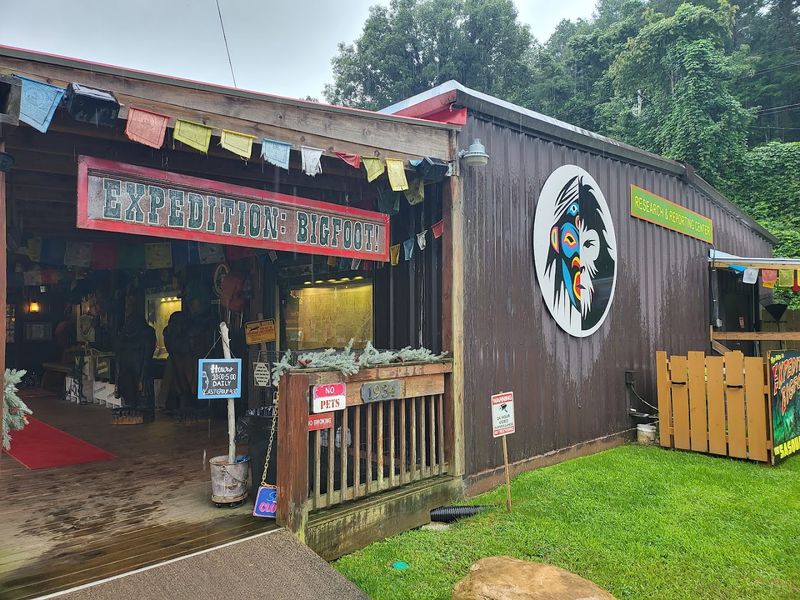
Yes, there is an entire museum dedicated to Bigfoot in the North Georgia mountains, and yes, it is absolutely worth visiting. Expedition Bigfoot in Cherry Log takes the legend of Sasquatch seriously enough to fill a whole building with casts of alleged footprints, eyewitness reports, historical artifacts, and a genuinely impressive collection of cryptid-related research.
Whether you are a true believer or a cheerful skeptic, this place delivers entertainment either way.
The museum is open daily from 10 a.m. to 5 p.m., making it an easy stop on a mountain road trip. Exhibits are well-organized and surprisingly thorough, walking visitors through Bigfoot sightings from across North America with real maps and timelines.
There is even a life-size Bigfoot encounter experience that makes for an excellent photo opportunity. Georgia has more reported Bigfoot sightings than most people realize, which gives this museum some legitimate local context.
Hairy, hilarious, and oddly fascinating, Expedition Bigfoot earns its place on this list without breaking a sweat.
Radium Springs Gardens, Albany, Georgia
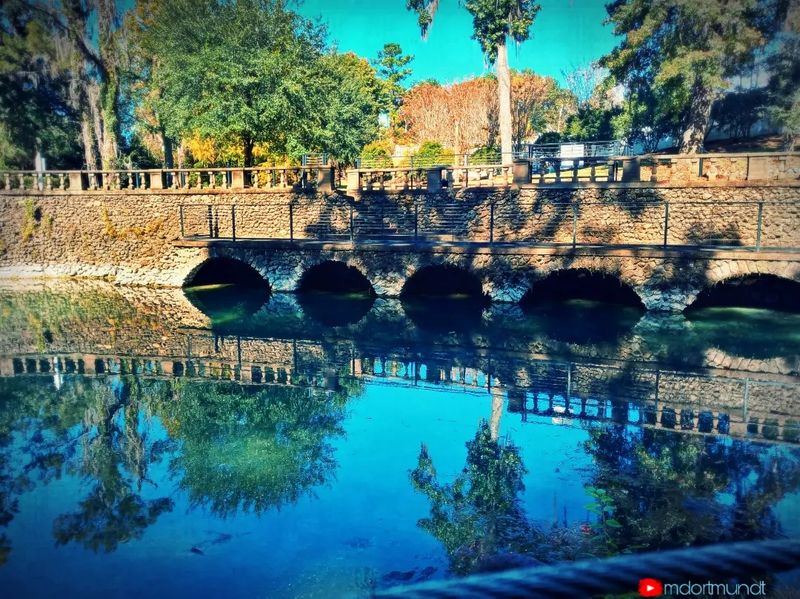
Radium Springs has one of the most dramatic histories of any natural attraction in Georgia. Once considered one of the state’s Seven Natural Wonders, this stunning blue-green spring near Albany drew visitors from across the Southeast for decades.
A beautiful casino and resort once stood here, but floods in 1994 and 2000 left the site in ruins, giving it a haunting, bittersweet beauty that is unlike anything else in the state.
Restoration efforts have brought the gardens back to life, and the site is now open Tuesday through Sunday for visitors who want to connect with this remarkable piece of Georgia history. The water is still a striking shade of blue-green, fed by an underground aquifer that made the spring famous in the first place.
Walking through Radium Springs Gardens feels like discovering a forgotten world. The combination of natural beauty and historical wreckage makes it genuinely unforgettable.
Few places in Georgia carry this much story in one location.
Driftwood Beach, Jekyll Island, Georgia
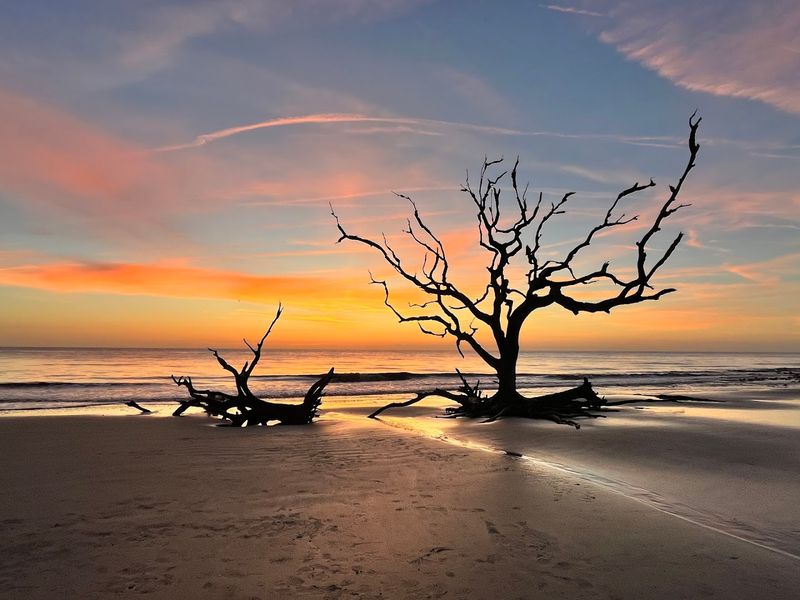
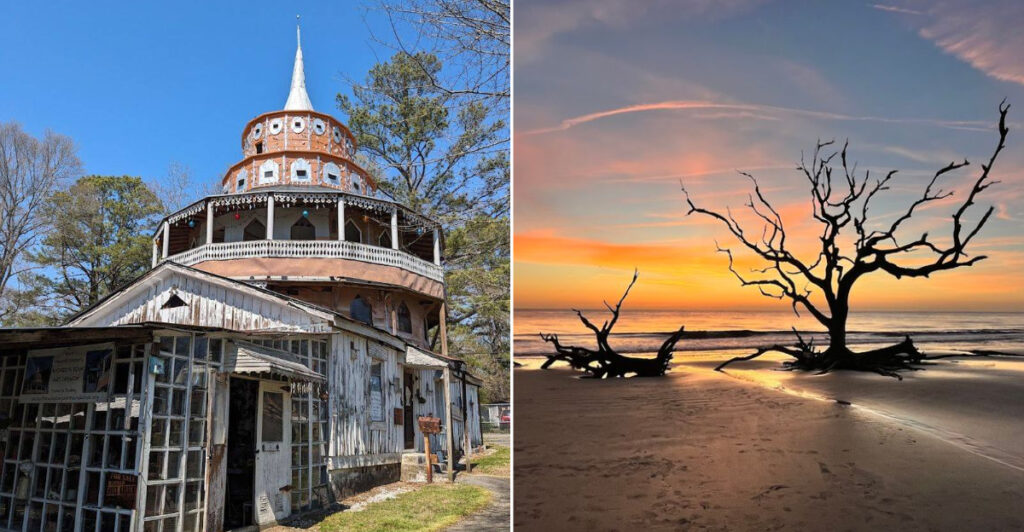
Jekyll Island’s Driftwood Beach looks like the set of a post-apocalyptic movie, but in the best possible way. Ancient trees, bleached white by salt and sun, rise from the sand in twisted shapes that photographers absolutely lose their minds over.
The shoreline is littered with massive driftwood pieces that have been sculpted by decades of tides, wind, and time.
The beach is free to access and open year-round, which makes it one of the most accessible natural wonders on Georgia’s coast. Sunrise visits are especially popular because the early light turns those pale tree trunks into something almost golden.
Bring a camera, because every angle here produces a striking shot.
Jekyll Island itself is a state park, so the entire island has a calm, unhurried vibe that feels refreshingly different from typical beach destinations. Driftwood Beach is the kind of place that makes people stop scrolling and actually look up from their phones.
That alone earns it a spot on this list.
Okefenokee Swamp Park, Waycross, Georgia
The Okefenokee Swamp is one of the largest intact freshwater ecosystems in North America, and most people drive right past it without stopping. That is a serious mistake.
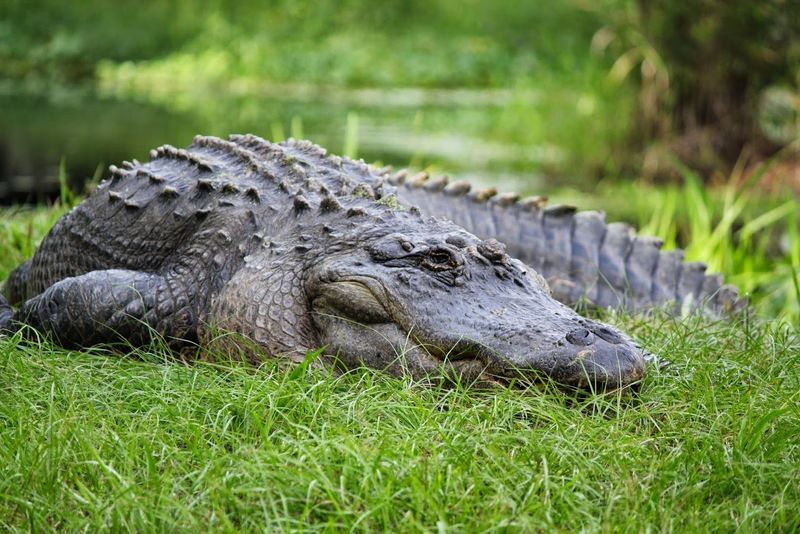
The swamp covers nearly 700 square miles of cypress forests, open prairies, and dark, tannin-stained water that looks like strong tea. Alligators are everywhere, and they are completely unbothered by your presence, which is both thrilling and slightly humbling.
Okefenokee Swamp Park near Waycross is the classic entry point, offering boat tours, elevated walkways, and wildlife viewing platforms. Guides on the boat tours know where to find gators, herons, and turtles without any effort at all.
The sheer density of wildlife here is genuinely staggering.
The park is open year-round, with spring and fall being especially good times to visit. Mosquitoes are aggressive in summer, so pack repellent if you go then.
The Okefenokee is wild, ancient, and completely unapologetic about it.
Tellus Science Museum, Cartersville, Georgia
Tellus Science Museum in Cartersville is the kind of place that turns a casual family road trip into a full-on science adventure. Spread across 120,000 square feet, the museum covers everything from dinosaur fossils and gemstone collections to space exploration and the history of transportation.
It is enormous, well-organized, and genuinely hard to see in just one visit.
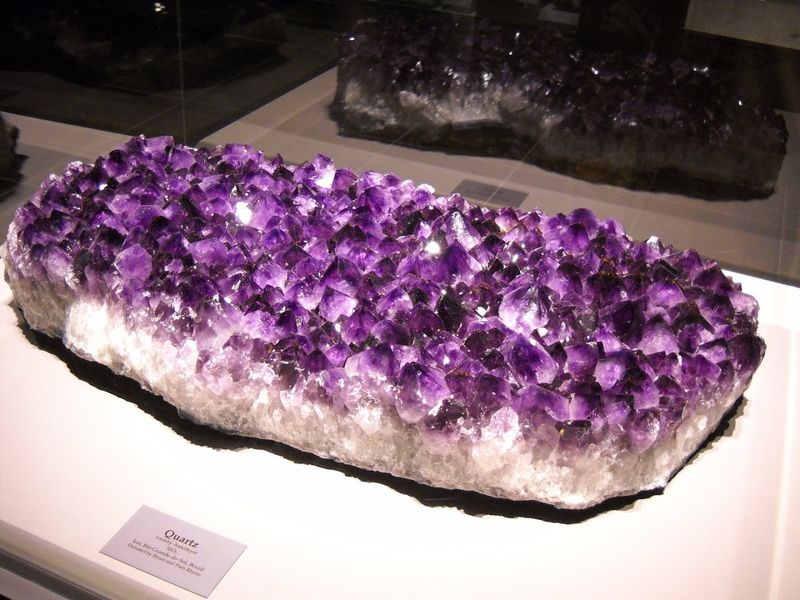
The gem and mineral hall alone is worth the trip, featuring crystals and specimens that look like they came from another world. The fossil gallery has real dinosaur bones that kids can study up close, and the hands-on science exhibits keep younger visitors busy for hours.
The planetarium inside the building adds another layer of cosmic wonder to the whole experience.
Tellus is open seven days a week, which makes scheduling easy. Admission is reasonable for what you get, and the museum gift shop is dangerously tempting.
For science lovers of any age, Tellus is one of the best museum experiences in the entire Southeast.
Booth Western Art Museum, Cartersville, Georgia
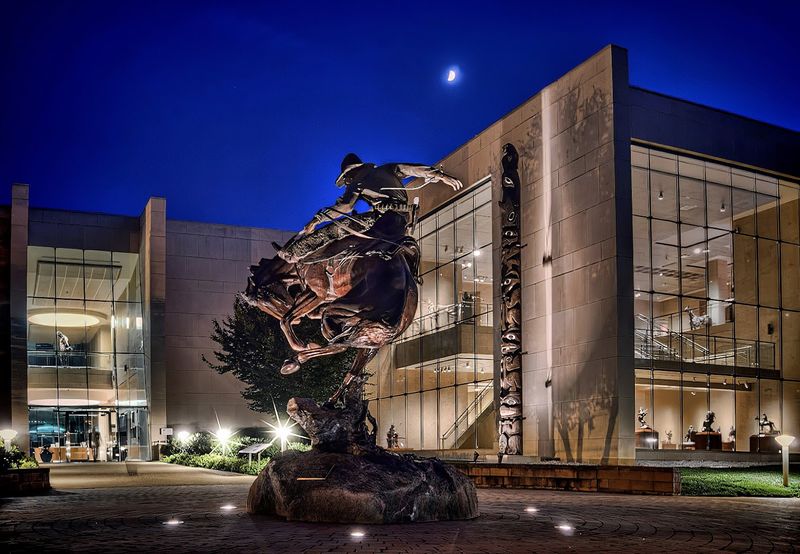
Cartersville is clearly overachieving in the museum department, because it is also home to the Booth Western Art Museum, a Smithsonian-affiliated institution that celebrates the art, history, and mythology of the American West. The collection spans paintings, sculptures, photography, and presidential portraits, all tied together by the grand story of the Western frontier.
It is far larger and more impressive than most visitors expect from a Georgia city.
The museum features work by famous Western artists like Frederic Remington alongside contemporary painters who are keeping the tradition alive. Special exhibitions rotate regularly, giving repeat visitors a reason to come back.
The Presidential Gallery, featuring portraits of every U.S. president, is a surprisingly popular highlight that catches many visitors off guard.
Open Tuesday through Sunday, the Booth is a perfect rainy-day destination or a cultural anchor for a Cartersville weekend. Paired with Tellus next door, it makes Cartersville one of the most unexpectedly rewarding cultural stops in all of Georgia.
Share this story