Asia is filled with famous beach destinations, but some of its most beautiful coastlines remain surprisingly quiet. Often harder to reach or overshadowed by nearby tourist hotspots, these beaches are loved by locals for their calm atmosphere, untouched scenery, and lack of crowds.
These hidden gems reward travelers willing to go a little farther off the beaten path.
Nacpan Beach, Philippines
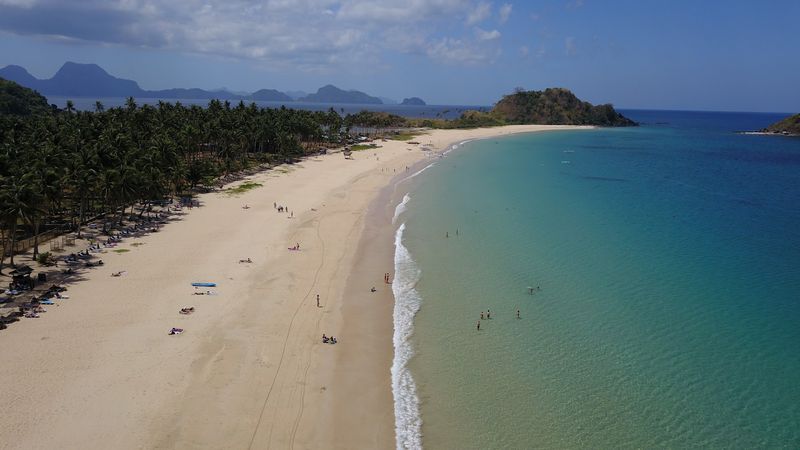
Stretching four full kilometers without a single overpriced beach bar in sight, Nacpan Beach is the kind of place that makes you want to cancel your return flight. Located near El Nido in Palawan, it offers golden sand, swaying coconut palms, and water so calm it looks like glass on a quiet morning.
While El Nido pulls in crowds for its famous island-hopping tours, locals quietly slip away to Nacpan for a completely different experience. The pace here is unhurried, the atmosphere is relaxed, and the sunsets are genuinely show-stopping.
There are no velvet ropes or overpriced cocktail menus to navigate.
Getting here requires a bit of effort, usually a bumpy tricycle ride north of town, but that minor inconvenience is exactly what keeps the beach from becoming another tourist circus. Rent a kayak, eat fresh grilled fish from a local stall, and spend the afternoon doing absolutely nothing.
Travelers who discover Nacpan almost always say the same thing afterward: why did nobody tell me about this sooner?
Natai Beach, Thailand
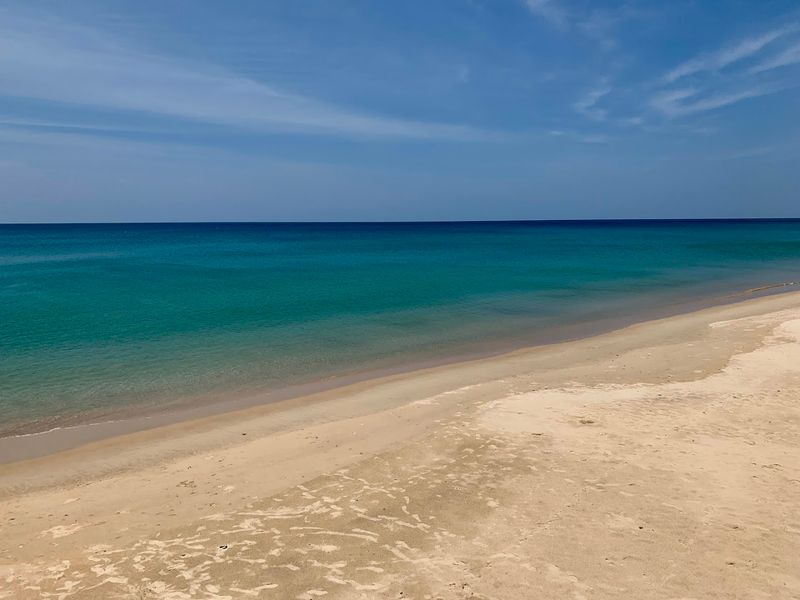
Just a short drive north of Phuket’s chaos sits Natai Beach, quietly doing everything right while somehow avoiding the spotlight. The sand is soft, the Andaman Sea shimmers in shades of jade and blue, and the long shoreline stays refreshingly free of beach clubs pumping out bass-heavy playlists.
Locals have known about this place for years and seem perfectly happy keeping it that way.
Unlike Patong or Kata, Natai has managed to sidestep large-scale commercial development almost entirely. A handful of low-key accommodations dot the area, but nothing that overwhelms the natural scenery.
The beach stretches far enough that you can walk for twenty minutes and still have the sand mostly to yourself.
Natai works best for travelers who want a proper beach experience without the performance of a resort holiday. Bring snacks, a good book, and sunscreen, because shade can be hard to find.
The water is generally calm enough for swimming during the right season, and the sunsets here rival anything Phuket’s famous west coast has to offer. Sometimes the best beach is simply the one nobody is talking about.
Bai Xep, Vietnam
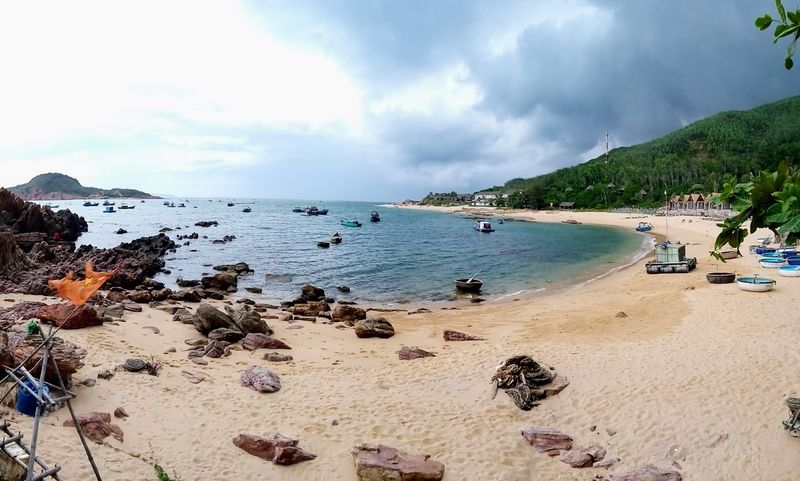
Fishermen still launch their round basket boats from Bai Xep every morning before the sun fully rises, and that daily rhythm is a big part of what makes this small beach in Binh Dinh province so special. The bay curves gently between rocky green hills, the water stays clear, and the whole place feels genuinely lived-in rather than staged for tourists.
Bai Xep sits between the better-known cities of Quy Nhon and Tuy Hoa, which means most travelers zoom straight past it on the way to somewhere else. That works out well for those who do stop.
Fresh seafood is cheap, the guesthouses are simple but comfortable, and the mornings here are almost ridiculously peaceful.
The beach itself is not huge, but its intimate size is actually part of its appeal. Rocky outcroppings frame the bay on both sides, creating natural barriers that keep the waves gentle and the atmosphere enclosed.
Travelers who spend even one night in Bai Xep tend to extend their stay by several more days. The place has a way of making a busy travel itinerary feel completely unnecessary.
Slow down, eat well, and let the village do the rest.
Kapas Island, Malaysia
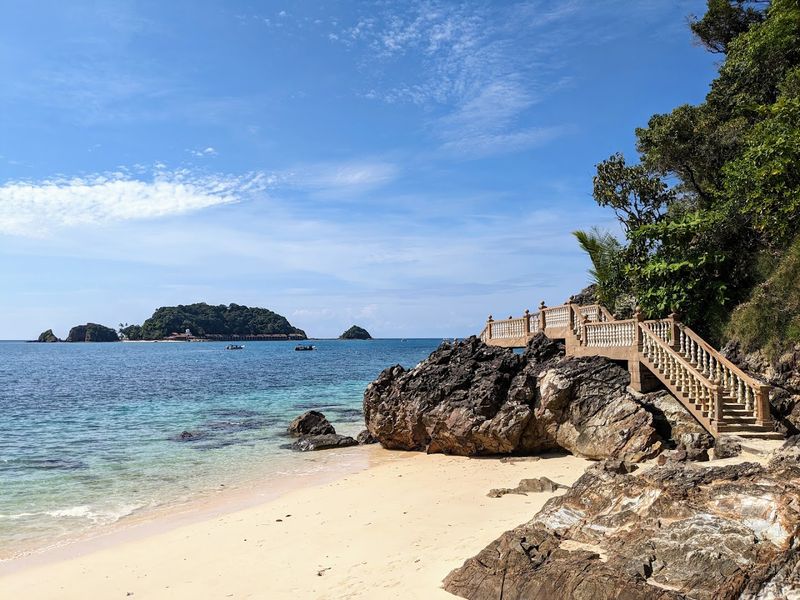
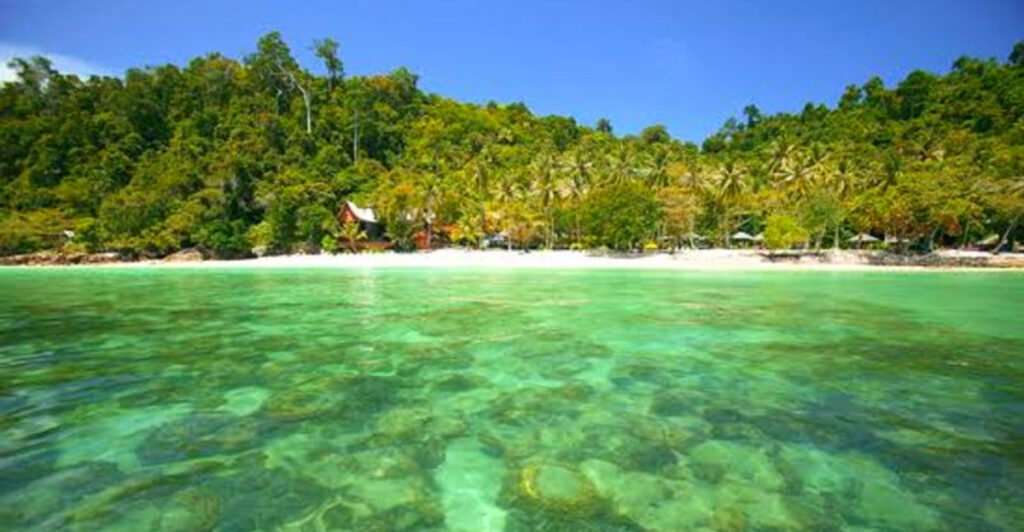
Kapas means cotton in Malay, and the beach here absolutely earns that name with sand so fine and white it almost looks fake. Located off the east coast of Terengganu state, Kapas Island sits close enough to the mainland for a short ferry ride but feels worlds away from any kind of tourist infrastructure.
Most visitors are Malaysian, which tells you something important about what kind of place this actually is.
The coral reefs surrounding the island are in genuinely good shape, making snorkeling and casual diving a real highlight rather than a disappointing afterthought. Sea turtles occasionally pass through the area, and the fish life around the reef edges is colorful and active.
The water clarity here on a calm day is the kind that makes you forget to breathe for a second.
Development on Kapas has stayed deliberately limited, with mostly small guesthouses and simple beach chalets rather than large hotel complexes. The island shuts down almost entirely outside of the April to October tourist season, which adds to its off-the-radar charm.
Pack light, bring cash, and prepare for slow Wi-Fi. Some of the best beach experiences require a small sacrifice in connectivity.
Saracen Bay, Koh Rong Samloem, Cambodia
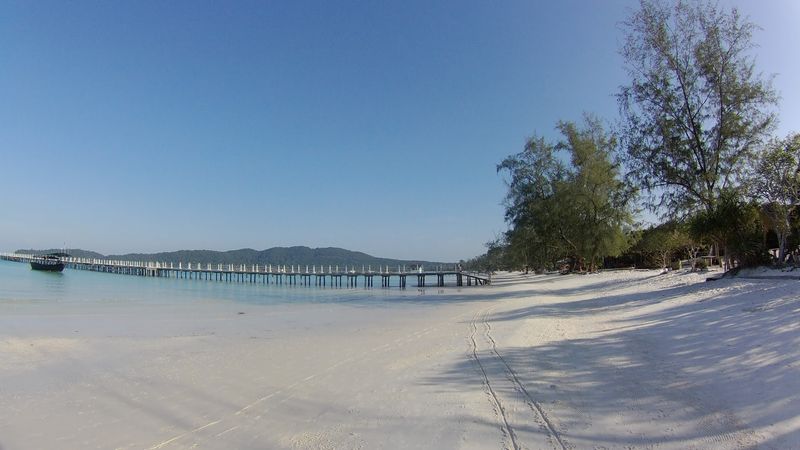
Saracen Bay has a reputation for being the kind of place that quietly ruins every beach you visit afterward. Situated on Koh Rong Samloem, a short boat ride from Sihanoukville, the bay offers calm, shallow water perfect for wading, swimming, and doing nothing in particular with great enthusiasm.
The sand is white, the palms lean at photogenic angles, and the atmosphere stays genuinely relaxed.
Unlike the main party beaches on nearby Koh Rong, Saracen Bay attracts travelers who would rather watch bioluminescent plankton glow at night than find the nearest beach bar. Eco-friendly accommodations are the norm here, and the general vibe leans toward hammocks and early bedtimes rather than late-night noise.
Locals appreciate that the bay has kept its identity despite growing interest from international visitors.
The bay also offers decent snorkeling just off the shore, and boat trips to nearby deserted beaches are easy to arrange. Food options are simple but satisfying, with fresh catches prepared at the small restaurants along the waterfront.
Getting here requires a ferry and some patience, but Saracen Bay rewards that effort generously. Travelers who value stillness over stimulation will feel completely at home here.
Yonaguni Island, Japan
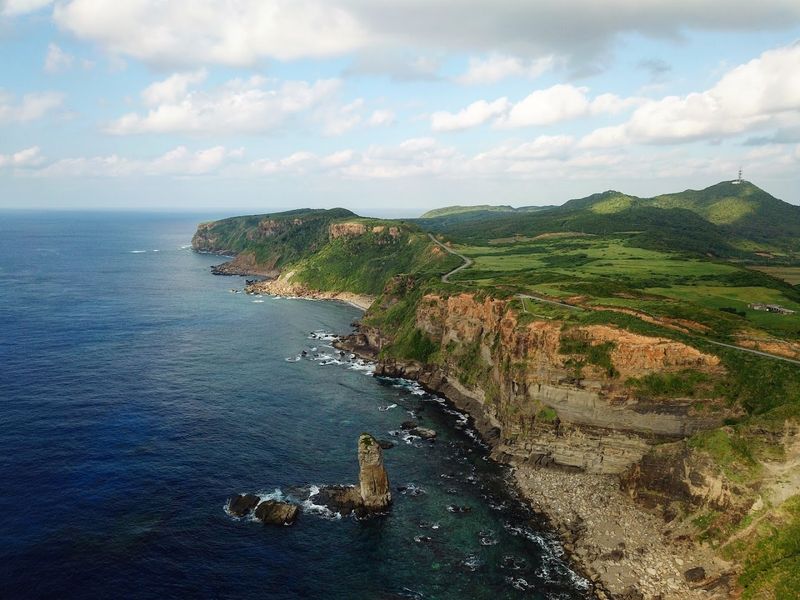
Yonaguni Island sits so far west in the Japanese archipelago that on a clear day you can actually see Taiwan from its cliffs, which gives the whole place an edge-of-the-world feeling that is hard to shake. The beaches here are not the wide tropical stretches of Southeast Asia, but they carry a wild, dramatic quality that feels entirely their own.
Rocky outcroppings, clear water, and almost zero tourist crowds make every visit feel like a private discovery.
The island is most famous among divers who come to explore the so-called Yonaguni Monument, a series of mysterious underwater rock formations that some researchers believe may be man-made ruins. Whether ancient architecture or natural geology, the formations are genuinely fascinating and add a layer of intrigue to any trip.
Above water, the coastal scenery is equally compelling.
Getting to Yonaguni requires a flight from Okinawa and a willingness to embrace a very slow pace of island life. There are no international chain hotels, no tourist shopping streets, and no crowds.
Wild horses roam parts of the island freely, which feels like something out of a dream. Yonaguni rewards the curious traveler who does not need a packed itinerary to feel satisfied.
Bai Mon, Vietnam
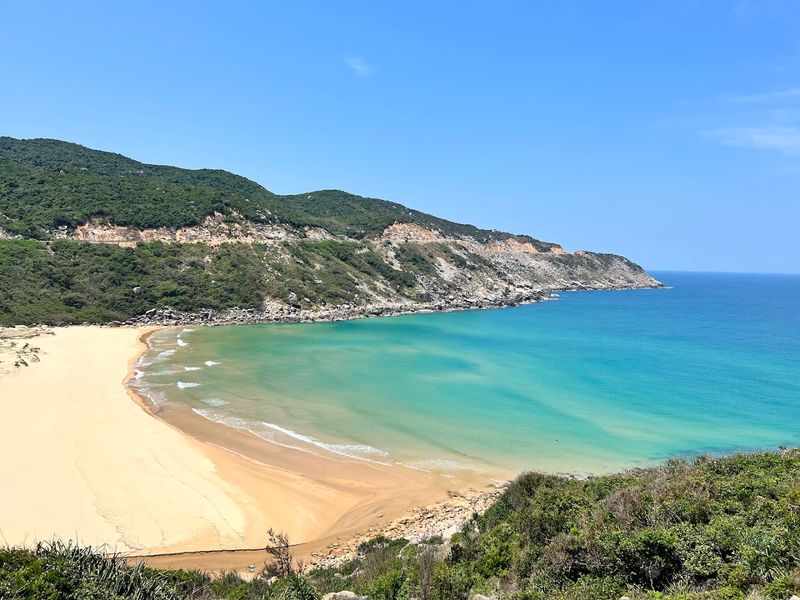
Perched beneath a century-old lighthouse on a rocky headland in Phu Yen province, Bai Mon is the kind of beach that looks like it belongs on a postcard nobody has printed yet. The sand is soft, the water is calm, and the surrounding green hills give the whole scene a lush, almost theatrical framing.
Most international travelers heading along Vietnam’s central coast completely bypass this stretch, which is exactly why it remains so lovely.
The lighthouse at Mui Dien sits just above the beach and is one of the oldest in Vietnam, adding a genuine historical footnote to what would already be a beautiful natural setting. Local fishermen use the bay regularly, and their colorful boats bobbing offshore add life and color to the view without disturbing the peaceful atmosphere.
Phu Yen province as a whole is growing slowly in popularity among Vietnamese domestic travelers who are looking for an alternative to the resort towns of Nha Trang and Da Nang. Bai Mon remains one of its quietest rewards.
Accommodation options nearby are basic but perfectly functional. Come for the solitude, stay for the sunrise views from the lighthouse path, and leave wondering why you did not plan a longer stop.
Pulau Derawan, Indonesia
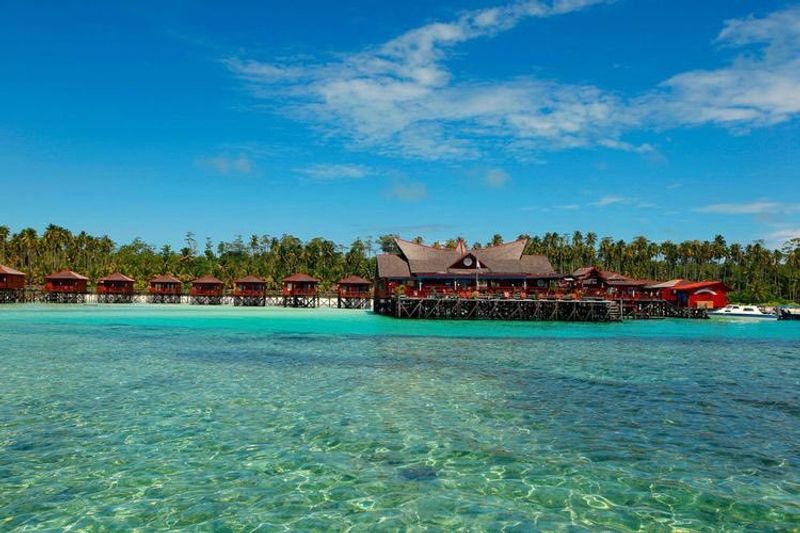
Sea turtles nest on Pulau Derawan’s beaches so regularly that spotting one gliding through the shallows barely raises an eyebrow among the locals who live here. Located in the remote waters of East Kalimantan on the island of Borneo, Derawan is one of those places that marine life enthusiasts dream about but rarely make it to.
That remoteness is its greatest protection and its greatest gift.
The coral reefs surrounding the island host an extraordinary range of marine species, including manta rays, jellyfish lakes, and schools of fish dense enough to block out the light. Snorkeling and diving here feel less like recreational activities and more like genuinely rare encounters with an underwater world that has not yet been loved to death by mass tourism.
Getting to Derawan involves flights to Berau followed by a boat ride, which filters out casual visitors and keeps the island population small and unhurried. The guesthouses are simple, the seafood is fresh, and the pace of life moves at the ocean’s own rhythm.
Bali this is not, and that is entirely the point. Pulau Derawan is for travelers who want their beach experience to come with a side of genuine wonder rather than a poolside cocktail menu.
Trang Archipelago, Thailand
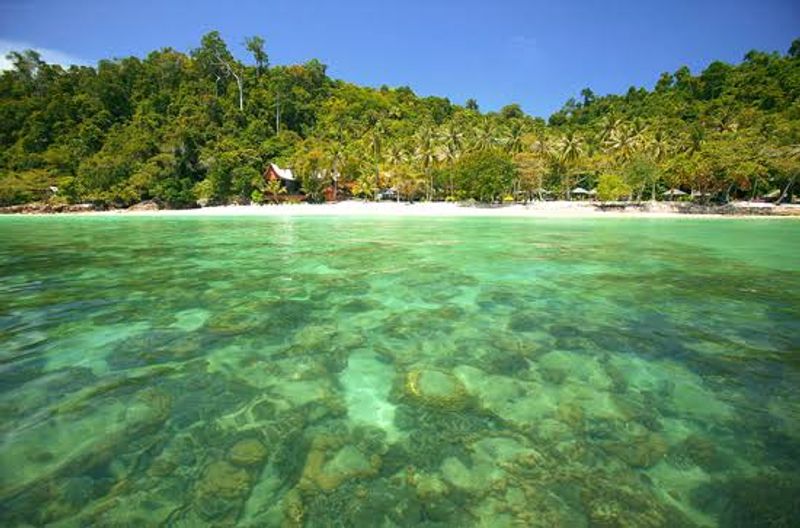
While tourists pile onto speedboats heading to Krabi and Phuket, a quieter set of islands sits just to the south, largely unbothered and thoroughly pleased about it. The Trang Archipelago includes islands like Koh Mook, Koh Kradan, and Koh Ngai, each offering beaches, sea caves, and coral reefs without the infrastructure overload of Thailand’s more famous destinations.
Thai travelers who know their country well tend to rate Trang extremely highly.
Koh Mook is home to the Emerald Cave, a sea cave accessible only by swimming through a dark tunnel at low tide, which opens into a hidden lagoon with its own tiny beach inside. That alone is worth the trip.
Koh Kradan regularly appears on lists of Thailand’s most beautiful beaches but somehow still manages to feel uncrowded on most days.
The ferry connections to the Trang islands are less frequent than those serving the Krabi or Samui areas, which naturally limits visitor numbers and keeps the atmosphere genuinely relaxed. Accommodation ranges from basic beach bungalows to small boutique resorts, all sharing the same laid-back island sensibility.
Trang rewards patience and a flexible schedule, and it repays both generously with scenery that rivals anything the country’s famous beach circuit has to offer.
Ngapali Beach, Myanmar
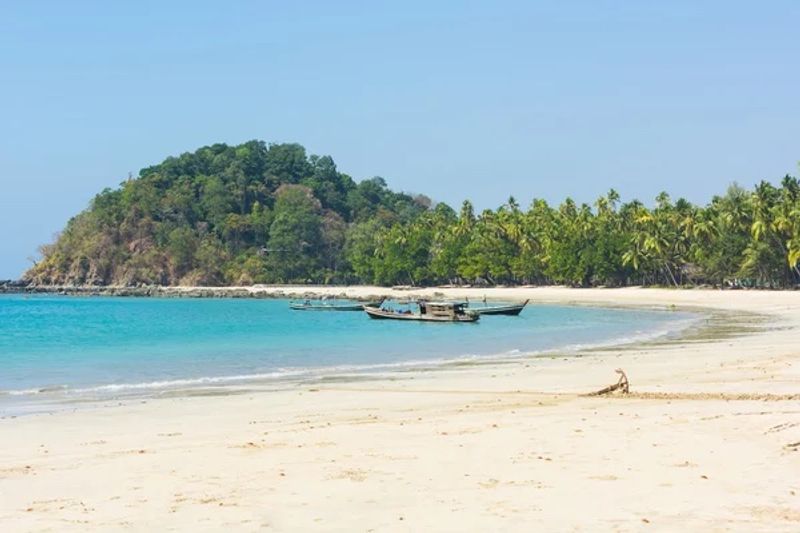
Named, somewhat randomly, after Naples, Italy, by a homesick European traveler long ago, Ngapali Beach has an identity that is entirely its own. The long, palm-shaded shoreline runs along Myanmar’s Bay of Bengal coast, backed by small fishing villages where the daily routine of mending nets and launching boats continues much as it always has.
The beach has an unhurried elegance that feels genuinely rare.
Political instability in Myanmar has significantly reduced international tourism in recent years, which has left Ngapali quieter than it has been in decades. For travelers who are able to visit responsibly and safely, the beach offers an experience that feels almost untouched by the commercial forces that have reshaped so many other Asian coastal destinations.
Fresh seafood is a major highlight here, with grilled fish and shellfish available directly from local vendors at prices that seem almost too reasonable to be true. The sunsets over the Bay of Bengal paint the sky in deep oranges and pinks most evenings, and the absence of beachfront nightlife means you can actually hear the waves.
Ngapali is not the easiest destination to reach or navigate right now, but its natural beauty and quiet dignity make it genuinely unforgettable for those who do visit thoughtfully.
Pink Beach, Komodo National Park, Indonesia
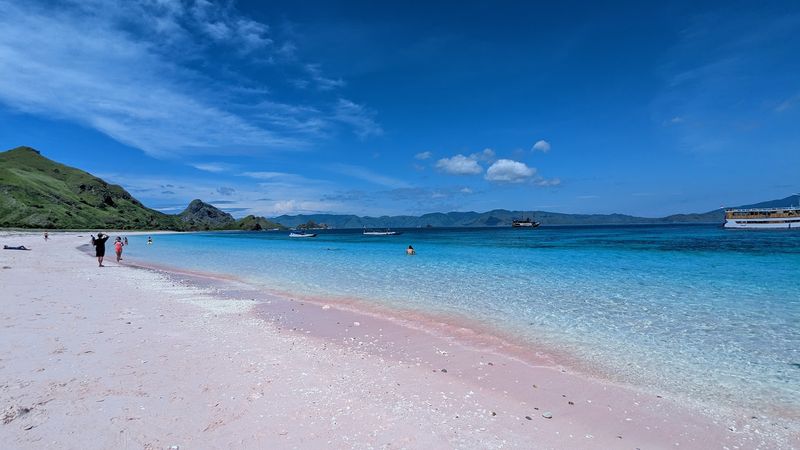
Only about seven beaches in the entire world have naturally pink sand, and one of them is hiding inside Komodo National Park in eastern Indonesia. The rosy tint comes from tiny fragments of red coral mixing into the white sand over centuries, creating a shoreline color that looks almost too unusual to be natural.
Standing on it for the first time tends to produce a moment of genuine disbelief.
Pink Beach is accessible by boat from Labuan Bajo, typically as part of a Komodo tour that also includes the famous Komodo dragons. While those prehistoric lizards understandably steal most of the attention, the beach itself is a highlight that deserves equal billing.
The snorkeling just offshore is outstanding, with healthy coral gardens and a dazzling variety of reef fish in surprisingly shallow water.
Visitor numbers to Komodo National Park have been rising steadily, and Indonesian authorities have introduced entry restrictions to protect the ecosystem. Booking in advance and visiting with a responsible operator is increasingly important.
The beach still feels remote compared to Bali or Lombok, largely because of the logistics involved in getting there. That effort creates a natural filter, keeping Pink Beach in the hands of travelers who genuinely appreciate what they are looking at.
Alona Beach, Panglao Island, Philippines
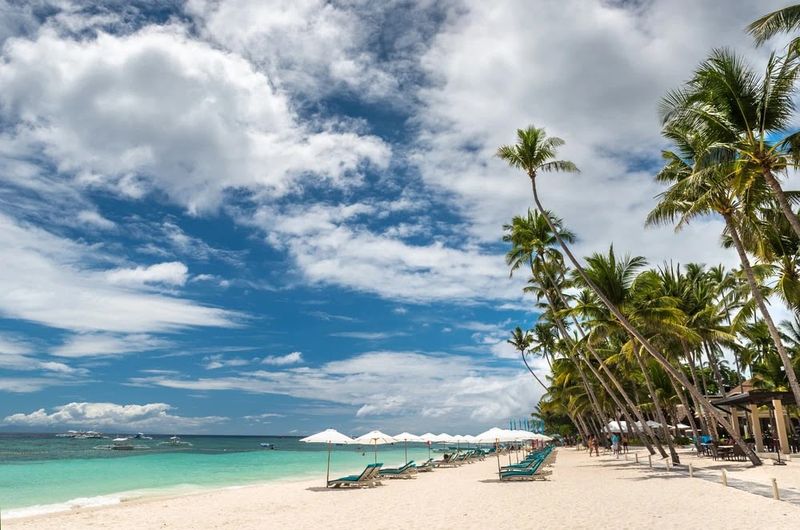
Alona Beach has a funny reputation among seasoned Philippines travelers: technically discovered, technically popular, but somehow still managing to feel like it has not fully given up its soul to mass tourism. Located on Panglao Island in Bohol province, the beach curves gently around a bay of calm, clear water that turns an almost unreasonable shade of turquoise on sunny mornings.
Divers have been quietly obsessed with this place for decades.
The coral reefs just offshore are among the most accessible in the Philippines, with dive sites suitable for beginners and experienced divers alike. Whale sharks occasionally pass through the nearby waters during certain seasons, which elevates an already impressive marine lineup into something truly extraordinary.
Snorkelers working the reef edge near the beach can spot sea turtles on a good day without even renting a boat.
The beachfront strip has a handful of guesthouses, small restaurants, and dive shops, but the scale stays manageable rather than overwhelming. Outside of the peak December to May season, Alona settles into a noticeably quieter rhythm that locals genuinely prefer.
Island-hopping day trips to nearby sandbars and deserted beaches are easy to arrange and affordable. Panglao rewards visitors who take the time to look beyond Bohol’s famous Chocolate Hills and stay a little longer by the water.
Share this story