America is absolutely packed with jaw-dropping landscapes that make you stop, stare, and forget what you were even doing. From towering canyon walls to ancient forests so tall they seem to poke the clouds, this country has scenery that belongs on a postcard.
I took my first real road trip at 22, and honestly, nothing could have prepared me for just how massive and wild these places actually are. Whether you are a seasoned hiker or someone who prefers admiring views from a comfortable overlook, these 12 places will absolutely blow your mind.
Yosemite National Park, California
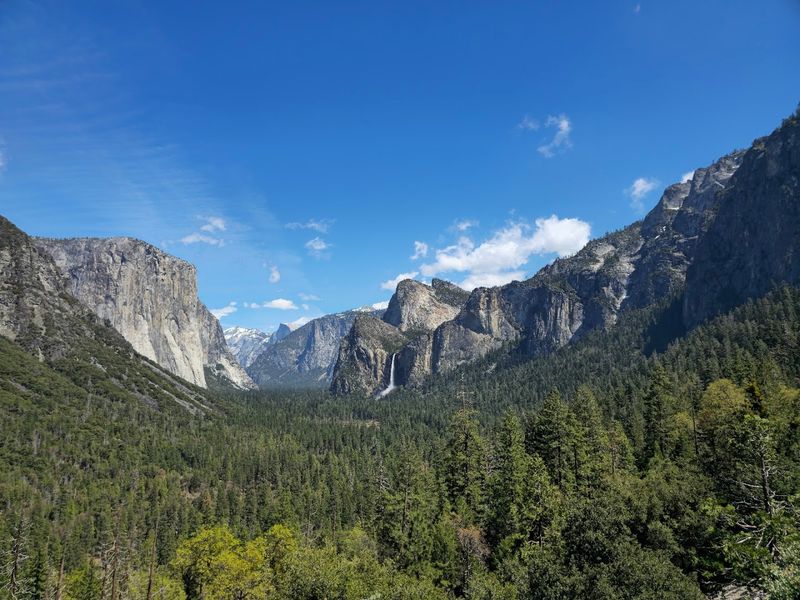
Half Dome does not care how fit you think you are. Yosemite National Park sits in California’s Sierra Nevada mountains and delivers some of the most dramatic granite scenery on the entire planet.
El Capitan rises nearly 3,000 feet straight up, and rock climbers from around the world come just to attempt it.
The valley floor is surprisingly accessible. You can drive in, hop on a free shuttle, and reach iconic viewpoints without breaking a sweat.
Tunnel View is one of those spots where every single person pulls out a camera immediately.
Spring is the best season to visit if you want the waterfalls roaring at full power. Yosemite Falls, one of the tallest waterfalls in North America, puts on a serious show after snowmelt.
Book your campsite or lodge months in advance because spots fill up faster than you would ever expect.
Glacier National Park, Montana
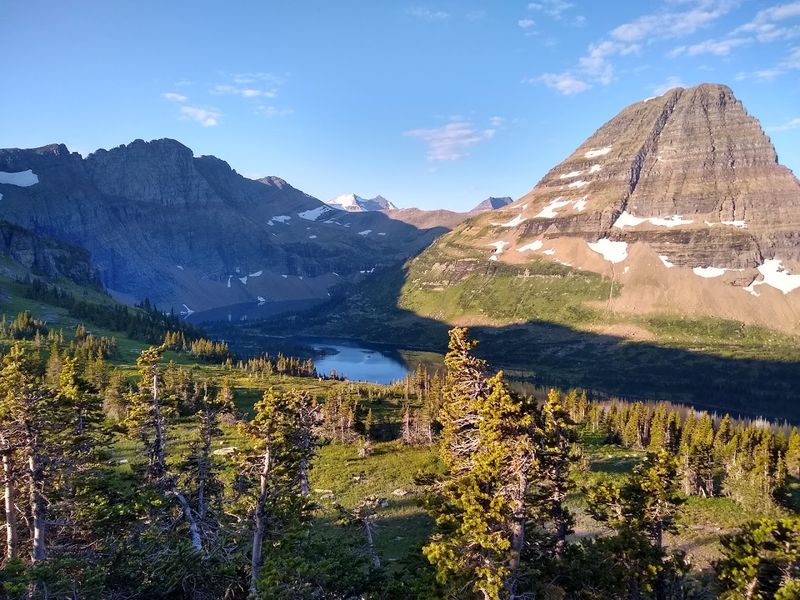
There are only about 26 named glaciers left in this park, down from over 150 a century ago. That fact alone makes visiting Glacier National Park feel strangely urgent.
Located in northern Montana right along the Canadian border, this place packs more raw beauty per square mile than almost anywhere else in the country.
Going-to-the-Sun Road is the star attraction, a 50-mile mountain highway that cuts right through the heart of the park. It winds past sheer cliff faces, wildflower meadows, and jaw-dropping alpine lakes.
First time I drove it, I pulled over at nearly every turnout.
Grizzly bears, mountain goats, and bighorn sheep all call this park home. Wildlife sightings are genuinely common here, which adds a real thrill to every hike.
Bring bear spray, stay alert, and give animals plenty of space. The scenery is extraordinary, but the wildlife encounters are what you will talk about for years.
Grand Canyon National Park, Arizona
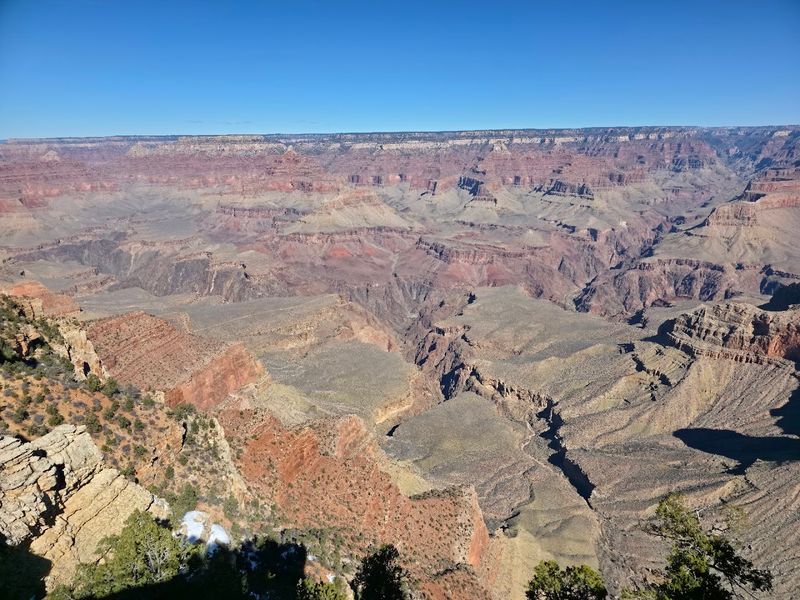
No photograph has ever done the Grand Canyon justice. You stand at the rim and your brain genuinely struggles to process the scale of what you are looking at.
The canyon stretches 277 miles long, up to 18 miles wide, and drops over a mile deep into the earth.
The South Rim is open year-round and gets the most visitors, but the North Rim offers a quieter, more dramatic experience if you visit between May and October. Mather Point is the classic first stop for good reason.
The view from there is simply staggering.
Hiking into the canyon is a completely different experience than standing at the top. The Bright Angel Trail is the most popular route down, but rangers strongly warn against hiking to the river and back in a single day.
Heat at the bottom can reach dangerous levels fast. Go early, carry more water than you think you need, and turn back before you feel tired.
Zion National Park, Utah
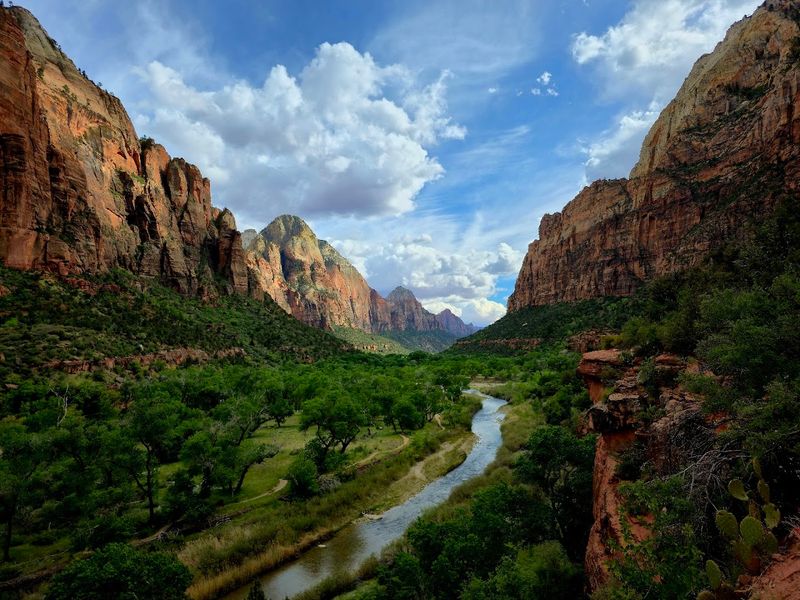
Zion Canyon is so narrow in places that the walls on both sides are close enough to touch simultaneously. The park sits in southwestern Utah and draws over four million visitors a year, and every single one of them leaves with photos that look almost too dramatic to be real.
Angels Landing is the most famous hike, a steep trail that ends with chains bolted into rock to help you scramble up a narrow ridge. The views from the top are absolutely worth the white-knuckle climb.
The Narrows, where you hike through the Virgin River itself, is equally unforgettable.
Zion runs a mandatory shuttle system during peak season, which actually makes getting around easier and keeps the canyon from turning into a parking nightmare. Spring and fall are the sweet spots for weather.
Summers get scorching hot, and flash floods can close the Narrows with little warning, so always check conditions before you head in.
Bryce Canyon National Park, Utah
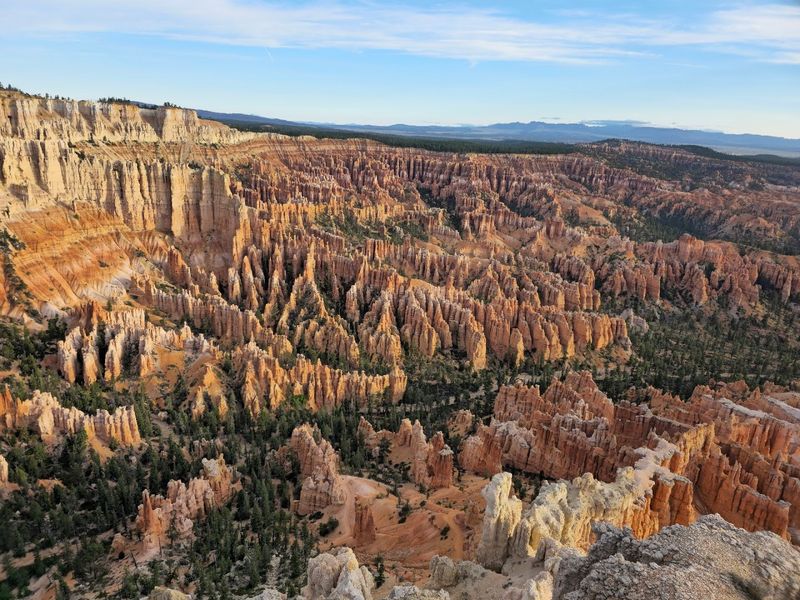
Bryce Canyon is technically not a canyon at all. It is a series of natural amphitheaters carved into the edge of a plateau, filled with thousands of spindly rock towers called hoodoos.
The park sits at over 8,000 feet elevation, so even summer mornings can be surprisingly chilly.
Sunrise at Bryce Point is one of those experiences that genuinely makes you feel lucky to be alive. The orange and red hoodoos glow like embers when the first light hits them.
Winter visits are wildly underrated since snow on the hoodoos creates a contrast that looks almost unreal.
The Queen’s Garden and Navajo Loop combo trail is the most popular hike for a reason. It takes you down into the canyon among the hoodoos rather than just looking at them from above.
The trail is moderately challenging but completely worth every uphill step on the way back out. Star gazing here is also phenomenal thanks to minimal light pollution.
Arches National Park, Utah
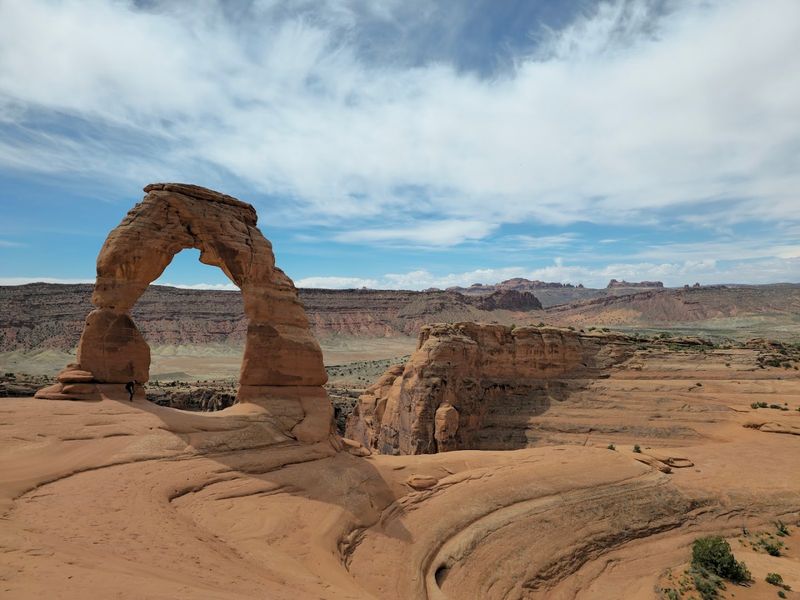
Over 2,000 natural stone arches exist inside one single park. Arches National Park in southeastern Utah holds the densest concentration of natural arches on Earth, which is a fact that sounds made up until you actually get there and see them everywhere you look.
Delicate Arch is the undisputed celebrity of the park, and it earns every bit of the hype. The 3-mile round trip hike to reach it crosses slickrock and open desert before suddenly revealing the arch perched dramatically at the edge of a sandstone bowl.
Sunset visits are spectacular but crowded.
Landscape Arch is another must-see, stretching 306 feet across and looking almost impossibly thin. The Devils Garden trail connects several major arches in one loop, making it one of the most efficient hikes in the park.
Summer temperatures regularly exceed 100 degrees, so early morning starts are not just recommended, they are genuinely necessary for a safe and comfortable visit.
Olympic National Park, Washington
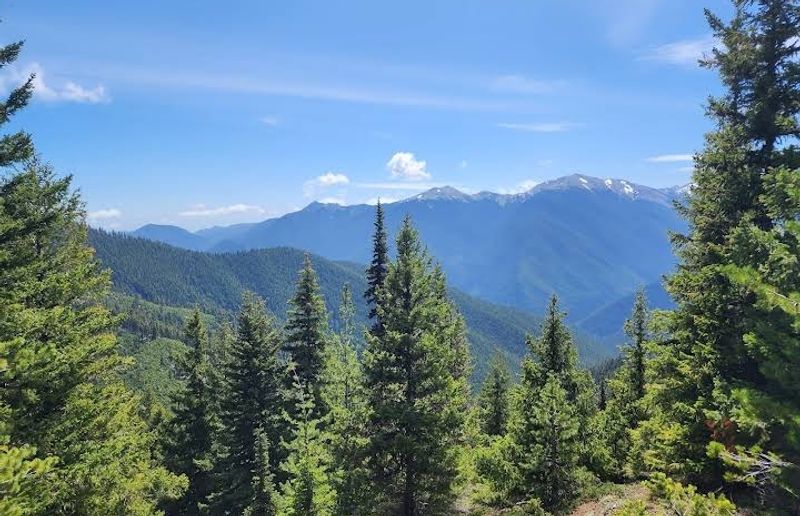
Olympic National Park contains three completely different ecosystems within its borders: temperate rainforest, rugged Pacific coastline, and glacier-capped mountains. That variety in one park is almost unfair to everywhere else.
Located on Washington’s Olympic Peninsula, it is one of the most ecologically diverse places in the entire country.
The Hoh Rain Forest gets around 12 feet of rain per year, which produces a green so vivid and layered it feels like walking through a living painting. Hall of Mosses is the most visited trail there, and it delivers on every expectation.
Ancient maple trees draped in hanging moss line the path in a way that stops you cold.
Hurricane Ridge offers a completely different experience, with sweeping mountain views and frequent elk and deer sightings. The Pacific coastline section features sea stacks, tide pools, and driftwood-covered beaches that stretch for miles.
Plan at least three days to experience even a fraction of what this park offers.
Acadia National Park, Maine
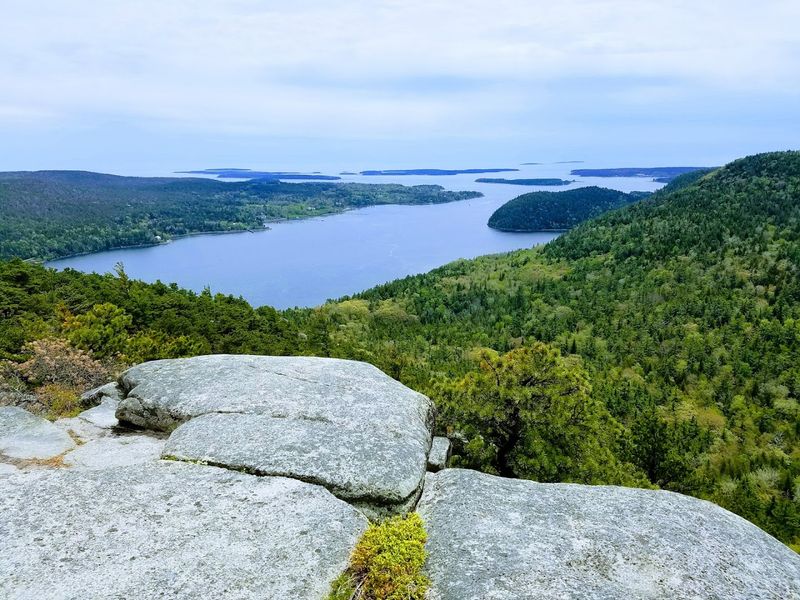
Cadillac Mountain holds a genuinely cool bragging right: from early October through early March, it is the first place in the United States to receive direct sunlight each morning. Acadia National Park sits on Mount Desert Island off the coast of Maine and mixes rocky Atlantic shoreline with forested mountains in a combination that feels uniquely northeastern.
The Park Loop Road connects most of the major highlights, making it easy to hit Thunder Hole, Sand Beach, and Jordan Pond in a single day. Jordan Pond House is famous for its popovers and afternoon tea, a tradition dating back to the 1890s.
Honestly, the popovers are worth the trip on their own.
Fall foliage here is absolutely spectacular, typically peaking in mid-October. The combination of colorful trees, granite peaks, and ocean views creates scenery that photographers chase every year.
Bar Harbor, just outside the park entrance, is a charming and walkable town with great seafood and a lively atmosphere year-round.
Great Sand Dunes National Park and Preserve, Colorado
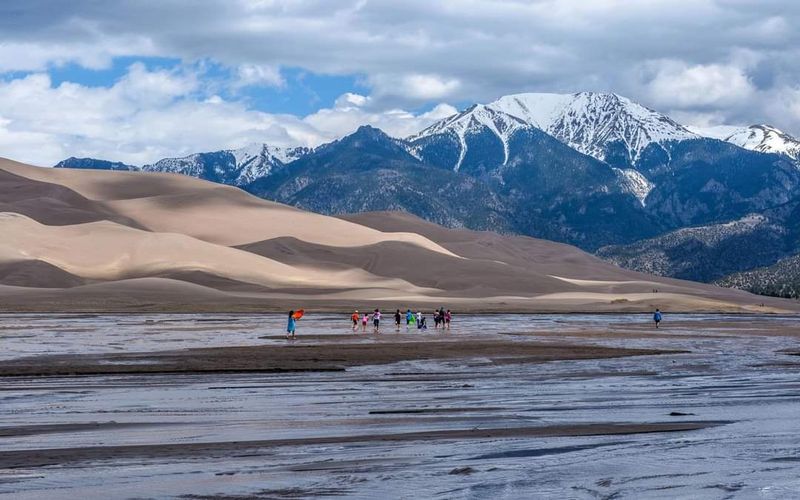
The tallest sand dunes in North America sit at the base of a 14,000-foot mountain range in southern Colorado, which is a geographical combination that should not logically exist. Great Sand Dunes National Park is one of the most surprising places in the country, and most people have no idea it is even there until someone tells them.
The dunes rise up to 750 feet high, and climbing them is both harder and more fun than it looks. Two steps forward, one step back is very much the experience.
Sandboarding and sand sledding are popular activities, and you can rent boards in the nearby town of Alamosa.
Medano Creek flows along the base of the dunes from spring through early summer, creating a shallow stream perfect for wading. Kids absolutely lose their minds over it.
The creek disappears by midsummer, so timing your visit for May or June gives you the full experience. Stargazing here is also world-class thanks to the remote location.
Redwood National and State Parks, California
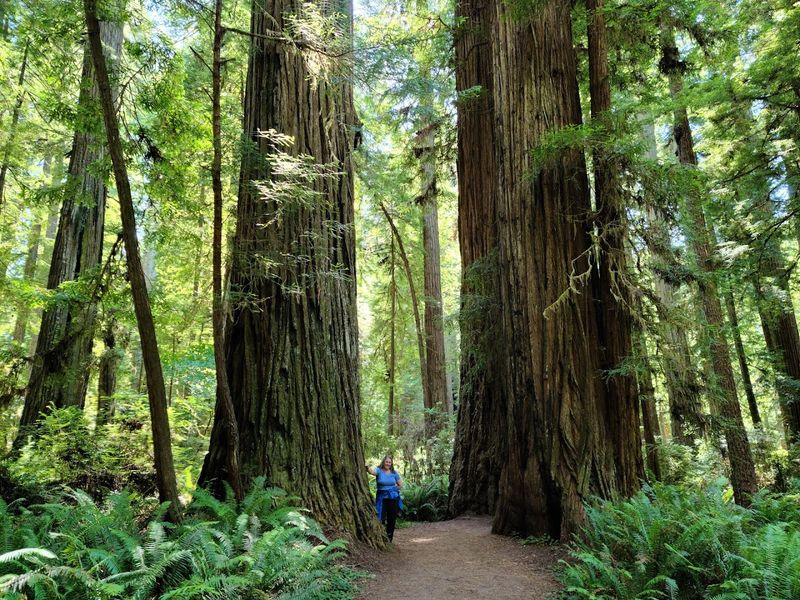
Coast redwoods are the tallest living things on Earth, and walking among them produces a very specific kind of quiet awe. Redwood National and State Parks in northern California protect groves of trees that have been growing for over 2,000 years.
The tallest known living tree, Hyperion, stands over 380 feet tall and is somewhere in these parks.
The Avenue of the Giants is a 31-mile scenic drive through old-growth redwood groves that makes every car feel like a toy. Prairie Creek Redwoods State Park within the system is home to a herd of Roosevelt elk that frequently graze right along the road.
Pulling over to watch them is a given.
Fern Canyon is one of the most otherworldly spots in the entire park system. Thirty-foot walls covered in five-finger ferns line a narrow gorge that Steven Spielberg used as a filming location for Jurassic Park 2.
Wear waterproof shoes because you will be crossing the creek multiple times on the way through.
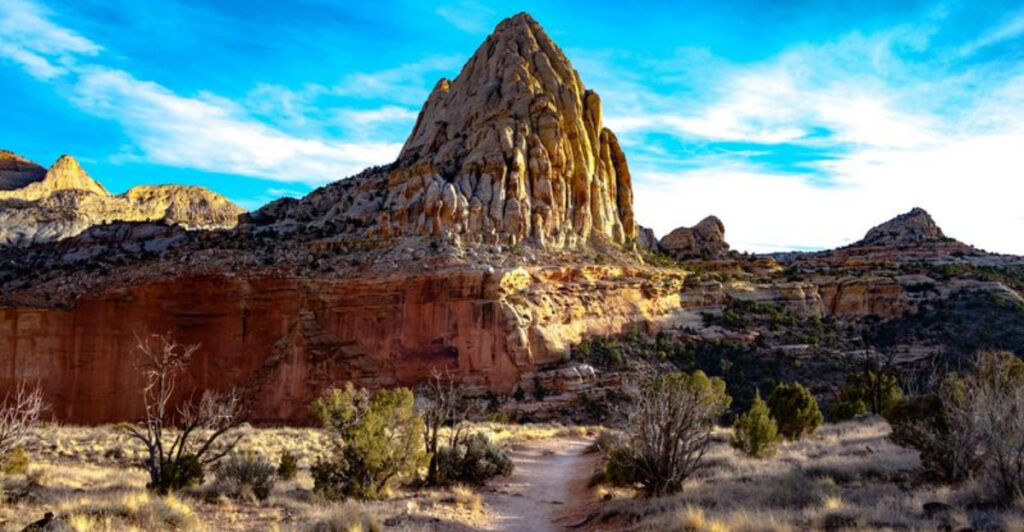
Capitol Reef National Park, Utah
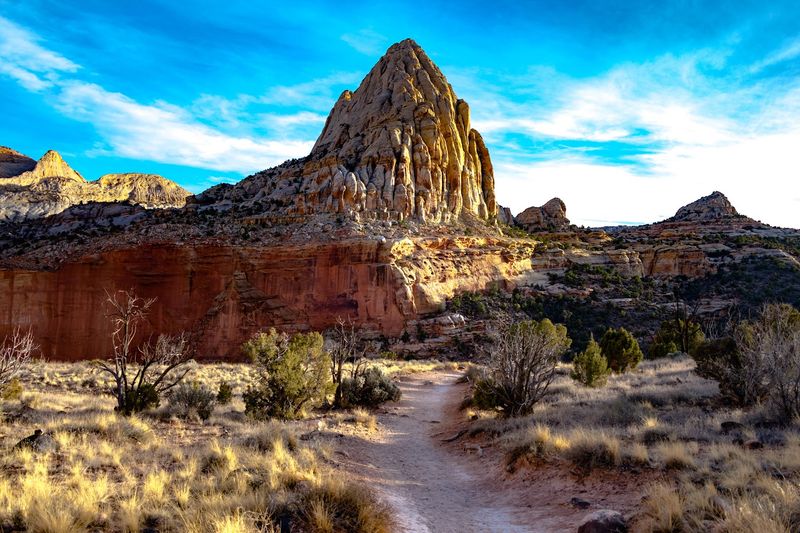
Capitol Reef is Utah’s most overlooked national park, and that is genuinely a shame because it is spectacular. The park protects the Waterpocket Fold, a nearly 100-mile long wrinkle in the earth’s crust that exposes layers of colorful rock spanning 270 million years of geological history.
That is a lot of history in one very photogenic place.
The park gets far fewer visitors than its Utah neighbors, which means you can actually find solitude on the trails. Hickman Bridge, a natural arch with a 133-foot span, is reachable via a 2-mile round trip hike that offers sweeping views the whole way.
The drive along Highway 24 through the park is free and absolutely stunning.
There is also a historic pioneer orchard in the park where visitors can pick fruit in season for a small fee. Cherries, peaches, and apples all grow there.
It is a quirky and charming detail that makes Capitol Reef feel different from every other park on this list in the best way possible.
Badlands National Park, South Dakota
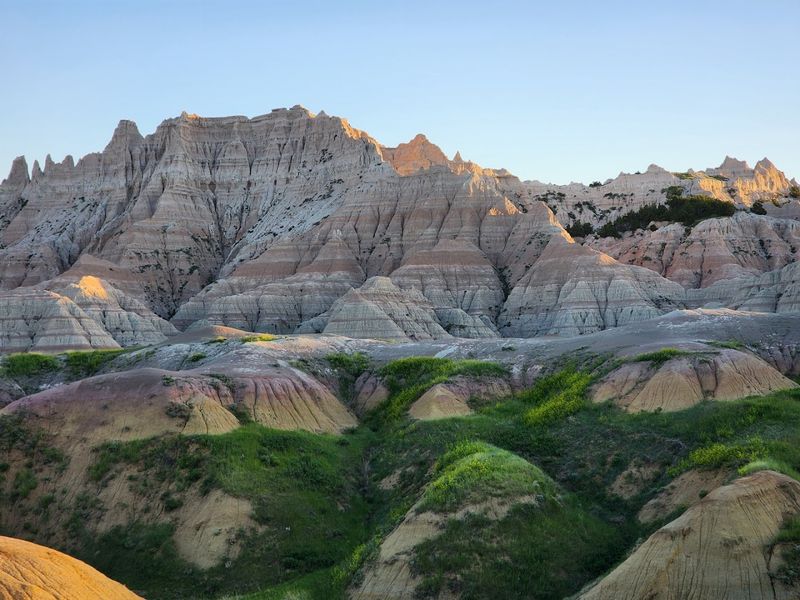
The Badlands look like another planet decided to show up uninvited in the middle of South Dakota. Jagged buttes, razor-edged ridges, and deep gullies stretch across the landscape in colors that shift from pale tan to deep burgundy depending on the time of day.
It is genuinely one of the most alien-looking places in America.
The park also happens to be one of the world’s richest fossil beds. Saber-toothed cats, ancient horses, and three-toed rhinos all once roamed here.
The Ben Reifel Visitor Center has excellent fossil exhibits that add real context to the strange landscape outside.
Bison herds wander freely through the park, and spotting them from the road is almost guaranteed. The Badlands Loop Road covers the main scenic highlights in about two hours, but getting out and walking the Door, Window, and Notch trails adds a completely different perspective.
Sunrise and sunset light here is some of the most dramatic in the entire National Park System.
Share this story