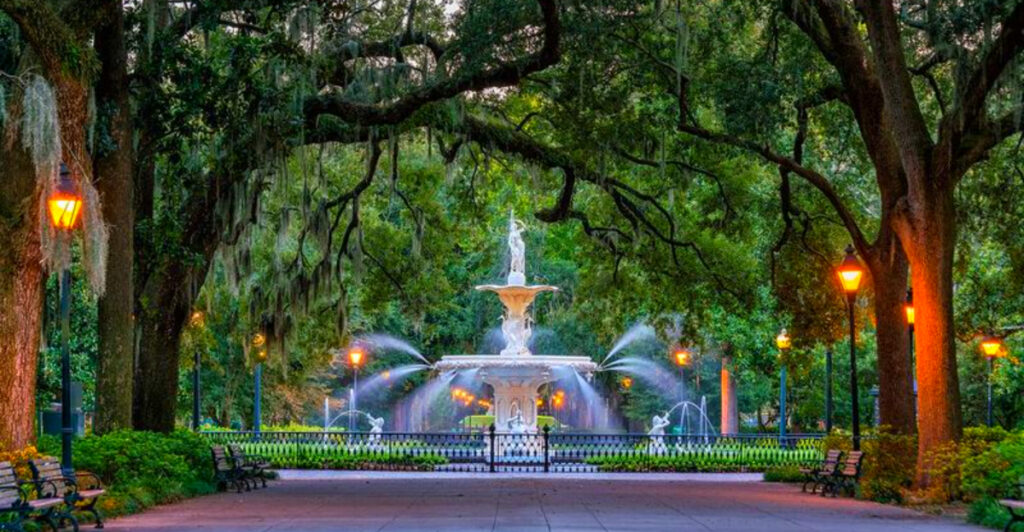
Savannah blends historic beauty, Southern charm, and laid-back atmosphere in a way few cities can match. Beneath the canopy of Spanish moss, visitors find elegant mansions, scenic public squares, riverfront views, and quiet streets that seem frozen in time.
Yet the city also feels lively and local, with cozy cafés, bookstores, and hidden corners that reward slow exploration. These beautiful spots capture the mix of history, character, and charm that keeps Savannah unforgettable.
1. Forsyth Park
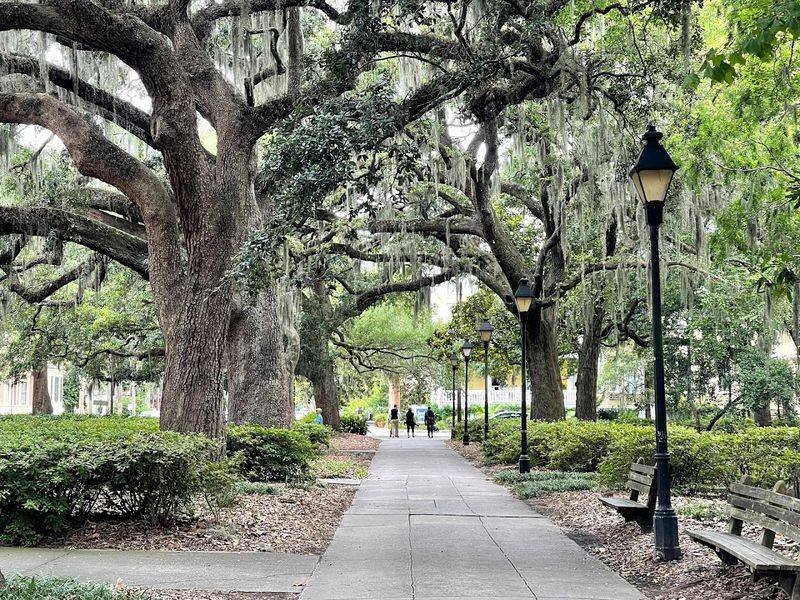
A fountain became Savannah’s unofficial celebrity the moment Forsyth Park entered the picture. The massive 30-acre park sits at the southern edge of the historic district and functions as the city’s favorite gathering place for everything from morning jogs to weekend festivals.
The famous white fountain, installed in 1858, anchors the northern end of the park and appears in enough vacation photos to qualify for its own tourism award. Visitors gather around it constantly, though the surrounding oak trees draped in Spanish moss deserve equal attention.
Forsyth Park also balances beauty with actual usefulness. Tennis courts, walking paths, playgrounds, and open lawns keep the area busy throughout the day.
Saturdays bring one of Savannah’s most popular farmers markets, where locals shop for produce while tourists attempt to look like they totally know where they are going.
The park’s location makes it especially convenient for exploring the historic district on foot. Elegant homes, churches, and small cafés surround the area, giving visitors plenty of excuses to linger nearby.
2. River Street
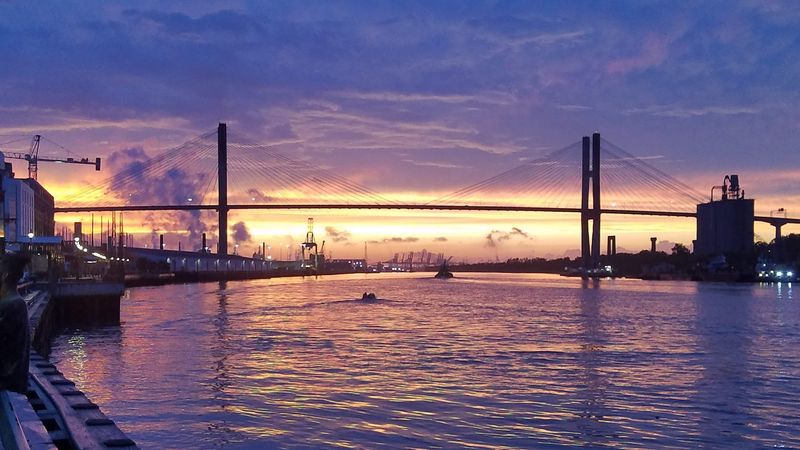
Cobblestones and converted cotton warehouses give River Street the distinct feeling of a place that remembers exactly how old it is. Running alongside the Savannah River, this lively waterfront area combines history, restaurants, shops, and enough praline samples to derail anyone pretending they are “just browsing.”
Originally built as part of Savannah’s shipping and trade district, River Street played a major role in the city’s economic rise during the nineteenth century. Today, many of the old brick warehouses house boutiques, galleries, hotels, and restaurants while preserving their historic exterior character.
The river itself constantly keeps the scenery moving. Massive cargo ships glide past surprisingly close to shore, creating a strange but fascinating contrast between old Savannah charm and modern global shipping operations.
Street performers, musicians, and seasonal festivals keep the atmosphere energetic throughout the year. During warmer months, visitors crowd outdoor patios and riverfront walkways while watching boats pass beneath the Talmadge Memorial Bridge.
3. Bonaventure Cemetery
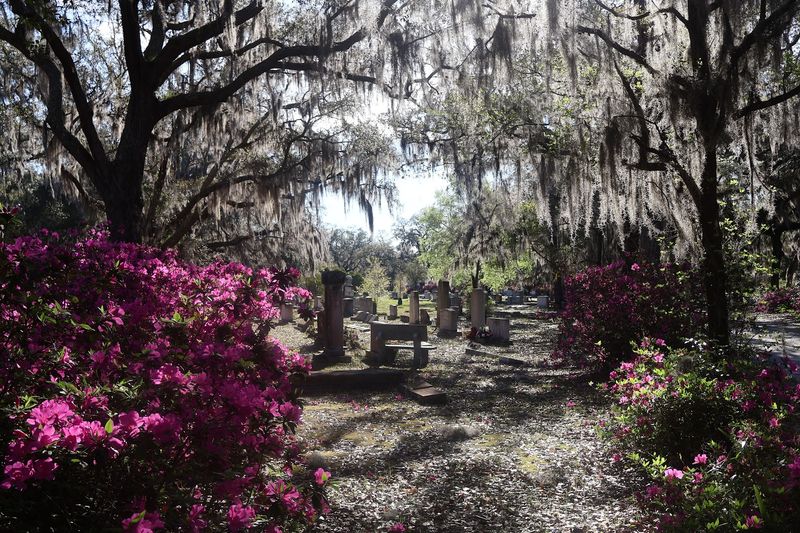
A cemetery becoming one of Savannah’s most visited attractions sounds unusual until you actually see Bonaventure Cemetery. Spread across scenic bluffs overlooking the Wilmington River, this historic cemetery combines elaborate monuments, giant oak trees, and Southern Gothic atmosphere in ways that feel distinctly Savannah.
Established in the nineteenth century on the grounds of a former plantation, Bonaventure gained national attention through books, photography, and films that highlighted its haunting beauty. The cemetery’s winding paths pass towering statues, family mausoleums, and intricately carved headstones surrounded by Spanish moss-covered trees.
Despite its reputation, Bonaventure feels peaceful rather than gloomy. Visitors often spend hours exploring the grounds while learning about notable figures buried there, including poet Conrad Aiken and songwriter Johnny Mercer.
Photography enthusiasts especially love the cemetery because nearly every section offers dramatic compositions without appearing artificially staged. Morning light and changing seasons constantly reshape the scenery.
4. Chippewa Square
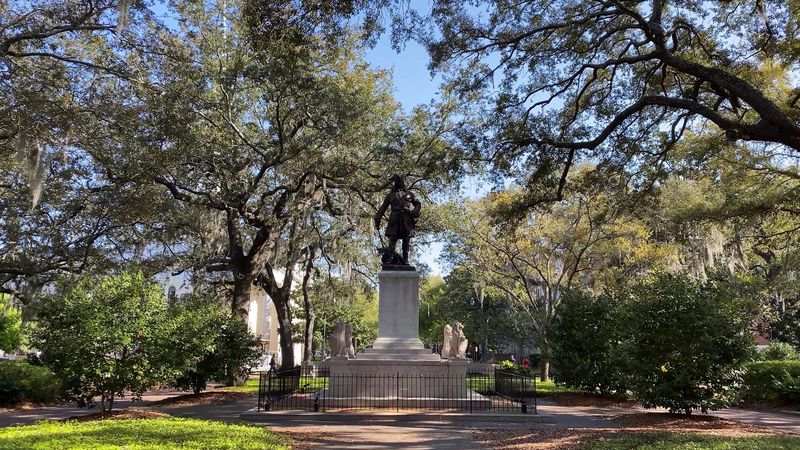
Movie fans arrive at Chippewa Square expecting Forrest Gump’s famous bench and quickly learn one important fact: the actual bench now lives in a museum. Fortunately, the square itself remains every bit as charming as Hollywood promised.
Designed in 1815, Chippewa Square sits in the heart of Savannah’s historic district surrounded by stately buildings, old churches, and shady walkways. At the center stands a monument honoring General James Oglethorpe, the founder of Georgia, who appears to calmly supervise the entire square from above.
The surrounding architecture gives the area much of its appeal. Historic homes, boutique hotels, and cafés frame the square while large oak trees provide shade that becomes deeply appreciated during Savannah summers.
Chippewa also represents Savannah’s famous urban design system. The city’s historic district features a network of public squares that create open gathering spaces throughout downtown, and Chippewa remains one of the most photographed examples.
Nearby attractions add even more energy to the area. The Savannah Theatre, one of America’s oldest continually operating theaters, sits just steps away, while local restaurants keep the surrounding streets lively throughout the day.
5. Wormsloe Historic Site
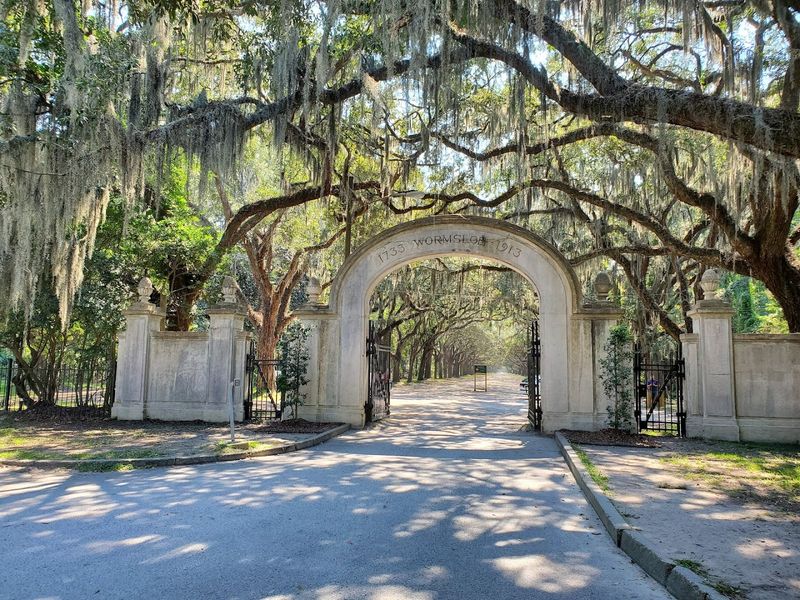
A driveway lined with giant oak trees sounds simple enough until Wormsloe turns it into one of the most photographed roads in the South. The famous avenue stretches beneath a massive canopy of Spanish moss and creates an entrance so dramatic that visitors often stop taking pictures only because their phones run out of storage.
Located just outside downtown Savannah, Wormsloe Historic Site preserves part of Georgia’s colonial history while showcasing some of the region’s most iconic scenery. The property originally belonged to Noble Jones, one of Georgia’s earliest settlers, who built an estate and defensive fortification here during the eighteenth century.
Today, visitors explore walking trails, museum exhibits, and archaeological remains connected to the colonial settlement. Interpretive displays explain the challenges faced by early settlers while highlighting the region’s coastal environment and military importance.
Still, let us be honest. The oak-lined entrance steals the show.
The mile-long avenue has become a defining visual symbol of Savannah itself, appearing in countless travel guides, wedding photos, and films.
Beyond the famous trees, the property offers quiet marsh views and nature trails that feel surprisingly removed from the busy tourist areas downtown. Birdwatchers and photographers especially appreciate the slower pace here.
6. Cathedral Basilica of St. John the Baptist
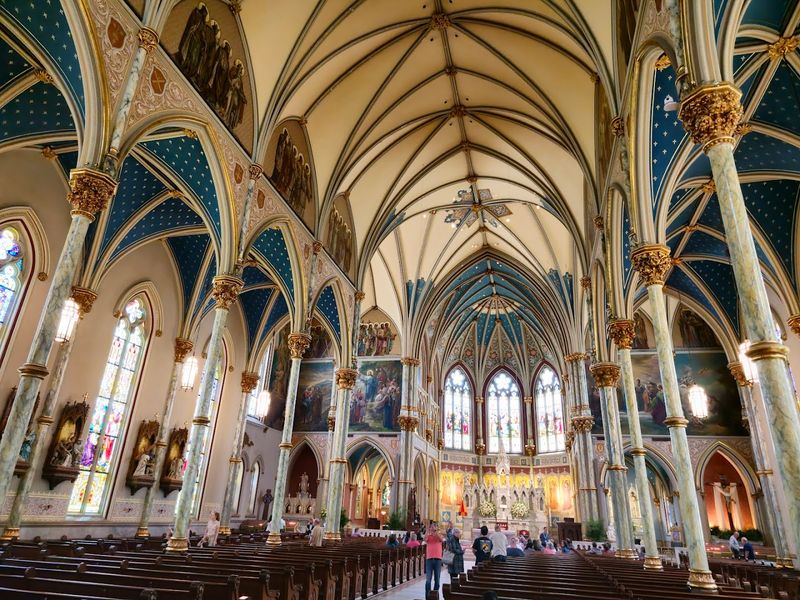
Two towering spires rise above Savannah’s skyline like the city decided one church simply was not ambitious enough. The Cathedral Basilica of St. John the Baptist stands as one of Savannah’s most breathtaking architectural landmarks and easily one of the most beautiful churches in the South.
Construction began in the late nineteenth century after Savannah’s growing Catholic community needed a larger place of worship. The resulting French Gothic structure features pointed arches, stained glass windows, ornate woodwork, and an interior ceiling painted deep blue with gold stars scattered across it.
Visitors often pause the moment they step inside because the level of detail feels overwhelming in the best possible way. Elaborate altars, carved columns, and colorful windows create an interior that looks far grander than many people expect to find in coastal Georgia.
The cathedral survived a major fire in 1898 and underwent extensive restoration afterward, which only strengthened its importance to the city. Today, it remains both an active parish and a major tourist attraction.
7. Jones Street
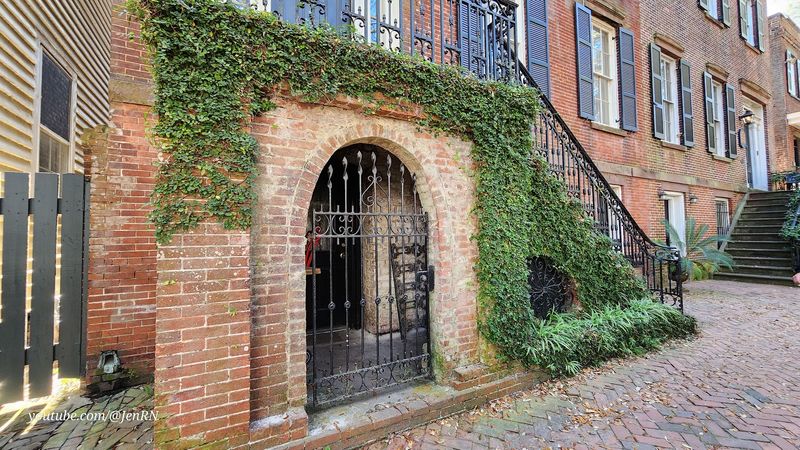
Locals have spent decades insisting Jones Street is Savannah’s prettiest street, and honestly, they make a convincing argument. Brick sidewalks, historic row houses, iron railings, and giant oak trees combine to create a residential block that feels almost suspiciously perfect.
Named after Revolutionary War hero Major John Jones, the street stretches through the historic district with remarkable consistency in its architecture and atmosphere. Many homes date back to the mid-nineteenth century and remain beautifully preserved, showcasing Savannah’s talent for maintaining historic charm without turning entire neighborhoods into lifeless museum displays.
Unlike some heavily trafficked tourist areas, Jones Street still feels genuinely residential. People live here, walk dogs here, and occasionally glance out windows at visitors photographing their front steps for the fifteenth time that afternoon.
The street’s subtle details make the biggest impact. Gas lamps, flower boxes, hidden courtyards, and carefully restored brickwork create visual interest without trying too hard.
Savannah’s beauty often works exactly that way.
8. City Market
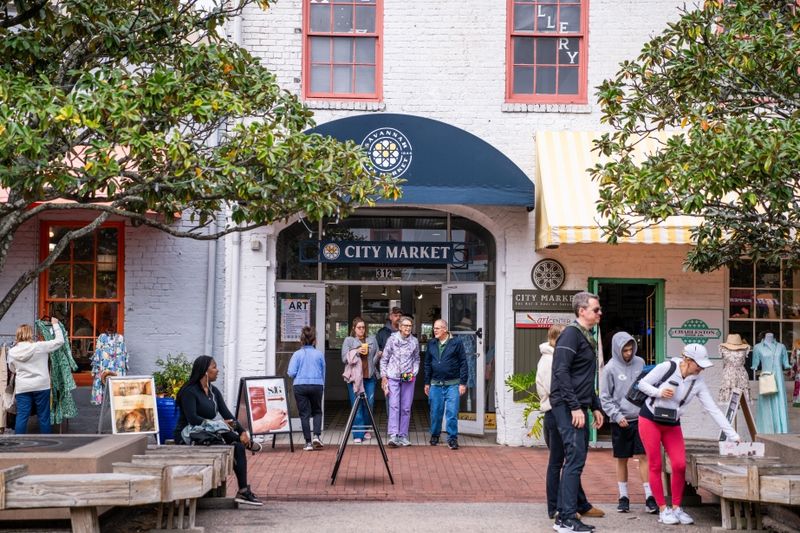
Four blocks of restored warehouses somehow became one of Savannah’s liveliest gathering places without losing their historic personality along the way. City Market combines art galleries, restaurants, music venues, and open-air courtyards into a district that stays busy from morning through late evening.
Originally established in the eighteenth century as Savannah’s commercial market area, the district evolved significantly over the years while maintaining much of its historic layout. Today, visitors wander through brick-lined streets filled with local shops, cafés, and galleries showcasing regional artists.
Live music plays a huge role here. Musicians regularly perform outdoors, giving the market a casual energy that feels welcoming rather than overly polished.
The area often becomes especially lively during weekends and seasonal events.
Unlike some shopping districts designed entirely around tourists, City Market balances visitor appeal with strong local involvement. Residents still gather here for meals, art openings, and nightlife, which helps the district avoid feeling artificial.
Nearby museums and historic sites also make the market an easy stop during broader explorations of downtown Savannah. Everything feels conveniently walkable, which becomes increasingly rare in many modern cities.
9. Tybee Island
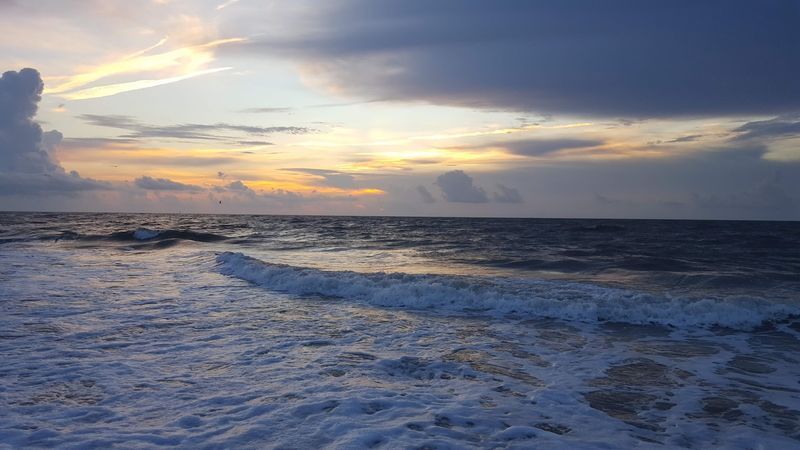
Savannah may dominate the headlines, but locals know the nearby coast deserves equal attention. Tybee Island sits about thirty minutes from downtown and offers beaches, seafood spots, historic landmarks, and enough laid-back energy to convince visitors they should probably stay another day.
The island’s broad public beaches attract swimmers, families, and sunbathers throughout warmer months, while the long fishing pier keeps anglers and sightseers equally occupied. Unlike some heavily commercialized beach towns, Tybee still feels relatively relaxed and approachable.
Tybee Island Light Station remains one of the area’s biggest attractions. The lighthouse dates back to the eighteenth century and stands among the oldest and tallest lighthouses in America.
Visitors willing to climb the stairs earn sweeping views across the coastline and surrounding marshes.
Marine science centers, kayaking routes, and dolphin tours add even more outdoor activities for travelers wanting something beyond beach chairs and sunscreen. Birdwatchers also appreciate the island’s coastal habitats during migration seasons.
10. Mercer-Williams House Museum
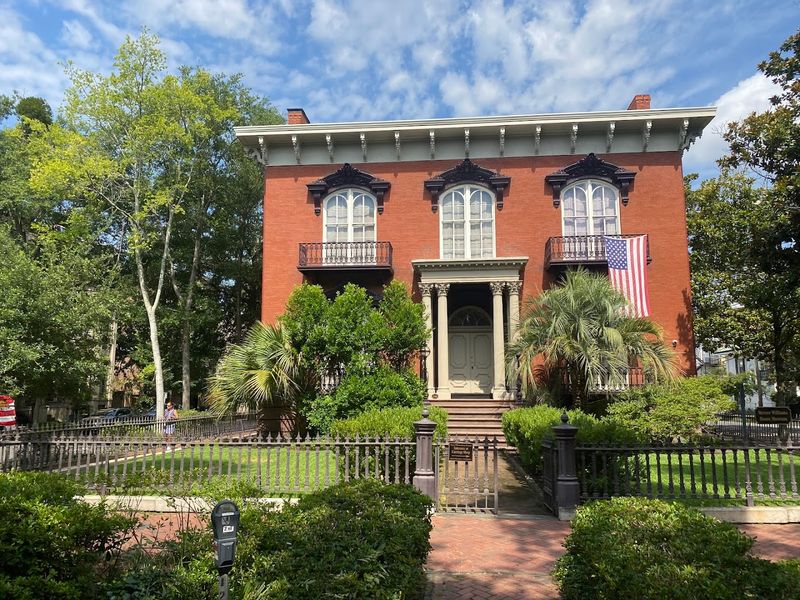
One dramatic staircase and a famously complicated history helped turn the Mercer-Williams House into one of Savannah’s most talked-about landmarks. The Italianate mansion became internationally famous through the book Midnight in the Garden of Good and Evil, but the home’s appeal goes well beyond literary fame.
Originally built in the 1860s for General Hugh Mercer, the house later underwent extensive restoration by preservationist Jim Williams during Savannah’s historic revival movement. Williams filled the mansion with antiques, artwork, and period furnishings that still define much of the museum experience today.
Guided tours focus heavily on architecture, restoration, and the building’s role in Savannah history. Intricate plasterwork, grand rooms, and carefully preserved interiors showcase the elegance of nineteenth-century design without feeling overly staged.
Of course, many visitors also arrive curious about the murder case tied to the house through Berendt’s bestselling book. Guides usually acknowledge the story while balancing it against broader historical context and preservation efforts.
The home’s location near Monterey Square adds even more charm to the experience. The surrounding neighborhood features beautiful historic homes and quiet streets ideal for walking afterward.
11. Lafayette Square
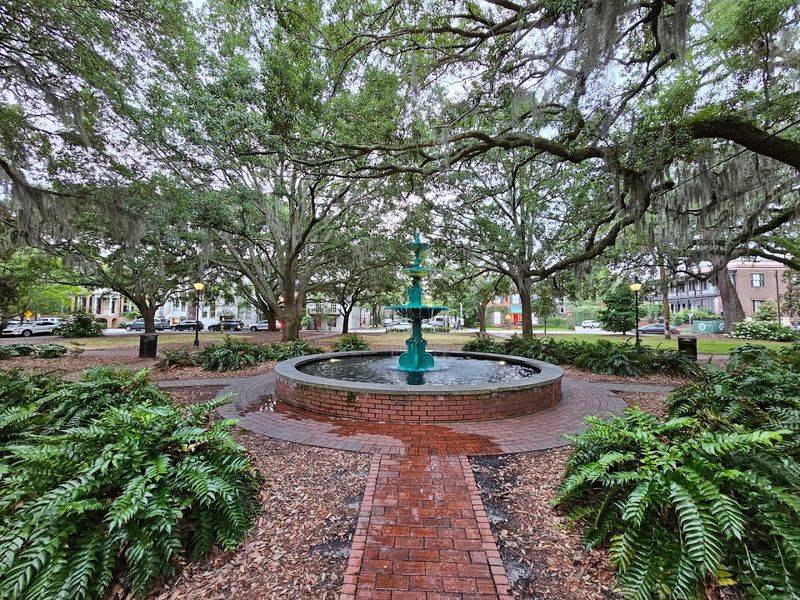
Some public squares feel decorative. Lafayette Square feels essential.
Framed by historic homes, moss-covered trees, and the towering Cathedral Basilica nearby, this square captures Savannah’s talent for making urban design feel elegant without appearing overly formal.
Named after the Marquis de Lafayette, the French military hero who assisted during the American Revolution, the square has served as a gathering place since the nineteenth century. Benches, pathways, and shaded lawns invite visitors to slow down rather than rush toward the next attraction.
The cathedral dominates one side of the square while historic mansions and institutional buildings surround the others. That architectural variety gives the area visual depth without disrupting its peaceful atmosphere.
Unlike busier locations such as River Street, Lafayette Square often feels calmer and more reflective. Visitors sit beneath the trees reading books, chatting quietly, or escaping the heat during long walking tours through downtown.
The square also reflects Savannah’s original city planning philosophy, which emphasized green public spaces woven directly into residential neighborhoods. That design still shapes the city’s personality centuries later.
12. Savannah Historic District
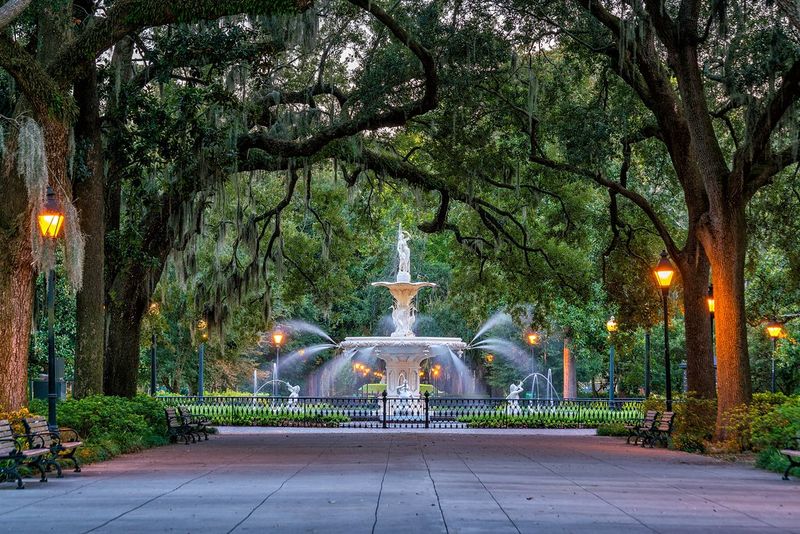
An entire neighborhood becoming a National Historic Landmark sounds impressive because it absolutely is. Savannah’s Historic District covers more than two square miles filled with preserved homes, churches, parks, museums, and streets that somehow survived centuries without losing their character.
The district contains twenty-two public squares connected through a walkable grid originally designed in the eighteenth century by founder James Oglethorpe. That layout continues shaping daily life in Savannah while giving the city a sense of openness rarely found in historic urban areas.
Architectural styles range from Federal and Victorian homes to Gothic churches and Greek Revival mansions. Horse-drawn carriages, boutique inns, and hidden courtyards appear throughout the district without making the area feel artificial or frozen in time.
One reason visitors love the district is its flexibility. Some spend hours exploring museums and historic homes while others focus entirely on restaurants, bookstores, and cafés tucked into old buildings.
The area rewards wandering more than rigid schedules.
Film crews also adore Savannah’s historic streets. Movies and television shows regularly use the district as a backdrop because very few American cities preserve this much architectural history so successfully.
Share this story