 Unearth The Voyage
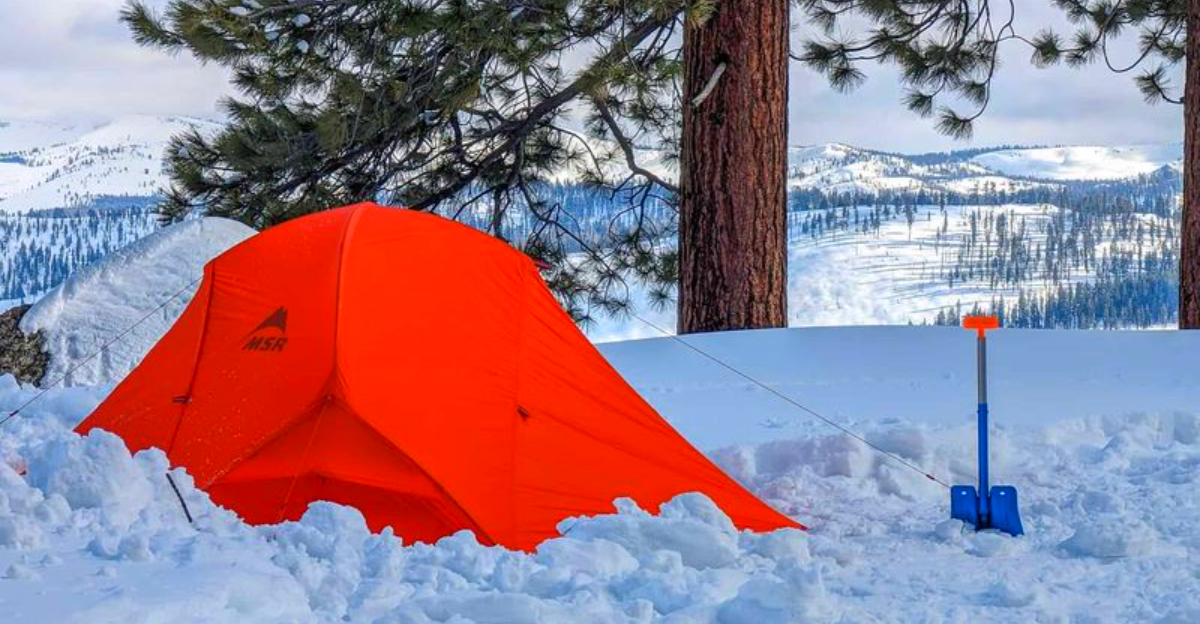
Winter camping can feel like stepping into a quiet, sparkling world where every sound is softened by snow. With the right setup, you stay warm, dry, and confident when temps drop and winds rise. This guide highlights beginners’ essentials that balance reliability, weight, and budget without overcomplicating your first trek. Ready to build a kit that keeps you cozy and safe out there?
1. Cold-Weather Sleeping Bag (REI Magma 15 or Phantom 0F)
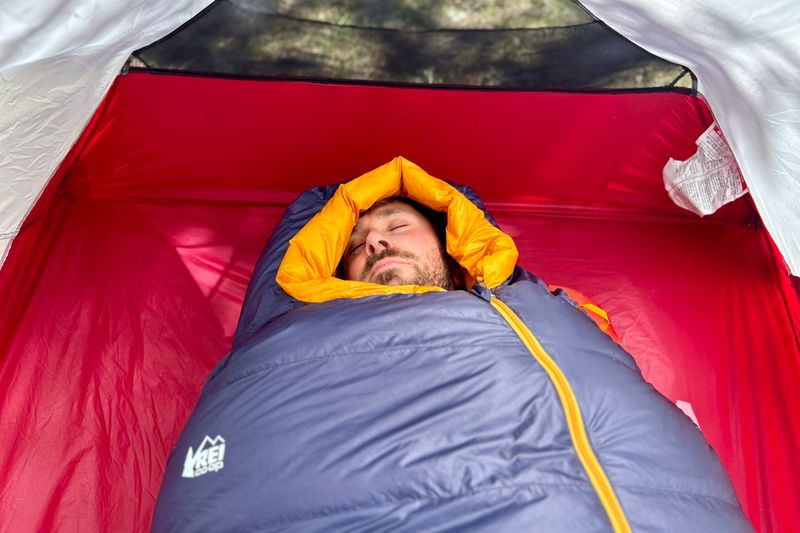
Your sleeping bag is your last line of warmth when temperatures crash. Choose a rating at least 10 degrees lower than expected lows. Down offers superb warmth-to-weight, while synthetics handle damp better.
The REI Magma 15 suits most first trips, but deep cold may call for a 0 degree bag like Mountain Hardwear Phantom. Keep the hood snug and use a draft collar to trap heat. Store loosely at home to preserve loft.
On trail, air it out in morning sun. Protect from condensation with a bivy or liner. You will wake warmer.
2. High R-Value Sleeping Pad (Therm-a-Rest NeoAir XTherm NXT)
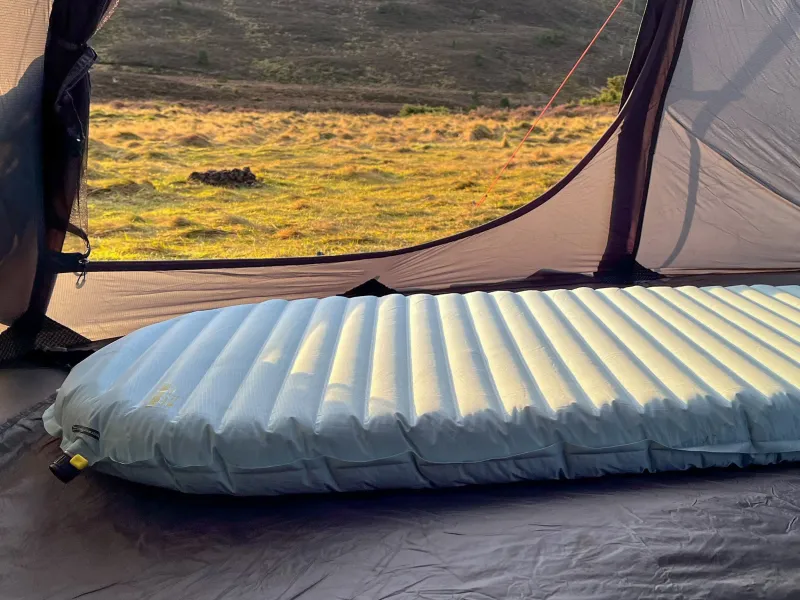
Cold creeps from the ground, so insulation under you matters more than above. Aim for R5 or higher to stay comfortable on snow. Combine an inflatable pad with a foam pad for backup and extra warmth.
The Therm-a-Rest NeoAir XTherm NXT is a standout for warmth-to-weight. It packs small and insulates impressively on icy surfaces. Place a closed-cell pad beneath to protect from punctures and add thermal buffer.
Keep valves free of ice by breathing away from them. Store the pad in your bag before bed. You will feel the difference.
3. Liquid Fuel Stove (MSR WhisperLite Universal)
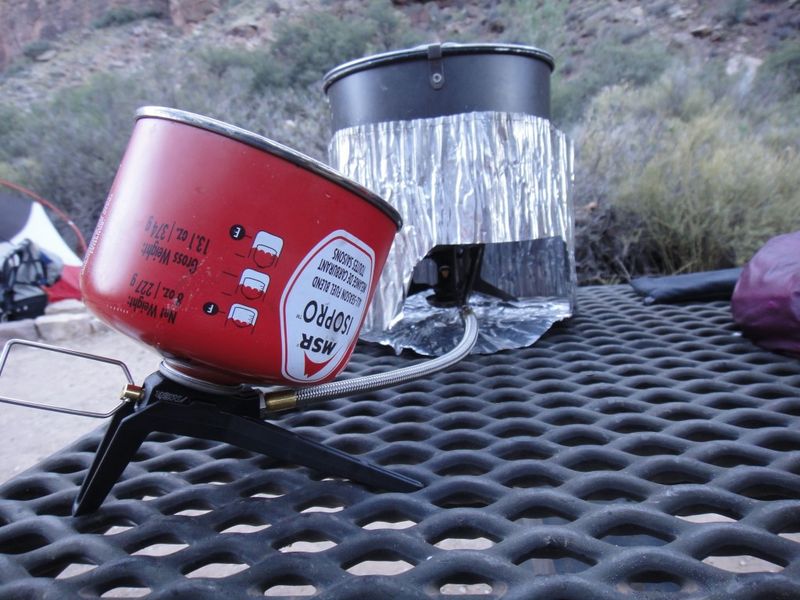
Canister stoves sputter when it is frigid. A liquid fuel stove burns hot, melts snow fast, and performs at sub-zero temps. Bring a reliable windscreen and a wide pot for efficient heat transfer.
The MSR WhisperLite Universal handles white gas and more, adding versatility. Prime carefully, then maintain steady pressure on the fuel bottle. Keep fuel warm in a jacket pocket before use.
Always melt a little water before filling the pot with snow to avoid scorching. Practice at home to master priming. You will cook confidently when storms roll in.
4. Waterproof Insulated Boots (Columbia Bugaboot Celsius Plus)
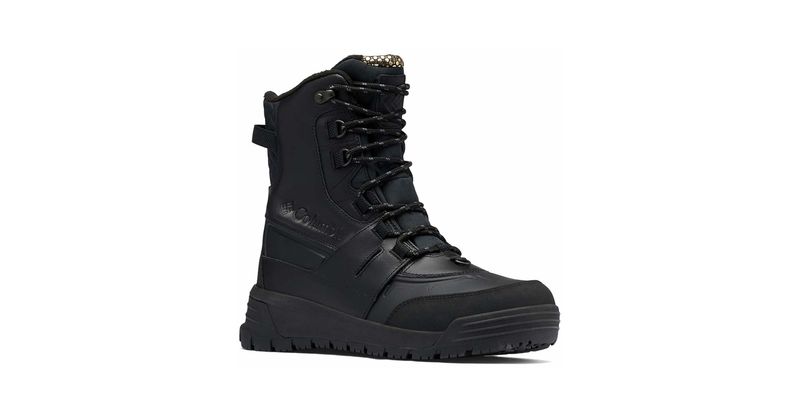
Warm, dry feet keep spirits high on cold miles. Choose waterproof boots with solid insulation and aggressive traction. Pair with wool socks and bring a dry backup pair for camp.
Columbia Bugaboot Celsius Plus delivers dependable warmth and grip for first-time treks. Fit matters more than specs, so try boots late day when feet are swollen. Add gaiters to block spindrift and slush.
Loosen laces at camp to improve circulation and drying. Stuff with liner gloves or newspapers overnight. You will thank yourself when mornings feel less brutal.
5. Waterproof Shell Jacket and Pants (OR Foray Jacket & Aspire Pants)
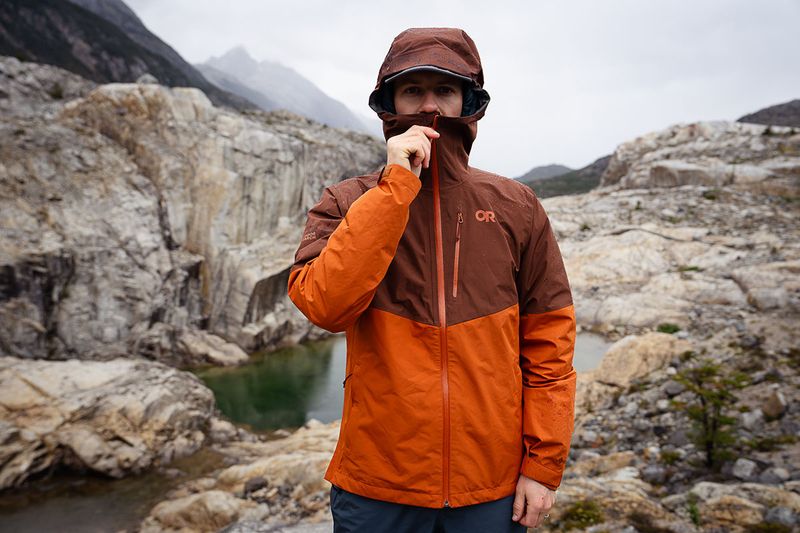
Snow is water waiting to melt on you. A breathable waterproof shell dumps sweat while shielding wind and wet. Look for pit zips, full-length leg zips, and helmet-compatible hoods.
Outdoor Research Foray and Aspire use proven membranes with great venting. Layer over warm midlayers and adjust on the move. Keep pockets accessible for maps and snacks.
Shake off accumulated snow before entering your tent to reduce condensation. Reapply DWR when water stops beading. You will stay drier and more comfortable, even when storms park overhead.
6. Layered Clothing System (Merino Base, Puffy Mid, Shell)
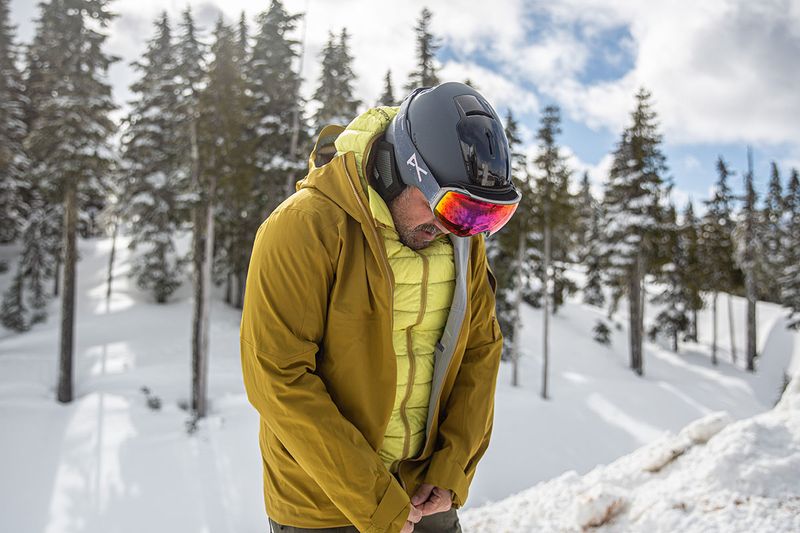
Mastering layers keeps you comfortable across climbs, breaks, and camp chores. Start with merino or synthetic base layers that wick. Add an insulating puffy, then seal with a weatherproof shell.
Avoid cotton since it holds moisture and chills fast. Carry a dedicated dry camp top to change into immediately. Stash a windproof hat and buff for quick warmth boosts.
Adjust frequently to prevent sweating, which leads to chills later. Practice your system on day hikes before overnights. You will dial in warmth without overheating when the trail steepens.
7. Four-Season Tent (MSR Access 2)
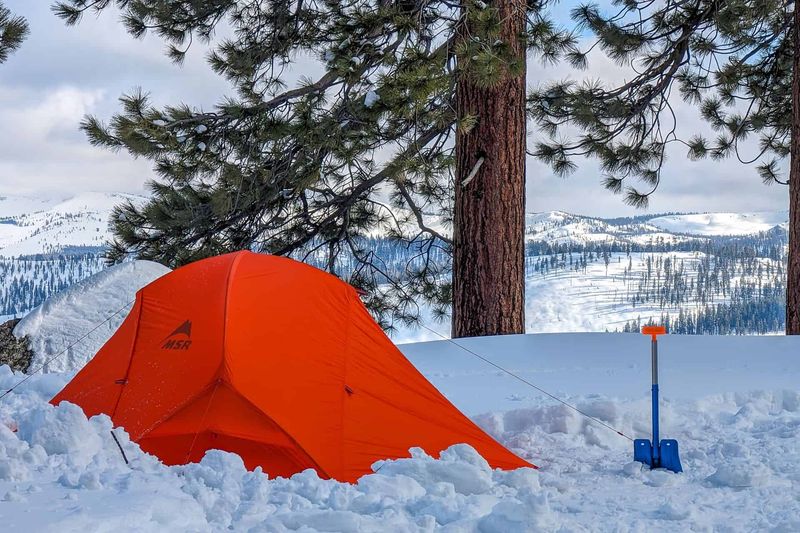
A proper four-season tent keeps heavy snow and sharp gusts from ruining your night. Look for strong poles, a robust fly, and snow flaps to seal drafts. You will appreciate quick setup when fingers are cold.
The MSR Access 2 shines because it balances storm-worthiness and low weight for backpacking. Its geometry sheds spindrift and resists collapse under moderate snow loads. Venting helps reduce condensation when you breathe frosty air.
Stake out with deadman anchors or snow stakes, then build a wind wall. Keep entrances clear to prevent icing. You will sleep easier.
8. Winter Gloves and Mittens (Black Diamond Mercury Mitts)
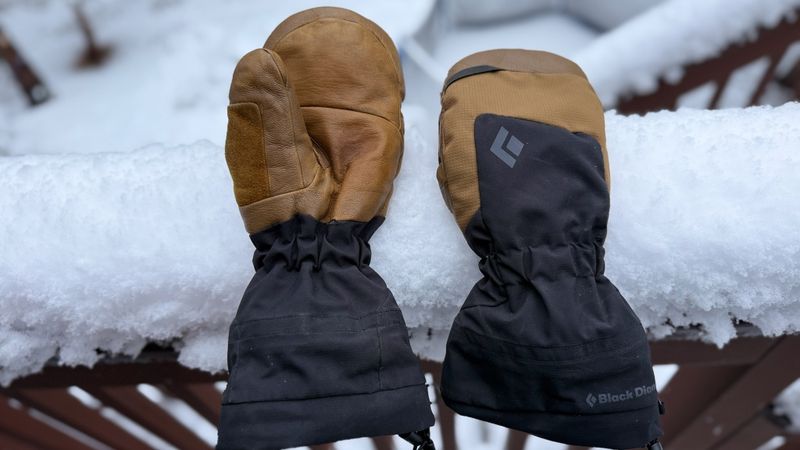
Hands work constantly in winter, from zippers to stoves. Bring dexterous gloves for tasks and warm mittens for rest. Liner gloves let you handle metal without skin contact.
Black Diamond Mercury Mitts are cozy insurance for long, frigid nights. Combine with a thin fleece or wool glove for versatility. Keep spares dry in a waterproof bag.
Warm your gloves in your jacket before bedtime. Avoid wetting them while cooking or digging. You will keep circulation happier and avoid painful chilblains when temperatures plunge.
9. Compact Snow Shovel (Voile Mini Telepro)
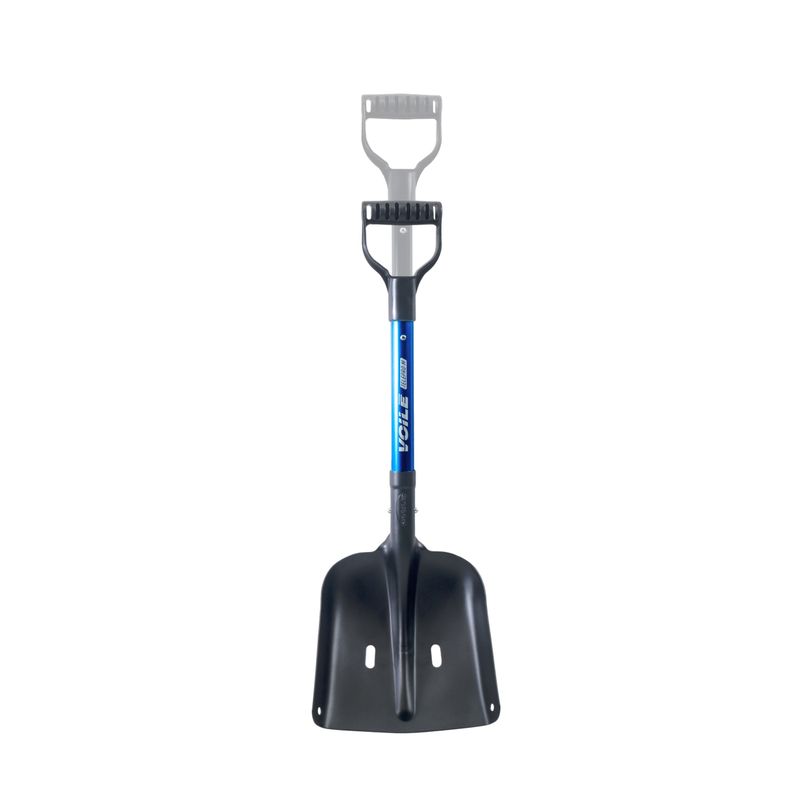
A snow shovel is essential for building platforms, wind walls, and emergency pits. Choose a durable yet compact model that fits your pack. Practice efficient shoveling to reduce sweat.
The Voile Mini Telepro is sturdy with an extendable handle for leverage. Its blade moves snow quickly without excessive weight. Use it to secure deadman anchors and shape a level tent site.
Store the shovel accessible for storm dig-outs. Learn how to probe for weak layers if traveling near avalanche terrain. You will manage camp chores faster and safer.
10. Insulated Water Bottles (Hydro Flask 32oz Wide Mouth)
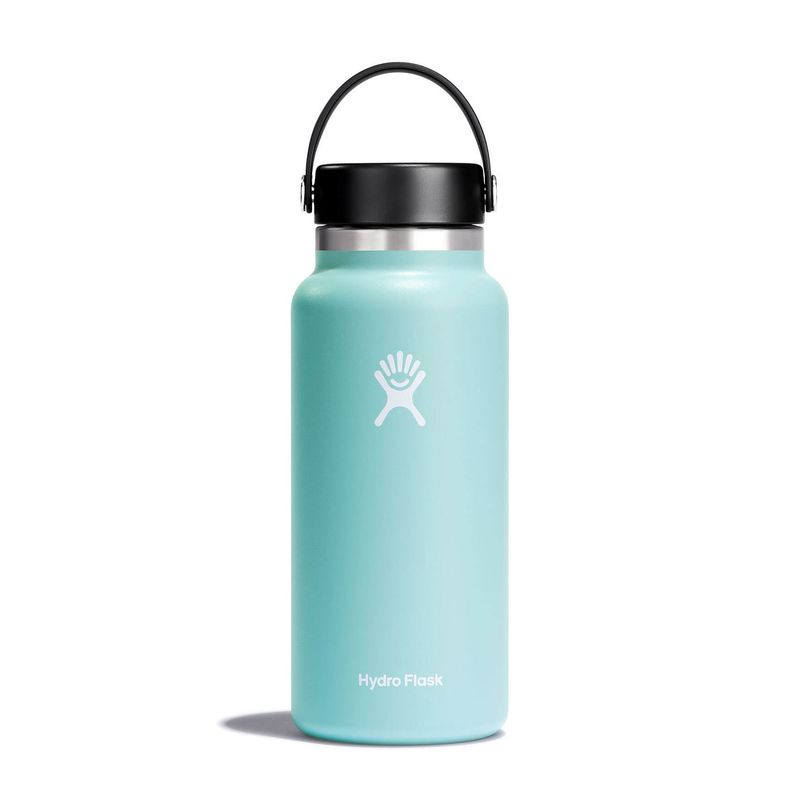
Water freezes quickly in winter, so insulate it well. Wide-mouth bottles resist freezing and accept hot drinks. Stash bottles upside-down because ice forms at the exposed top first.
The Hydro Flask 32oz keeps liquids warmer for longer and survives rough travel. Store one in your sleeping bag overnight to prevent freezing. Use insulated sleeves or a wool sock for extra protection.
Carry electrolytes to keep hydration appealing in the cold. Refill whenever you melt snow to maintain reserves. You will drink more and feel stronger throughout the trek.
11. Reliable Headlamp with Spare Batteries (Petzl Actik Core)
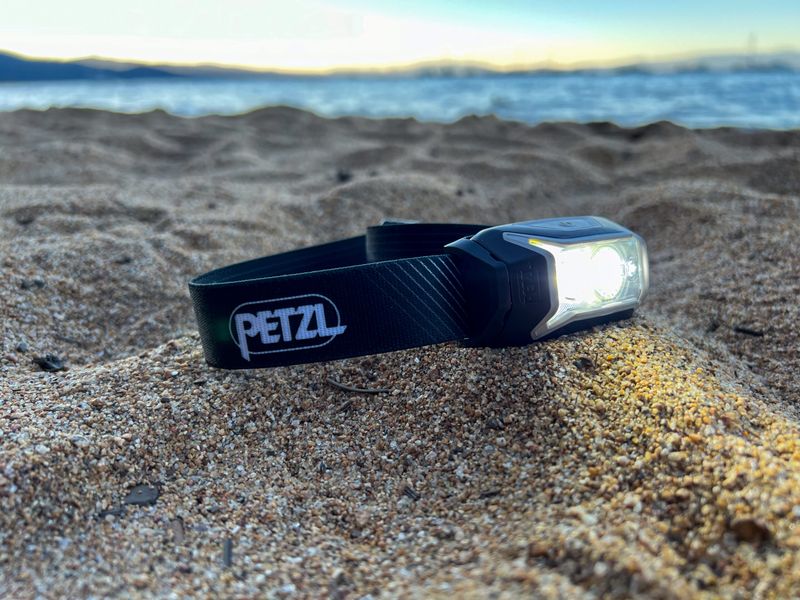
Darkness lingers in winter, making a reliable headlamp essential for safety. Choose one with multiple brightness modes and a lockout to prevent pocket activation. Keep spare batteries warm to preserve charge.
The Petzl Actik Core offers a rechargeable cell plus AAA compatibility. It is bright enough for camp chores and short night hikes. Use red mode to preserve night vision inside the tent.
Store your light in a chest pocket during the day. Practice changing batteries with gloves. You will navigate confidently when the sun dips before dinner.
12. Navigation Tools and Safety Gear (Garmin eTrex 32x + SOL Bivy)
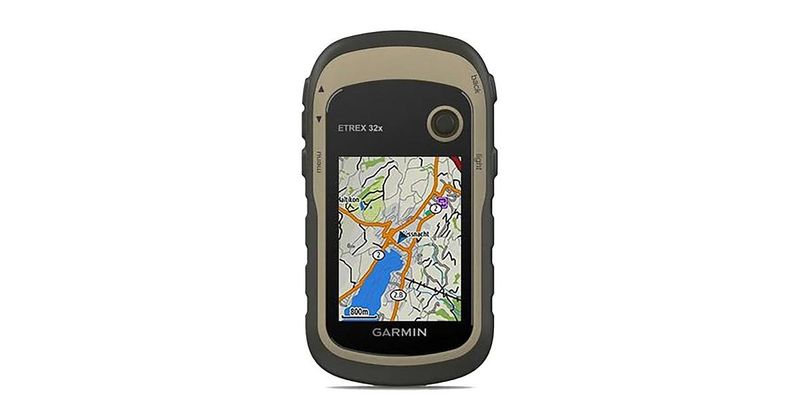
Snow buries trails and obscures landmarks. Carry a paper map, compass, and a GPS with offline maps. Mark camps and bailout routes before the trip.
A Garmin eTrex 32x pairs well with a SOL emergency bivy for just-in-case nights. Add a compact first-aid kit, whistle, and lighter redundancy. Keep electronics warm inside pockets to save battery life.
Practice bearings in daylight, then verify with GPS. Tell someone your plan and return time. You will move smarter and handle surprises with calm, practiced confidence.



