 Unearth The Voyage
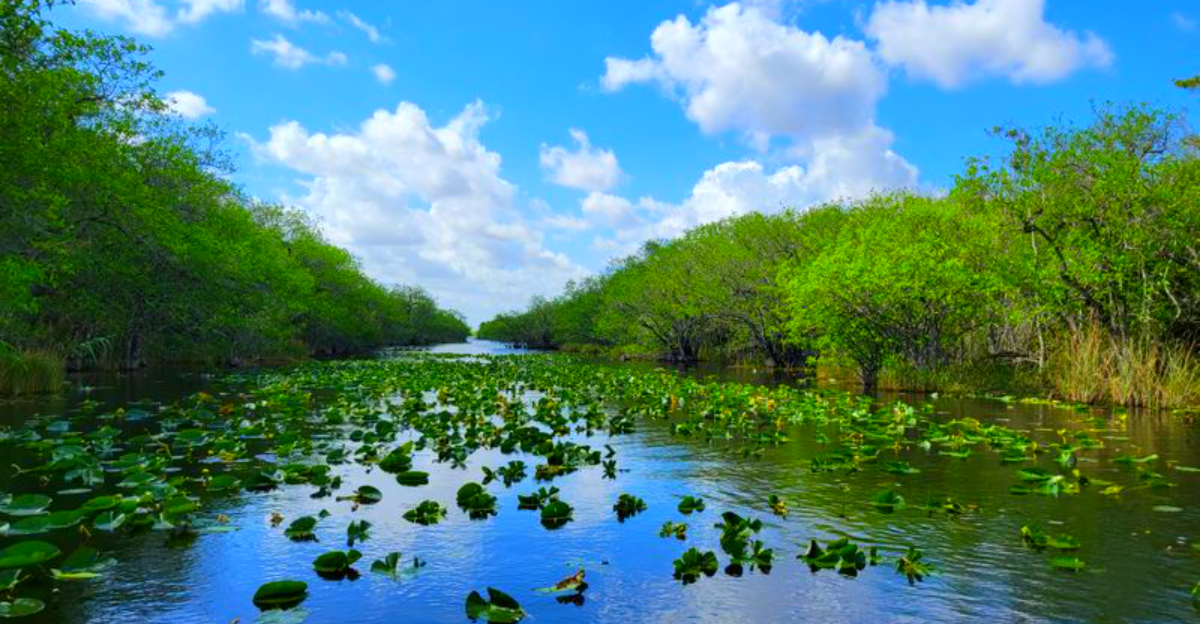
Ready to trade screens for wild scenes? America’s wildlife reserves put you steps away from thundering bison herds, soaring eagles, and hush quiet forests alive with secrets. You will find geothermal marvels, bat flights at dusk, and boardwalks that glide through ancient swamp forests. Pack curiosity, patience, and a good pair of binoculars, because unforgettable encounters await.
1. Yellowstone National Park, Wyoming Montana and Idaho
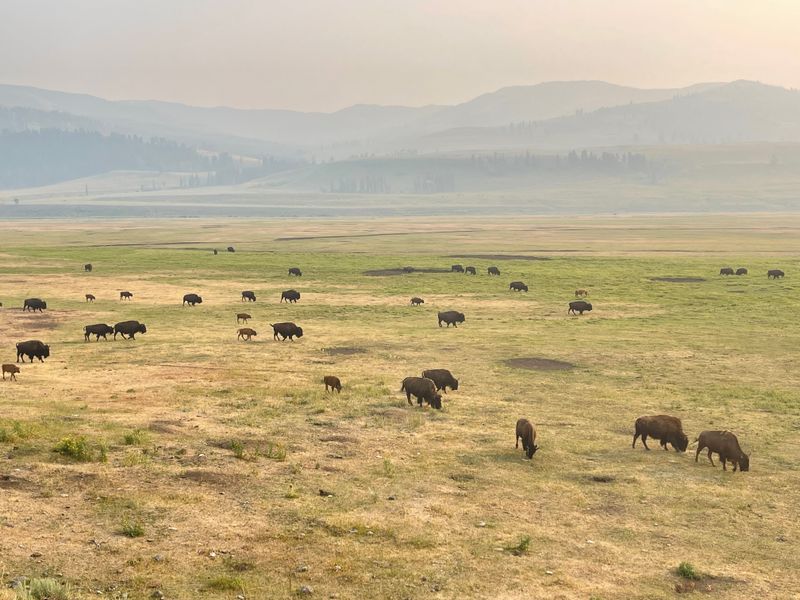
Yellowstone dazzles with geothermal drama and wildlife roaming free. You can watch bison graze in Lamar Valley, listen for wolves at dawn, and scan riverbanks for grizzlies. Time your visit for early morning or evening when animals move confidently.
Boardwalks lead safely past geysers and hot springs, while pullouts offer respectful viewing distances. Bring layers, bear spray, and patience, because sightings reward those who linger. Stick to guidelines, give creatures space, and you will leave with stories worth retelling.
2. Kenai National Wildlife Refuge, Alaska
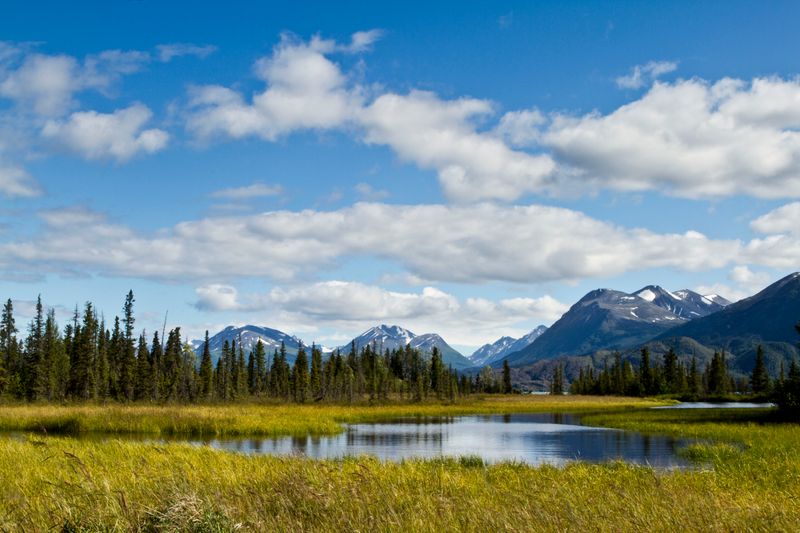
Kenai feels like Alaska in miniature, with mountains, wetlands, and forest stitched together. You might spot moose along marsh edges, watch eagles ride thermals, or glass river bends for brown bears. Summer brings long light for unhurried explorations by road or trail.
Respect fishing closures and carry bear safety gear. Quiet footfalls reveal hidden life, while binoculars bring distant peaks and animals closer. Choose dawn or dusk for active wildlife, and keep food secured. You will leave grateful for the refuge protecting so much wild character.
3. Rocky Mountain Arsenal National Wildlife Refuge, Colorado
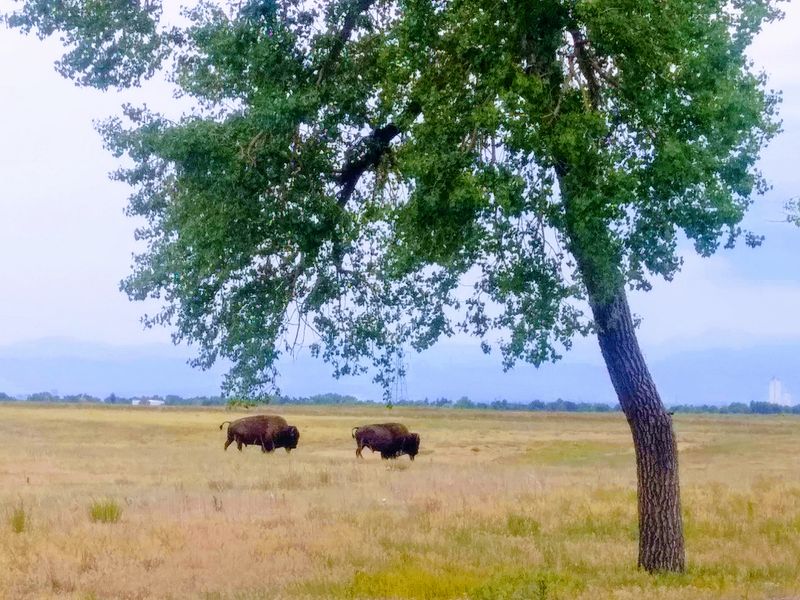
Minutes from Denver, this prairie sanctuary hosts bison, coyotes, deer, and elusive black footed ferrets. Drive the 11 mile loop, then stretch your legs on easy trails where meadowlarks sing. Winter light is crisp, and fall brings photogenic golden grasses.
Stay in your vehicle when bison approach, and never feed wildlife. Bring a spotting scope for raptors cruising thermals. The refuge makes wild moments accessible without a long road trip, proving nature still thrives beside the city. You will leave surprised by how much you saw.
4. Congaree National Park, South Carolina
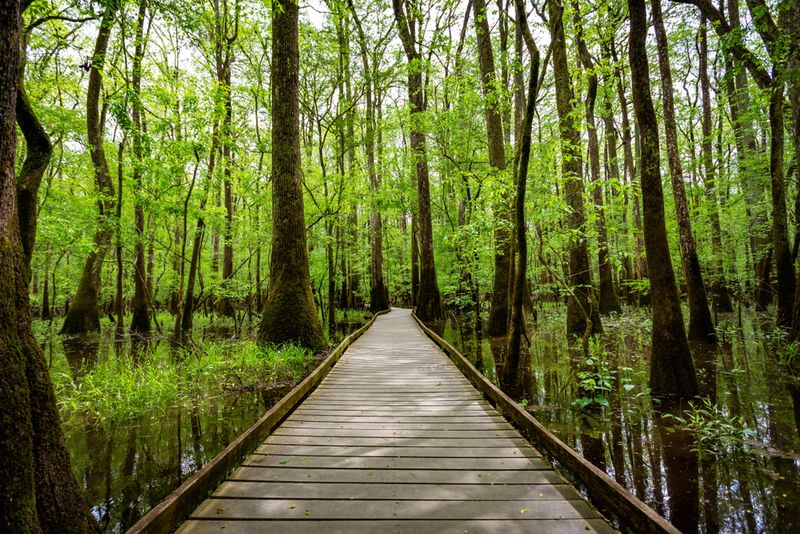
Congaree’s cathedral like forest hums with life. Walk the boardwalk through giant cypress and tupelo, watching for owls, barred and great horned, plus prothonotary warblers. Blackwater mirrors tree trunks, and the chorus of frogs sets the mood.
Bring bug protection and waterproof shoes for seasonal floods. Dawn birding can be spectacular, and winter opens clear views through leafless branches. Stay quiet to notice movement in the understory. You will appreciate how this floodplain nurtures extraordinary biodiversity within a serene, shadowed world.
5. Carlsbad Caverns National Park, New Mexico
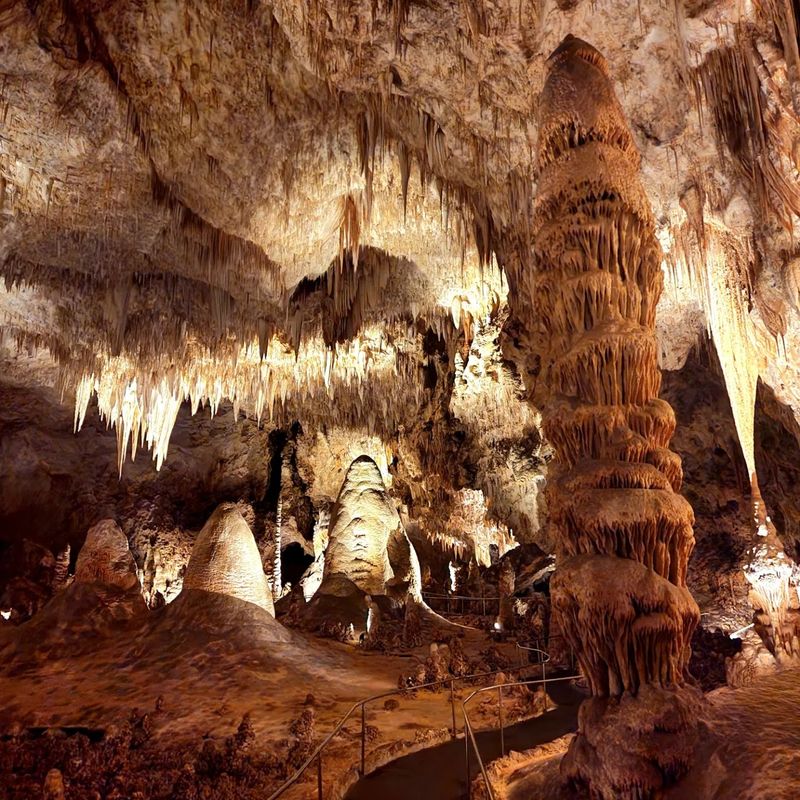
At dusk, thousands of bats spiral from Carlsbad’s cavern mouth like smoke. Settle into the amphitheater, listen to hush instructions, and watch the sky animate. In daylight, explore the Big Room’s limestone wonders, imagining nocturnal hunters sleeping overhead.
Summer offers peak bat flights, but check schedules and closures. Respect quiet zones and keep lights low. Outside, scan desert scrub for roadrunners and mule deer. You will leave feeling small and thrilled, having witnessed nature’s choreography in a place that shelters life by day and unleashes it at night.
6. Everglades National Park, Florida

The Everglades flow like a shallow river teeming with alligators, wading birds, and subtle movement. Glide a boardwalk near Shark Valley or Anhinga Trail to spot gators and herons. Dry season concentrates wildlife and clears mosquitoes, making photography easier.
Never feed animals and keep a safe buffer around reptiles. Early mornings bring mirror calm water and hunting raptors. Scan for roseate spoonbills and snail kites. With patience, you will witness predator prey moments framed by endless sky, proof that this slow water world still pulses with wild energy.
7. Bosque del Apache National Wildlife Refuge, New Mexico
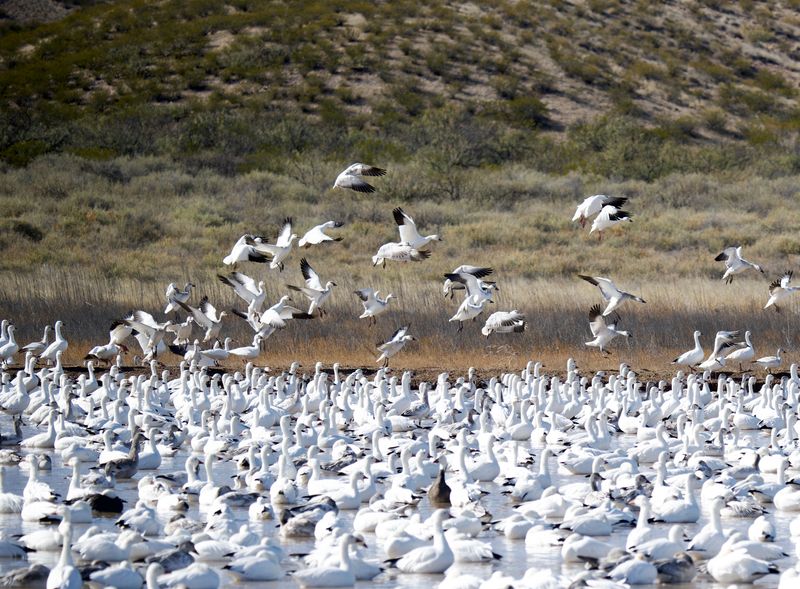
At first light, cranes bugle and the marsh erupts as snow geese lift off. Stand along the loop road pullouts for front row spectacle. In late fall through winter, the refuge choreographs sunrise flights and sunset returns that feel cinematic.
Bring layers and hand warmers for frosty mornings. A telephoto lens helps isolate birds against warm light. Drive slowly, listen, and stop often. You will leave with ringing ears and a full heart, grateful for migration’s rhythm and the refuge that gives birds safe harbor.
8. Theodore Roosevelt National Park, North Dakota
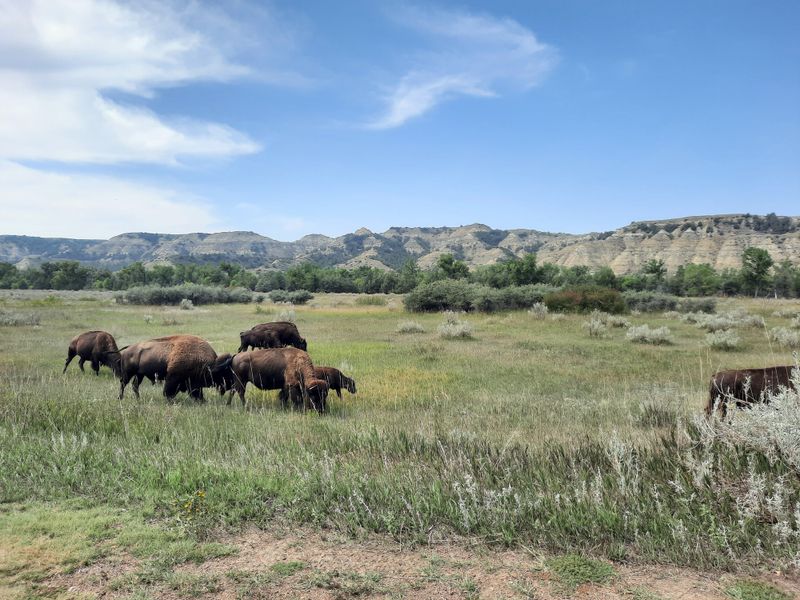
Badlands scenery frames bison herds, pronghorn, and bands of wild horses. Pull over near prairie dog towns to watch sentries chirp and tails flag warnings. The North and South Units offer sweeping overlooks where wildlife dots the grasslands.
Golden hour paints striped buttes and gives animals gentle light. Keep distance from horses and bison, and use long lenses for safe portraits. Quiet patience reveals movement along draws. You will leave feeling connected to the conservation legacy that started a presidency and still inspires roadside awe.
9. Channel Islands National Park, California
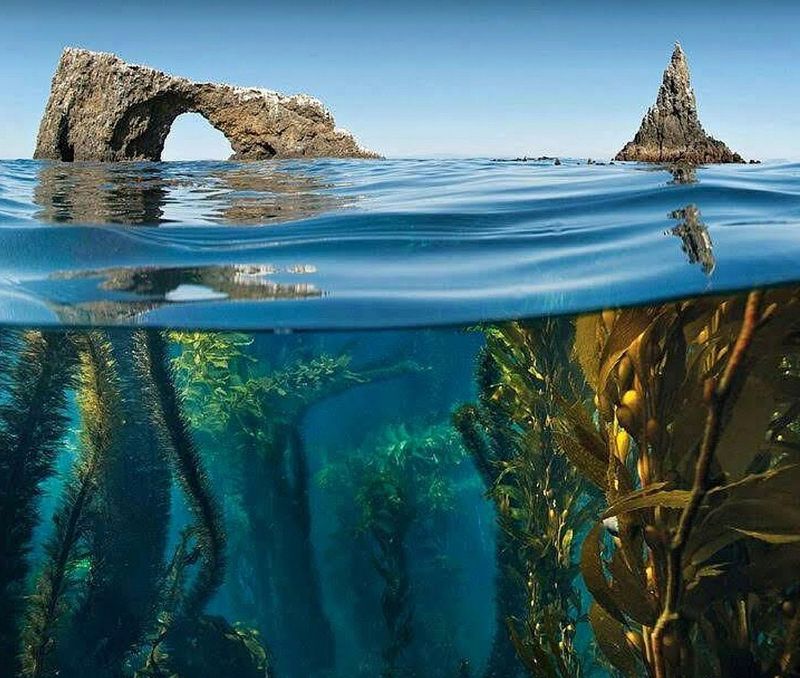
Hop a boat to islands where time slows and wildlife thrives. Watch island foxes trot fearlessly, sea lions bark from rocky perches, and seabirds wheel above kelp rich coves. Snorkeling reveals garibaldi and swaying forests beneath glassy water.
Pack motion meds and layers for boat crossings. Stay on trails to protect nesting sites, and store snacks securely. Shoulder seasons bring quieter landings and great clarity. You will leave savoring the salty air and rare species found nowhere else, only a short ride from California’s mainland buzz.
10. Cuyahoga Valley National Park, Ohio
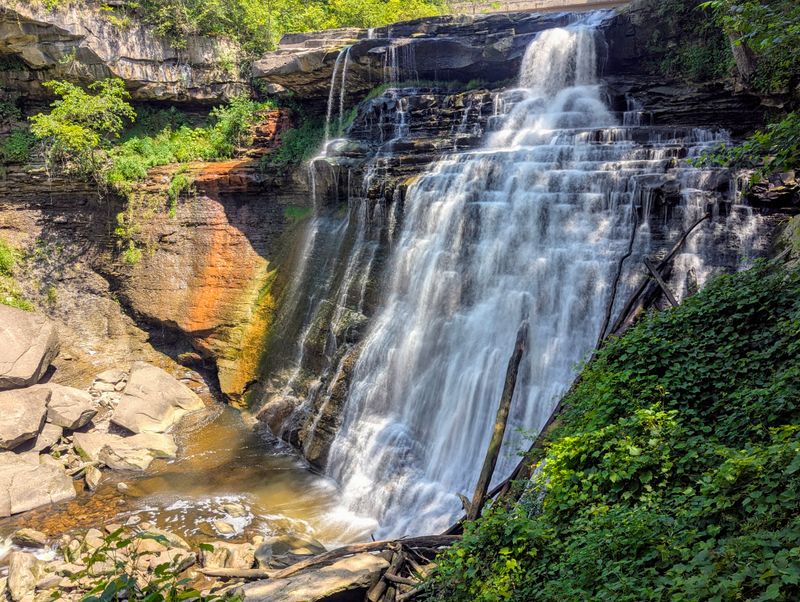
Cuyahoga Valley shelters wildlife in a ribbon of green between cities. You can watch great blue herons stalk shallows, spot beaver signs near ponds, and listen for owls at dusk. Towpath Trail access makes quiet wanderings easy.
Bring a bike or walk slow to notice tracks and ripples along the canal. Spring migrations fill woodlands with song. Respect closures that protect nests and sensitive wetlands. You will leave surprised how wild this urban edge can feel, and you might plan a return for peak fall foliage.
11. Okefenokee National Wildlife Refuge, Georgia
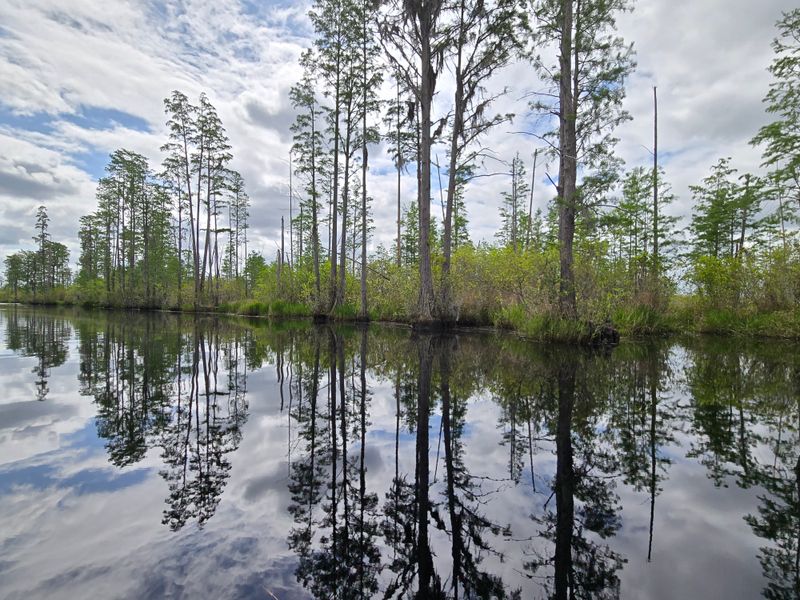
Paddle a labyrinth of tea colored water where gators glide like logs. Cypress knees rise from mirror surfaces, and sandhill cranes call across prairies. A guided canoe trip helps you navigate safely while maximizing sightings.
Pack sun protection and respect distance from reptiles. Summer storms build fast, so check forecasts and carry dry bags. Dawn calm turns the swamp into a perfect lens for reflections. You will leave enchanted by the hush, the dragonflies, and the feeling that the wild still holds deep silence here.
12. Olympic National Park, Washington

Three worlds meet here: rainforest, mountains, and wild coast. Watch Roosevelt elk graze in Hoh meadows, scan rivers for dippers, and explore tidepools crowded with sea stars. On clear evenings, sit quietly and wait for owls to stir.
Bring rain gear and respect fragile tidal life by stepping on bare rock. Early mornings and shoulder seasons mean quieter trails. Keep food secure and give elk space during rut. You will leave with boots damp and senses sharpened, grateful for a park that feels truly untamed.



