 Unearth The Voyage

Icy trails demand more than optimism and wool socks. The right winter hiking boots keep you upright, warm, and ready to push farther when the wind bites and the surface turns slick. This guide highlights proven models praised by testers for waterproofing, insulation, and traction you can trust on blue ice and packed snow. Read on to find the pair that matches your trails, pace, and cold tolerance.
KEEN Revel IV Mid Polar Boots

You want traction that bites, warmth that lasts, and waterproofing that shrugs off slush. The KEEN Revel IV Mid Polar brings KEEN.WARM insulation and a waterproof upper that stays supple in real cold. Deep, sharp lugs feel locked on icy crust, making each step confident when the trail turns glassy.
On mixed snow and ice, the mid height supports ankles without feeling bulky. The fit is secure but not cramped, leaving room for winter socks and natural toe splay. After creek splashes and wind-scoured ridges, feet stay dry, while the boot’s underfoot stiffness keeps edges from folding on ruts.
For long days under a heavy pack, these handle variable surfaces without harsh impact. They are not ultralight, but the stability is a gift on sidehills and frozen ruts. Pair with microspikes for black-ice mornings and you will move fast with fewer slips.
The North Face Chilkat V 400
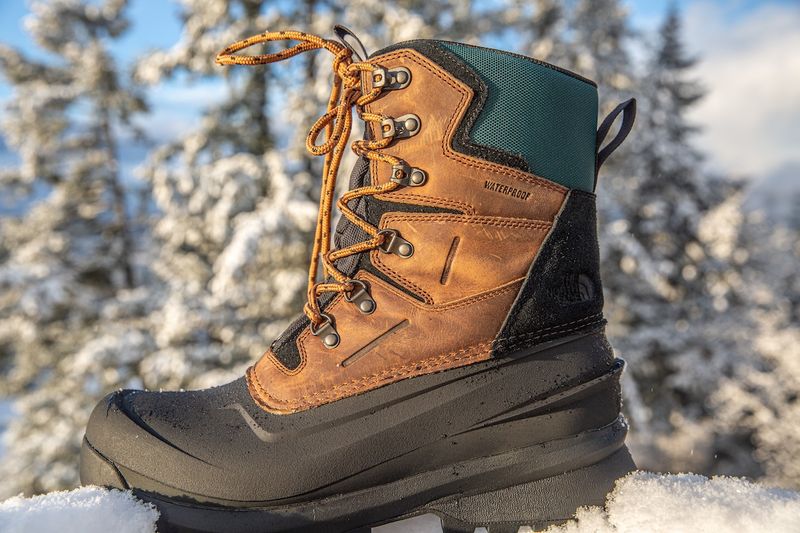
Cold, wet hikes need boots that do not flinch, and the Chilkat V 400 delivers. The waterproof construction and generous insulation build a protective cocoon that keeps toes lively even when temps tumble. The outsole pattern grips hardpack and small patches of glare ice with welcome predictability.
Fit feels warm and familiar, with enough structure for sidehill stability. On slushy approaches, the seam-sealed build keeps moisture where it belongs. After hours of trudging, cushioning remains consistent, so you can keep pace without that lead-foot fatigue.
On hilly routes with mixed snow and rock, the boot keeps a steady rhythm. It is not a featherweight, but it rewards measured steps on slick traverses. Bring microspikes for true ice and you will feel dialed from trailhead to summit turnaround.
The North Face Vectiv Fastpack Insulated WP
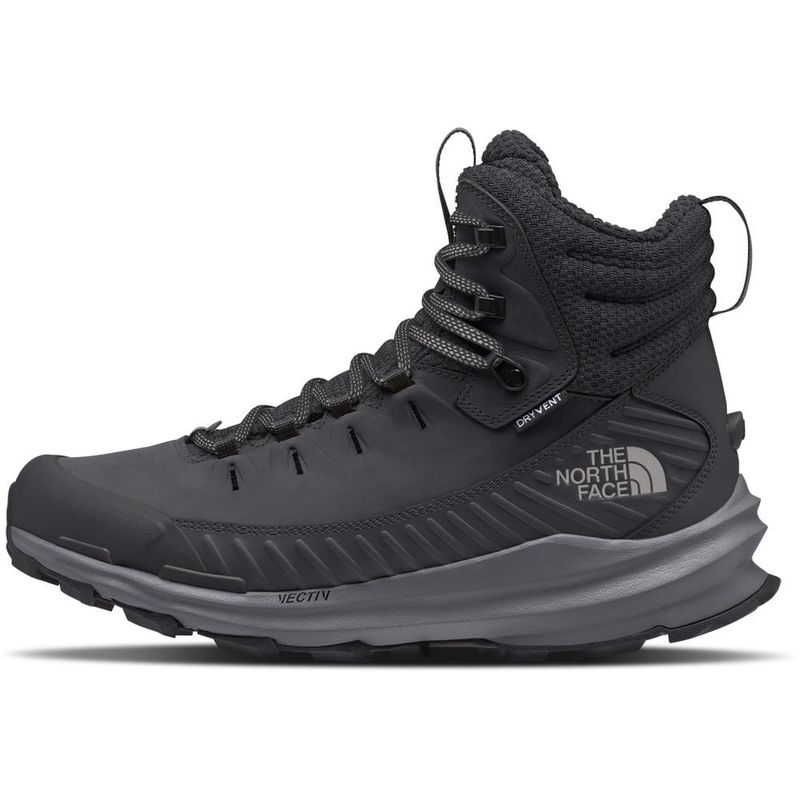
If you want speed with winter security, the Vectiv Fastpack Insulated WP hits a sweet spot. The waterproof membrane keeps slush out while insulation takes the sting off sub-freezing air. Underfoot, the rocker-friendly platform encourages smooth strides across frozen ruts and hardpack.
Traction is tuned for slick, uneven surfaces where small edges matter. The boot’s mid-cut support stabilizes ankles without feeling cagey. On technical sections, the sole hooks into irregular texture, helping each step feel deliberate, not skittery.
For fast hikes with a loaded daypack, these stay nimble and protective. You will move confidently over icy patches with microspikes ready for steeper grades. When miles add up, the lightweight feel makes a difference you notice in your hips and pace.
Salomon Toundra Pro
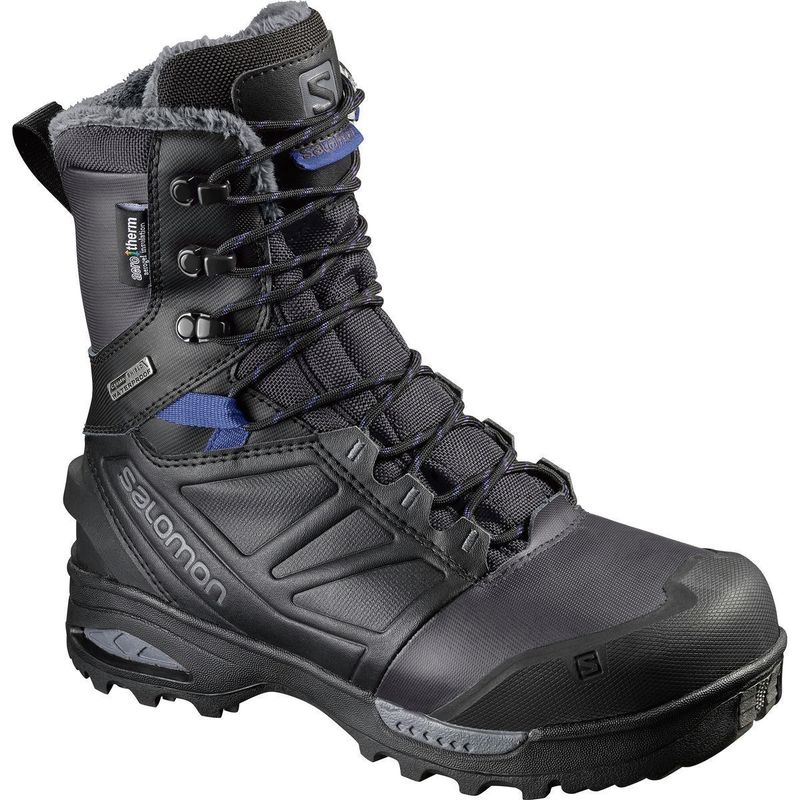
Brutal cold tests everything, and the Salomon Toundra Pro keeps answering the bell. Advanced insulation, including aerogel elements, traps heat without turning the boot into a brick. The waterproof upper resists soak-through when snow turns wet at lower elevations.
Traction excels on refrozen tracks and wind-buffed ice, where consistent edges matter. Supportive construction resists torsion on off-camber surfaces, reducing ankle fight when fatigue sneaks in. Even during long stops, warmth lingers, saving precious energy for the return push.
For multi-hour missions below zero, this is a reliable partner. It is heavier than speed-focused options, but the payoff is exceptional warmth and security. Add microspikes for steep, polished pitches, and you will feel composed when others slide.
Oboz Bridger 10″ Insulated
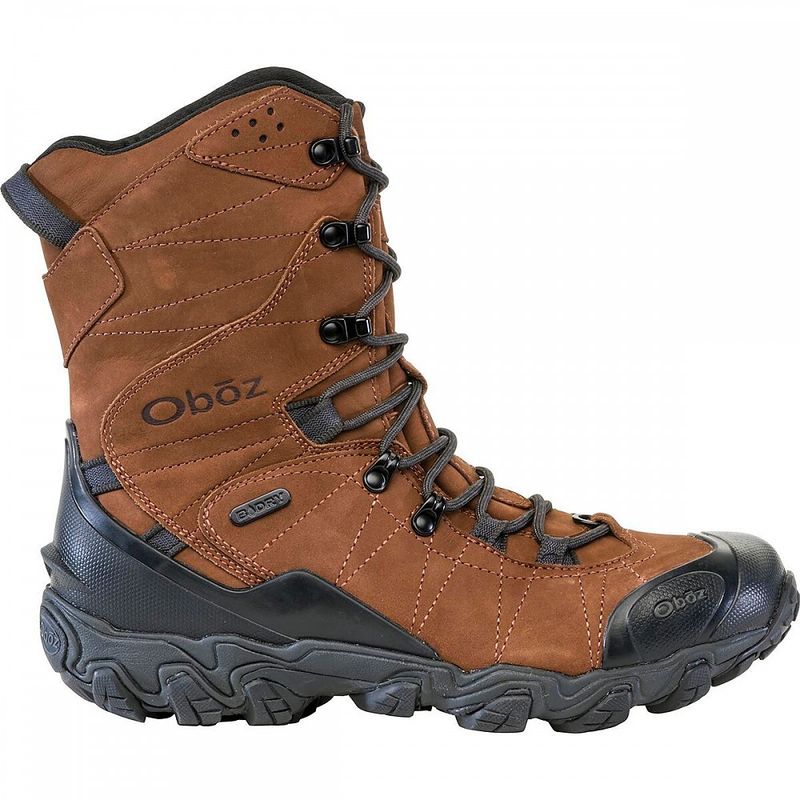
Deep snow and icy benches call for height and bite, and the Oboz Bridger 10 inch Insulated brings both. The tall shaft blocks drifted powder while waterproofing seals out slush and creek splash. Insulation keeps toes functional even when the wind slices down the valley.
The aggressive lug pattern grips well on crust and frozen tread. Under a winter pack, the boot’s support feels reassuring on ruts and sidehills. Fit is secure yet roomy enough for thick socks without pressure points.
These play nicely with strap-on traction when glare ice shows up. While not the lightest, the confidence on uneven terrain is worth a few extra ounces. If your routes involve drifts, icy steps, and occasional boot crampon use, this is a strong bet.
Oboz Bridger 8″ Insulated Mid
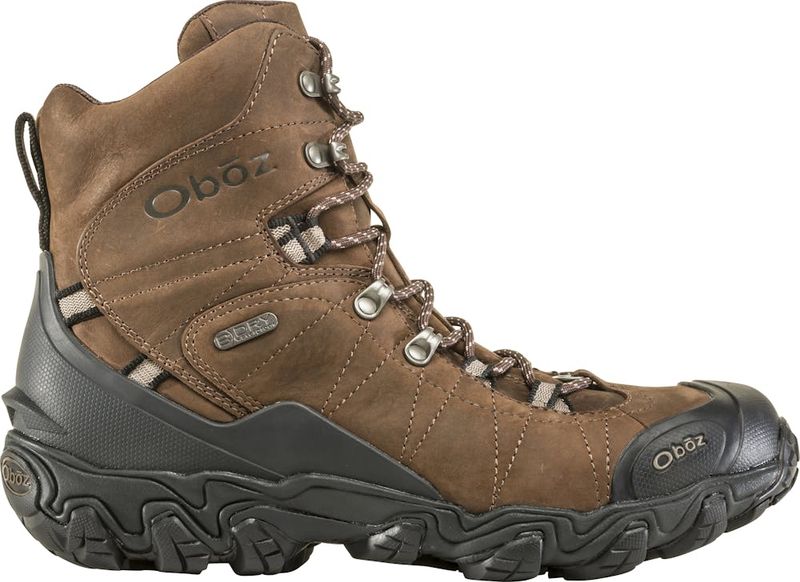
Prefer agility without losing winter grip The Oboz Bridger 8 inch Insulated Mid balances mobility and protection. Waterproofing fends off slush, while insulation keeps warmth steady on long, cold days. The slightly lower cuff frees ankles to pivot when terrain gets awkward.
Traction is reassuring on icy hardpack, especially where micro-texture gives the lugs something to chew. The midsole offers stable support under a daypack, keeping footwork crisp. Fit feels secure, with enough forefoot space for thicker socks.
On rolling, icy trails, these handle quick changes in pace and direction. Weight stays reasonable, so you can cover distance without feeling bogged down. Add microspikes for blue-ice sections and the setup becomes a versatile winter workhorse.
Merrell Moab Speed 2 Thermo Mid WP
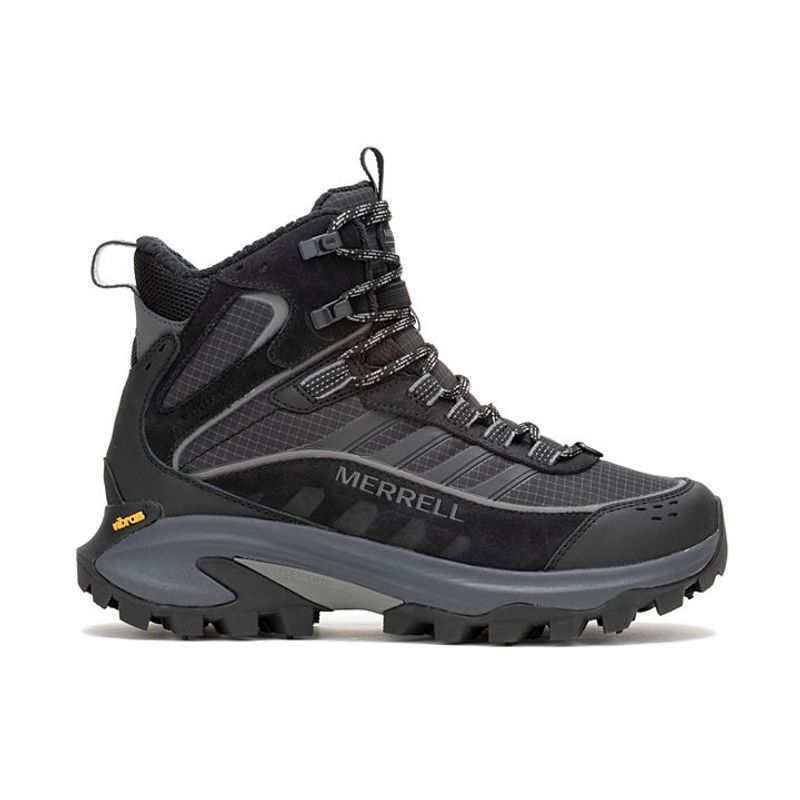
When lightweight matters, the Merrell Moab Speed 2 Thermo Mid WP keeps momentum high. Insulation balances warmth with minimal bulk, and the waterproof membrane blocks slush and meltwater. The outsole compound grips cold surfaces better than typical summer rubber.
On long, fast outings, the cushioned ride helps preserve cadence. Stability is solid for a lighter boot, so foot placement stays clean on ruts. Roomy toes let circulation do its job, key for warmth during steady movement.
For icy paths with rolling elevation, these feel quick, not flimsy. Pair with microspikes when glare ice threatens and you will stay upright without overthinking. If you value speed, dependable grip, and all-day comfort, this checks the boxes.
Columbia Bugaboot III
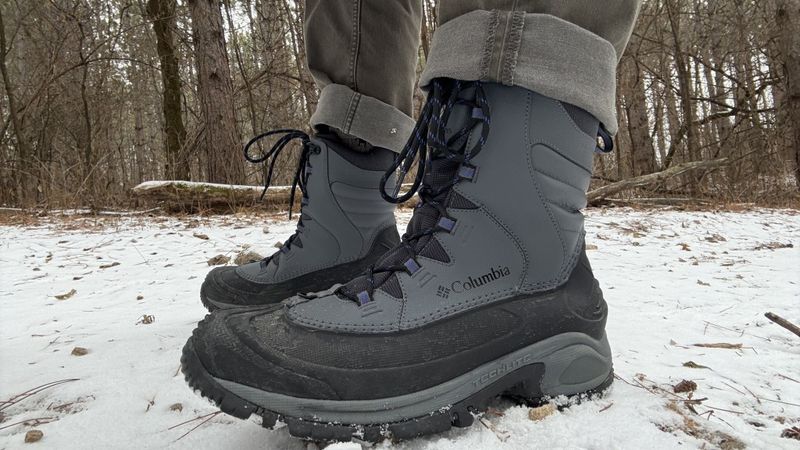
If value matters and you still want reliable winter traction, the Columbia Bugaboot III delivers. Waterproof construction and practical insulation keep feet ready for daily trails and weekend laps. The outsole’s pattern and rubber compound bite into packed snow and moderate ice.
Comfort is straightforward and warm, with a supportive stance that does not feel sloppy. On slush-heavy routes, waterproofing keeps socks dry and spirits high. Durability holds up well for the price, making this a dependable everyday choice.
For gravel-to-forest transitions and plowed trail systems, these are an easy pick. They shine on predictable winter footing but appreciate microspikes when black ice appears. If you want dependable performance without premium pricing, start here and hike with confidence.
Hoka Kaha 2 Frost GTX
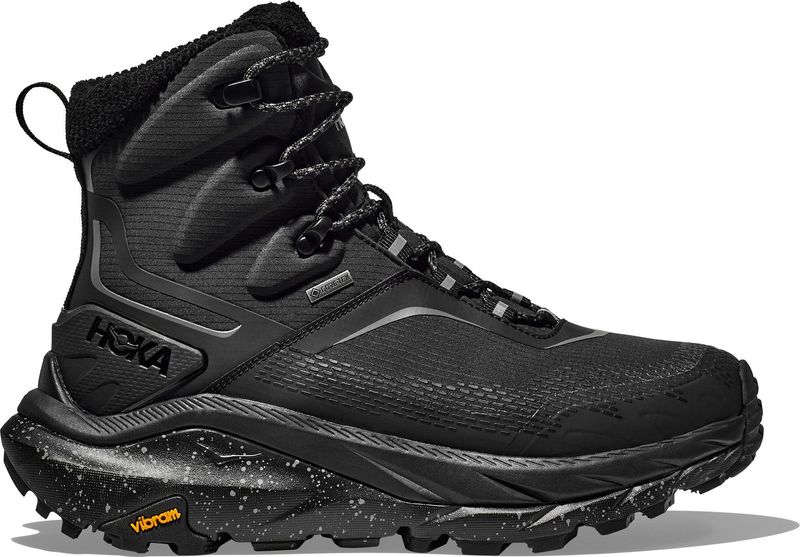
Long winter days are kinder with cushioning, and the Hoka Kaha 2 Frost GTX provides plenty. The Gore-Tex membrane keeps moisture out while the outsole finds grip on frozen dirt and patchy ice. Despite the plush feel, support stays firm for heavy mileage.
Stride feels smooth on hard surfaces where lesser boots slap. Warmth is steady during long, aerobic efforts, keeping toes comfortable without overheating. The ankle collar adds security without pinching movement on uneven ground.
For mixed snow and ice over big distances, these help you keep energy reserves intact. Bring traction aids for polished slopes and you will tackle icy switchbacks confidently. If comfort is your priority with winter reliability, this is a smart choice.
Scarpa Moraine Polar GTX
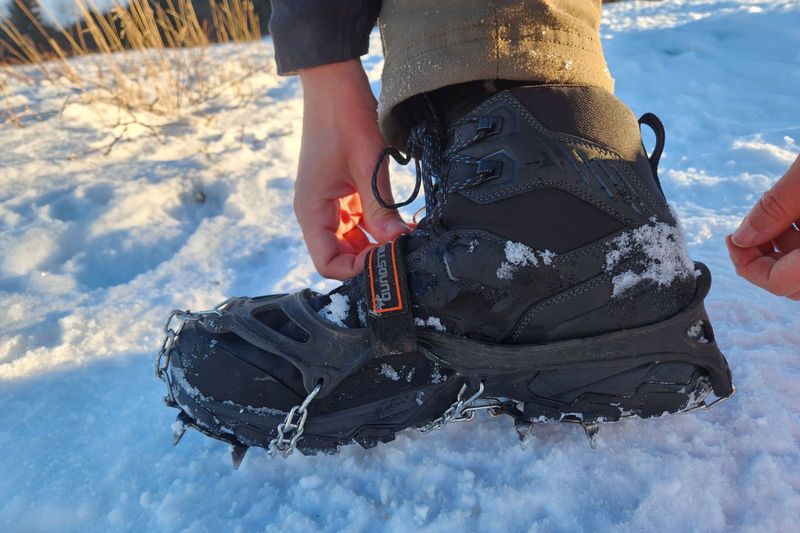
Technical winter paths reward stiffness and grip, and the Scarpa Moraine Polar GTX leans into both. The Gore-Tex bootie holds the line against slush and wet snow. Underfoot, strong lugs and a supportive platform keep steps composed on icy traverses and frost-slick talus.
Ankles feel cradled without losing necessary mobility for side-stepping and edging. The fit is snug and performance-forward, encouraging precise foot placement. Warmth stays solid through stop-and-go pacing when the wind cuts.
For mountaintop ice or variable backcountry routes, this boot is a confident pick. It pairs beautifully with microspikes for steep grades and frozen gullies. If your winter days trend technical, the Moraine Polar GTX brings stability that pays off.
Keen Revel IV High Polar Boots
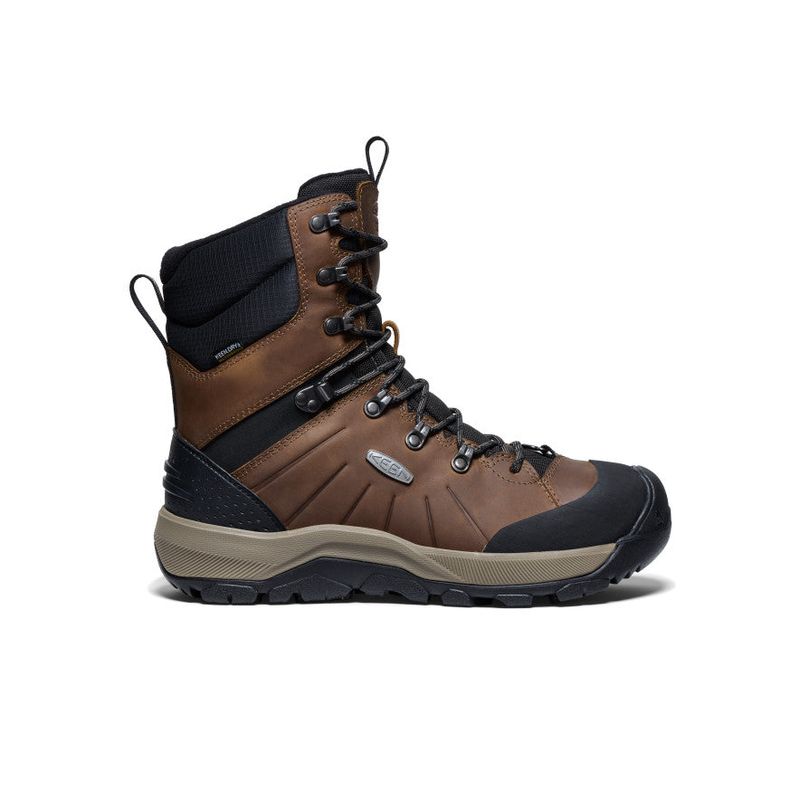
When snow gets deep, extra height helps, and the KEEN Revel IV High Polar steps up. The taller shaft keeps powder from sneaking in while KEEN.WARM insulation preserves heat. Waterproofing stands firm against slush and quick creek hops.
Traction mirrors the Mid version’s confidence with aggressive lugs that claw into icy crust. Stability under a winter pack feels planted and calm. The fit leaves room for thicker socks without compromising heel hold on sidehills.
For backcountry trails with drifted sections and frozen creek beds, these feel purpose-built. Add microspikes for glassy climbs and you will move with assurance. If you like the Revel’s security but want more coverage and warmth, this is the upgrade.
Columbia Bugaboot Celsius Plus
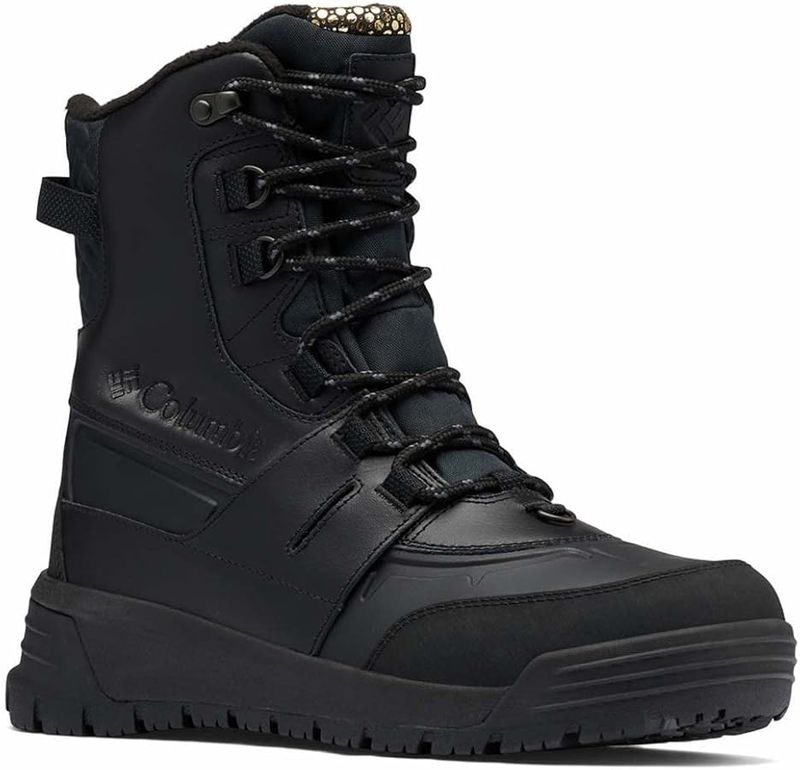
Cold mornings with slick patches call for warmth and steady footing, and the Bugaboot Celsius Plus brings both. Insulation is beefed up for low temps, and the waterproof build resists slushy soak-through. The Omni-Grip outsole provides reliable bite on packed snow and light ice.
Cushioning is comfortable for daily miles without feeling spongy. The fit is straightforward and works well with winter socks. On mixed commutes-to-trail days, these transition easily from plowed paths to wooded routes.
For affordable protection when forecasts drop, this model feels trustworthy. Pair with traction aids for true glaze ice and you will stay upright with fewer surprises. If you want warm, durable boots that handle slick conditions, these are a smart, budget-friendly choice.



