 Unearth The Voyage
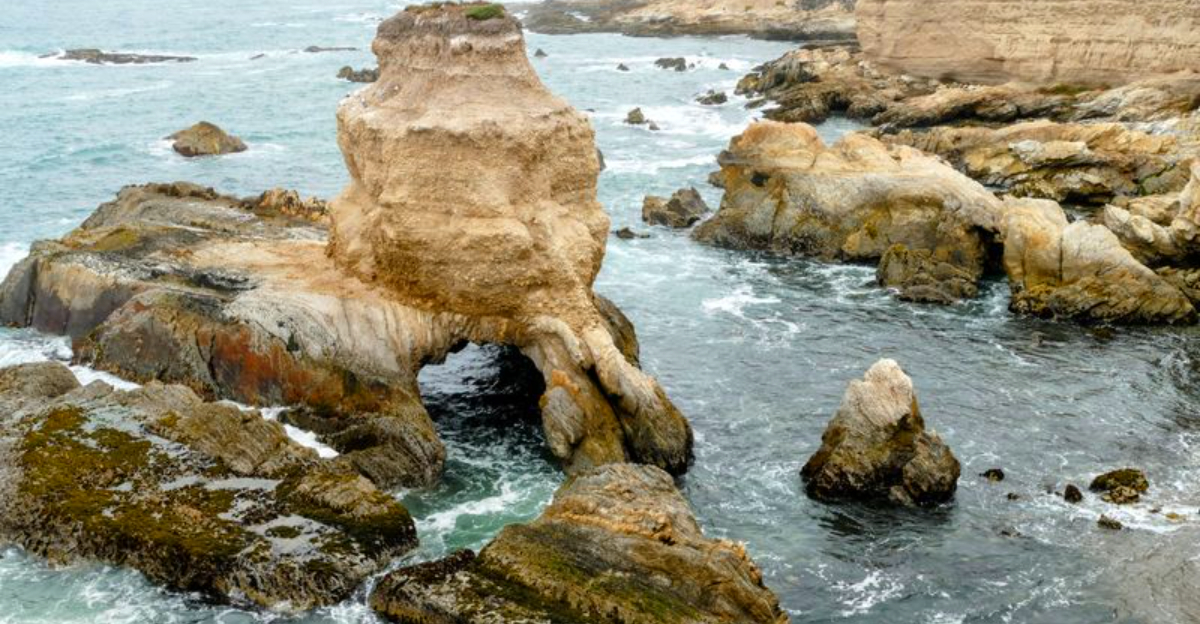
California has a side most travelers completely miss. Step past the headline parks and you’ll hit places that feel unreal: giant ancient forests, wild coastlines sculpted into strange shapes, and landscapes that look like they belong on another continent.
These 12 state parks are the kind of spots that make you stop mid-step and think, wait, this is still California.
1. Salt Point State Park
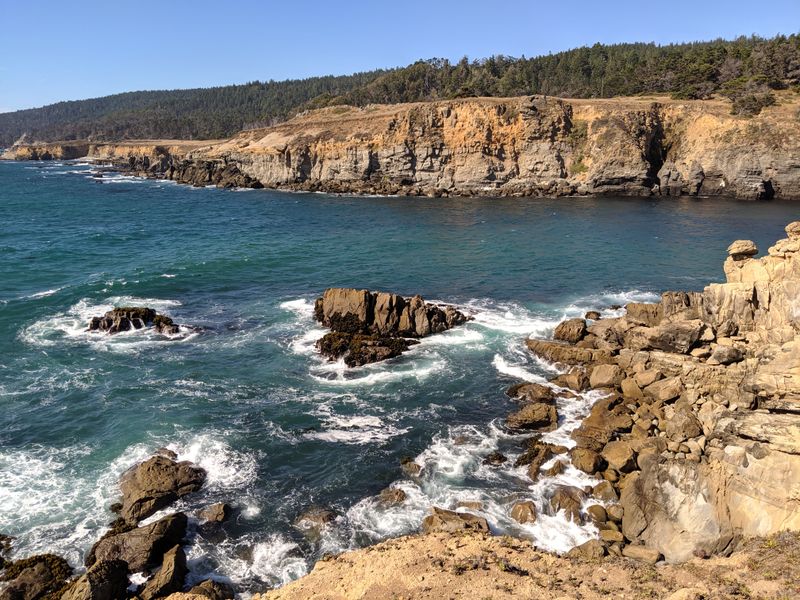
Along the Sonoma Coast, Salt Point sprawls across six miles of shoreline that looks like it belongs on a wilder, more remote continent. Sandy coves nestle between steep bluffs, while sandstone cliffs rise in formations that seem sculpted by an artist with a taste for the surreal.
The park’s trails wind through landscapes that shift from coastal scrub to dramatic overlooks. An underwater reserve draws divers who explore kelp forests and rocky reefs just offshore, adding another dimension to this multifaceted park.
When the tide pulls back, the real magic appears. Sandstone formations emerge in honeycomb patterns and twisted shapes that photographers dream about.
The rocky shoreline reveals tide pools teeming with sea stars, anemones, and crabs navigating their temporary kingdoms.
Wind and fog are frequent visitors here, often arriving without warning. Your weather app might promise sunshine, but the coast has its own microclimate.
Layering clothes isn’t optional; it’s survival strategy for anyone planning to spend more than twenty minutes outside.
The combination of rugged beauty and relative solitude makes Salt Point feel like a secret the locals forgot to keep. It’s the kind of place where you can walk for an hour and feel like you’ve traveled much farther.
2. Van Damme State Park
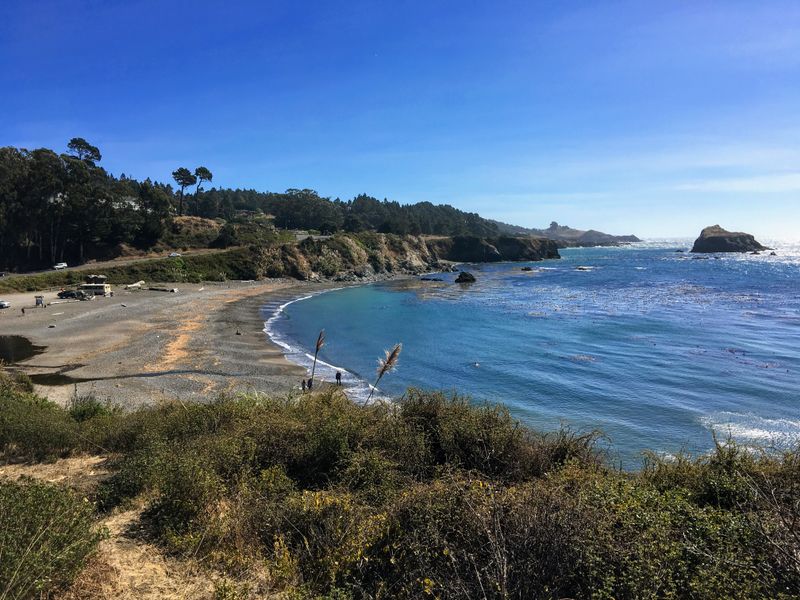
Van Damme packs more variety per acre than seems physically possible. Beach access opens onto the Mendocino Coast’s moody waters, while inland, a fern-carpeted canyon creates a microclimate so lush it feels tropical.
But the star attraction defies belief: the Pygmy Forest, where mature trees stand mere inches to a few feet tall. Acidic soil and an iron hardpan layer stunt their growth, creating a landscape that looks like a fairy tale illustration come to life.
Walking the boardwalk through this miniature woodland feels like shrinking to Alice’s size.
The Fern Canyon trail system weaves through environments that shift dramatically within minutes of walking. Redwoods give way to ferns, which yield to coastal scrub, all connected by well-maintained paths that make the park accessible without sacrificing its wild character.
Weekend warriors love Van Damme for its manageable scope. You don’t need a week-long expedition to experience its highlights.
A Saturday morning can deliver big scenery, unusual ecology, and that satisfying feeling of discovering something genuinely different.
The park works equally well for families with young kids and solo adventurers seeking solitude. That versatility, combined with its compact layout, makes it a perfect reset button when city life starts feeling too heavy.
3. Russian Gulch State Park
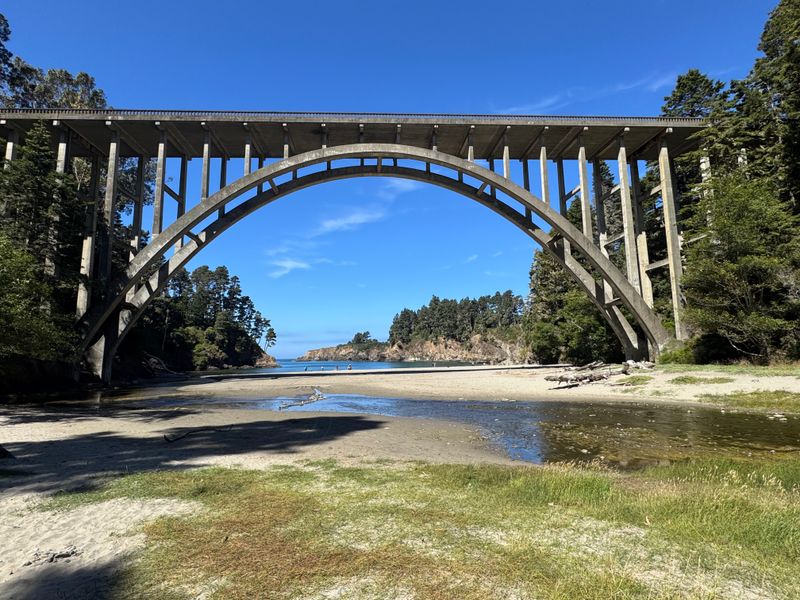
Russian Gulch hands you a menu of adventures and says “pick whatever sounds good.” The beach and headland offer classic coastal exploring, with tide pools and wave-watching opportunities that never get old.
The Punch Bowl steals most visitors’ attention immediately. This collapsed sea cave creates a natural amphitheater where ocean water churns and froths with hypnotic power.
Standing at the viewpoint, you can feel the spray on your face when swells surge through the opening.
But venture inland and the park reveals its second personality. A trail leads through coastal forest to a waterfall that tumbles over moss-covered rocks in a setting that feels more Pacific Northwest than California coast.
The contrast between environments happens so quickly it’s almost disorienting.
Wave power here demands respect. The surge zones along the cliffs aren’t suggestions; they’re warnings written by the ocean itself.
Keeping a safe distance from edges isn’t paranoia when sneaker waves regularly demonstrate their reach and force.
This “choose your own adventure” setup makes Russian Gulch perfect for groups with different interests. Some can chase waterfalls while others photograph the Punch Bowl, then everyone reconvenes with stories about completely different landscapes experienced in the same afternoon.
4. Sue-meg State Park
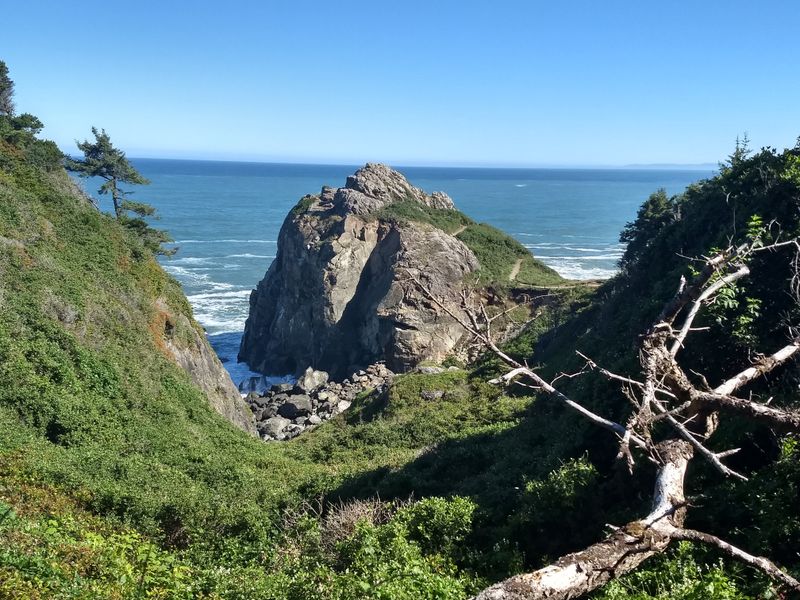
Fog, surf, and spruce forests conspire at Sue-meg to create atmosphere so thick you could bottle it. Formerly known as Patrick’s Point, this dramatic headland feels like the setting for a moody independent film where nature plays the lead role.
The park’s current name honors its deep Yurok history, acknowledging thousands of years of Indigenous connection to this land. Sumêg Village programming and cultural interpretation add layers of meaning to the landscape, transforming a scenic park into a place of living heritage.
When the sky clears even briefly, sunset from the bluffs becomes an event worth canceling other plans for. The light turns golden, then pink, then impossible shades of orange that photographers struggle to capture accurately.
Those moments of clarity feel earned after hours of typical North Coast weather.
The headland’s geology creates dozens of viewpoints, each offering slightly different perspectives on the meeting of land and sea. Some overlooks face north, others south, and the changing light throughout the day means the same spot can look completely different at noon versus evening.
Sue-meg works its magic gradually. First-time visitors might find it merely pretty, but return a few times and the place reveals deeper charms.
It’s a park that rewards attention and patience with moments of genuine transcendence.
5. Prairie Creek Redwoods State Park
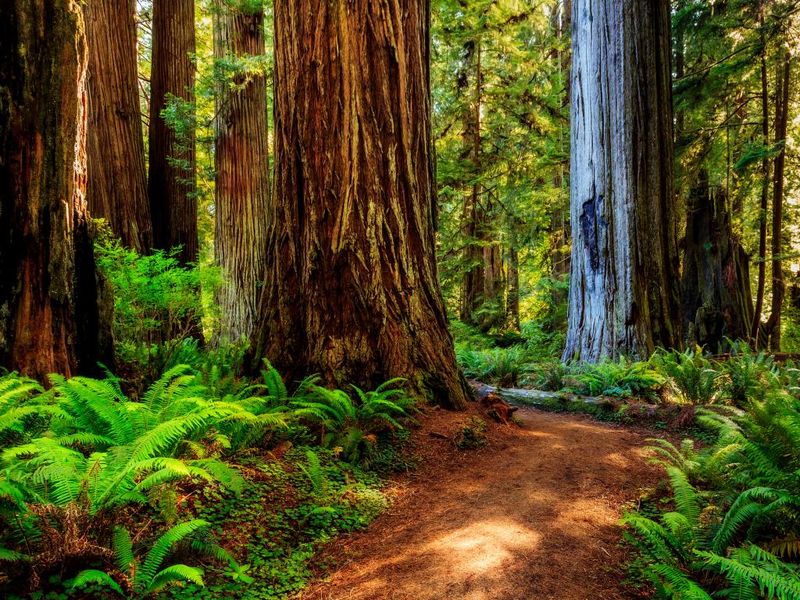
Most people associate redwoods with dim forest floors and cathedral-like groves. Prairie Creek adds a plot twist: open meadows where Roosevelt elk graze beneath the ancient giants, creating scenes that belong on nature documentary footage.
The park’s name tells the story. This isn’t just towering trees; it’s an ecosystem where forest meets prairie in ways that feel almost curated for maximum visual impact.
Sandy beaches add yet another element, accessible via scenic drives that pass from giant trees into completely different landscapes within minutes.
Old-growth coast redwoods dominate the forest sections, with trees so massive they distort your sense of scale. Walking among them requires mental recalibration; your brain keeps insisting they can’t possibly be that large, but your eyes confirm otherwise every time.
Gold Bluffs Beach and Fern Canyon rank among the park’s most popular destinations, which explains the day-use reservation requirement during peak season (May 15 through September 15). Planning ahead becomes mandatory, but the payoff justifies the extra effort.
The combination of habitats makes Prairie Creek exceptional for wildlife watching. Elk are practically guaranteed, but patient observers also spot birds, amphibians, and occasionally black bears moving between the different zones.
It’s a reminder that “redwood park” can mean so much more than just trees.
6. Jedediah Smith Redwoods State Park
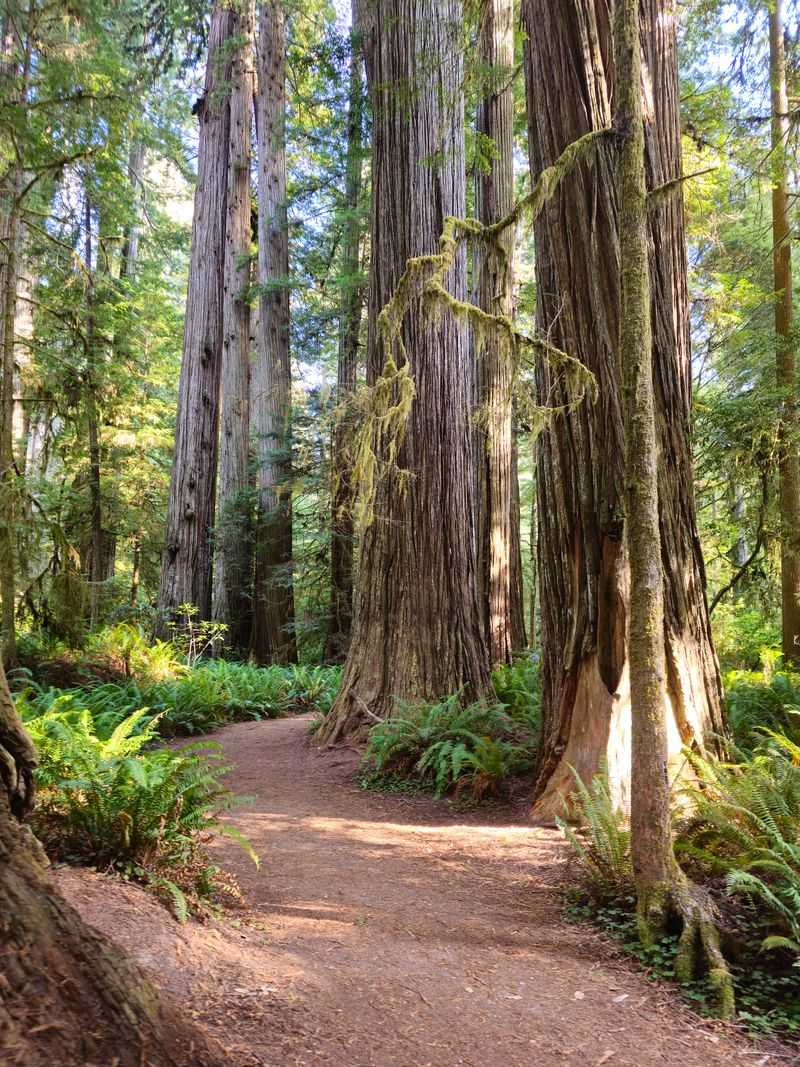
Some places photograph so well they seem unreal, like someone enhanced the saturation too much. Jedediah Smith is legitimately that beautiful, with old-growth coast redwoods creating scenes that belong on postcards but somehow exist in three dimensions.
The Smith River cuts through the park, carrying the distinction of being California’s last major free-flowing river. No dams interrupt its journey from mountains to sea, which means the water runs clear and cold the way rivers did before we started rearranging them for convenience.
Being part of a World Heritage and Biosphere Reserve area adds weight to the experience. This isn’t just a pretty park; it’s globally recognized as irreplaceable.
Walking the easy grove trails puts you among giants that were here before European contact, before the Gold Rush, before California became California.
Shoulder season transforms Jedediah Smith into something even more special. Fewer visitors mean quiet trails where the only sounds are your footsteps and wind in the canopy.
Soft light filters through the trees at angles that summer’s harsh sun never achieves.
The park’s predominantly old-growth status makes it rare. Most redwood forests are second-growth, recovering from logging.
Here, the ancient ecosystem remains largely intact, offering a glimpse of what the entire coast once looked like before chainsaws arrived.
7. Castle Crags State Park
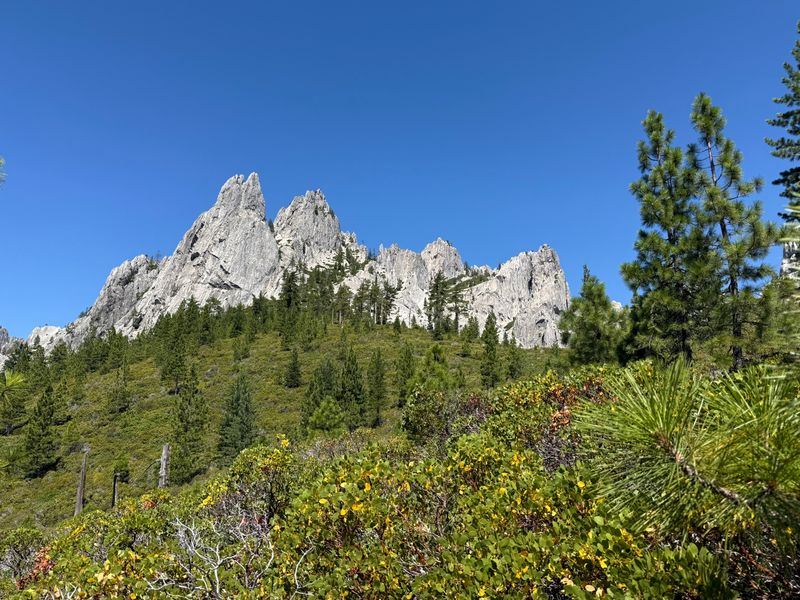
Granite spires erupt from the landscape at Castle Crags with geological drama that stops conversations mid-sentence. These formations rise around 6,000 feet, their sharp profiles cutting against the sky like something from a fantasy novel’s cover art.
The rocks themselves are ancient beyond easy comprehension, dated to more than 170 million years ago. They were already old when dinosaurs walked the earth, already weathered when the Sierra Nevada was just beginning to form.
Standing before them triggers that particular vertigo that comes from confronting deep time.
What makes Castle Crags especially surreal is its accessibility. The park sits right off Interstate 5, close enough to hear highway traffic from some trails.
Yet the landscape feels like it should require a multi-day backpacking trip to reach. The contrast between “roadside stop” and “wilderness cathedral” creates cognitive dissonance in the best possible way.
Viewpoints throughout the park offer different perspectives on the spires. Some trails lead to overlooks where the formations suddenly appear around a bend, their scale and drama hitting you all at once.
Other vantage points provide distant views that show how the crags dominate the surrounding landscape.
The geology here tells stories about tectonic forces, erosion, and time scales that make human history seem like a brief footnote. It’s humbling in ways that manicured parks rarely achieve.
8. South Yuba River State Park
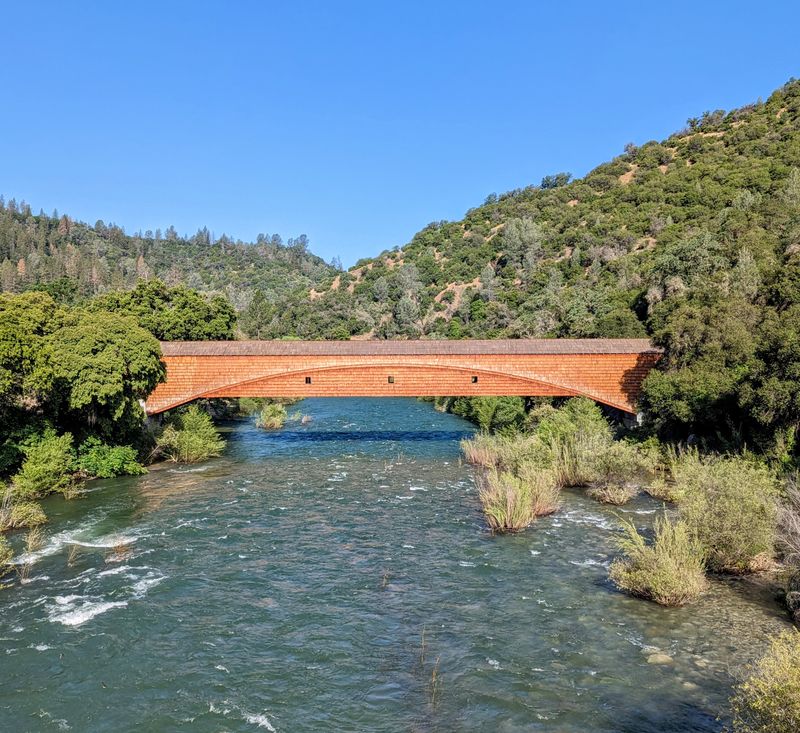
The Bridgeport covered bridge spans the South Yuba River with a grace that seems impossible for wood and nails. California State Parks describes it as the longest single-span covered bridge in the world, a superlative that adds weight to its already considerable charm.
Beyond the bridge, the park protects miles of river canyon where water has carved channels through bedrock over millennia. The South Yuba runs clear in most seasons, revealing the rocky bottom and occasional deep pools that shimmer in shades of green and blue.
Trails follow the river at various elevations, offering viewpoints where you can watch water navigate rapids or slow into calm stretches. The mellow walks near the water attract families and anyone seeking easy access to beautiful scenery without technical hiking demands.
Summer weekends bring crowds that can strain the parking situation. Arriving early isn’t just recommended; it’s practically required if you want a spot within reasonable walking distance of the main attractions.
The trade-off for popularity is well-maintained facilities and clear trail markings.
The park’s linear layout along the river canyon creates natural exploration. You can walk as far as energy and time allow, then simply turn around when ready.
No complicated loop routes or navigation puzzles, just river and trail stretching upstream and down in straightforward fashion.
9. Calaveras Big Trees State Park
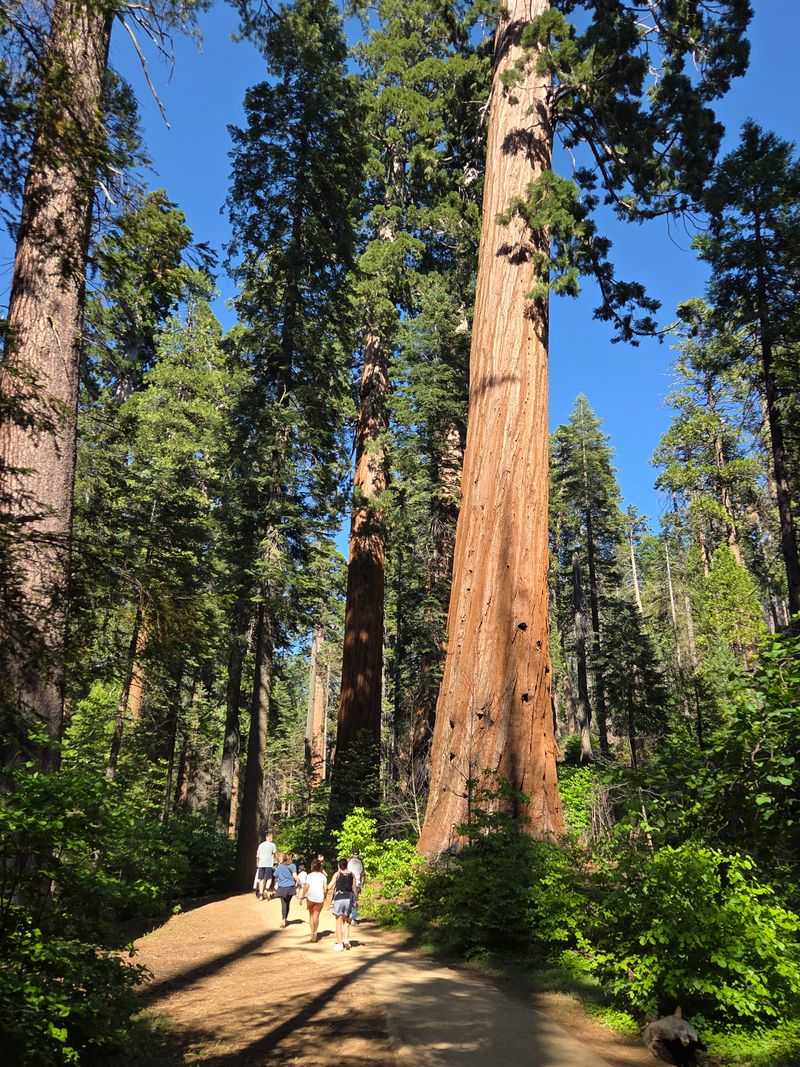
Giant sequoias have a way of making humans feel appropriately small, not in a diminishing way but in a perspective-restoring one. Calaveras Big Trees preserves two groves (North Grove and South Grove) where these botanical titans create spaces that demand slow, quiet appreciation.
The mixed conifer forest provides context for the sequoias, showing how they tower above their neighbors in ways that seem to violate the laws of physics. Other trees are merely tall; sequoias are architectural, with trunks so massive that circumference becomes more meaningful than diameter for describing their scale.
Rushing through these groves misses the point entirely. The experience requires time to let your perception adjust, to notice details like the cinnamon-colored bark and the way light filters through branches hundreds of feet overhead.
Speed-walking the trail defeats the purpose.
Weather at elevation changes faster than lowland visitors expect. Morning sunshine can give way to afternoon thunderstorms with little warning, and temperature swings of twenty degrees aren’t unusual.
Packing layers stops being optional somewhere around 5,000 feet, and Calaveras sits well into that zone.
Both groves offer different experiences. The North Grove sees more traffic but has better accessibility, while the South Grove requires more effort and rewards it with greater solitude.
Ideally, visit both and let them reveal their distinct personalities.
10. Montaña de Oro State Park
Montaña de Oro translates to “Mountain of Gold,” a name inspired by spring wildflowers that blanket the hillsides in colors that justify the precious metal comparison. With over 8,000 acres, the park offers Central Coast drama without Big Sur’s traffic jams and parking nightmares.
Valencia Peak rises 1,347 feet, providing the “mountain” part of the equation. The climb rewards effort with views that span from the coastline to inland valleys, showing the geography’s full scope in ways that beach-level perspectives can’t match.
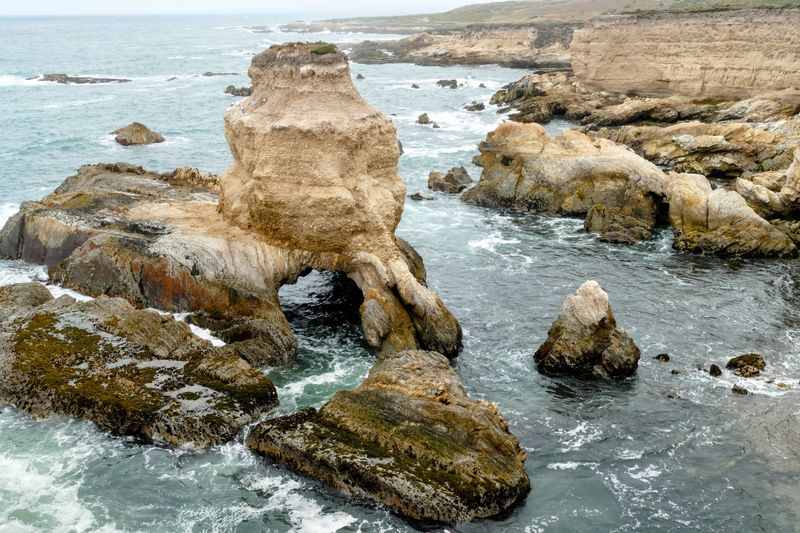
Spooner’s Cove anchors the park’s coastal section with bluffs that drop dramatically to the water. The scenery here delivers that “mini Big Sur” feeling, complete with rugged cliffs, crashing waves, and geological formations that photograph beautifully in any light.
The park’s size means you can visit multiple times and still discover new trails or viewpoints. Some visitors focus on coastal bluffs, others prefer inland canyons, and a few ambitious souls tackle Valencia Peak for the full elevation experience.
The variety prevents that “seen it all” feeling that smaller parks sometimes inspire.
Relative lack of congestion makes Montaña de Oro feel like a secret, though it’s hardly unknown. The difference is scale; with so much territory to explore, crowds disperse naturally rather than concentrating at a few Instagram-famous spots.
11. Gaviota State Park
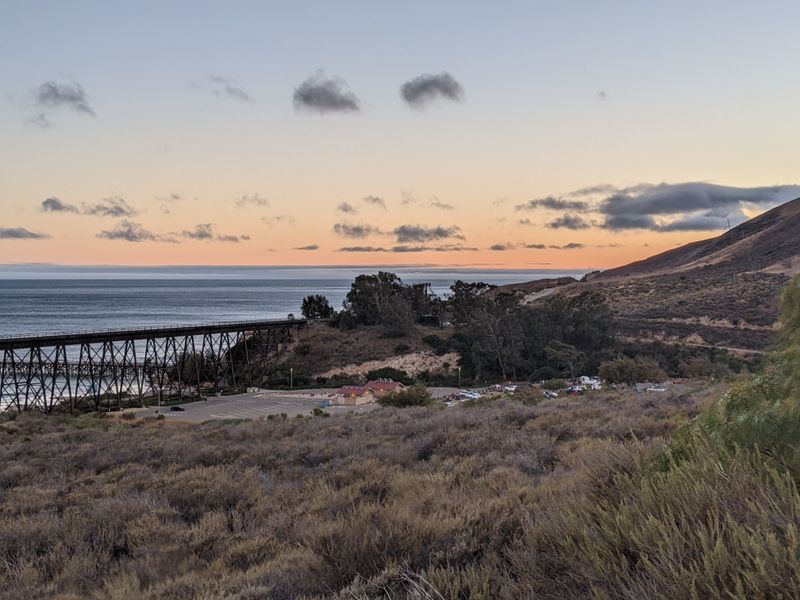
Gaviota keeps things refreshingly simple: beach, pier, picnic areas, and coastal scenery that doesn’t demand superlatives but delivers consistent satisfaction. Sometimes you want drama and otherworldly landscapes; other times you want to swim, eat sandwiches, and watch waves without hiking three miles first.
The park’s history stretches back to the Portolá expedition’s naming, adding depth to what might otherwise seem like just another beach stop. Spanish explorers saw seagulls here and called it “La Gaviota,” the seagull, a name that stuck through centuries of California’s transformation.
Swimming conditions here tend toward the manageable rather than the intimidating. The cove provides some protection from open ocean swells, making it family-friendly without being boring.
Surf fishing from the pier or beach attracts anglers chasing species that move through with seasonal regularity.
The laid-back afternoon vibe makes Gaviota perfect for road trip breaks. Driving Highway 101 can become hypnotic, and pulling off for an hour or two at the beach resets your attention span and breaks up the monotony of pavement.
No-fuss coastal parks like Gaviota serve an important role in California’s outdoor ecosystem. Not every outing needs to be epic or Instagram-worthy.
Sometimes a good beach with basic amenities is exactly what the day requires, and Gaviota delivers that without pretension or complications.
12. Cuyamaca Rancho State Park
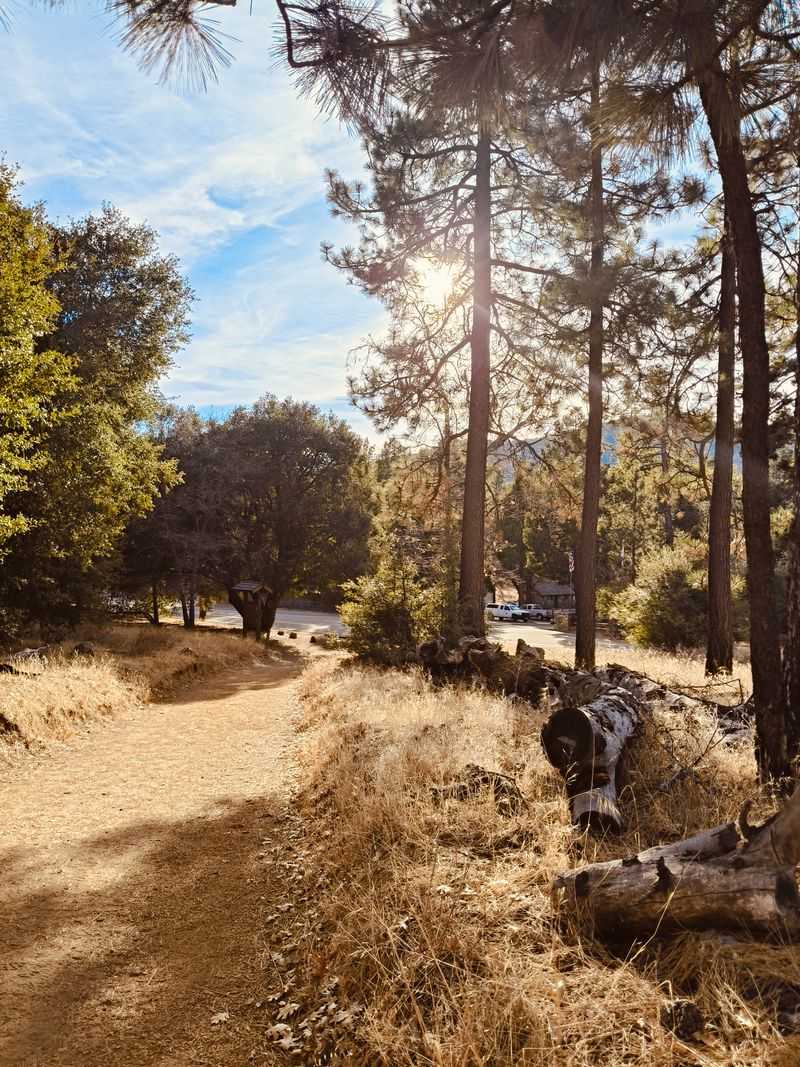
Southern California doesn’t lack mountains, but it often lacks that particular “pine air” experience that higher elevations in other regions deliver so reliably. Cuyamaca Rancho solves this problem with 24,677 acres of meadows, mountains, and oak woodlands that feel imported from somewhere farther north.
More than 100 miles of trails wind through the park, offering everything from easy nature walks to serious summit attempts. Cuyamaca Peak tops out at 6,512 feet, providing big views for those willing to earn them through sustained uphill effort.
A large portion of the park carries wilderness designation, which means fewer developed facilities and more of that unplugged feeling that’s increasingly rare in accessible locations. Cell service becomes spotty, trail markers appear less frequently, and the sense of being genuinely away from civilization increases with every mile.
The mixed habitat creates diverse wildlife watching opportunities. Oak woodlands host different species than pine forests, and meadows attract their own ecological communities.
Moving between zones feels like channel-surfing through nature’s programming, with each habitat offering distinct sights and sounds.
For San Diego residents, Cuyamaca provides the closest approximation of Sierra Nevada scenery without the six-hour drive. It’s not identical, but the mountain air, conifer forests, and elevation views scratch that same itch for vertical landscapes and cooler temperatures that sea-level living can’t provide.



