Germany is basically a country that never got the memo that fairy tales aren’t real. From misty hilltops to mirror-still lakes, its castles look like they were designed by someone who took “dream big” way too literally.
I visited my first German castle at age twelve and spent the whole trip convinced I was in a movie. Whether you’re a history buff, a fantasy fan, or just someone who loves a good turret, this list is for you.
Neuschwanstein Castle, Schwangau, Bavaria
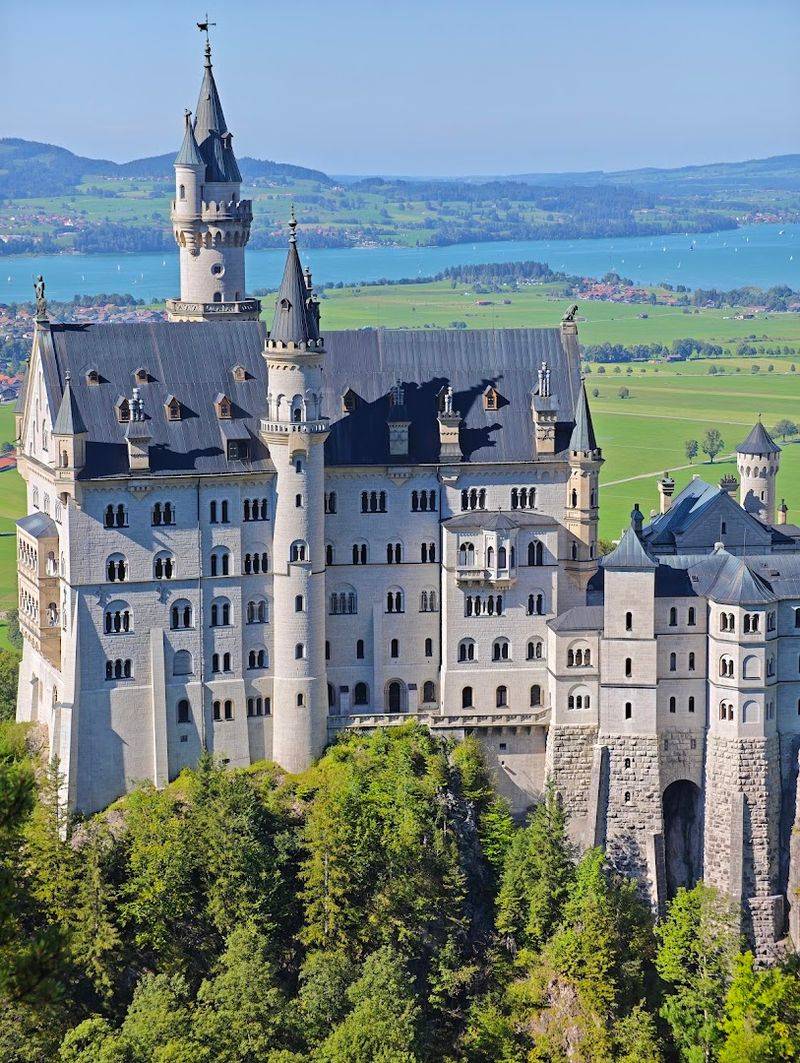
Walt Disney used this castle as the blueprint for Cinderella’s iconic home, and honestly, it shows. Neuschwanstein sits on a jagged Bavarian cliff like it’s auditioning for the world’s most dramatic postcard.
Built by King Ludwig II in the 1800s, it was never actually finished, yet it still manages to look more complete than most things in life.
The interior is wildly over the top, with painted murals, swan motifs everywhere, and a fake cave inside the royal bedroom. Ludwig lived here for just 172 days before he mysteriously died.
The castle has been drawing visitors ever since, currently pulling in about 1.4 million tourists per year.
Book your tickets online well in advance because the queues are no joke. The hike up from the village takes about 30 minutes and is absolutely worth every step.
Go early morning for fewer crowds and better light.
Burg Eltz, Wierschem, Rhineland Palatinate
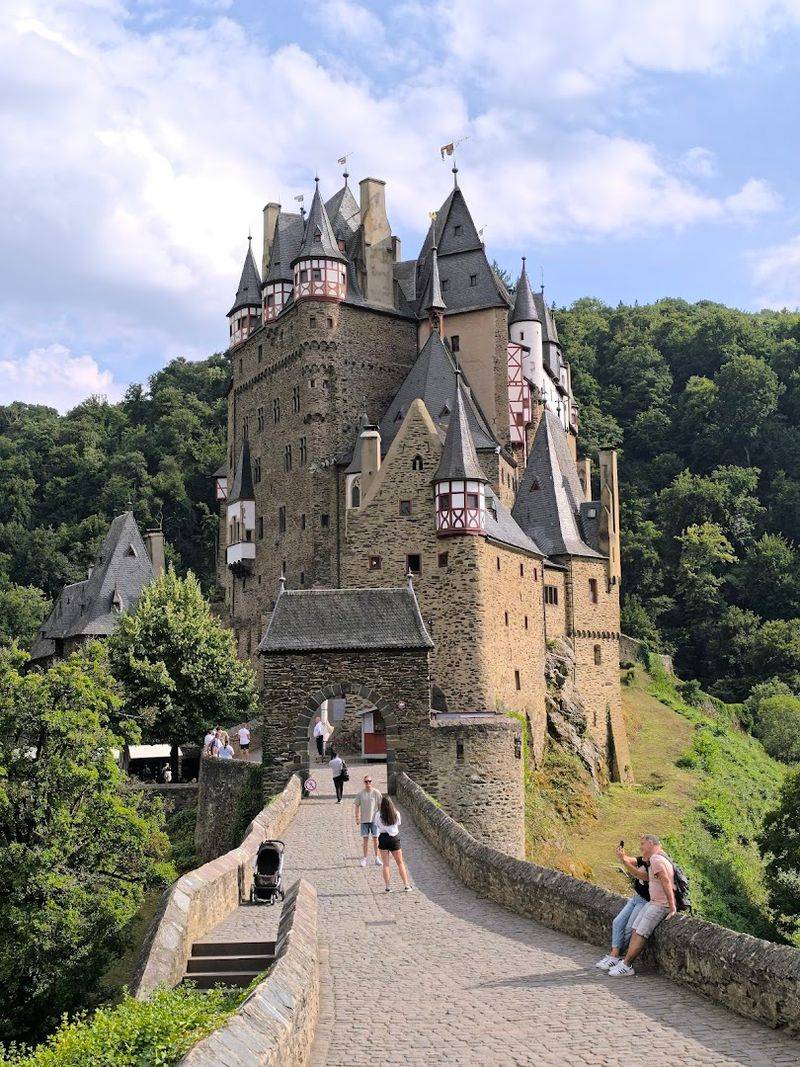
Burg Eltz has been owned by the same family for over 850 years, which makes my family’s 30-year ownership of a slightly broken blender seem pretty underwhelming. Tucked inside a dense forest valley in Rhineland-Palatinate, this castle was never destroyed in war, which is practically a miracle in medieval European history.
Its towers cluster together like old friends sharing a secret, giving it a look that no architect could deliberately recreate. The castle houses original medieval furniture, armor, and gold treasures that have been carefully preserved across generations.
It feels less like a museum and more like someone just stepped out for a very long errand.
The only way to reach it is by foot or shuttle from a nearby car park, which adds to the whole enchanted-forest experience. Guided tours run regularly and are genuinely interesting.
Autumn is the best time to visit when the surrounding woods turn every shade of gold.
Hohenzollern Castle, Bisingen, Baden-Württemberg
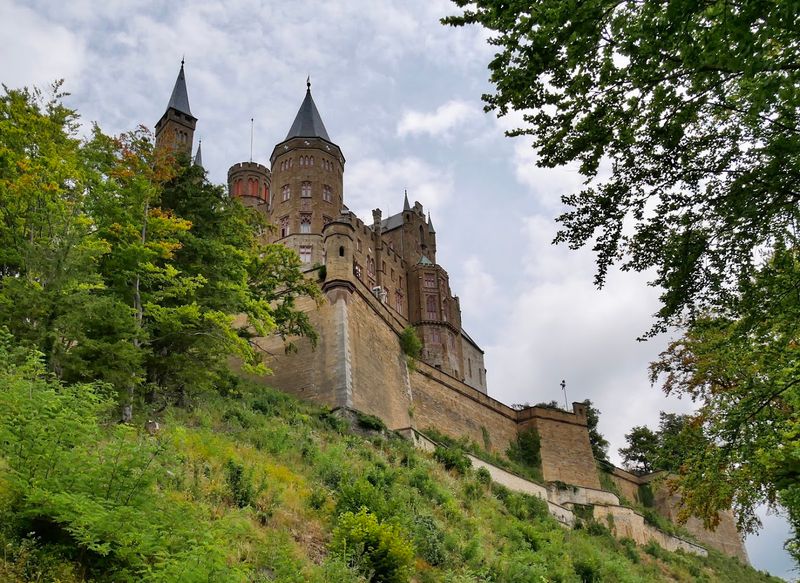
Perched 855 meters above sea level, Hohenzollern Castle regularly pokes through the clouds like it’s too important to stay grounded. This is the ancestral home of the Hohenzollern dynasty, the family that once ruled Prussia and the entire German Empire.
No pressure or anything.
The current structure is actually the third castle built on this spot, completed in 1867. Inside, you can find Prussian royal regalia, military memorabilia, and paintings of very serious-looking people in very impressive hats.
The collection of Prussian royal crowns alone is worth the trip.
On clear days, the views stretch all the way to the Black Forest and the Swiss Alps. The castle is still privately owned by the House of Hohenzollern, which means visiting feels like a peek behind a very grand curtain.
Parking fills up fast on weekends, so arriving before 10am is the smartest move you can make.
Lichtenstein Castle, Lichtenstein, Baden-Württemberg
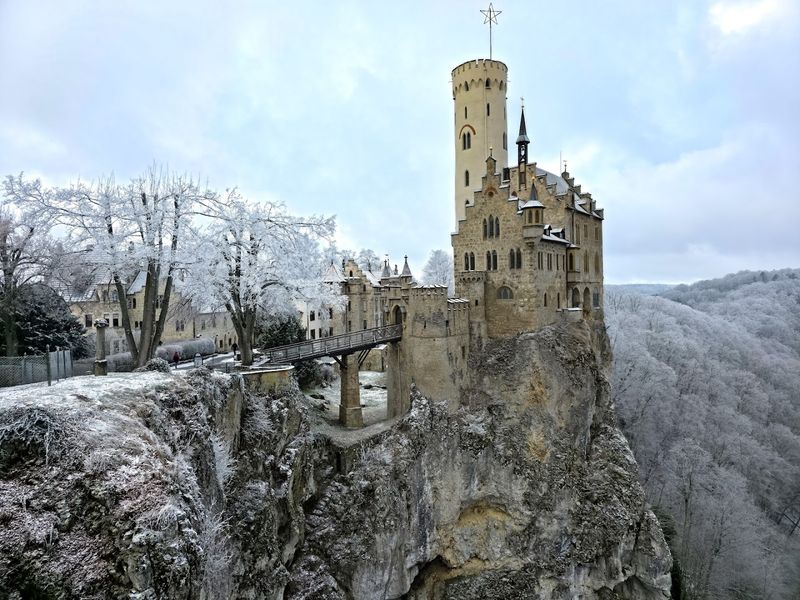
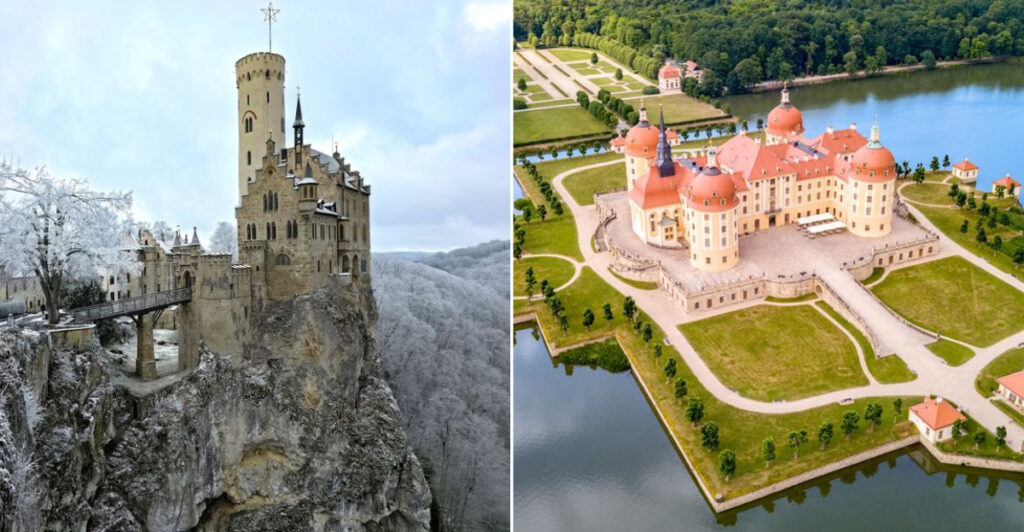
Germany’s most dramatic castle is also one of its smallest, which proves that good things really do come in vertigo-inducing packages. Lichtenstein clings to the edge of a sheer cliff in the Swabian Alps like it lost a bet.
The drop below is not for the faint-hearted.
Built in the 1840s, it was inspired by a novel called “Lichtenstein” by Wilhelm Hauff, making it possibly the only castle in the world that was built because someone really loved a book. The interior is compact but packed with medieval weapons, armor, and hunting trophies.
It’s a bit like someone fit an entire history museum into a very tall wardrobe.
The castle is still privately owned by the Duke of Urach, so visiting hours are limited. Tours are short but genuinely packed with interesting details.
The walk up through the forest is steep but rewards you with views that make the burning legs completely worthwhile.
Schwerin Castle, Schwerin, Mecklenburg-Vorpommern
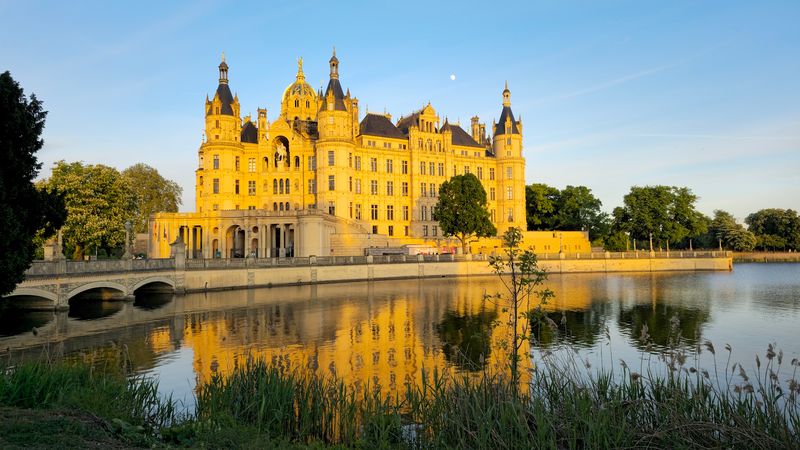
Schwerin Castle sits on its own little island in the middle of a lake, which is either genius urban planning or the world’s most committed moat strategy. Located in northern Germany, it’s often called the “Neuschwanstein of the North,” though locals probably prefer it just being called spectacular on its own terms.
The current building mixes Gothic Revival and Baroque styles in a way that somehow works brilliantly. It took decades to complete in the mid-1800s and features over 650 rooms and halls, decorated with original period furniture, tapestries, and porcelain.
Part of the castle still serves as the state parliament of Mecklenburg-Vorpommern, making it one of the few working government buildings that looks like a birthday cake.
The surrounding gardens are immaculate and free to explore. Boat tours on the lake give you the best possible views of the castle’s reflection.
Visit in summer when the gardens are in full bloom for maximum visual impact.
Drachenburg Castle, Königswinter, North Rhine-Westphalia
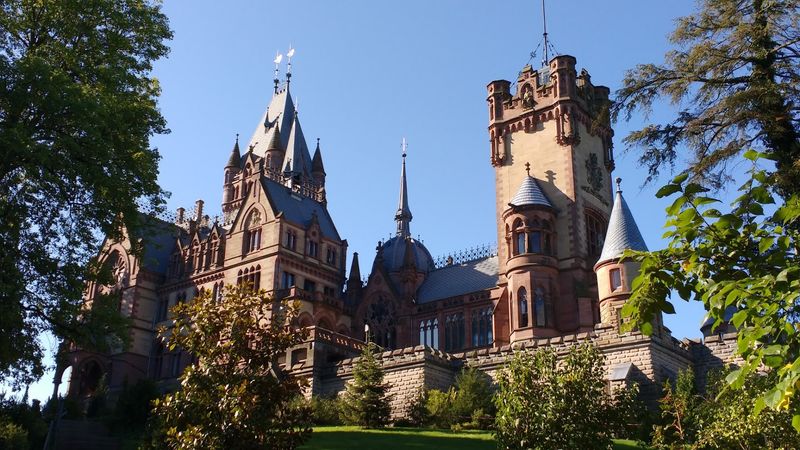
Built between 1882 and 1884, Drachenburg Castle was never meant to be a royal residence. A wealthy banker named Baron Stephan von Sarter built it purely to show off, and honestly, mission accomplished.
The name translates to Dragon Castle, which is peak dramatic energy for a building that took less than two years to construct.
Sitting high on the Drachenfels hill above the Rhine, it’s packed with neo-Gothic details, stained glass, and elaborate painted ceilings. The castle changed hands many times and suffered significant neglect before a major restoration project saved it in the 1990s.
Today it looks sharper than ever.
A rack railway called the Drachenfelsbahn runs up the hill from Königswinter, making the ascent surprisingly easy and fun. The Rhine views from the terraces are genuinely stunning.
Combine your visit with a walk along the Drachenfels summit for one of the best panoramas in western Germany.
Mespelbrunn Castle, Mespelbrunn, Bavaria
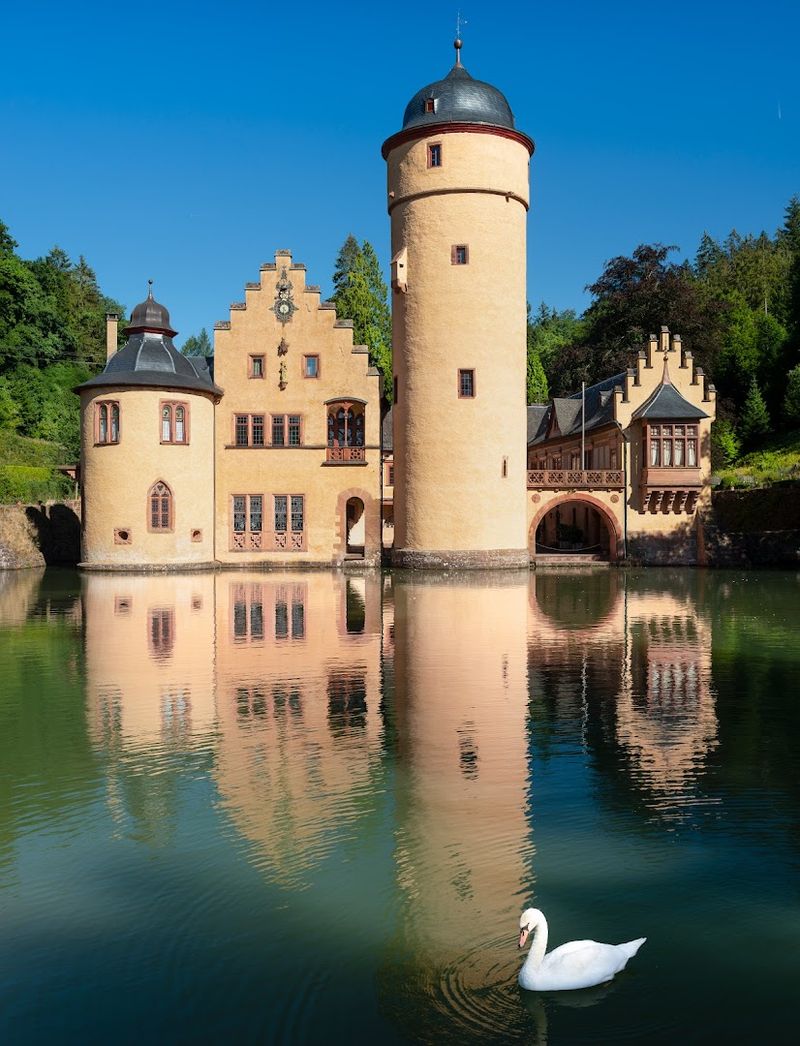
Hidden inside a dense Spessart forest valley, Mespelbrunn is the kind of castle you stumble upon and immediately question whether you’ve wandered into a painting. It sits on a small island surrounded by a quiet pond, and on a still morning, the reflection is so perfect it looks like a mirror trick.
The castle dates back to the 15th century and has been in the same family, the Counts of Ingelheim, for generations. Unlike many German castles that were gutted or rebuilt, Mespelbrunn retains much of its original Renaissance interior.
The dining hall, chapel, and private apartments feel genuinely lived-in rather than staged for tourists.
Tours are guided only, but the guides are wonderfully knowledgeable and clearly love the place. The surrounding forest is part of the Spessart nature park, so the drive in is already scenic before you even arrive.
Weekday visits are quieter and much more relaxed than weekend ones.
Wernigerode Castle, Wernigerode, Saxony-Anhalt
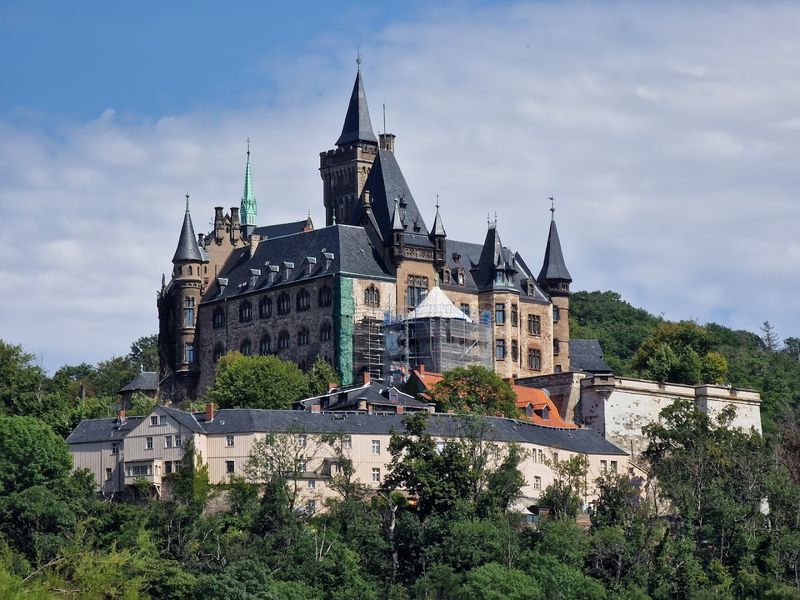
Wernigerode is already one of Germany’s most charming towns, with its candy-colored half-timbered houses and cobbled streets. Then you look up and realize there’s a full-on castle glaring down from the hilltop, as if the town needed to one-up itself.
The combination is almost unfairly picturesque.
The castle’s current form dates mostly from the 1880s when it was extensively renovated in a neo-Gothic style for Count Otto zu Stolberg-Wernigerode. It houses an impressive museum covering the history of German nobility, with original furniture, portraits, and decorative arts spread across dozens of rooms.
The throne room and royal dining hall are particular highlights.
The town below is worth at least half a day of wandering before or after your castle visit. A narrow-gauge steam railway called the Harzquerbahn connects Wernigerode to other towns in the Harz mountains, adding a seriously fun travel option.
The castle is lit up at night and looks absolutely wild from the town square.
Heidelberg Castle, Heidelberg, Baden-Württemberg
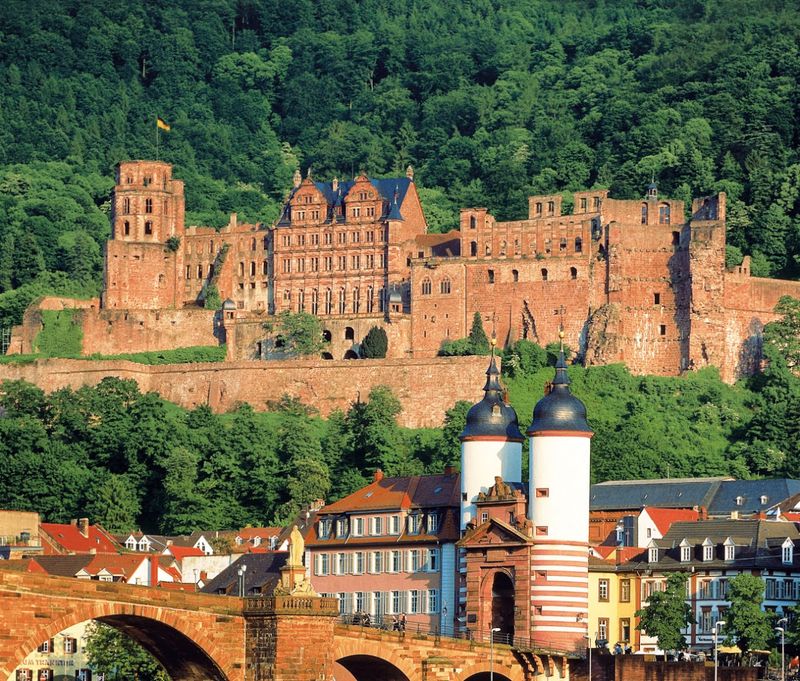
Heidelberg Castle is the rare kind of ruin that somehow looks better broken. Partially destroyed by French forces in the 1690s and then struck by lightning twice, it has been left in a state of dignified, photogenic collapse ever since.
The red sandstone walls glow at sunset in a way that makes every photographer in the crowd quietly lose their mind.
The castle overlooks the Neckar River and Heidelberg’s stunning old town, making the views from its terraces some of the finest in Germany. Inside the courtyard, there’s a massive wine barrel called the Heidelberg Tun, which holds 221,726 liters and has its own dance floor on top.
Yes, really.
The funicular railway from the old town makes getting up the hill effortless. The castle also hosts open-air theatre performances in summer that are genuinely magical.
Combine your visit with a stroll through Heidelberg’s old town for a full and deeply satisfying day out.
Reichsburg Cochem, Cochem, Rhineland-Palatinate
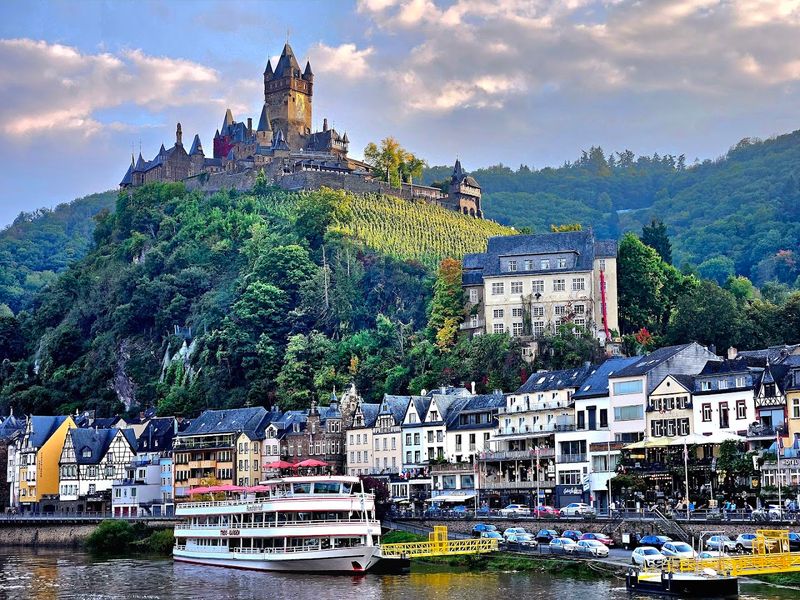
Cochem’s castle sits 100 meters above the Moselle River on a steep rocky hill, looking like it was specifically placed there to make every travel photo look incredible. The original castle dates back to the 11th century, but after being blown up by French troops in 1689, it was rebuilt in a romantic neo-Gothic style in the 1870s.
Destruction followed by dramatic reinvention is apparently a German castle tradition.
The interior tour covers 16 rooms filled with period furniture, weapons, and hunting trophies. The great hall and knight’s room are especially atmospheric.
A local businessman named Louis Ravene bought the ruins and funded the entire reconstruction, which is the kind of passion project most of us only dream about.
The town of Cochem below is delightful, with wine bars, riverside promenades, and excellent Moselle Riesling on every corner. Combine a castle visit with a boat trip on the Moselle for an unforgettable afternoon.
The steep climb up takes about 15 minutes from the town center.
Moritzburg Castle, Moritzburg, Saxony
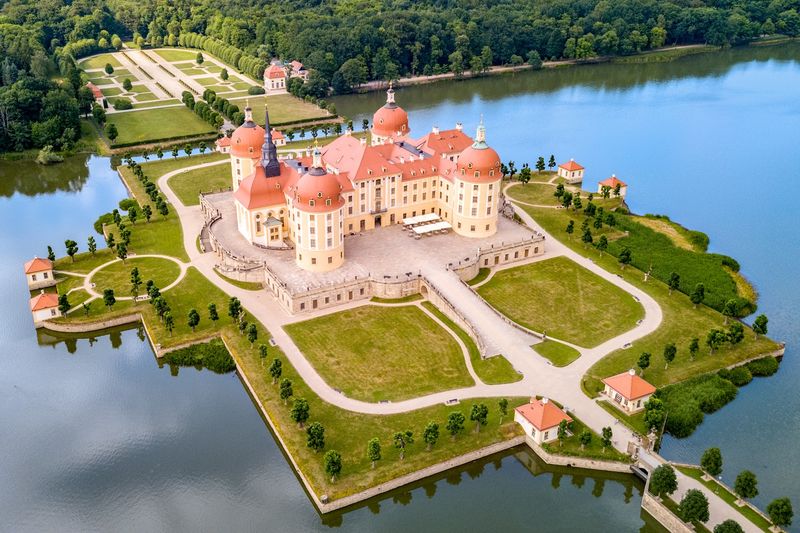
Four round towers, a yellow Baroque facade, and a location on a small island surrounded by a broad lake: Moritzburg Castle is showing off and it knows it. Located just 14 kilometers from Dresden, it was originally built as a hunting lodge in the 16th century and later expanded into a full Baroque palace by Augustus the Strong in the 1720s.
Augustus had a well-documented obsession with grandeur, and Moritzburg is one of his finest flex moves. Inside, the castle holds one of Europe’s largest collections of red deer antlers, which is either impressive or alarming depending on your feelings about interior decor.
The feather room, decorated entirely with pheasant feathers, is genuinely one-of-a-kind.
The castle featured as a filming location for the beloved German film “Three Hazelnuts for Cinderella,” so it holds a special place in many childhoods. A narrow-gauge railway runs from Radebeul near Dresden directly to Moritzburg, making the journey part of the fun.
Hohenschwangau Castle, Schwangau, Bavaria
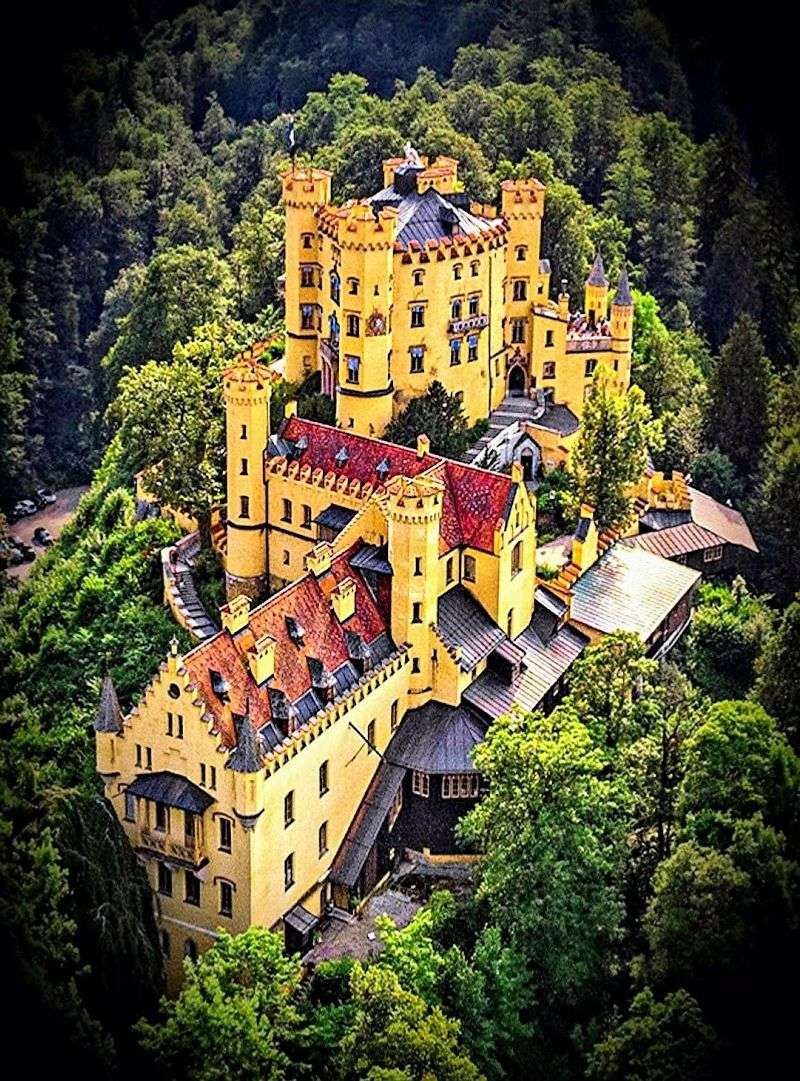
Before Neuschwanstein stole all the glory, Hohenschwangau was the castle everyone was talking about. Standing on a forested hill just a short walk from its famous neighbor, this bright yellow castle was the childhood home of King Ludwig II, the man who later built Neuschwanstein.
So in a way, this is where the whole fairy-tale obsession started.
Built in a neo-Gothic style in the 1830s by Ludwig’s father, Crown Prince Maximilian, Hohenschwangau is smaller but arguably more personal than its neighbor. The rooms are filled with murals depicting German legends, original 19th-century furniture, and the actual piano on which Wagner played for Ludwig.
That’s a serious historical flex.
The views over the Alpsee lake from the castle terraces are absolutely worth the uphill walk. Because most visitors prioritize Neuschwanstein, Hohenschwangau tends to be quieter and more relaxed.
Visiting both on the same day is very doable and gives you a genuinely fascinating comparison between father and son’s very different visions.
Share this story