 Unearth The Voyage
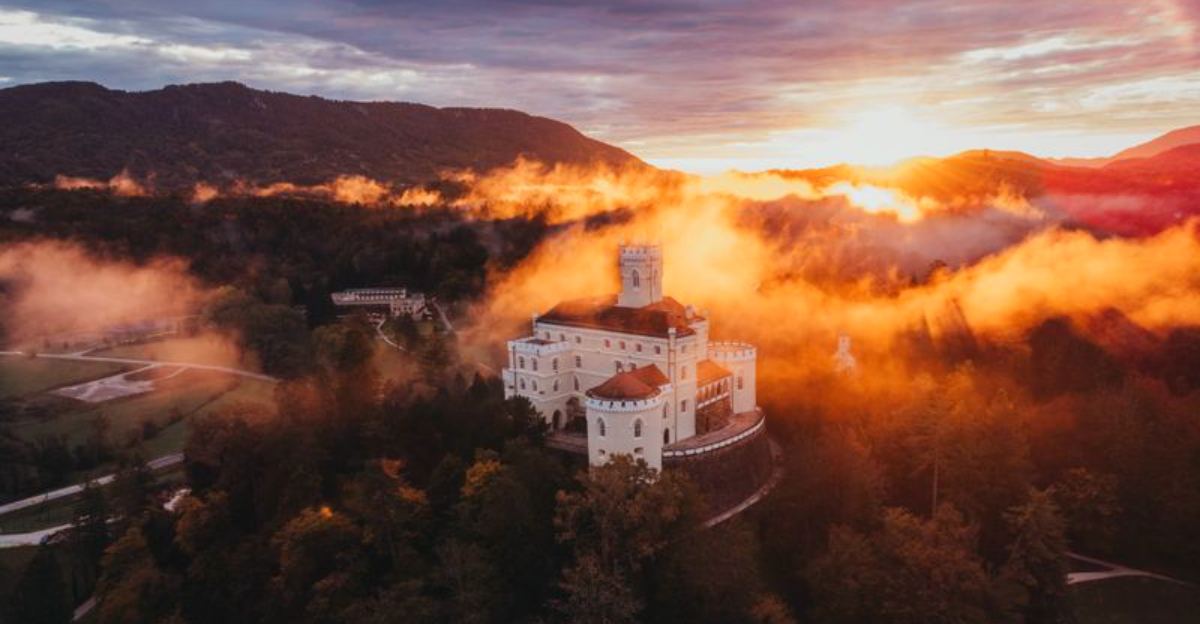
Europe’s landscape is dotted with magnificent castles that tell stories of kings, battles, and centuries of history. From towering fortresses perched on dramatic cliffs to elegant châteaux reflected in tranquil rivers, these architectural wonders continue to captivate millions of visitors each year.
Whether you’re a history enthusiast or simply love exploring beautiful places, these castles offer unforgettable experiences that blend past and present in truly magical ways.
Neuschwanstein Castle — Bavaria, Germany
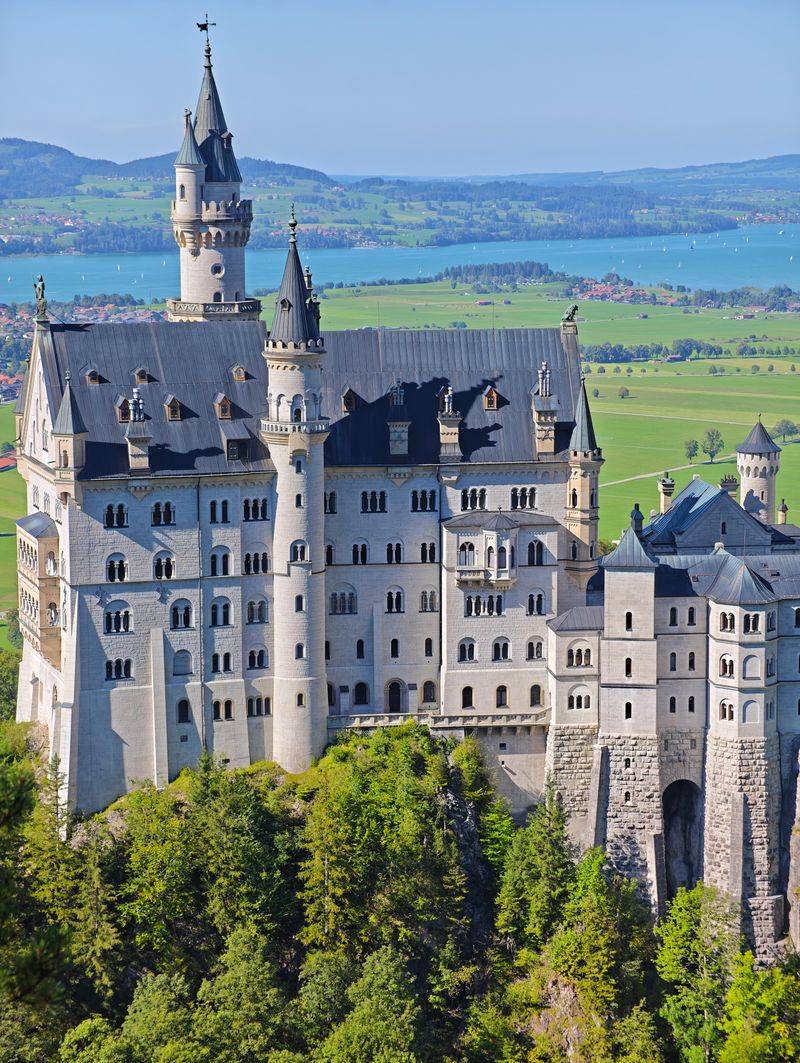
Neuschwanstein Castle rises above the Bavarian foothills like something straight out of a storybook. Built in the 19th century for King Ludwig II, this fortress became the inspiration for Disney’s iconic castles, making it instantly recognizable worldwide.
Its turrets, towers, and intricate stonework create a silhouette that photographers and artists have captured countless times.
Perched on a rugged hill above the village of Hohenschwangau, the castle showcases Romantic architecture at its finest. The dramatic alpine backdrop adds to its enchanting appeal, drawing millions of visitors annually.
Inside, lavish rooms reflect Ludwig’s deep fascination with medieval mythology and artistic grandeur, though the king himself barely spent time in his dream palace.
Recently designated a UNESCO World Heritage Site in 2025, Neuschwanstein continues to mesmerize travelers from every corner of the globe. The journey to reach it—whether by shuttle bus or a scenic uphill walk—builds anticipation perfectly.
Once there, panoramic views sweep across forests, lakes, and mountains, making every step worthwhile.
Visiting Neuschwanstein feels like stepping into a fairy tale, where history and imagination blend seamlessly. Its enduring charm proves that some places truly are timeless.
Edinburgh Castle — Scotland, UK
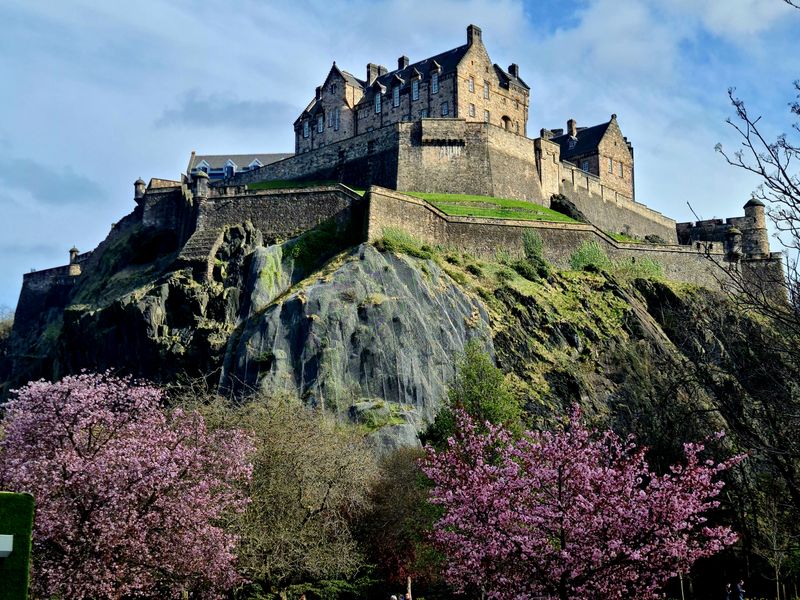
Few fortresses command a skyline quite like Edinburgh Castle does. Perched atop an ancient volcanic rock, this stronghold has dominated Scotland’s capital for centuries, witnessing sieges, royal ceremonies, and pivotal moments in the nation’s turbulent history.
Its imposing silhouette against the sky serves as a constant reminder of Scottish resilience and pride.
Inside, treasures like the Scottish Crown Jewels and the Stone of Destiny await discovery. The Stone, used in coronations for generations, carries deep symbolic weight for Scotland’s monarchy.
Walking through the castle’s halls, ramparts, and museums feels like flipping through a living history book, with each room revealing another layer of the past.
The castle’s dramatic position offers sweeping views over Edinburgh’s medieval Old Town, with its cobblestone streets and ancient spires. From the ramparts, you can watch the city unfold below, a blend of old-world charm and modern energy.
Daily gun salutes and military ceremonies add to the fortress’s authentic atmosphere.
Edinburgh Castle isn’t just a tourist attraction—it’s a symbol of national identity. Visiting here means connecting with Scotland’s soul, where military heritage meets urban beauty in unforgettable fashion.
Château de Chambord — Loire Valley, France
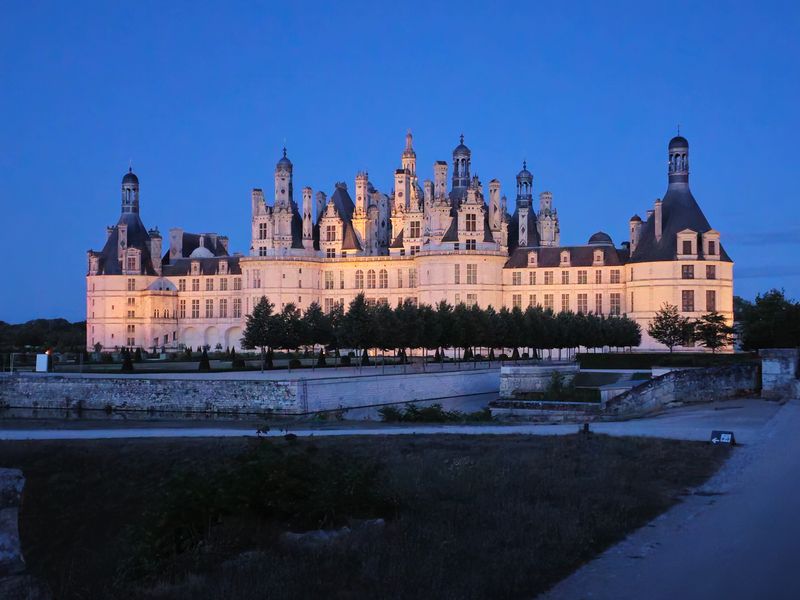
Château de Chambord stands as a masterpiece of French Renaissance design, where symmetry meets artistic ambition. Originally conceived as a royal hunting lodge for King Francis I, it evolved into something far grander—a monument to royal power and creative vision.
Its ornate chimneys, intricate stonework, and vast scale make it one of France’s most celebrated architectural achievements.
Legend suggests Leonardo da Vinci designed the château’s famous double-helix staircase, where two spirals intertwine without ever meeting. Whether true or not, the staircase remains an engineering marvel that fascinates visitors.
The château’s extensive terraces offer stunning views over the surrounding forested park, a landscape that feels almost untouched by time.
Exploring Chambord means wandering through monumental halls filled with history and beauty. Each room tells a story of royal opulence, artistic patronage, and the Loire Valley’s golden age.
The château’s sheer size—with over 400 rooms—ensures there’s always something new to discover.
Set within thousands of acres of protected parkland, Chambord blends architectural splendor with pastoral tranquility. Visiting here feels like stepping into a Renaissance dream, where nature and human creativity exist in perfect harmony.
Alcázar of Segovia — Spain
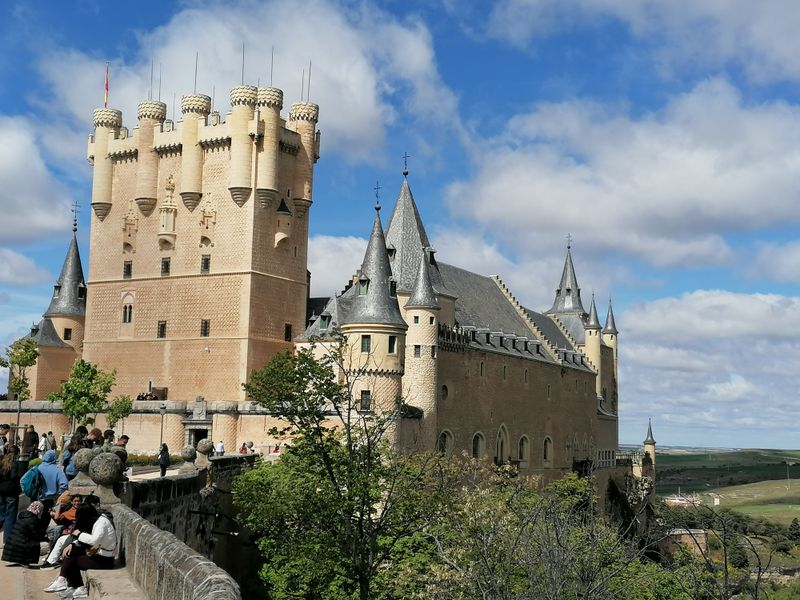
Rising from a rocky crag in central Spain, the Alcázar of Segovia looks like it was plucked straight from a fantasy novel. Its distinctive pointed towers and dramatic silhouette have inspired countless artists, writers, and filmmakers over the centuries.
The fortress’s strategic hilltop position offers sweeping views over the surrounding countryside, making it both beautiful and defensible.
Historically, the Alcázar served multiple roles—fortress, royal palace, state prison, and military academy. Each era left its mark on the structure, creating layers of history visible in its architecture.
Inside, grand halls showcase centuries of Spanish monarchy, with armories, galleries, and throne rooms reflecting royal power and prestige.
The castle’s exterior combines Moorish influences with Gothic and Romanesque elements, creating a unique architectural blend. Its moat and drawbridge add to the medieval atmosphere, while turrets and battlements complete the storybook appearance.
Walking through its corridors feels like traveling back to Spain’s golden age of knights and kings.
One of Spain’s most emblematic strongholds, the Alcázar balances imposing military strength with picturesque charm. Whether viewed from below or explored from within, it never fails to captivate with its blend of history, beauty, and commanding presence.
Wawel Castle — Kraków, Poland
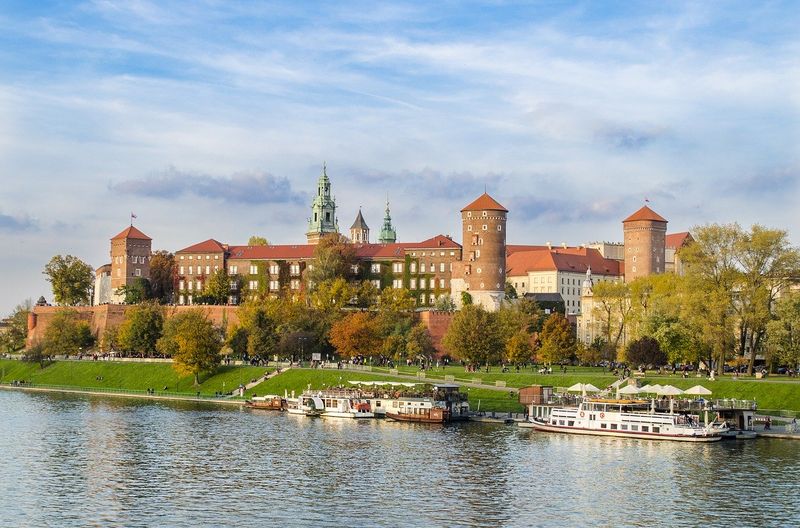
Wawel Castle rises majestically above the Vistula River, serving as a cornerstone of Polish history and national identity. This sprawling complex reflects centuries of architectural evolution, with Romanesque, Gothic, Renaissance, and Baroque elements blending into a cohesive whole.
Built in the 14th century and expanded across generations, it became the seat of Polish kings and the site of royal coronations and burials.
Today, visitors explore ornate state rooms filled with tapestries, paintings, and artifacts that showcase Poland’s rich cultural heritage. The adjacent Wawel Cathedral holds tombs of Polish monarchs and national heroes, making it a place of both spiritual and historical significance.
Museums within the complex display royal treasures, armories, and artwork spanning Poland’s evolving political and artistic landscape.
The castle’s hilltop location provides commanding views over Kraków’s Old Town, with its medieval market square and historic churches. Walking through Wawel’s courtyards and galleries feels like witnessing Poland’s journey through triumph and adversity.
Each stone seems to whisper stories of kings, battles, and cultural renaissance.
Wawel’s historic resonance and architectural richness make it one of Europe’s most meaningful castle experiences. For anyone seeking to understand Poland’s soul, this fortress offers an unforgettable window into the nation’s past and present.
Carcassonne — Languedoc, France
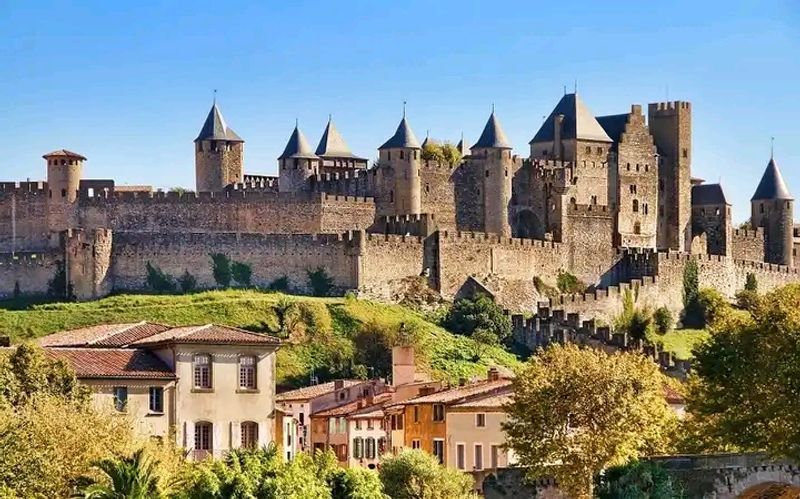
Approaching Carcassonne feels like stepping into a living medieval fairy tale. This fortified city, encircled by double walls and dotted with towers, looks remarkably complete despite surviving centuries of warfare and change.
UNESCO recognized its exceptional preservation by granting it World Heritage status, cementing its place among Europe’s most important historical sites.
Inside the walls, narrow lanes wind between stone ramparts and cobbled streets, inviting exploration at every turn. The Château Comtal—the inner castle—offers fascinating insights into medieval defense strategies and courtly life.
Walking along the battlements provides panoramic views over the surrounding Languedoc countryside, where vineyards and villages stretch toward distant horizons.
Carcassonne’s restoration in the 19th century by architect Eugène Viollet-le-Duc saved it from ruin, though some debate the authenticity of certain details. Regardless, the city’s evocative atmosphere transports visitors back to an age of knights, sieges, and feudal power.
Shops, cafes, and museums now occupy medieval buildings, blending past and present seamlessly.
The city’s remarkable preservation and atmospheric charm make it among Europe’s most spectacular castle complexes. Whether you’re exploring fortifications, sampling regional cuisine, or simply soaking in the medieval ambiance, Carcassonne delivers an unforgettable journey through time.
Prague Castle — Czech Republic
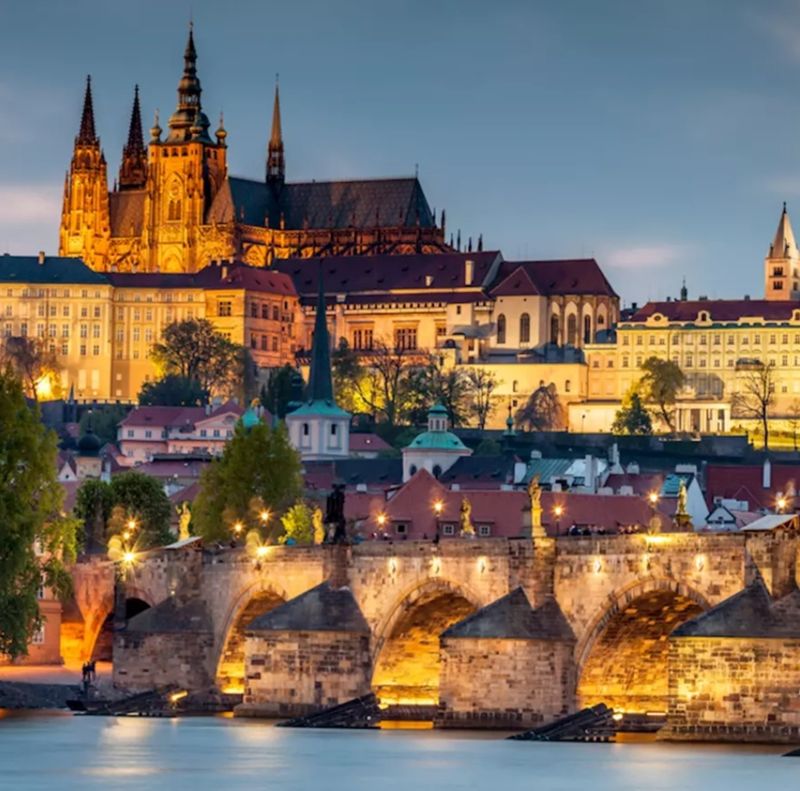
Prague Castle isn’t just a single structure—it’s an entire city within a city. Spanning palaces, cathedrals, gardens, and courtyards, this vast complex showcases centuries of European architectural evolution.
Dominating the skyline above the Vltava River, it has served as the official seat of Czech rulers for over a thousand years, making it one of the world’s oldest continuously occupied castles.
The soaring St. Vitus Cathedral stands as the complex’s crown jewel, with Gothic spires reaching skyward and stained glass windows flooding interiors with colored light. Ancient royal halls tell stories of Bohemian kings and emperors, while scenic castle gardens offer peaceful retreats from the bustling city below.
Each corner reveals another architectural treasure, from Romanesque basilicas to Baroque palaces.
Exploring Prague Castle means wandering through history itself, where medieval, Renaissance, and modern elements coexist harmoniously. The Golden Lane, a charming street of tiny houses once inhabited by castle guards and goldsmiths, adds whimsical character to the grand surroundings.
Views from the castle terraces sweep across Prague’s red rooftops and historic bridges.
Prague Castle’s rich blend of styles and historical layers makes it essential for history lovers and architecture enthusiasts alike. It’s a place where Czech identity and European heritage merge into something truly extraordinary.
Bled Castle — Slovenia
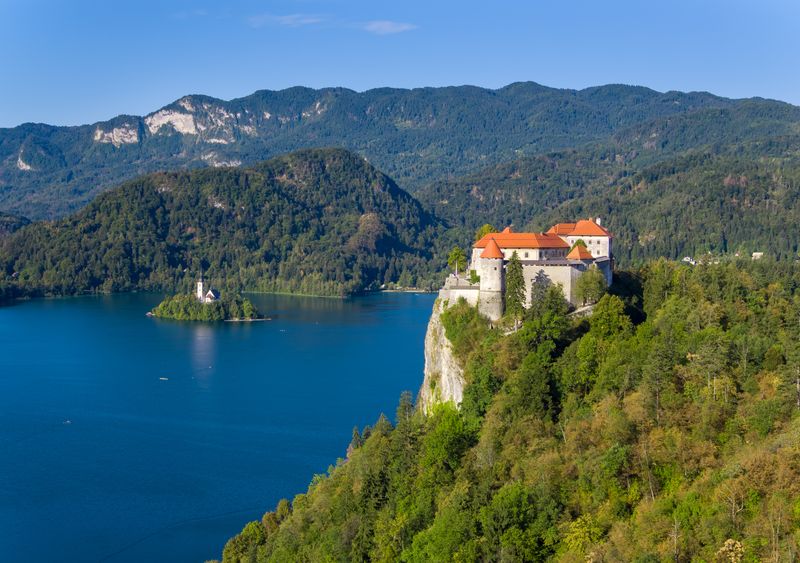
Perched dramatically on a cliff overlooking Lake Bled, Bled Castle combines spectacular natural scenery with deep historical roots. First mentioned in historical records in 1011, it holds the distinction of being Slovenia’s oldest castle.
Its red roofs and medieval walls stand out brilliantly against the shimmering turquoise lake and surrounding green hills, creating one of Europe’s most photographed castle scenes.
The interior houses a museum exploring regional history, from medieval times through Slovenia’s modern era. Artifacts, weapons, and period furnishings bring the past to life, while informative displays provide context for the castle’s evolution.
Courtyards and terraces offer breathtaking panoramic views over Lake Bled, its island church, and the Julian Alps beyond.
Visitors can watch traditional printing demonstrations in the castle’s old print shop or sample wines in the atmospheric wine cellar. The castle chapel, with its medieval frescoes, adds spiritual depth to the historical experience.
Every vantage point within the castle reveals another stunning perspective of the landscape below.
Bled’s romantic setting and sweeping views make it an unforgettable castle experience that blends natural beauty with historical depth. Whether you’re photographing the scenery, exploring medieval chambers, or simply absorbing the peaceful atmosphere, Bled Castle delivers magic at every turn.
Château de Chenonceau — Loire Valley, France
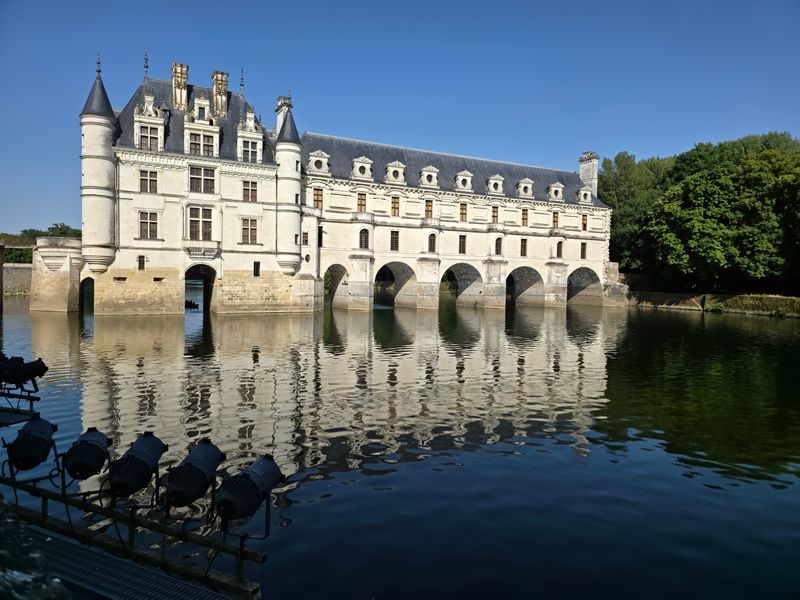
Gracefully spanning the River Cher, Château de Chenonceau earns its nickname as the “Ladies’ Castle” through the remarkable women who shaped its destiny. Diane de Poitiers, Catherine de Medici, and other influential women left their mark on both the château’s architecture and its lush gardens.
Their legacies transform this Renaissance masterpiece into a testament of feminine power and refined taste.
The château’s elegant arches stretch across the river, creating one of Europe’s most photogenic castle scenes. Its reflection in the water doubles the visual impact, especially during golden hour when sunlight bathes the stone in warm hues.
Inside, ornate Renaissance interiors showcase period furnishings, tapestries, and artwork that speak to centuries of aristocratic life.
The gardens—designed by rival mistresses Diane and Catherine—compete in beauty and design, each reflecting its creator’s personality and vision. Formal parterres, maze-like paths, and seasonal blooms create outdoor rooms as impressive as the château’s interior chambers.
Walking through these gardens feels like stepping into a Renaissance painting.
Chenonceau’s blend of architectural elegance, natural beauty, and compelling history makes it a Loire Valley highlight. The château’s romantic setting and cultural significance ensure it remains one of France’s most beloved and frequently visited castles, enchanting all who cross its famous arched gallery.
Corvin Castle — Hunedoara, Romania
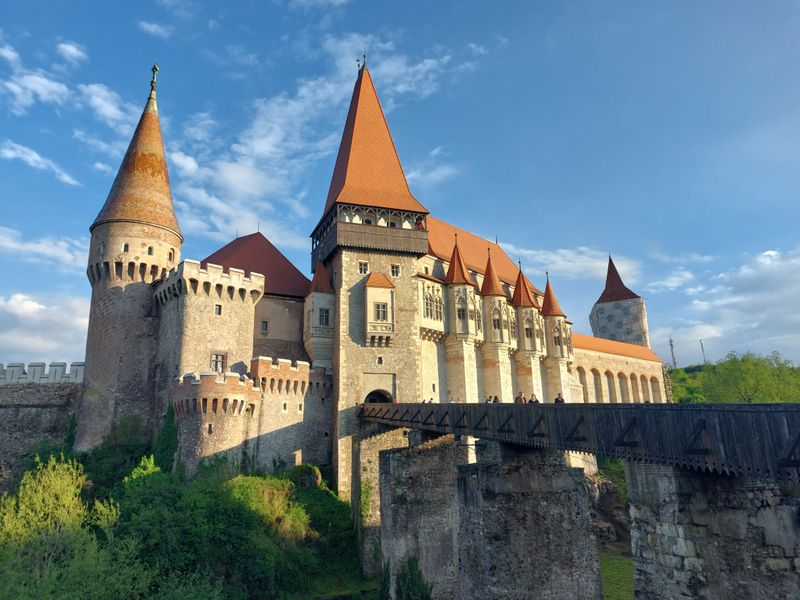
Corvin Castle—also known as Hunyadi Castle—stands among Romania’s most impressive medieval monuments, combining Gothic and Renaissance elements into a formidable fortress. With towering walls, dramatic turrets, and expansive courtyards, it once served as both a royal residence and military stronghold.
Its sheer size and architectural flair earned it recognition as one of Romania’s Seven Wonders, a designation that speaks to its cultural importance.
The castle’s legends add layers of intrigue to its already compelling history. Tales connect it to Vlad Țepeș (Vlad the Impaler), the historical figure who inspired Dracula, though historical evidence for his imprisonment here remains debatable.
Regardless, these stories contribute to the castle’s mystique, attracting visitors fascinated by Romania’s darker folklore.
Walking across the castle’s drawbridge and through its imposing gates feels like entering another era entirely. Interior chambers showcase medieval armories, torture devices, and period furnishings that bring the past vividly to life.
The Knight’s Hall, with its soaring ceilings and Gothic windows, impresses with its scale and grandeur.
Corvin Castle’s blend of architectural magnificence, historical significance, and atmospheric legends makes it a highlight of any Romanian journey. It stands as proof that Eastern Europe holds castle treasures every bit as spectacular as their Western counterparts.
Hohensalzburg Fortress — Austria
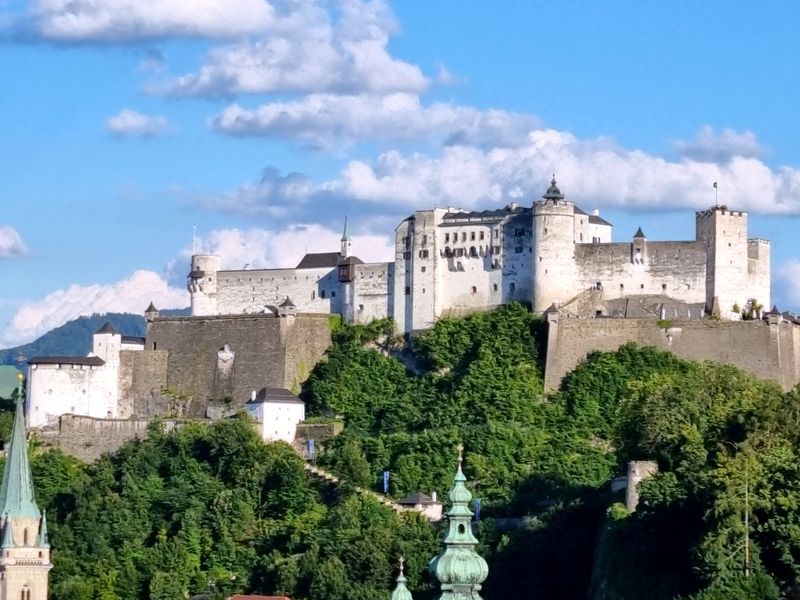
Perched atop Festungsberg Hill in Salzburg, Hohensalzburg Fortress ranks among Europe’s largest and best-preserved medieval castles. Founded in 1077, it has watched over the city for nearly a millennium, surviving wars, political upheavals, and the passage of time.
Its ramparts, courtyards, and historic chambers offer deep insights into medieval military architecture and princely power.
The fortress’s vantage point provides dramatic panoramas over Salzburg’s baroque rooftops, church spires, and the surrounding Alpine landscape. On clear days, views stretch across mountain peaks and valleys, creating photo opportunities that capture both city and nature.
The funicular railway that climbs to the fortress adds a touch of modern convenience to this ancient stronghold.
Inside, museums display weapons, armor, and artifacts from Salzburg’s ecclesiastical and military past. The Golden Hall and Golden Chamber showcase late Gothic splendor, with ornate wood carvings and gilded details reflecting the archbishop-princes’ wealth and status.
Concerts held in the fortress add cultural dimension to historical exploration.
Hohensalzburg’s combination of military might, architectural preservation, and stunning views makes it a compelling destination for history enthusiasts and photographers alike. It stands as a powerful reminder of medieval engineering prowess and the enduring appeal of well-preserved historical monuments.
Trakošćan Castle — Croatia
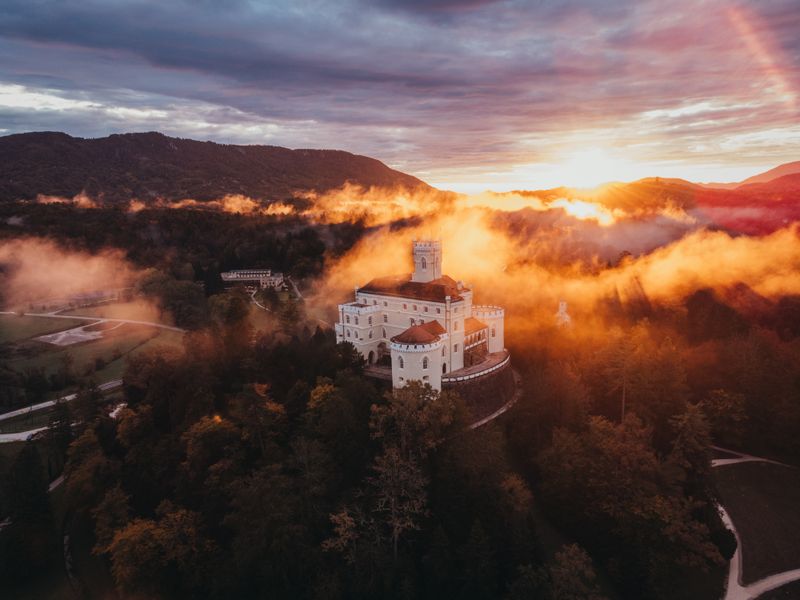
Hidden amid verdant forests in northern Croatia, Trakošćan Castle is celebrated as one of the country’s most beautifully preserved fortresses. Dating back to the 13th century, it evolved from a defensive stronghold into an aristocratic residence, with each era adding architectural layers.
Today, it houses a museum highlighting regional history and aristocratic life, offering visitors a window into Croatia’s noble past.
The castle’s turrets and moat evoke medieval romance and grandeur, while its fairytale silhouette reflects perfectly in the adjacent lake. Walking around the lake provides constantly changing perspectives of the castle, each view more enchanting than the last.
The surrounding parkland, with its manicured paths and ancient trees, enhances the castle’s storybook atmosphere.
Inside, period rooms display furniture, weapons, portraits, and everyday objects from centuries past. The museum’s collection tells stories of the Drašković family, who owned Trakošćan for generations, shaping both the castle and the surrounding estate.
Each room offers glimpses into aristocratic life, from grand receptions to intimate family moments.
Trakošćan’s scenic setting and well-preserved architecture make it a quieter but deeply rewarding stop on any European castle tour. While less famous than some Western European counterparts, it delivers an authentic castle experience that combines history, nature, and Croatian cultural heritage beautifully.



