France has long been famous for its stunning countryside, and a special label called Les Plus Beaux Villages de France (The Most Beautiful Villages of France) celebrates the very best of it. Earning this title is no small feat, as villages must prove their dedication to preserving history, architecture, and authentic rural character.
Only a select few communities make the cut each year, and the newest additions are turning heads across the travel world. Get ready to add some seriously beautiful stops to your France bucket list.
Chambon-sur-Voueize, Creuse
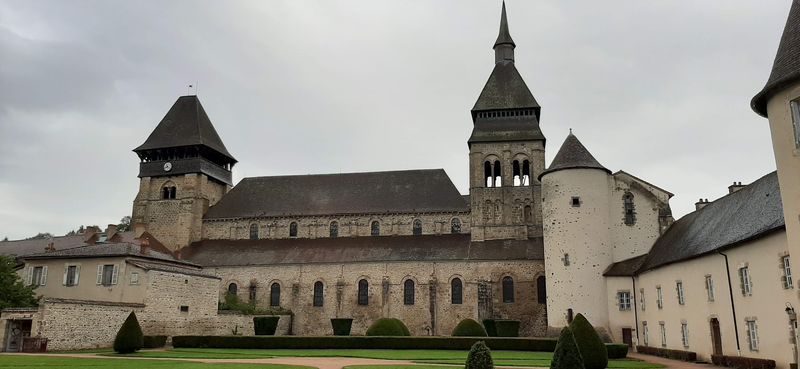
History was quietly made the day Chambon-sur-Voueize became the very first village in the entire Creuse department to earn the Les Plus Beaux Villages de France label. That alone is worth celebrating with a croissant or two.
Tucked into the heart of central France, this village has spent centuries simply being beautiful without making a fuss about it.
The star of the show is its Romanesque abbey, a breathtaking structure that dates back to the 11th century. The stonework is so detailed and well-preserved that standing before it feels like flipping through a very old and very fancy history book.
Surrounding the abbey, the medieval village center unfolds with cobblestone streets and centuries-old buildings that have barely changed in appearance.
Chambon-sur-Voueize sits beside the Voueize River, giving the village a peaceful, almost dreamy quality. Visitors who make the trip into this lesser-known region of France are consistently rewarded with authentic atmosphere and very few tourist crowds.
If you enjoy discovering places before everyone else does, this is exactly the kind of hidden gem worth seeking out on your next French adventure.
Mont-Dauphin, Hautes-Alpes
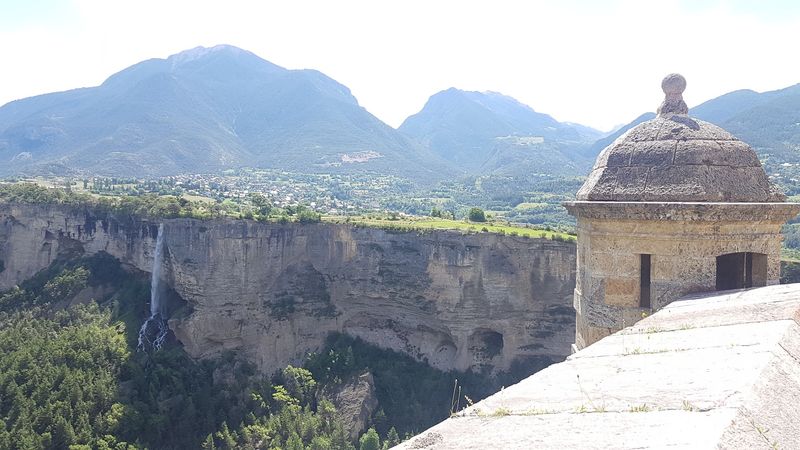
Perched dramatically atop a rocky plateau in the French Alps, Mont-Dauphin looks less like a village and more like something out of a military strategy game. That is basically what it was.
The brilliant engineer Vauban designed this fortified stronghold under King Louis XIV, and every stone wall, gate, and rampart was placed with defensive genius in mind.
The village earned UNESCO World Heritage recognition as part of a network of Vauban fortifications across France, which makes its Les Plus Beaux Villages label even more impressive. Walking through its gates feels like stepping into a well-preserved 17th-century military world, except with better food options and far less cannon fire.
The surrounding Alpine scenery adds a jaw-dropping backdrop that no painter could fully capture.
Mont-Dauphin is genuinely small, with only a handful of permanent residents living within its ancient walls. That intimacy makes the experience feel special and unhurried.
Outdoor enthusiasts will love the proximity to mountain trails and ski areas, while history fans can spend hours exploring the barracks, churches, and fortifications. Few villages in France manage to combine military grandeur with natural alpine splendor quite this successfully.
Colmars, Alpes-de-Haute-Provence
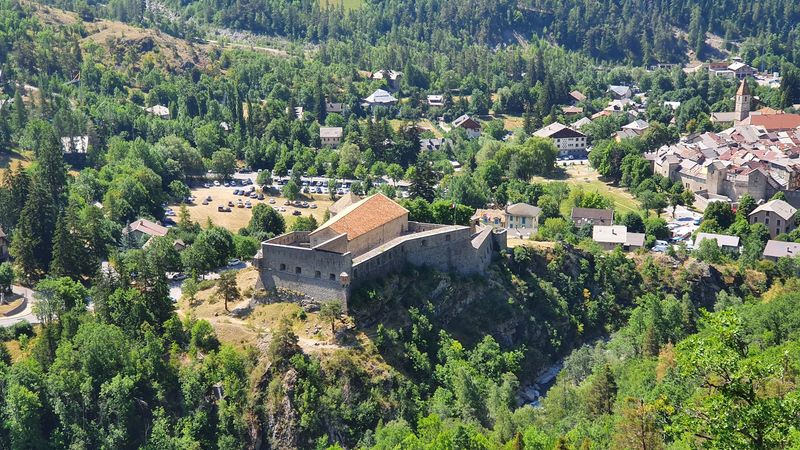
Colmars earned its Les Plus Beaux Villages label in 2025, and honestly, what took so long? This fortified mountain village in Alpes-de-Haute-Provence has been quietly stunning visitors for centuries with its well-preserved medieval walls, colorful shuttered houses, and the kind of mountain scenery that makes people forget to check their phones.
The village sits close to the Mercantour National Park, which means nature lovers have access to some of the finest hiking terrain in the southern Alps just steps from the historic center. Wolves, chamois, and golden eagles call this region home, giving wildlife enthusiasts plenty of reasons to linger.
After a long day on the trails, the village itself offers a warm, Provencal welcome with local restaurants and shaded squares perfect for winding down.
Colmars also boasts two impressive forts, Fort de Savoie and Fort de France, which once guarded the village from rival kingdoms. Today they serve as cultural landmarks and offer panoramic views over the rooftops and surrounding peaks.
The combination of frontier history, Alpine adventure, and Provencal charm creates an experience that is genuinely hard to find anywhere else in France. Colmars is a well-earned addition to the prestigious list.
Hierges, Ardennes
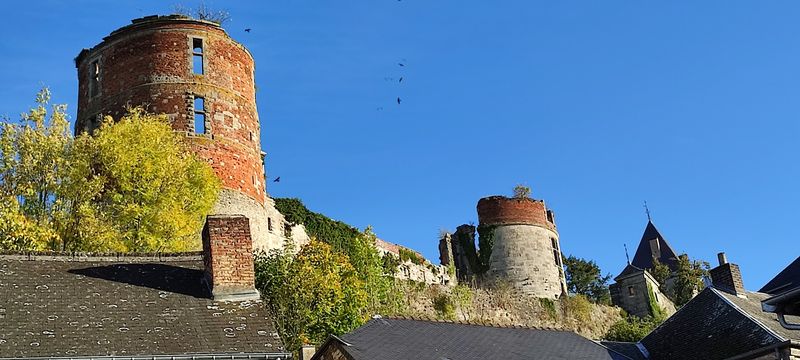
Somewhere in the rolling, forested landscape of the Ardennes, a tiny village has been sitting on top of a hill with castle ruins and absolutely zero plans to be anything other than magnificent. Hierges recently joined the Les Plus Beaux Villages de France association, and one look at its dramatic hilltop setting explains exactly why it qualified.
The crumbling fortress that looms above the village is the kind of ruin that photographers dream about. Stone houses cluster beneath the old walls, forming a compact and picturesque scene that looks like it belongs on a vintage French postcard.
The surrounding countryside is lush and largely unspoiled, offering visitors a genuine sense of rural tranquility that is increasingly rare.
Hierges sits near the Belgian border, making it an interesting stop for travelers exploring the wider Ardennes region. The village is small enough to explore on foot in an afternoon, but the atmosphere lingers long after you leave.
Local legends connect the site to medieval noble families, adding a layer of storytelling to the scenery. For anyone who loves history, quiet countryside, and the satisfying feeling of discovering somewhere genuinely off the beaten track, Hierges delivers in a big way.
Fontevraud-l’Abbaye, Maine-et-Loire
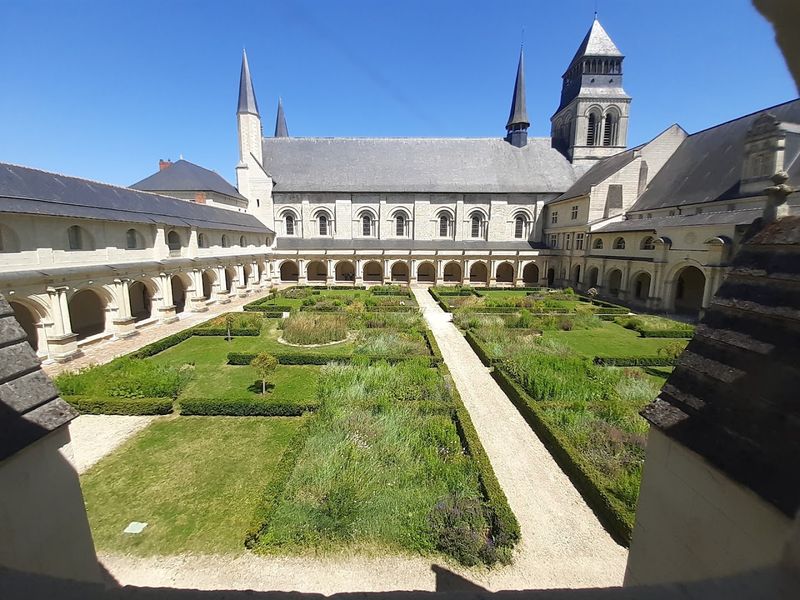
Few villages in France can claim to have housed the tombs of English royalty, but Fontevraud-l’Abbaye is not your average village. Recognized with the prestigious label in 2024, this Loire Valley gem is anchored by one of Europe’s largest and most impressive monastic complexes.
Kings, queens, and centuries of spiritual life have left their mark on every stone here.
The Royal Abbey of Fontevraud was founded in 1101 and once served as the burial place for members of the Plantagenet dynasty, including Eleanor of Aquitaine and King Richard the Lionheart. Walking through its cloisters and church feels genuinely humbling.
The abbey has been beautifully restored and now also functions as a cultural center, hosting exhibitions and events year-round.
Beyond the abbey walls, the village itself is quiet and elegant, with the kind of refined atmosphere you would expect from a place steeped in royal history. The surrounding Loire Valley countryside adds lush vineyard scenery and easy access to other celebrated chateaux.
Fontevraud-l’Abbaye strikes a rare balance between spiritual heritage, architectural wonder, and relaxed village life. It is the sort of place that rewards slow, thoughtful exploration rather than a quick snapshot from the parking lot.
Blangy-le-Chateau, Normandy
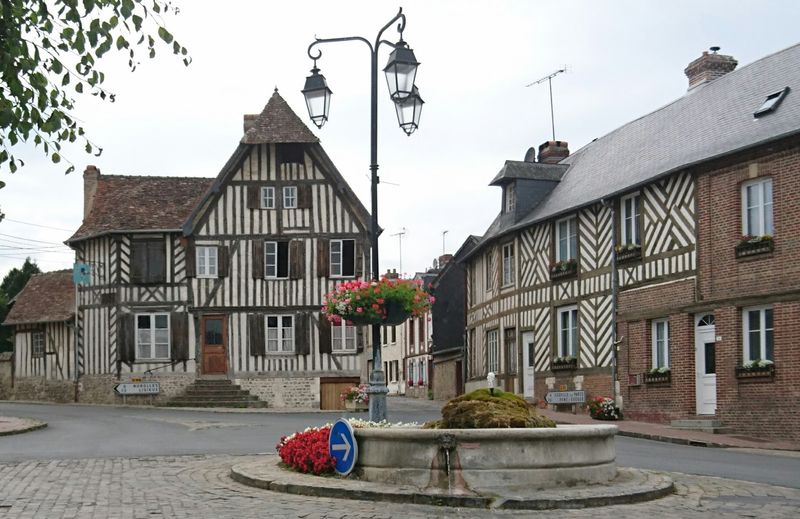
Pull up to Blangy-le-Chateau on a sunny morning and the scene practically begs to be painted. Half-timbered houses lean gently over flower-lined streets, the surrounding Normandy countryside rolls away in every shade of green imaginable, and the whole village seems to exhale a quiet contentment.
This recent addition to the Les Plus Beaux Villages list brings classic Norman charm to the forefront.
Norman architecture is some of the most distinctive in France, and Blangy-le-Chateau showcases it beautifully. The traditional colombage style, featuring exposed wooden beams set against white plaster walls, gives the village its signature look.
Many of these structures have been carefully maintained, ensuring the streetscape feels authentic rather than restored-for-tourists.
The village sits in the Pays d’Auge region, which is also famous for its cider, calvados apple brandy, and creamy Camembert cheese. That means a visit here comes with excellent edible souvenirs built right into the experience.
Blangy-le-Chateau is a reminder that Normandy offers far more than World War II history and dramatic coastal cliffs. The inland countryside hides pockets of genuine, unhurried French village life, and this newly honored community is one of its finest examples.
Entrevaux, Alpes-de-Haute-Provence
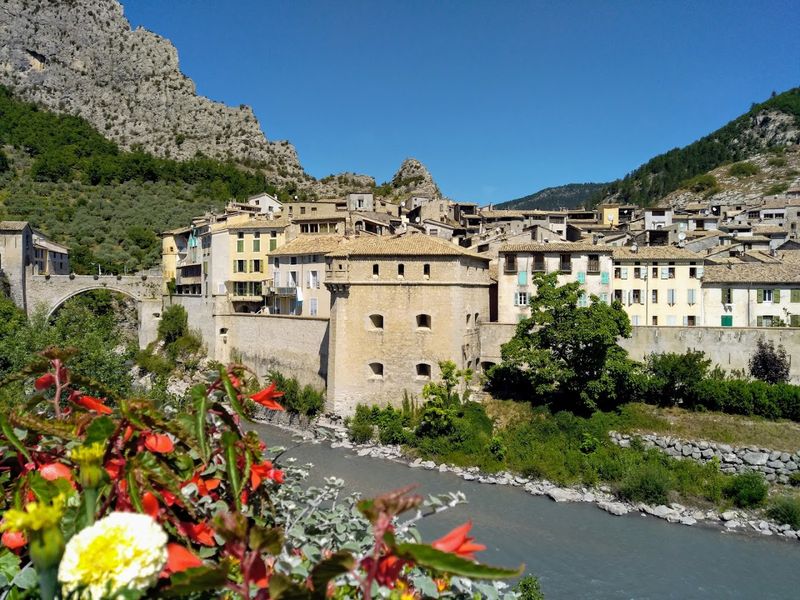
Crossing the drawbridge into Entrevaux is the kind of experience that makes you instinctively check whether you are wearing the right century. The fortified gateway, the ancient stone bridge over the Var River, and the citadel looming above on a jagged rock face all combine to create an entrance so dramatic it almost feels theatrical.
Almost, because Entrevaux is completely real and completely extraordinary.
The citadel itself was reinforced by Vauban in the late 17th century, the same military genius behind Mont-Dauphin, and the zigzagging ramp that leads up to it is a workout worth every step. Views from the top stretch across rugged mountain terrain that has changed very little over hundreds of years.
The narrow streets below wind between stone walls and old churches, creating a medieval atmosphere that is remarkably intact.
Entrevaux sits along the famous Train des Pignes railway line, a scenic narrow-gauge route connecting Nice to Digne-les-Bains. Arriving by train adds an extra layer of adventure to the visit.
The village has a small but welcoming selection of local shops and cafes, making it easy to spend a full day exploring without feeling rushed. Entrevaux earns its prestigious recognition with zero effort and maximum drama.
Saorge, Alpes-Maritimes
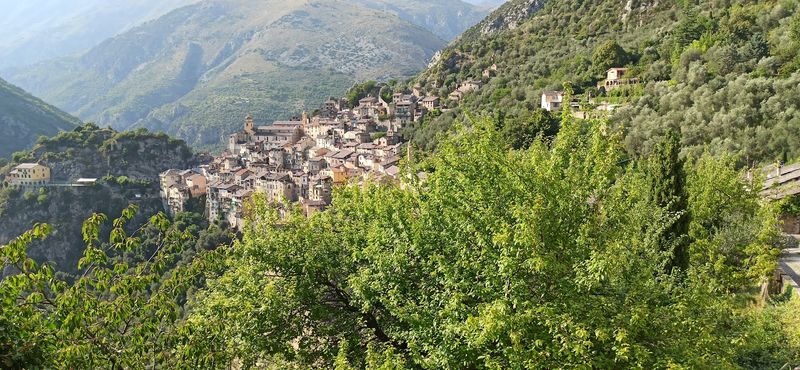
Saorge does not sit on a hill so much as it clings to one for dear life, and somehow that makes it even more beautiful. Stacked up a near-vertical mountainside in the Roya Valley near the Italian border, this village of pastel-painted buildings is one of the most visually striking communities in all of France.
Seeing it for the first time tends to produce an audible gasp.
The tightly packed houses are connected by steep lanes, staircases, and covered passages that twist through the village like a stone labyrinth. A 15th-century Franciscan monastery perches just above the village, offering panoramic views over the surrounding peaks and the river gorge far below.
The whole scene has an almost surreal quality, especially in the early morning when mist drifts through the valley.
Saorge has attracted artists and writers for generations, drawn by its otherworldly atmosphere and relative isolation. The village is car-free in its historic center, which keeps the streets peaceful and pedestrian-friendly.
Local cuisine reflects the borderland location, blending French and Italian influences in satisfying ways. Whether you come for the views, the history, or simply the experience of wandering somewhere genuinely unlike anywhere else, Saorge will not disappoint.
Saint-Jean-Pied-de-Port, Pyrenees-Atlantiques
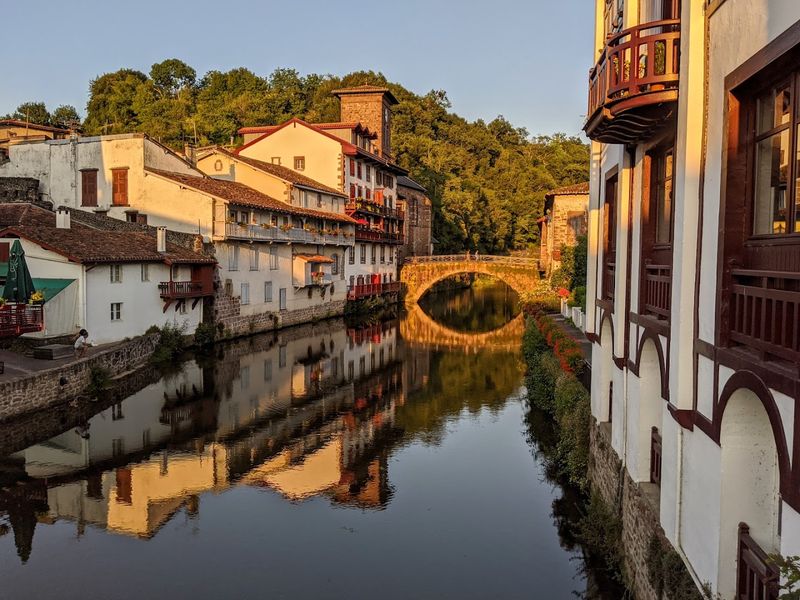
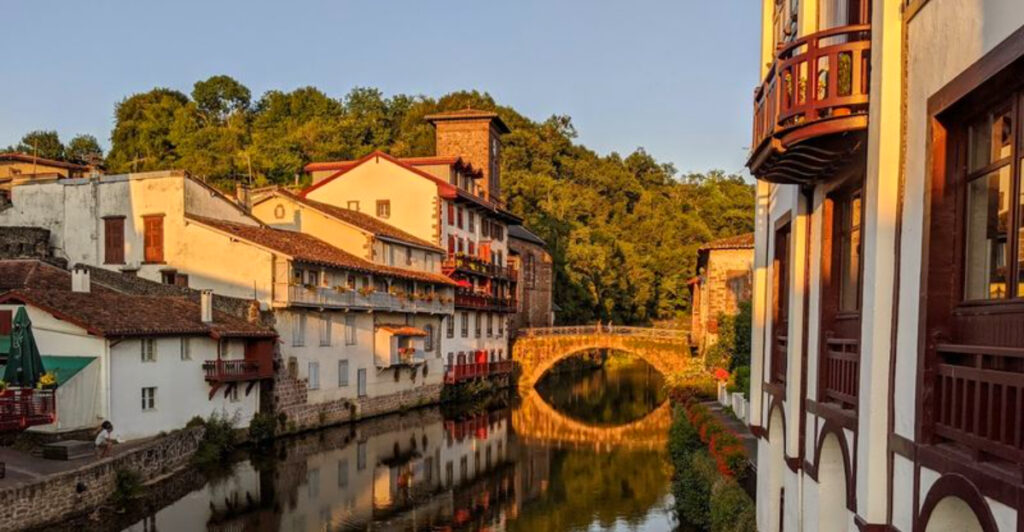
Every year, tens of thousands of pilgrims lace up their boots in Saint-Jean-Pied-de-Port and begin one of the world’s most famous walks: the Camino de Santiago. The energy in this Basque village is unlike anything else in France, a mix of spiritual anticipation, nervous excitement, and the smell of fresh bread from the local bakeries.
It is a place where history and living tradition exist side by side.
The old town is enclosed within 15th-century ramparts and is filled with red-shuttered, white-walled houses that are quintessentially Basque in style. The cobblestoned Rue de la Citadelle is the main thoroughfare, lined with pilgrim hostels, craft shops, and cafes that have been welcoming weary travelers for centuries.
The citadel above the town offers sweeping views of the Pyrenees mountain range that separates France from Spain.
Even for those with no plans to walk the Camino, the village offers a rich cultural experience rooted in Basque identity, medieval architecture, and mountain scenery. Local food is a highlight, with Basque specialties like piperade and axoa appearing on menus throughout the village.
Saint-Jean-Pied-de-Port earned its prestigious label through centuries of authentic heritage, and visiting feels like touching something genuinely timeless.
Eguisheim, Alsace
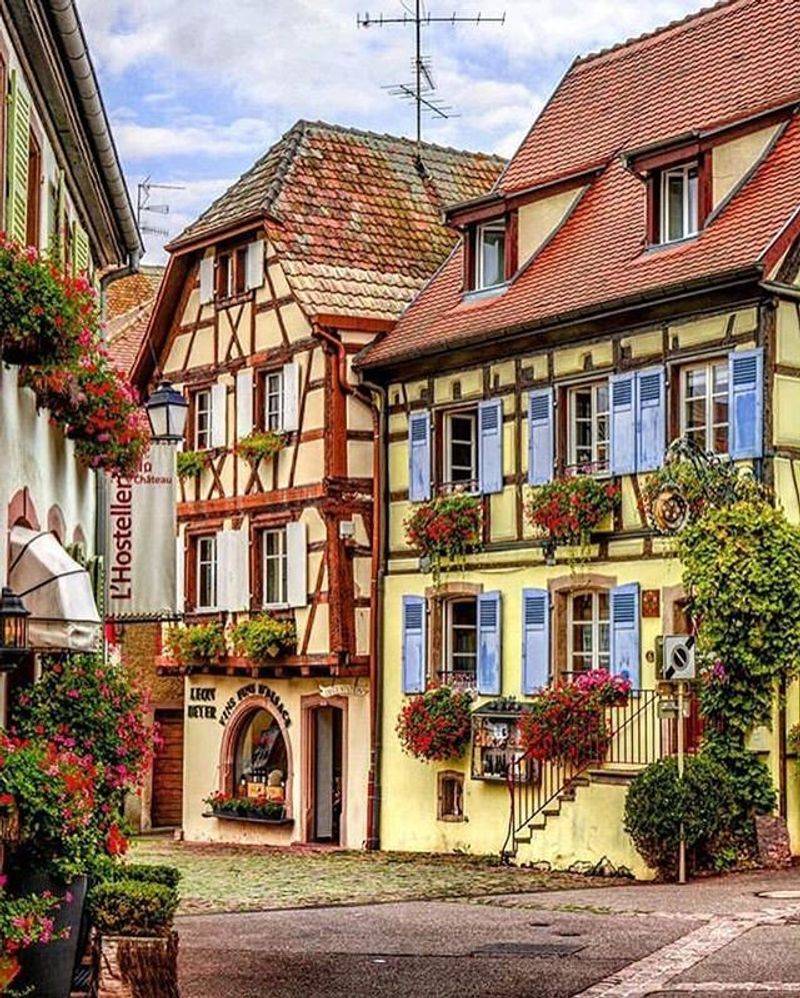
Eguisheim is the village that makes grown adults stop mid-stride and say, out loud, that it looks fake. The circular layout of candy-colored half-timbered houses, the overflowing window boxes bursting with geraniums, and the cobblestones worn smooth by centuries of footsteps all combine into something that looks more like a storybook illustration than a real place.
Spoiler: it is completely real.
The village was built around a central octagonal square and expands outward in concentric rings, a layout that dates back to medieval times. Walking the outer lanes and then spiraling inward toward the historic center is one of those simple pleasures that stays with you.
Pope Leo IX, one of the most influential popes of the Middle Ages, was born here in 1002, a fact the village is quietly proud of.
Eguisheim sits along the famous Alsace Wine Route, surrounded by vineyards that produce some of France’s finest Riesling and Gewurztraminer. Wine tasting opportunities are plentiful, and the combination of beautiful architecture and excellent local wine makes the village nearly impossible to leave in a hurry.
Regularly ranked among France’s most beautiful villages, Eguisheim fully deserves every bit of the recognition it receives.
Gordes, Provence
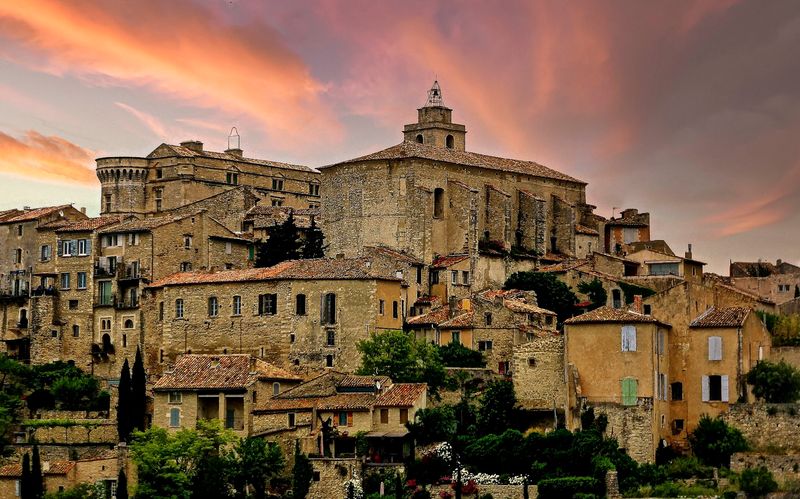
Gordes has a way of making you feel like you have arrived somewhere that the rest of the world has not quite caught up to yet, even though plenty of people have clearly been here before. Stacked up a steep hillside in the Luberon like a golden puzzle, this Provencal village is one of those places that earns its reputation every single time someone sees it for the first time.
The architecture is almost entirely built from the warm, honey-colored limestone that defines the region, giving Gordes a visual coherence and warmth that is deeply satisfying. The village château, which dates to the 11th century, anchors the hilltop and houses a small museum.
Narrow streets thread between ancient houses, opening occasionally onto terraces with panoramic views of the Luberon valley stretching below.
Gordes is also close to the famous Abbaye de Senanque, a working Cistercian monastery often photographed surrounded by rows of purple lavender in summer. That image has appeared on so many postcards and calendars that it has become a symbol of Provence itself.
Despite its fame, Gordes maintains the heritage standards required by its Les Plus Beaux Villages status, ensuring the village retains its authentic soul alongside its well-earned celebrity.
Rochefort-en-Terre, Brittany
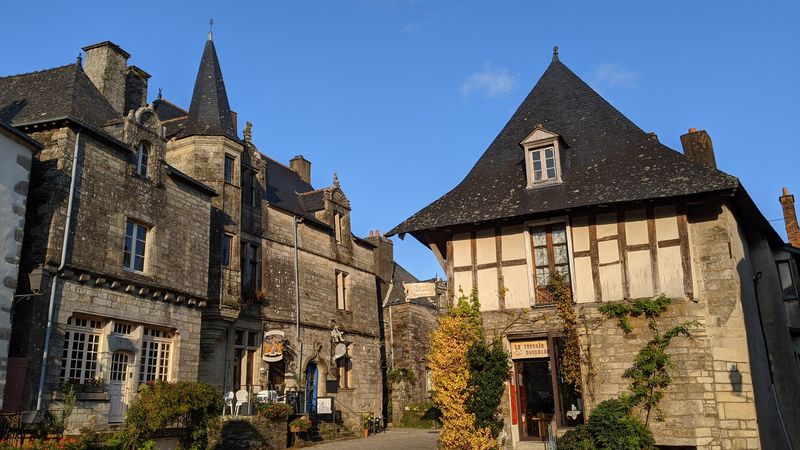
Rochefort-en-Terre takes the concept of village pride very seriously, and the flowers are the proof. Every summer, residents compete to fill their window boxes, doorways, and garden walls with explosions of color, a tradition that has helped the village win national flower competition awards multiple times.
Walking through the streets in full bloom is genuinely one of the most cheerful experiences Brittany has to offer.
Beyond the floral enthusiasm, the village has serious medieval credentials. Stone buildings dating back several centuries line the main street, and a beautifully restored château overlooks the village from a rocky promontory.
The château was famously purchased and restored by an American artist named Alfred Klots in the early 20th century, adding an unexpected transatlantic chapter to the village’s long history.
Rochefort-en-Terre sits in the Morbihan department of southern Brittany, a region known for its prehistoric standing stones, Celtic heritage, and some of France’s most atmospheric coastline. The village itself feels like a warm, welcoming anchor in this fascinating region.
Local artisan shops, traditional Breton restaurants, and a genuinely friendly community make it easy to spend a full day here without once feeling like you have run out of things to enjoy.
Share this story