New Jersey gets a bad rap sometimes, but tucked between the turnpike exits and the shore traffic are towns that look like they skipped the last century entirely. I stumbled onto one of these gems by accident during a wrong turn on a road trip, and honestly, it was the best mistake I ever made.
From Victorian mansions to cobblestone corners, these places have held onto their history with a grip that would impress any museum curator. If you love old-school charm without the velvet ropes, this list is your new travel itinerary.
Cape May, Cape May County, New Jersey
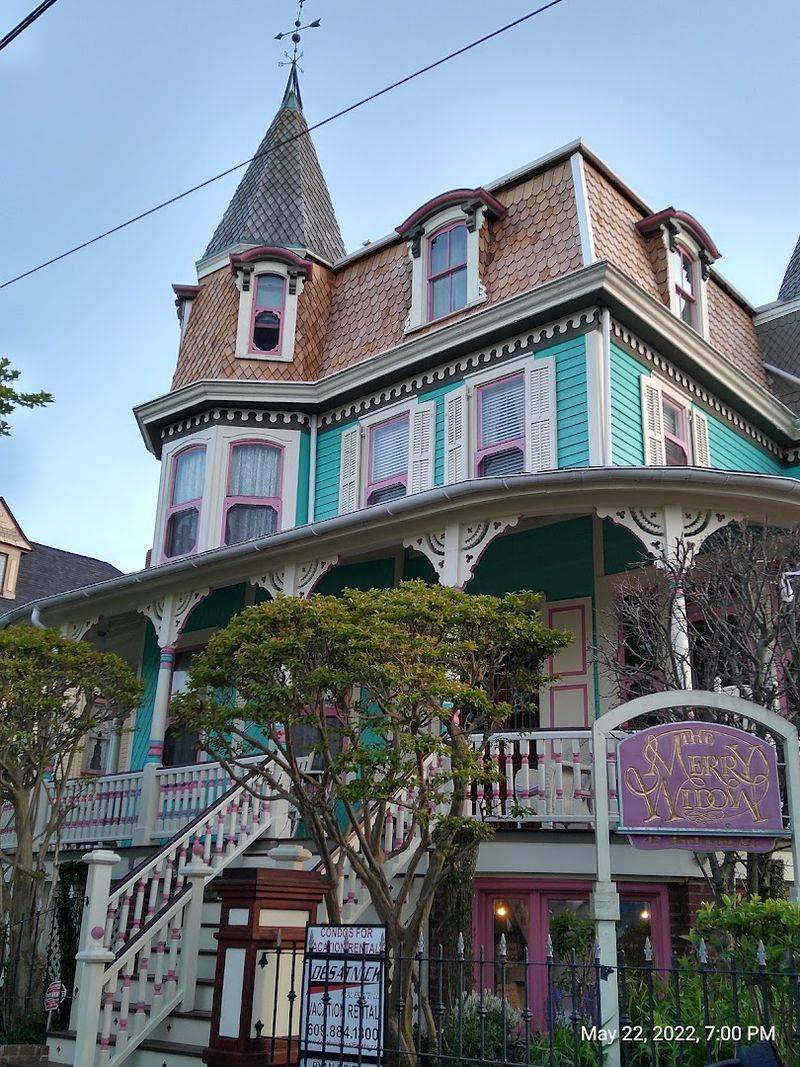
Cape May does not just preserve history. It practically marinates in it.
As the oldest seaside resort in the country, this tip-of-the-state town has over 600 Victorian buildings still standing and looking sharp. Walking down its streets feels less like sightseeing and more like photobombing the 1880s.
The entire town is a National Historic Landmark, which is basically the federal government’s way of saying, “Don’t touch anything.” Every painted lady porch, every turret, every decorative gingerbread trim is protected. I once spent 20 minutes just staring at a single roofline.
No regrets.
Cape May also has a booming bed-and-breakfast scene, so you can sleep inside a piece of history rather than just walk past it. The beaches, horse-drawn carriages, and gas-lit streets seal the deal.
This town is the crown jewel of Jersey’s time-travel collection.
Lambertville, Hunterdon County, New Jersey
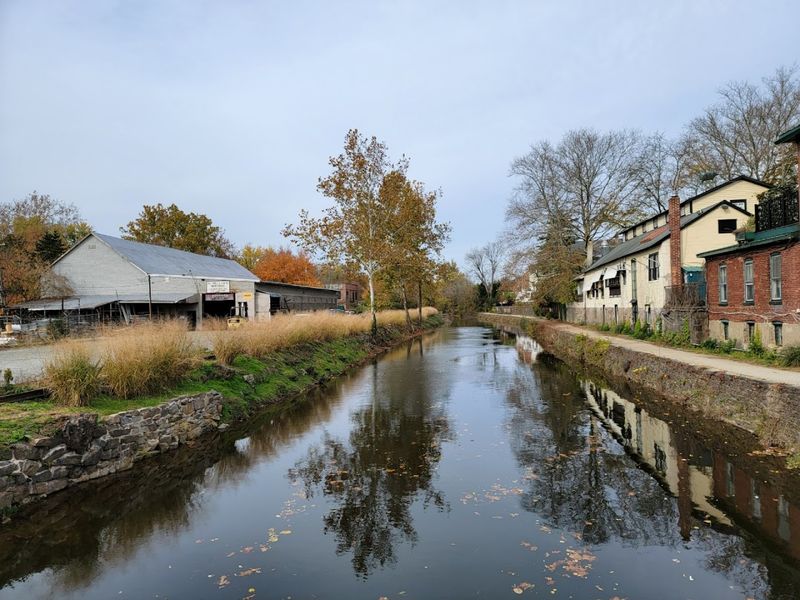
Lambertville is the kind of town where antique dealers outnumber fast food joints, and that is absolutely a compliment. Sitting right on the Delaware River, this Hunterdon County gem has preserved its Federal and Victorian architecture with remarkable dedication.
The riverfront setting adds a cinematic quality that no filter can replicate.
Antique hunters treat Lambertville like a pilgrimage site. On weekends, the streets fill with people clutching coffee cups and peering into shop windows at vintage furniture, old maps, and things their grandparents probably threw away.
It is oddly thrilling.
The town also connects by bridge to New Hope, Pennsylvania, doubling your historic-town experience in one trip. Lambertville’s restaurant scene punches well above its weight for such a small place.
Whether you are there for the history, the antiques, or just a good meal by the river, Lambertville delivers every single time.
Cranbury, Middlesex County, New Jersey
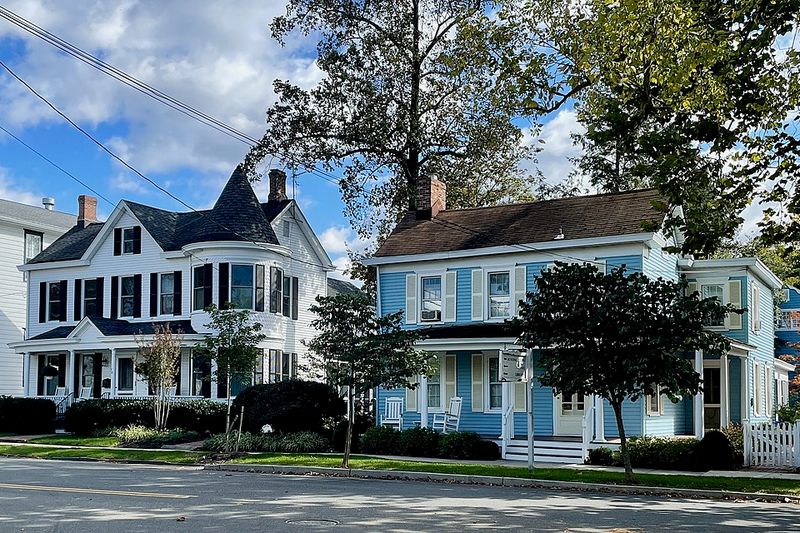
Cranbury is so well-preserved it almost feels like a stage set, except everything is completely real. Main Street sits within a large historic district listed on the National Register of Historic Places, featuring buildings that date back to the 1700s and 1800s still in everyday use.
That is not restoration. That is survival.
The town has a population of just a few thousand, which means it has somehow dodged the sprawl that swallowed its neighbors whole. Strolling down Main Street, you pass colonial homes, a classic inn, and a church that has been standing since before the United States existed.
That last part still gets me every time.
Cranbury also has a charming town pond and a relaxed pace that makes it perfect for a slow weekend afternoon. There is no big attraction to rush toward.
The whole town is the attraction, and that is exactly the point.
Haddonfield, Camden County, New Jersey
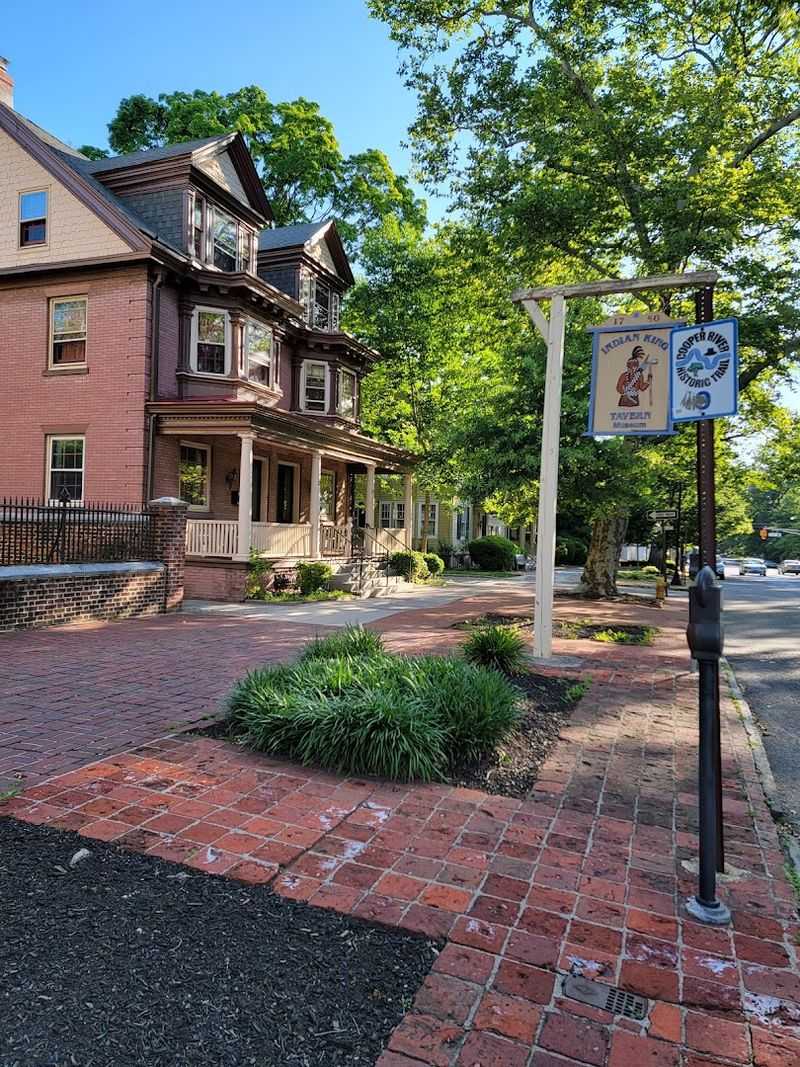
Haddonfield has a resume that most towns can only dream about. Home to the Indian King Tavern Museum, one of New Jersey’s earliest state historic sites, and a walkable downtown that has kept its Revolutionary-era bones intact, this Camden County town means business when it comes to history.
What makes Haddonfield special is how livable it still feels. The historic district is not a museum rope-off zone.
It is a functioning downtown with shops, restaurants, and residents who happen to live inside 18th-century architecture. That balance is rare and worth celebrating loudly.
Fun fact: Haddonfield is also where the first nearly complete dinosaur skeleton in North America was discovered in 1858. A Hadrosaurus fossil, found right here in South Jersey.
So the town is not just frozen in colonial history. It has prehistoric bragging rights too.
Two eras for the price of one visit.
Clinton, Hunterdon County, New Jersey
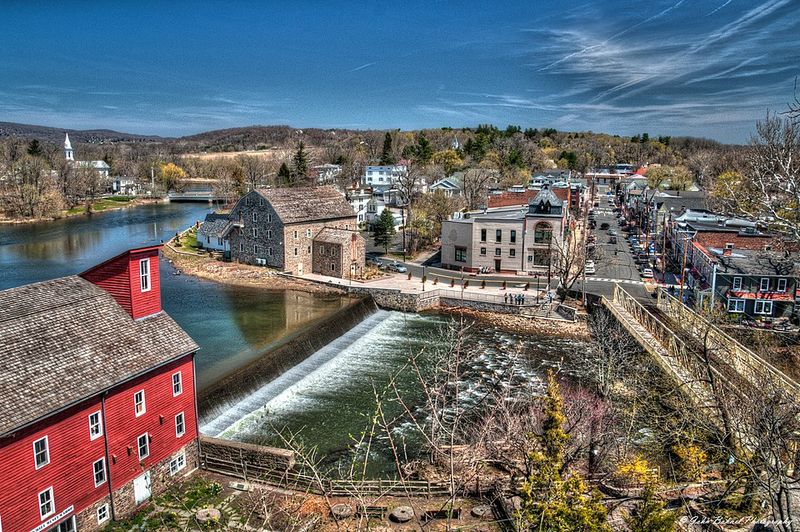
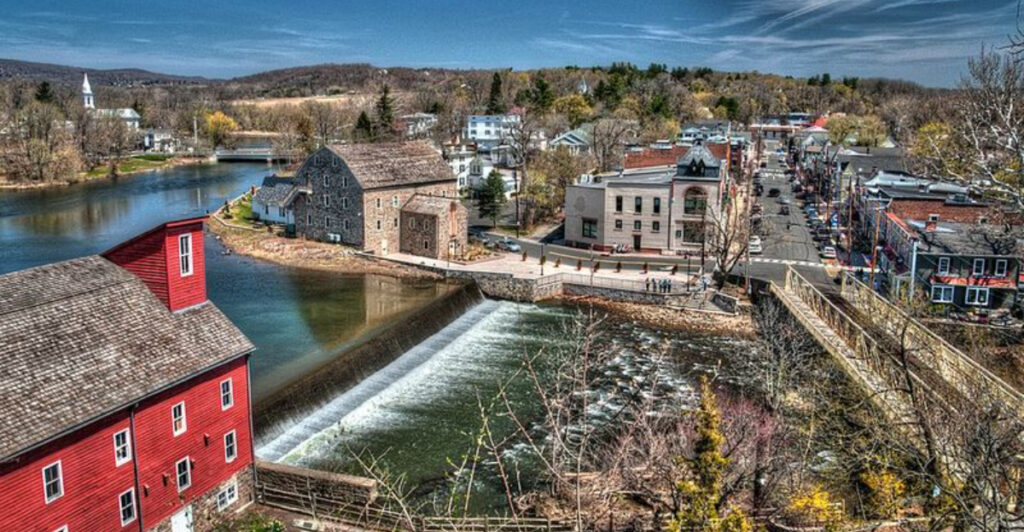
Every state has that one postcard town, and in New Jersey, Clinton is it. The Red Mill, a vivid crimson landmark perched beside the South Branch of the Raritan River, has appeared on so many calendars it practically has its own agent.
But Clinton is more than a pretty backdrop.
The surrounding downtown is genuinely historic, with buildings that date back to the 19th century lining the streets in a compact, walkable layout. The Red Mill itself is now a museum, giving visitors an actual look into what industrial life looked like in rural New Jersey long before anyone had heard of a strip mall.
Clinton also hosts a popular farmers market and seasonal festivals that draw crowds without turning the town into a tourist trap. It manages to stay authentic while still being welcoming, which is a harder trick to pull off than it sounds.
Clinton makes it look easy.
Frenchtown, Hunterdon County, New Jersey
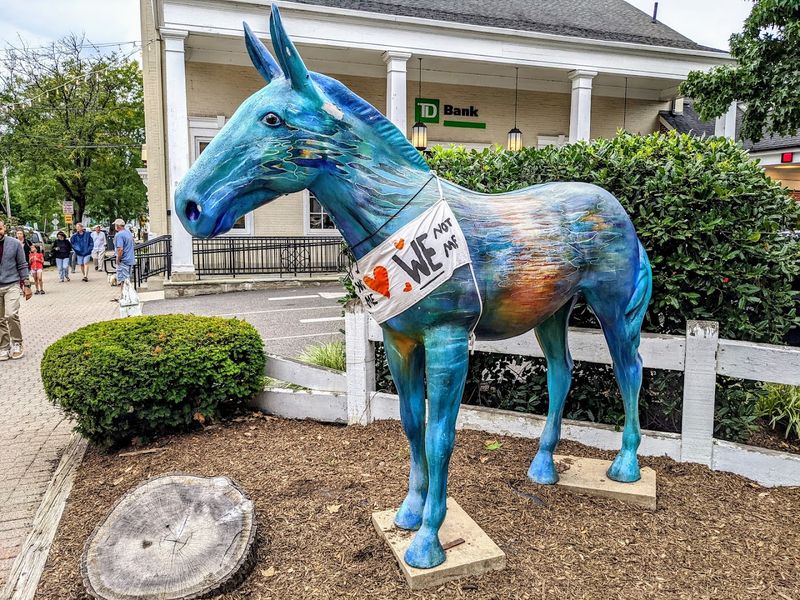
Frenchtown is tiny, charming, and completely unapologetic about both. This Delaware River village has a downtown so compact you can walk the whole thing in about ten minutes, but you will want to spend hours.
Every storefront seems to hold a small shop, a gallery, or a cafe that has been there since before GPS existed.
The town has a laid-back, artsy personality that sets it apart from more buttoned-up historic towns. Local artists have settled here over the decades, drawn by the river views and the affordable rents that bigger towns lost long ago.
That creative energy gives Frenchtown a slightly bohemian edge alongside its historic charm.
Frenchtown also has a well-loved bridge connecting it to Uhlerstown, Pennsylvania, and the towpath along the river is great for a casual walk or bike ride. The whole scene feels wonderfully unhurried.
In Frenchtown, slowing down is not optional. It is just the natural speed of the place.
Hopewell, Mercer County, New Jersey
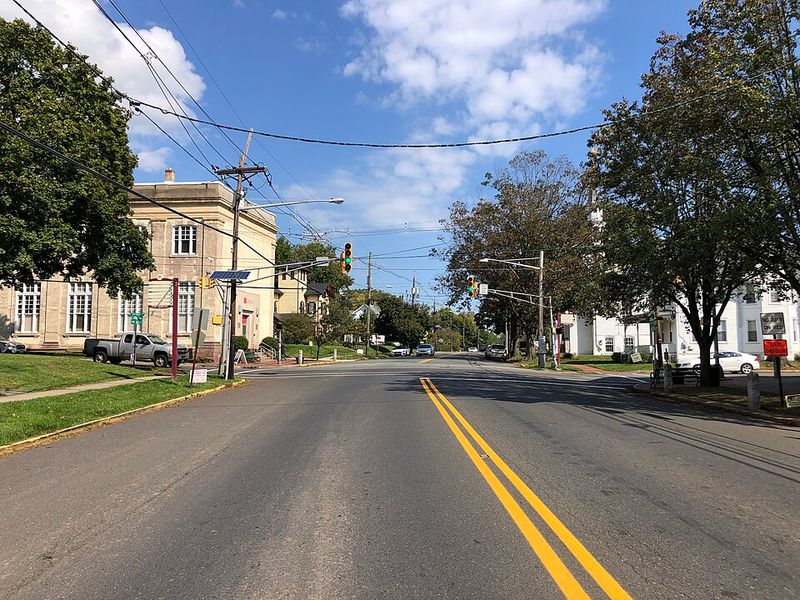
Hopewell Borough is the kind of place where history is not just preserved in a building. It is woven into the everyday fabric of the town.
The colonial-era identity here shows up in its museum, its monuments, and a village character that larger towns have long since paved over. Small but mighty does not begin to cover it.
The Hopewell Museum, housed in a 19th-century building on Broad Street, is a great starting point for understanding just how layered this town’s past really is. Artifacts, photographs, and local records tell stories that go back centuries without needing a Hollywood budget to make them interesting.
Hopewell also gained national attention due to the Lindbergh kidnapping case in 1932, adding a dramatic chapter to its otherwise quiet history. The town does not lean too hard on that notoriety, but it is part of the story.
Hopewell carries its history thoughtfully, without making a circus of it.
Allentown, Monmouth County, New Jersey
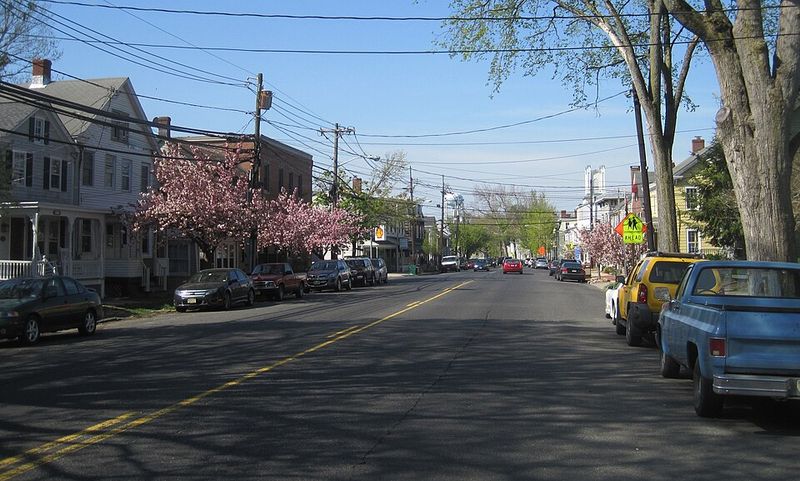
Allentown, Monmouth County is not the Pennsylvania one. Get that out of your head right now.
This Allentown is a small New Jersey borough that VisitNJ officially describes as a historic small town, and its star attraction is the John Imlay Mansion, a Federal-style beauty listed on the National Register of Historic Places.
The mansion alone is worth the detour. Built in the early 1800s, it stands as one of the finest examples of Federal architecture in the region, and it anchors a downtown that still carries the bones of its 18th and 19th-century layout.
Walking around Allentown feels like flipping through a very well-maintained history textbook.
The town also sits beside Doctors Creek and features a working mill pond area that adds to the old-fashioned atmosphere. Allentown is small enough to explore in an afternoon but rich enough in character to leave a lasting impression.
It rewards slow walkers and curious minds equally well.
Chester, Morris County, New Jersey
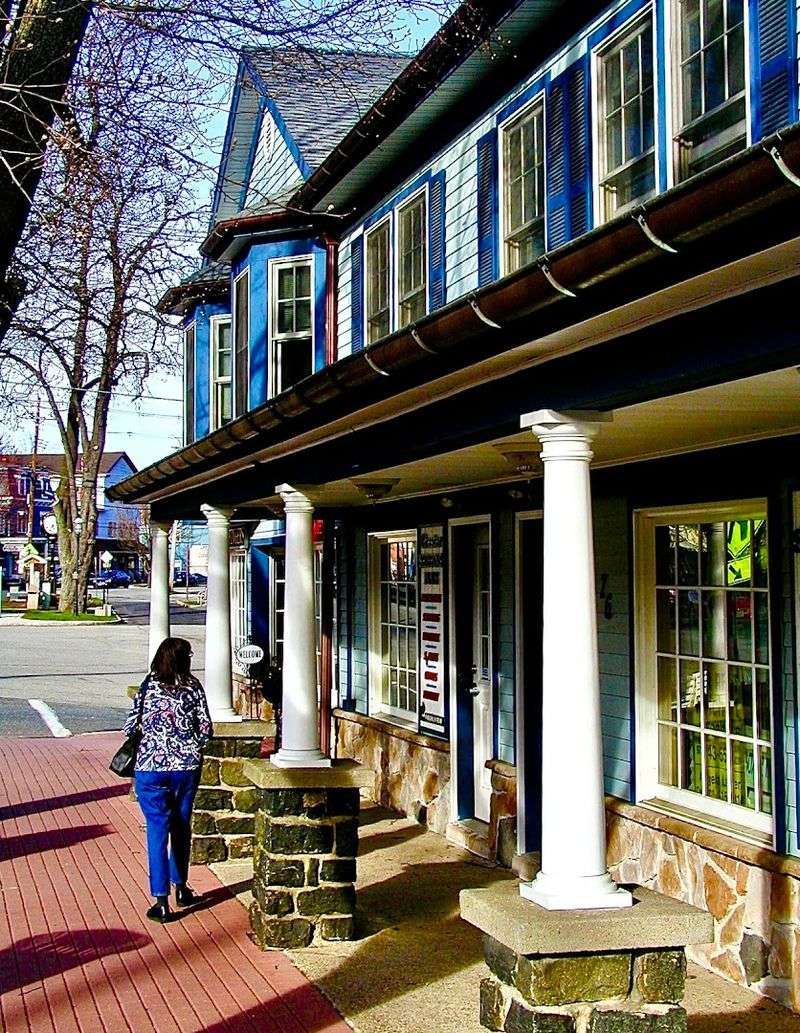
Chester has figured out something most towns spend decades trying to crack: how to feel genuinely old without feeling tired. The brick-lined streets and preserved historic downtown give Morris County’s Chester a timeless quality that draws visitors year after year without ever feeling stale or overly touristy.
The town center is filled with boutique shops, antique dealers, and eateries operating out of buildings that have been standing since the 1800s. One of the most photographed spots is the old Chester Inn, a landmark that has anchored the downtown for generations.
It is the kind of building that makes you want to slow your scroll and actually look up.
Chester also hosts popular seasonal events, including an apple festival in October that turns the whole downtown into a festive, cider-scented gathering. But even on a quiet Tuesday in February, Chester has charm to spare.
Some towns perform history. Chester just lives it, quietly and confidently.
Bordentown City, Burlington County, New Jersey
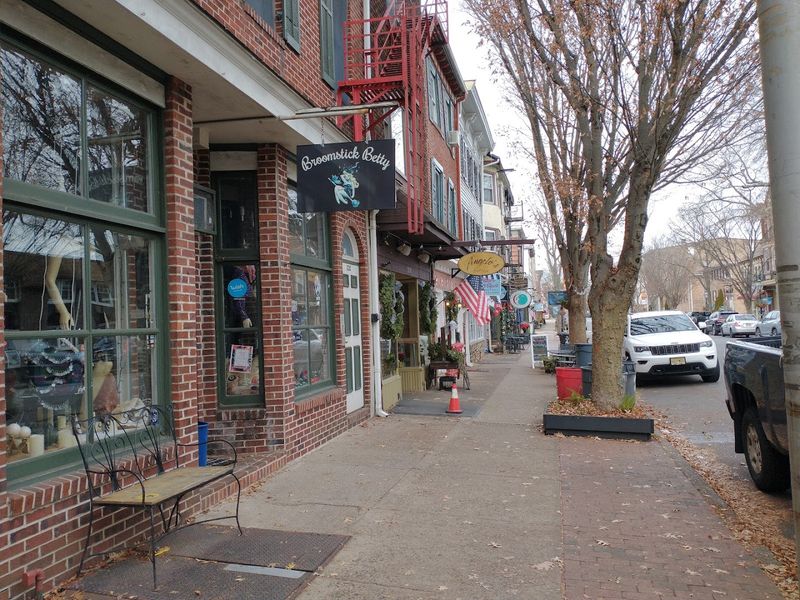
Bordentown City packs a surprising amount of history into a very small footprint. Much of the city is a designated historic district, and the compact old-town layout still shapes how downtown looks and feels today.
This is not a place that slapped a plaque on a wall and called it history. The whole place is the plaque.
One of Bordentown’s most entertaining historical footnotes involves Joseph Bonaparte, Napoleon’s older brother, who actually lived here in the early 1800s. He built a grand estate nearby and apparently enjoyed New Jersey quite a bit, which is either a glowing endorsement or a sign that exile was kinder than expected.
The downtown streetscape is walkable, photogenic, and full of buildings that have been standing since before the country figured out what it wanted to be. Clara Barton, founder of the American Red Cross, also taught school here.
Bordentown’s history keeps delivering, block by block.
Burlington, Burlington County, New Jersey
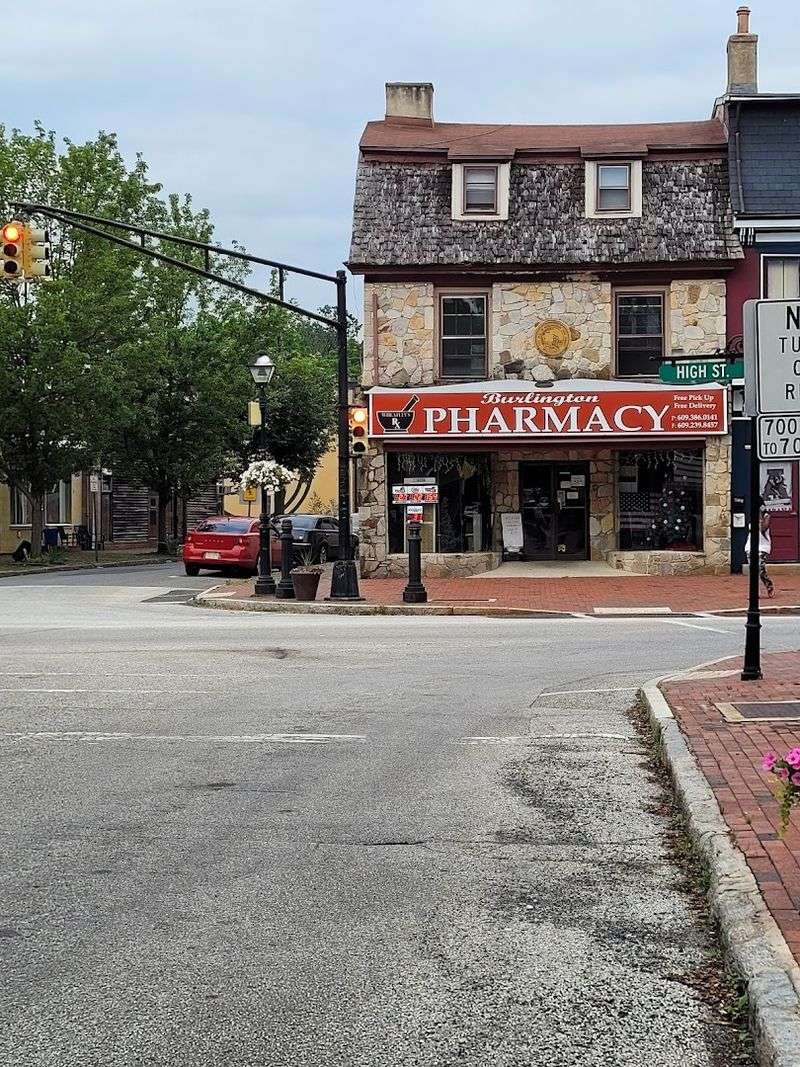
Burlington is one of South Jersey’s most historically loaded towns, and it does not need to shout about it. As one of New Jersey’s oldest cities, Burlington served as a colonial capital and has the architecture and historic district to prove it.
The walking tour alone covers more history than most school textbooks manage in a chapter.
The city’s historic district includes homes and buildings dating back to the late 1600s and early 1700s. Captain James Lawrence, the naval hero famous for the line “Don’t give up the ship,” was born here.
So was James Fenimore Cooper, author of The Last of the Mohicans. Burlington clearly had a thing for producing memorable people.
The Delaware River waterfront adds a scenic element to what is already a rich historic experience. Burlington rewards visitors who take their time, read the markers, and resist the urge to rush.
Good things, and good history, are worth lingering over.
Princeton, Mercer County, New Jersey
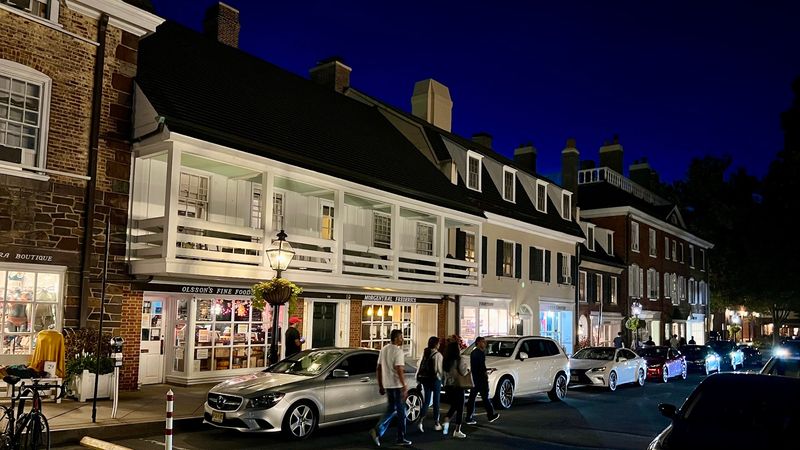
Princeton is technically the overachiever on this list, and it knows it. Bigger and busier than most of the other towns here, it still earns its spot thanks to an 18th-century campus that has barely changed its bones in 300 years and a Nassau Street corridor that carries the weight of serious American history without breaking a sweat.
Princeton University was founded in 1746, making its campus older than the country itself. Walking past Nassau Hall, where the Continental Congress briefly met in 1783, puts a lot of modern complaints into perspective very quickly.
The architecture here is not just old. It is foundational.
Beyond the campus, Princeton’s downtown has a mix of independent bookshops, historic inns, and cultural institutions that keep the old-world atmosphere alive even as the town grows. Princeton proves that a place can be both intellectually buzzing and historically grounded at the same time.
It is the rare town that manages to be both impressive and genuinely charming.
Share this story