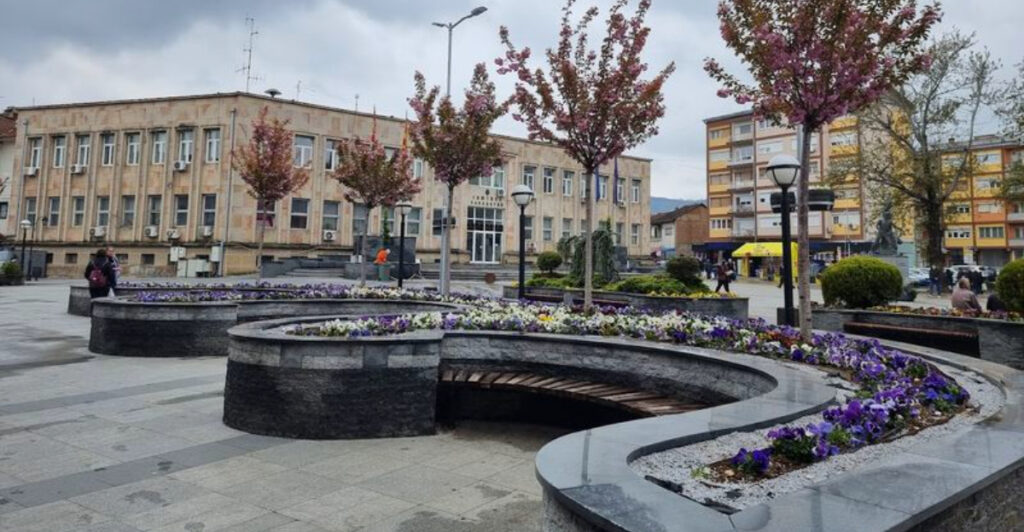
North Macedonia may be small, but its true magic lies beyond the capital. scattered across mountains, lakes, and valleys are charming towns filled with cobblestone streets, Ottoman-era architecture, and breathtaking natural surroundings. Travel experts often point out that these smaller destinations offer a more authentic and relaxed experience, where local traditions, cuisine, and landscapes shine without the crowds.
From lakeside gems to mountain villages, these towns prove that in North Macedonia, smaller really is better.
Ohrid
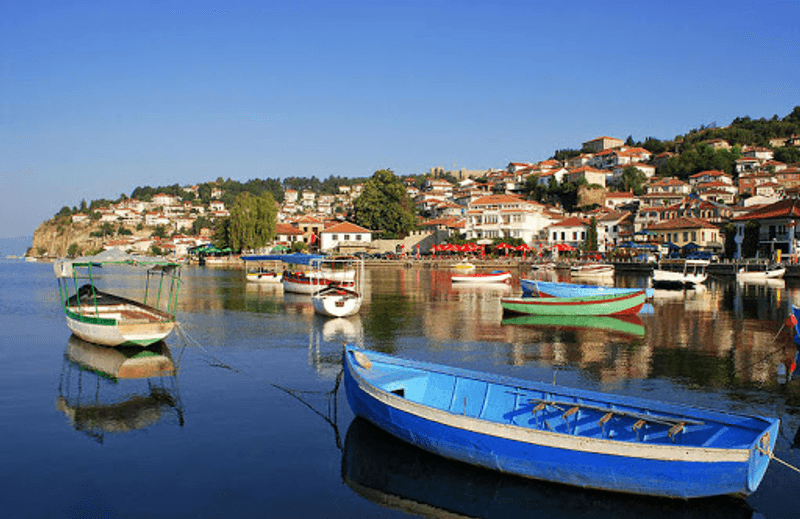
Few places in the world can casually claim a lake that is over three million years old as their backyard, but ohrid does exactly that. Set along the shores of one of Europe’s most ancient and deepest lakes, this town has been drawing travelers for centuries.
The UNESCO-listed old town rises above the water like something out of a history textbook brought to life.
Walking the cobblestone streets here feels like stepping through layers of civilization. Byzantine churches, Roman amphitheaters, and medieval fortresses sit side by side without any fuss.
The Church of Saint John at kaneo, perched dramatically over the lake, is arguably the most photographed spot in the entire country.
Swimming in the lake on a warm afternoon is a summer ritual locals take seriously. The water is so clear you can see straight to the bottom near the shore. ohrid also has a lively restaurant scene where fresh lake trout is the dish everyone orders first.
Whether you spend your days exploring ruins or simply sitting by the water with a coffee, ohrid has a way of making time feel wonderfully slow and completely worth it.
Kratovo
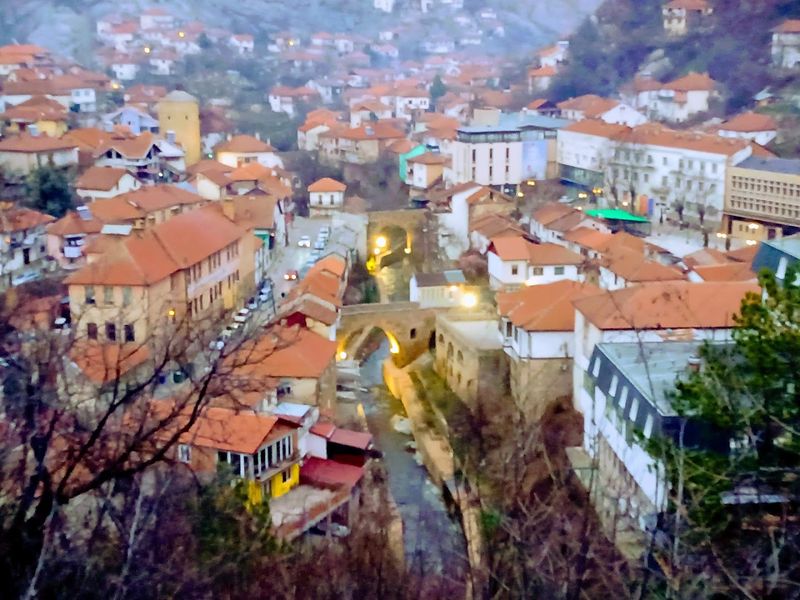
Built inside an extinct volcanic crater, kratovo is the kind of town that makes you do a double take when you first look at a map. The town sits in a natural bowl formed millions of years ago, and somehow people decided that was the perfect place to build a city.
Smart move, honestly.
Six medieval towers still stand tall here, remnants of a time when kratovo was a major mining hub for silver and lead. Stone bridges arch gracefully over the rocky river gorge that cuts through the center of town, connecting neighborhoods that cling to the crater walls.
The whole place has a quiet, slightly mysterious atmosphere that rewards slow walkers and curious minds.
kratovo is also known for its scarecrow festival, which draws visitors from across the country each year. Life-sized figures made from old clothes and hay pop up all over town, turning the streets into a quirky open-air exhibit.
Local craftspeople sell handmade jewelry and traditional goods in small shops tucked into the old stone buildings. For a town that sits inside a volcano, kratovo is surprisingly warm and welcoming to every visitor who wanders in.
Krusevo
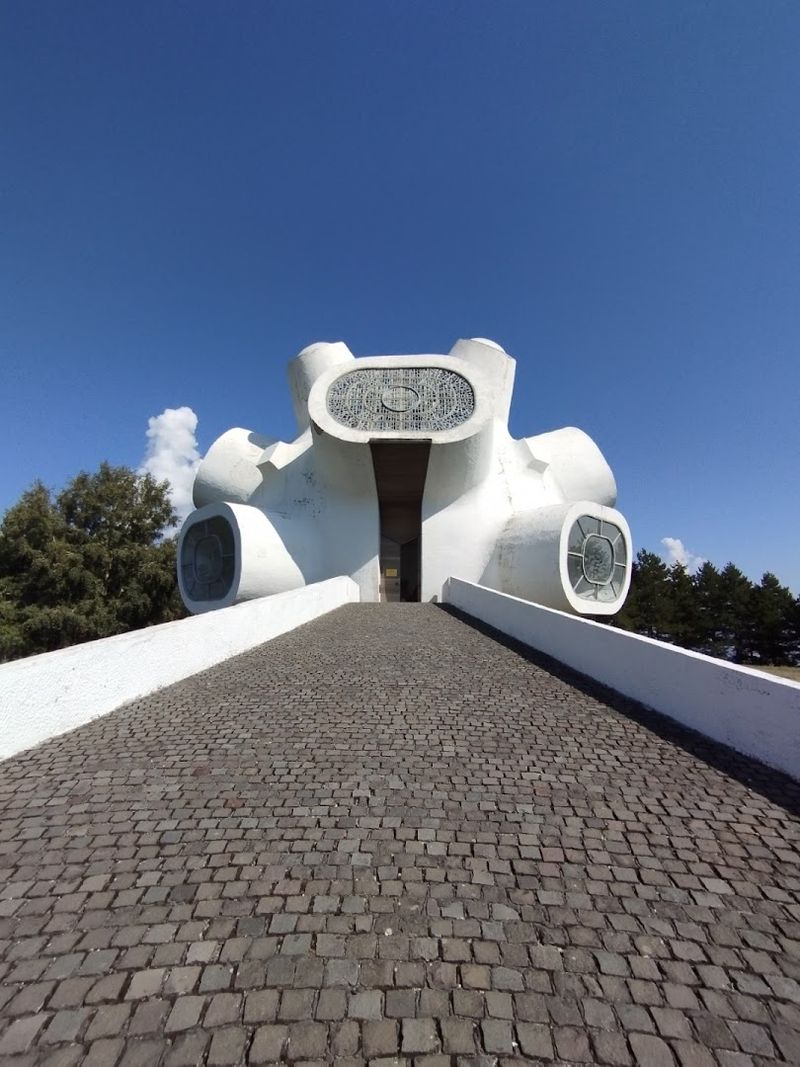
At around 1,350 meters above sea level, krusevo holds the title of the highest town in North Macedonia, and the views from up here make it very clear why that matters. On a clear day, the mountain panoramas stretch so far that it feels like the whole country is spread out below you.
Cool breezes and fresh pine-scented air are basically the town’s unofficial welcome gifts.
History runs deep in krusevo. In 1903, it became the center of the ilinden uprising, a short-lived republic that lasted just ten days before being crushed by ottoman forces.
The memorial complex called makedonium, shaped like a futuristic sphere, stands as a bold tribute to that brave and brief revolution. It looks completely unexpected against the traditional architecture around it.
Traditional stone houses with wooden balconies line the narrow streets, many of them now converted into cozy guesthouses. The town is small enough to explore on foot in a single afternoon, yet layered enough to keep history buffs busy for days. winter brings snow and a peaceful stillness that locals love. summer fills the streets with visitors who come for the cool temperatures and the charm that krusevo quietly radiates all year long.
Berovo
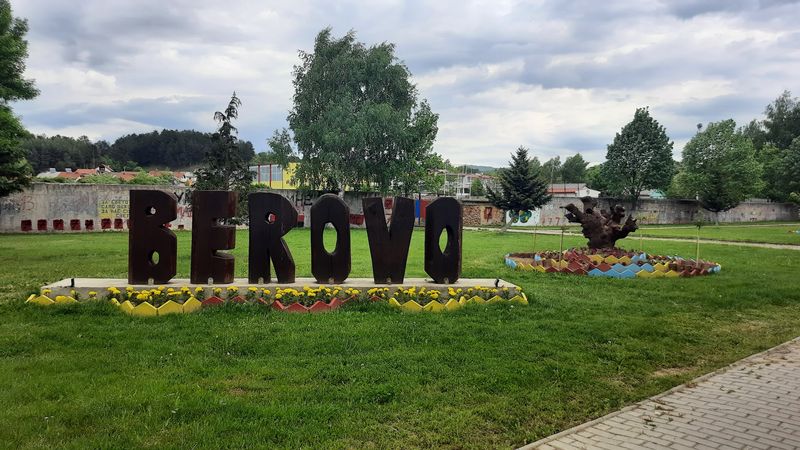
The first thing people notice about berovo is how clean the air feels, like the whole forest is quietly exhaling just for you. This eastern mountain town is wrapped in the maleshevo mountains and sits beside a scenic reservoir that looks like it was painted rather than formed by nature.
It is the kind of place where weekends slow down and stress seems genuinely optional.
berovo is known for its honey, and locals will proudly tell you it is among the best in the country. The surrounding forests are rich with wildflowers, which gives the honey a distinctly floral flavor that is hard to forget.
Small family-run shops sell jars of it alongside homemade jams and dried herbs that fill the room with fragrance the moment you walk in.
The lake area is perfect for morning walks, fishing, and picnics under tall pines. Several hiking trails branch out from town into the surrounding hills, offering routes for both casual walkers and more serious trekkers. berovo also has a small monastery nearby that adds a spiritual and historical layer to an already rich visit.
For anyone craving a genuine escape from noise and speed, berovo delivers without any effort at all.
Struga
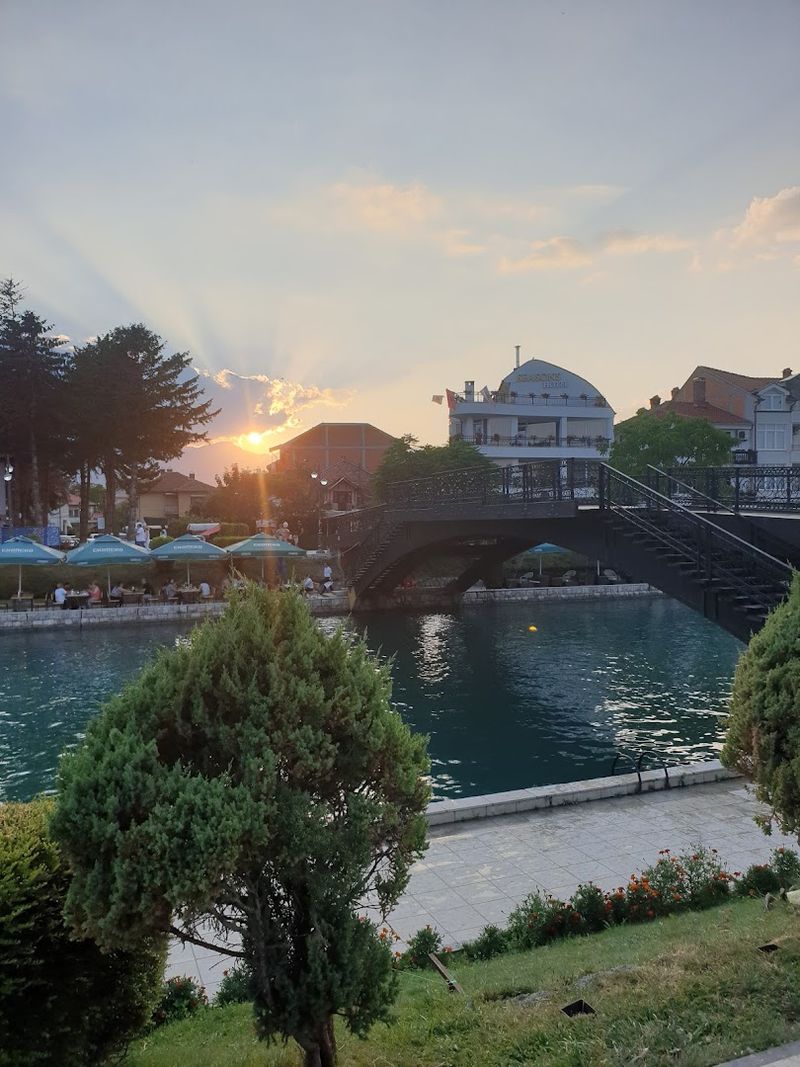
Struga sits at the point where the Black drin river flows out of Lake ohrid, which means the town is essentially hugging one of Europe’s most beautiful lakes from a quieter angle. Less crowded than its famous neighbor ohrid, struga offers the same stunning water views with a noticeably more relaxed pace.
The riverside promenade is the social heart of town, lined with cafes where locals linger for hours.
Every August, struga hosts the struga poetry evenings, an international literary festival that has been running since 1962. poets from across the world gather here to read, celebrate, and compete for the golden wreath award, one of the most prestigious poetry prizes in the world. It is a surprisingly big deal for such a small and unhurried town.
The old bazaar area still has traditional craftsmen selling handmade goods, and the mosque and church standing close together reflect the town’s culturally mixed heritage. Swimming at the lake beaches here feels less rushed than in ohrid, and the sunsets over the water are genuinely spectacular.
Fresh fish restaurants along the riverbank serve the catch of the day simply prepared, which is often the best way. struga rewards visitors who prefer their discoveries quiet and their coffee long.
Bitola
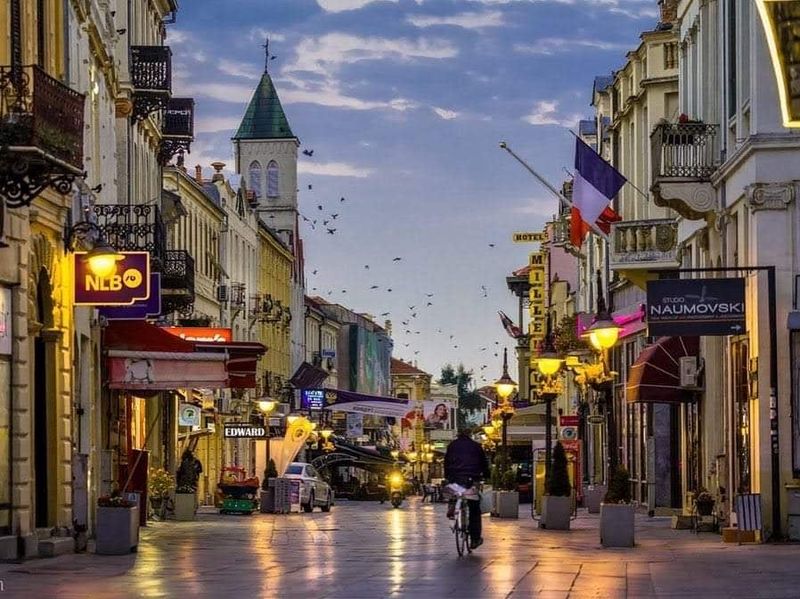
Bitola earned its nickname the city of consuls back in the late ottoman period, when European powers stationed diplomatic representatives here and the town became a surprisingly cosmopolitan hub. That legacy of elegance never fully left.
The main pedestrian street, shirok sokak, is lined with neoclassical buildings that would not look out of place in Vienna or Paris.
The ruins of heraclea lyncestis sit just outside the town center, offering well-preserved Roman mosaics, a theater, and basilicas that date back to the fourth century BC. Walking through those ruins on a quiet morning, with almost no other tourists around, is a genuinely rare experience.
Most visitors are too busy sipping coffee on shirok sokak to make the short walk over.
bitola has a strong cafe culture, and locals take their afternoon coffee ritual seriously. The town also hosts a well-regarded film festival each year and has a lively arts scene that feels authentic rather than performed for tourists.
The covered old bazaar still buzzes with everyday commerce, selling everything from spices to shoes. bitola is big enough to feel like a proper city but small enough to feel personal, which is a balance very few places manage to strike so naturally.
Prilep
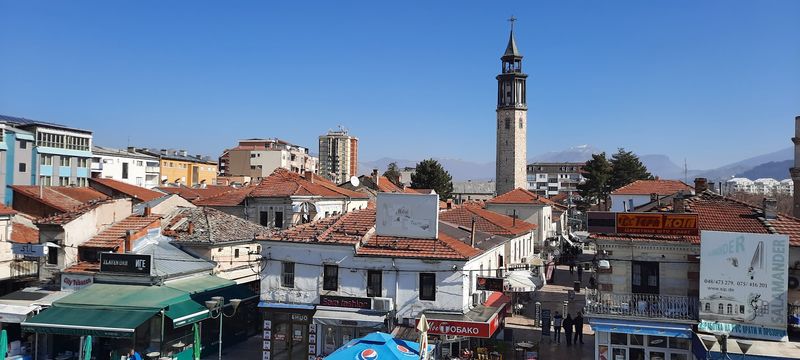
Giant granite boulders stacked like a giant’s building blocks loom over the town of prilep, and they are the first thing that catches your eye when approaching from any direction. These massive rock formations, topped by the ruins of marko’s towers fortress, give the town a rugged and slightly theatrical backdrop that most places could only dream of having.
The fortress is associated with the legendary medieval king marko, a figure so celebrated in south slavic folklore that entire epic poems were written about his strength and bravery. climbing up to the ruins rewards you with sweeping views of the pelagonija plain stretching out below, and it is hard not to feel a little heroic standing up there yourself.
Down in the town, the old bazaar area has a relaxed charm with small workshops, coffee shops, and textile traders. prilep is also known as a tobacco-growing region, and the surrounding fields have a distinctive earthy scent during harvest season. The nearby monastery of treskavec, perched dramatically on a rocky hilltop, is one of the most striking religious sites in the whole country.
For travelers who enjoy landscapes that feel bold and untamed, prilep offers a kind of visual drama that is genuinely hard to forget.
Demir Kapija
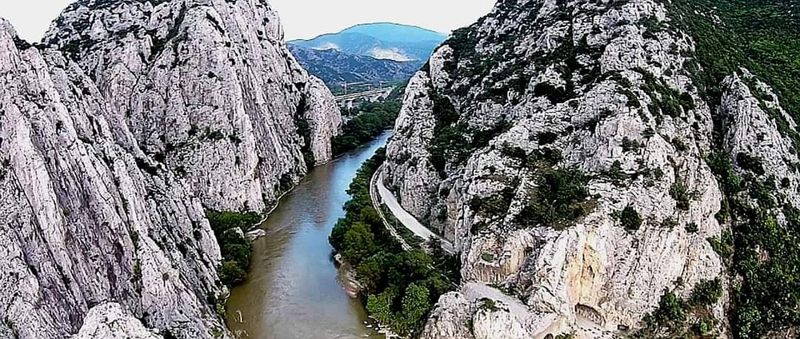
The name demir kapija translates to iron gate, and once you see the dramatic limestone cliffs squeezing in on both sides of the vardar river, the name makes complete sense. This narrow gorge feels like nature’s own version of a dramatic entrance, and it sets the tone for everything the area has to offer.
The scenery here is the kind that makes you pull over the car and just stand there for a while.
Rock climbers from across the region come specifically for the cliffs here, which offer routes for different skill levels against an absolutely spectacular backdrop. The gorge walls are riddled with caves, some of which contain early Christian frescoes that have survived for over a thousand years in remarkable condition.
Finding them feels like a proper adventure rather than a guided tour.
demir kapija also sits in the heart of a wine-producing sub-region, and several local wineries offer tastings paired with regional food. The wines here are full-bodied and often underrated compared to more famous european labels.
A short drive through the surrounding countryside reveals vineyards, sunflower fields, and tiny villages where time seems to move at its own unhurried pace. demir kapija is the kind of stop that turns a day trip into a full weekend without anyone complaining.
Kavadarci
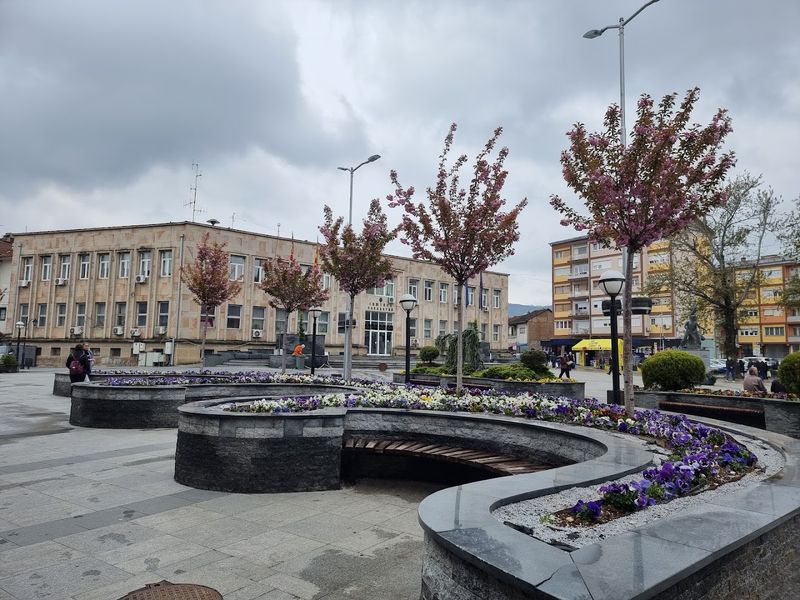
Kavadarci is the kind of town where the answer to almost every question is wine. sitting at the heart of the tikvesh wine region, the largest wine-producing area in North Macedonia, the town is essentially surrounded by vineyards in every direction you look. The smell of ripe grapes in late summer hangs in the air like a permanent invitation.
The tikvesh winery, one of the oldest and largest in the balkans, is based here and offers tours that take you through its vast underground cellars. Walking through rows of oak barrels while learning about local grape varieties like vranec and smederevka is genuinely fascinating, even if wine is not your usual thing.
The tasting sessions at the end tend to convert a lot of skeptics.
Beyond wine, kavadarci has a quiet, lived-in charm that feels refreshingly free of tourist performance. The local market is full of seasonal produce, and small family restaurants serve traditional macedonian dishes at prices that feel almost too reasonable.
The town also hosts a grape harvest festival each autumn that brings music, dancing, and a community energy that is warm and infectious. kavadarci proves that you do not need a famous skyline to have a rich and satisfying travel experience.
Galichnik
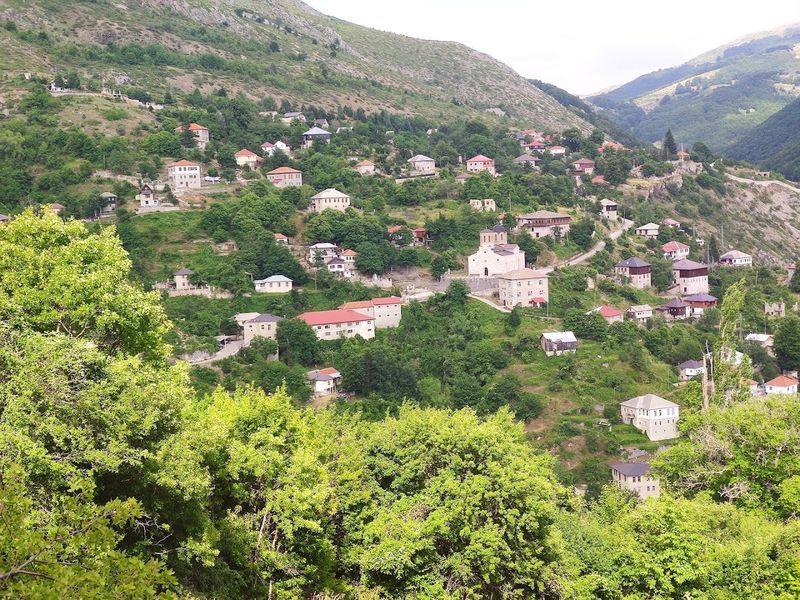
Getting to galichnik requires a winding mountain road that seems to go up forever, and most visitors agree the journey is completely worth every curve. This remote village in the mavrovo region sits at around 1,400 meters altitude, clinging to a steep hillside with stone houses that look like they grew directly out of the mountain.
In winter, the village is nearly abandoned. In summer, it comes alive in a way that feels almost cinematic.
The galichnik wedding festival held every July is one of the most celebrated traditional events in the entire country. The festival recreates an authentic macedonian wedding ceremony complete with traditional costumes, folk music, and dances that have been passed down through generations.
It draws crowds of locals and foreign visitors who come to witness something genuinely irreplaceable.
The village architecture itself is remarkable, with two-story stone houses featuring wide wooden balconies that overhang the narrow stone paths below. Many of the buildings date back to the 18th and 19th centuries, when galichnik was a prosperous center for skilled craftsmen known as mijaks.
A small church with beautiful frescoes sits at the heart of the village and remains a place of quiet pilgrimage. galichnik is not the easiest place to reach, but it is one of the most rewarding.
Pehcevo
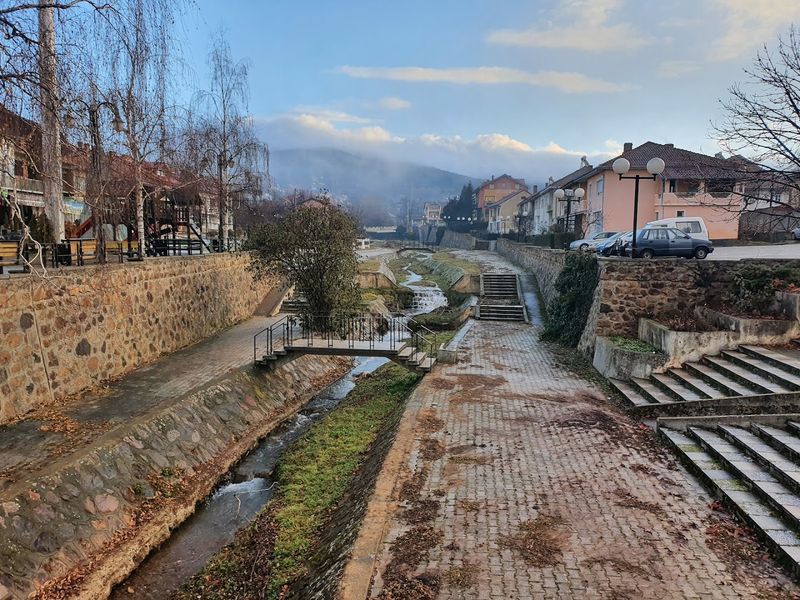
Pehcevo is the kind of small town that outdoor enthusiasts stumble upon and then quietly tell only their closest friends about. tucked into the maleshevo mountains in eastern North Macedonia, the town is encircled by forests so thick and green they seem to absorb all the noise of the outside world. The waterfalls nearby are genuinely impressive and remarkably easy to reach on foot.
The town itself is unhurried and unpretentious, with a main square where locals gather in the evenings and a handful of cafes that serve strong coffee and homemade pastries. There are no big tourist attractions competing for your attention, which is exactly the point. pehcevo offers the rare pleasure of just being somewhere without any agenda.
Several marked hiking trails lead from the town into the surrounding hills, passing through meadows, old-growth forests, and past the ruins of a medieval fortress that most visitors never even know exists. The nearby vlaina mountain area has some of the cleanest air in the country and wildlife that includes deer, foxes, and rare bird species.
Local guesthouses are small, family-run, and genuinely hospitable in a way that feels personal rather than professional. pehcevo is proof that the best travel experiences are often found where the tourist maps run out of detail.
Mavrovo (Village Area)
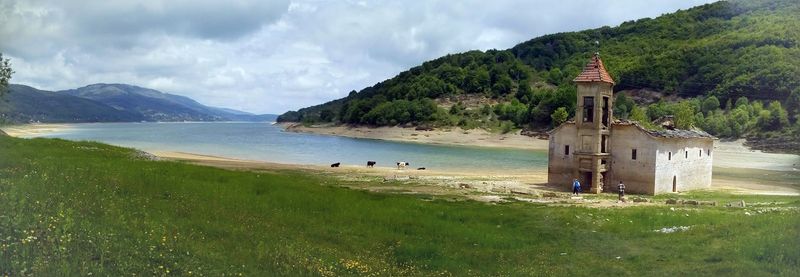
Somewhere beneath the still surface of mavrovo lake, the bell tower of an old submerged church occasionally appears above the waterline, like a quiet reminder that this landscape has layers of history hidden just out of sight. The mavrovo national park surrounds this haunting and beautiful scene with forests, alpine meadows, and peaks that stay snow-capped well into spring.
It is the kind of place that photographs itself.
The national park is the largest in North Macedonia and offers an impressive range of outdoor activities across all four seasons. In winter, the mavrovo ski resort draws skiers and snowboarders looking for affordable slopes with genuine mountain atmosphere.
In summer, the same terrain transforms into a network of hiking and cycling trails that pass through traditional villages where wood-fired cooking is still the norm.
The village area around mavrovo is dotted with stone houses, old stone mosques, and small churches that reflect the region’s mixed cultural heritage. The monastery of saint jovan bigorski, a short drive away, is one of the most significant religious and artistic monuments in the country, featuring an intricately carved wooden iconostasis that took years to complete. mavrovo rewards visitors who come in any season, always offering something different and always delivering on the promise of genuine mountain beauty.
Share this story