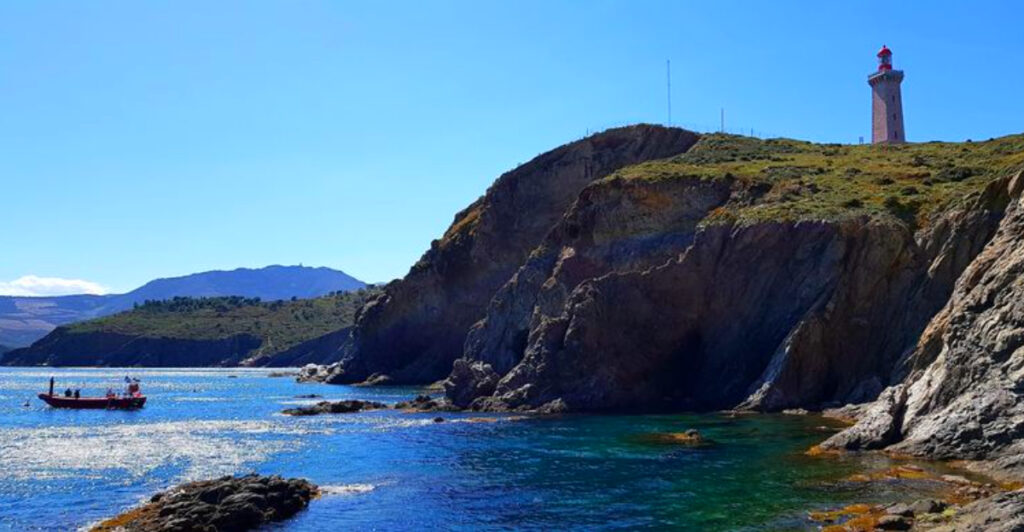
The French Riviera may get the spotlight, but many French locals head elsewhere when summer arrives. Along France’s vast coastline are stunning regions filled with dramatic cliffs, surf towns, colorful fishing villages, and peaceful beaches that feel far removed from the Riviera crowds.
From Brittany’s rugged beauty to the laid-back Atlantic coast, these destinations offer history, scenery, and local charm without the packed resorts. Here are 12 coastal regions that prove France has far more to offer than the Côte d’Azur.
1. Brittany’s Emerald Coast
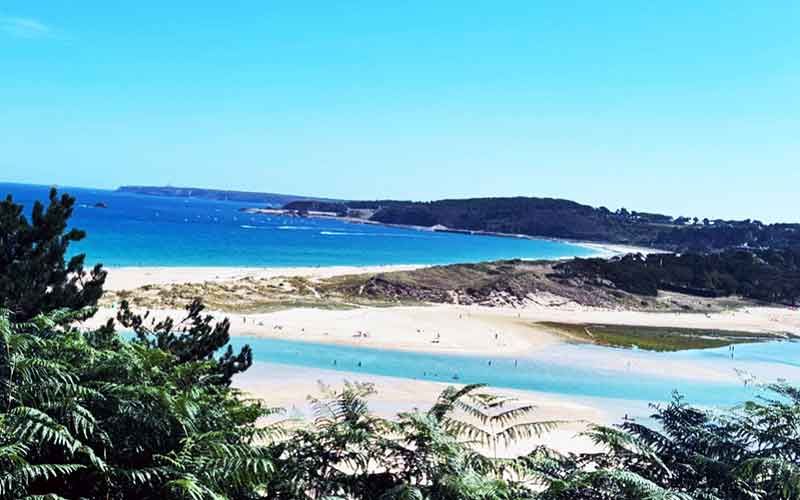
Forget the Riviera’s manicured beaches. Brittany’s Emerald Coast, known in French as the Côte d’Émeraude, earns its name from the striking green tint of its shallow coastal waters, caused by the reflection of sandy seabeds and Atlantic light.
Stretching from Cap Fréhel to the Bay of Mont-Saint-Michel, this coastline is anchored by the walled city of Saint-Malo, one of France’s most historically fascinating port towns. Corsairs once launched from these granite ramparts, and today visitors can walk the full perimeter of the old city walls for a sweeping view of the sea.
Cancale, just east of Saint-Malo, is France’s oyster capital, and the weekly market at the port is a serious institution for locals. Cap Fréhel itself is a dramatic headland with 70-meter cliffs, a lighthouse, and a medieval fortress called Fort La Latte perched on a rocky promontory nearby.
This coast rewards those who explore it slowly.
2. The Basque Coast near Biarritz
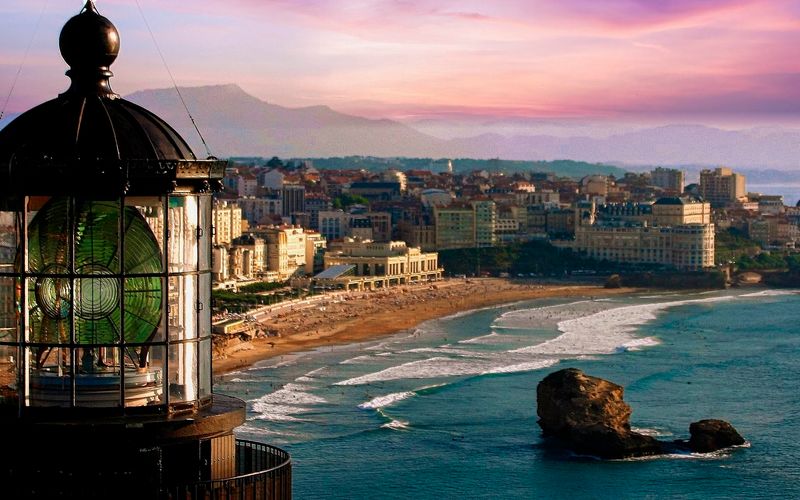
Long before surfing became trendy in Europe, the Basque Coast near Biarritz was already doing things its own way. The town of Biarritz introduced surfing to France in the late 1950s, and Plage de la Côte des Basques remains one of the most respected surf breaks on the continent.
Unlike the Riviera, this stretch of coastline runs along the Atlantic, which means real waves, wilder weather, and a noticeably more relaxed crowd. Biarritz itself is compact and walkable, with a covered market, a cluster of excellent restaurants near the fishing port, and the ornate Casino Bellevue overlooking the Grande Plage.
The nearby town of Anglet connects Biarritz to Bayonne, the historic capital of the French Basque Country, famous for its fortifications designed by Vauban. Just south, Guéthary is a quieter village favored by locals who want a beach without the buzz.
The Basque Coast is culturally distinct, architecturally striking, and genuinely hard to leave.
3. Normandy’s Alabaster Coast
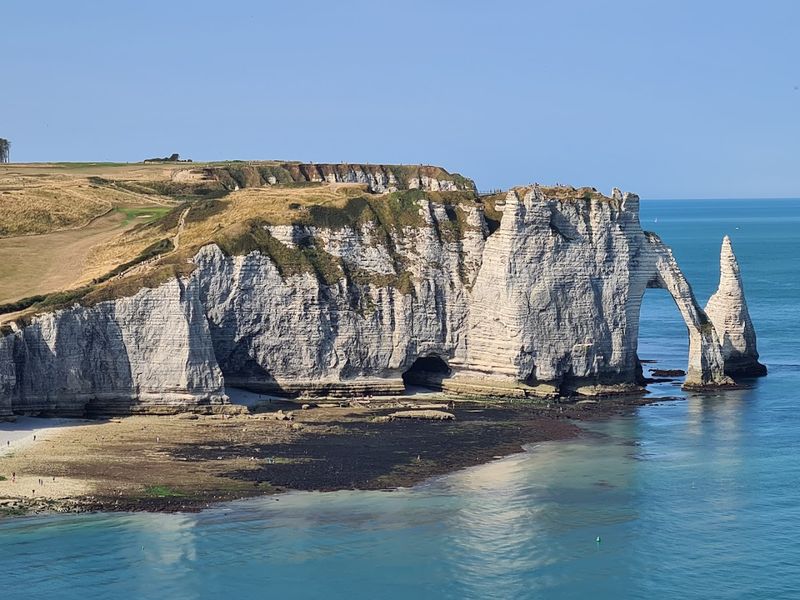
No other coastline in France looks quite like this one. The Alabaster Coast, or Côte d’Albâtre, runs for about 130 kilometers from Le Havre to Le Tréport and is defined by its towering white chalk cliffs, some rising over 100 meters above the sea.
Étretat is the most famous stop along this stretch, and with good reason. Its natural rock arches, carved by centuries of erosion, were painted obsessively by Claude Monet and are now recognized worldwide.
The town itself is small, with a pebble beach, a covered market, and a golf course improbably perched on top of the cliffs.
Fécamp, further along the coast, has a working fishing port, a remarkable Gothic abbey, and a distillery museum housed inside a neo-Gothic palace. The Alabaster Coast is only about two hours from Paris by car, making it a favorite weekend destination for Parisians who want dramatic scenery without a long journey.
The cliffs alone are worth every kilometer of the drive.
4. Corsica’s West Coast Villages
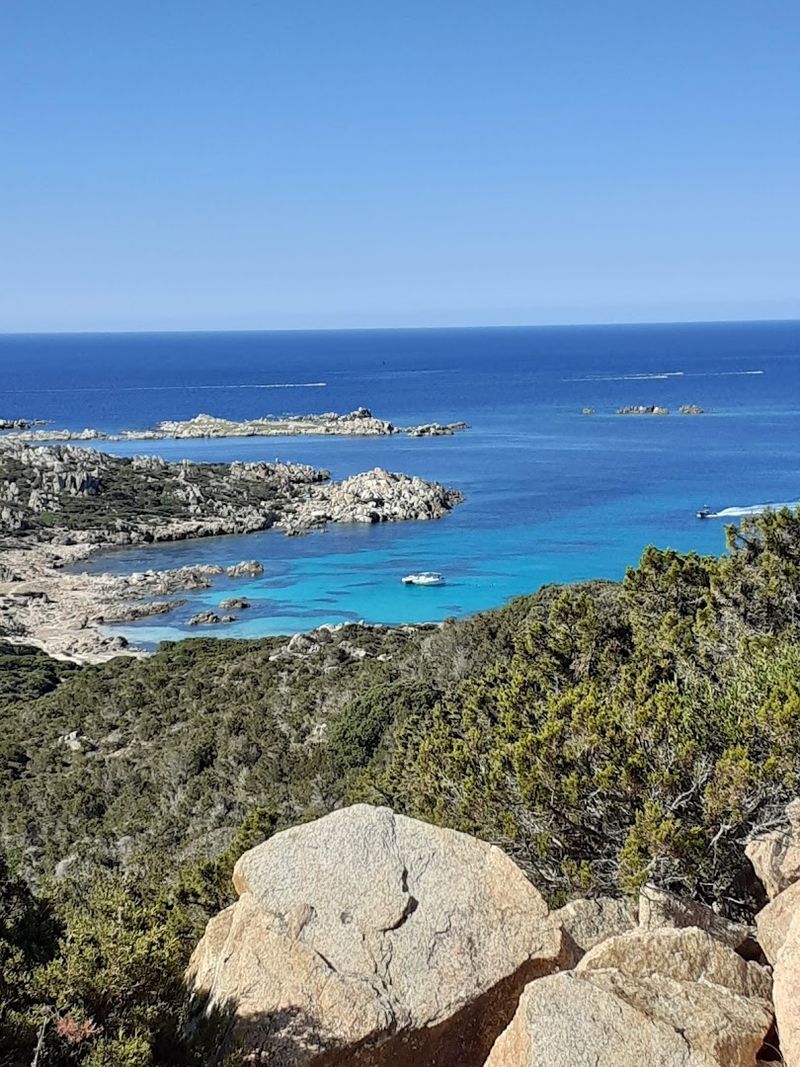
Corsica’s east coast gets the beach clubs and the summer crowds, but locals will quietly point you toward the west coast if you want something genuinely different. The western shoreline is shaped by red granite cliffs, hidden coves, and a chain of small villages that operate almost entirely on their own schedule.
Porto is one of the standout towns on this coast, sitting at the edge of the Calanques de Piana, a UNESCO-listed natural site where orange and red rock formations drop directly into blue-green water. The nearby Genoese watchtower, built in the 16th century, overlooks the whole scene from a rocky promontory.
Further south, Cargèse is a village with a fascinating dual heritage: it was settled by Greek refugees in the 18th century, and the town still has two facing churches, one Catholic and one Greek Orthodox. Bonifacio, at the southern tip, sits on white limestone cliffs above a deep natural harbor.
Corsica’s west coast is the island at its most dramatic and most itself.
5. The Pink Granite Coast in Brittany
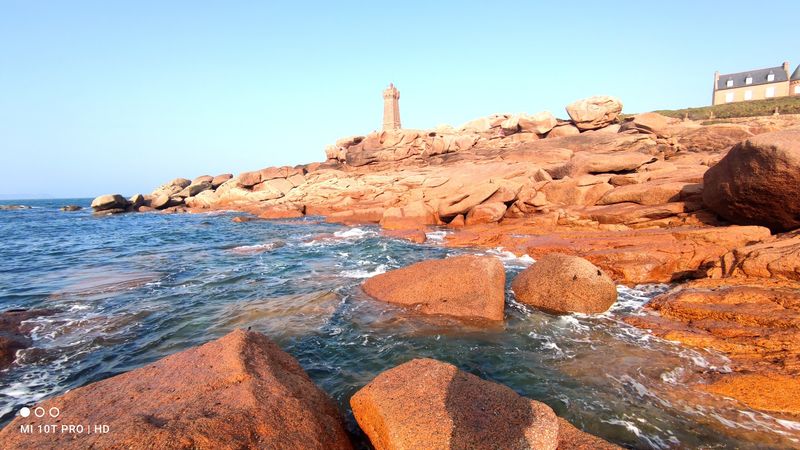
There are pink beaches in the world, and then there is the Pink Granite Coast of Brittany, which takes the concept to a geological extreme. The stretch between Perros-Guirec and Trébeurden is scattered with enormous rounded boulders of rosy-pink granite, some stacked in improbable formations that look more like abstract sculpture than natural rock.
The most photographed section is the Sentier des Douaniers near Ploumanach, a coastal path that winds between and around these boulders at sea level. The path is about 6 kilometers long and gives walkers an unusually close encounter with the rock formations.
Local guides point out boulders that have been given names over the centuries, including one that resembles a tortoise and another shaped like a Breton hat.
Perros-Guirec is the main town in the area and has a marina, a casino, and a thalassotherapy spa. Sept-Îles, a small archipelago just offshore, is one of Brittany’s most important seabird sanctuaries, home to puffins, gannets, and grey seals.
This coastline is unlike anywhere else in France.
6. Île de Ré, Nouvelle-Aquitaine
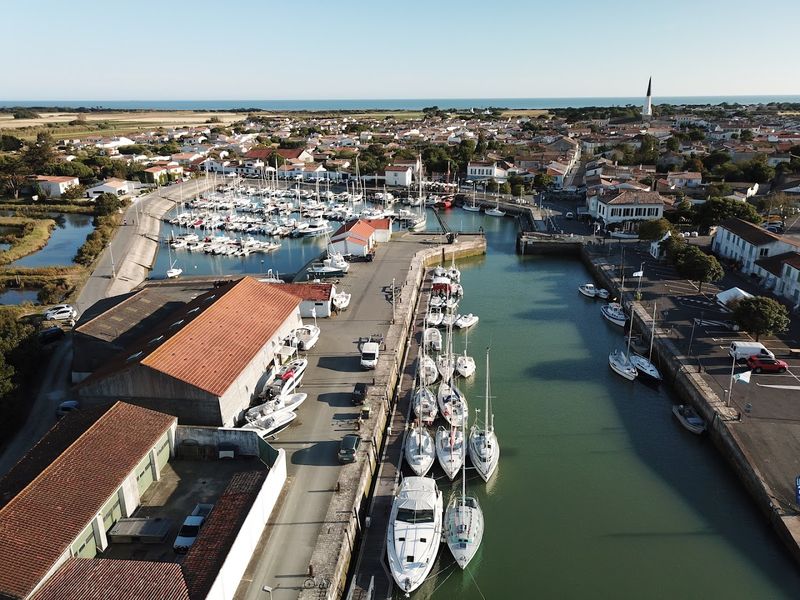
Connected to the mainland by a bridge just outside La Rochelle, Île de Ré has a reputation among French vacationers that is almost protective in its loyalty. People who have been going there for decades tend to be slightly reluctant to share it, which tells you something about how special it feels.
The island is flat, which makes it ideal cycling territory, and its 100 kilometers of marked bike paths wind through salt marshes, vineyards, oyster farms, and villages of whitewashed stone houses decorated with hollyhocks. Saint-Martin-de-Ré, the main town, is a fortified port with UNESCO status thanks to its 17th-century Vauban fortifications.
The island has 30 kilometers of beaches, ranging from wide Atlantic surf beaches on the western tip to calmer, shallow bays on the eastern side. The village of Ars-en-Ré, with its distinctive black-and-white church spire, is one of the most photographed spots on the island. Île de Ré moves at a pace that most French coastal towns have long since forgotten.
7. The Opal Coast, Hauts-de-France
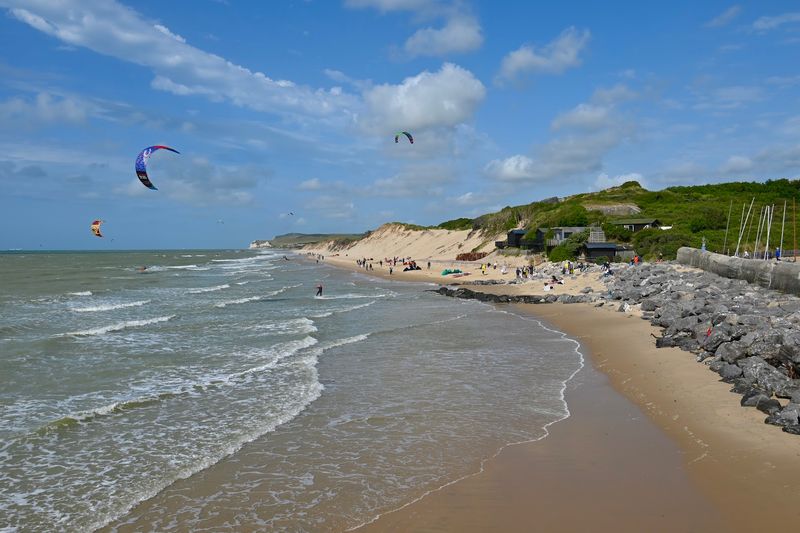
Most international tourists skip straight over the top of France and head south, which is exactly why the Opal Coast remains one of the most authentically French stretches of shoreline in the country. The name comes from the shifting, pearlescent quality of the light reflecting off the sea and the chalk cliffs, and it is a fair description.
The coast runs from Calais down to the Bay of the Somme, passing through towns like Boulogne-sur-Mer, the largest fishing port in France, and Le Touquet-Paris-Plage, a glamorous resort town built in the early 20th century that still has its original Art Deco casino and pine-lined avenues. Cap Blanc-Nez and Cap Gris-Nez are two dramatic headlands with sweeping views across the Channel toward England on a clear day.
The beaches here are wide, flat, and genuinely uncrowded even in summer. The local specialty is a fish soup called waterzooi, and the seafood markets in Boulogne are among the best in France.
The Opal Coast is underestimated, unpretentious, and completely charming on its own terms.
8. Camargue Coast, Occitanie
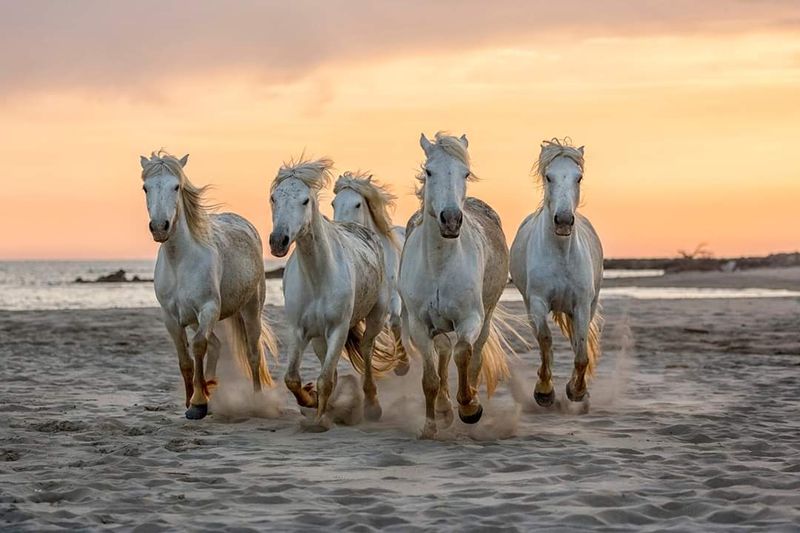
Most French coastal regions offer beaches, cliffs, or charming villages. The Camargue offers all of that plus wild horses, pink flamingos, and one of the largest river deltas in Europe.
This is the coast that surprises people the most, because it looks like nothing else in France.
The Camargue is the delta of the Rhône River, and its coastline is a flat, marshy expanse of lagoons, salt flats, rice fields, and sandy beaches that stretches for over 85 kilometers. The town of Saintes-Maries-de-la-Mer is the main settlement, a whitewashed Provençal town with a fortified Romanesque church and a famous annual pilgrimage in May that draws the Romani community from across Europe.
The beaches here are wide and wild, backed by dunes and sea grass rather than beach bars. Horseback riding through the marshes is a common local activity, and the regional nature reserve protects over 400 species of birds.
The Camargue coast is not just a beach destination. It is a full ecosystem worth a dedicated trip.
9. The Crozon Peninsula, Brittany
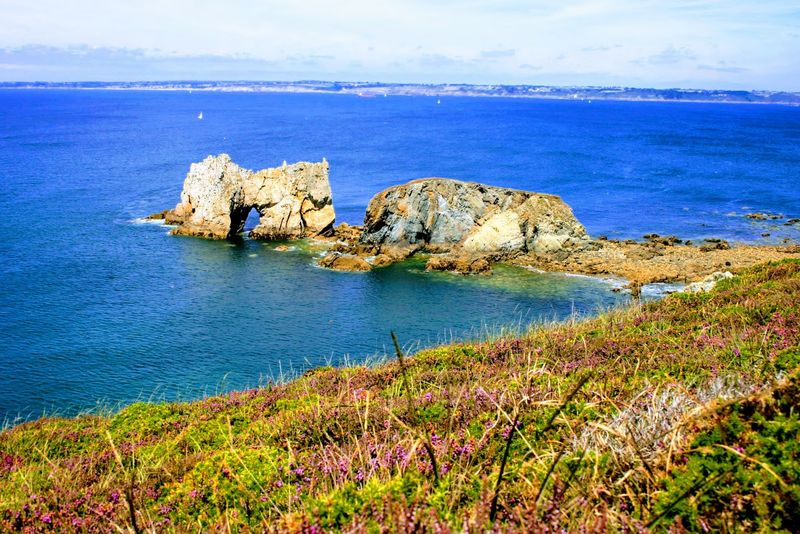
Shaped roughly like a cross jutting into the Atlantic, the Crozon Peninsula is one of the most geologically dramatic pieces of land in France. It sits within the Armorique Regional Nature Park and is surrounded on three sides by open ocean, which gives it a wild, end-of-the-world quality that draws hikers, divers, and anyone who needs a genuine break from urban life.
The peninsula has some of Brittany’s finest beaches, including Plage de la Palue and Plage de Pen Hat, both backed by dunes and accessible via coastal paths. The Pointe de Pen-Hir is a spectacular headland where sheer cliffs drop into the sea and a series of offshore rock stacks called the Tas de Pois rise dramatically from the water.
The town of Crozon itself is modest and functional, but the surrounding landscape more than compensates. The GR34 coastal walking trail passes through the peninsula, offering some of its most rewarding sections here.
The Crozon Peninsula rewards visitors who arrive without a fixed itinerary and simply follow the paths wherever they lead.
10. Cap Ferret and Arcachon Bay
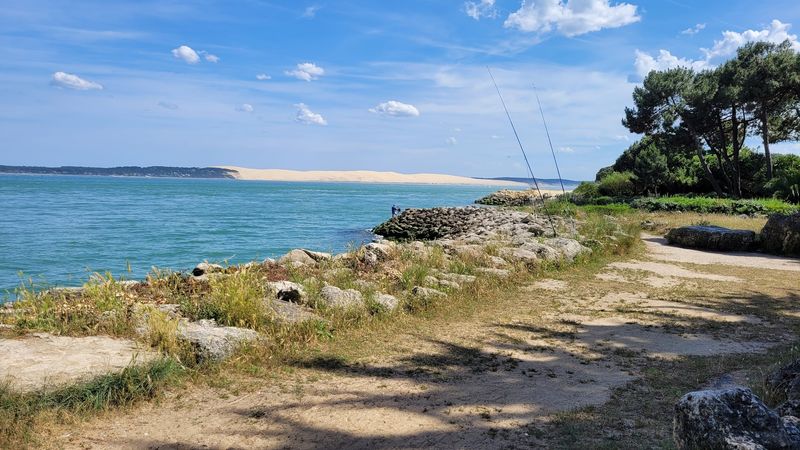
Cap Ferret is one of those places that French people talk about with a particular kind of quiet pride, as though they are slightly worried that too much publicity will ruin it. A narrow peninsula of pine forest and sand separating the Atlantic Ocean from the Arcachon Bay, it has two completely different coastlines within a five-minute walk of each other.
The bay side is calm, shallow, and dotted with oyster farming operations that have been running for generations. The oysters from Arcachon Bay are among the most consumed in France, and the small wooden huts along the waterfront sell them directly to visitors at remarkably straightforward prices.
The ocean side faces the open Atlantic, with wide sandy beaches and consistent waves. Just across the bay from Cap Ferret sits the Dune du Pilat, the tallest sand dune in Europe at over 100 meters high.
The town of Arcachon itself has a Belle Époque quarter called the Ville d’Hiver, built in a pine forest as a health retreat in the 19th century. This bay rewards curiosity at every turn.
11. Côte Vermeille near the Spanish Border
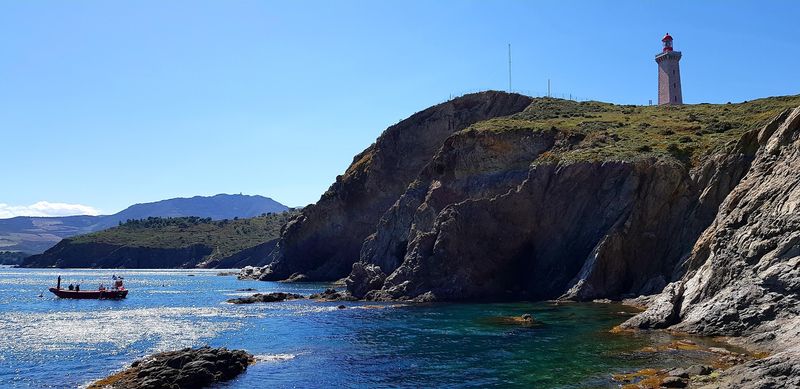
Right where France runs out of land before Spain takes over, the Côte Vermeille makes a strong case for being one of the most underappreciated coastlines in the country. The name translates roughly as the Vermilion Coast, a reference to the reddish schist rock that defines the cliffs and hillsides along this stretch of the Mediterranean.
Collioure is the star of the show, a small harbor town with a 13th-century royal castle, a church whose bell tower was converted from an old lighthouse, and a contemporary art museum. Henri Matisse and André Derain painted here in 1905 and effectively launched the Fauvist movement from this town’s waterfront.
The vineyards of Banyuls and Maury cover the hillsides right down to the sea, making this one of the few places in France where you can walk from a coastal path directly into a working vineyard. Banyuls-sur-Mer has an important marine research station and a public aquarium.
The Côte Vermeille is compact, culturally layered, and deeply connected to both Catalan and French identity.
12. Belle-Île-en-Mer, Brittany
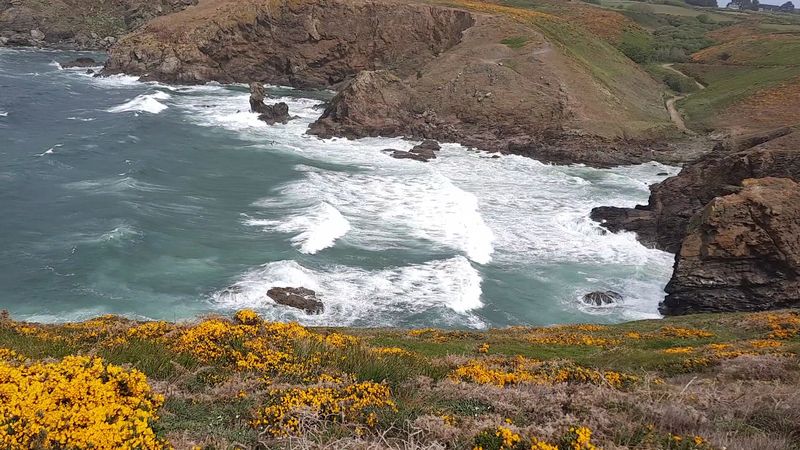
The largest of Brittany’s islands and the largest island in all of western France, Belle-Île-en-Mer has been attracting devoted visitors for centuries. Claude Monet painted here for several weeks in 1886, producing nearly 40 canvases of the wild coastline.
Sarah Bernhardt owned a house on the island and spent her summers here for decades. The island has that effect on people.
Belle-Île is divided into two distinct personalities. The eastern side faces the mainland and has the main town of Le Palais, with its star-shaped Vauban citadel, a marina, and most of the island’s services.
The western coast, known as the Côte Sauvage, is raw Atlantic shoreline with dramatic cliffs, hidden beaches, and sea caves accessible only at low tide.
The island has 90 kilometers of marked walking paths and is small enough to explore by bicycle in a few days. Plage des Grands Sables is the largest beach and is popular with families.
Getting to Belle-Île requires a 45-minute ferry from Quiberon, which is part of what keeps it from becoming overrun. Distance is its best protection.
Share this story