 Unearth The Voyage
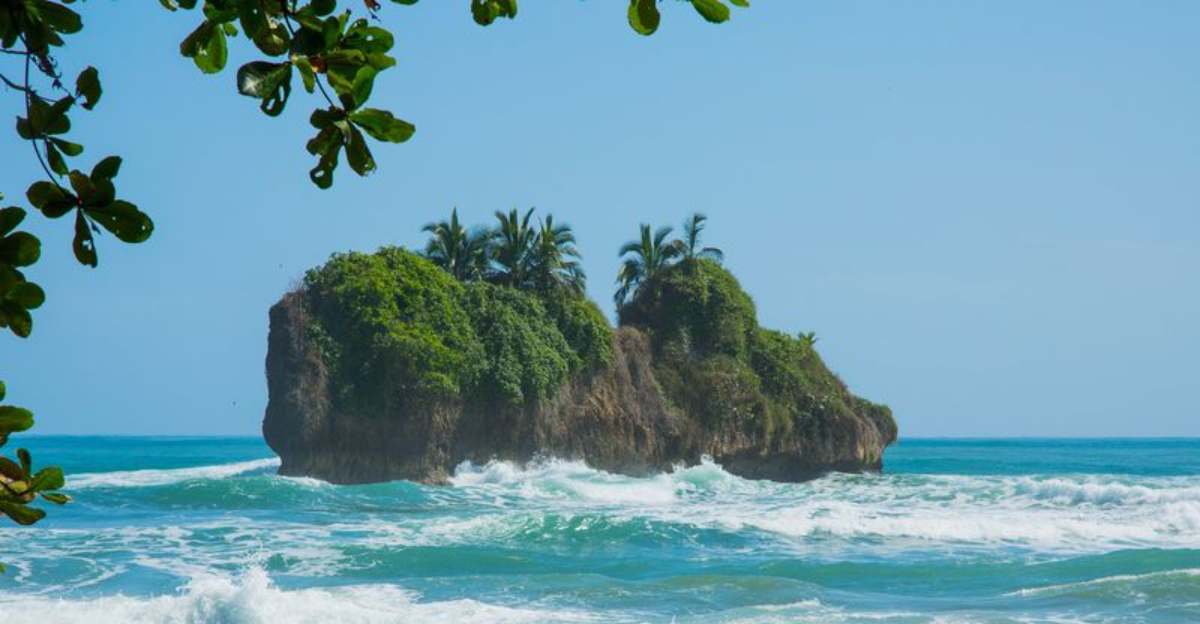
Moving abroad does not have to drain your savings. Thousands of expats have discovered countries where a comfortable, fulfilling life costs a fraction of what it does back home.
From tropical beaches to mountain cities, the world is full of places where your money stretches much further. Whether you are planning retirement, remote work, or a fresh start, these 12 destinations are worth a serious look.
1. Vietnam

Ask any long-term expat in Southeast Asia where their money goes the furthest, and Vietnam almost always comes up first. Consistently ranked among the most affordable countries in the world for foreigners, Vietnam lets you live well on roughly $800 to $1,200 per month.
That budget covers a comfortable apartment, daily meals at local restaurants, transportation, and entertainment.
Cities like Hanoi and Ho Chi Minh City have thriving expat communities with English-speaking social groups, co-working spaces, and international schools. Fresh food markets keep grocery costs extremely low, and street food meals can cost less than $2.
Healthcare is affordable and improving rapidly, with many private hospitals catering to international residents. The warm climate, rich culture, and welcoming locals make everyday life genuinely enjoyable.
Vietnam rewards those willing to embrace a slower, more community-focused way of living.
2. Colombia
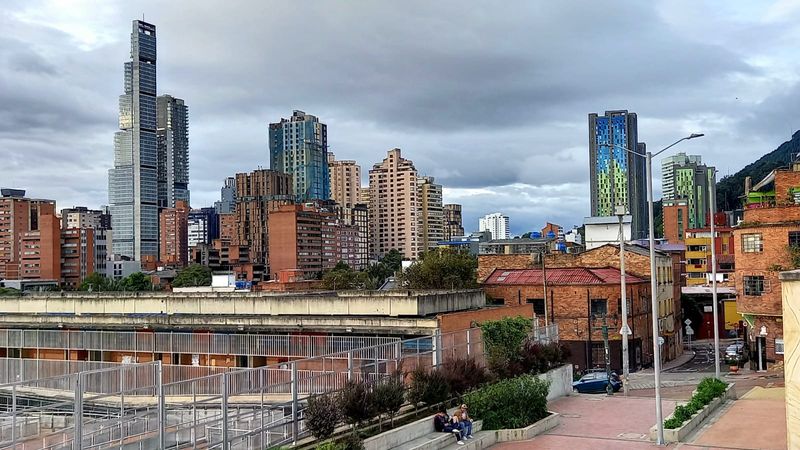
Medellin has become one of the most talked-about expat cities in the world, and for good reason. Colombia offers a rare combination of low costs, modern infrastructure, and a high quality of life that consistently impresses newcomers.
Expats report spending between $1,000 and $1,500 per month while living comfortably in well-equipped apartments.
Rent in Medellin’s popular El Poblado neighborhood runs significantly cheaper than comparable areas in the United States or Western Europe. Public transportation is efficient and inexpensive, and local food markets overflow with fresh produce at very low prices.
Colombia’s healthcare system is widely praised by expats, offering quality care at a fraction of Western prices. The country’s eternal spring climate in cities like Medellin means no extreme heat or cold to deal with year-round.
A welcoming culture and growing expat network make settling in surprisingly straightforward.
3. Mexico
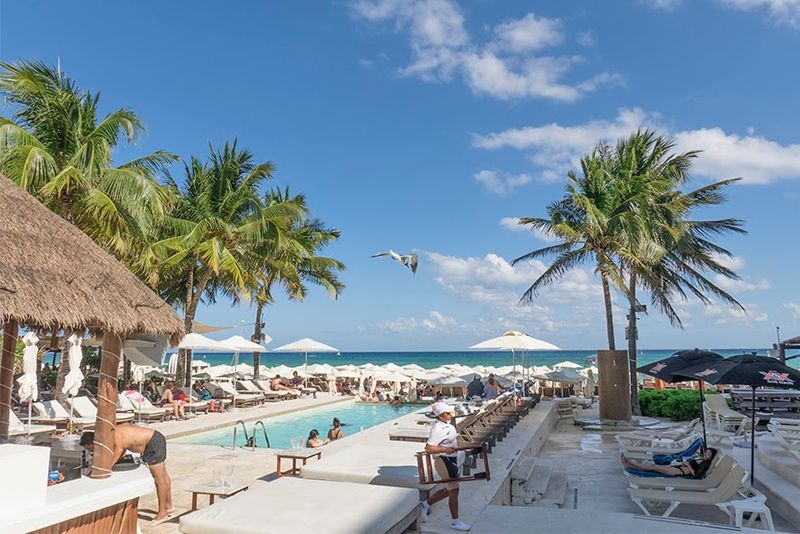
Mexico has long been a top destination for Americans and Canadians looking to reduce their living expenses without sacrificing comfort. Its proximity to the United States makes it practical for frequent travel back home, and the country’s expat infrastructure is among the most developed in the world.
Many expats live well on $1,200 to $1,800 per month.
Cities like San Miguel de Allende, Oaxaca, and Puerto Vallarta each offer distinct lifestyles, from artsy mountain towns to beach communities with modern amenities. Groceries, utilities, and local dining are all significantly cheaper than in North America.
Mexico’s healthcare system includes both affordable public options and high-quality private clinics that cost far less than U.S. equivalents. Reliable internet access, warm weather, and a rich cultural calendar keep daily life engaging.
The country’s diversity means expats can find a community that genuinely fits their personality.
4. Panama
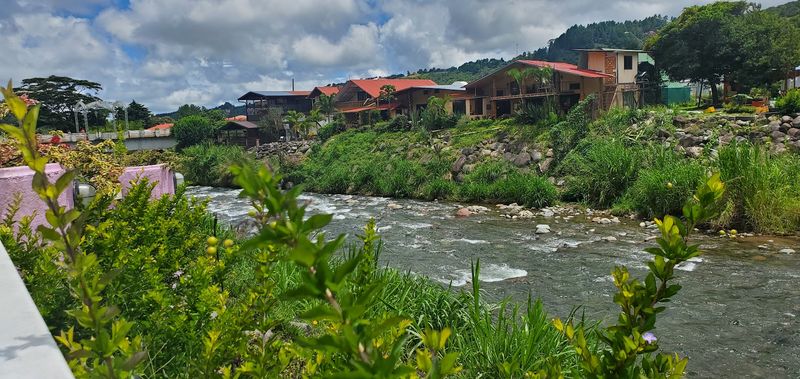
Panama stands out from other budget-friendly destinations because it uses the U.S. dollar, which removes any currency risk and makes financial planning straightforward for American expats. Retirees especially love it here, thanks to the Pensionado visa program that offers generous discounts on healthcare, entertainment, transportation, and dining.
A comfortable lifestyle in Panama typically costs between $1,500 and $2,000 per month, covering modern apartment rent, groceries, utilities, and social activities. Panama City offers all the conveniences of a major metropolitan area, including international supermarkets, quality hospitals, and a lively dining scene.
Outside the capital, areas like Boquete and the Azuero Peninsula offer quieter, nature-rich living at even lower costs. The country’s stable economy, low crime in expat-friendly zones, and easy access to both Pacific and Caribbean coasts add to its appeal.
Panama consistently earns high marks from retirees in international surveys.
5. Thailand

Thailand has welcomed expats for decades, and its combination of affordability, culture, and lifestyle balance remains hard to beat. A comfortable monthly budget of $900 to $1,300 covers furnished apartment rent, local food, transportation, and leisure activities.
Chiang Mai in the north is especially popular for its lower costs and relaxed pace of life.
Thai street food is not just cheap but genuinely delicious, with full meals available for under $2 at local markets. Private healthcare in Thailand is excellent and very affordable compared to Western standards, making it a top destination for medical tourism as well.
Beach destinations like Koh Lanta and Hua Hin attract expats looking for a coastal lifestyle without the high price tag of more touristy spots. Thailand’s long-term visa options have expanded in recent years, making it easier than ever to establish legal residency.
The local culture is warm, respectful, and deeply enriching for daily life.
6. Malaysia
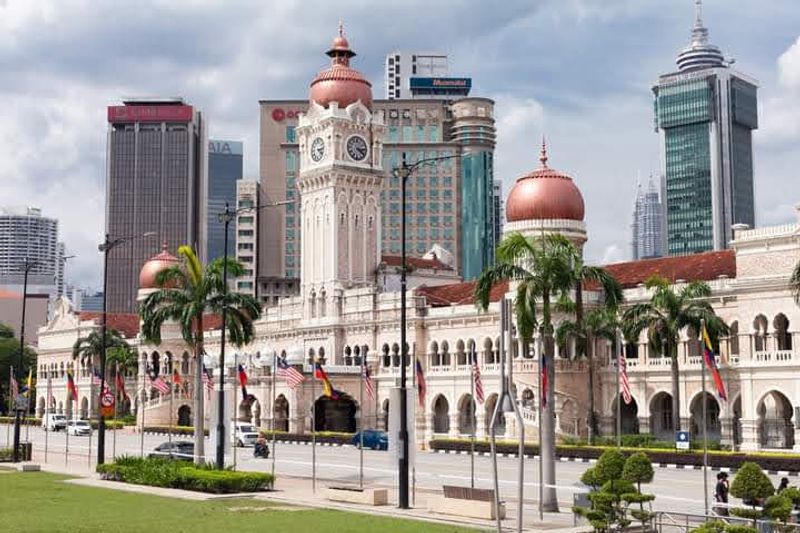
Malaysia offers something most budget destinations cannot: modern, first-world infrastructure at developing-world prices. Kuala Lumpur has reliable public transit, high-speed internet, world-class shopping malls, and an international food scene, all at costs well below what you would pay in Singapore, Australia, or the United Kingdom.
Expats typically spend between $1,200 and $1,800 per month in Kuala Lumpur, covering a comfortable apartment in a central neighborhood, groceries, dining out, and transportation. The Malaysia My Second Home program has historically made it one of the easiest countries to obtain long-term residency.
English is widely spoken in business and daily life, which eases the transition for newcomers significantly. The country’s multicultural makeup means food from dozens of traditions is available everywhere, often at street-food prices.
Healthcare quality is high, with many hospitals accredited by international organizations and catering specifically to expatriate patients.
7. Philippines
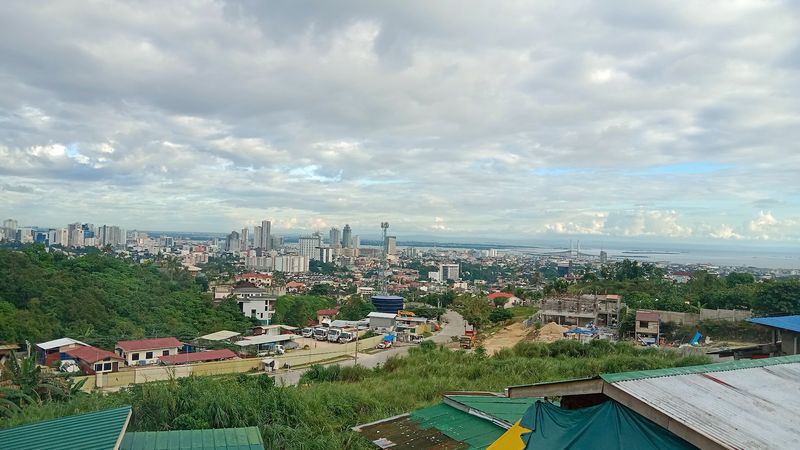
One of the Philippines’ biggest advantages for expats is the widespread use of English. Unlike many other affordable countries in Asia, language barriers here are minimal, making everything from signing a lease to visiting a doctor far less stressful.
Daily life is genuinely accessible from the moment you arrive.
Rent for a comfortable one-bedroom apartment in cities like Cebu or Dumaguete can run as low as $300 to $500 per month. Add groceries, local dining, and transportation, and many expats find they can live well on under $1,000 monthly.
The country’s Special Resident Retiree Visa is one of the most accessible retirement programs in Asia.
The Philippines is made up of over 7,000 islands, giving expats an extraordinary range of environments to choose from, whether that means city living, coastal towns, or rural highlands. Locals are famously friendly and welcoming toward foreigners, which makes building a social life much easier.
8. Ecuador
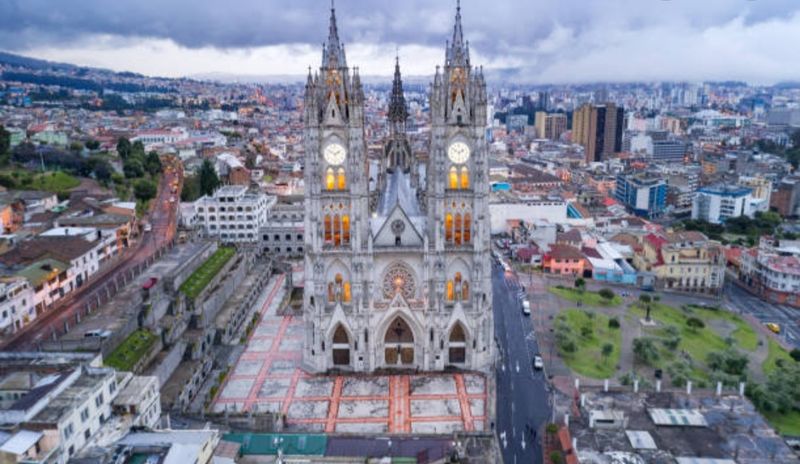
Ecuador earns consistent praise from budget-conscious expats for being affordable across every major spending category at once. Housing, healthcare, groceries, utilities, and transportation are all inexpensive, which means a comfortable life is genuinely within reach for those on fixed incomes or modest remote salaries.
Cuenca, a UNESCO World Heritage city, is the most popular expat hub.
A couple can live comfortably in Cuenca on around $1,500 to $1,800 per month, including rent for a furnished apartment in a central neighborhood. The city has a well-established expat community with English-language social clubs, churches, and medical facilities that understand international patients.
Ecuador also uses the U.S. dollar, which eliminates currency exchange concerns for American expats. The country sits on the equator, meaning mild temperatures year-round at higher elevations, a feature that appeals to those who dislike extreme seasonal changes.
Fresh produce at local markets is plentiful and very reasonably priced throughout the year.
9. Paraguay
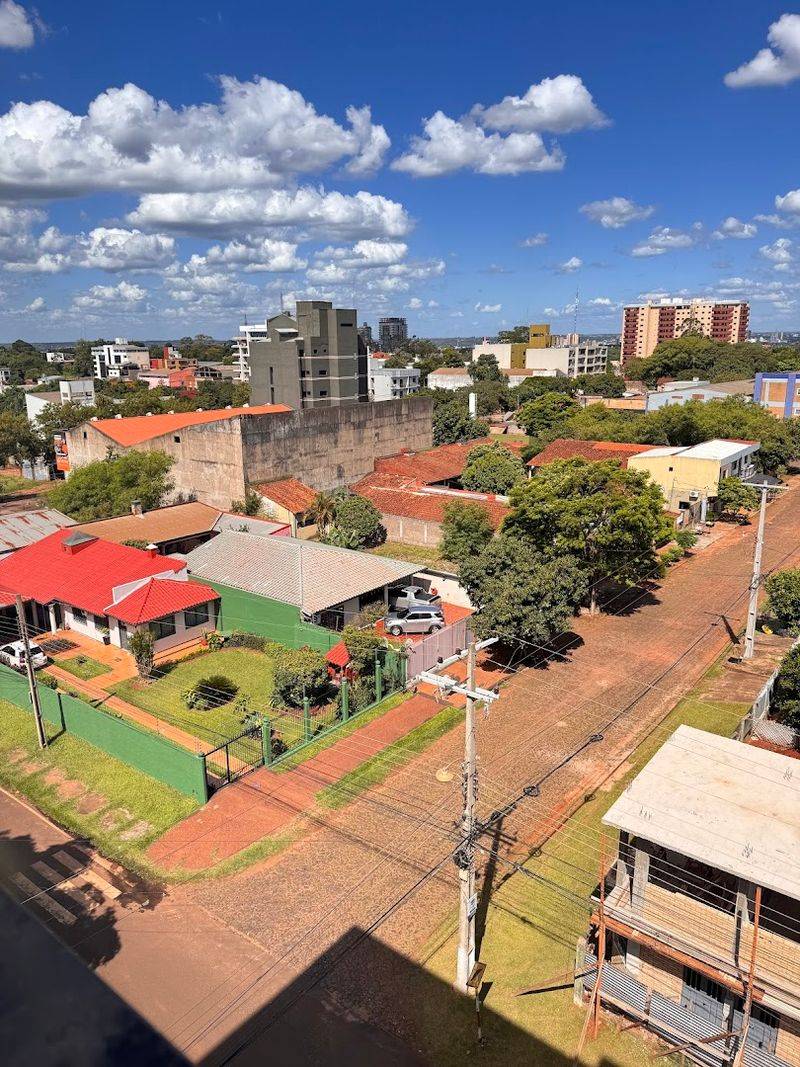
Paraguay does not appear on most expat shortlists, and that is precisely what makes it appealing to those who know about it. Without the crowds that flock to more famous destinations, expats here enjoy an unusually quiet and uncomplicated lifestyle.
Costs are among the lowest in all of South America, with groceries and rent especially cheap.
A single person can live reasonably well in Asuncion, the capital, on $700 to $1,000 per month. Local markets are filled with affordable fresh food, and dining out at local restaurants rarely dents the budget.
Paraguay also has a straightforward residency process and very low property taxes, which attract a growing number of financially independent expats.
The country is landlocked, so it lacks the beach lifestyle that draws expats elsewhere, but its calm pace and low cost of land ownership make it a serious option for those prioritizing financial freedom. The expat scene is small but tight-knit and genuinely welcoming.
10. Indonesia (Bali)

Bali has become almost synonymous with the digital nomad lifestyle, attracting remote workers and freelancers from around the world who want a beautiful environment without a big price tag. Monthly costs can start around $600 and comfortably reach $1,200 depending on the neighborhood and lifestyle choices.
Areas like Canggu and Ubud have built entire ecosystems around the expat community.
Co-working spaces, fast internet cafes, yoga studios, and international restaurants are easy to find in popular expat zones. Local food at warungs, traditional Indonesian small restaurants, costs just a dollar or two per meal and is genuinely satisfying.
Renting a private villa with a pool in Bali can cost less than a studio apartment in many Western cities.
The island’s natural beauty, spiritual atmosphere, and creative energy create a living environment that feels unlike anywhere else. Visa options have expanded recently, including a new digital nomad visa that makes longer stays more accessible for remote workers.
11. Portugal

Portugal has quietly become Europe’s most sought-after destination for expats seeking value without sacrificing quality of life. Compared to France, Germany, or the United Kingdom, living costs in Portugal are noticeably lower, while the quality of food, healthcare, and public safety remain impressively high.
Lisbon and Porto are the most popular cities, though smaller towns offer even better value.
A single person living in Lisbon can get by on around $1,800 to $2,500 per month, while smaller cities like Braga or Evora bring that figure down considerably. Portugal’s Non-Habitual Resident tax regime has historically attracted retirees and remote workers with favorable tax treatment, though rules have evolved in recent years.
The country’s mild Atlantic climate, outstanding cuisine, and relaxed social atmosphere create an extremely livable environment. English proficiency among younger Portuguese is high, easing daily communication for newcomers.
Public healthcare is accessible to legal residents, and private care remains far cheaper than in most Western European countries.
12. Costa Rica
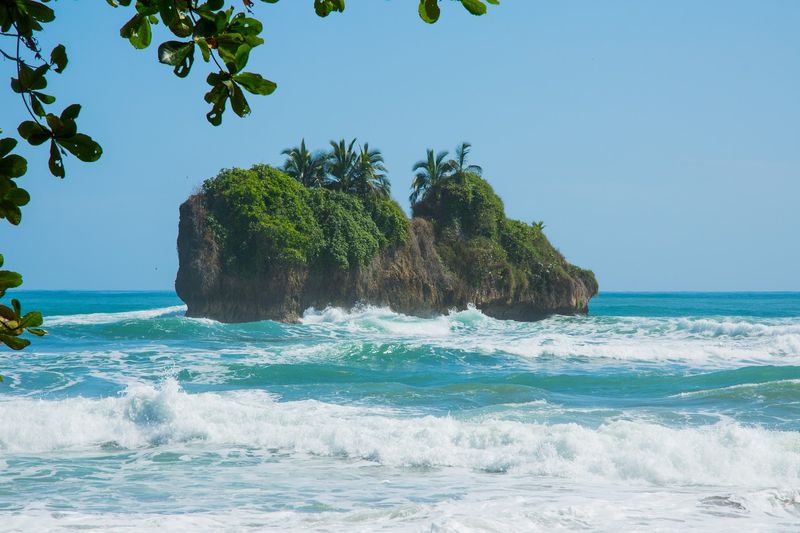
Costa Rica has built a well-deserved reputation for natural beauty and environmental consciousness, but it also offers a genuinely affordable lifestyle for expats who choose their location wisely. Staying away from heavily touristed areas like Tamarindo or La Fortuna can cut monthly expenses significantly.
Local towns in the Central Valley offer comfortable living at a fraction of tourist-zone prices.
A modest but comfortable life in Costa Rica runs between $1,500 and $2,200 per month for a couple, covering rent, groceries, healthcare, and transportation. The country’s Pensionado and Rentista visa programs make legal residency accessible for retirees and those with passive income.
Costa Rica’s public healthcare system, known as Caja, is available to legal residents at very low monthly contributions. The country’s biodiversity is extraordinary, with rainforests, volcanoes, and both Pacific and Caribbean coastlines within easy reach.
The stable democracy and well-developed infrastructure make it one of the most secure choices in Central America.



