Cover songs can be a great way for artists to put a fresh spin on a beloved classic. But sometimes, a cover misses the mark so badly that fans are left wondering why anyone thought it was a good idea.
From pop stars tackling rock anthems to boy bands reimagining timeless hits, some covers just fall flat. Here is a look at twelve covers that, despite good intentions, probably should have stayed in the recording studio trash bin.
1. Madonna – American Pie (2000)

Don McLean spent eight and a half minutes weaving one of the most layered, poetic stories in rock history when he released “American Pie” in 1971. Every verse meant something.
Every symbol had weight. When Madonna released her version in 2000, she trimmed it down to about four minutes, cutting out huge chunks of the storytelling that made the original legendary.
The result felt like reading only the first chapter of a novel and calling it done. Fans of McLean were not impressed.
Even McLean himself admitted in interviews that he thought her version was “great” commercially, but many listeners disagreed, feeling the soul of the song had been scooped out.
Madonna’s version topped charts in several countries, which proves popularity and artistic respect do not always go hand in hand. The original remains untouchable for a reason.
2. Britney Spears – (I Can’t Get No) Satisfaction (2000)

The Rolling Stones recorded “(I Can’t Get No) Satisfaction” in 1965 with a raw, buzzing guitar riff that practically dripped attitude. Mick Jagger sang it like someone genuinely fed up with the world, and that frustration was the entire point.
When Britney Spears covered it in 2000 for her debut album, the arrangement was so polished and pop-friendly that the gritty edge completely disappeared.
Replacing that iconic guitar with a sleek, radio-ready production might have worked for a different song, but “Satisfaction” needs its rough texture to breathe. Without it, the track felt hollow, like a sports car with no engine under the hood.
To be fair, Britney was only eighteen at the time and working within a pop machine that prioritized radio play over artistic risk. Still, the Stones version remains in a completely different league.
3. Hilary Duff – My Generation (2005)

Pete Townshend wrote “My Generation” in 1965 as a raw, stuttering anthem for disaffected youth. Roger Daltrey’s deliberate stutter on the lyrics made it feel dangerous and real.
It was rebellion bottled into three minutes of noise and attitude. Hilary Duff’s 2005 version took all of that and replaced it with a shiny, radio-friendly pop production that felt more like a mall commercial than a protest song.
The rebellious edge that made the original so powerful simply did not survive the transition. Duff was a well-known Disney star at the time, and her wholesome image made the angry undertones of the song feel out of place.
Fans of The Who found the cover more confusing than exciting.
There is nothing wrong with Duff as an artist, but some songs carry a specific spirit that cannot be transplanted into a different musical world without losing what made them matter.
4. Limp Bizkit – Behind Blue Eyes (2003)

“Behind Blue Eyes” by The Who is a quiet, confessional song about loneliness and hidden pain. Pete Townshend wrote it as a character study, and its stripped-down arrangement gave the lyrics room to breathe.
When Limp Bizkit covered it in 2003 for the “Mission: Impossible II” soundtrack era, they added a nu-metal production layer that many fans felt was completely unnecessary.
Fred Durst’s vocal delivery split listeners right down the middle. Some appreciated the sincerity, while others felt the song’s emotional core got buried under production choices that prioritized the band’s signature sound over the original’s quiet intensity.
The added rap-rock section toward the end especially drew criticism.
Interestingly, the cover was a commercial success and introduced younger listeners to the song. But for longtime Who fans, hearing “Behind Blue Eyes” filtered through nu-metal was a strange and somewhat painful experience.
5. t.A.T.u. – How Soon Is Now? (2002)
The Smiths released “How Soon Is Now?” in 1984, and it became one of the most atmospheric guitar songs ever recorded. Johnny Marr’s tremolo guitar work created a sound that was hypnotic and deeply unsettling in the best possible way.
Morrissey’s vocals floated over the track like a ghost. It was a unique piece of music that felt almost impossible to replicate.
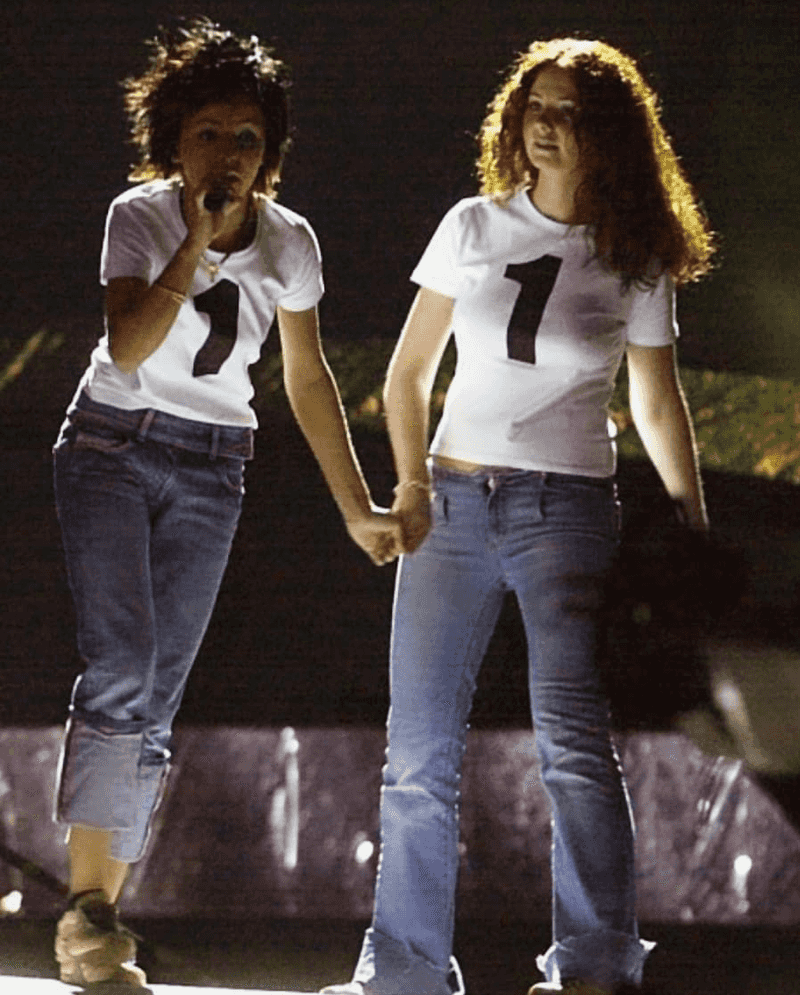
Russian duo t.A.T.u. attempted it in 2002 for the “Not Another Teen Movie” soundtrack. Their version stayed so close to the original that it raised an obvious question: why bother?
The arrangement barely changed, but the emotional atmosphere that made the Smiths version so compelling simply did not carry over.
A cover that does not reinterpret or add anything new is essentially just a recreation. t.A.T.u. had genuine talent, but this particular song may have been beyond anyone’s ability to improve upon or meaningfully transform.
6. Jessica Simpson – These Boots Are Made for Walkin’ (2005)

Nancy Sinatra recorded “These Boots Are Made for Walkin'” in 1966, and it became an iconic statement of independence and female confidence. The original had a cool, understated swagger that felt effortlessly powerful.
When Jessica Simpson covered it in 2005 for the “Dukes of Hazzard” movie soundtrack, the focus seemed to shift almost entirely toward image over music.
The accompanying music video leaned heavily into Simpson’s celebrity persona and the film’s marketing campaign. Critics and fans noted that the cover did not attempt any meaningful musical reinterpretation.
It was more of a promotional tool than an artistic statement, which made it feel disposable.
Nancy Sinatra publicly expressed her disappointment with the cover, which said quite a lot. Simpson’s version charted well, proving again that commercial success and genuine artistic contribution are two very different achievements.
The original remains the definitive version by a wide margin.
7. Simple Plan – Happy Together (2004)

“Happy Together” by The Turtles is one of those songs so perfectly constructed that it almost defies improvement. Released in 1967, its bright melody and cheerful harmonies made it an instant classic that has appeared in countless movies and TV shows over the decades.
Simple Plan covered it in 2004, and the result was… almost exactly the same song.
Pop-punk bands often bring a new energy to older material, stripping it down or speeding it up to give it fresh life. Simple Plan did neither.
The cover was nearly identical in tempo, structure, and feel to the original, leaving listeners wondering what the point of the exercise actually was.
A cover that adds nothing new is a missed opportunity. Simple Plan had the skills to do something interesting with the material, which makes the straightforward recreation feel even more puzzling in hindsight.
8. Aaron Carter – I Want Candy (2000)

“I Want Candy” has an interesting history. Originally recorded by The Strangeloves in 1965, it was famously covered by Bow Wow Wow in 1982, giving it a second life with a new generation.
By the time Aaron Carter recorded his version in 2000, the song had already proven it could survive reinvention. Carter’s take, however, did not add much to the legacy.
Aimed squarely at a young preteen audience, the cover was bubbly and harmless but offered nothing musically new. The production was standard late-90s kid-pop fare, and Carter’s delivery, while energetic, did not bring any unexpected dimension to the track.
Carter was only twelve years old at the time, so expecting a bold artistic statement was probably unrealistic. Still, the cover felt more like a marketing decision than a musical one, designed to capitalize on his Disney-adjacent fame rather than honor the song’s roots.
9. Celine Dion – You Shook Me All Night Long (2002 Live)

AC/DC’s “You Shook Me All Night Long” is one of the most recognizable hard rock songs ever recorded. Released in 1980, it thrived on raw energy, thundering drums, and Bon Scott-era attitude.
The song was built for arenas full of people in leather jackets, not orchestral pop ballad settings. When Celine Dion performed a live version in 2002, the stylistic mismatch was immediately obvious to most listeners.
Dion is an extraordinary vocalist, and her technical ability is beyond question. But vocal talent alone cannot bridge the gap between a sweeping pop ballad style and the deliberate grit of classic hard rock.
The performance was widely discussed online and became something of a cultural curiosity.
Fans of AC/DC found it baffling, while some Dion supporters appreciated her adventurous spirit. Either way, the performance served as a reminder that not every song is waiting to be reinterpreted by every artist.
10. Nickelback – Saturday Night’s Alright for Fighting (2003)
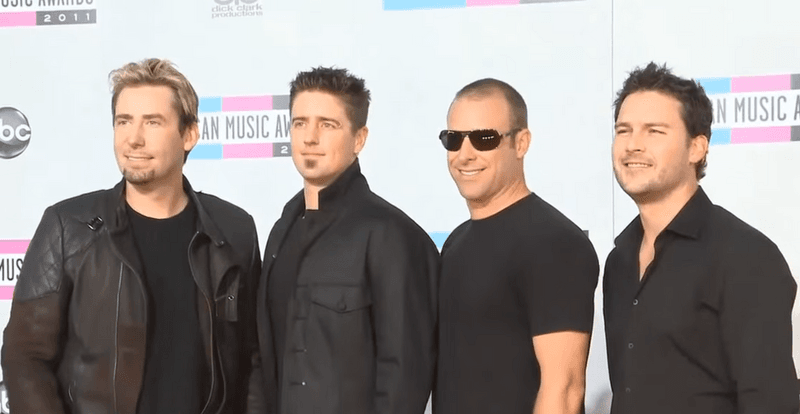
Elton John and Bernie Taupin wrote “Saturday Night’s Alright for Fighting” as a stomping, celebratory rock number in 1973. It had a loose, fun energy that felt almost live even in the studio.
Nickelback covered it in 2003 for the “Charlie’s Angels: Full Throttle” soundtrack, and while their version was competent, it played things very safe.
The cover sounded almost identical to the original in terms of structure and tempo, with Nickelback’s trademark production smoothing out some of the original’s rough charm. For a band known for a specific sound, the cover felt less like a creative choice and more like a contractual obligation.
Nickelback was one of the biggest rock acts in the world at the time, which made the lack of creative ambition here somewhat surprising. A band with that much clout could have done something genuinely unexpected with the material.
11. Westlife – Uptown Girl (2001)
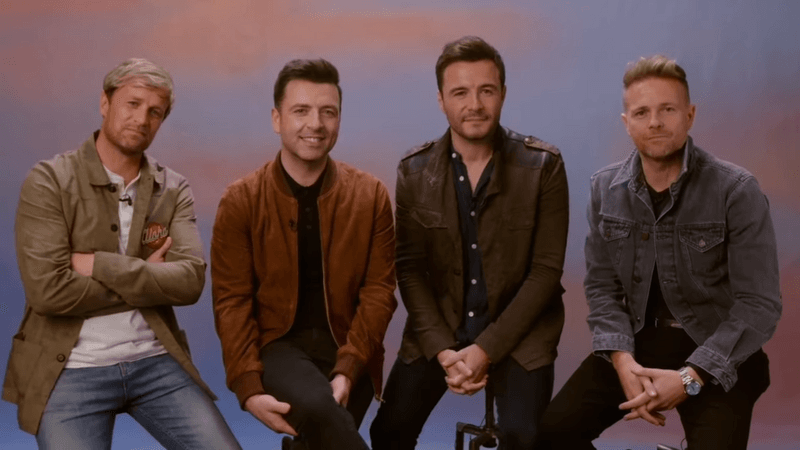
Billy Joel wrote “Uptown Girl” in 1983 as a playful, doo-wop-inspired pop song with a charming, lighthearted feel. It was catchy and fun without trying too hard.
Westlife covered it in 2001 for the charity single supporting Comic Relief, and the result was… perfectly fine. That is also the problem with it.
The cover was polished, well-produced, and performed with genuine enthusiasm. But it did not take any creative risks or offer a new perspective on the song.
It sounded like a very professional karaoke version, hitting all the right notes without adding any personality that made it distinctly theirs.
Charity motivations aside, a cover should ideally give the listener a reason to choose it over the original. Westlife’s version gave fans no compelling reason to reach for it when Billy Joel’s original was right there waiting.
Sometimes playing it safe is its own kind of artistic misstep.
12. Busted – Where Is the Love? (Live Cover)
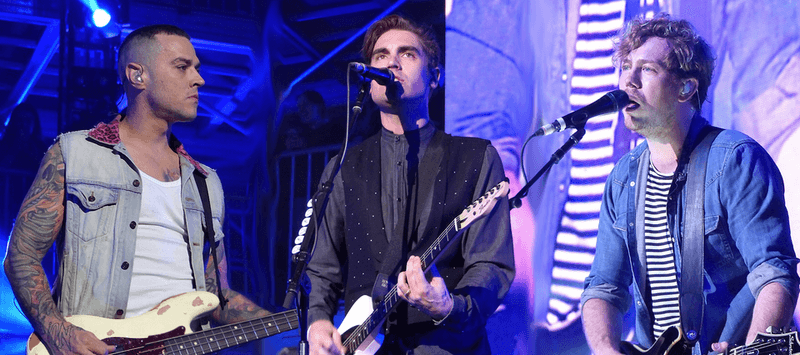
Black Eyed Peas released “Where Is the Love?” in 2003, and it became a massive global hit with a sincere message about compassion, violence, and social responsibility. The song resonated with millions because it felt genuine and timely.
When UK pop-punk band Busted performed a live cover, the stylistic shift raised more than a few eyebrows.
The cover lacked the emotional weight that made the original so impactful. Translating a socially conscious hip-hop-influenced track into a pop-punk setting stripped away the cultural context that gave the lyrics their power.
The result felt more like a fun backstage jam than a meaningful tribute.
Busted were known for their energetic, comedic pop-punk style, which worked brilliantly for their own material. But applying that approach to “Where Is the Love?” created a tonal disconnect that left audiences puzzled.
Some songs carry a message that belongs to the moment and genre that created them.
Share this story