 Unearth The Voyage
Florida is way more than theme parks and beaches packed with tourists. Tucked between the palm trees and Spanish moss are tiny towns with big personalities, rich histories, and charming streets that most visitors never discover.
These hidden gems offer a slower pace, friendlier faces, and stories worth telling. If you’re ready to explore a side of Florida that feels like a well-kept secret, this list is your starting point.
Micanopy
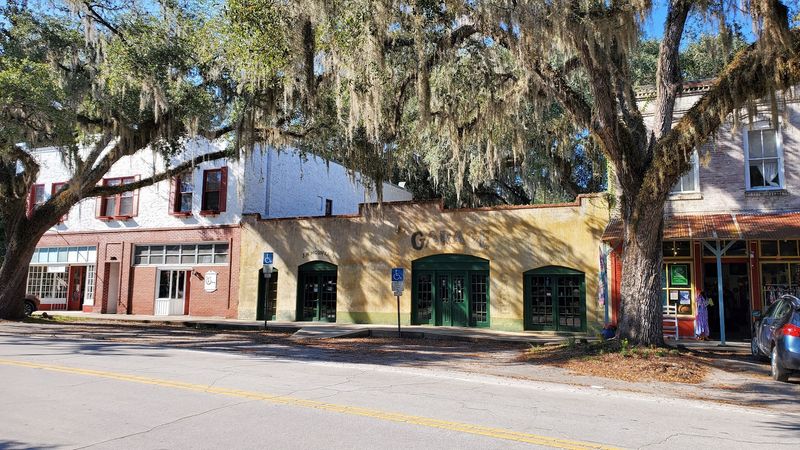
Step onto Cholokka Boulevard and you might swear you’ve accidentally walked onto a movie set – because you basically have. Micanopy appeared in the 1991 film “Doc Hollywood,” and the town hasn’t changed much since.
Ancient oak trees drip with Spanish moss over streets lined with antique shops and century-old buildings.
Micanopy is Florida’s oldest inland town, founded in 1821, and it wears that history proudly. With fewer than 700 residents, it moves at a wonderfully unhurried pace.
Weekends bring small crowds of antique hunters and history lovers who browse dusty treasures in cozy storefronts.
The surrounding Paynes Prairie Preserve State Park adds wild beauty to the charm, with bison and wild horses roaming freely nearby. Micanopy is the rare kind of place where you arrive for an hour and stay for the whole afternoon.
Apalachicola
Oyster lovers, welcome to your paradise. Apalachicola sits on Florida’s Panhandle coast and produces some of the most celebrated oysters in the entire country, harvested fresh from the cool, clean bay waters just outside town.
Local restaurants shuck them right in front of you, still cold and briny.
Beyond the seafood, this town is a living postcard of Florida’s Victorian past. Stately historic homes, brick-paved streets, and a charming waterfront make it feel like time slowed down here on purpose.
The population hovers around 2,300, giving it a tight-knit, everyone-knows-your-name energy.
Galleries, boutiques, and locally owned cafes fill the downtown blocks with creative energy. The annual Florida Seafood Festival draws visitors from across the state every November.
Apalachicola proves that the best Florida experiences often come without a theme park in sight.
Mount Dora
Perched on a rare Florida hill overlooking sparkling Lake Dora, this town has earned the nickname “Festival City” for a reason. Mount Dora hosts dozens of annual events, from art festivals and antique fairs to blueberry festivals and craft beer celebrations.
There is almost always something happening here.
The downtown area looks like it was designed by someone who genuinely loves small-town charm. Victorian storefronts painted in cheerful colors, window boxes overflowing with flowers, and brick sidewalks lined with indie shops and cozy restaurants create a storybook atmosphere.
It’s the kind of place where you slow down without even trying.
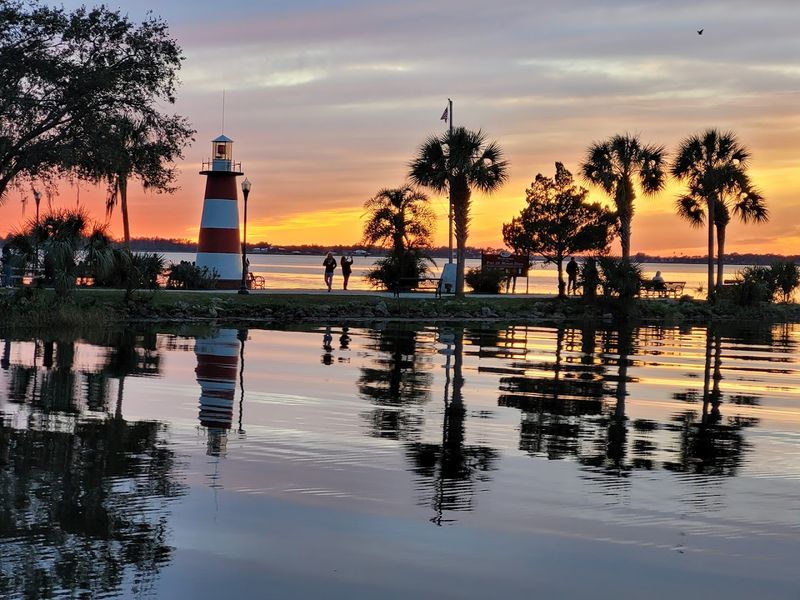
Lake Dora adds a nautical twist, with boat tours, kayaking, and a tiny lighthouse that’s surprisingly photogenic. At just over 15,000 residents, Mount Dora punches well above its weight in personality, charm, and sheer visitability.
Cedar Key
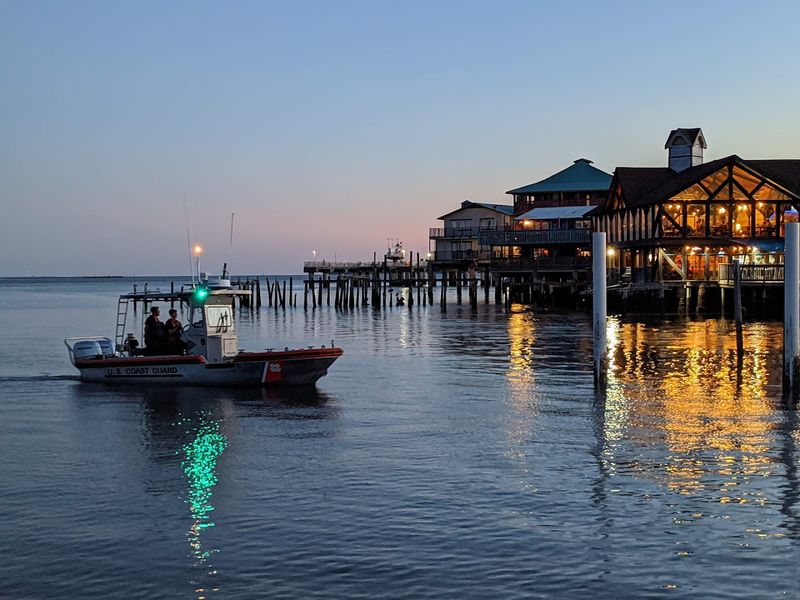
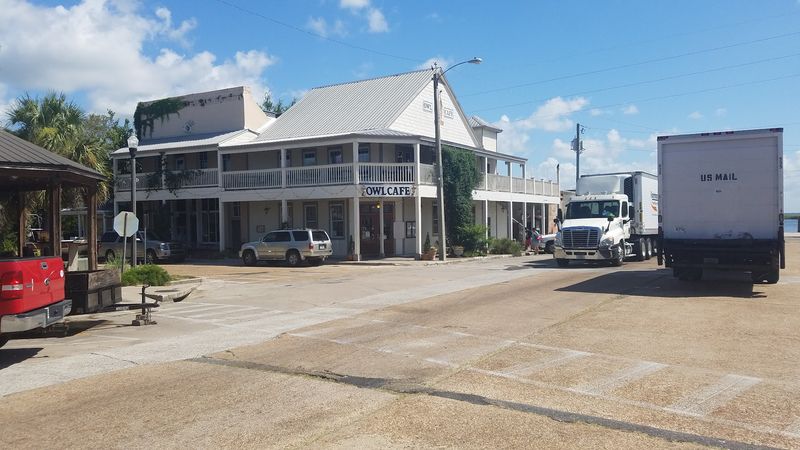
Getting to Cedar Key requires crossing a series of small bridges over glittering Gulf waters, and that journey alone sets the mood perfectly. This tiny island community sits at the end of State Road 24, almost daring you to make the trip.
Fewer than 800 people call it home year-round.
Cedar Key was once a booming 19th-century port city and pencil manufacturing hub, thanks to its vast cedar forests. Those forests are long gone, but the weathered wooden buildings, old docks, and laid-back fishing culture remain beautifully intact.
Local seafood restaurants serve clams raised right in the surrounding waters.
Wildlife refuges surround the island, making it a dream destination for birdwatchers and nature fans. Sunsets here are genuinely legendary, painting the sky in colors that feel almost too beautiful to be real.
Cedar Key is gloriously, stubbornly unhurried.
Dunedin
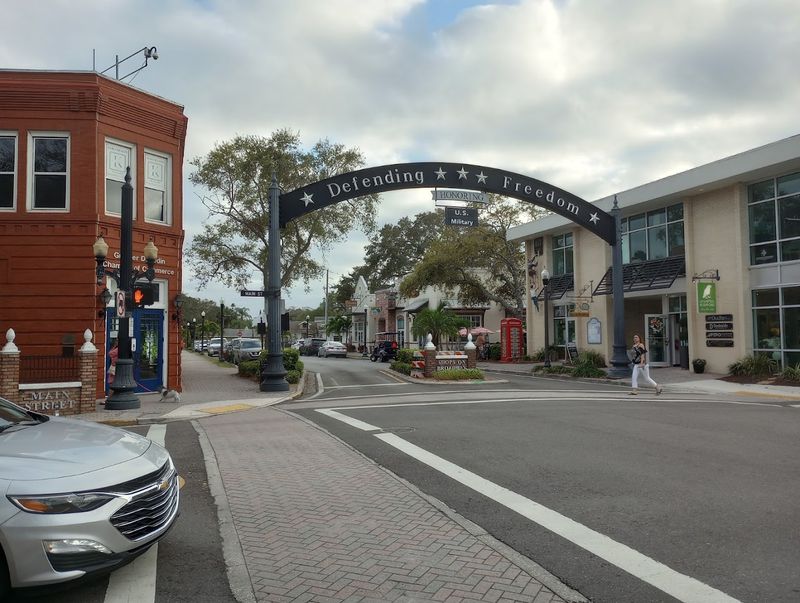
Dunedin might be Florida’s most unexpectedly Scottish town. Founded by two Scottish merchants in the 1870s, the city still celebrates its heritage with Highland Games, bagpipe parades, and a downtown that buzzes with genuine character.
The name itself comes from the Scottish Gaelic word for Edinburgh.
The downtown strip along Main Street is one of the most walkable and lively in the entire Tampa Bay area. Craft breweries, colorful murals, waterfront restaurants, and eclectic boutiques pack just a few cheerful blocks.
The Pinellas Trail runs right through town, making it popular with cyclists and pedestrians year-round.
Honeymoon Island and Caladesi Island State Parks sit just minutes away, offering pristine Gulf beaches that feel worlds apart from the crowded tourist strips. Dunedin’s combination of culture, outdoor access, and small-town warmth makes it one of Florida’s most lovable little cities.
Tarpon Springs
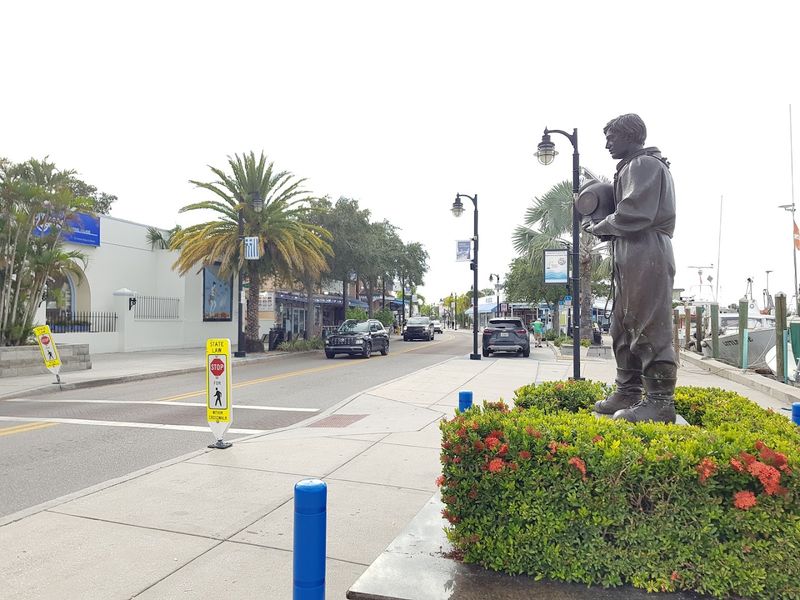
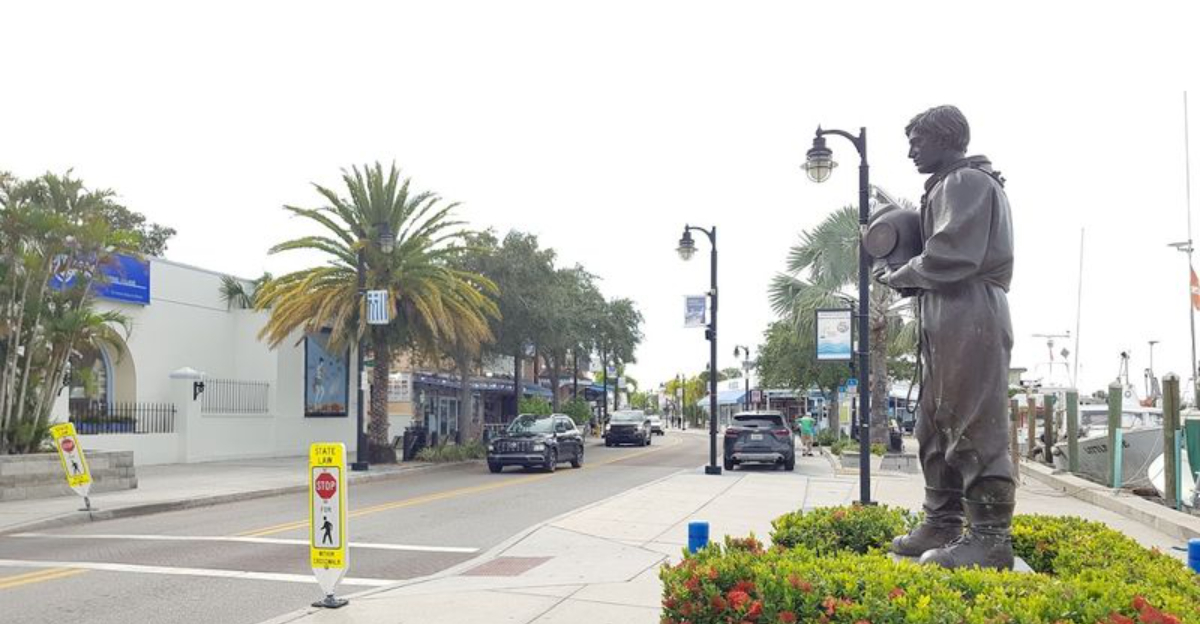
Walking along the Sponge Docks in Tarpon Springs, the smell of fresh-baked spanakopita drifts out of Greek bakeries while vendors sell natural sea sponges straight off the boats. This Gulf Coast city has the highest percentage of Greek Americans of any city in the United States, and the culture is absolutely everywhere.
Greek sponge divers arrived here in the early 1900s, drawn by the sponge-rich Gulf waters, and their descendants never left. Today, the Sponge Docks district is a lively stretch of Greek restaurants, import shops, and boat tours where you can watch live sponge diving demonstrations.
The St. Nicholas Greek Orthodox Cathedral is a stunning architectural landmark that anchors the community’s spiritual and cultural identity. Tarpon Springs feels genuinely unlike anywhere else in Florida, which is exactly what makes it so worth visiting.
Plan to eat a lot of baklava.
Fernandina Beach
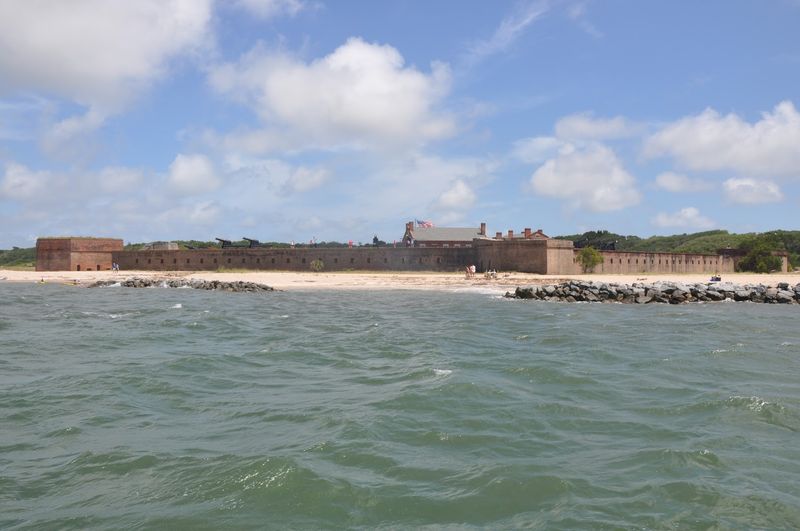
Fernandina Beach sits on Amelia Island at Florida’s northeastern tip, and it carries the remarkable distinction of having flown eight different flags over its history. Spanish, French, British, American, and even a pirate flag have all claimed this strategic little city at various points.
That kind of layered past creates a seriously fascinating downtown to explore.
The Centre Street historic district is lined with Victorian-era buildings housing independent boutiques, seafood restaurants, and craft breweries. Shrimp boats still work the harbor, keeping the town’s fishing heritage alive and the menus fresh.
The whole area has a dignified, unhurried elegance that feels genuinely old Florida.
Fort Clinch State Park sits at the island’s northern tip, offering a beautifully preserved Civil War-era fort and miles of pristine beach. Fernandina Beach rewards curious travelers who take the time to really look around.
Sebring
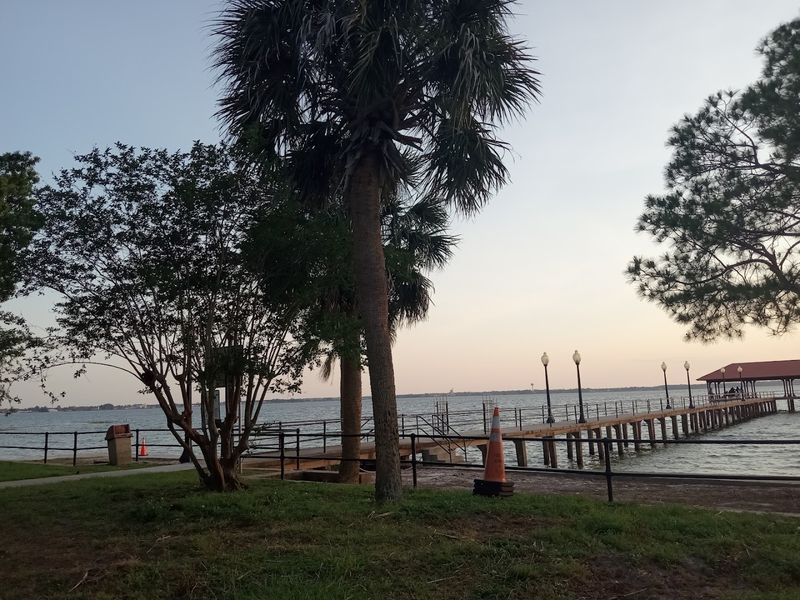
Race car fans already know Sebring’s name – it hosts one of the world’s oldest and most prestigious endurance races every March at Sebring International Raceway. But outside of race weekend, this Central Florida town is a quiet, walkable gem built around a perfectly circular downtown design.
Literally, the streets form a circle around a central park.
That unusual layout was the vision of founder George Sebring, who designed the city in 1912 inspired by the ancient city of Heliopolis, Egypt. Downtown Sebring has a pleasantly nostalgic feel, with locally owned shops, cafes, and galleries surrounding the circle.
Lake Jackson provides a scenic backdrop right at the edge of downtown.
The Highlands Hammock State Park nearby offers some of Florida’s best old-growth forest hiking, with massive ancient cypress trees that will genuinely stop you in your tracks. Sebring is refreshingly underrated.
DeFuniak Springs
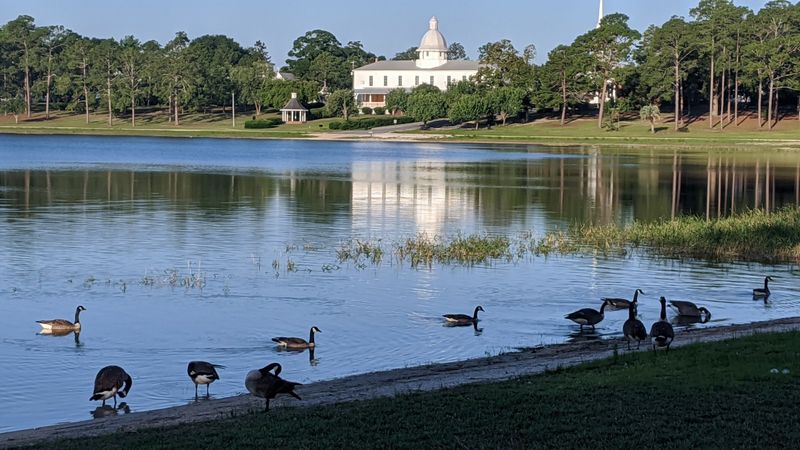
There are only two perfectly round natural lakes in the world, and one of them sits right in the middle of DeFuniak Springs, Florida. Circle Drive wraps around this geological oddity, lined with stunning Victorian homes, ancient oak trees, and a serene, almost dreamlike landscape that seems too pretty to be accidental.
The town grew as a winter resort community in the late 1800s, attracting wealthy Northerners who built elaborate Victorian mansions along the lakeshore. Many of those homes still stand today, beautifully preserved and privately occupied.
The Chautauqua Hall of Brotherhood, built in 1885, is one of the oldest public buildings in Florida still in continuous use.
A tiny historic library dating to 1886 sits lakeside and is believed to be the oldest library in Florida still operating in its original building. DeFuniak Springs is a genuine architectural time capsule hiding in the Florida Panhandle.
Brooksville
Florida has hills? In Brooksville, yes, it absolutely does.
Sitting in Hernando County about an hour north of Tampa, Brooksville rises and rolls across a landscape that looks nothing like the flat peninsula most people picture. The elevation is modest by mountain standards, but in Florida, those hills feel genuinely dramatic and refreshing.
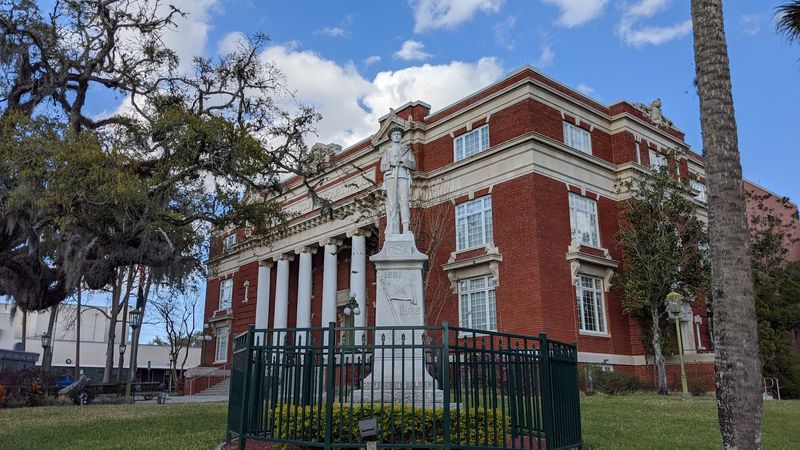
The downtown historic district is anchored by a handsome 19th-century courthouse and surrounded by antique shops, local diners, and buildings that have been standing since before the Civil War. The town has a slow, Southern charm that feels completely authentic rather than manufactured for tourists.
The May-Stringer Heritage Museum tells the town’s surprisingly rich history inside a beautifully restored Victorian home. Nearby Chinsegut Hill and the Withlacoochee State Forest offer excellent outdoor exploration.
Brooksville rewards visitors who appreciate real character over polished tourist traps – this town has stories to tell.
Crystal River
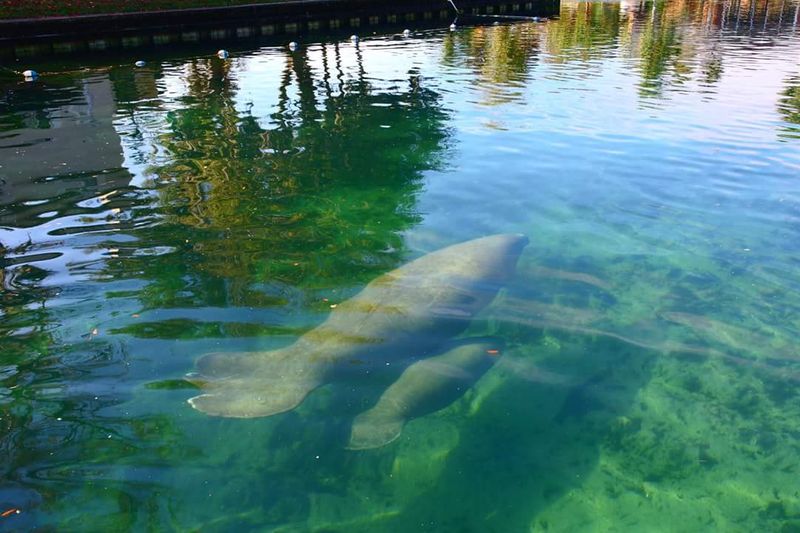
Manatee season in Crystal River is one of Florida’s most magical natural experiences, and not nearly enough people know about it. Every winter, hundreds of gentle West Indian manatees migrate into Kings Bay, drawn by the warm, crystal-clear spring water that stays a constant 72 degrees year-round.
You can swim with them legally and ethically right here.
The town itself is small and unpretentious, built around a working waterfront with dive shops, boat rentals, and seafood restaurants that don’t try too hard. Crystal River National Wildlife Refuge protects the manatee habitat and keeps the ecosystem remarkably healthy.
Paddle through the headspring and the water visibility can stretch beyond 30 feet.
Beyond manatees, the area offers world-class scalloping in summer, archaeological sites dating back thousands of years, and quiet nature trails. Crystal River is proof that Florida’s most spectacular wildlife encounters don’t require a theme park ticket.
New Smyrna Beach
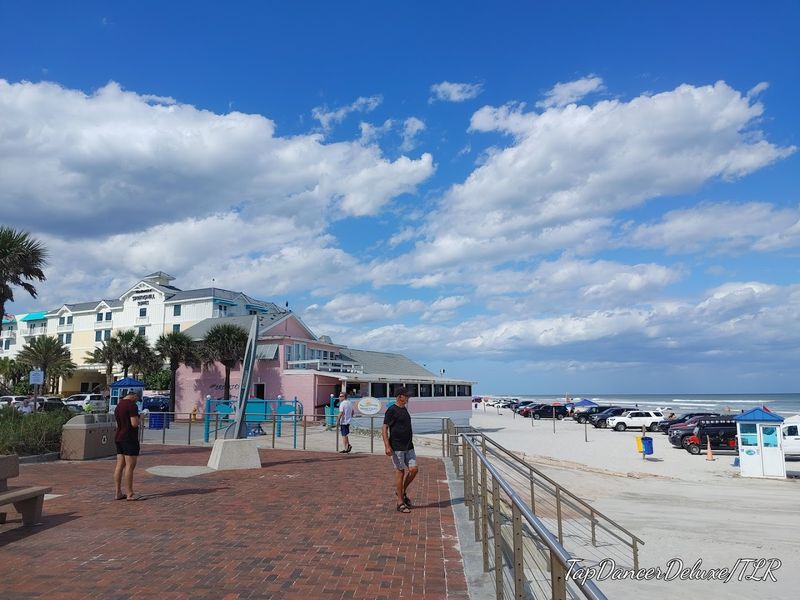
Surfers discovered New Smyrna Beach long before the Instagram crowd did, and locals have been quietly protective of it ever since. The waves here are among the best on Florida’s Atlantic coast, drawing a laid-back surf culture that shapes the entire town’s personality.
Canal Street, the main downtown drag, has evolved into a genuinely cool arts district without losing its beach-town soul.
Galleries, farm-to-table restaurants, indie coffee shops, and boutiques fill historic buildings along Canal Street and Flagler Avenue. The town has a thriving arts scene that punches way above its size, hosting frequent art walks, studio tours, and gallery openings throughout the year.
It feels creative and alive without feeling overcrowded or overly commercial.
The beach itself is uncrowded compared to nearby Daytona, with wide stretches of sand and a relaxed, unhurried vibe. New Smyrna Beach is the kind of place that people visit once and immediately start planning their return trip.



